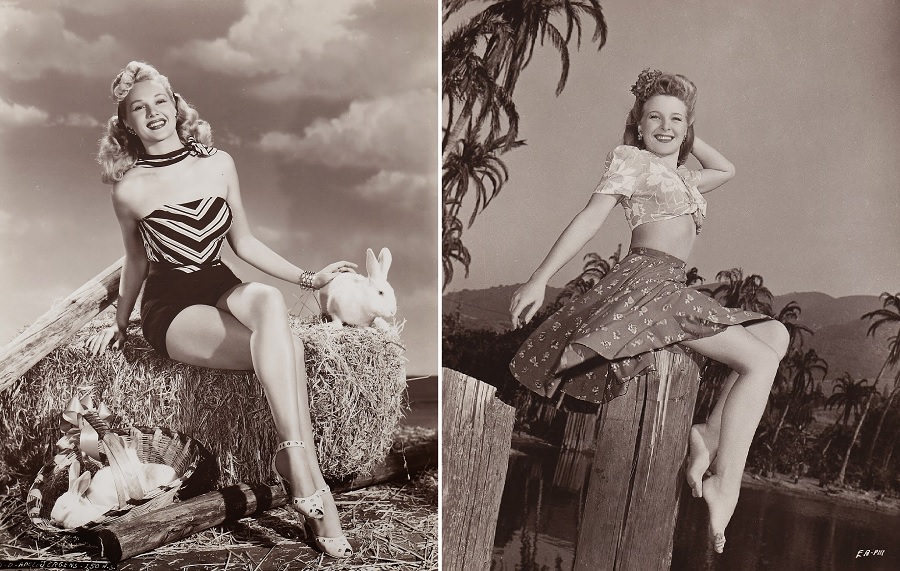
Fred Hartsook was one of the most sought-after portrait photographers in early 20th-century America. Based on the Pacific Coast, he built a chain of studios that stretched from San Francisco to Oakland, and by 1921, writer John Steven McGroarty described his photographic business as “the largest worldwide.” That kind of reach was no accident. Hartsook had a gift for capturing his subjects with elegance and precision, and word spread quickly among the most famous names of the era.
His client list read like a who’s who of the silent film world. Mary Pickford, Lillian Gish, and Carlyle Blackwell all sat in front of his camera, as did opera star Geraldine Farrar and politicians Champ Clark and Joseph Gurney Cannon. Even industrialist Henry Ford commissioned a portrait. Outside the studio, Hartsook lived a full life — he owned a resort in Humboldt County and two ranches in Southern California where he raised prize Holstein cattle. In 1919, he married Bess Hesby, who had served as “Miss Liberty” at the Panama-Pacific International Exposition in San Francisco in 1915. He died in 1930 at the age of 53.
The portraits below span the full decade of the 1910s and showcase the women who defined beauty and stardom during that era. Among the most frequently photographed was Ann Forrest, a stage and screen actress whose striking features translated beautifully to Hartsook’s careful lighting.
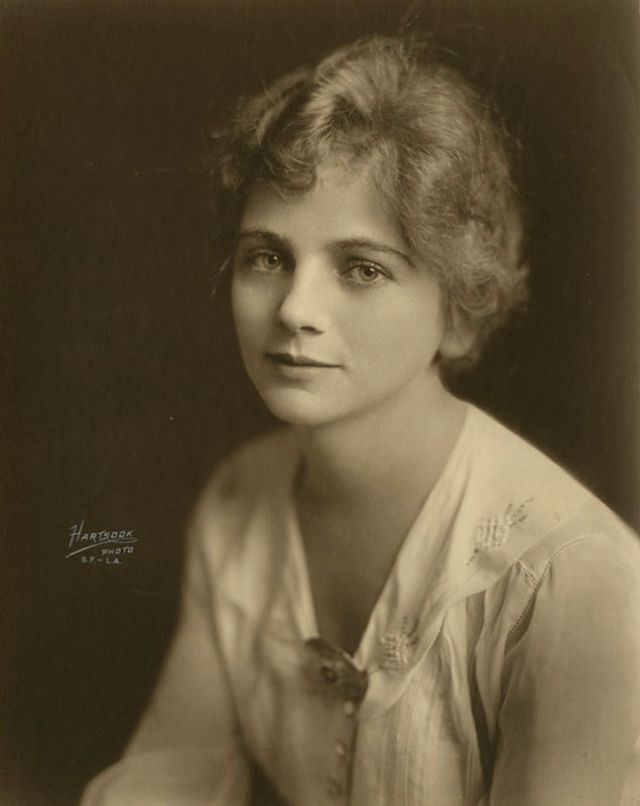
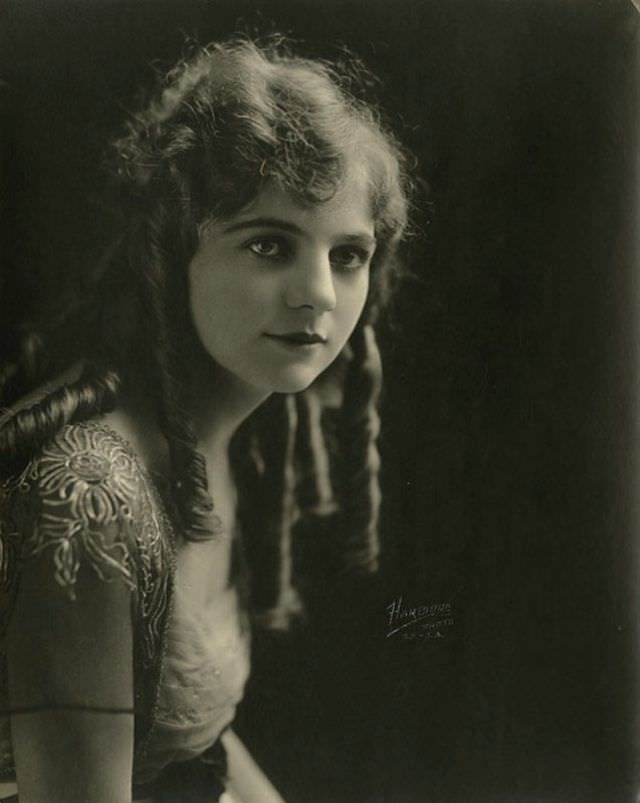
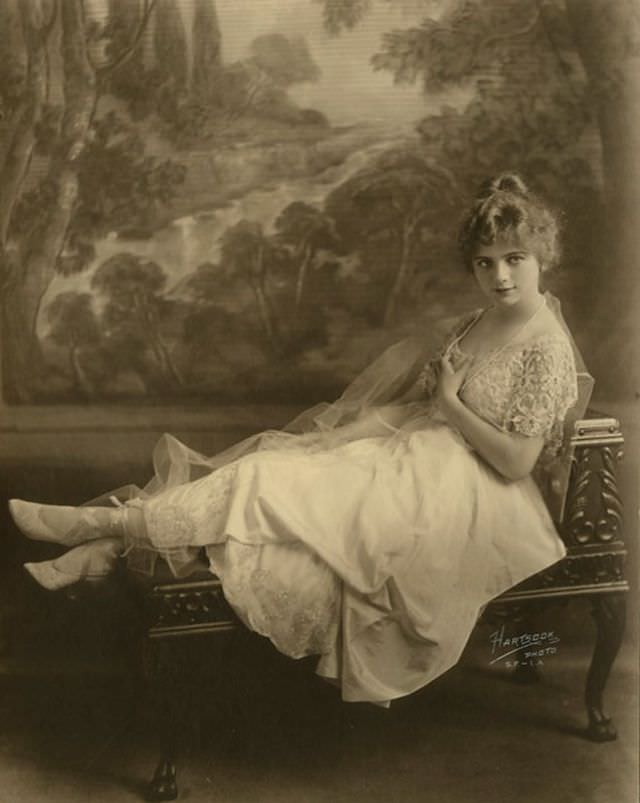
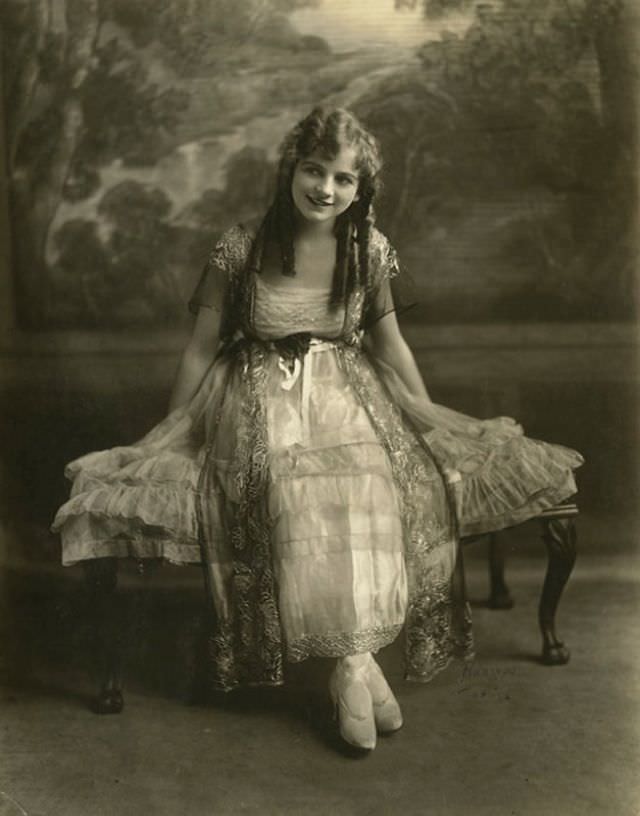
Billie Burke, best known today as Glinda the Good Witch in the 1939 film The Wizard of Oz, was already a celebrated stage actress when Hartsook photographed her in 1910. At the time, she was one of Broadway’s biggest names, and her portrait reflects the composed confidence she carried both on and off the stage.
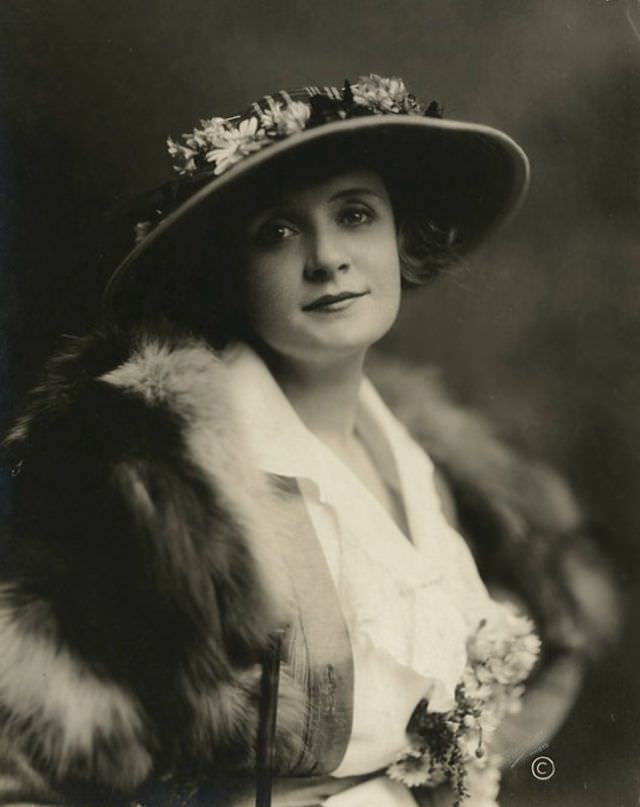
Clara Kimball Young was a leading film actress of the 1910s, known for her expressive performances in dramatic roles. Hartsook’s portrait of her captures the kind of refined poise that made her one of the top box-office draws of the decade.
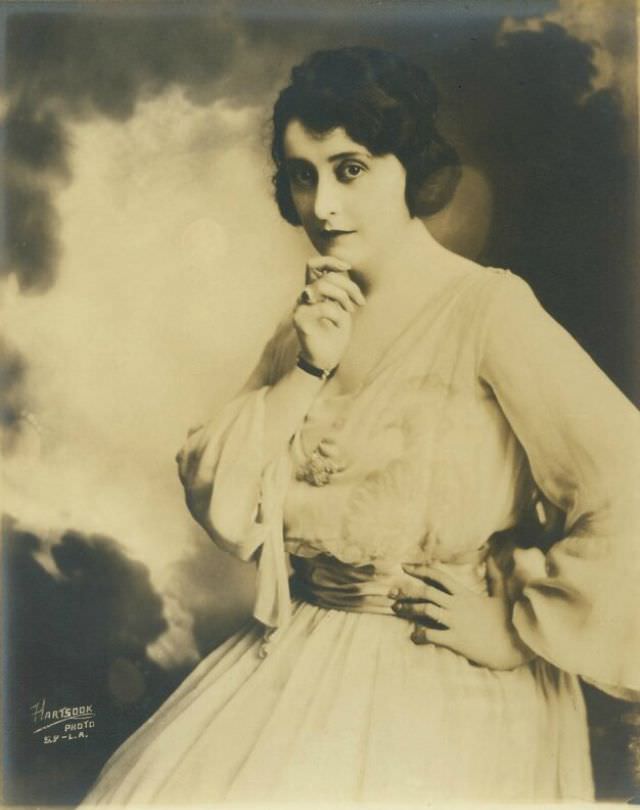
Kathleen Clifford was a vaudeville and film performer who brought a playful energy to her work on screen. Hartsook photographed her on multiple occasions throughout the decade, each sitting producing a distinct look.
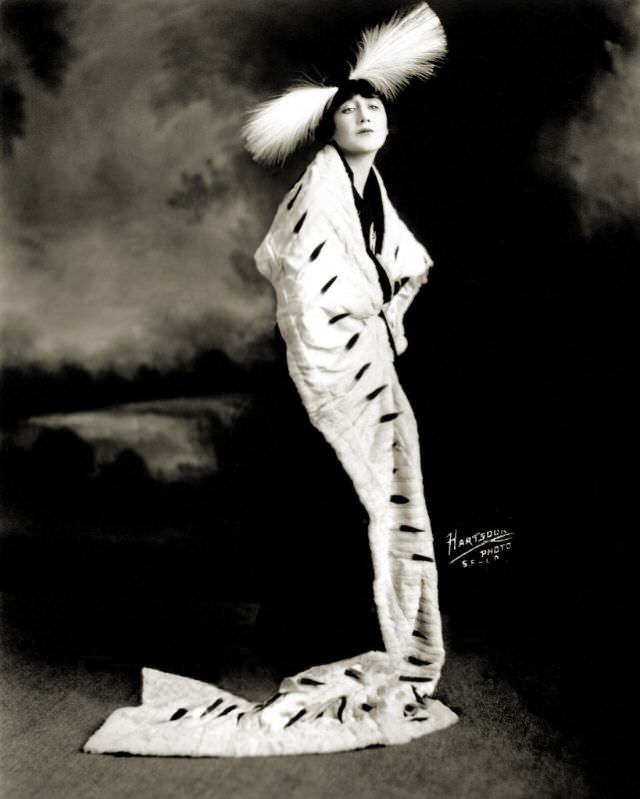
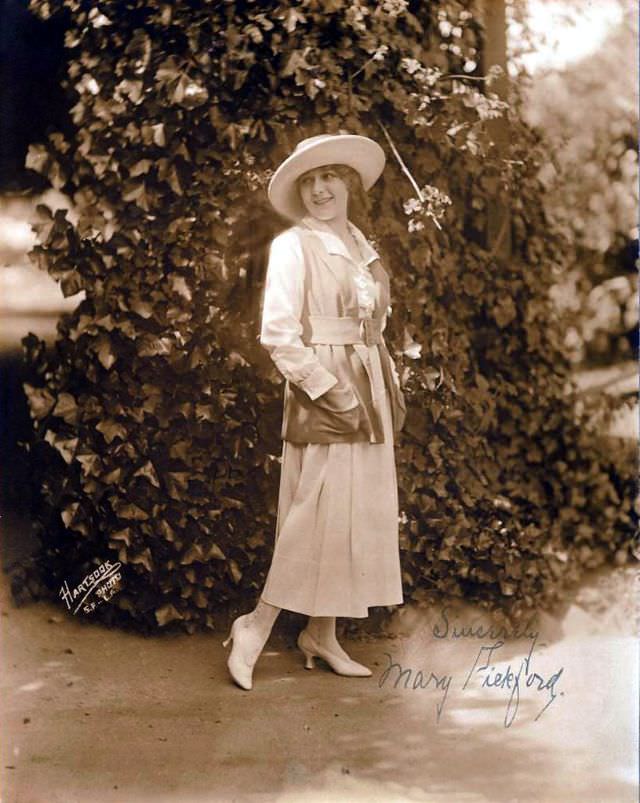
Among Hartsook’s most famous clients was Mary Pickford, often called “America’s Sweetheart.” She was the biggest female film star of the silent era, and Hartsook captured her at multiple points throughout the 1910s. His early portrait of her shows the youthful charm that made audiences across the country adore her.
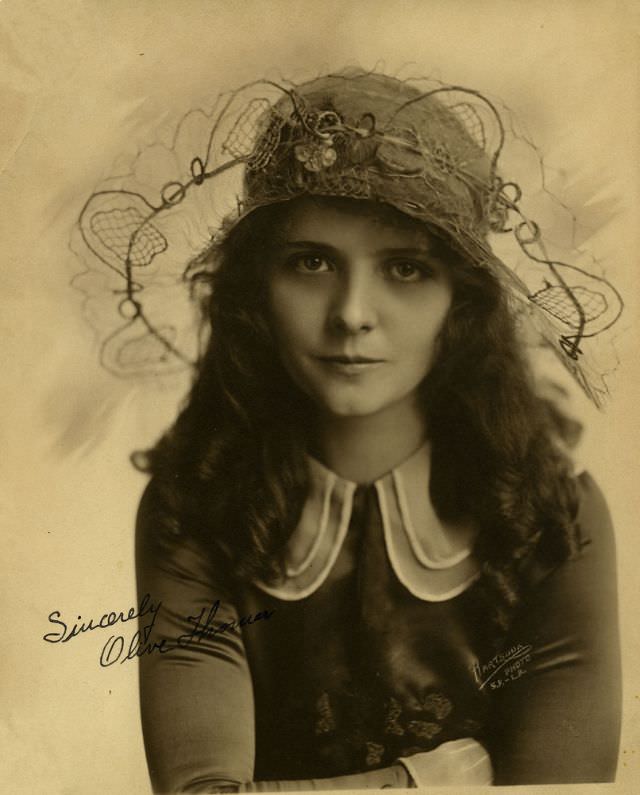
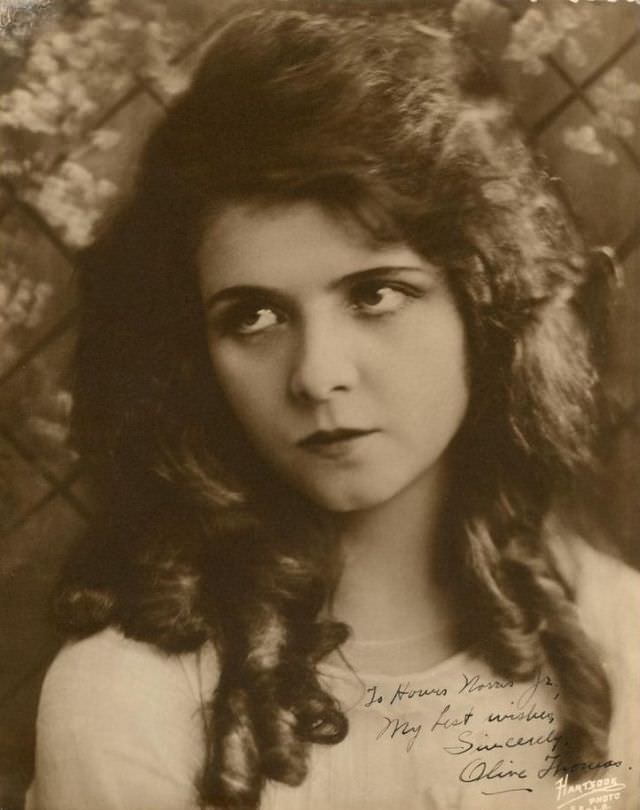
Olive Thomas was a Ziegfeld Follies showgirl turned film actress whose career was cut tragically short. By the time Hartsook photographed her, she was already a recognizable face in American popular culture, with a luminous quality that the camera captured effortlessly.
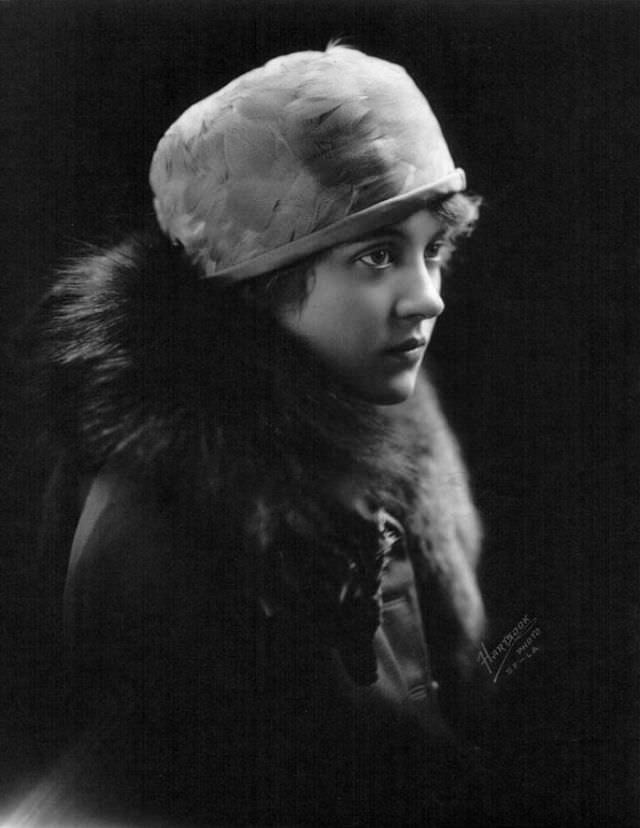
Ruth Chatterton began her career on the stage before transitioning to film. Her 1914 portrait by Hartsook shows a young performer still in the early stages of a career that would eventually earn her two Academy Award nominations.
Blanche Sweet was a D.W. Griffith protégé and one of silent cinema’s most respected dramatic actresses. Hartsook photographed her extensively in 1915, producing a remarkable series of portraits that show different facets of her screen presence.
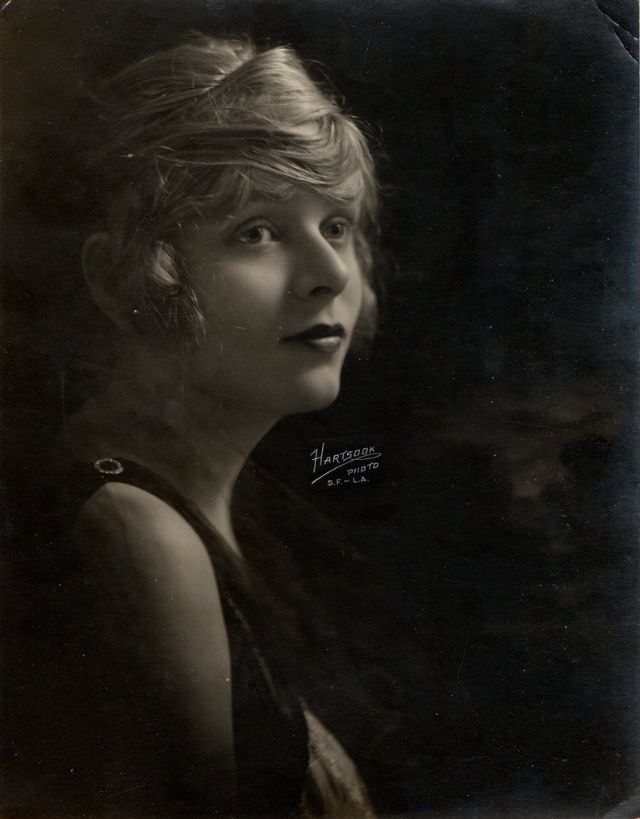
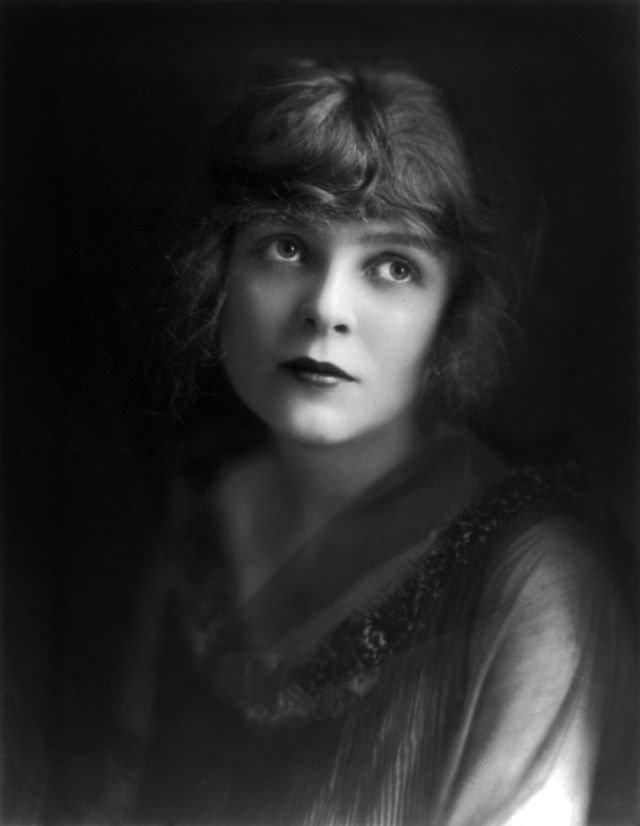
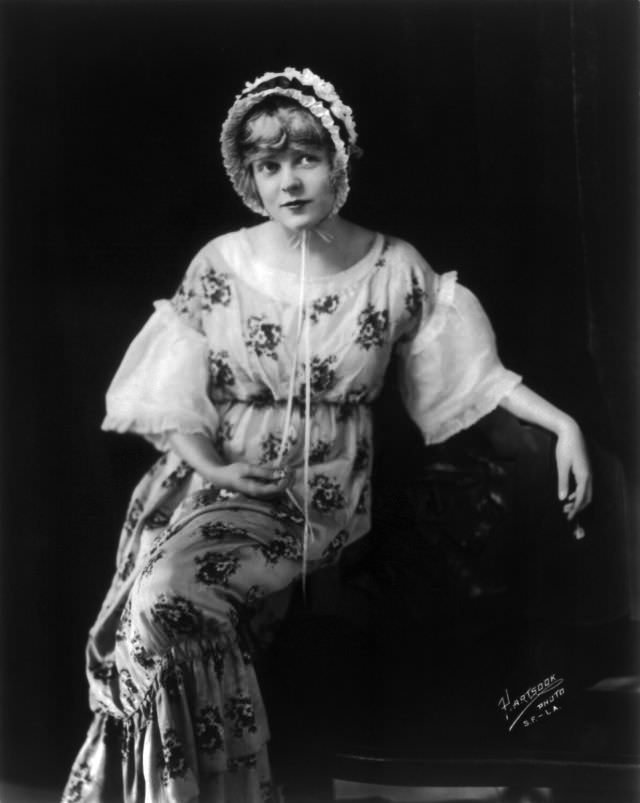
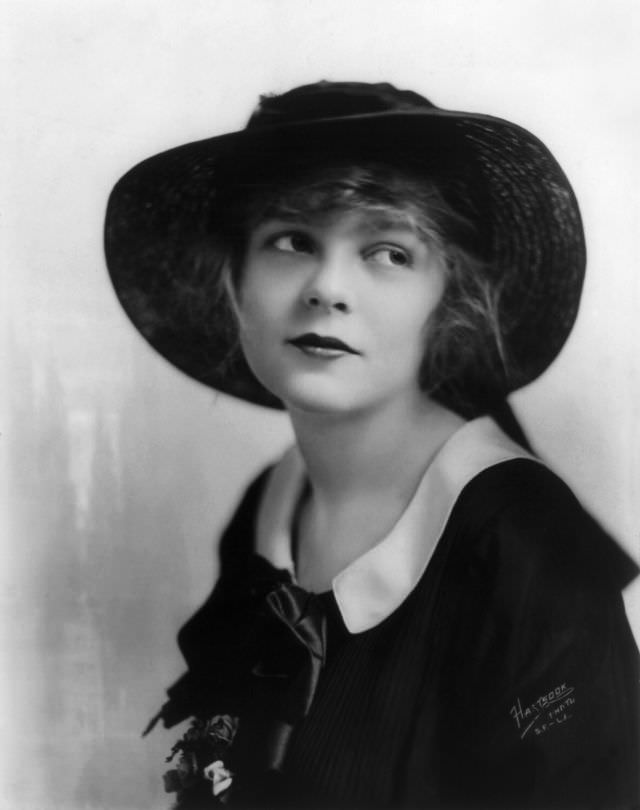
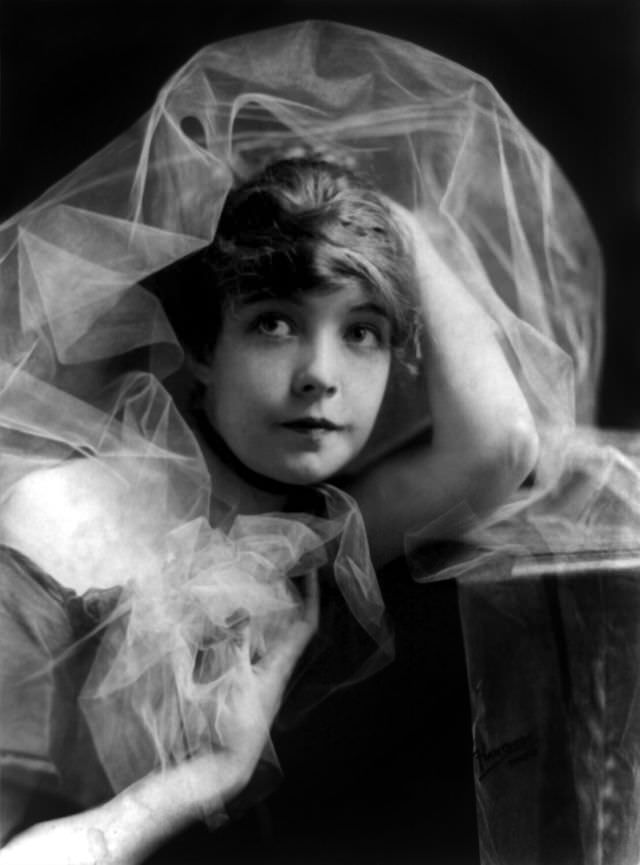
Lillian Gish, another of Hartsook’s recurring subjects, was photographed by him across multiple years. In 1915, she was starring in some of the most important films of the silent era, including D.W. Griffith’s The Birth of a Nation and Intolerance. Her portraits from this period carry a quiet intensity that matched the dramatic roles she was known for.
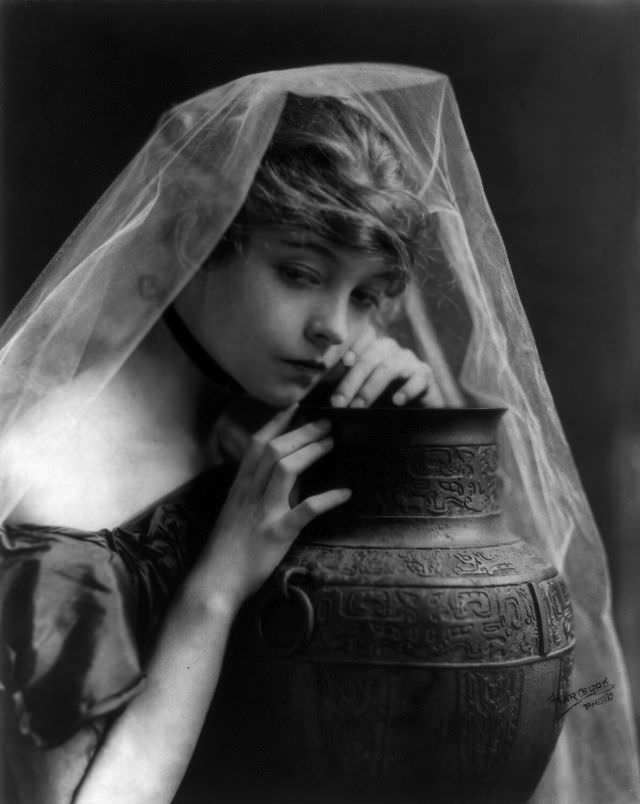
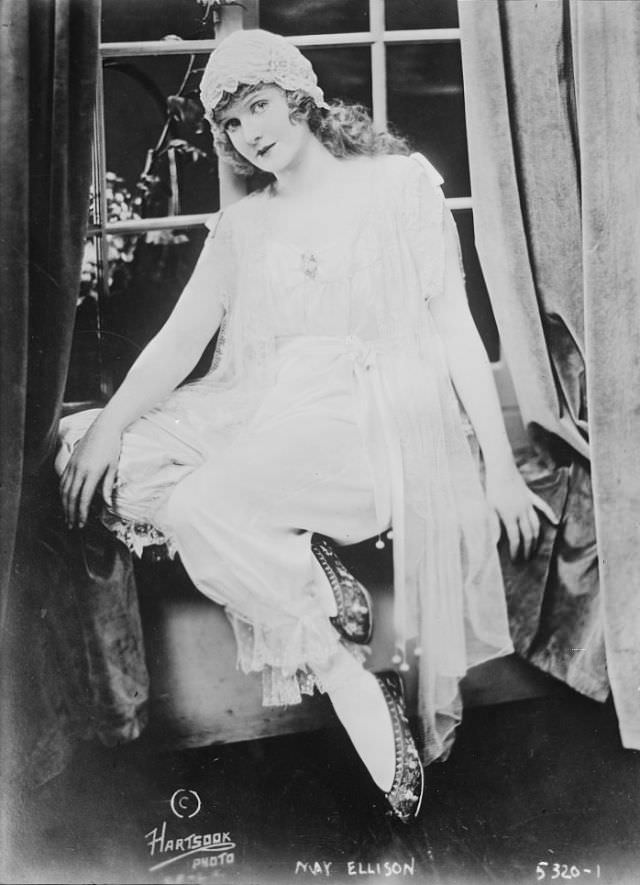
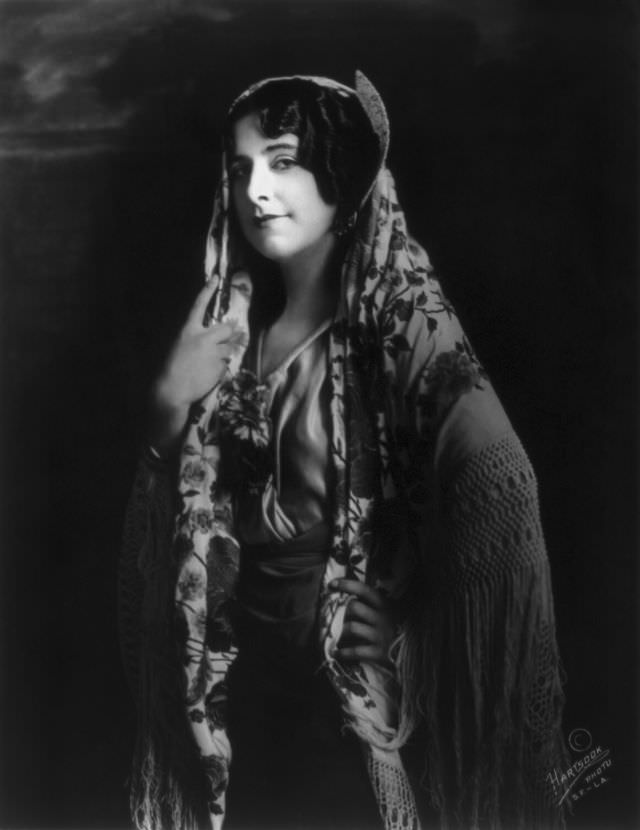
May Ellison and operatic soprano Geraldine Farrar were both photographed in 1915. Farrar was an internationally famous opera singer who also crossed over into silent films, making her one of the era’s most versatile performers.
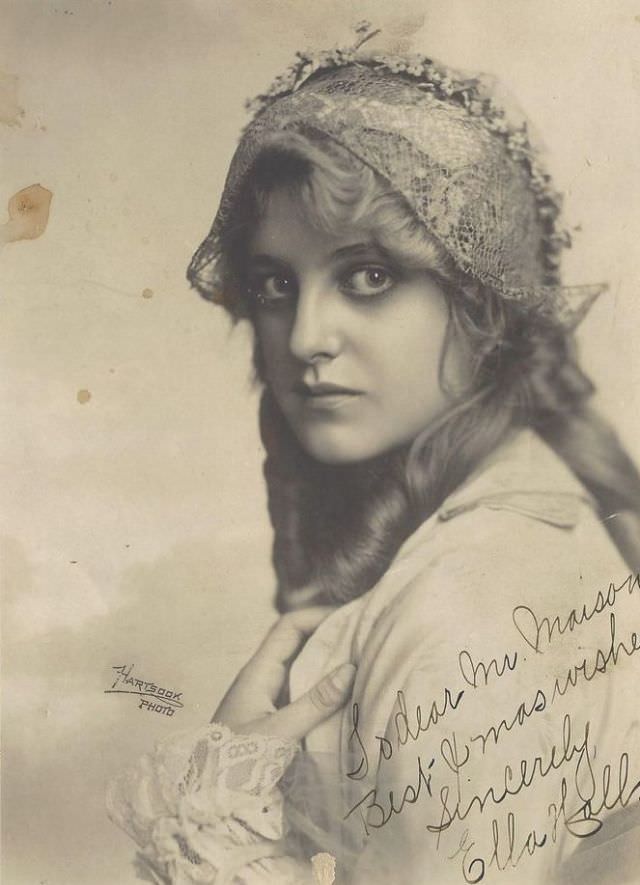
In 1916, Hartsook photographed Ella Hall, a young Universal Pictures actress known for her work in serials and features. That same year, he returned to Lillian Gish for another sitting, as well as Ruth St. Denis, one of the founding figures of American modern dance.
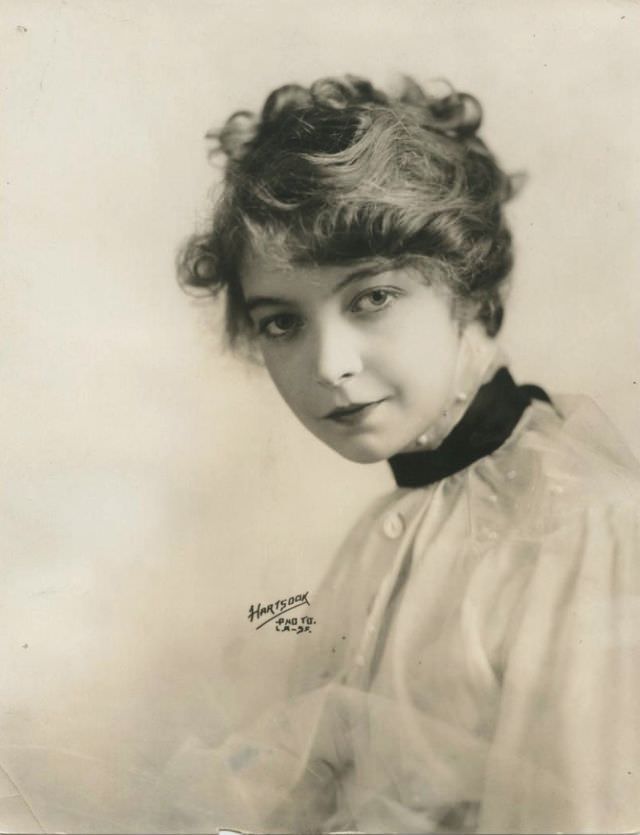
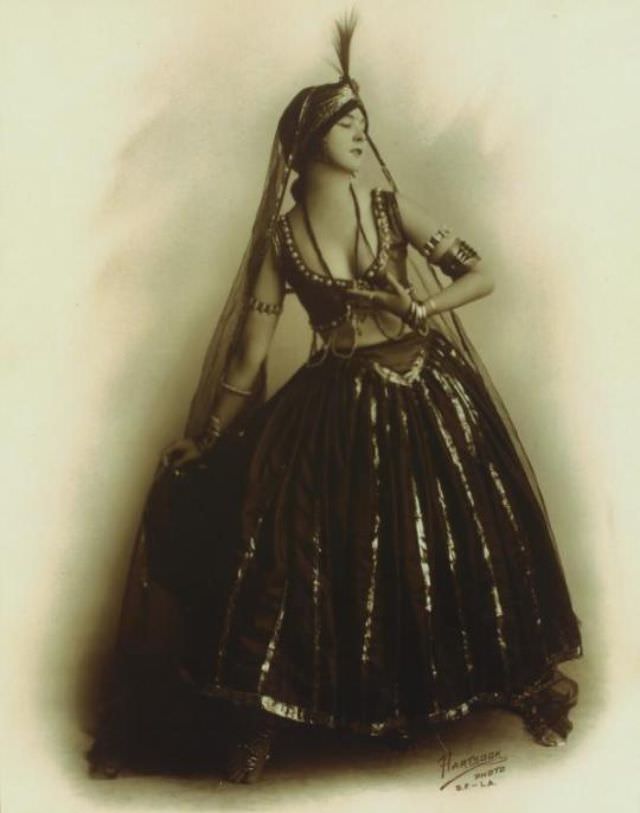
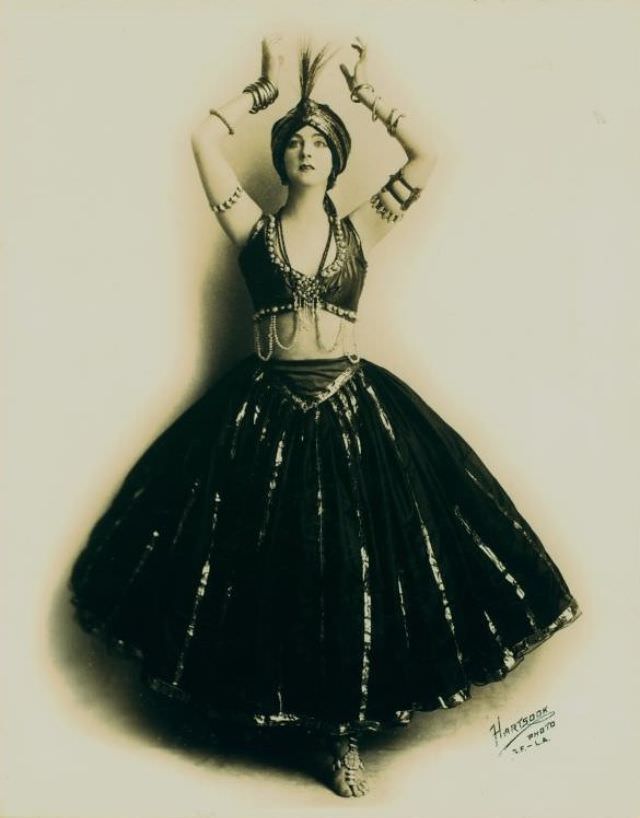
By 1917, Hartsook’s studio was at the center of Hollywood’s growing star system. Beverly Bayne, one half of the first major on-screen romantic duo alongside Francis X. Bushman, sat for a portrait that year. So did Blanche Sweet and Kathleen Clifford, both returning subjects, along with Myrtle Gonzalez, a Western film actress who died in 1918 during the influenza pandemic at just 27 years old.
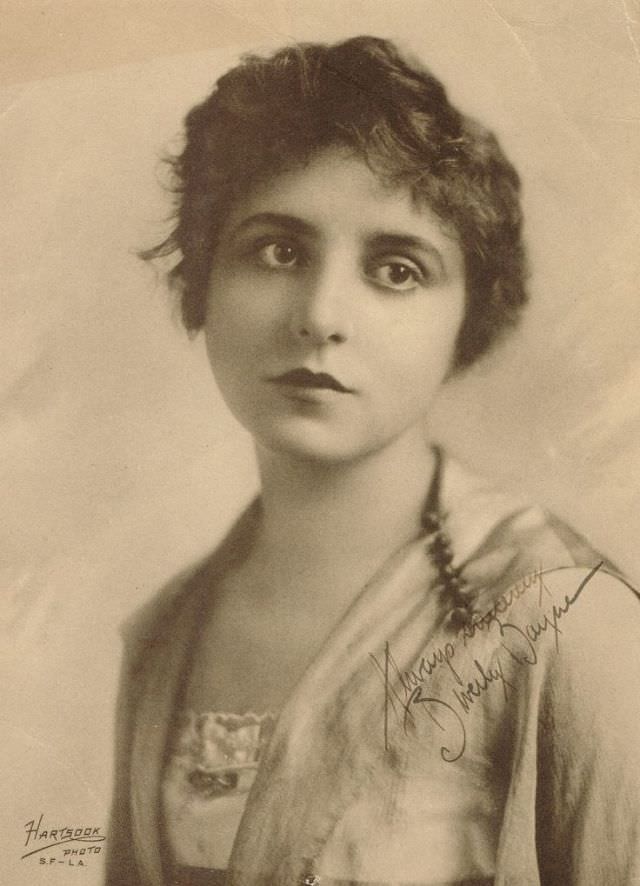
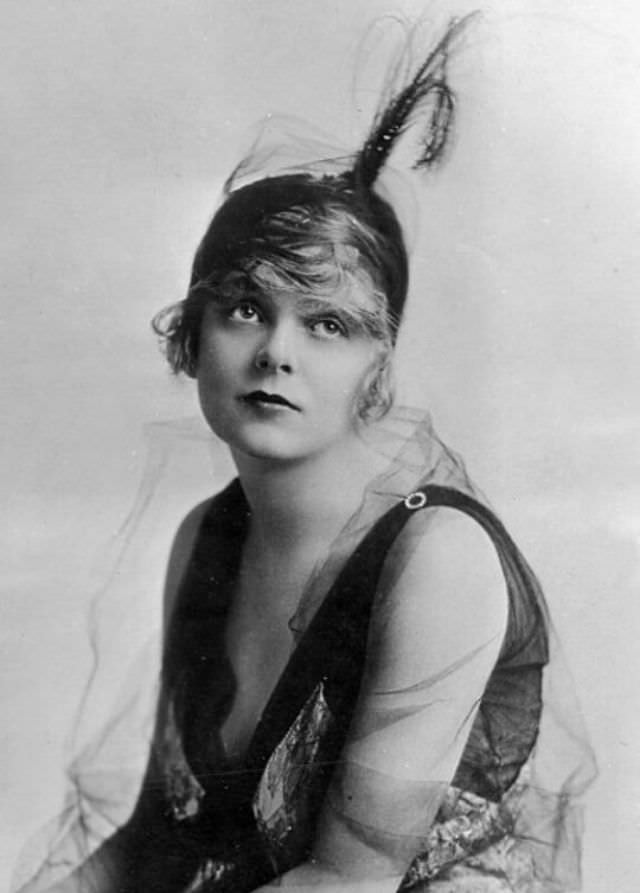
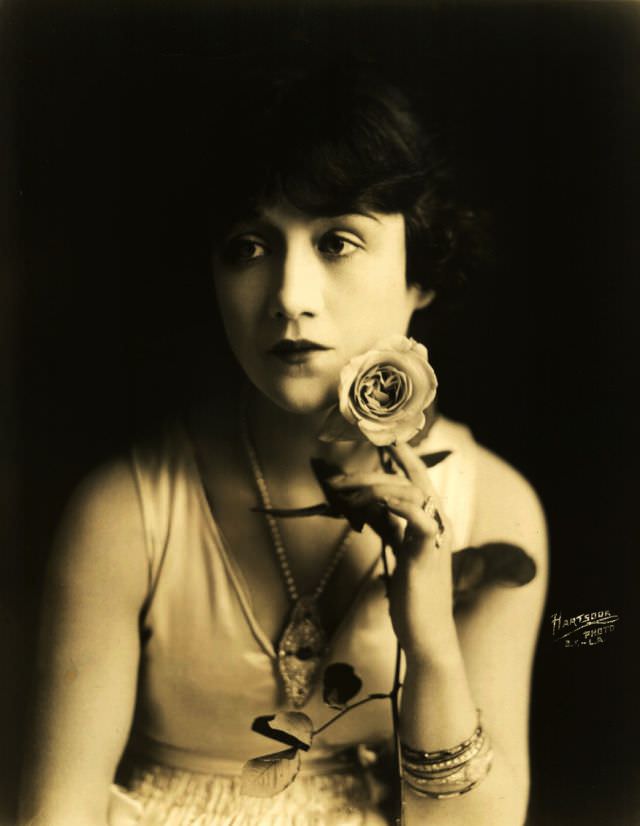
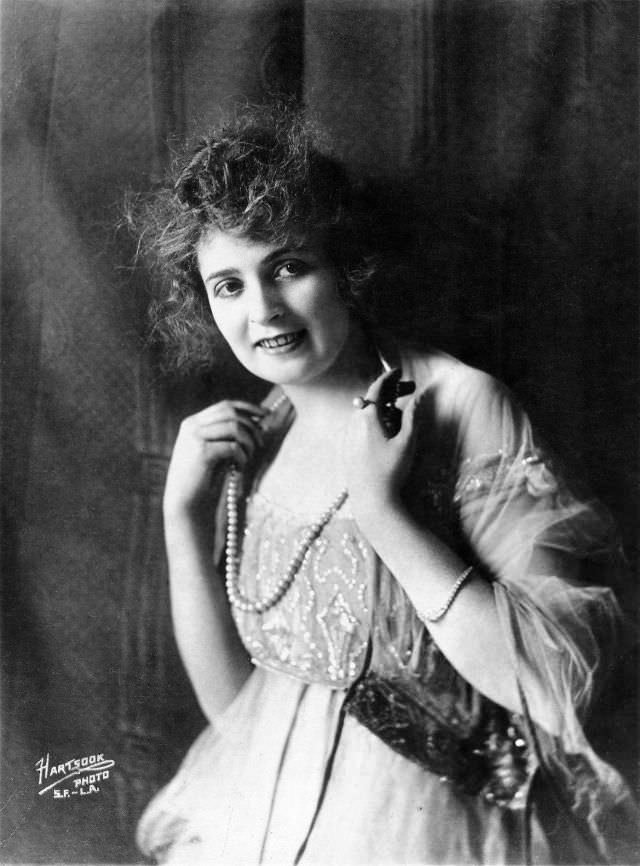
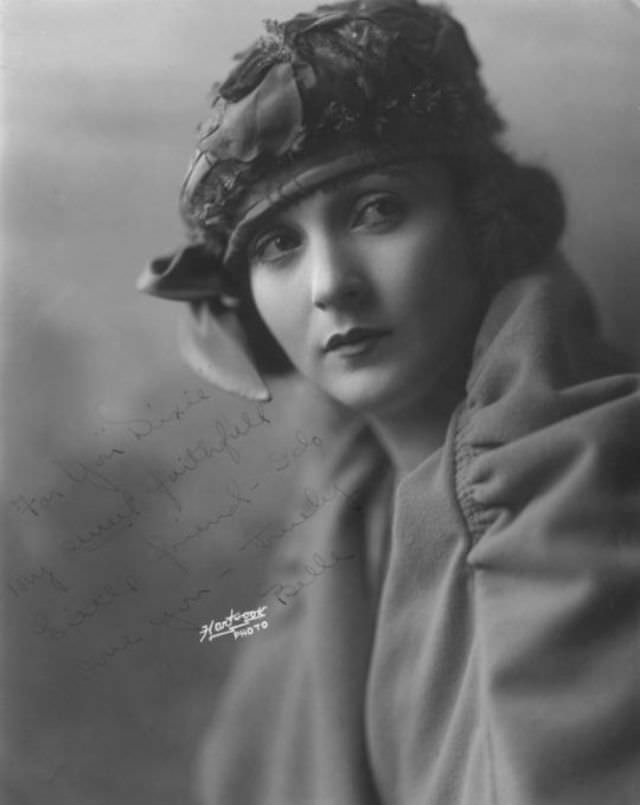
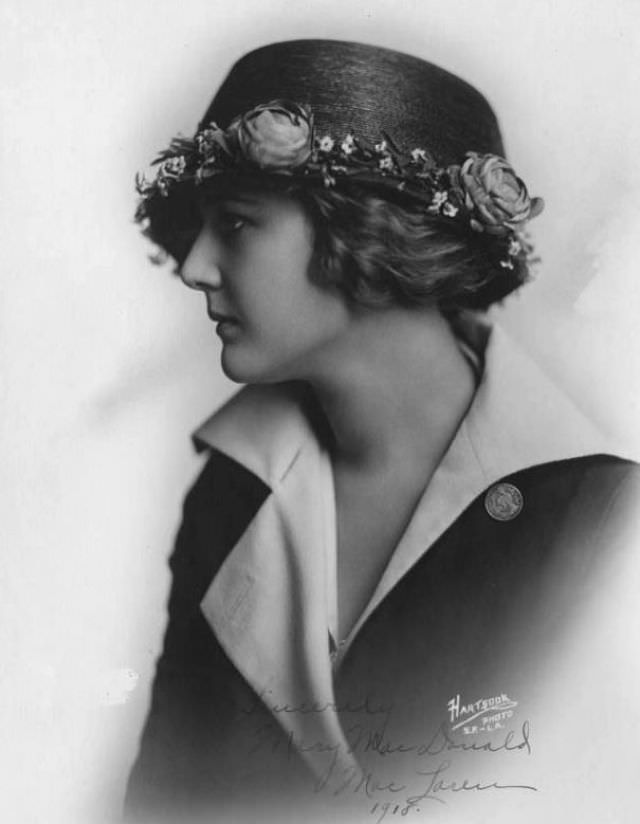
The 1918 sessions produced some of the most varied portraits in Hartsook’s catalog. Belle Bennett, Carol Holloway, Gloria Payton, Lillian Gish, and Mary MacLaren all visited the studio that year. Each brought a different quality to the frame — from Bennett’s mature warmth to Gish’s cool, almost otherworldly stillness.
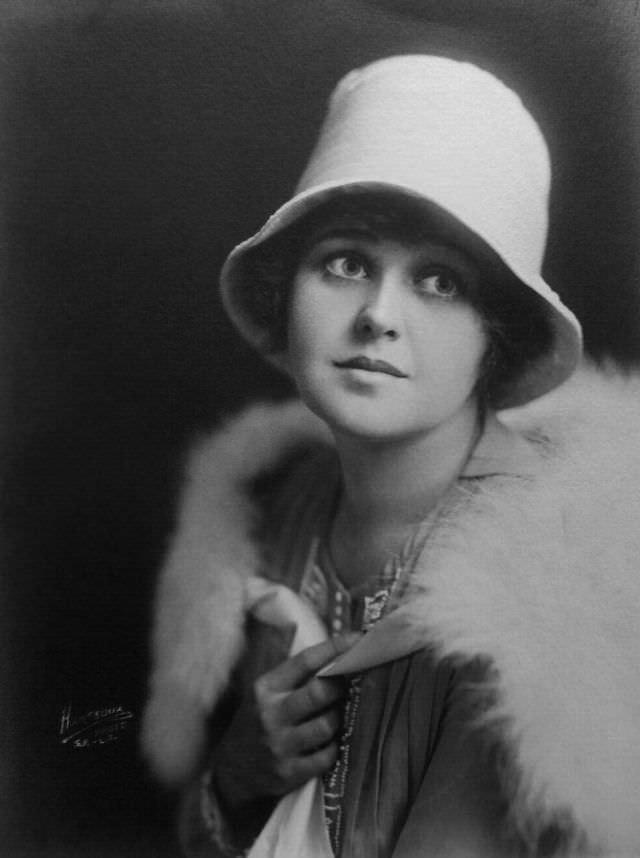
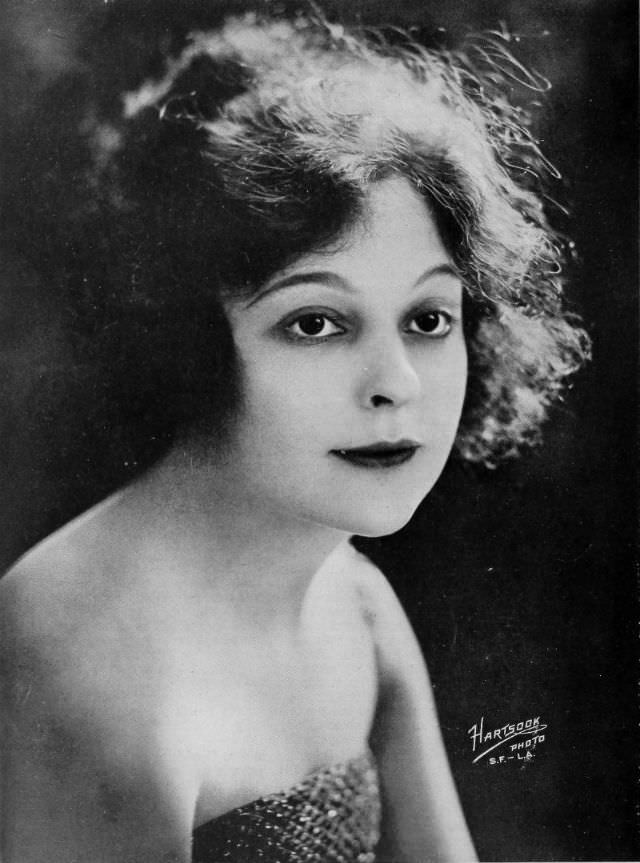
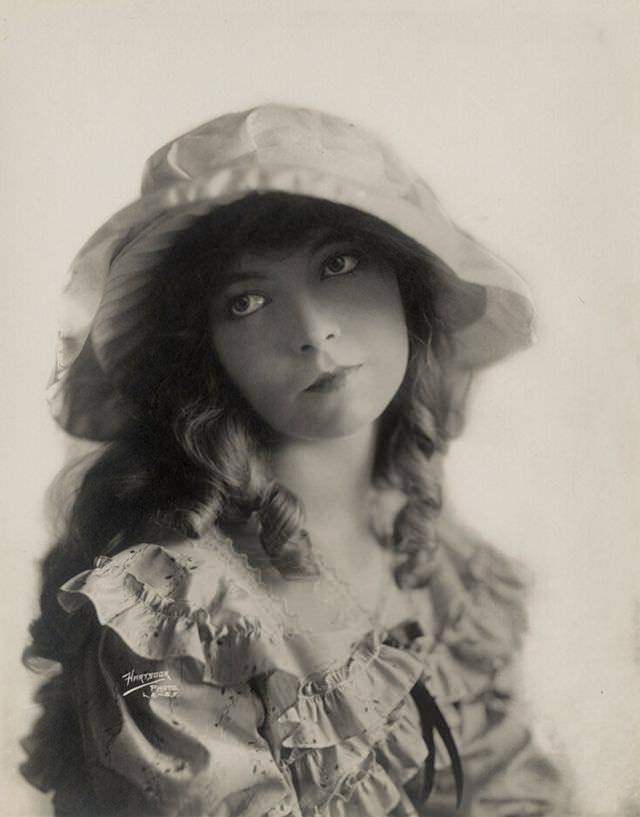
Mary Pickford returned to Hartsook’s studio in 1918 for an unusually candid set of portraits. Rather than the formal posed shots typical of the era, these images show her in motion — writing at a desk, reading a letter while wearing a kimono, and composing correspondence in an elegant domestic setting. The series stands out for its relaxed, intimate feel.
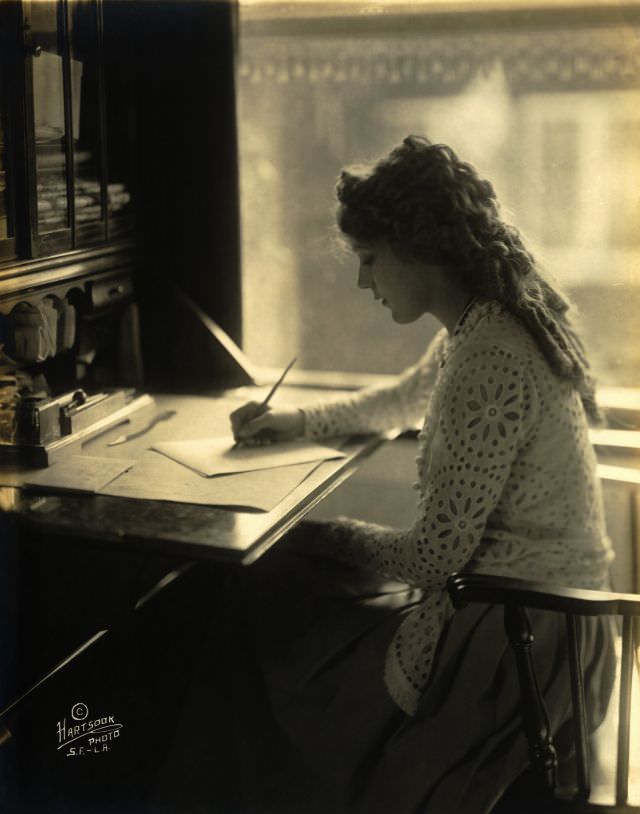
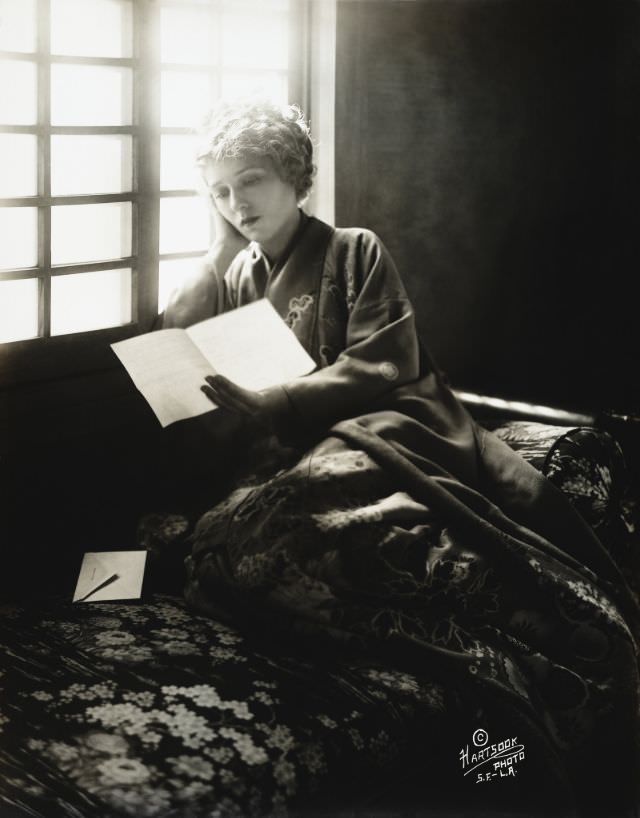
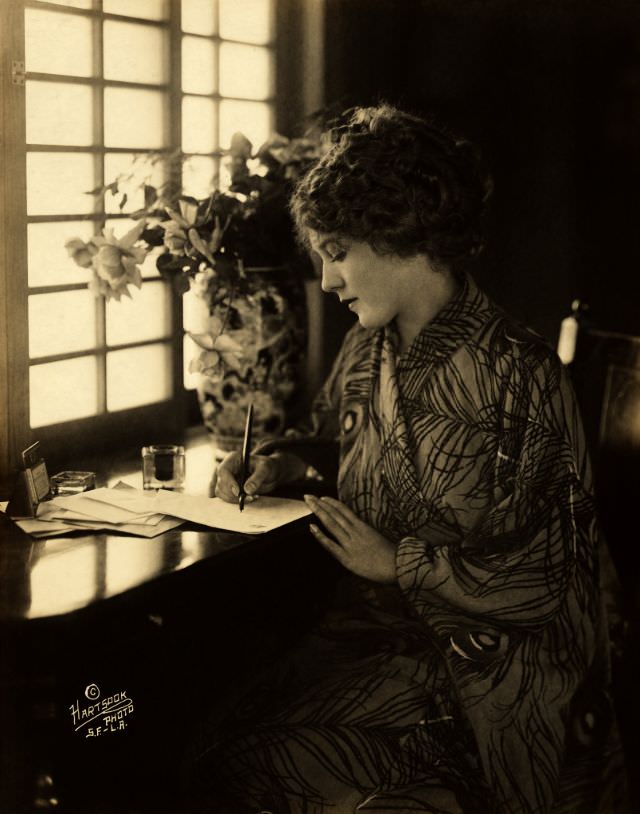
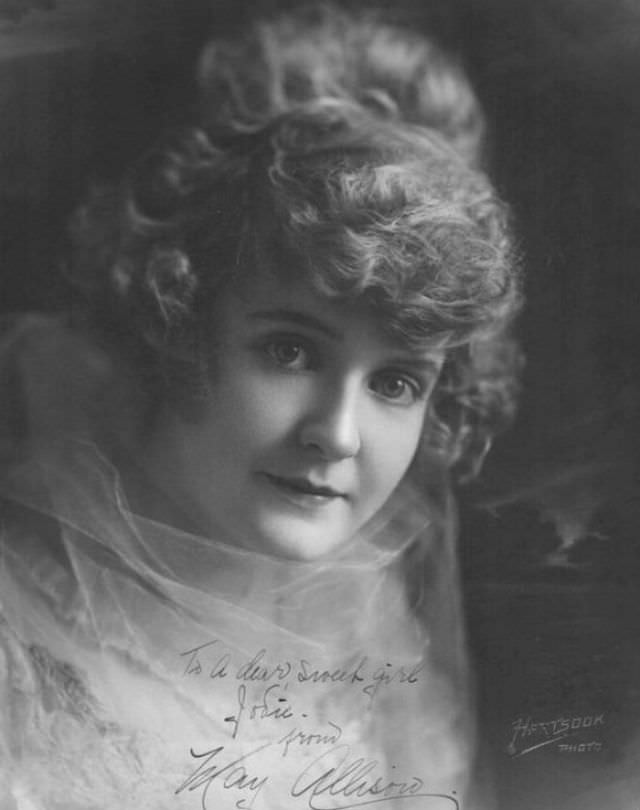
Rounding out 1918 are portraits of May Allison, a popular leading lady of the decade, and Olive Thomas, who returned for another session with Hartsook. Both portraits show the polished glamour that defined the look of women in film during this period.
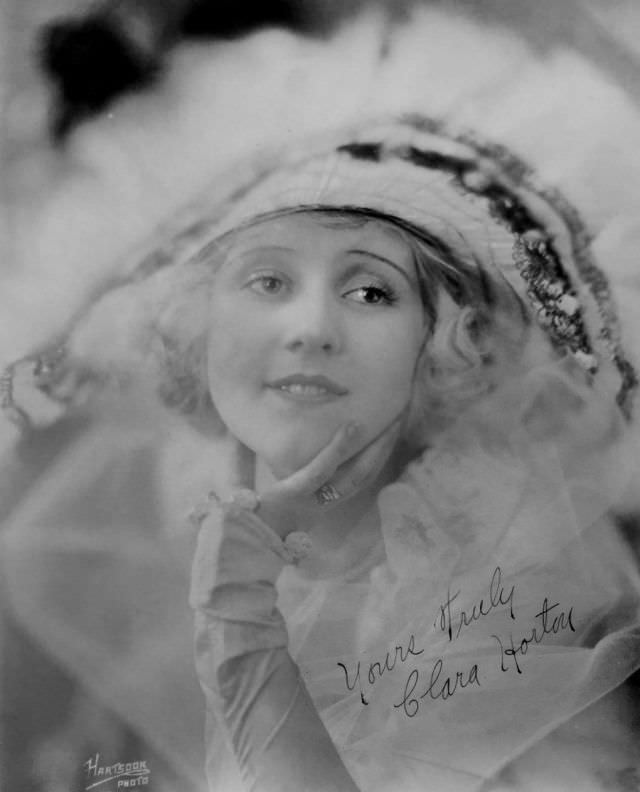
The final portrait in this collection comes from 1919 — the same year Hartsook married Bess Hesby. Clara Horton was a young actress who had been working in films since childhood, and her portrait closes out this remarkable decade-long body of work from one of American photography’s most productive studios.