The Netherlands in the early 1960s was a country still finding its footing after the Second World War. The postwar years brought serious hardships — food shortages, damaged infrastructure, and a population that had endured years of German occupation. Recovery was slow but deliberate, built on large-scale public works programs and a push toward European economic integration. The country was rebuilding itself from the ground up, and the effort showed in every city and village.
One of the most striking postwar trends was emigration. The Dutch government actively encouraged people to leave, sponsoring programs designed to reduce population pressure at home. Around 500,000 Dutch citizens emigrated in the years following the war, settling in countries like Canada, Australia, and South Africa. Those who stayed behind were part of a society on the edge of enormous change.
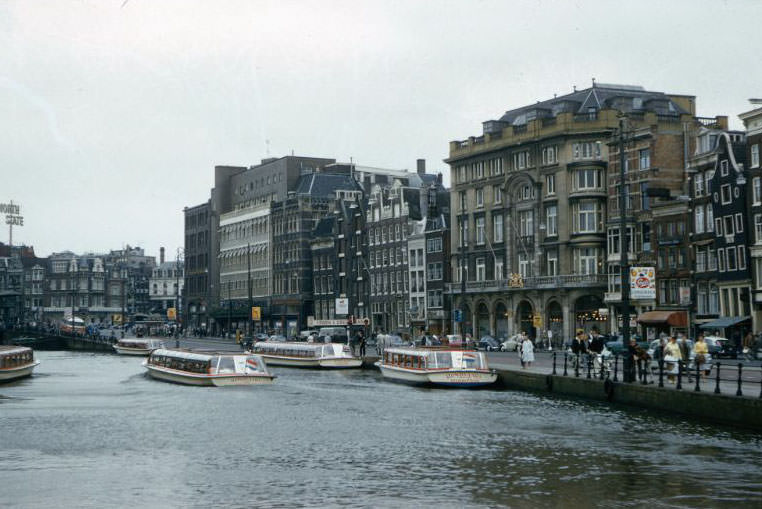
Amsterdam, the country’s capital, was a city of canals, commerce, and culture. The Amstel River ran through the heart of it, flanked by some of the most recognizable streets in Europe. Rokin Street, stretching south from Dam Square, was a busy artery lined with shops, trams, and pedestrians going about their daily lives in the summer of 1961.
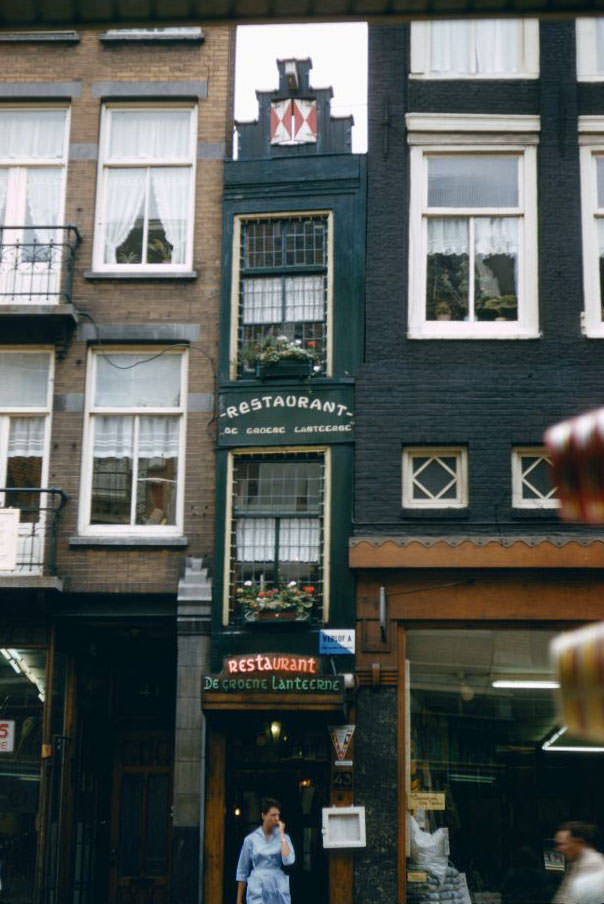
Amsterdam’s dining scene in 1961 still carried a cozy, old-world character. The Green Lantern Restaurant was one of many establishments that drew both locals and visitors into its warm interior, offering a taste of Dutch hospitality in the heart of the city.
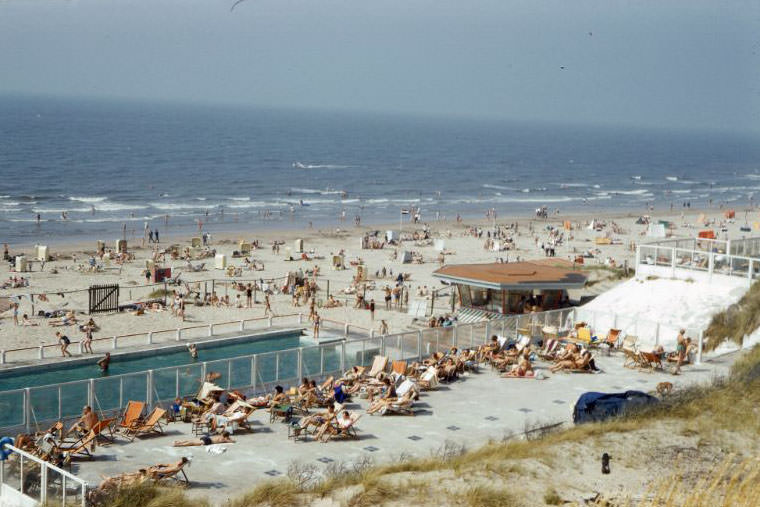
Beyond the cities, everyday Dutch life played out along the coast and in open fields. The summer months drew families to the beaches, where the North Sea breeze made for a refreshing escape from urban life.
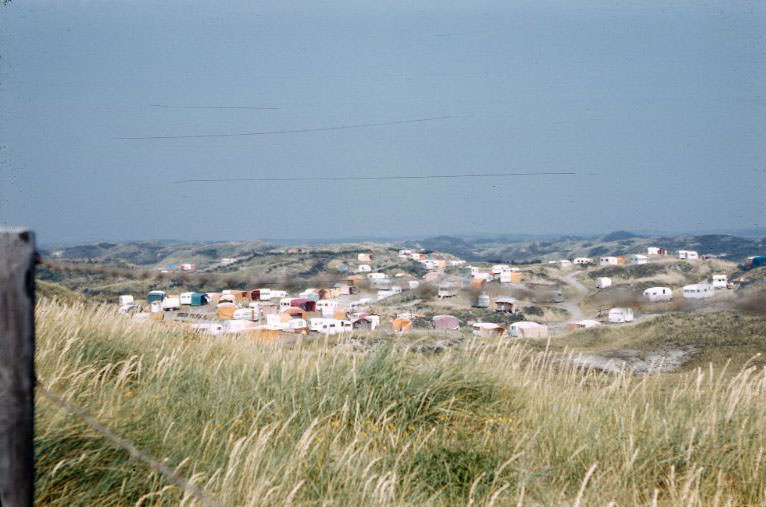
Camping was a popular and affordable way for families to travel across the country. Organized campsites dotted the Dutch landscape, offering simple accommodations that suited the spirit of postwar frugality that many families still carried with them.
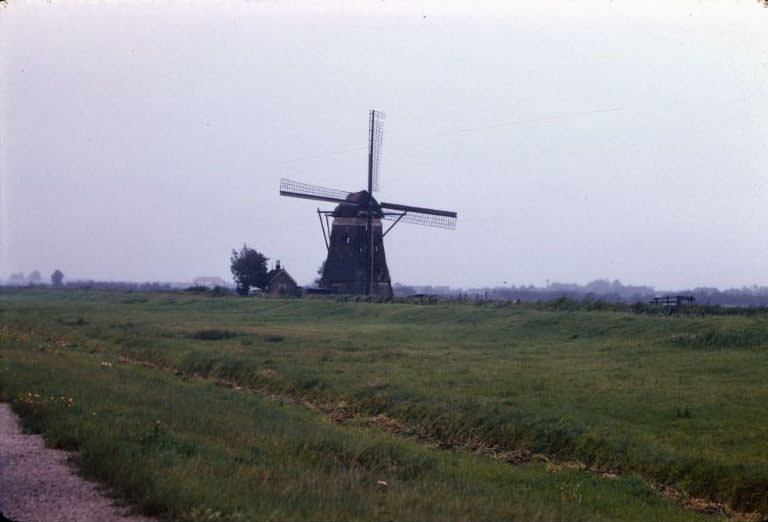
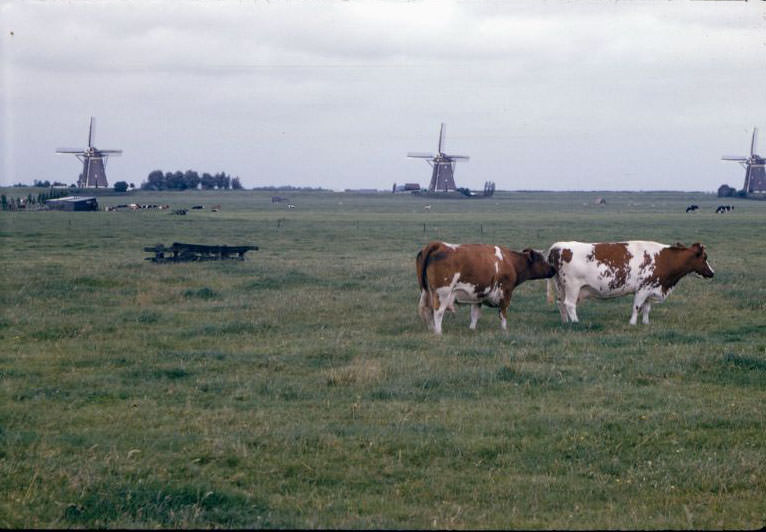
The Dutch countryside was defined by flat green pastures, grazing livestock, and the silhouettes of windmills on the horizon. These windmills were not merely decorative — they had pumped water from the land for centuries, keeping the low-lying polders dry and farmable.
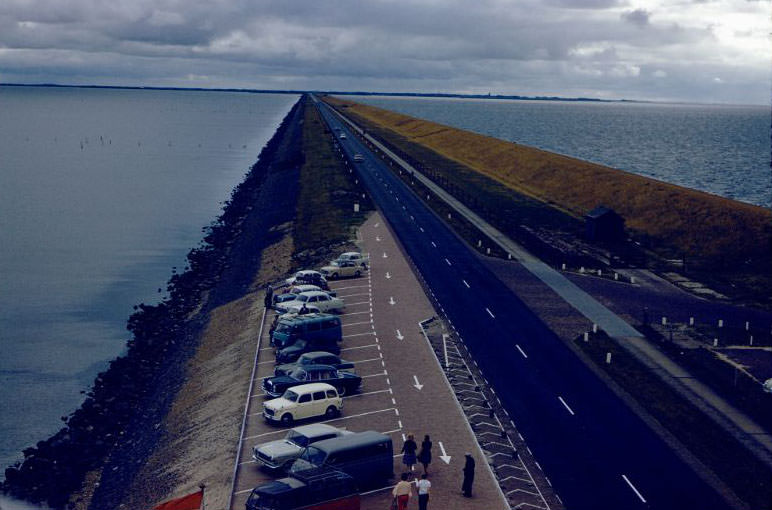
One of the Netherlands’ most ambitious engineering achievements was the Zuiderzee Works — a massive network of dikes, dams, and pumping stations that transformed a large saltwater bay into reclaimed land. The former Zuiderzee, enclosed by the Afsluitdijk in 1932, was steadily being converted into productive farmland and freshwater lakes throughout the postwar decades.
Inland, the city of Gouda was famous for far more than its cheese. Its historic town hall, one of the oldest in the Netherlands, stood at the center of the market square as a proud symbol of the city’s medieval past.
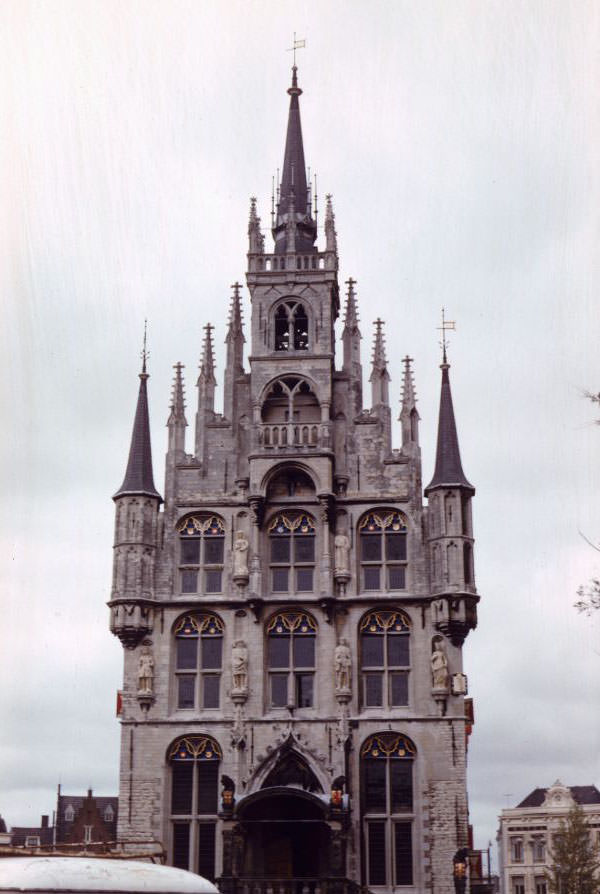
Haarlem, just west of Amsterdam, was packed with well-preserved Renaissance architecture. The city’s historic center featured buildings that had stood for centuries, their stepped gable facades lining the streets in the characteristic Dutch style.
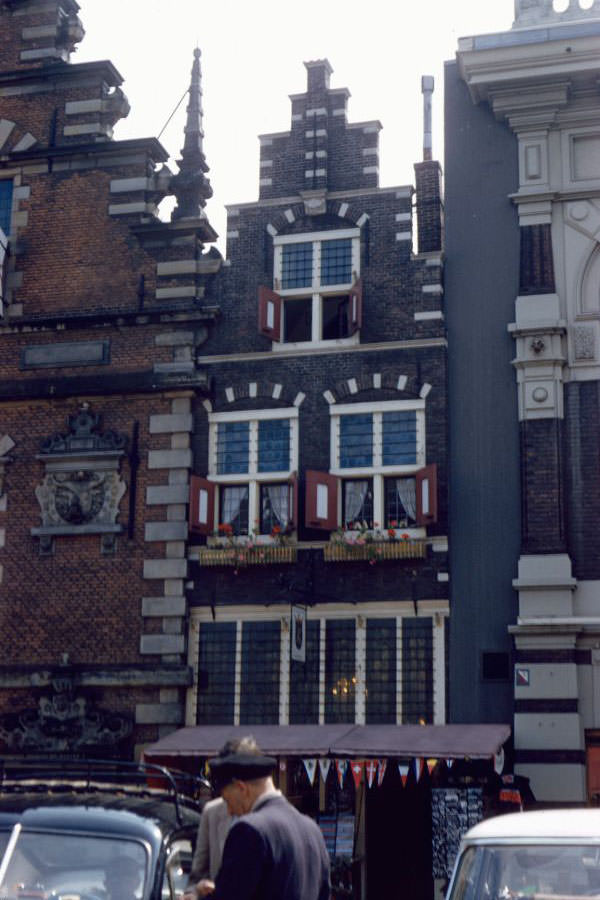
Standing prominently in Haarlem’s market square was the Vleeshal, a former meat market built between 1602 and 1603 by the celebrated architect Lieven de Key. The building was a masterpiece of Dutch Mannerist architecture, with its ornate facade serving as a showcase of the era’s craftsmanship.
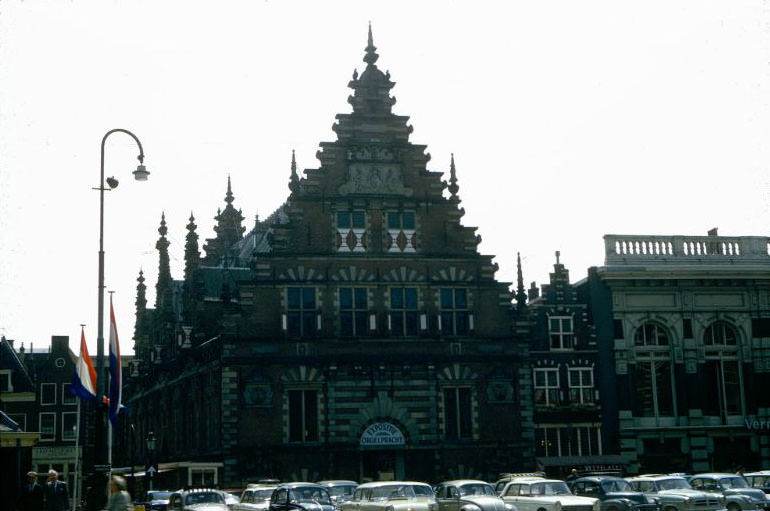
The Grote Markt, or Great Market Square, was the beating heart of Haarlem. In the summer of 1961, it was busy with pedestrians and parked cars — including the Mercedes 220 belonging to Walter Lamb, whose family collection these photographs come from.
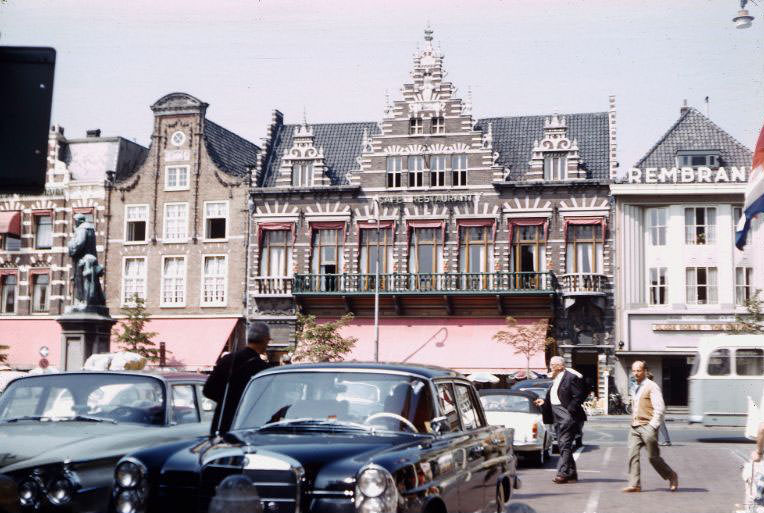
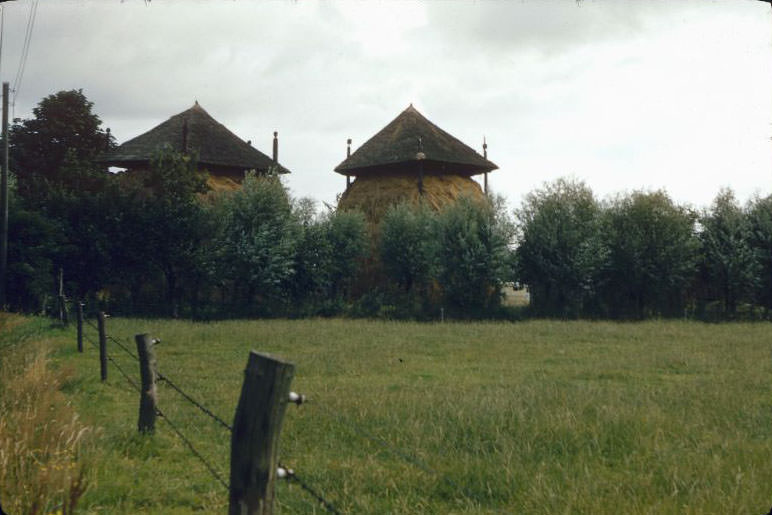
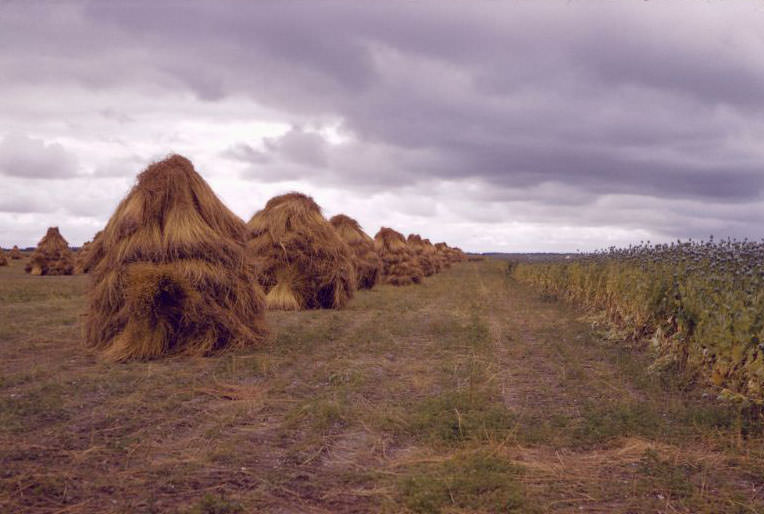
Out in the rural areas, traditional Dutch farming practices were still very much in use. Haystacks fitted with wooden roofs were a common sight across the countryside, protecting the hay from rain during the harvest season.
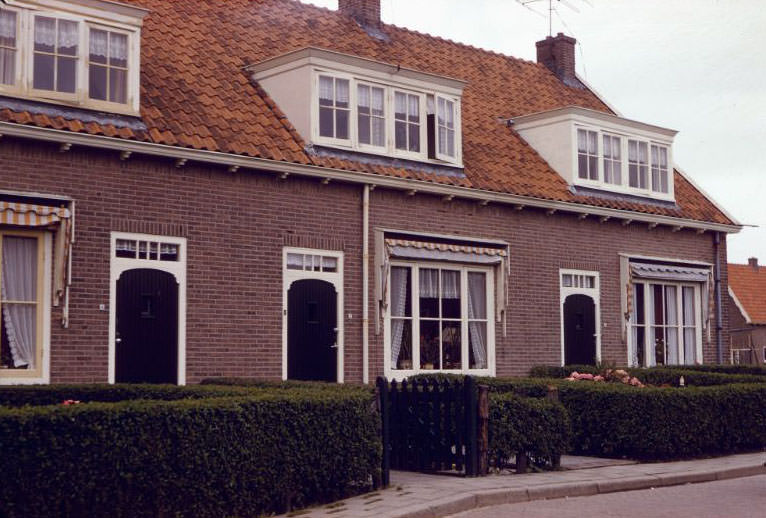
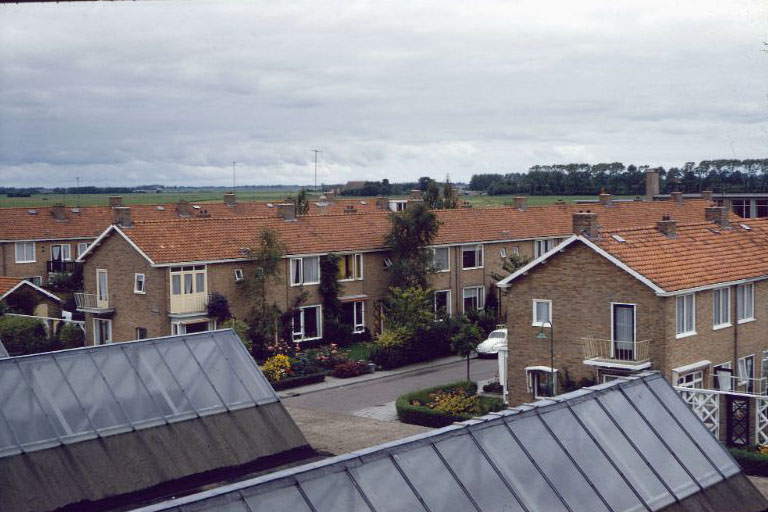
Dutch villages in 1961 still had a deeply traditional character. Brick houses with steep roofs sat close together along narrow roads, surrounded by well-kept gardens — a scene that had changed little in decades.
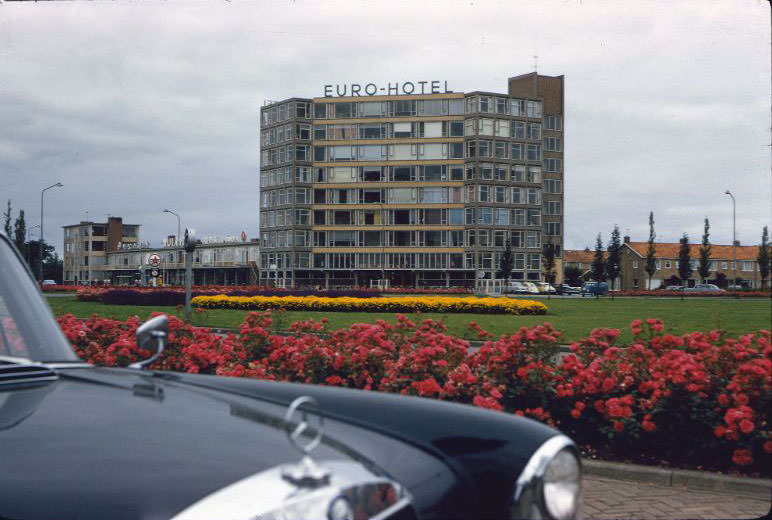
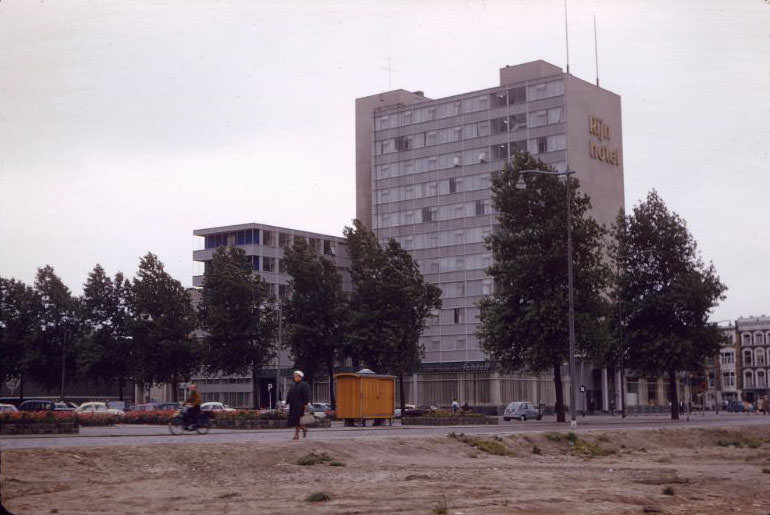
In the north of the country, Leeuwarden served as the capital of the Friesland province. Travelers passing through in 1961 found comfortable accommodation at places like the Euro-Hotel, a clean and modern establishment suited to the postwar traveler.
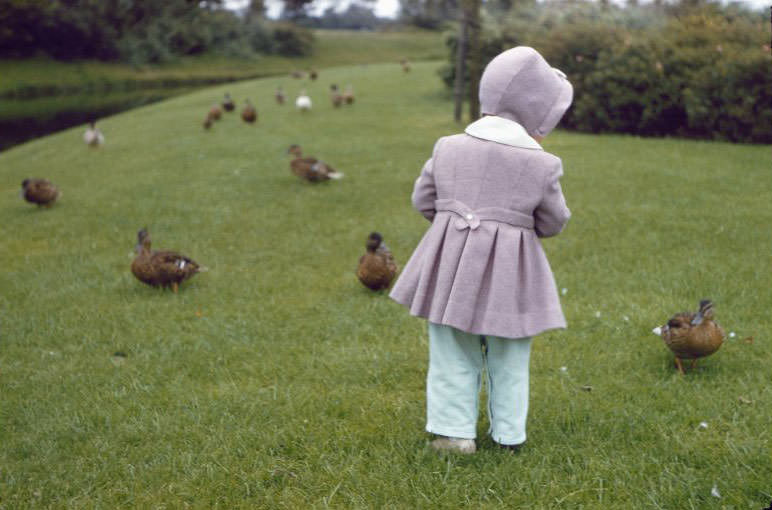
Canals and waterways were woven into nearly every corner of Dutch life, and ducks were a common and cheerful presence along their banks. Children growing up near the water often spent afternoons feeding and chasing them — a simple pleasure that required nothing more than a slice of bread and an afternoon to spare.
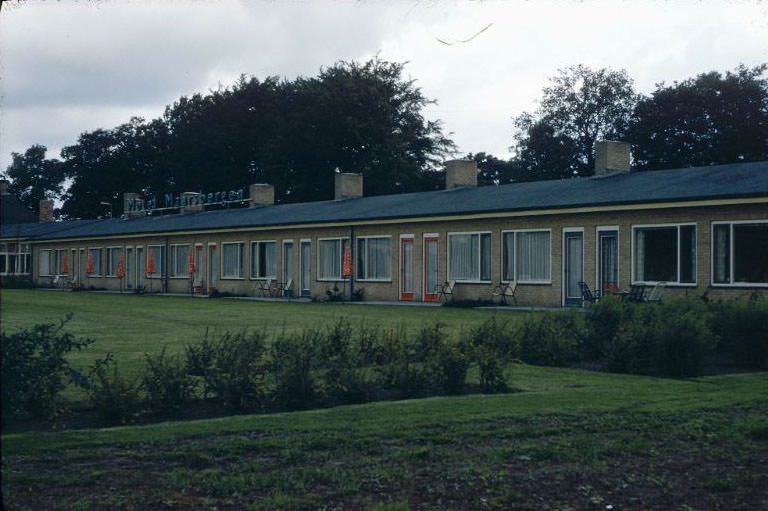
Road travel across the Netherlands in 1961 was supported by a growing network of modern motorways and roadside facilities. Motel Maarsbergen, located in the small village of Maarsbergen in the Utrecht province, was one such stop — a practical option for motorists crossing the country.
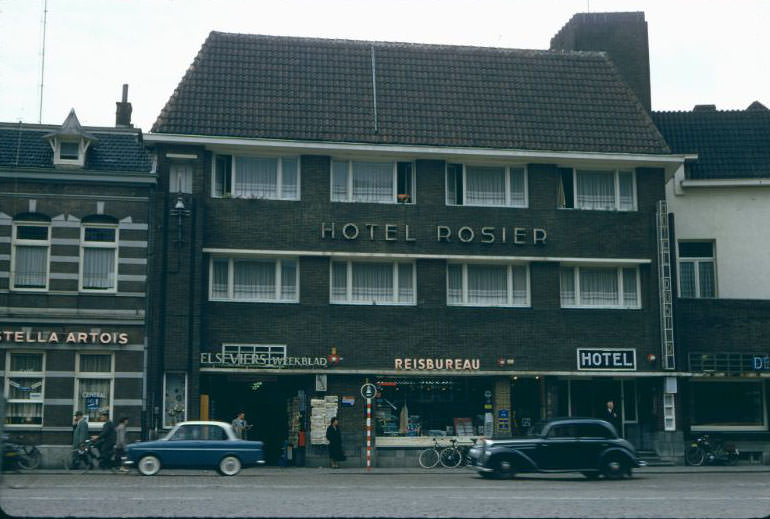
Further south, the city of Maastricht sat at the very tip of the Netherlands, bordered by Belgium and Germany. One of the oldest cities in the country, Maastricht had a distinctly southern European character — its streets, architecture, and café culture set it apart from the cities of the north.
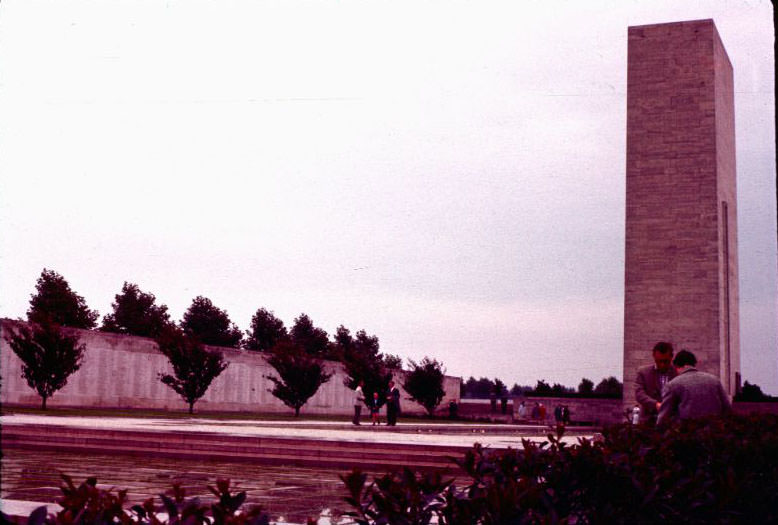
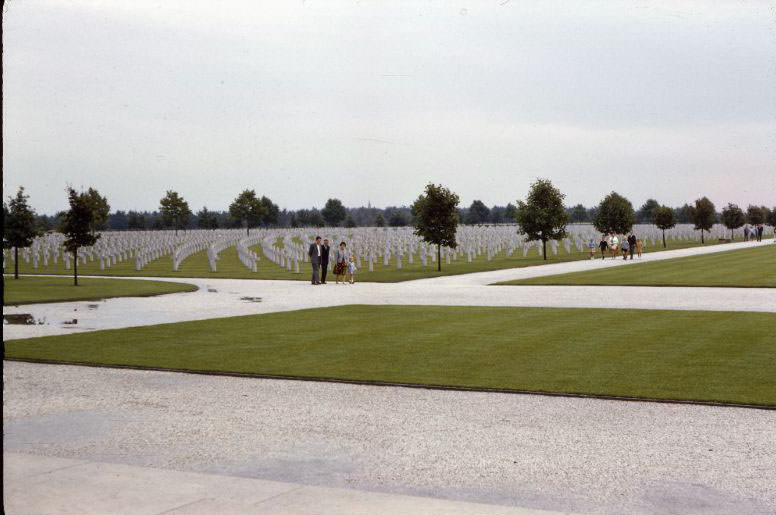
Just outside Maastricht, near the village of Margraten, lay the Netherlands American Cemetery — the only American World War II military cemetery in the country. It holds the graves of 8,301 American soldiers who died fighting in Western Europe. The Huebner family visited the site in 1961, paying their respects to the fallen.
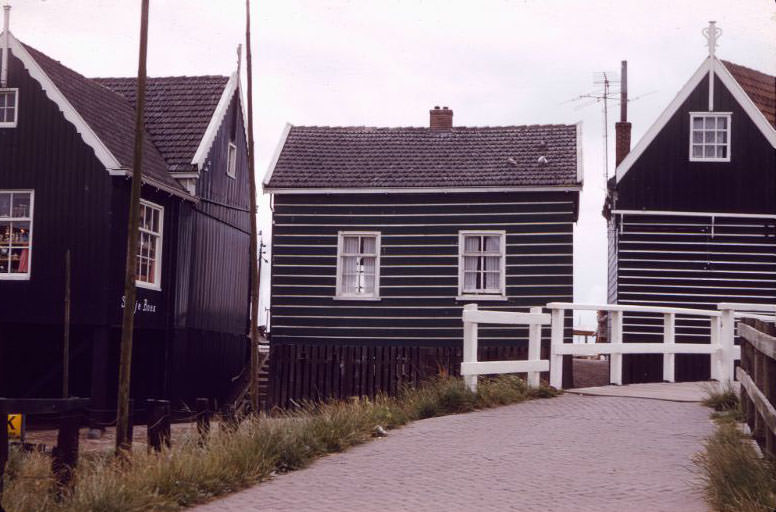
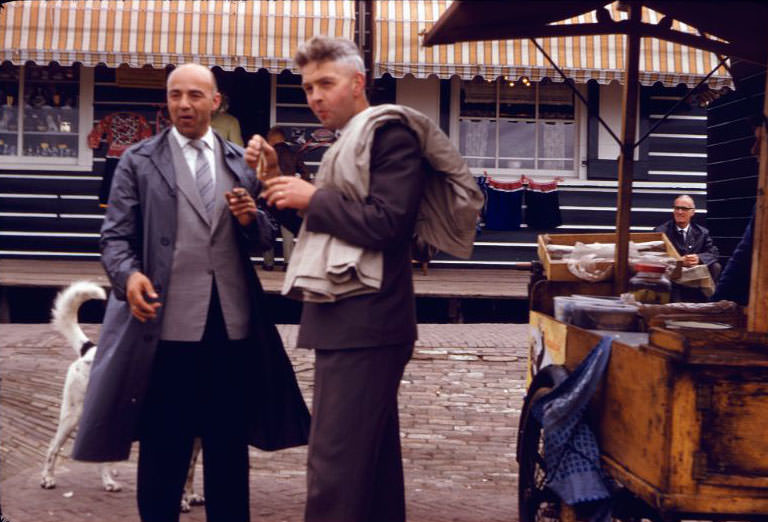
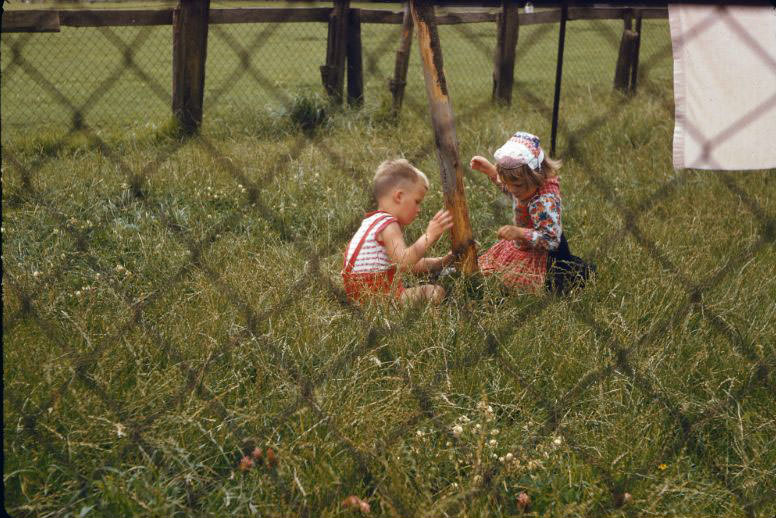
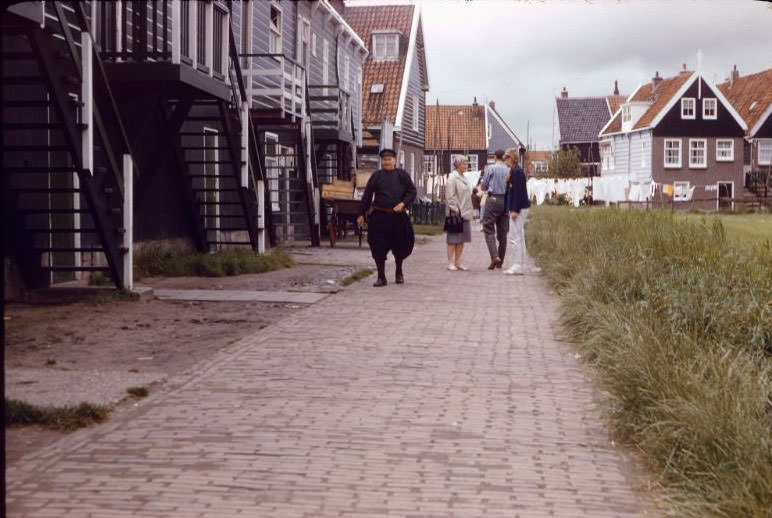
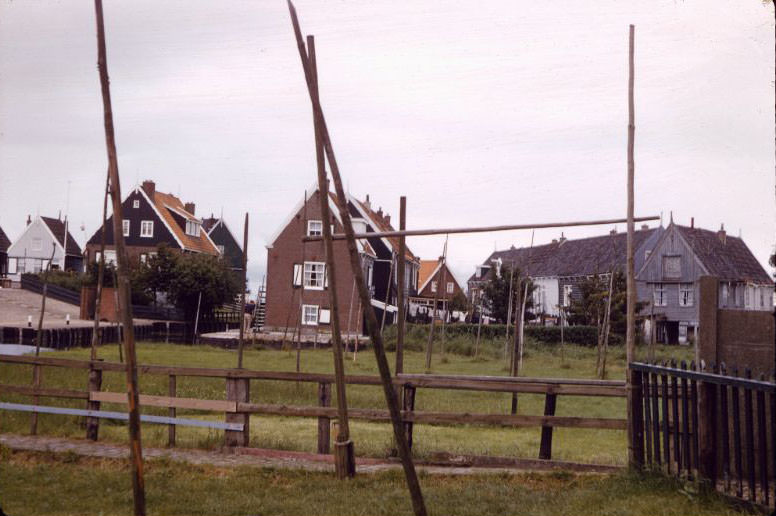
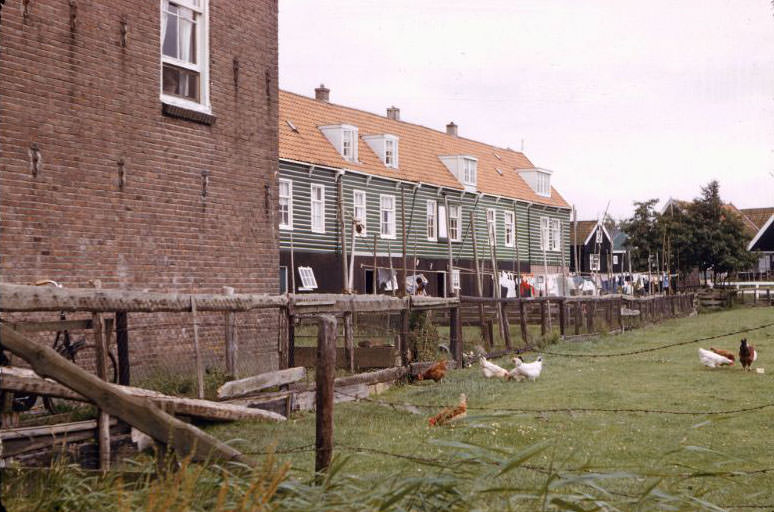
Marken Island, a small fishing community in what was once the Zuiderzee, retained a way of life that felt almost untouched by the modern world. Its wooden houses were painted in dark green and black, clustered tightly together on raised mounds to guard against flooding. Residents, especially the older generations, still wore traditional Dutch clothing as part of daily life — not for tourists, but out of genuine local custom.
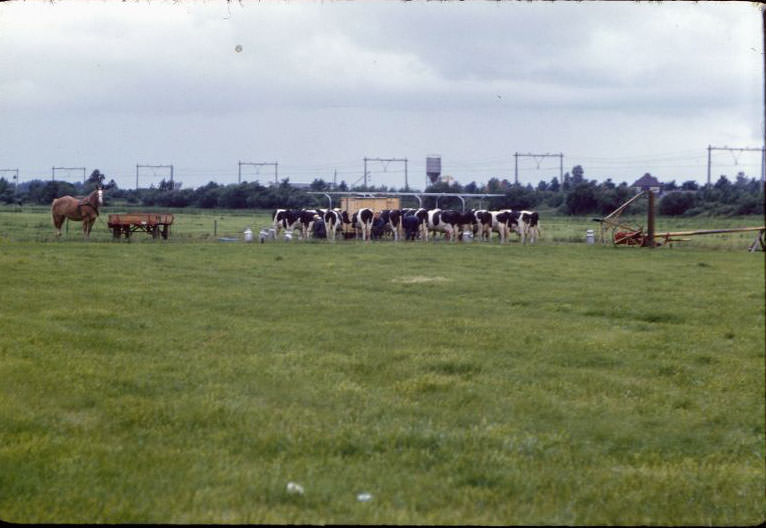
Dairy farming was one of the Netherlands’ most important industries. Out in the fields, mobile milking stations allowed farmers to process milk directly where the cows grazed, rather than driving animals long distances back to a barn.
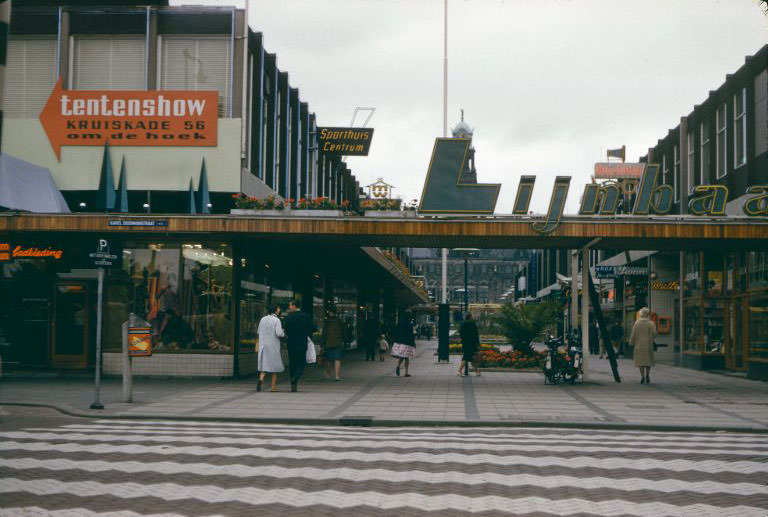
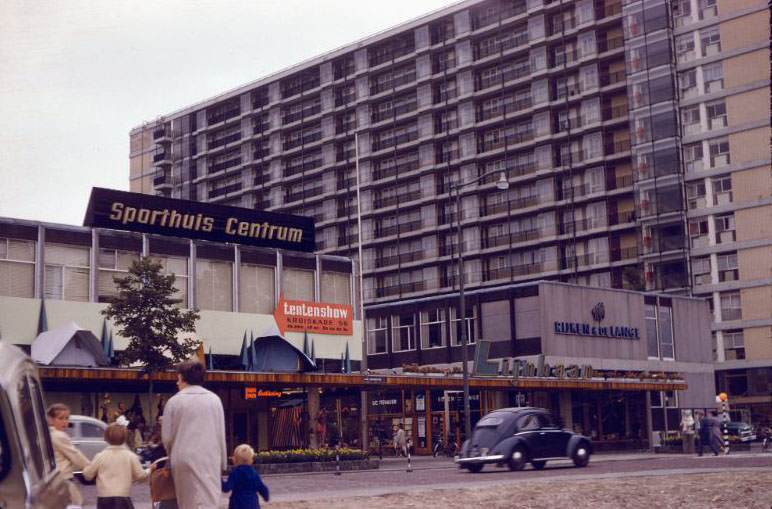
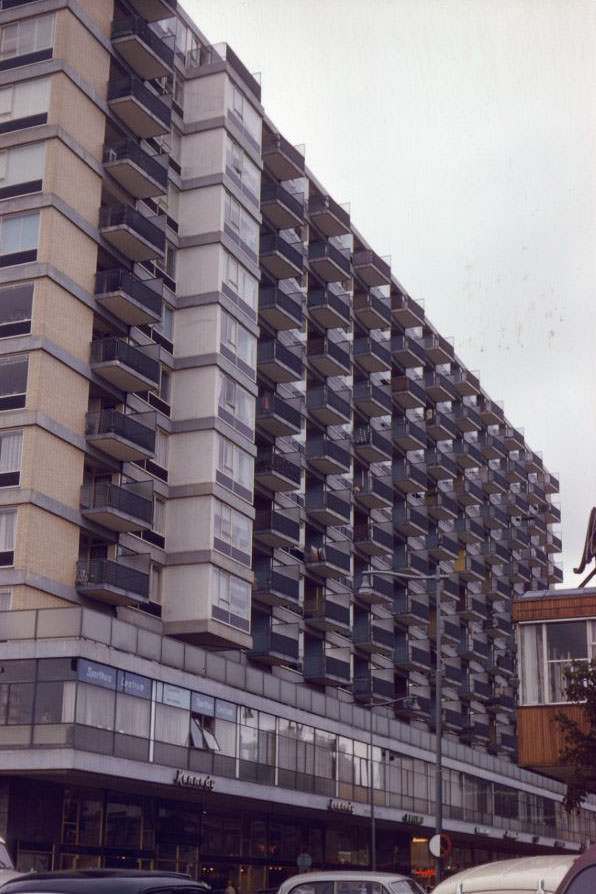
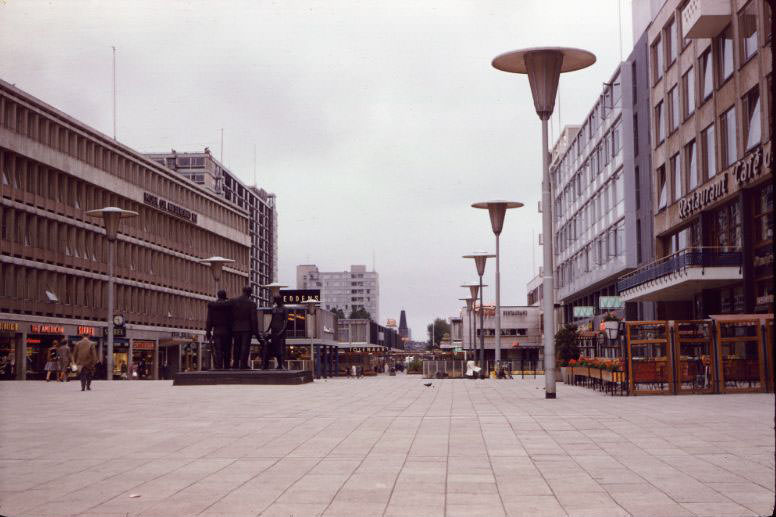
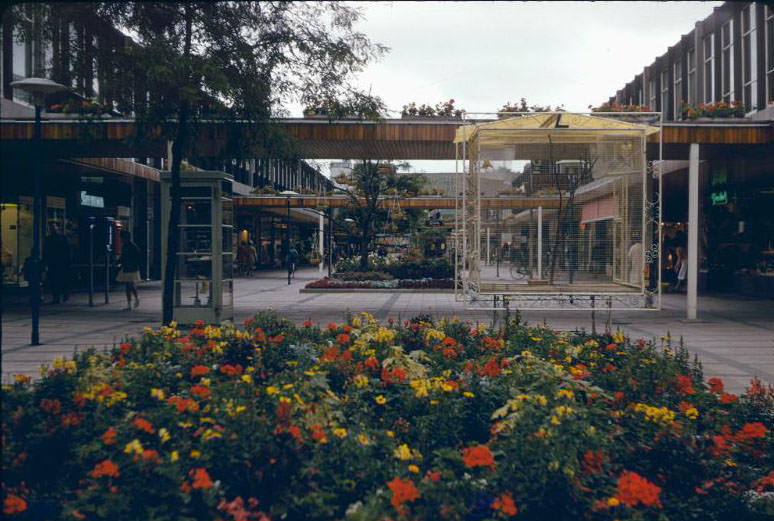
Rotterdam told a completely different story from the historic cities of the north. Heavily bombed during the war, the city had been rebuilt almost entirely from scratch using the most forward-thinking urban design principles of the time. The Lijnbaan, completed in 1953, was Europe’s first purpose-built pedestrian shopping street — a bold and modern experiment that drew architects and city planners from around the world.
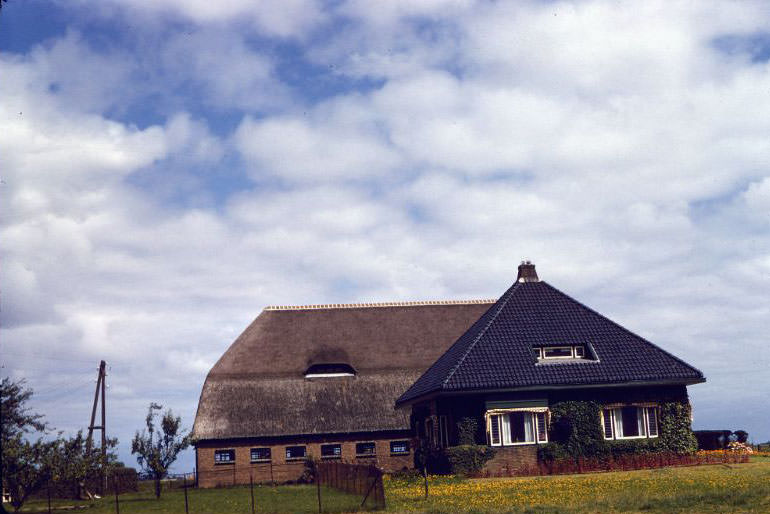
Away from the cities, rural life moved at a slower pace. Farmhouses with thatched-roof barns were scattered across the flat landscape, their weathered timbers and deep overhanging eaves unchanged for generations.
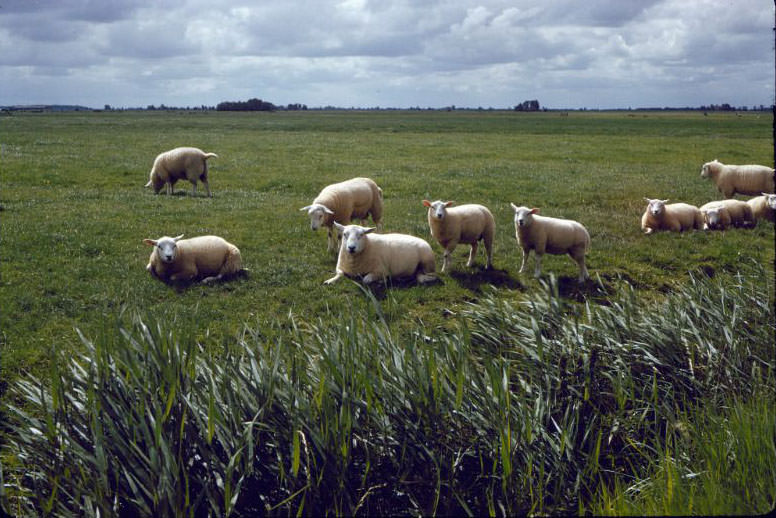
Sheep were a common sight in the Dutch countryside, grazing on the wide, flat meadows between towns. The land’s low elevation and frequent rainfall kept the grass green for much of the year, making it ideal grazing territory.
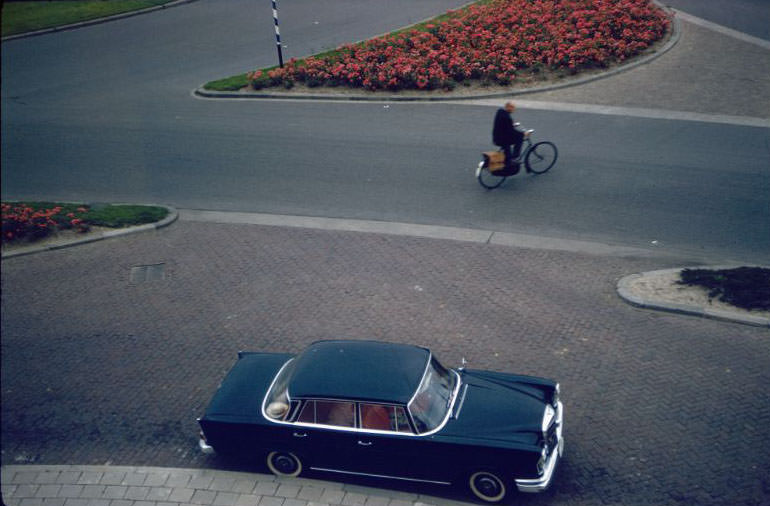
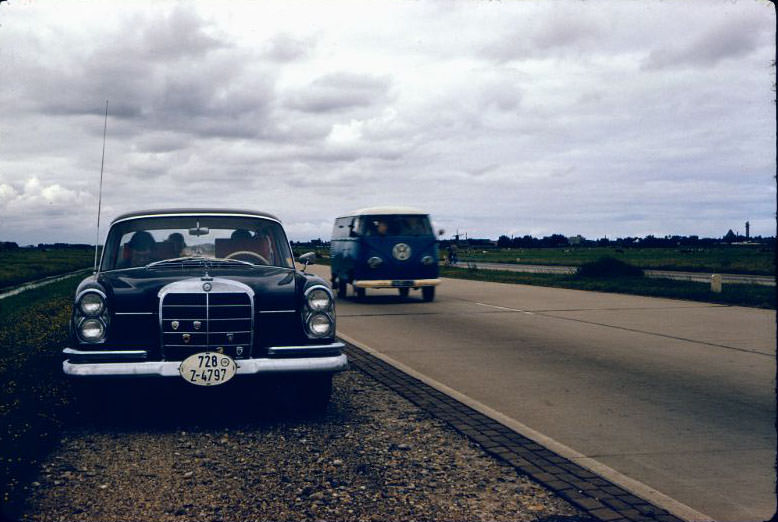
By 1961, the Dutch freeway network was expanding rapidly, connecting cities and regions that had previously relied on slower roads and waterways. The Mercedes 220 — a symbol of postwar prosperity for those who could afford one — was well suited to these new open roads.
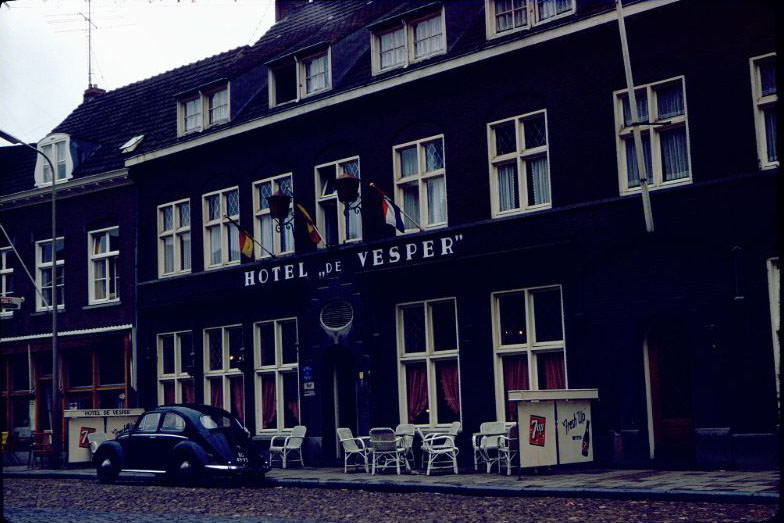
In the southern province of Limburg, the town of Weert offered travelers a quieter, less-visited alternative to the major tourist cities. Small hotels like de Vesper served a steady stream of passing guests making their way through this less-traveled corner of the country.
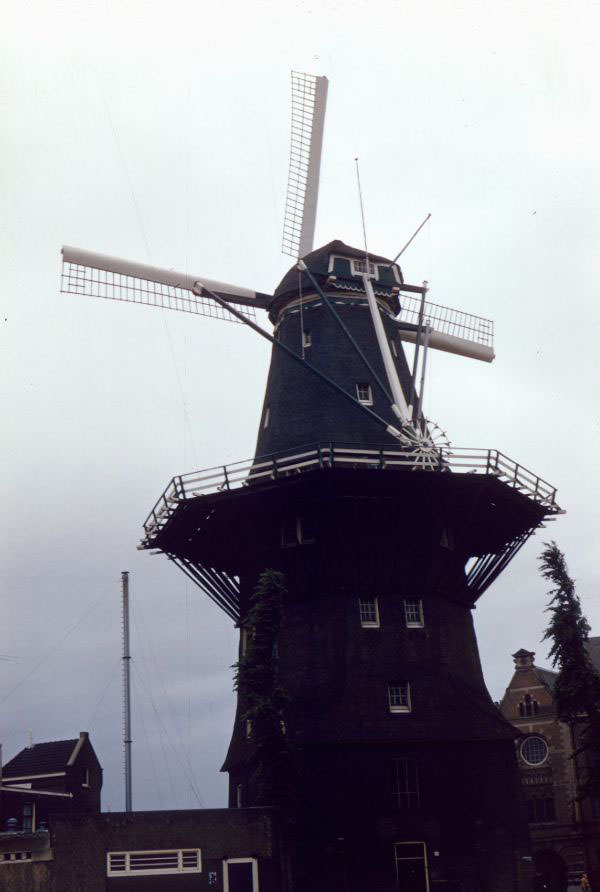
No tour of the Netherlands in 1961 was complete without encountering its windmills. Once used to drain water from the land and grind grain, many still stood in working condition across the countryside — silent reminders of the engineering ingenuity that had shaped the Dutch landscape for centuries.