Paris has one of the longest and most documented histories of prostitution of any city in the world. It spans centuries of shifting laws, public health crises, and major social change. Women made up the majority of those involved, but transgender individuals and men were also part of the trade throughout its history.
The story begins during the reign of Louis XI, when city authorities first tried to control where prostitutes could operate by restricting them to certain streets. This was one of the earliest attempts at regulation rather than outright prohibition. By the time of the French Revolution in 1789, Paris had an estimated 30,000 street prostitutes, along with roughly 10,000 higher-class courtesans operating in more private settings.
The Revolution brought a dramatic legal shift. Royal orders were abolished, and by 1791, prostitution was no longer classified as a criminal offence. Decriminalization reflected the broader upheaval of the era, but it came with serious consequences. Syphilis spread rapidly through the population, and authorities scrambled to respond. On 4 October 1793, the Commune of Paris issued an order prohibiting prostitutes from standing in public places to “incite to debauchery.” The law targeted visibility rather than the act itself.
Through the 19th and early 20th centuries, Paris developed a well-known brothel culture. These establishments, called maisons closes, operated openly and attracted clients from across Europe. Some became genuinely famous. The One-Two-Two on Rue de Provence, Le Chabanais near the Palais-Royal, Le Sphinx in Montparnasse, and La Fleur blanche were among the most well-known houses in the city. They ranged from mid-range operations to luxury venues that catered to wealthy and powerful clientele.
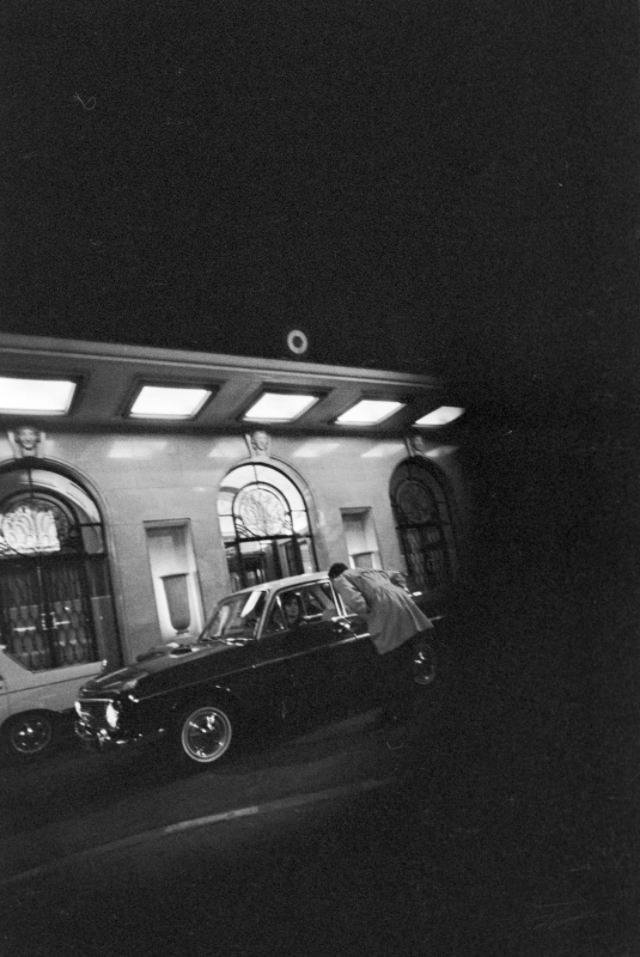
That era ended abruptly in 1946 with the passage of the Loi Marthe Richard. Named after the activist and former spy who championed it, the law ordered the closure of all licensed brothels across France. In Paris alone, 195 establishments were shut down. The women who had worked inside them were pushed onto the streets or into less visible, less regulated arrangements.
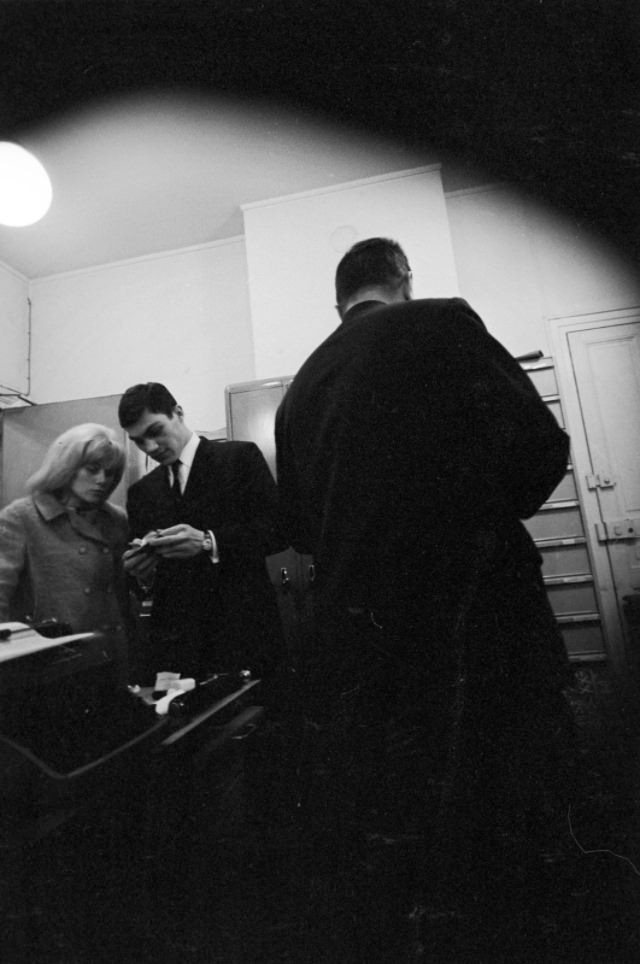
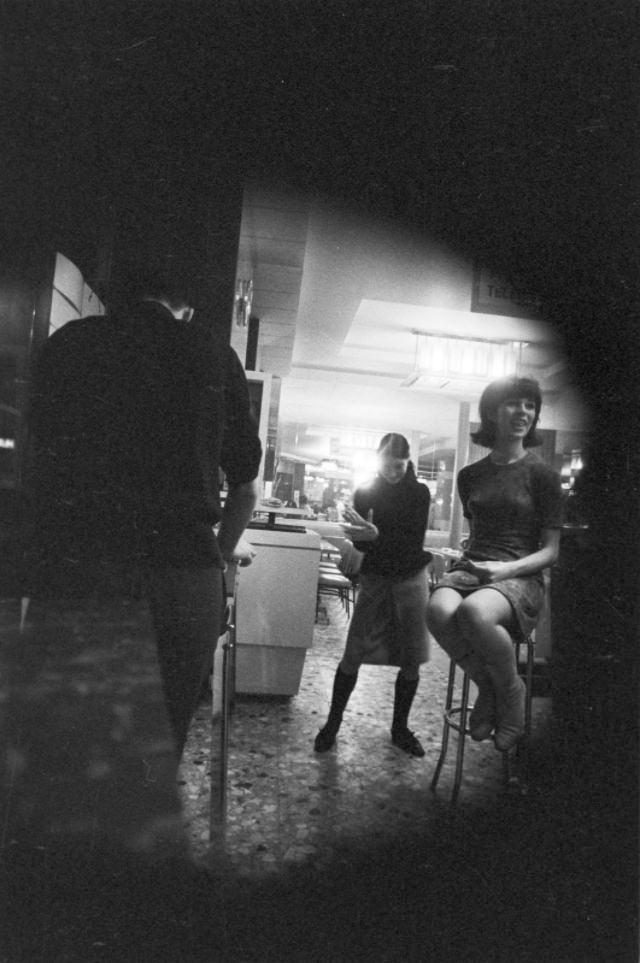
Street prostitution then concentrated in certain neighbourhoods. Rue Saint-Denis, running from Les Halles up to the Porte Saint-Denis, became the most visible hub. At its peak, the street accommodated up to 2,000 women working openly along its length. It was a defining feature of that part of Paris for decades.
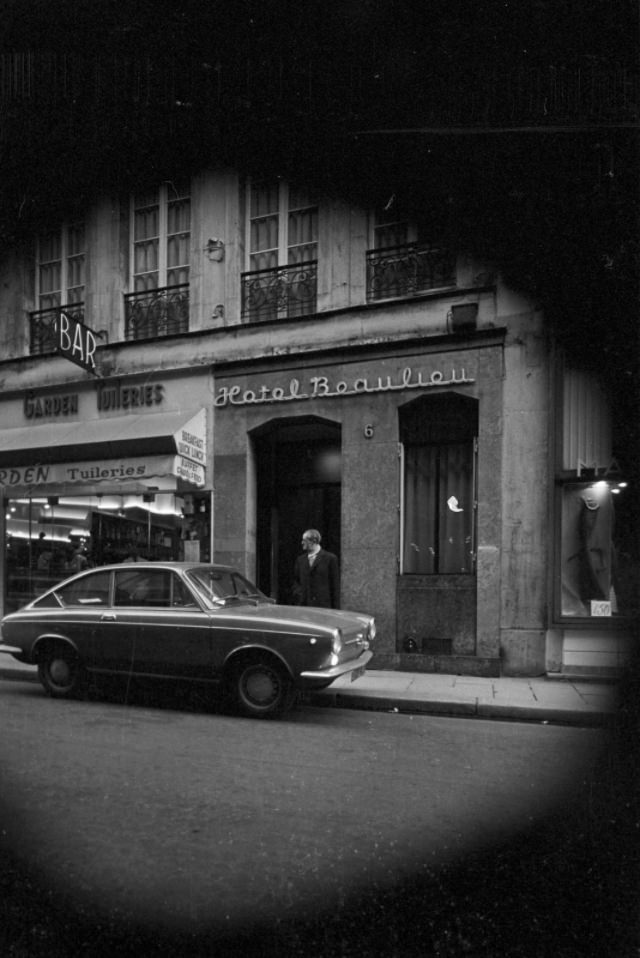
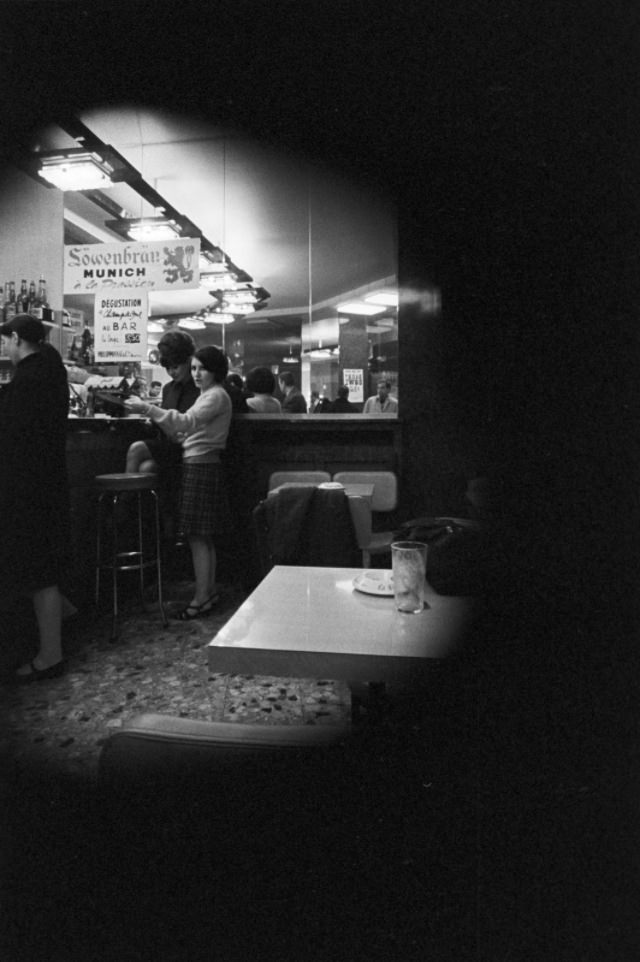
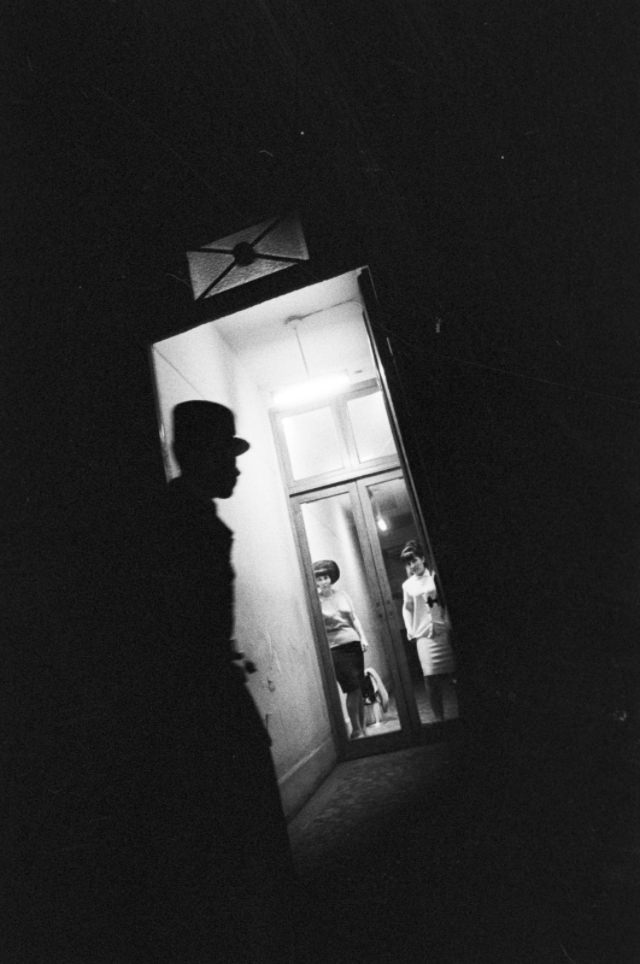
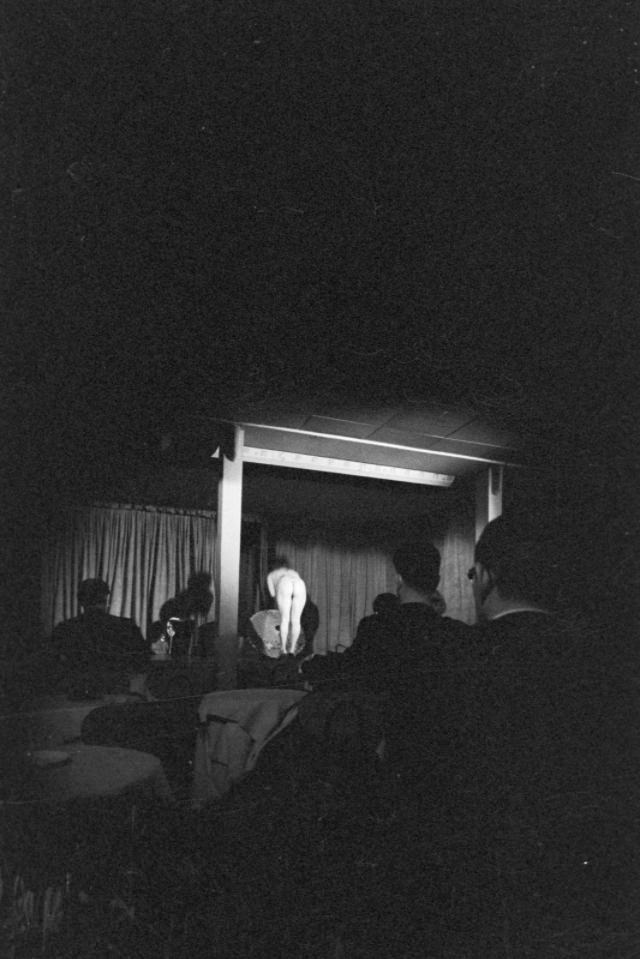
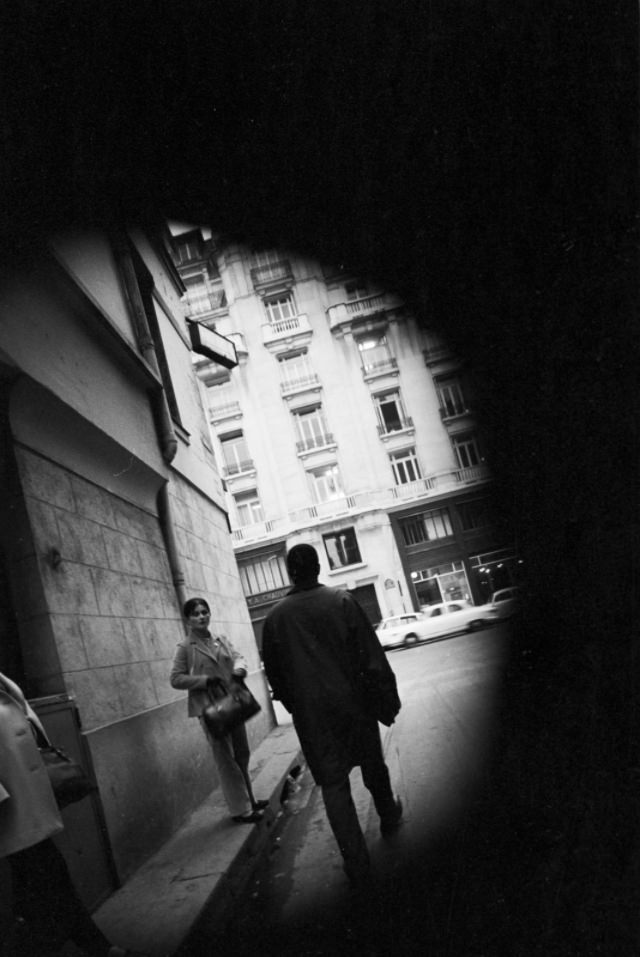
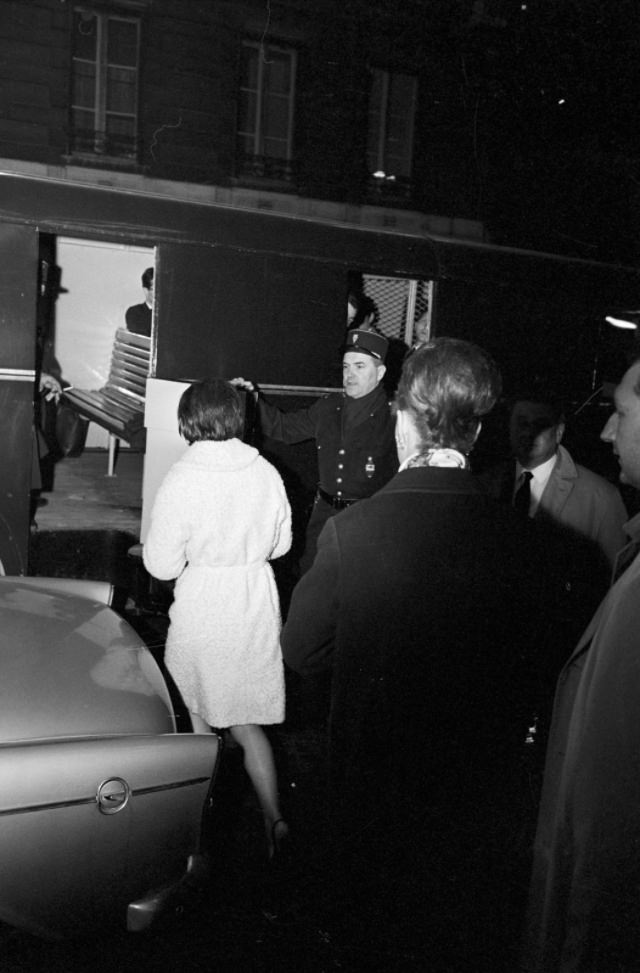
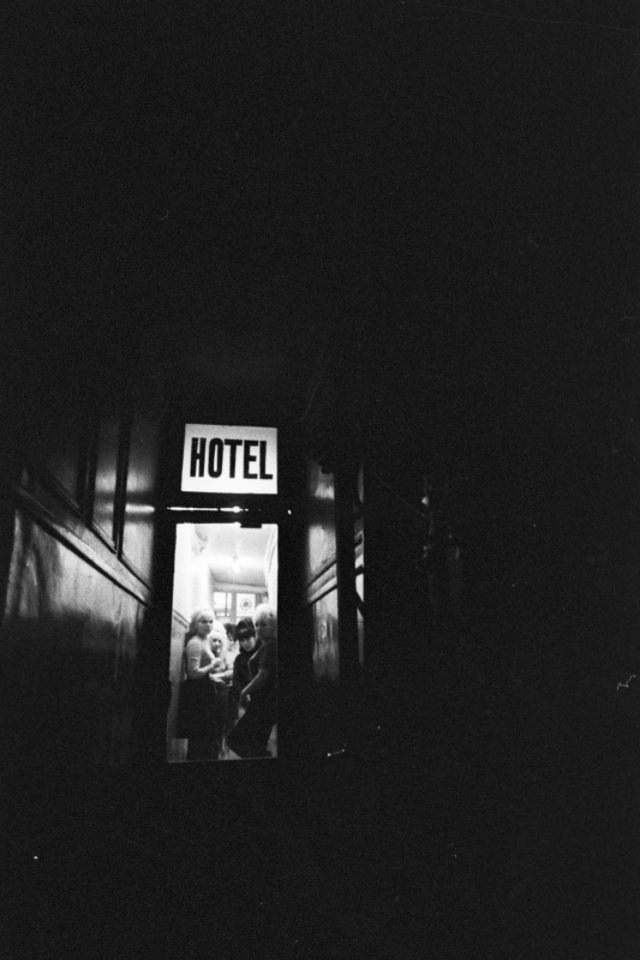
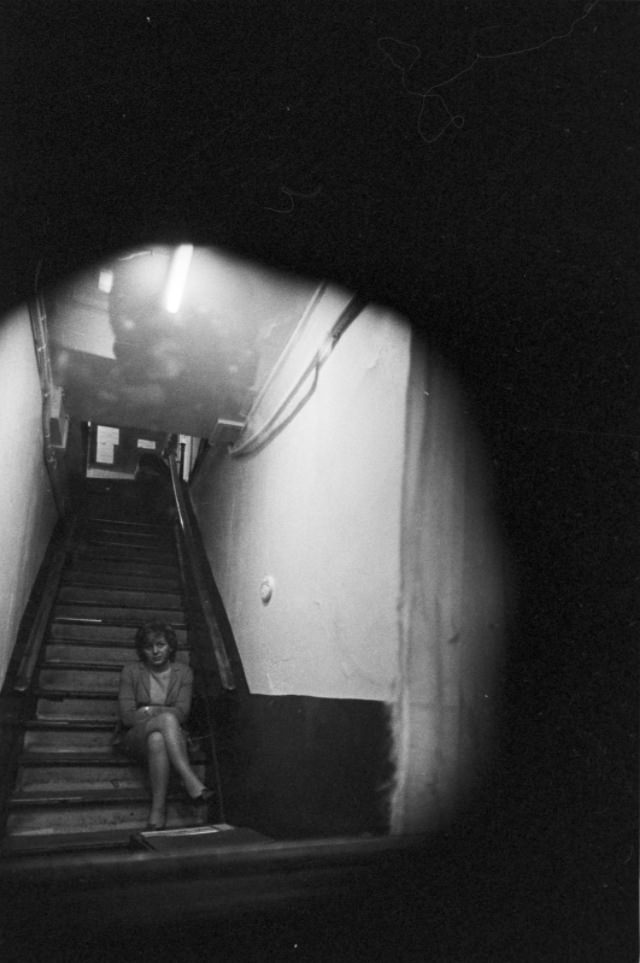
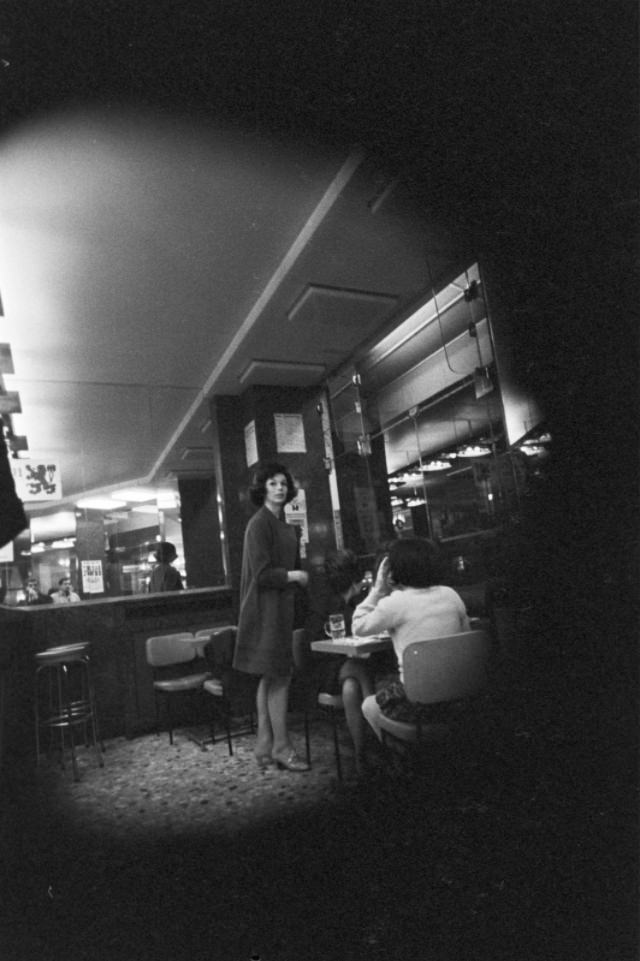
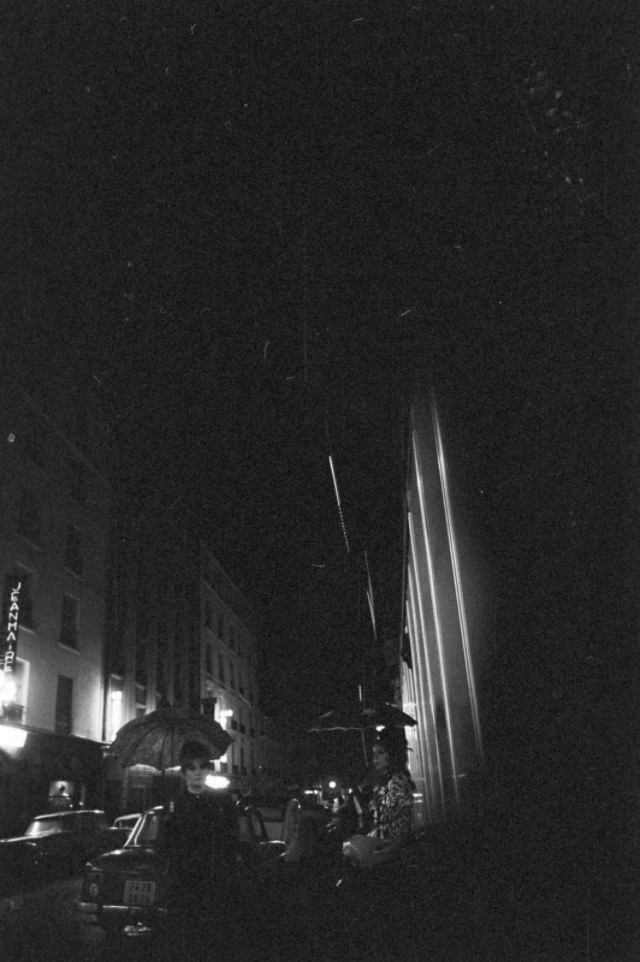
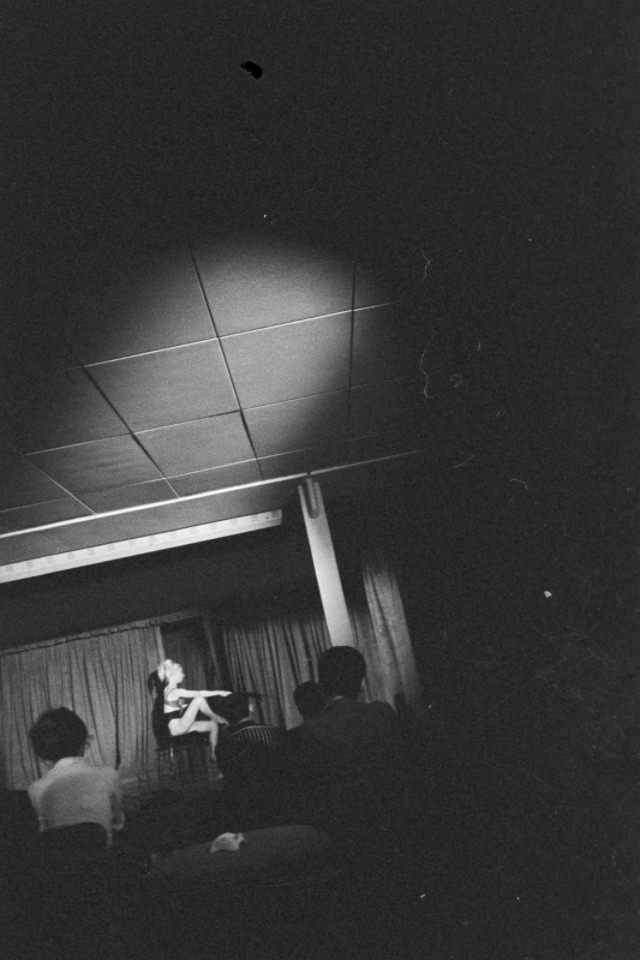
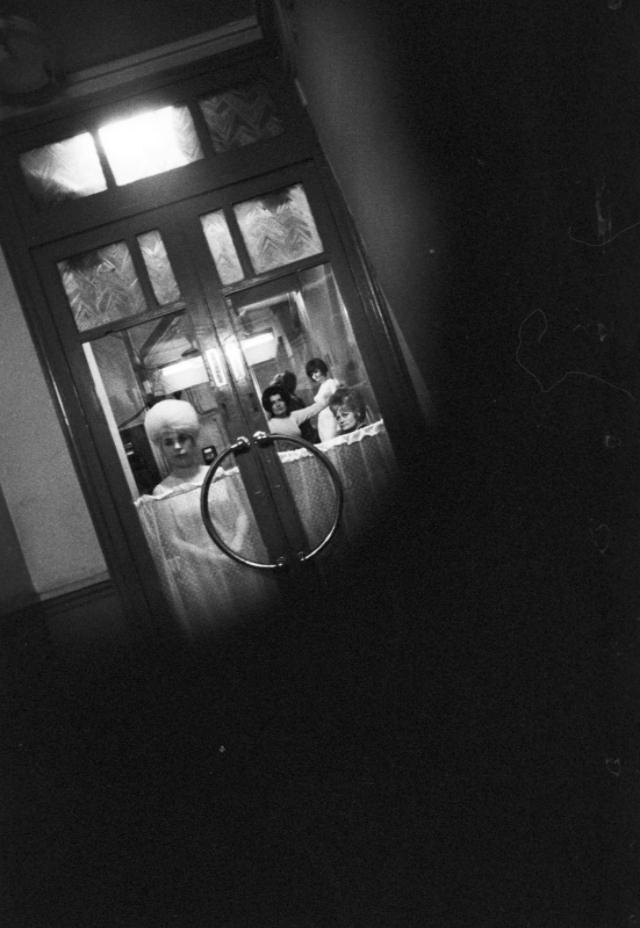
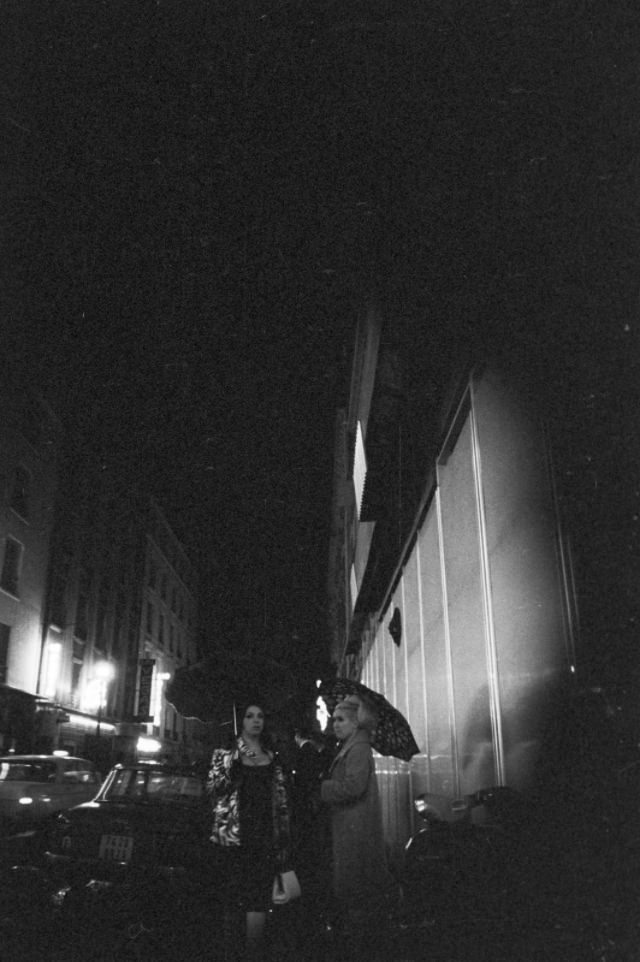
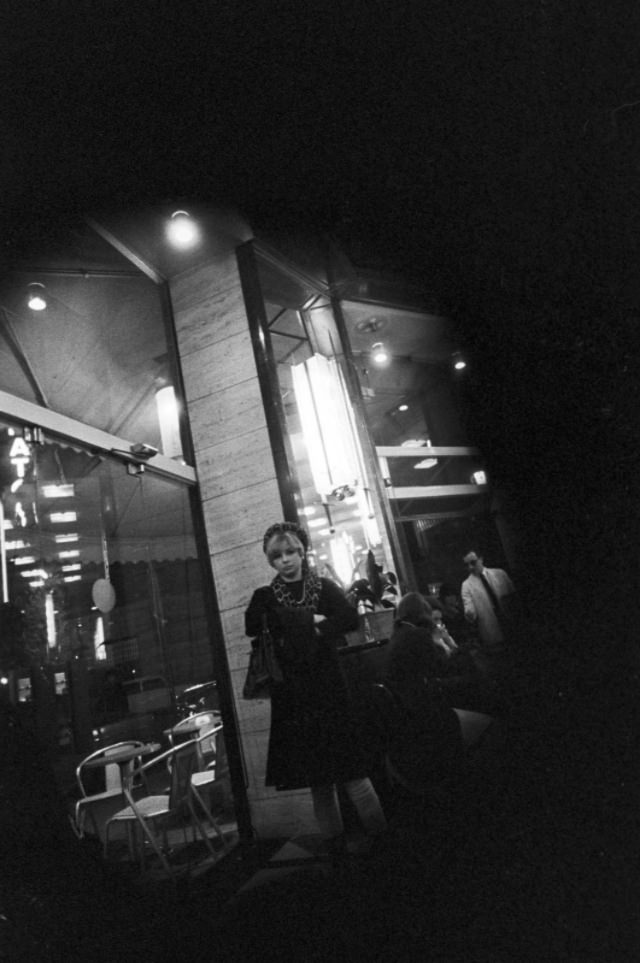
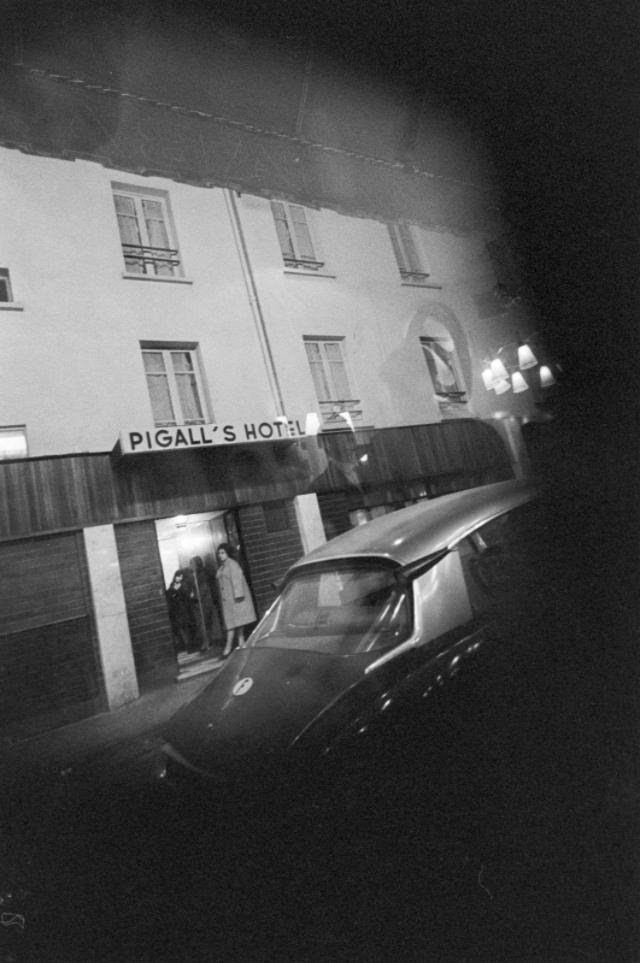
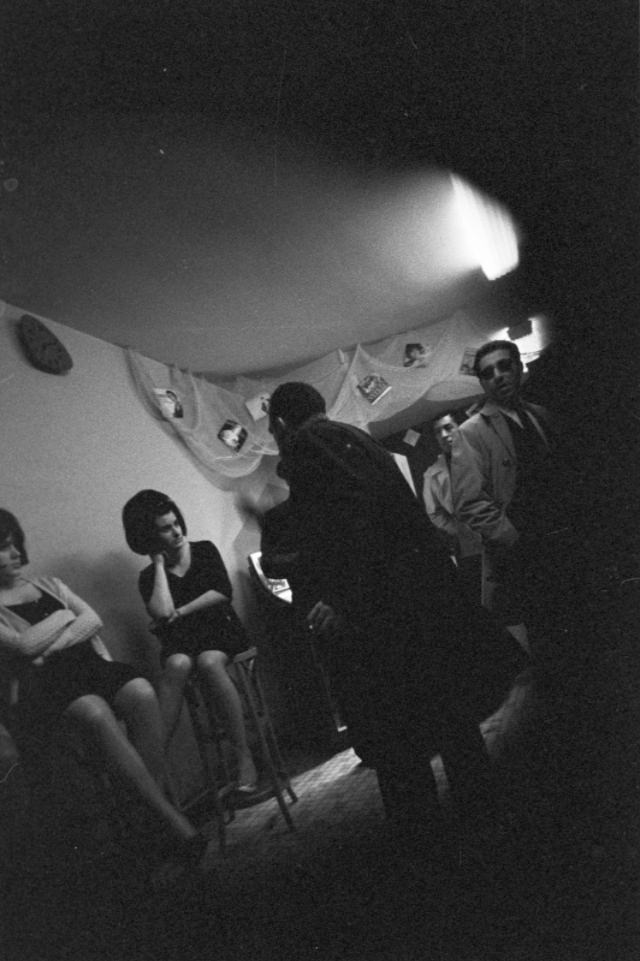
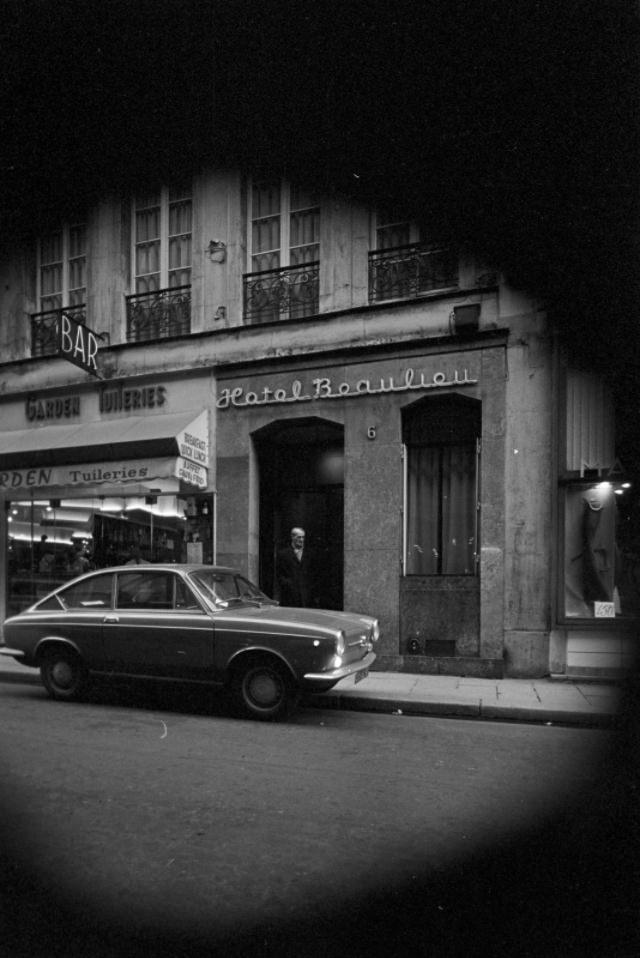
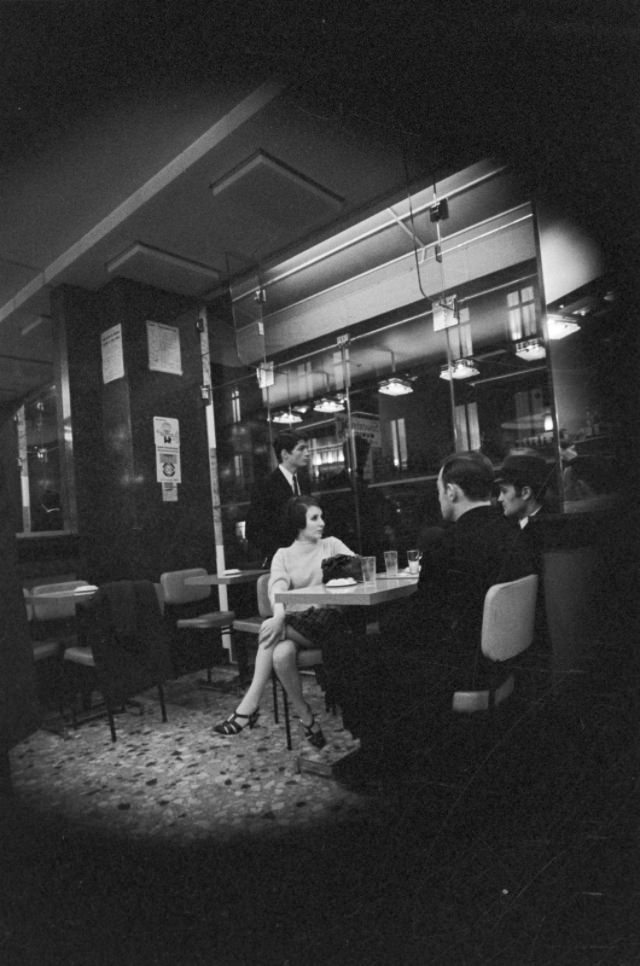
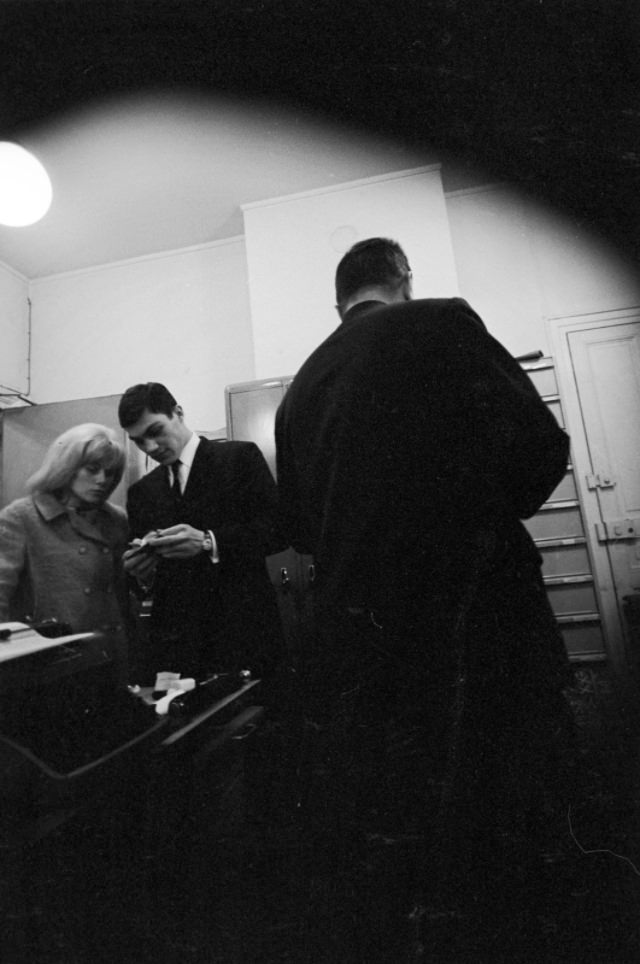
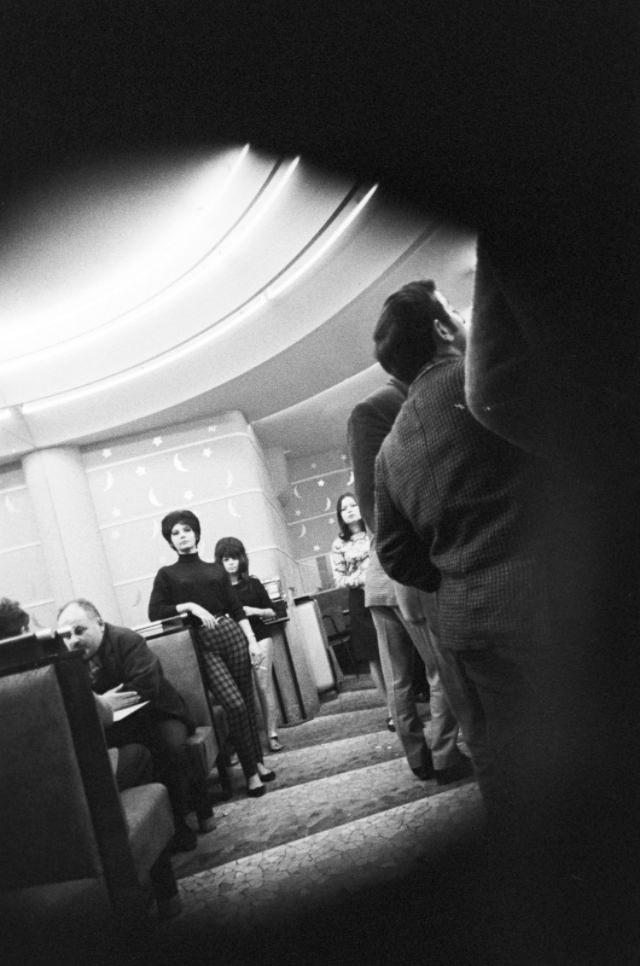
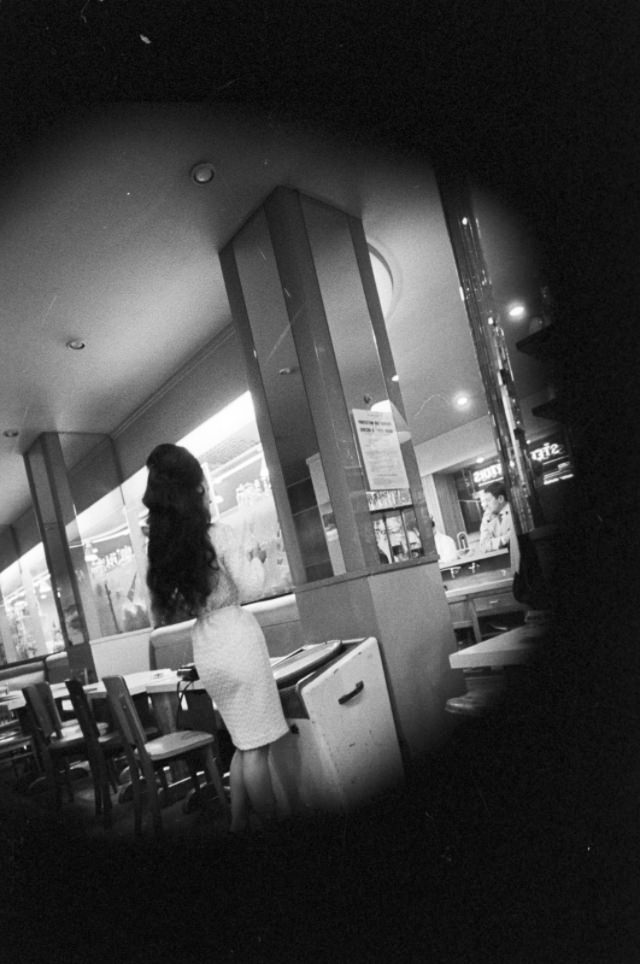
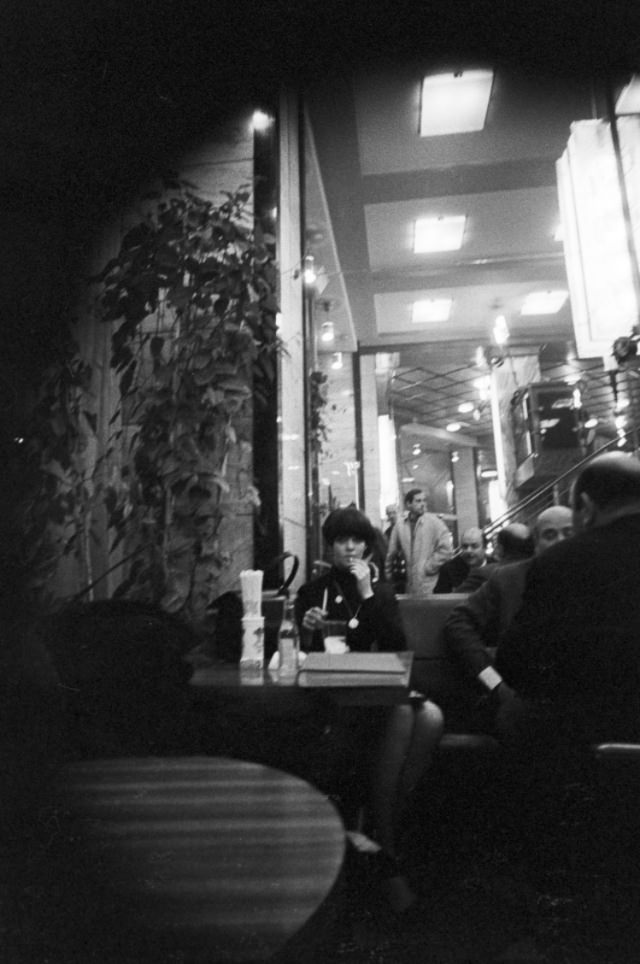
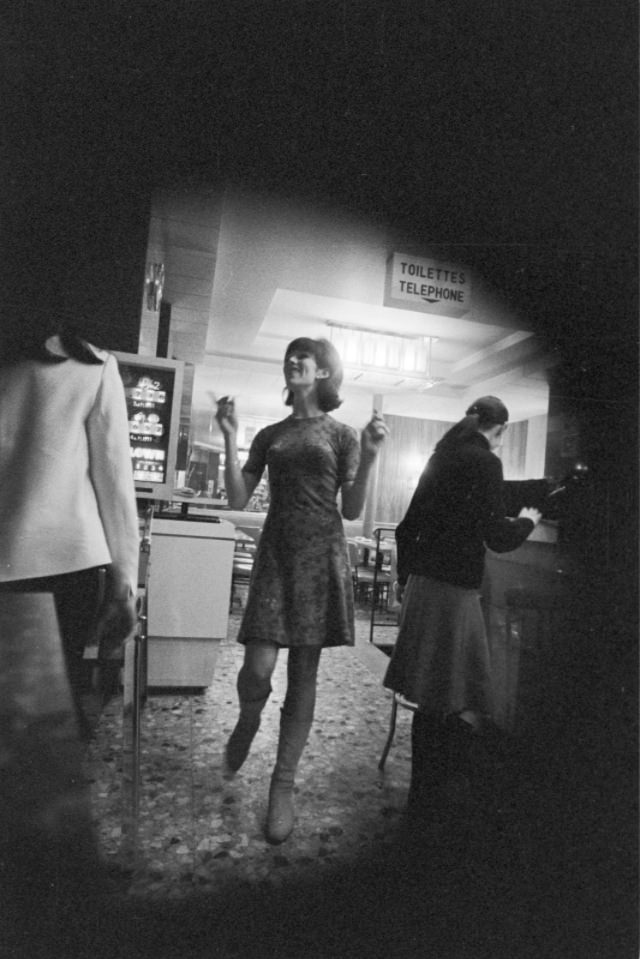
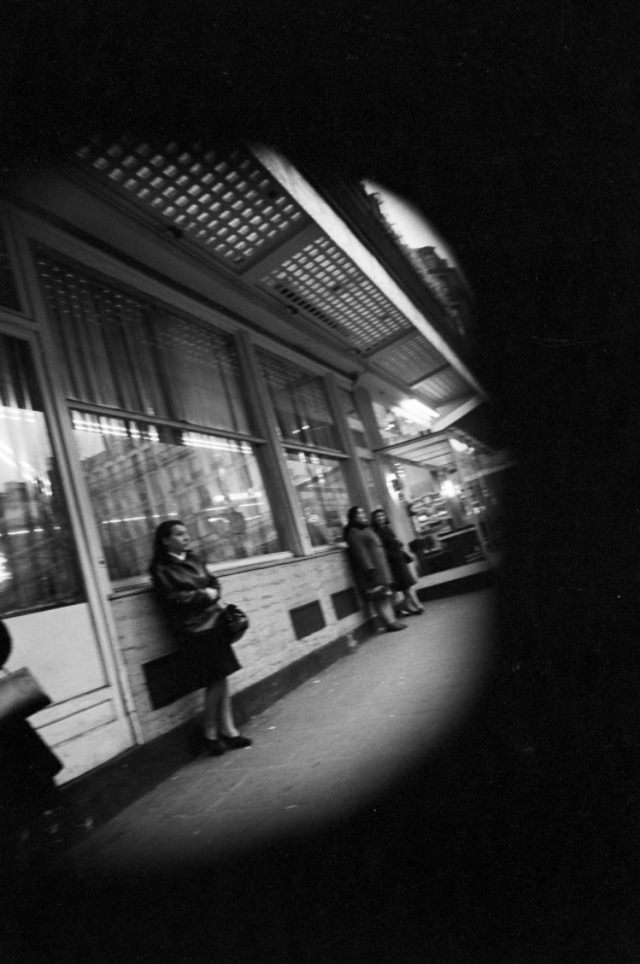
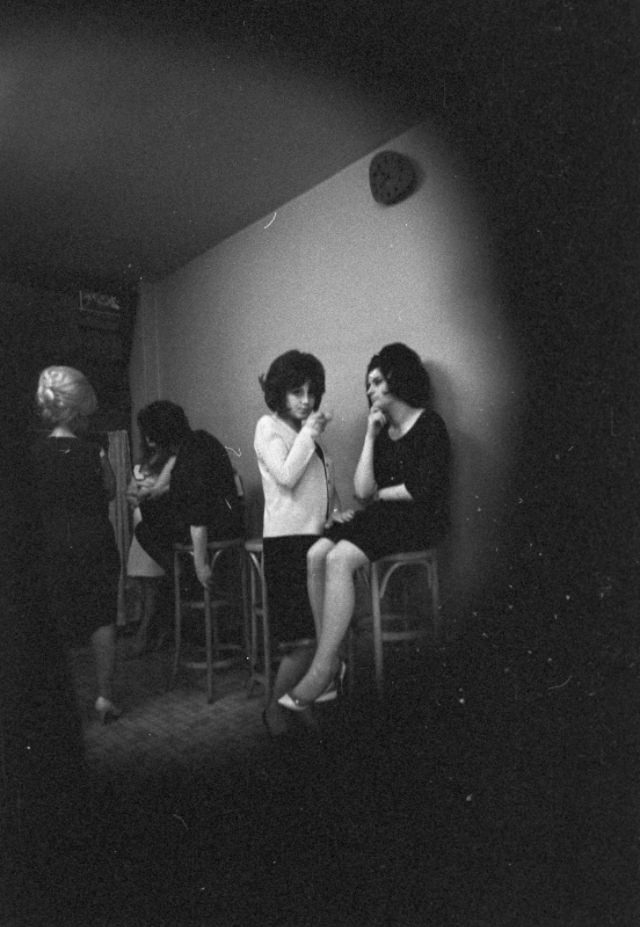
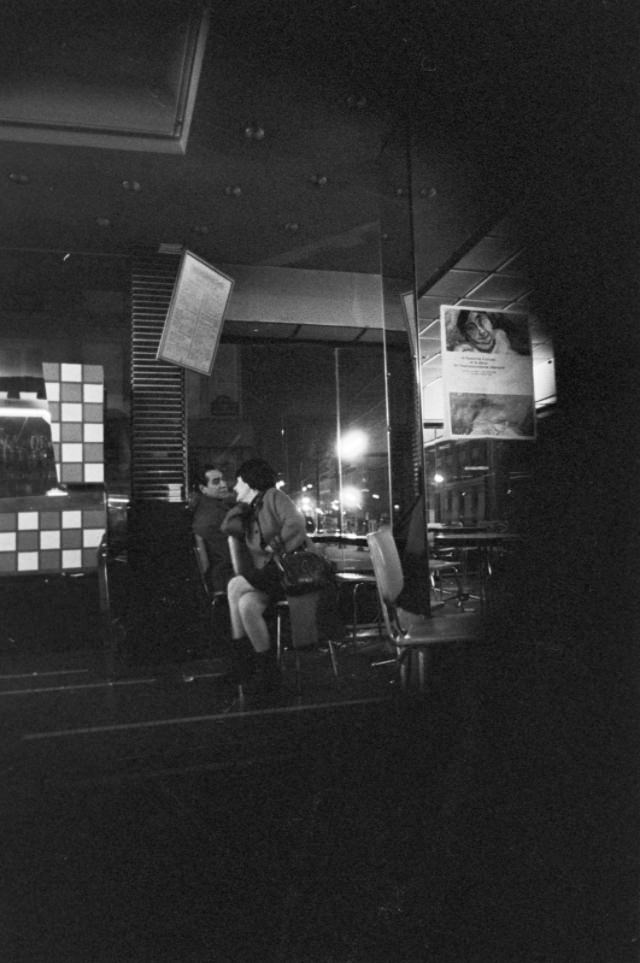
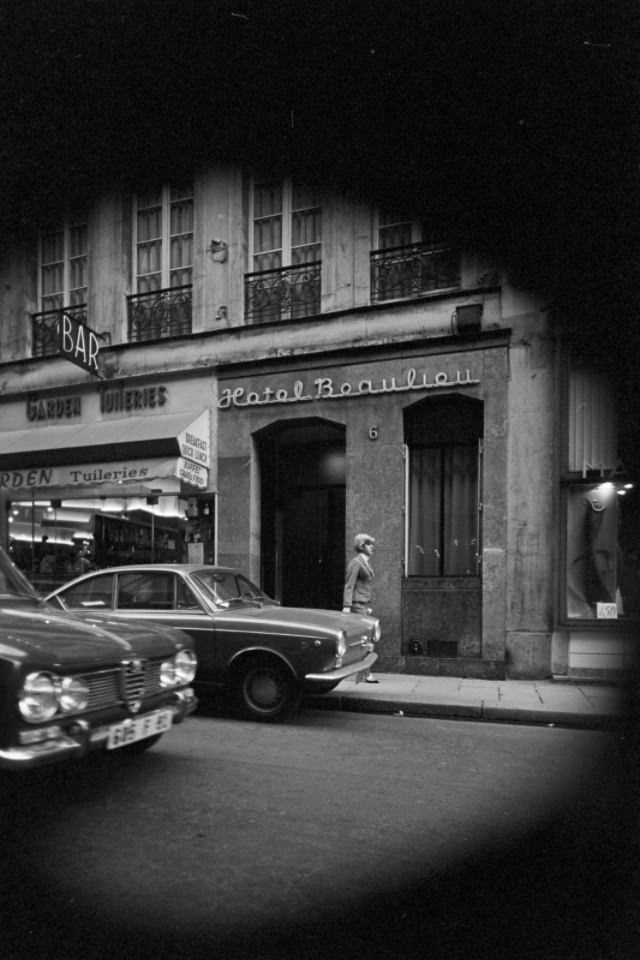
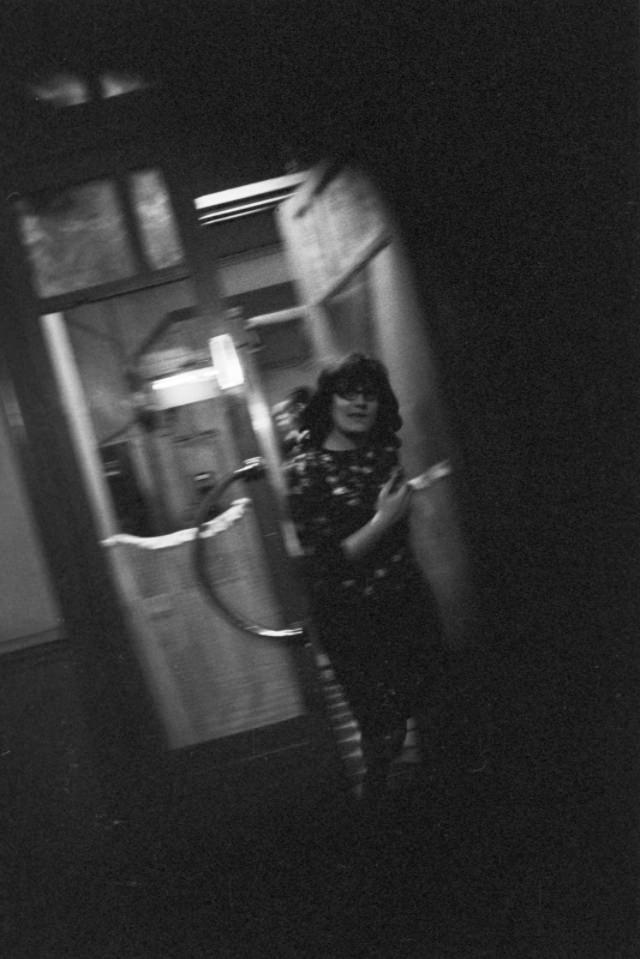
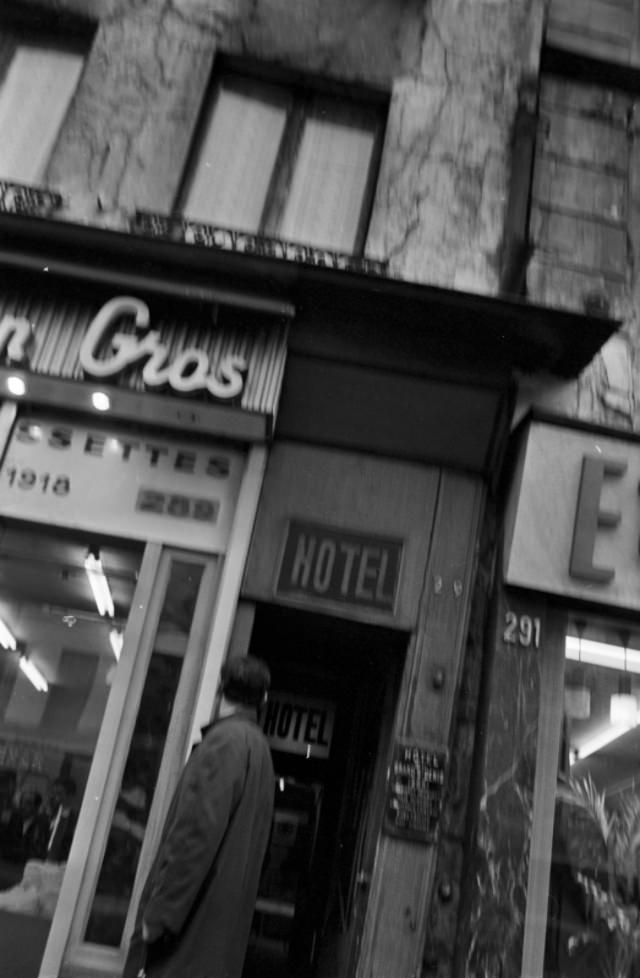
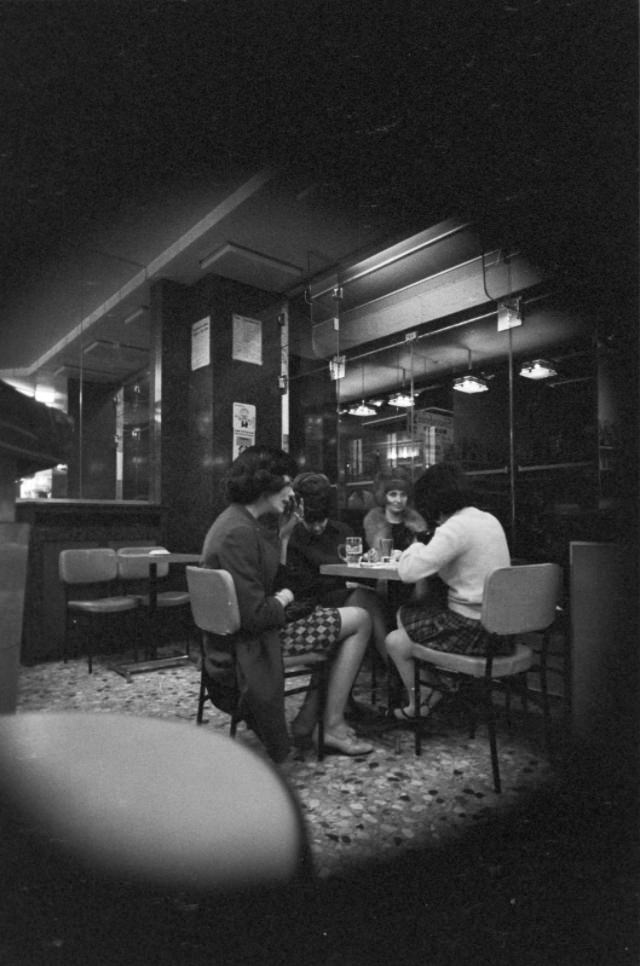
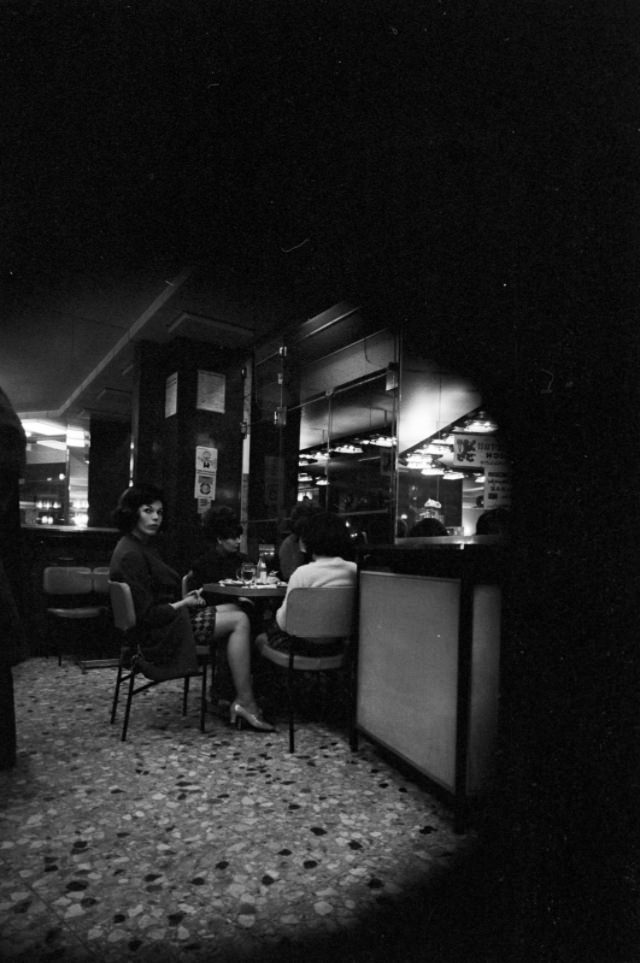
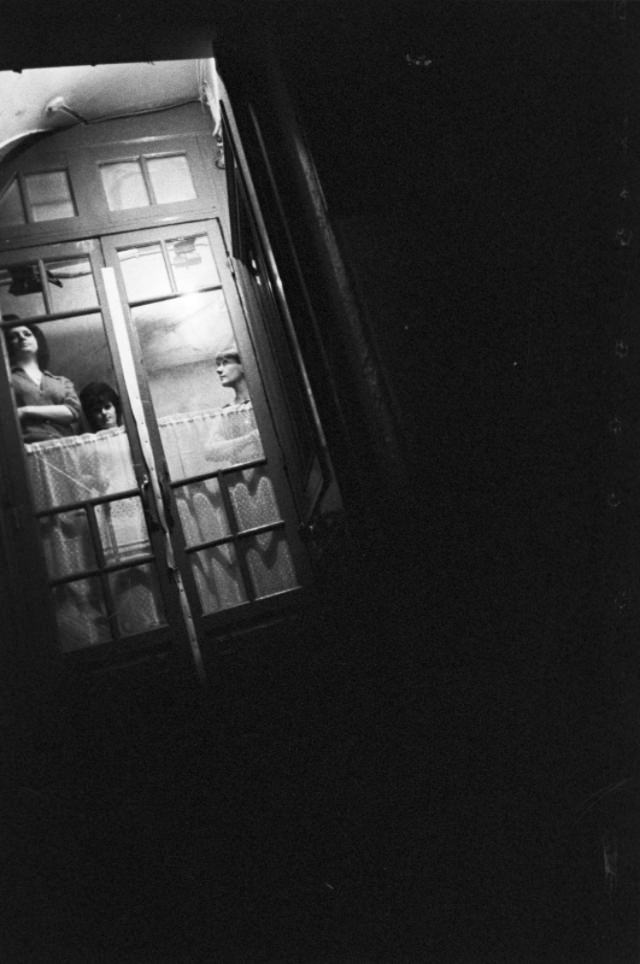
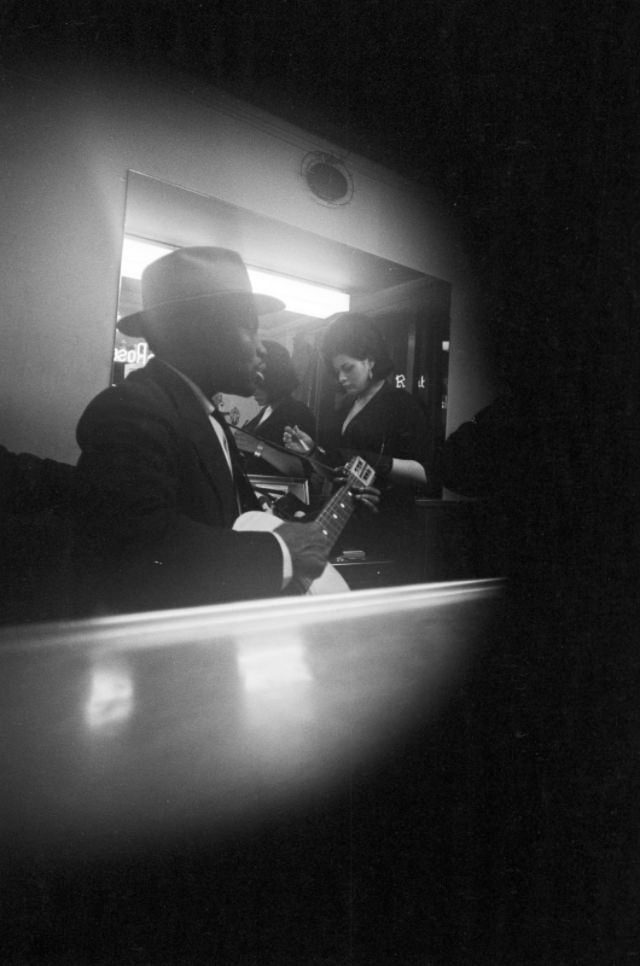
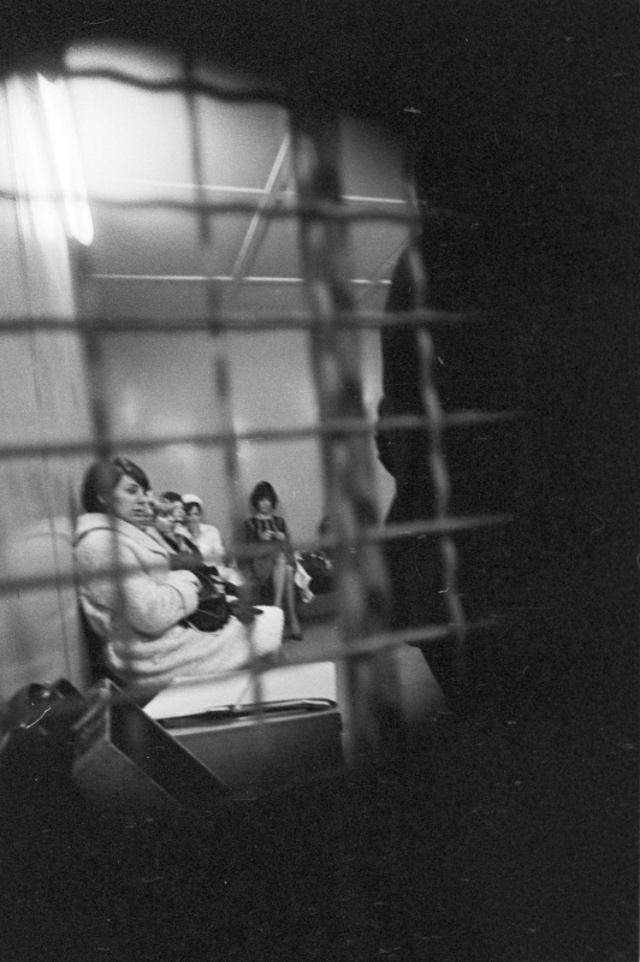
The photographs in this collection were taken in the 1960s, capturing street prostitution in Paris at a candid, unguarded level. They show women on doorsteps, in narrow streets, and in the doorways of hotels — a raw documentary record of daily life in these neighbourhoods during that period.
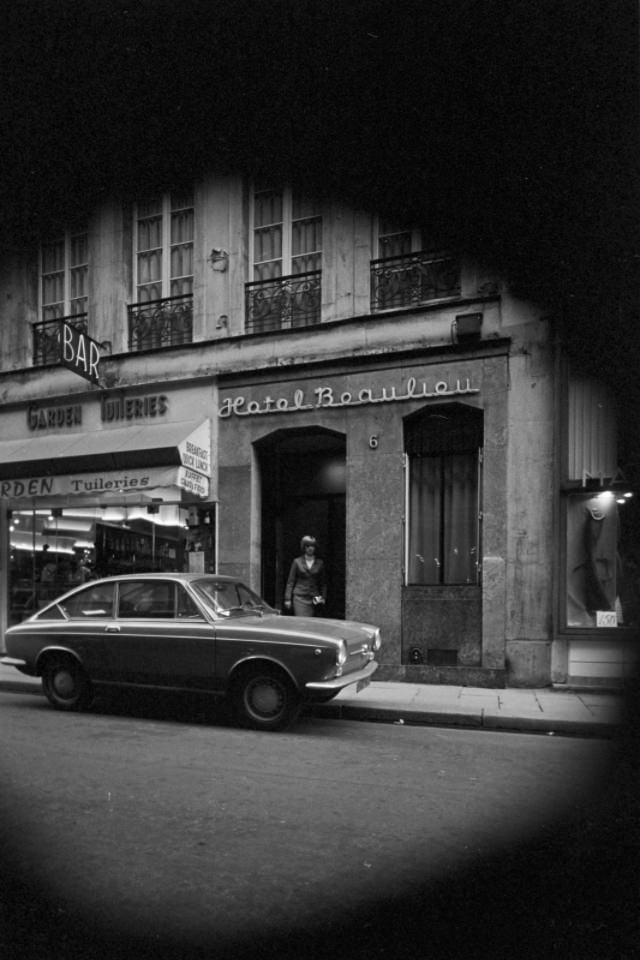
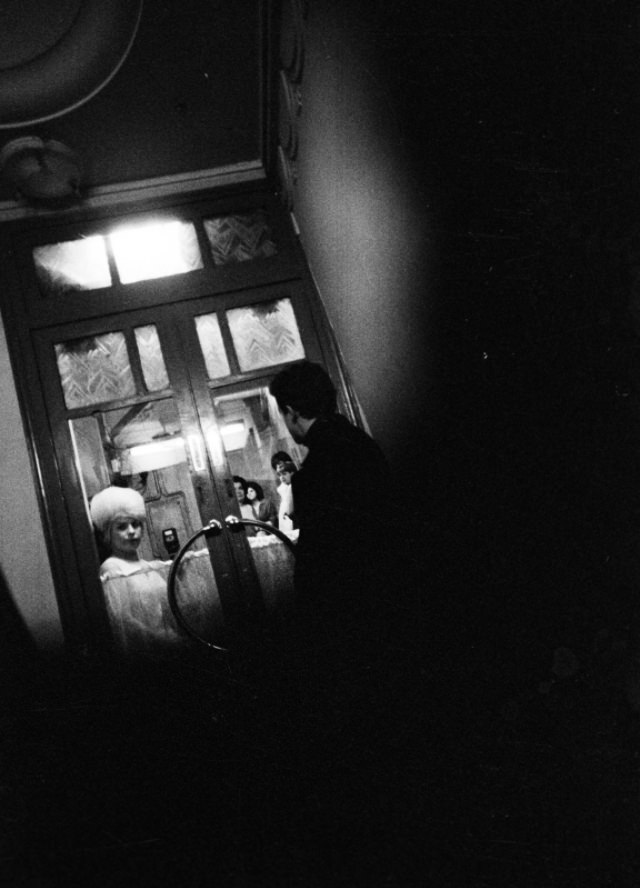
The character of Rue Saint-Denis changed gradually through the 1970s and 1980s. As hotels and short-stay studios closed or changed hands, most of the women who had worked there moved on. Those who remained tended to be older. By the late 1980s, the street had lost most of its former identity as a centre of street prostitution.
A new chapter opened in the late 1990s with the arrival of Chinese prostitutes in Paris. They concentrated in specific neighbourhoods and became known locally as les marcheuses — the walkers — because of their practice of working on foot in particular streets. Many also worked in massage parlours or, later, through online platforms. By 2016, Médecins du Monde estimated that approximately 1,450 Chinese prostitutes were active in Paris.
Under French law today, prostitution itself is legal. However, a range of associated activities remain criminal offences. Brothel-keeping has been banned since the 1946 law. Pimping is prosecuted, and the prostitution of minors is a serious criminal offence. A significant legal development came on 13 April 2016, when France passed a law criminalizing the clients of prostitutes — shifting legal responsibility from the sex workers themselves to those who pay for their services.