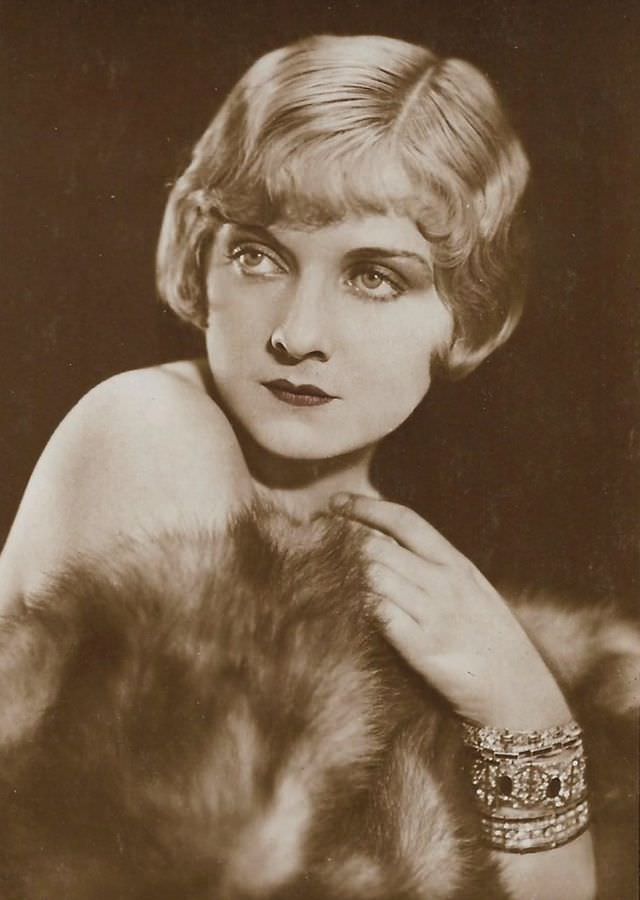

Alice Terry was one of the most recognizable faces of the silent film era. Born in 1899, she launched her acting career at just 15 years old and went on to appear in thirty-nine films over seventeen years. She was naturally a brunette, but a wardrobe decision early in her career changed her look — and her trajectory — forever. Terry first wore a blonde wig in the 1920 film Hearts Are Trumps to help distinguish herself from co-star Francelia Billington on screen. The wig worked so well that she kept it for her next major role and never really looked back.
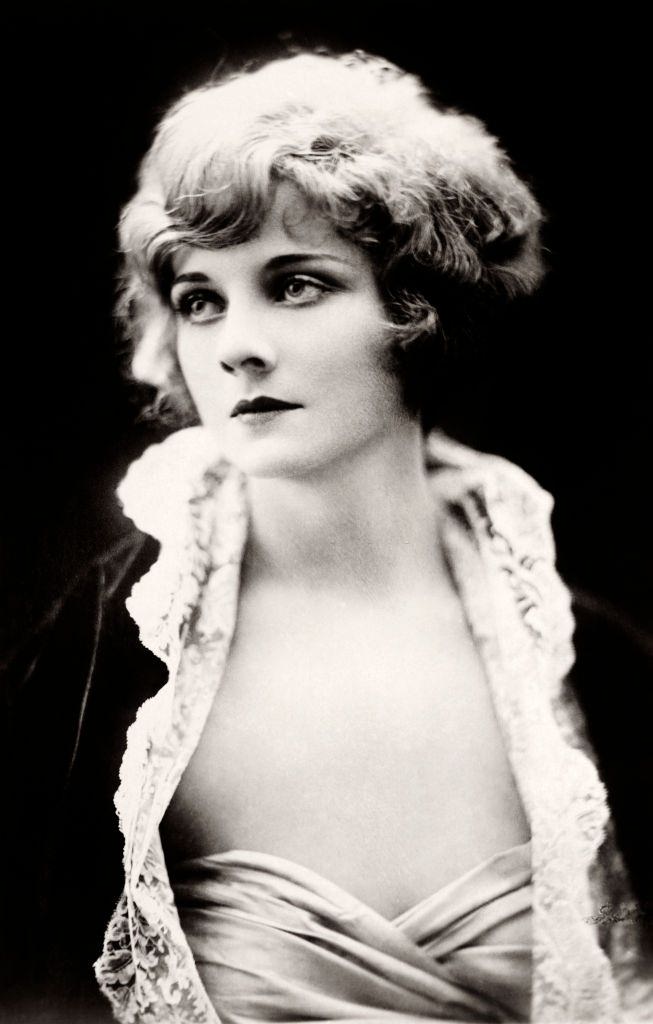
Terry made her film debut in 1916 with Not My Sister, stepping in front of the camera for the first time at an age when most teenagers were still in school. That same year, she appeared in the anti-war film Civilization, taking on several different characters throughout the production. Behind the scenes, she also put in two years working in a cutting room at Famous-Players-Lasky, gaining a hands-on education in how films were actually made. That experience gave her a technical understanding of filmmaking that would prove useful much later in her career.
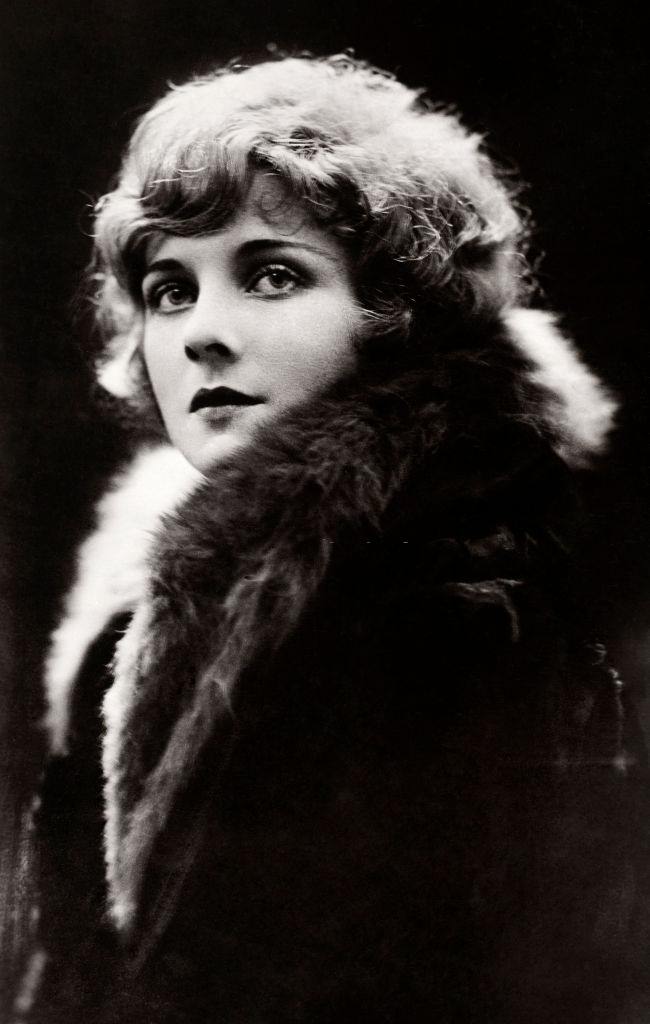
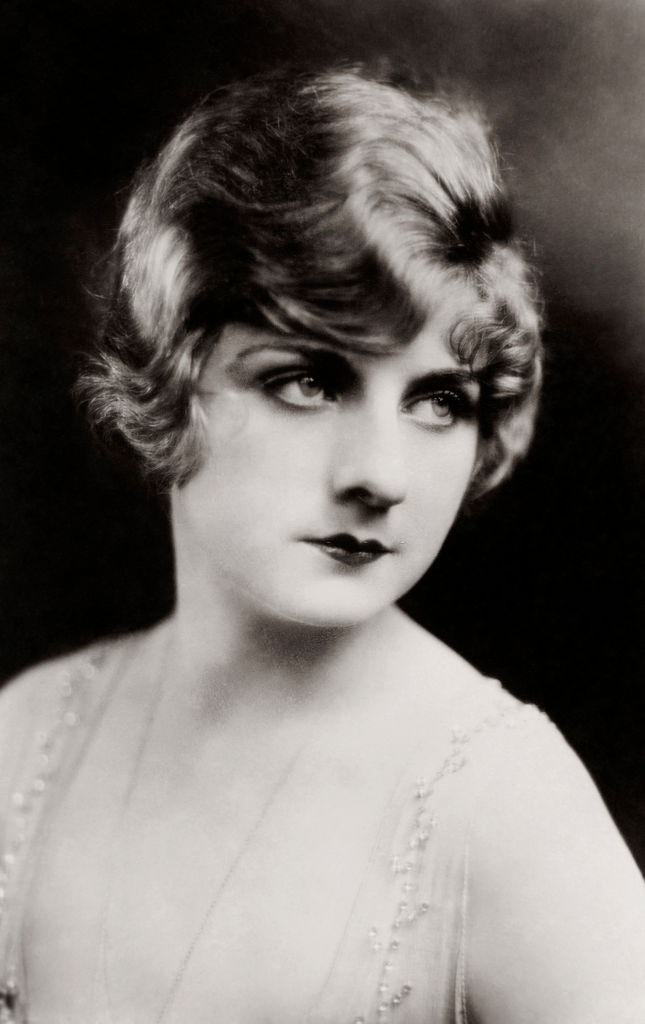
By the early 1920s, Terry was no longer a newcomer. The role that brought her worldwide recognition came in 1921 with The Four Horsemen of the Apocalypse, where she played Marguerite — again wearing the now-signature blonde wig. The film was a massive success, and Terry’s performance alongside Rudolph Valentino put her firmly on the map as a leading actress of the silent era.
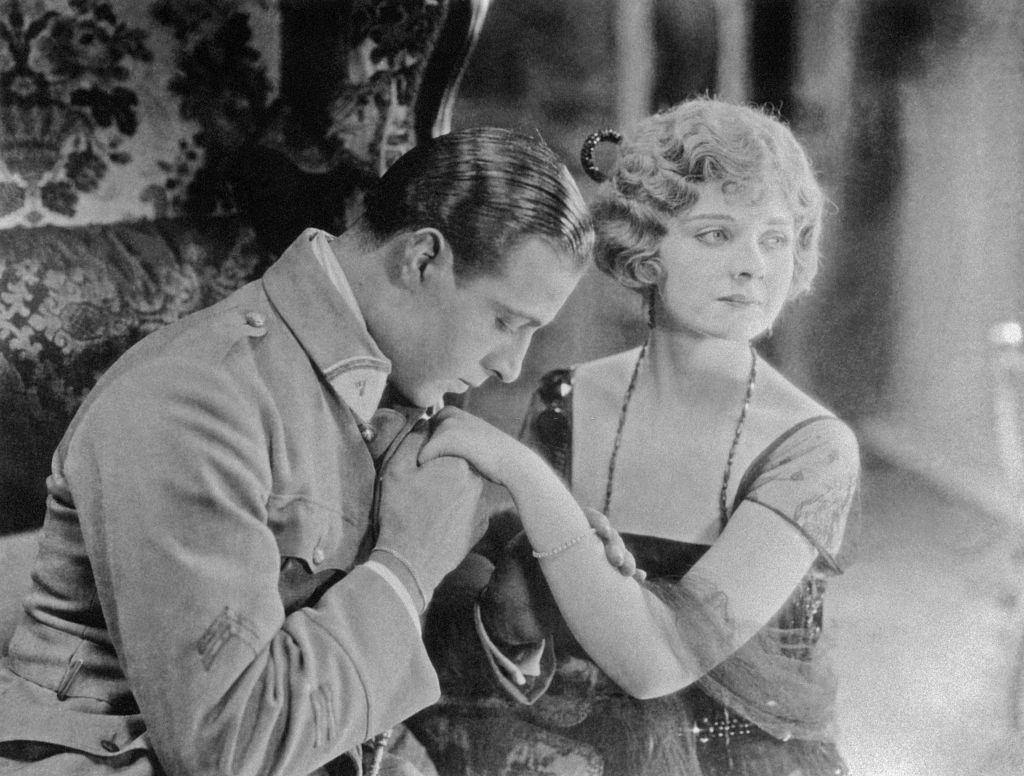
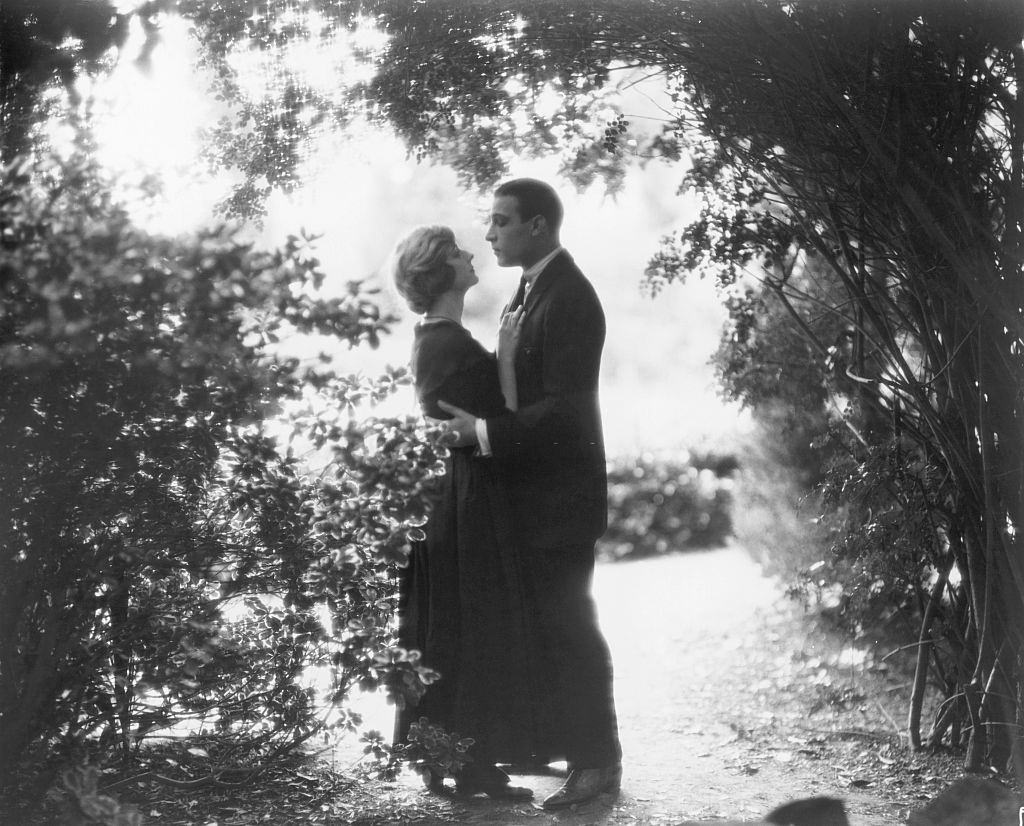
Also in 1921, Terry married Irish director Rex Ingram, whom she had been working alongside during the production of The Prisoner of Zenda. Their professional and personal partnership became one of the defining relationships of her life. Ingram was a prominent figure in Hollywood, and together they formed a formidable creative team. By 1923, the couple made the decision to leave the United States and relocate to the French Riviera, where studios including MGM hired them to shoot films on location across North Africa, Spain, and Italy.
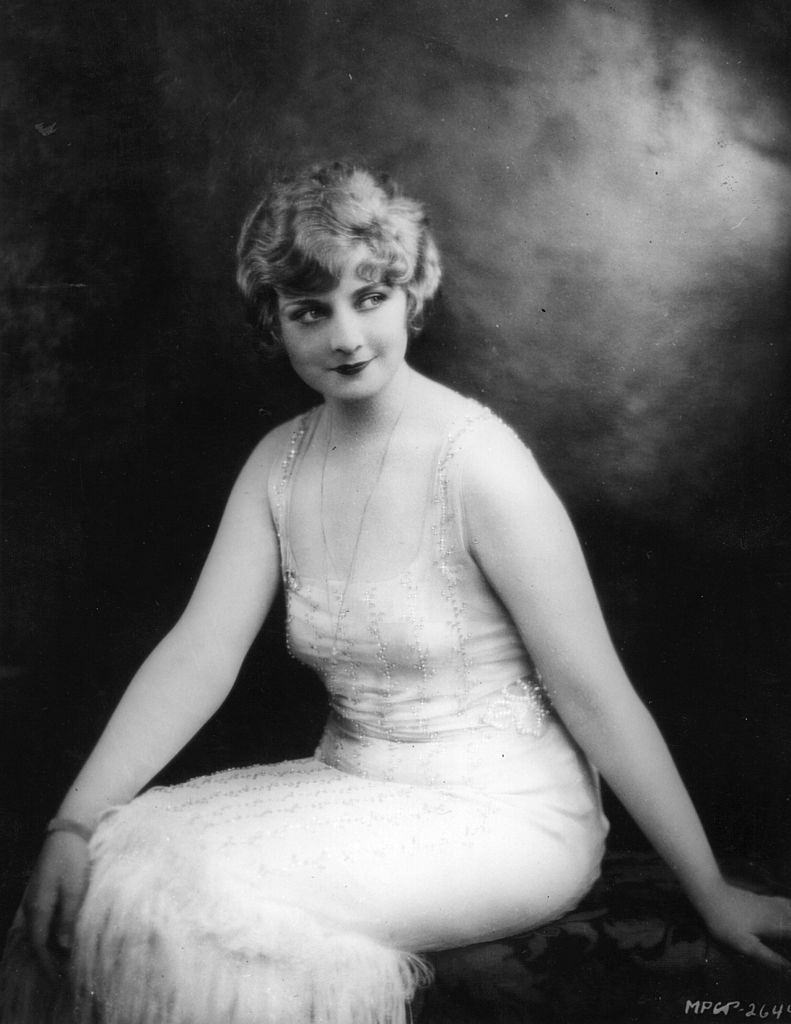
During the 1920s, Terry appeared in a string of notable silent films. The Prisoner of Zenda (1922), Scaramouche (1923), The Great Divide (1924), and Mare Nostrum (1926) were all significant productions that kept her in demand throughout the decade. Many of these films paired her with Ramón Novarro, a Mexican actor who had risen to stardom as a so-called “Latin lover” — a title that gained even more weight after the death of Rudolph Valentino. Terry and Novarro made several films together, and their on-screen chemistry was well regarded by audiences of the time.
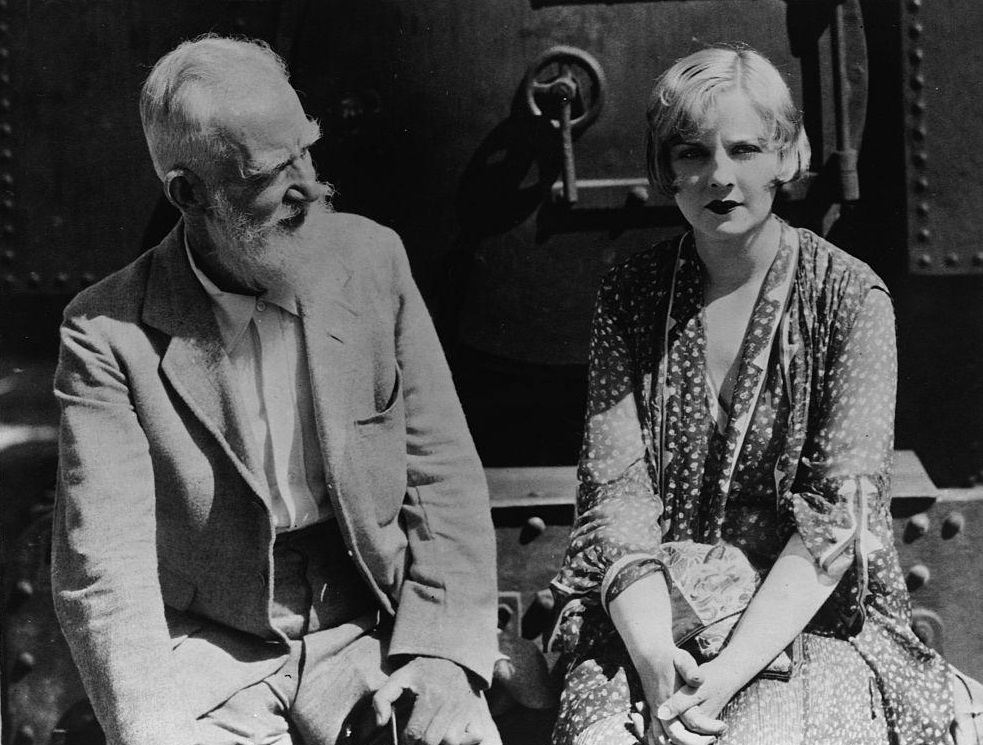
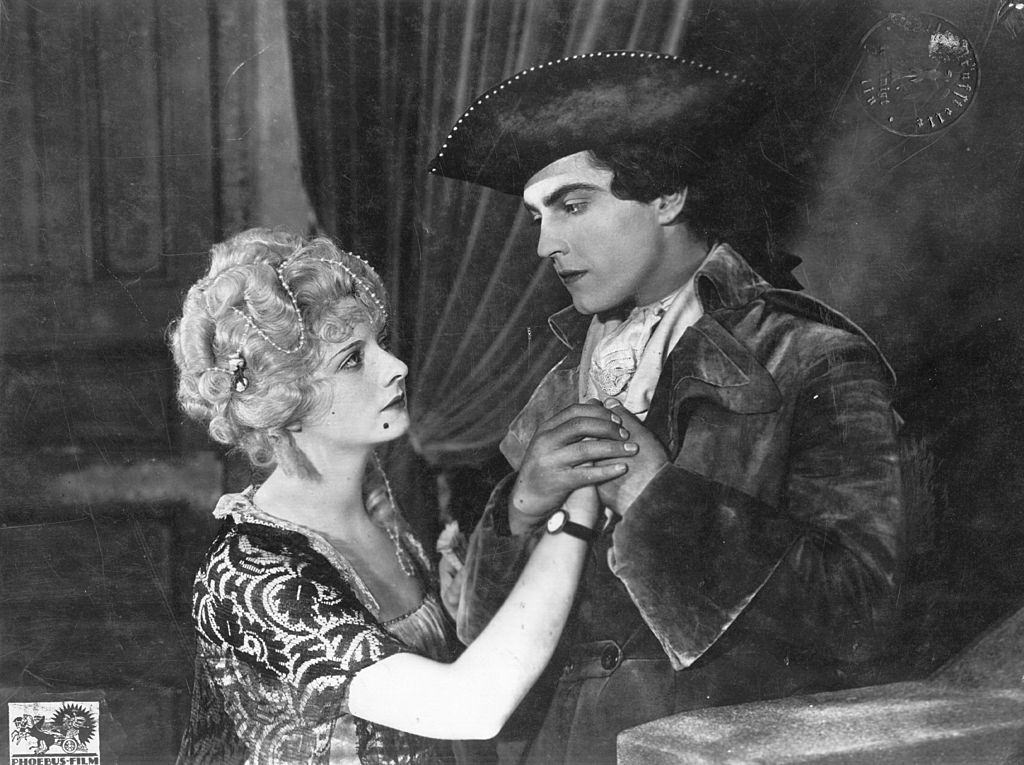
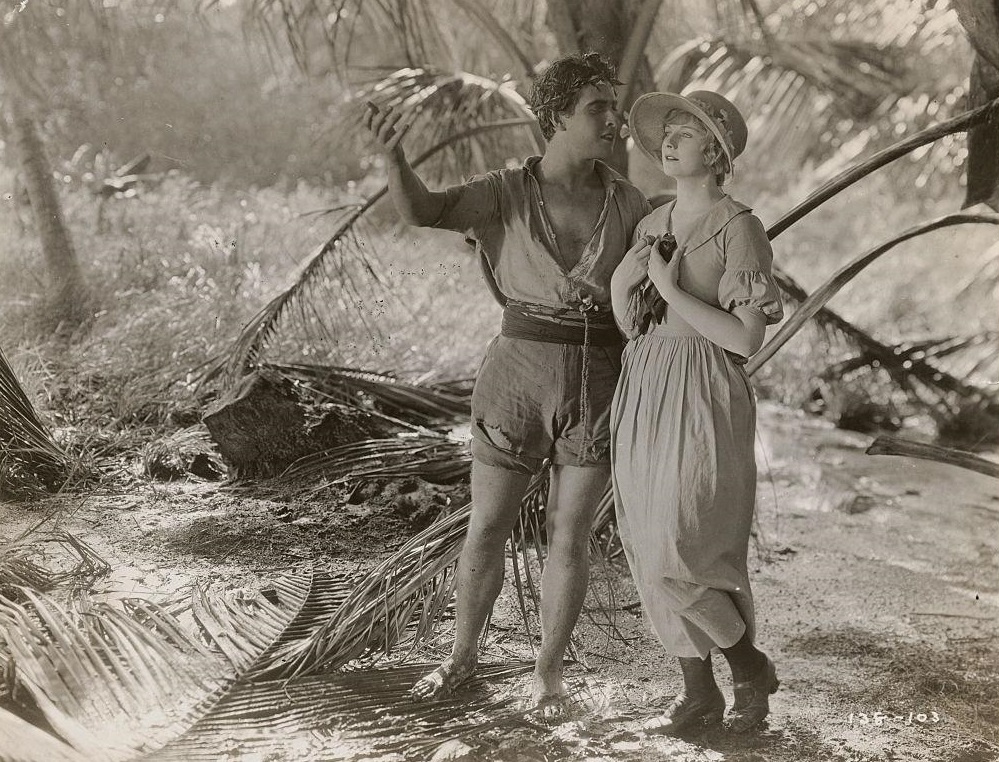
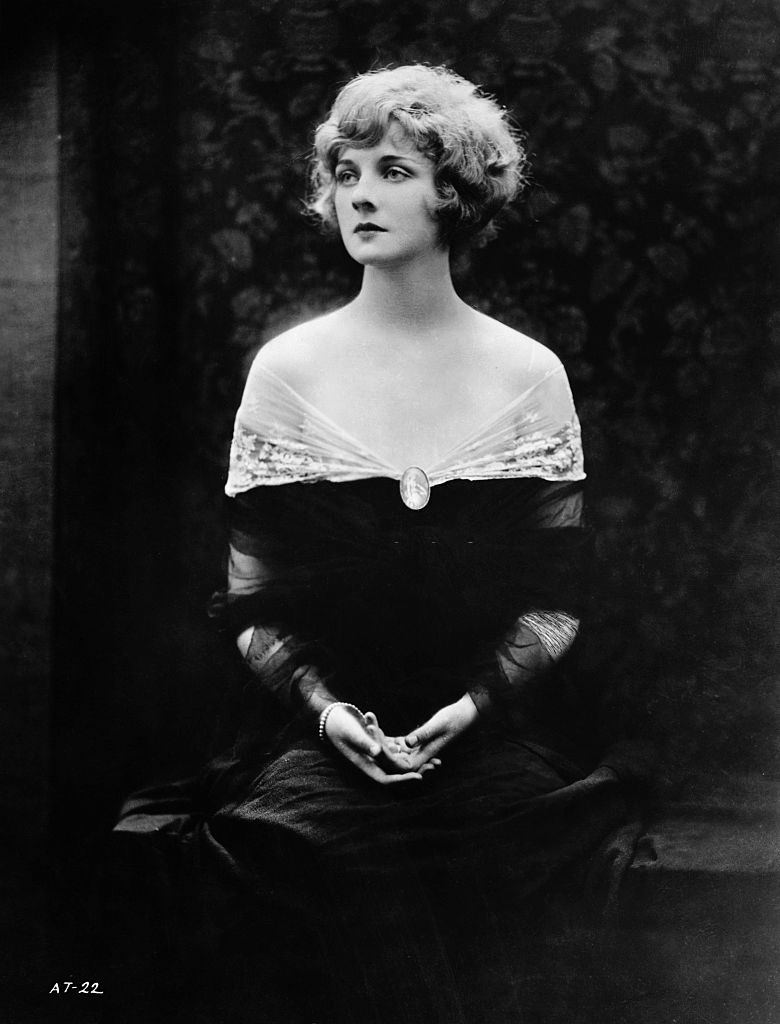
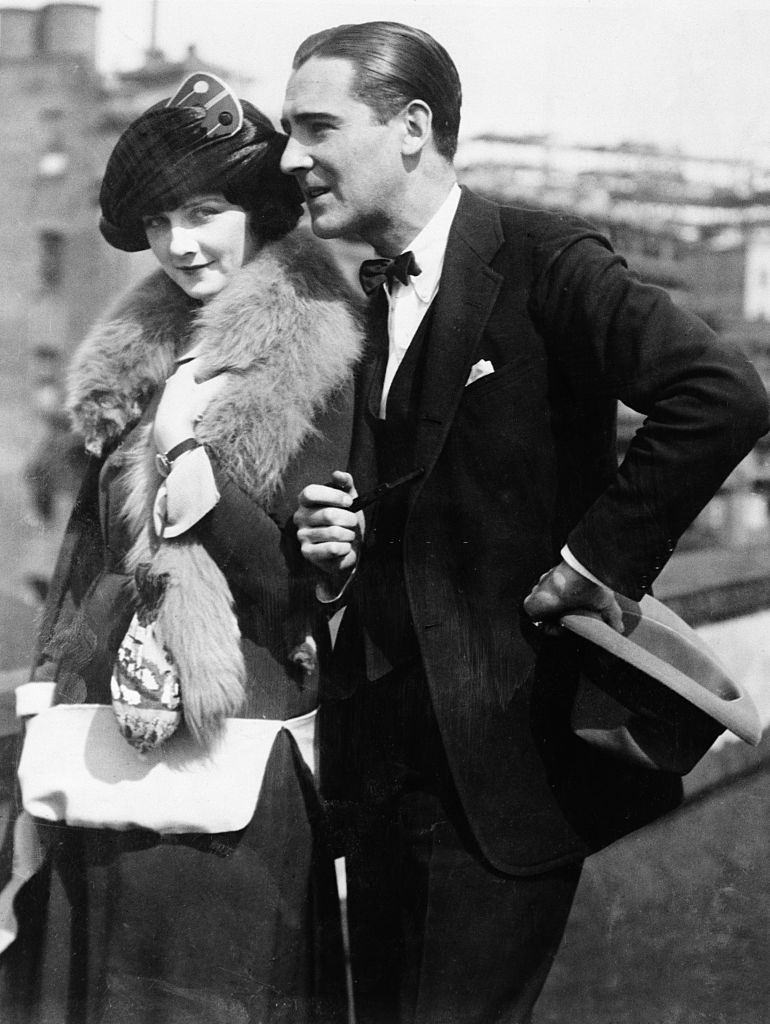
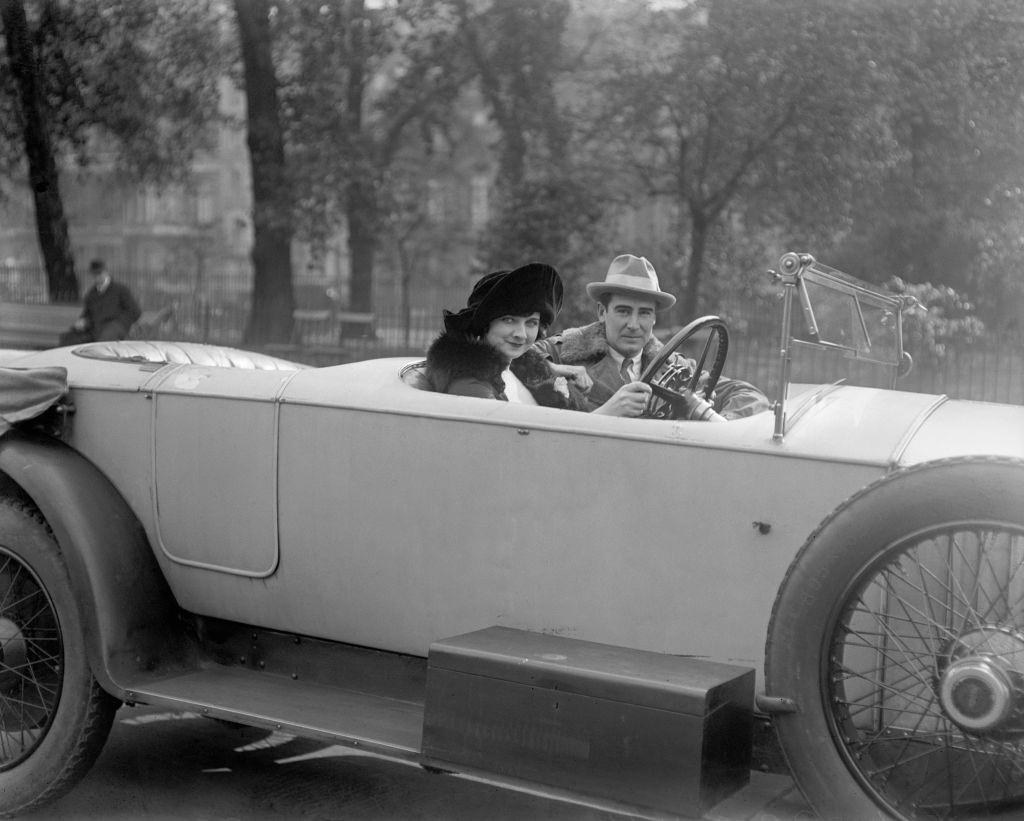
The production of Scaramouche also brought Terry and Ingram to London, where they were photographed together during the film’s busy production period. On screen, Terry brought nuance to her roles even within the constraints of silent performance, where facial expression and physical presence carried the entire emotional weight of a scene.
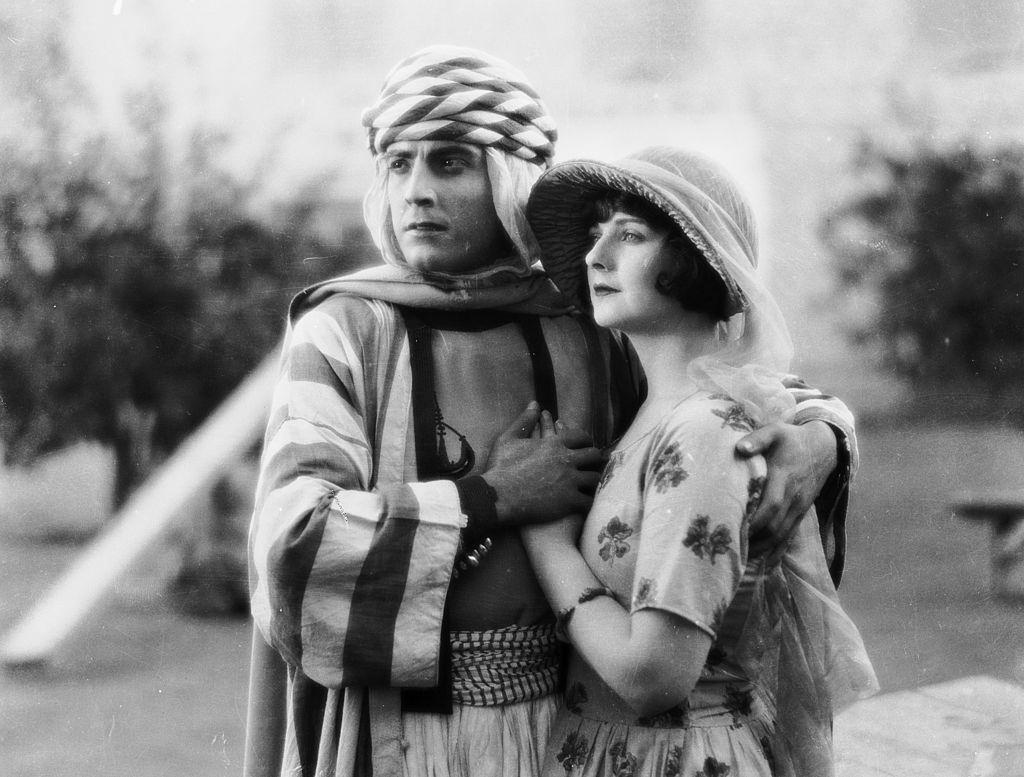
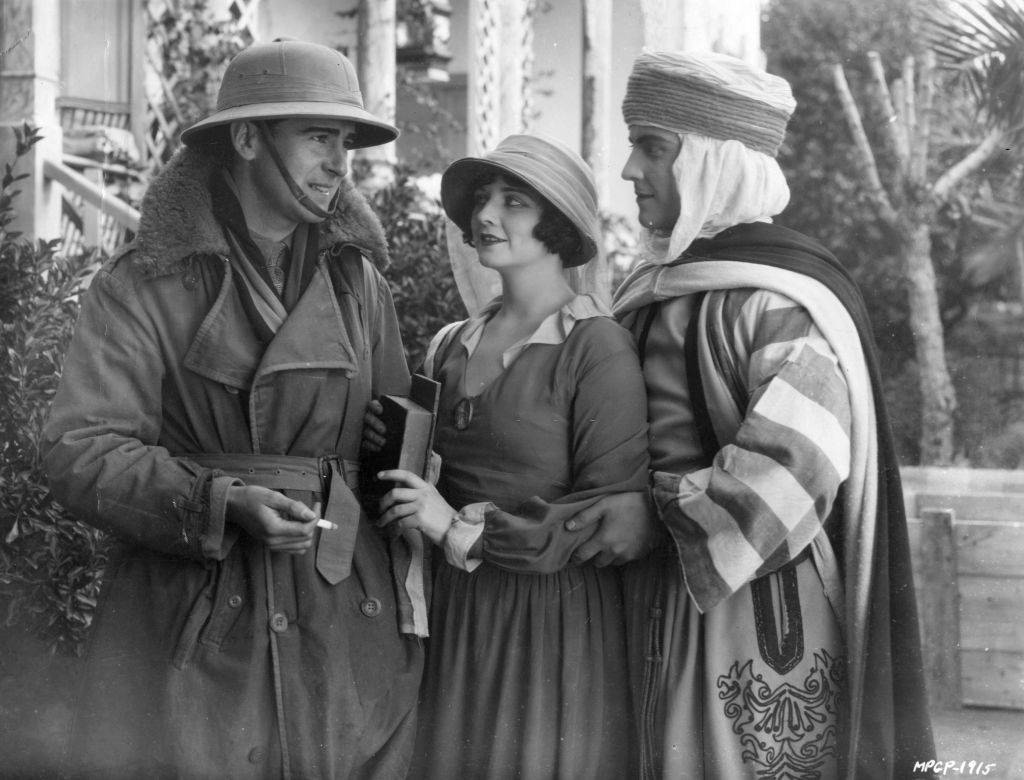
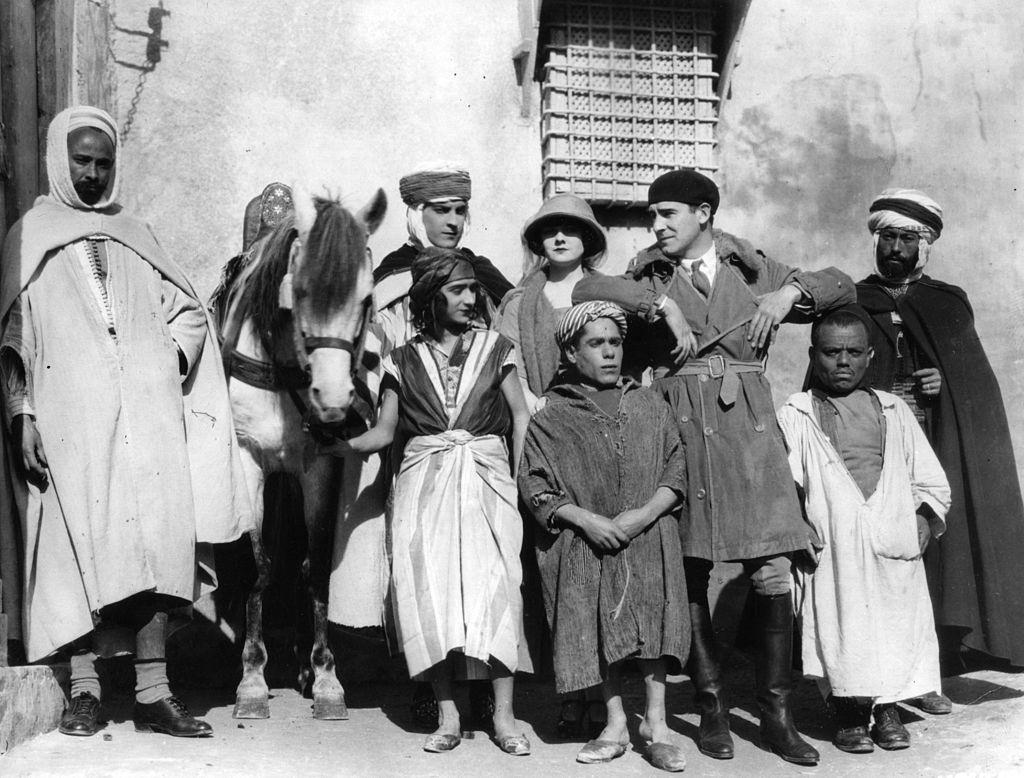
Filming on location gave Terry and Ingram a working life unlike most Hollywood productions of the era. On the set of The Arab in 1924, they worked alongside Novarro and a group of native actors in North Africa, creating an atmosphere far removed from a studio backlot. Terry was deeply involved at every stage of these productions, a fact that often went unacknowledged in the press coverage of the time.
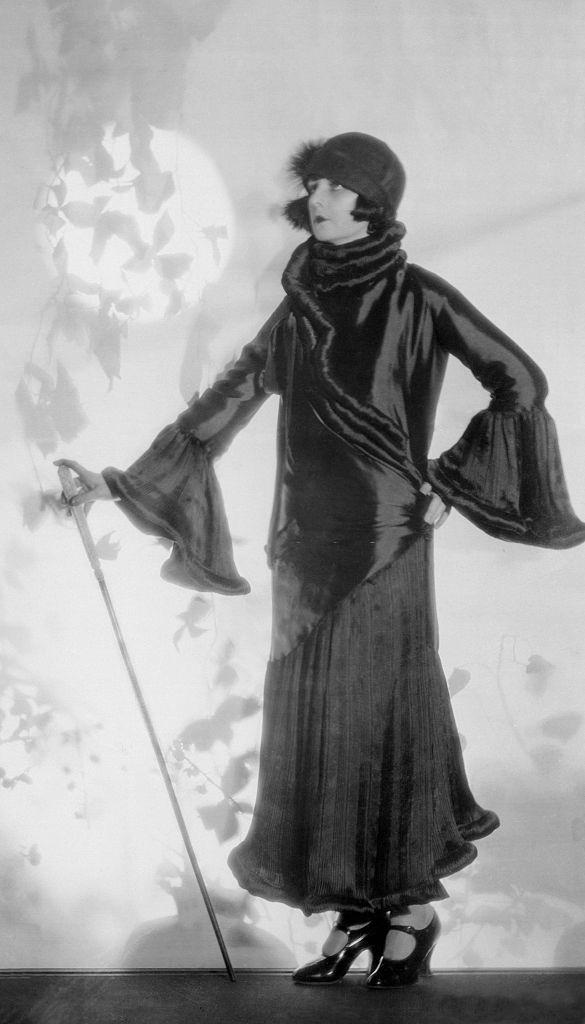
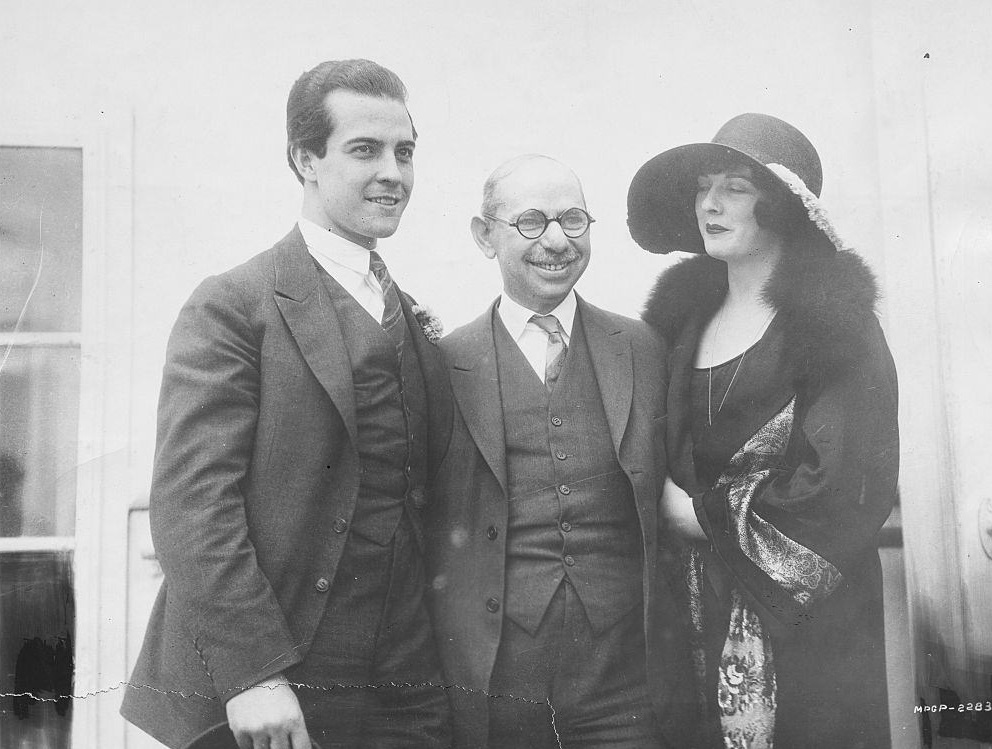
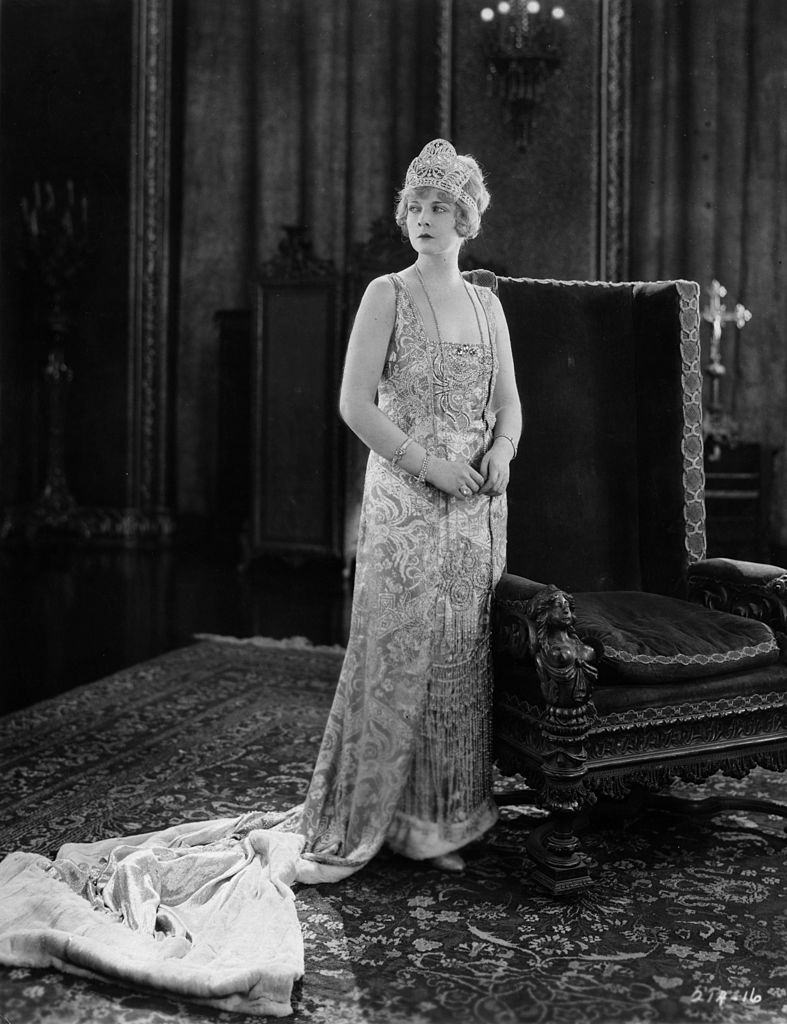
Back in California, Terry’s profile remained high. She was photographed driving to the studio for The Great Divide in 1924 and was seen alongside MGM head Marcus Loew and Novarro on the SS Leviathan ocean liner that same year. She also sat for fashion photographs that same year, modeling an imported satin-faced canton coat with a deep flounce skirt, bell cuffs, and a distinctive collar — a glimpse into the glamour that surrounded leading actresses of the period.
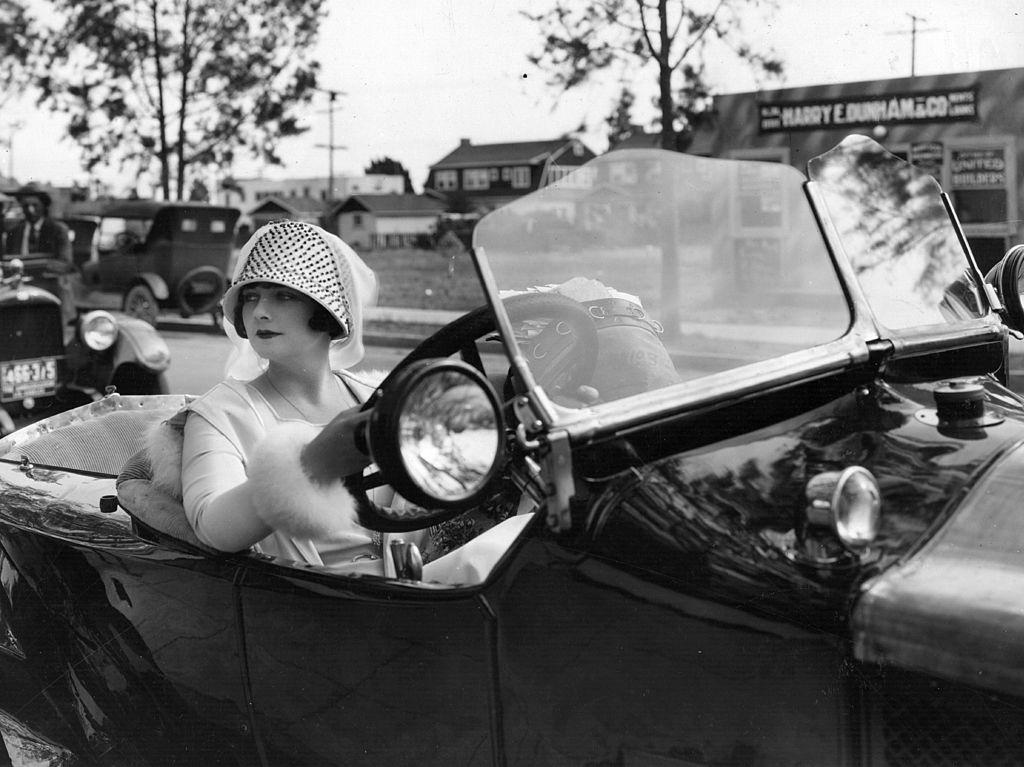
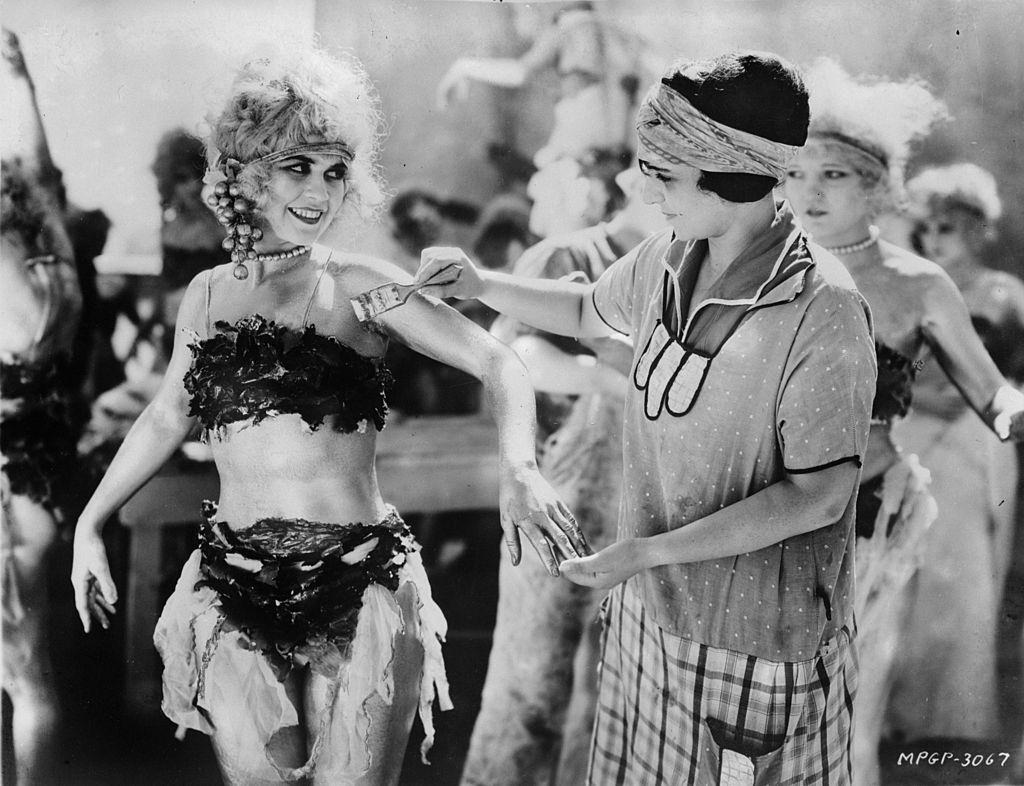
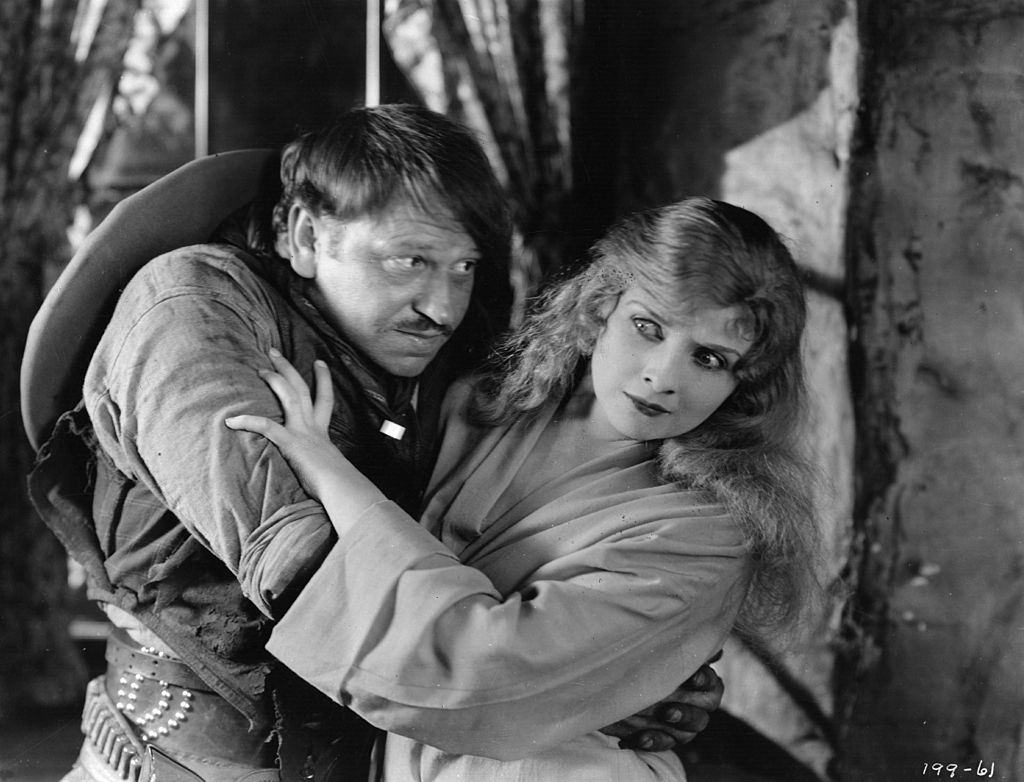
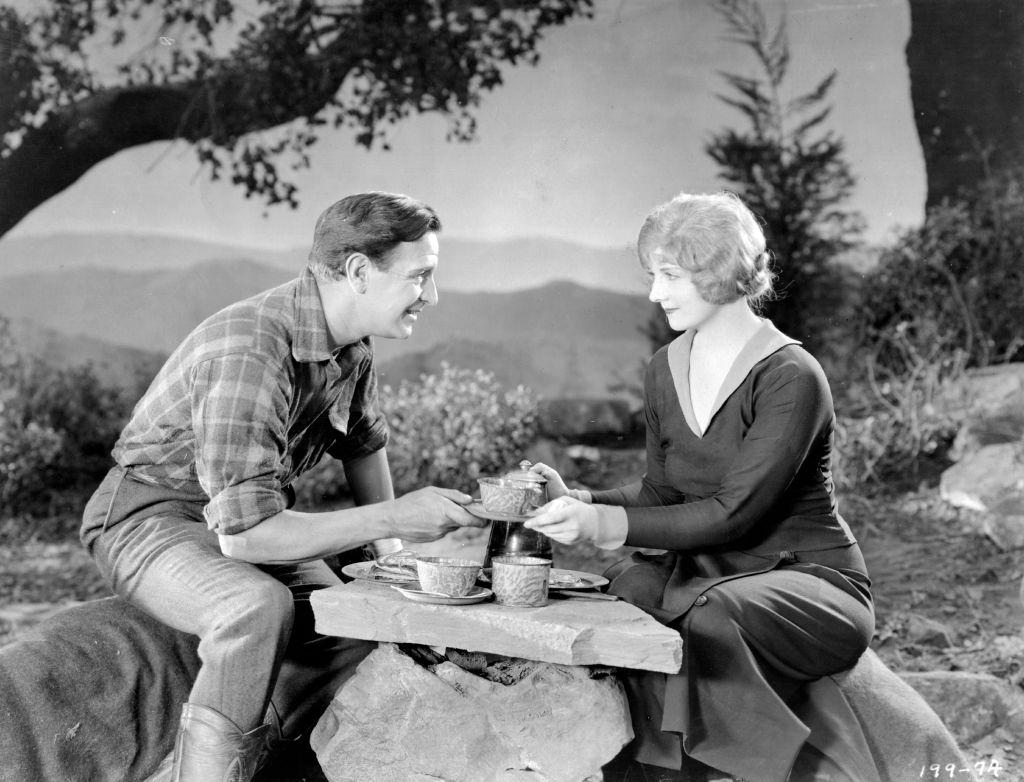
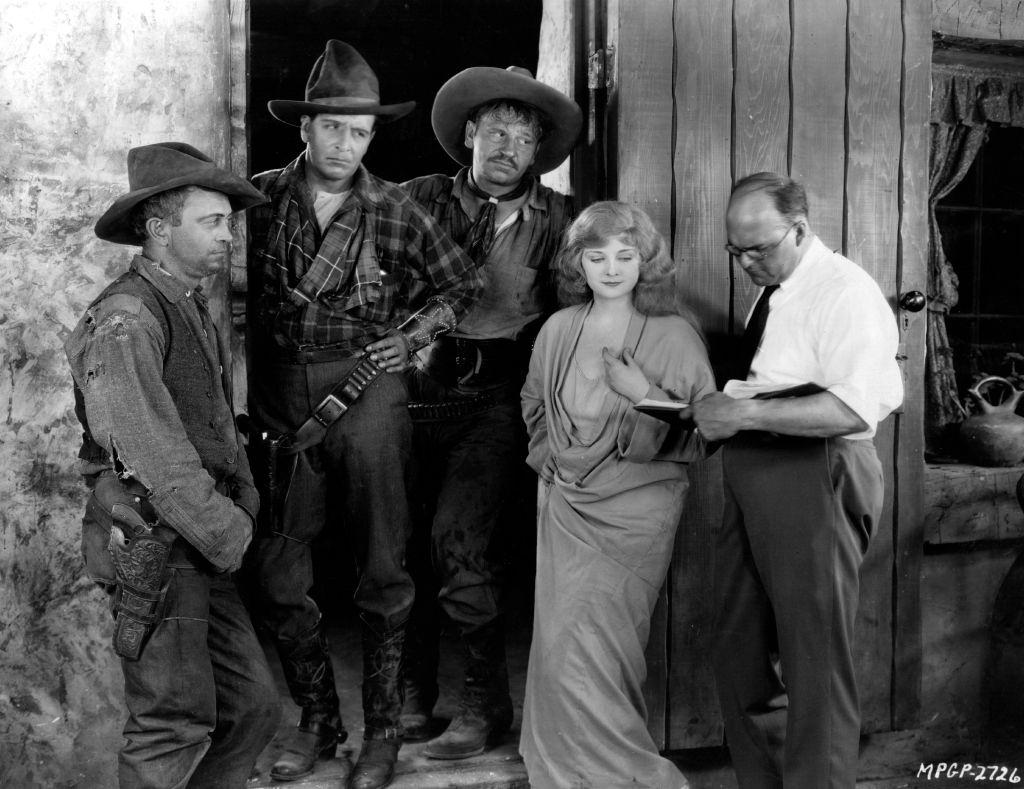
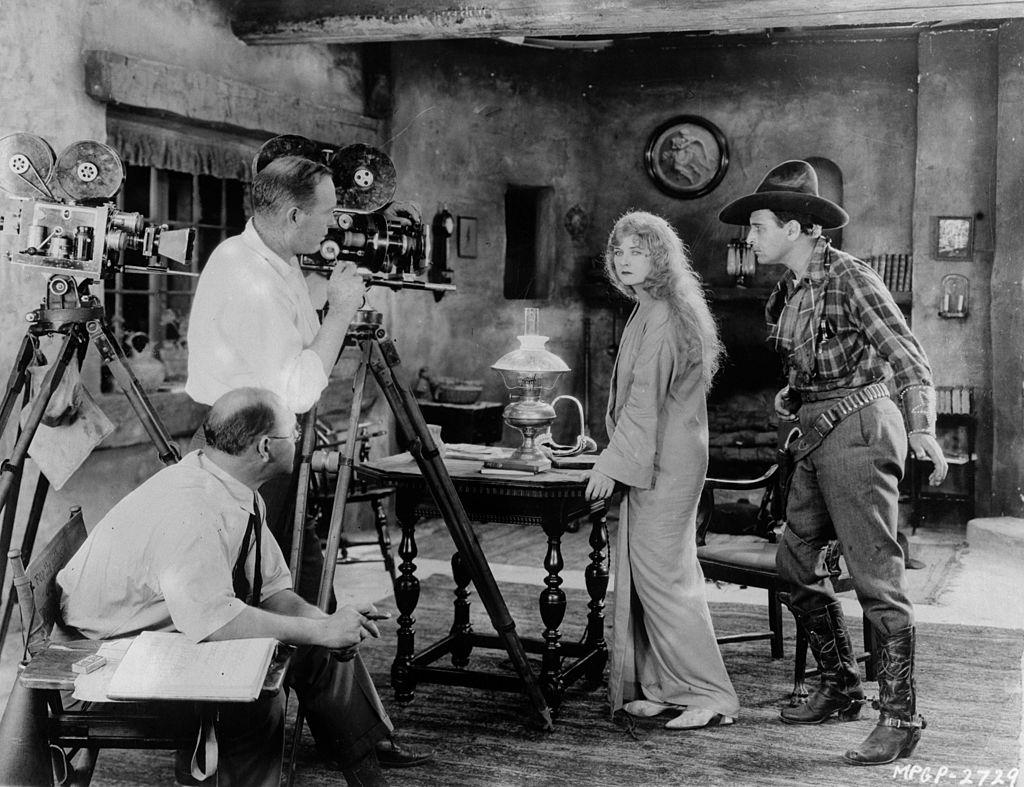
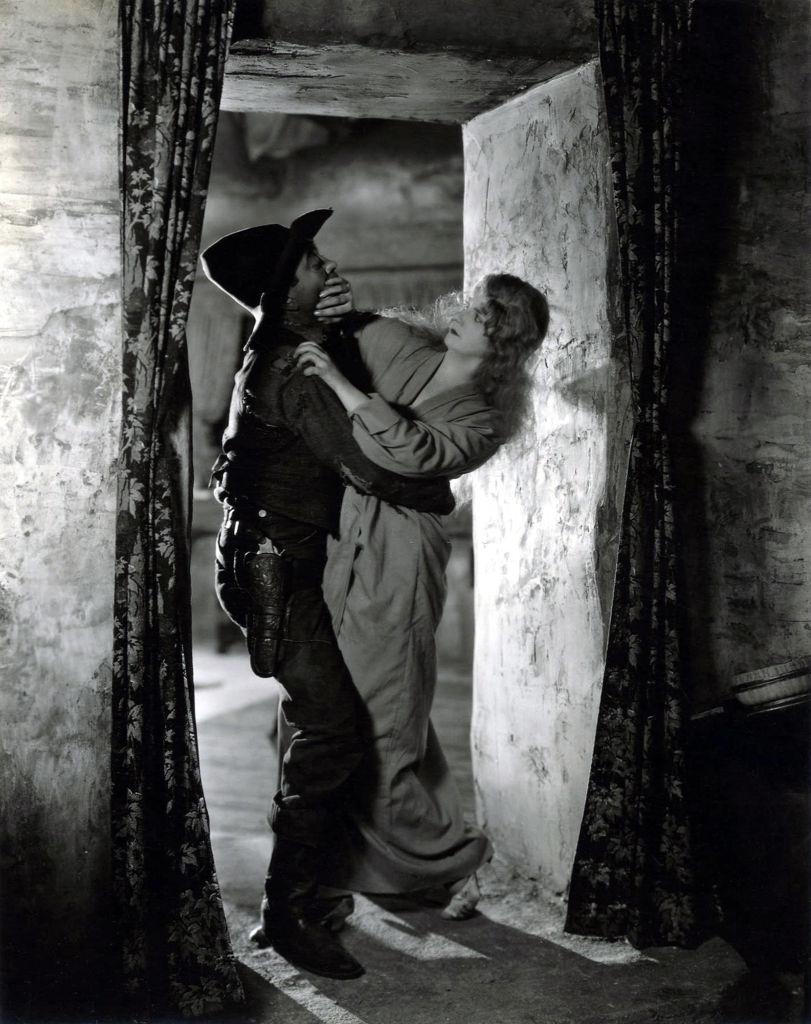
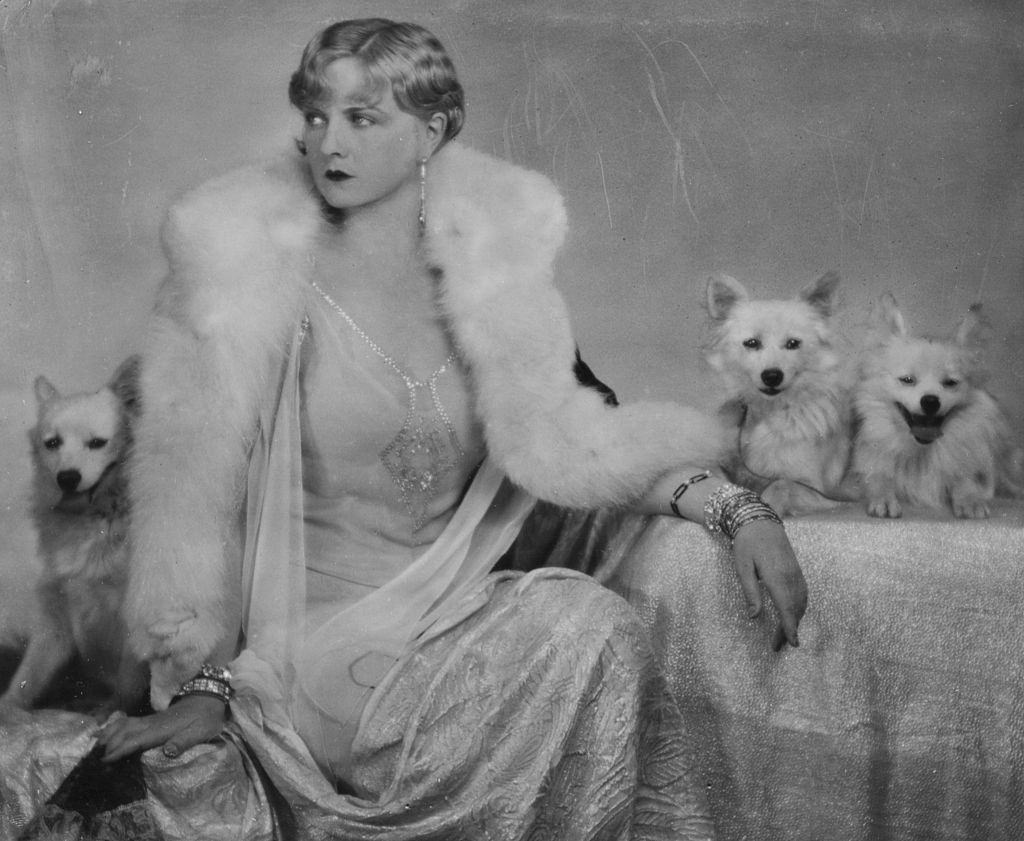
The Great Divide kept Terry busy well into 1925. On set she worked with director Reginald Barker and co-stars Wallace Beery and Conway Tearle. Production photographs from the period show her deeply engaged in the filmmaking process — discussing scenes with the director and working through physically demanding sequences. Away from the cameras, she was also photographed wearing a fur coat with her pet dogs, offering a rare look at her life outside of film sets.
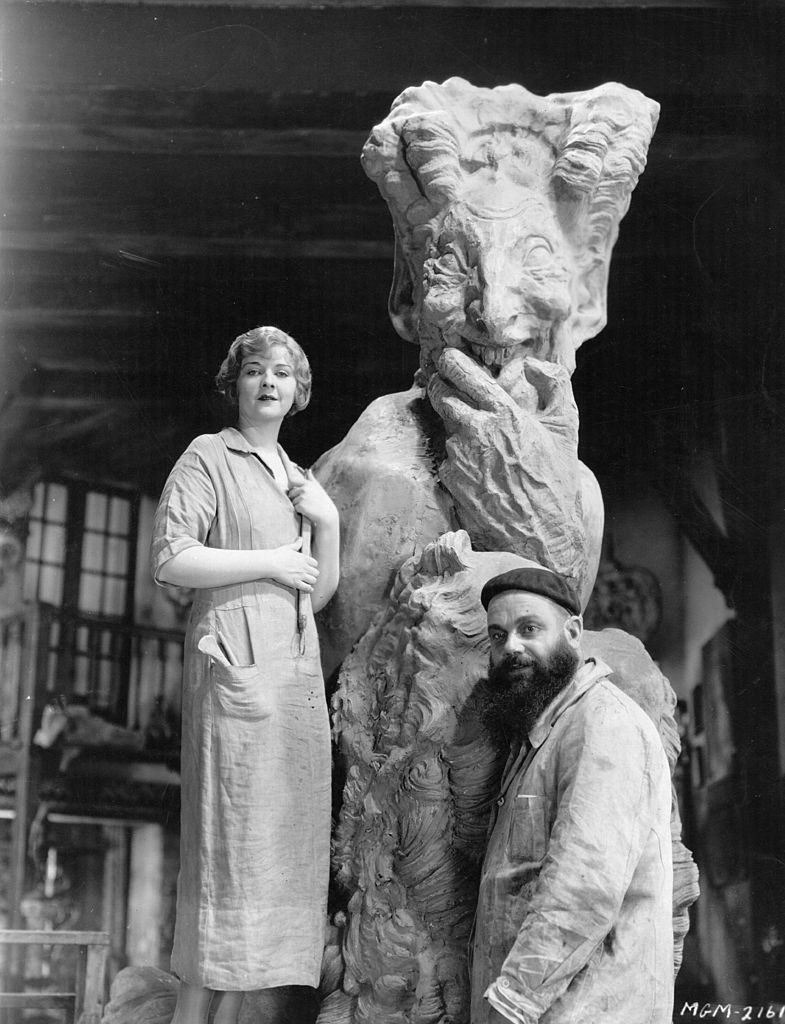
Also in 1925, Terry was photographed with Paul Darde, a leading European sculptor, alongside a large sculptural work created specifically as a prop for her upcoming film The Magician. It was the kind of elaborate preparation that characterized productions of the mid-1920s, when studios spared little expense on major releases.
In 1926, Terry starred opposite Ivan Petrovich in Mare Nostrum, one of her most celebrated films of the decade. Directed by Ingram, the film was shot largely on location in Europe and cemented the couple’s reputation for producing ambitious, visually striking films outside the Hollywood system.
Terry’s final screen appearance came in 1933 with Baroud, Ingram’s only sound film. Her contribution to that production went far beyond acting. She directed every scene in which Ingram appeared, and her role behind the camera was substantial enough that she received a co-director credit — a rare distinction for a woman in that era. The film also featured Antonio Moreno, with whom she had worked on the set of Mare Nostrum. Despite the significance of her directorial work on Baroud, the film did not open further doors in that direction for her.
After Ingram died, Terry’s life was largely controlled by her sister Edna, who had moved into the family property on Kelsey Street. Edna had started her own career as a film extra but had left the industry after marrying a financial advisor. She never returned to acting. When Terry fell in love with British actor Gerald Fieding, Edna forbade her from leaving with him. Terry spent her final years in California and died on December 22, 1987, from Alzheimer’s disease, at the age of 88. She is buried at Valhalla Memorial Park Cemetery in North Hollywood, Los Angeles.