James Bond first appeared in print in 1953, when Ian Fleming introduced the character in his debut novel. Fleming went on to write 12 Bond novels and two short-story collections before his death in 1964. Eight other authors have continued the series since then. By the early 1960s, producers were already bringing Bond to the big screen. The franchise launched in 1962 with Dr. No, starring Sean Connery, and grew into one of the most successful film series in history — grossing over $7.04 billion and holding the record as the longest continuously running film series. The films are known not just for action but for signature elements: theme songs that earned Academy Award nominations (and two wins), the gadgets and vehicles supplied by Q Branch, and the recurring “Bond girls” who appear throughout the storyline.
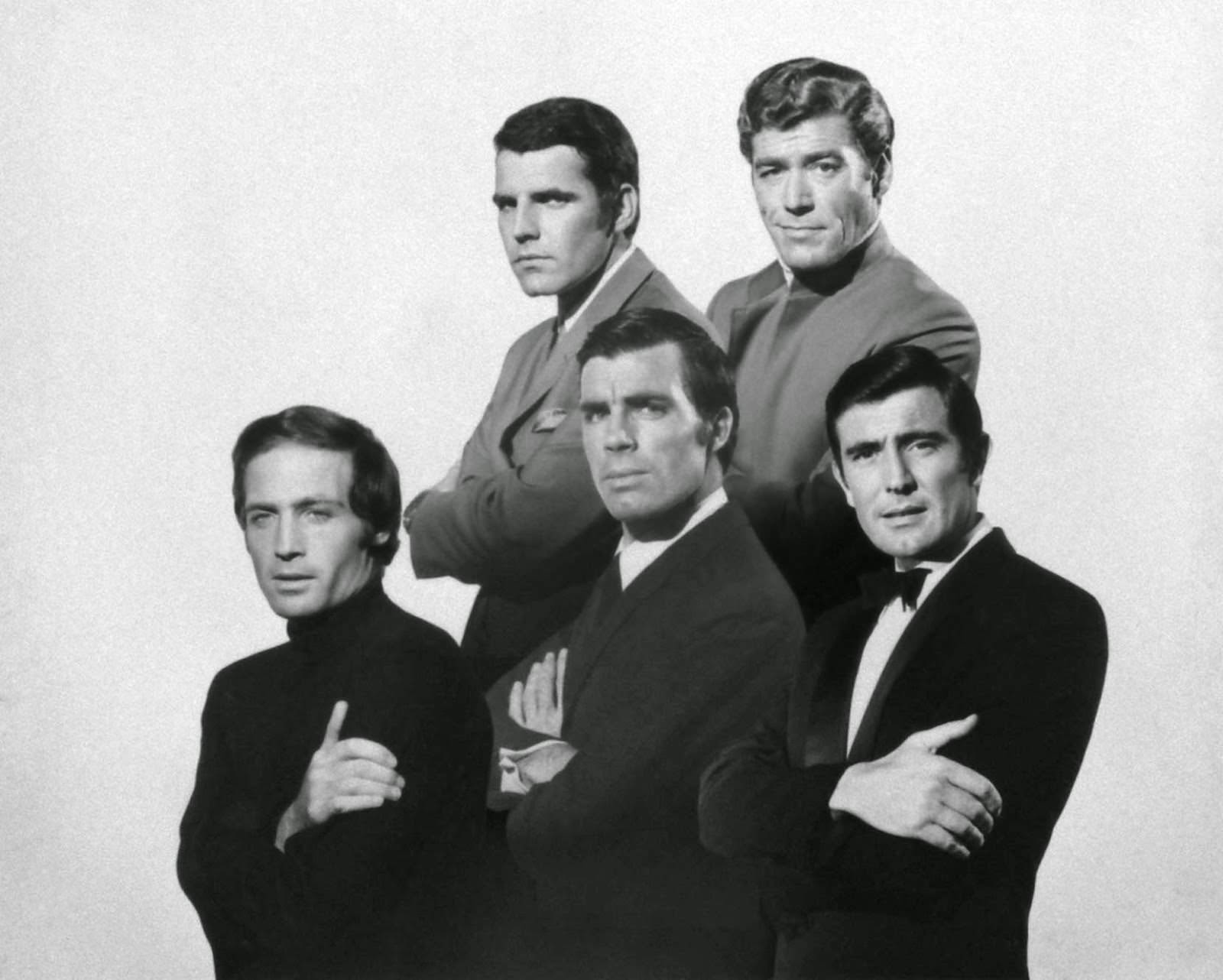
When Sean Connery stepped away from the role after You Only Live Twice, producers faced a major challenge: find someone who could carry one of cinema’s most iconic characters. The search for a new Bond centered on the 1967 auditions for On Her Majesty’s Secret Service. LIFE magazine sent photographer Loomis Dean to document the process, and his images give a rare, unfiltered look at what that casting process actually looked like. Five finalists were put through their paces — screen tests, love scenes, director scrutiny, and everything in between. One of them would become James Bond. The others would walk away.
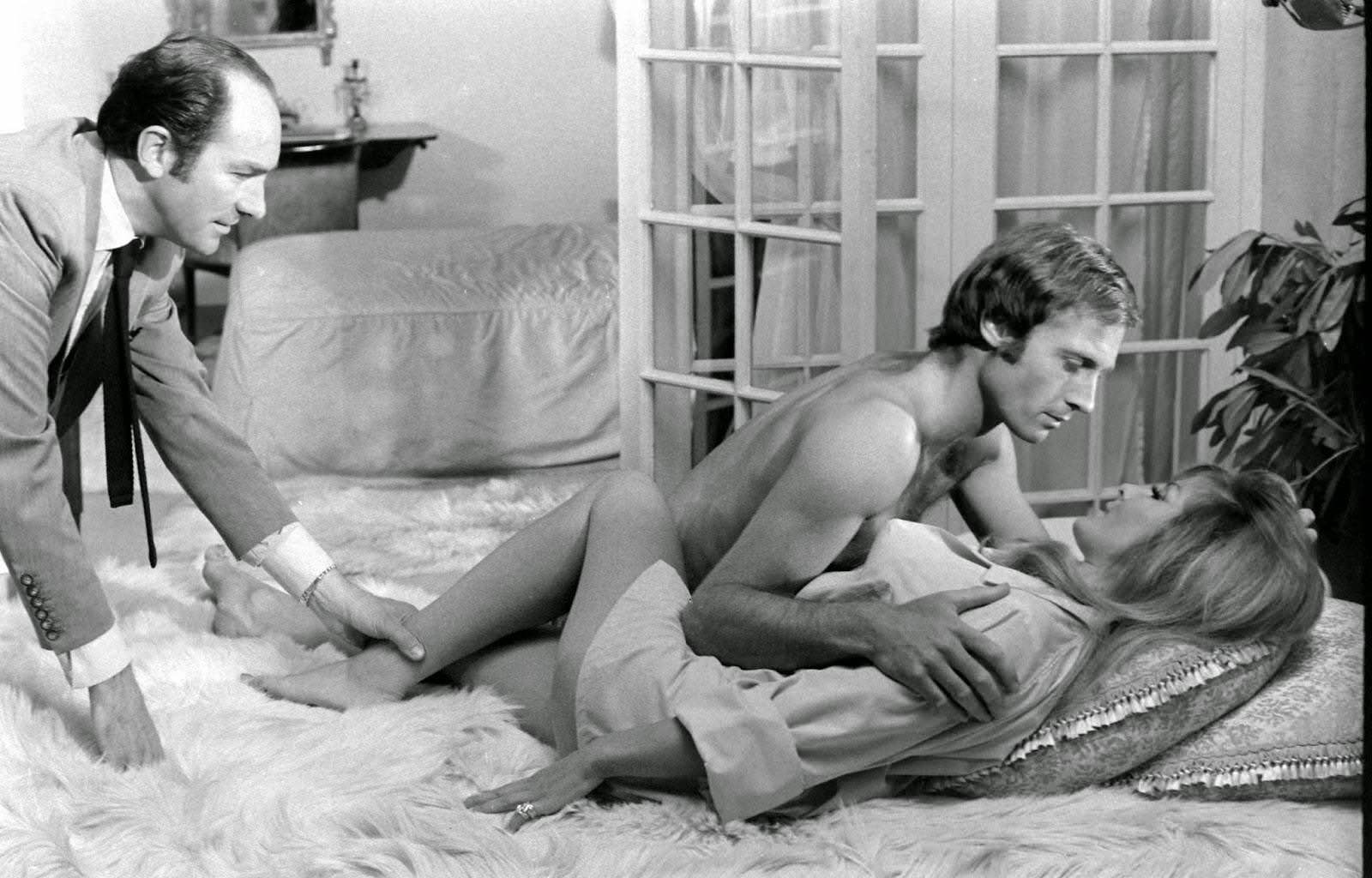
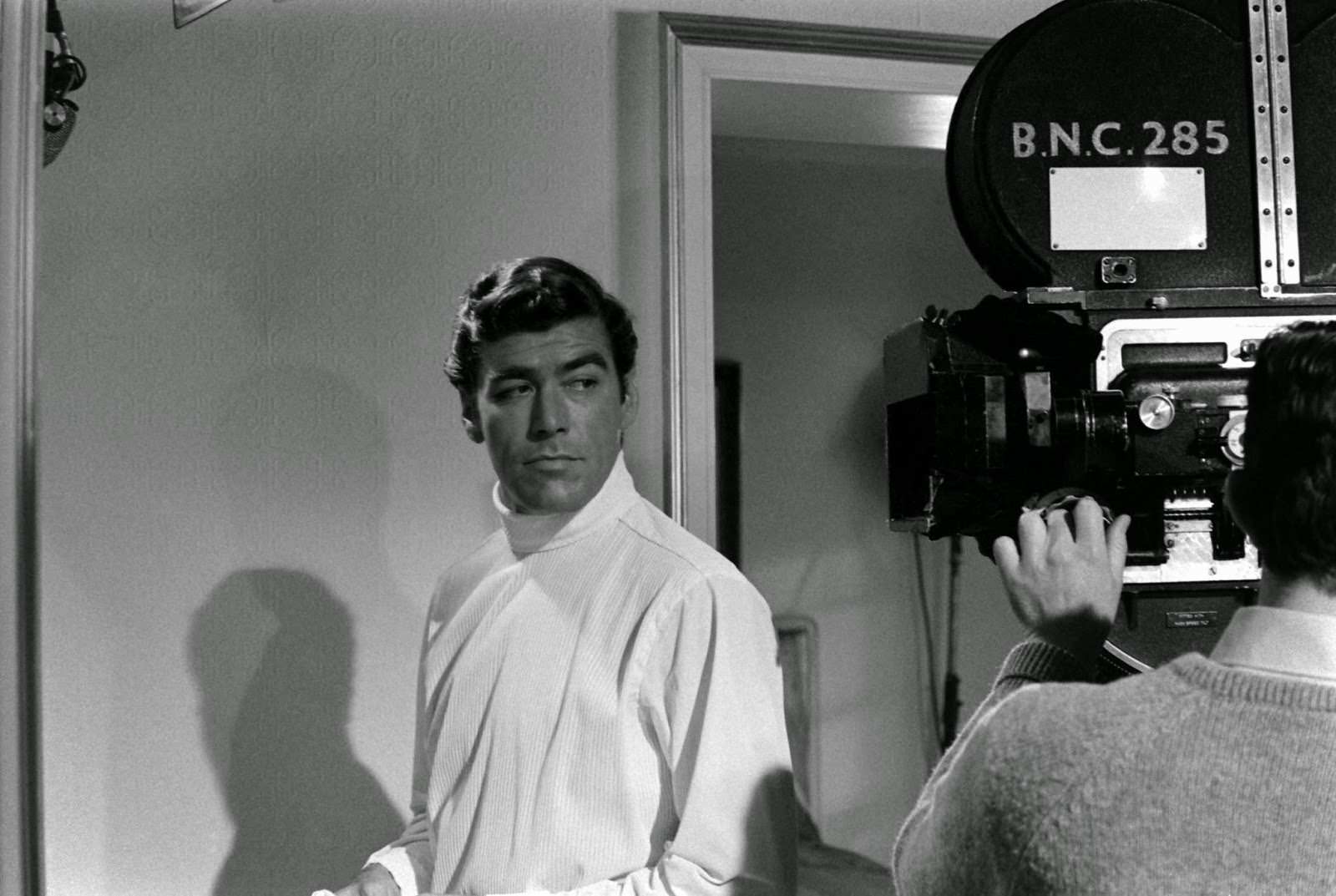
John Richardson was one of the first candidates put through the audition process. Director Peter R. Hunt, who was set to helm On Her Majesty’s Secret Service, personally oversaw Richardson’s screen tests — including staged love scenes with an actress, where Hunt adjusted blocking and positioning himself to get the right look on camera.
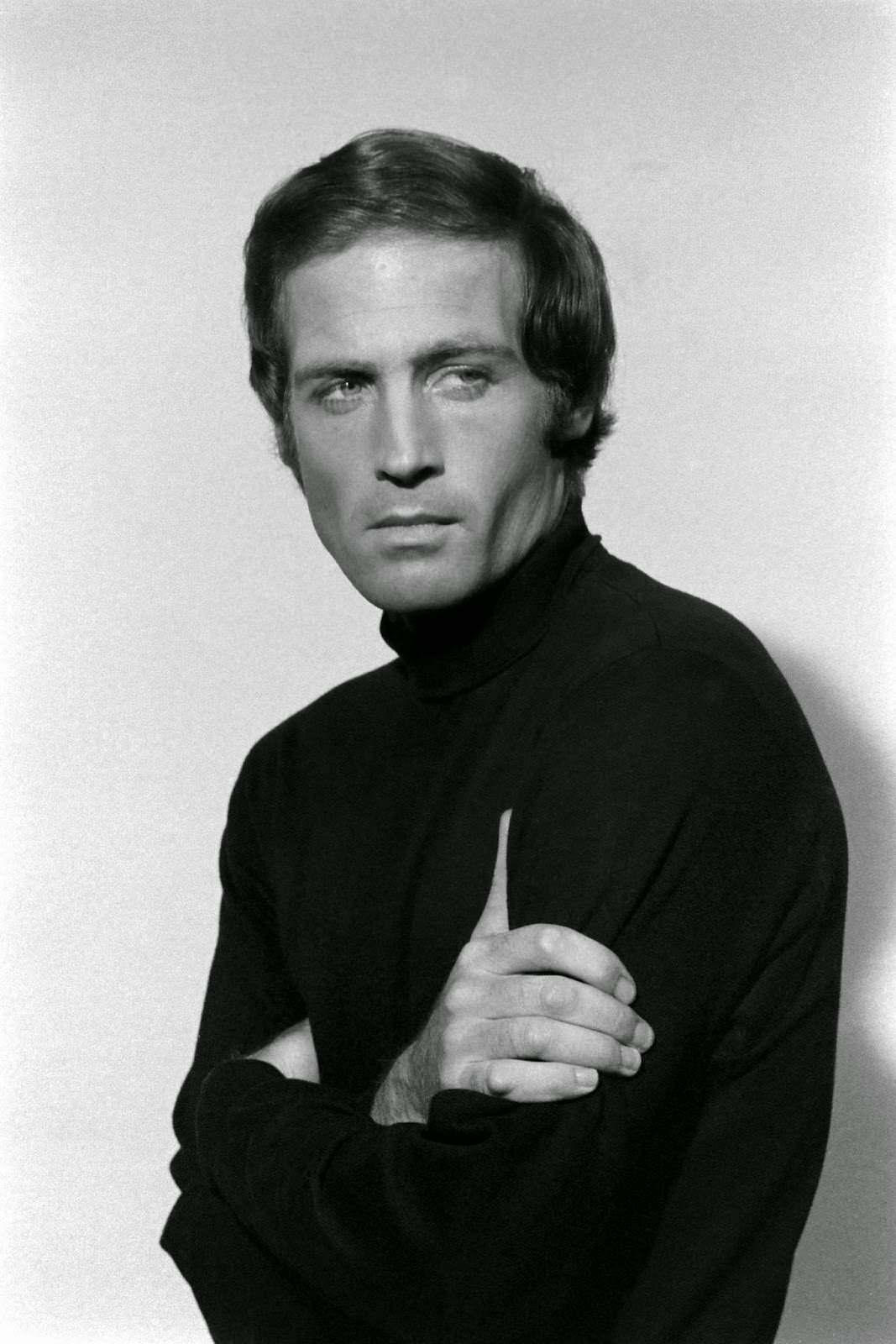
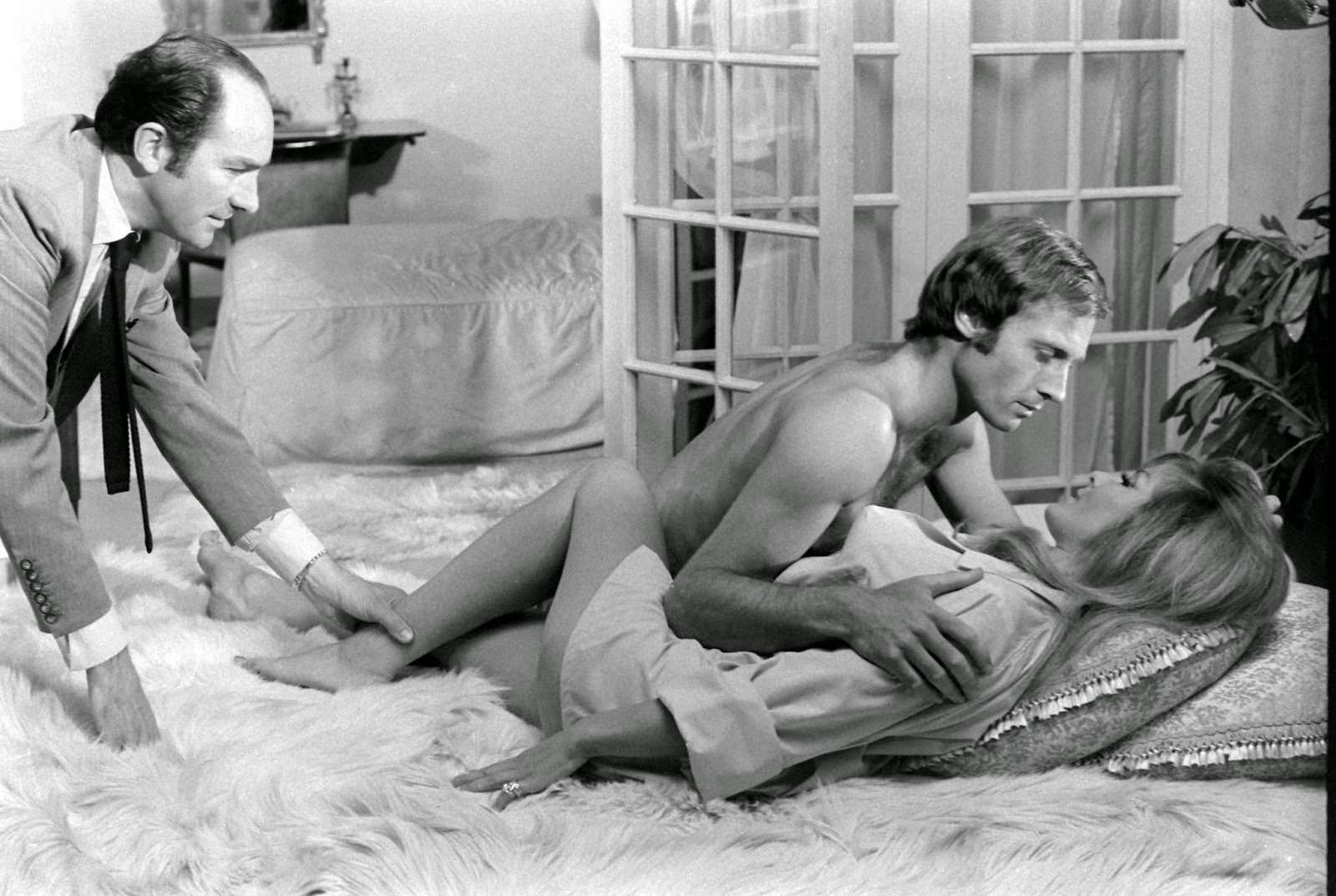
Hunt’s hands-on approach during the tests showed how seriously producers were taking the search. Every gesture, every expression, every moment of screen chemistry was being measured. Richardson was put through multiple scenarios — close-ups, profile shots, and reaction sequences — all designed to see how he translated on film.
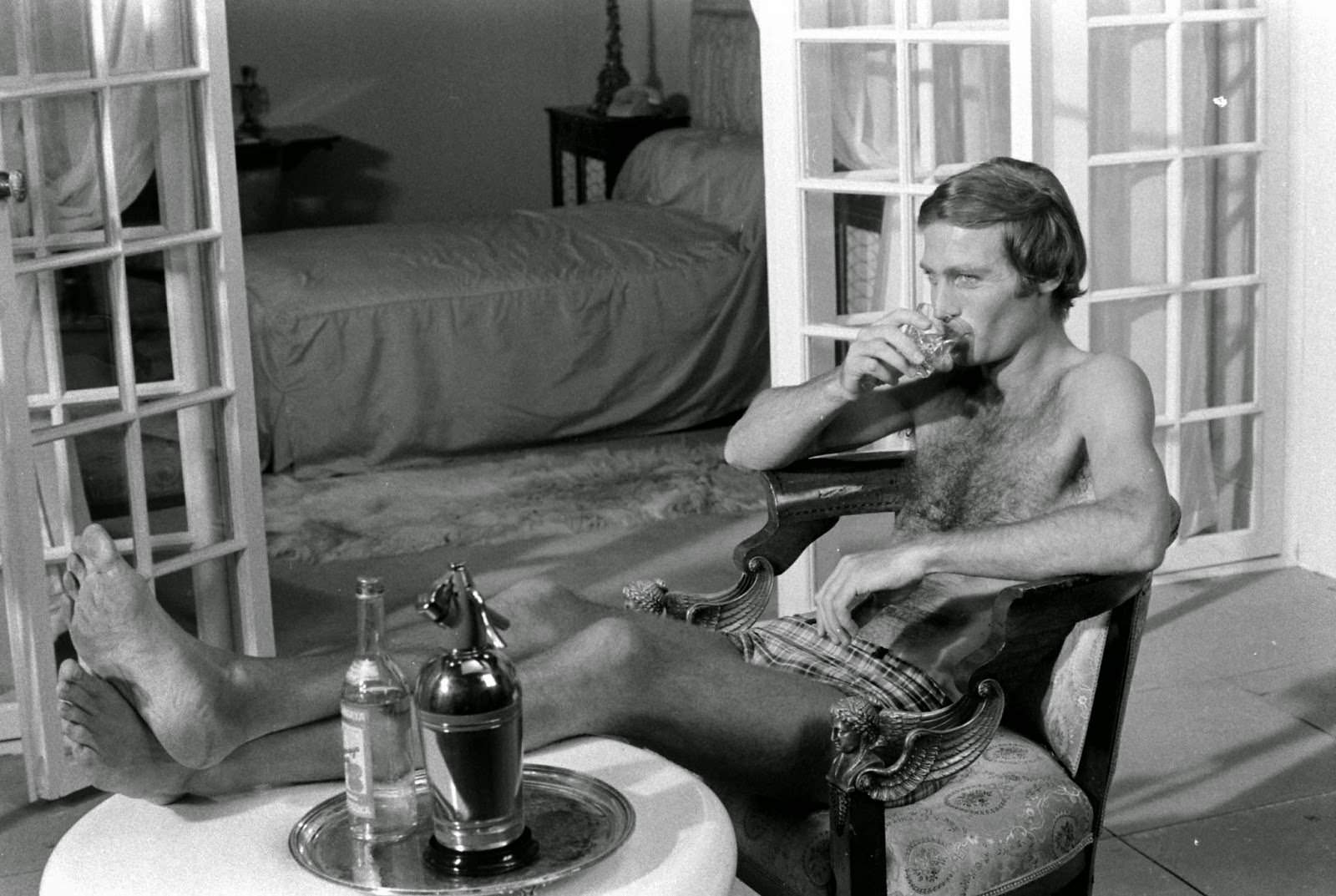
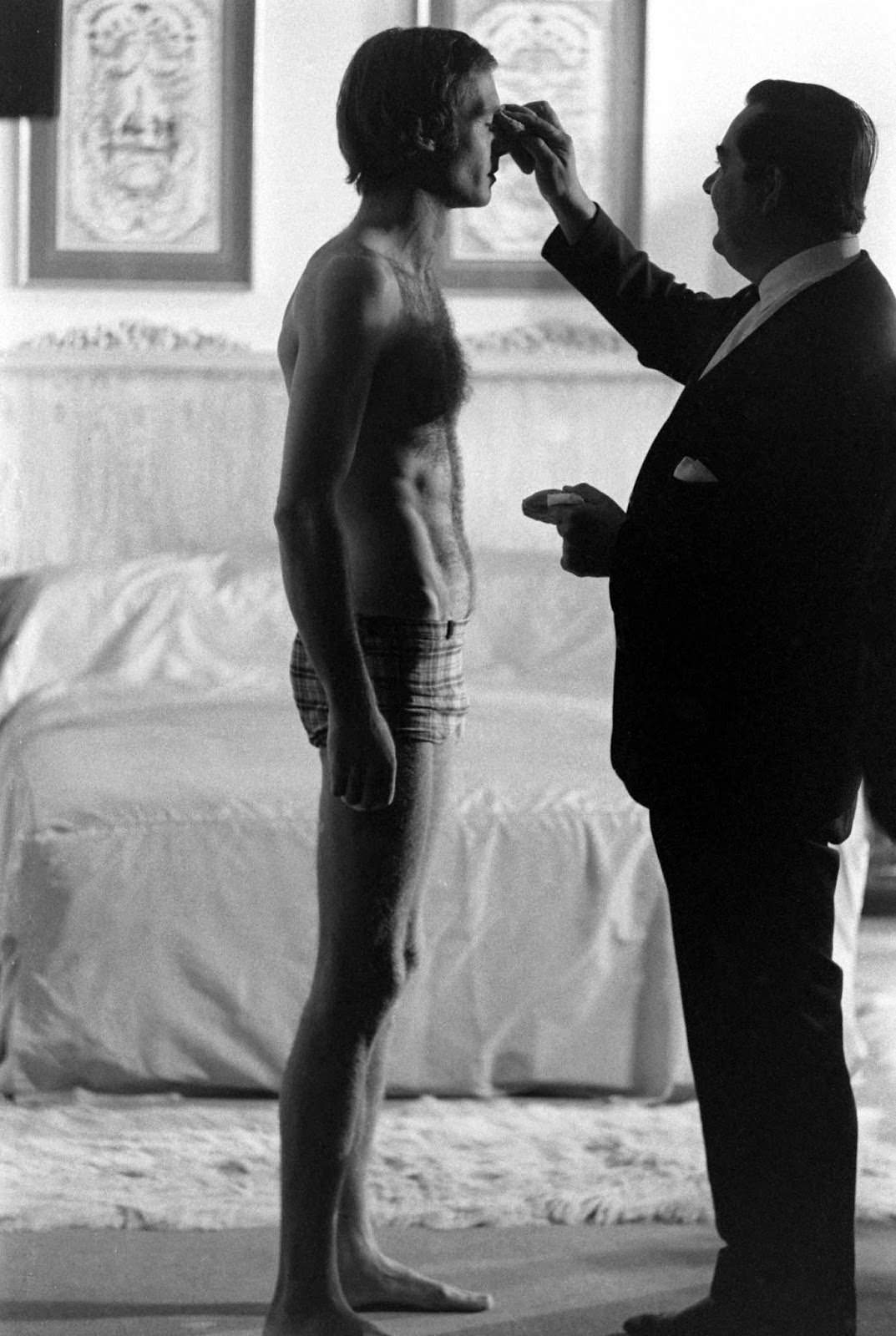
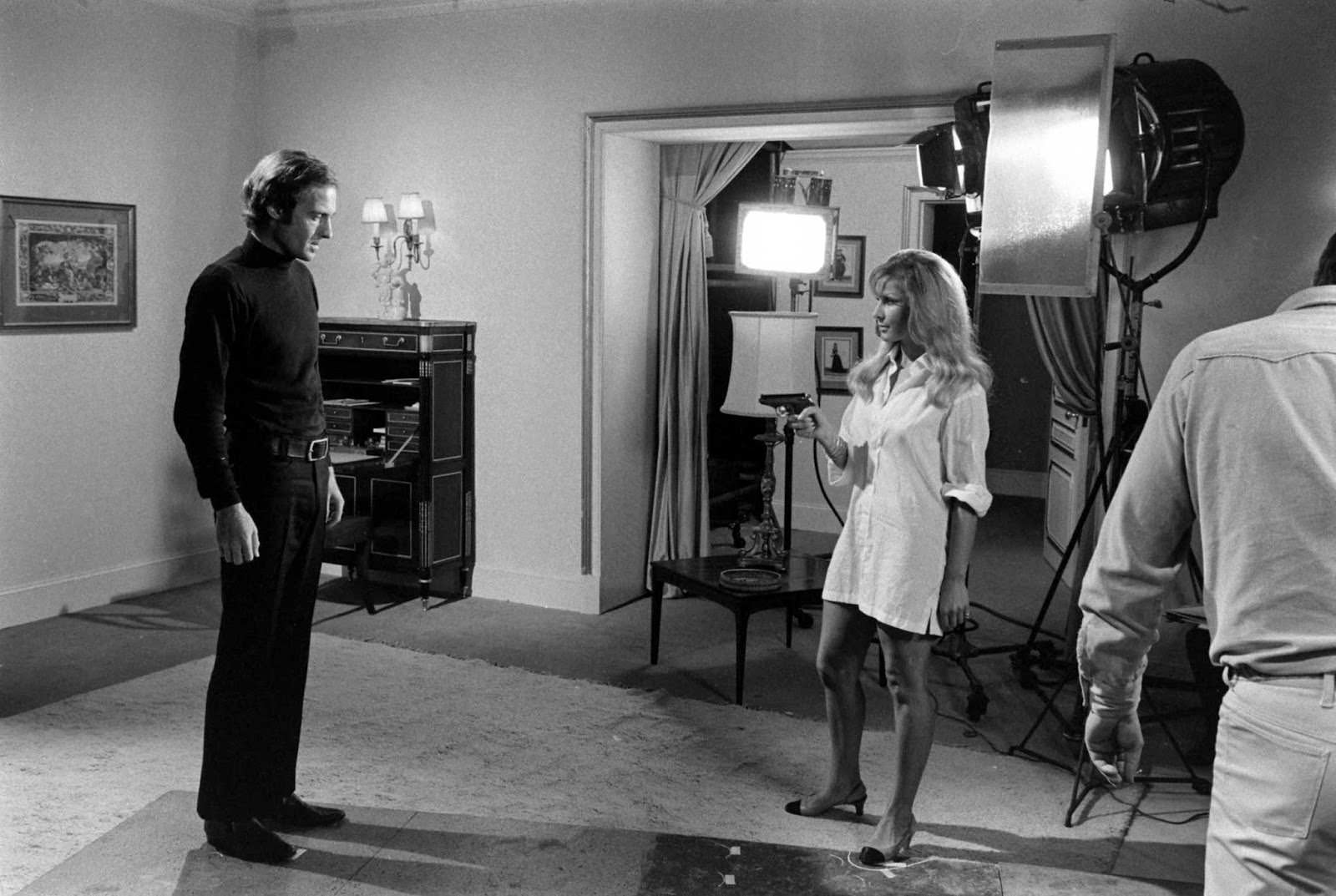
Director Hunt studied each candidate with the same level of focus throughout the auditions. His evaluations were not passive. He watched, moved in close, and made real-time judgments about each man’s presence on camera.
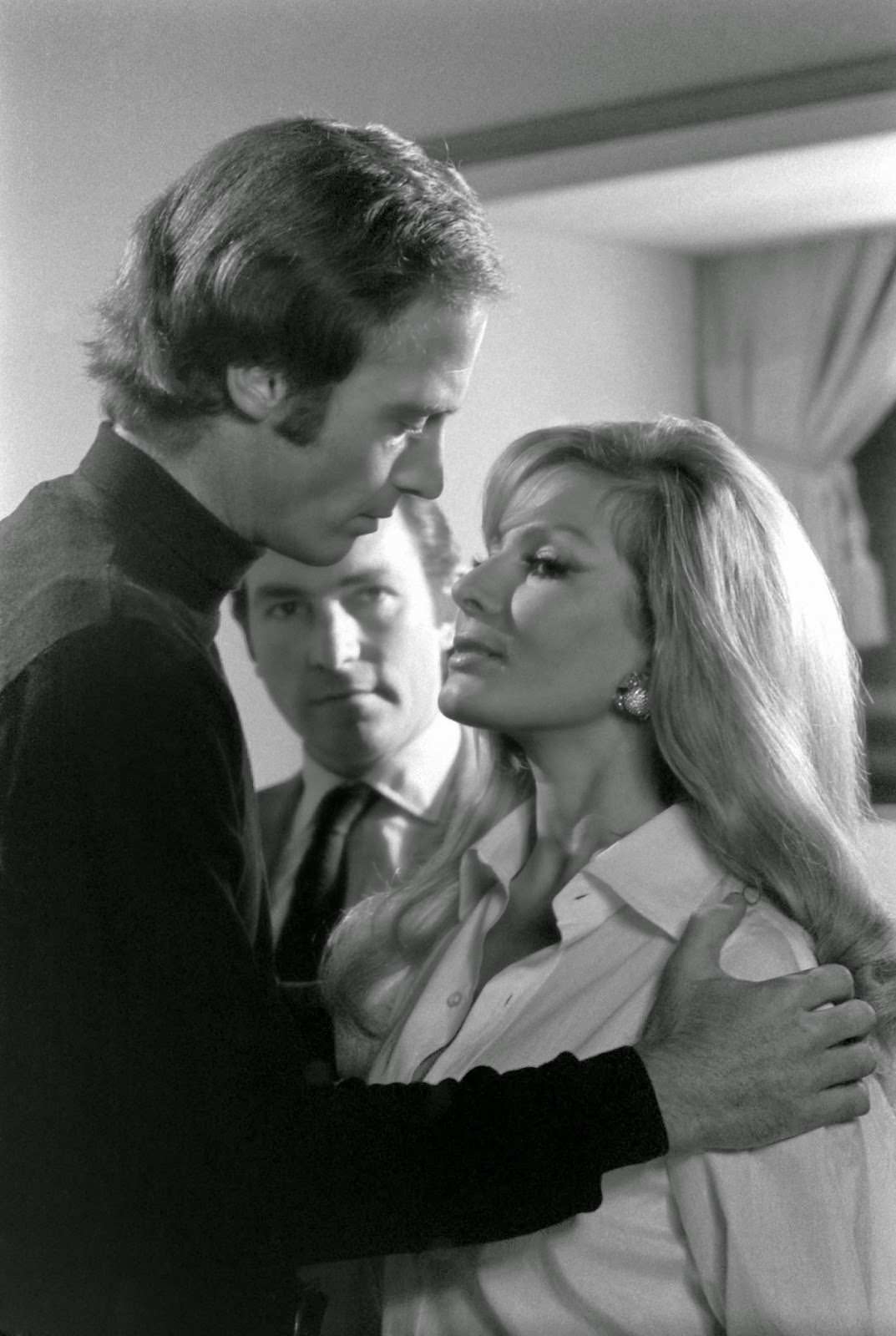
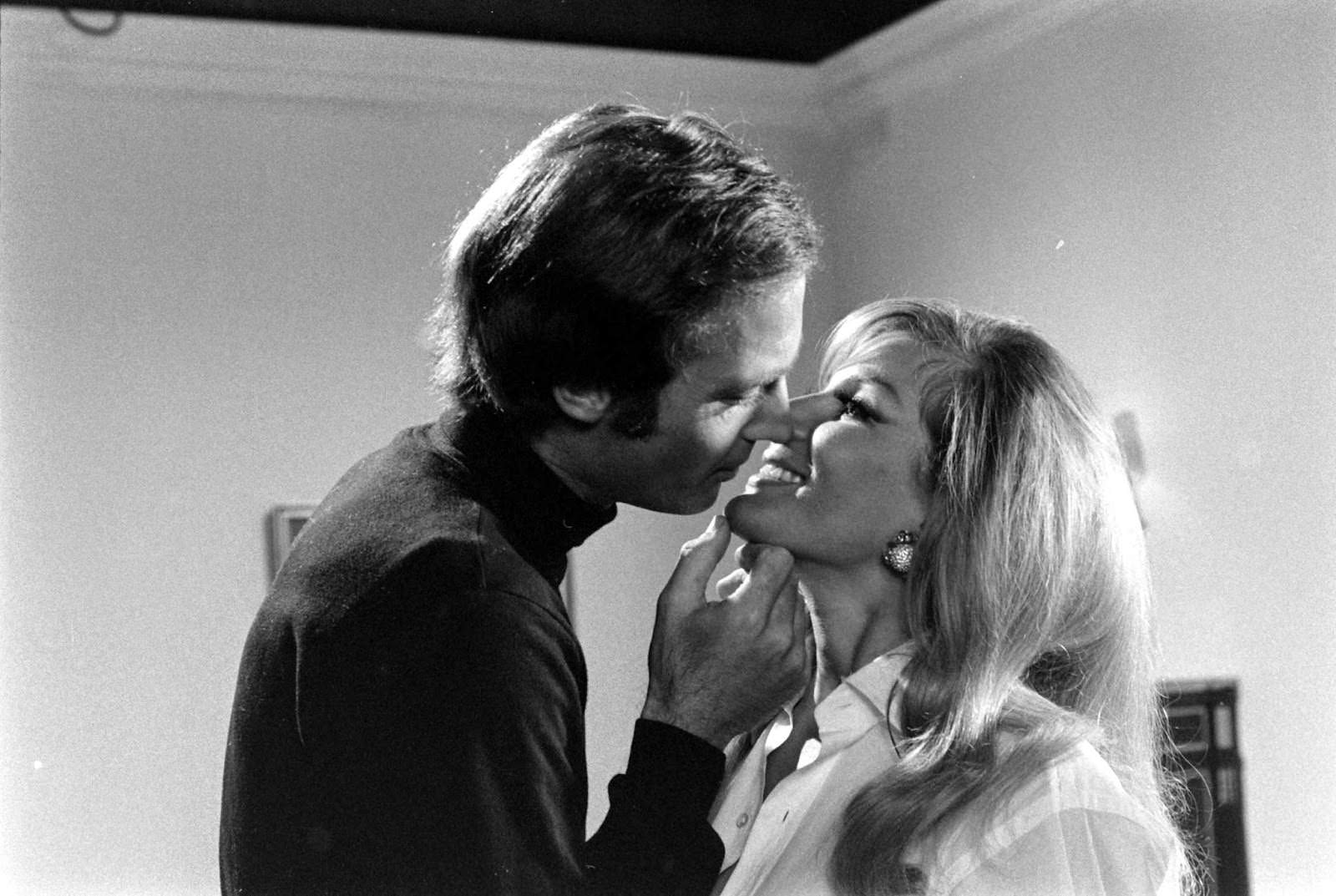
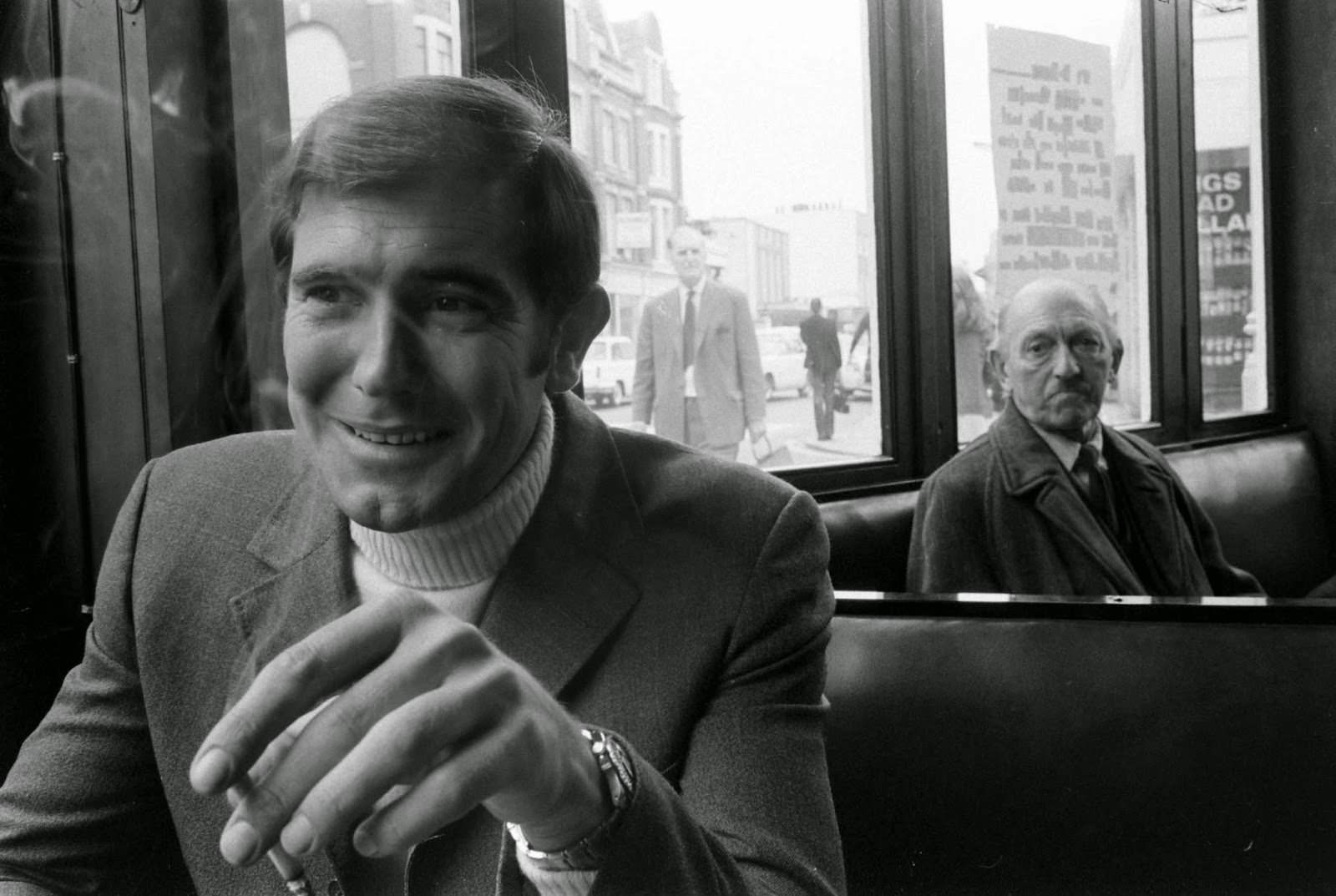
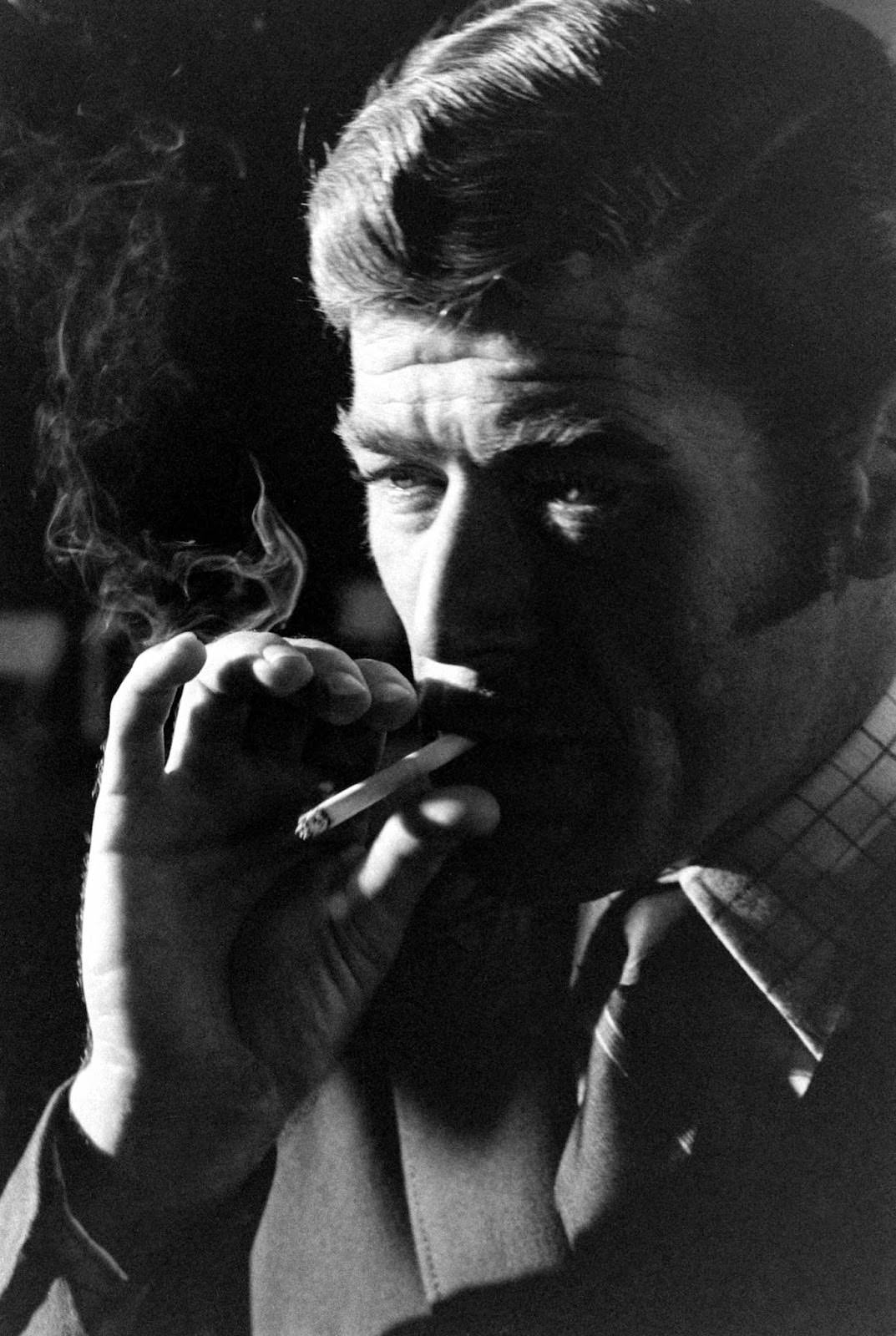
Anthony Rogers was another finalist who went through the full screen-test experience. Like Richardson, he was paired with an actress for scenes that tested his on-screen charisma, and he was photographed in candid moments between takes — cigarette in hand, clearly at ease in front of the camera.
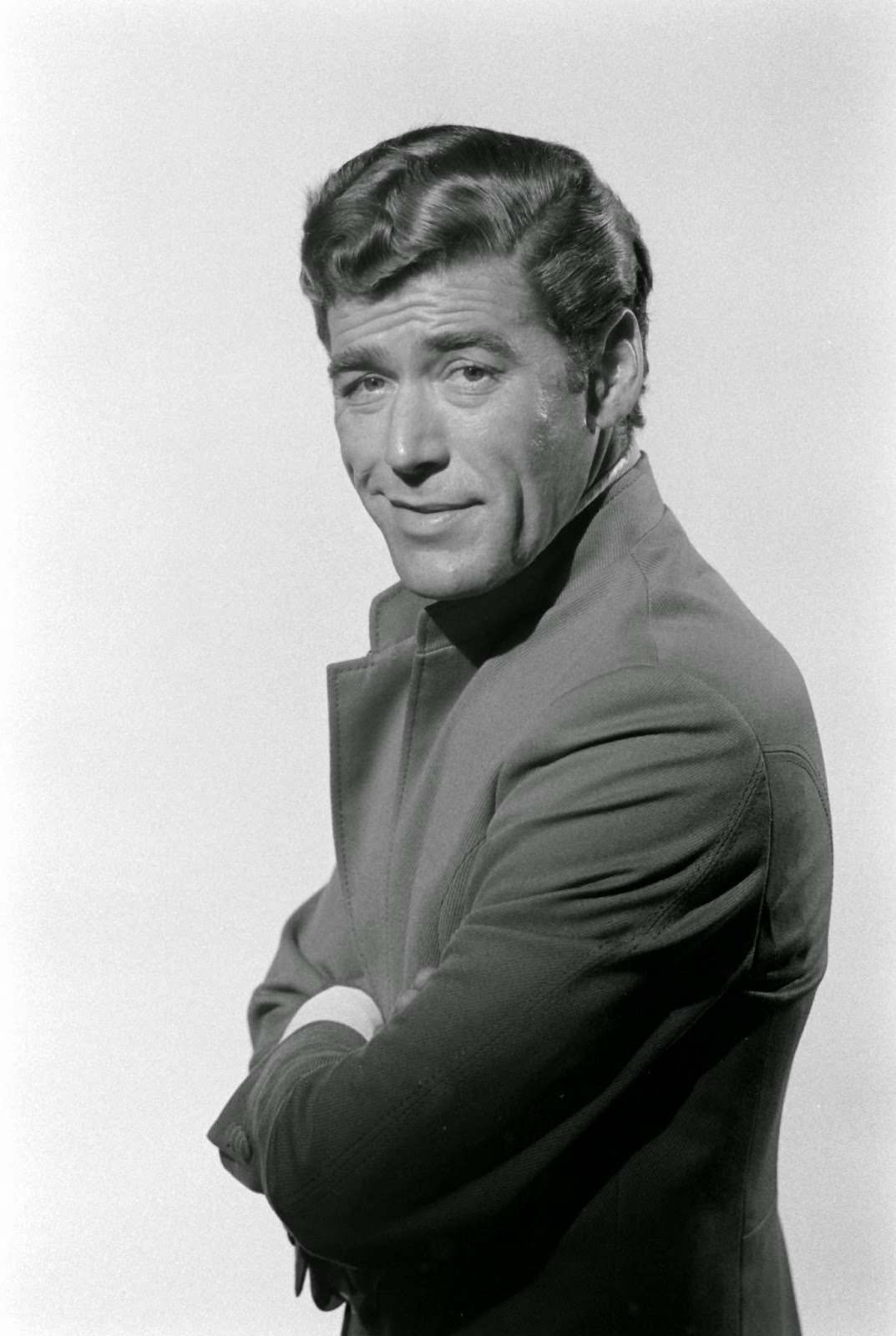
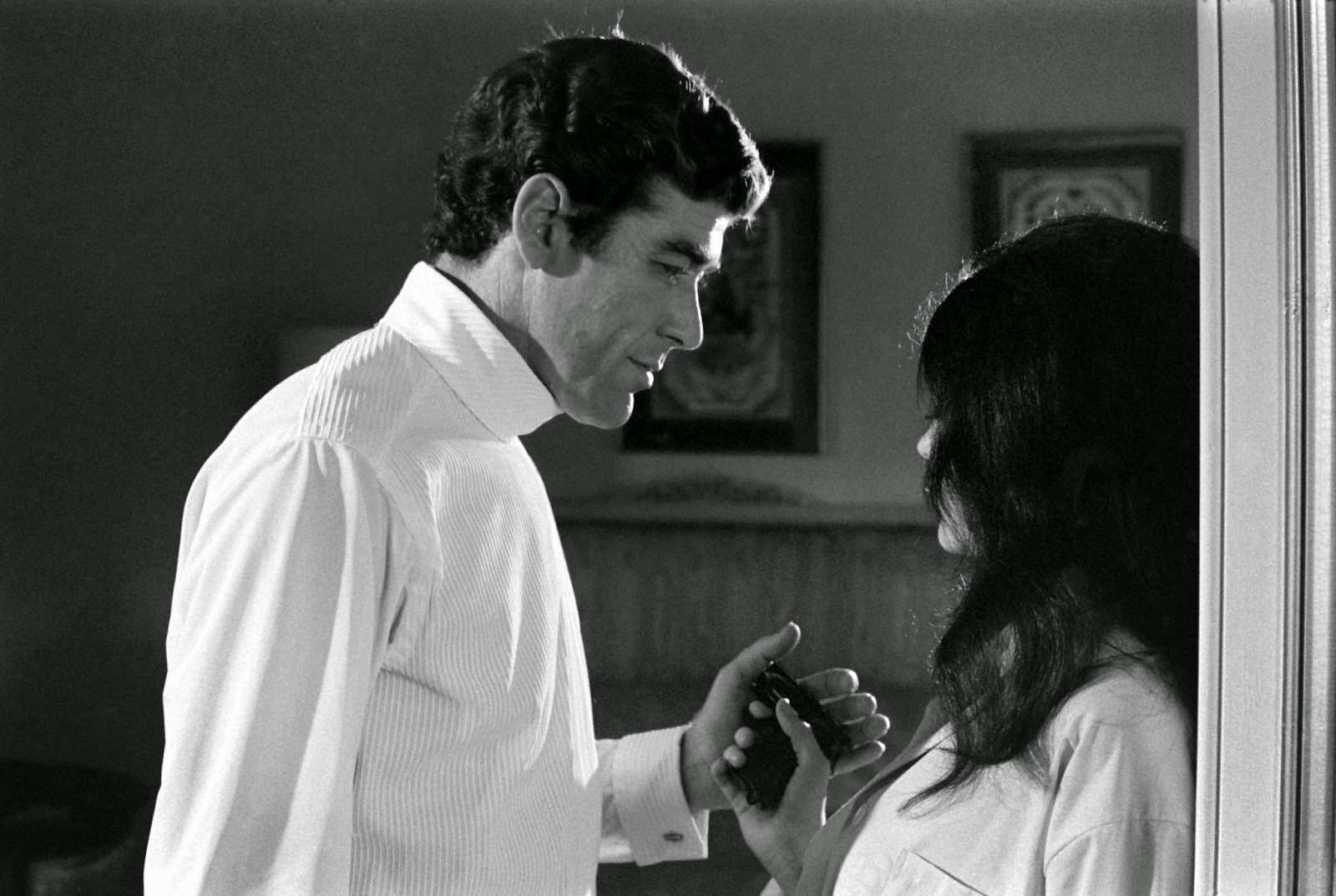
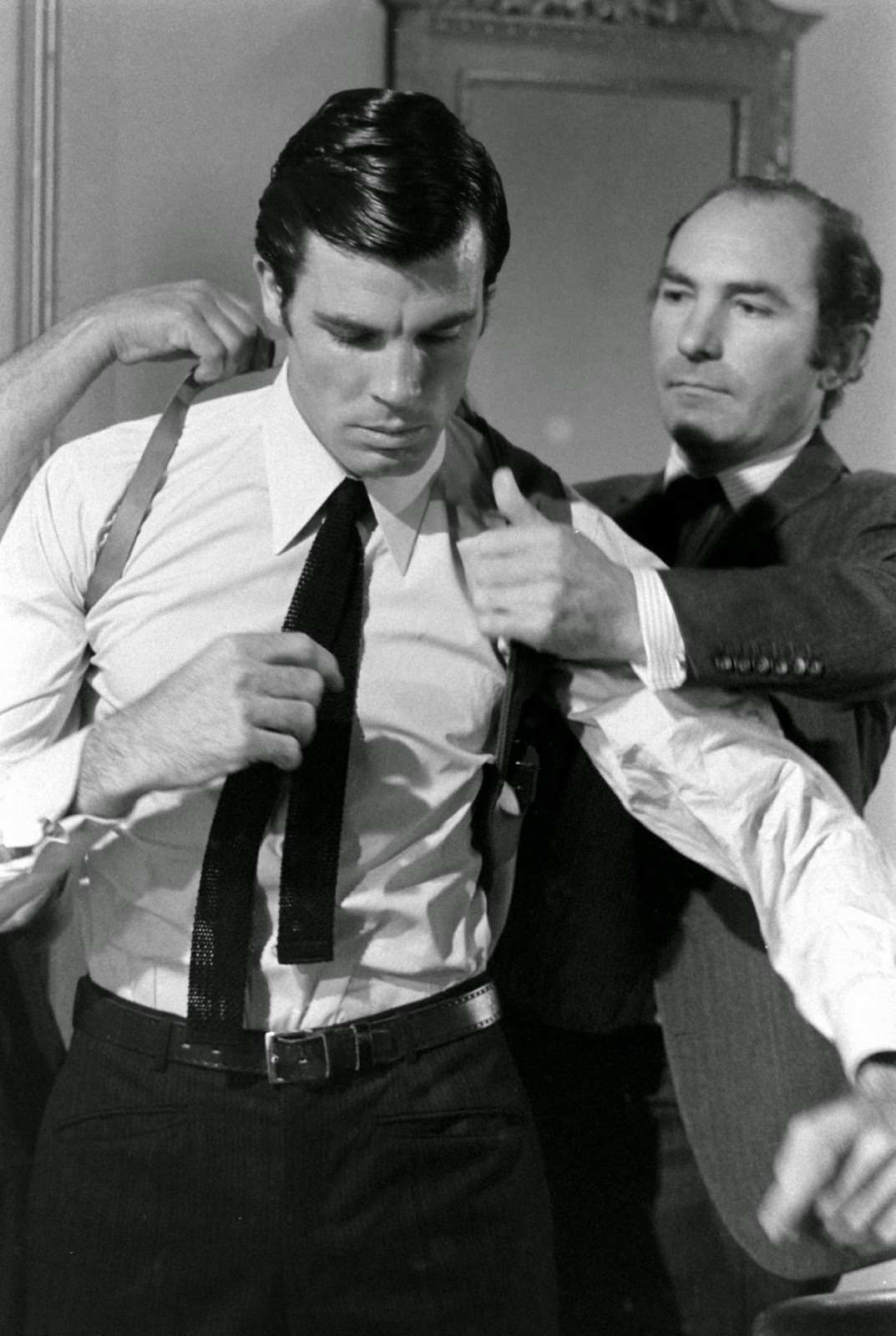
Robert Campbell brought a different energy to his audition. Loomis Dean’s photos catch him in a series of telling moments: checking his lines on paper between takes, strapping into a shoulder holster with Hunt’s help, adjusting his jacket in front of a mirror, and running through a kissing scene opposite actress France Anglade. The behind-the-scenes images strip away the glamour and show the work involved — the preparation, the physical staging, and the constant attention to how a man looks and moves when the camera is rolling.
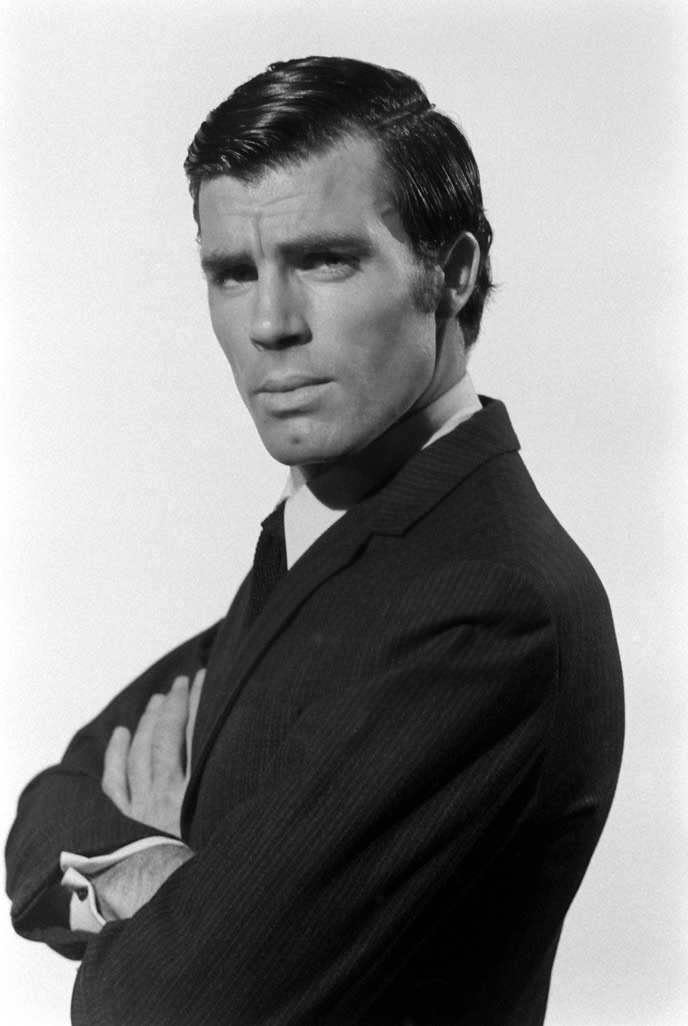
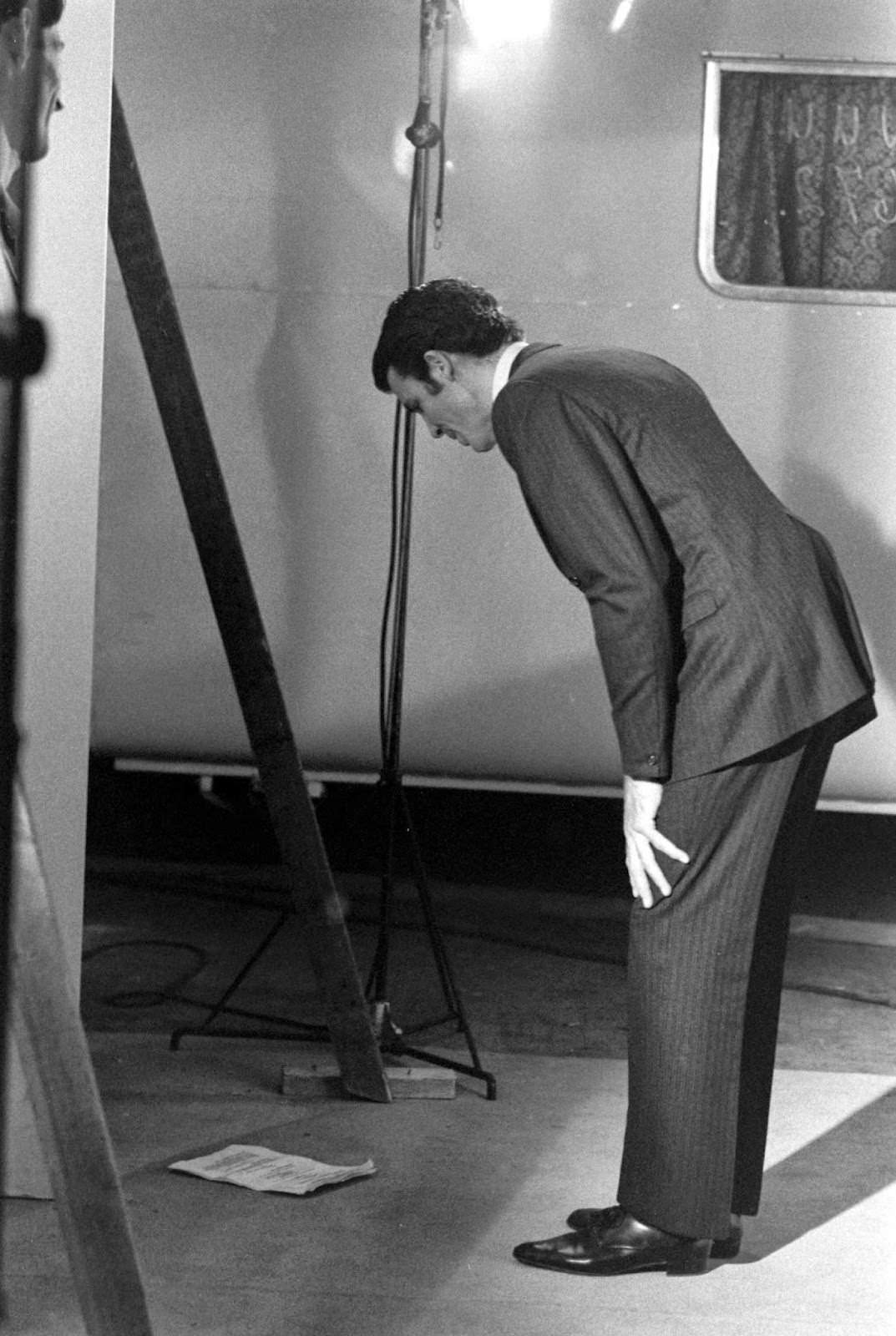
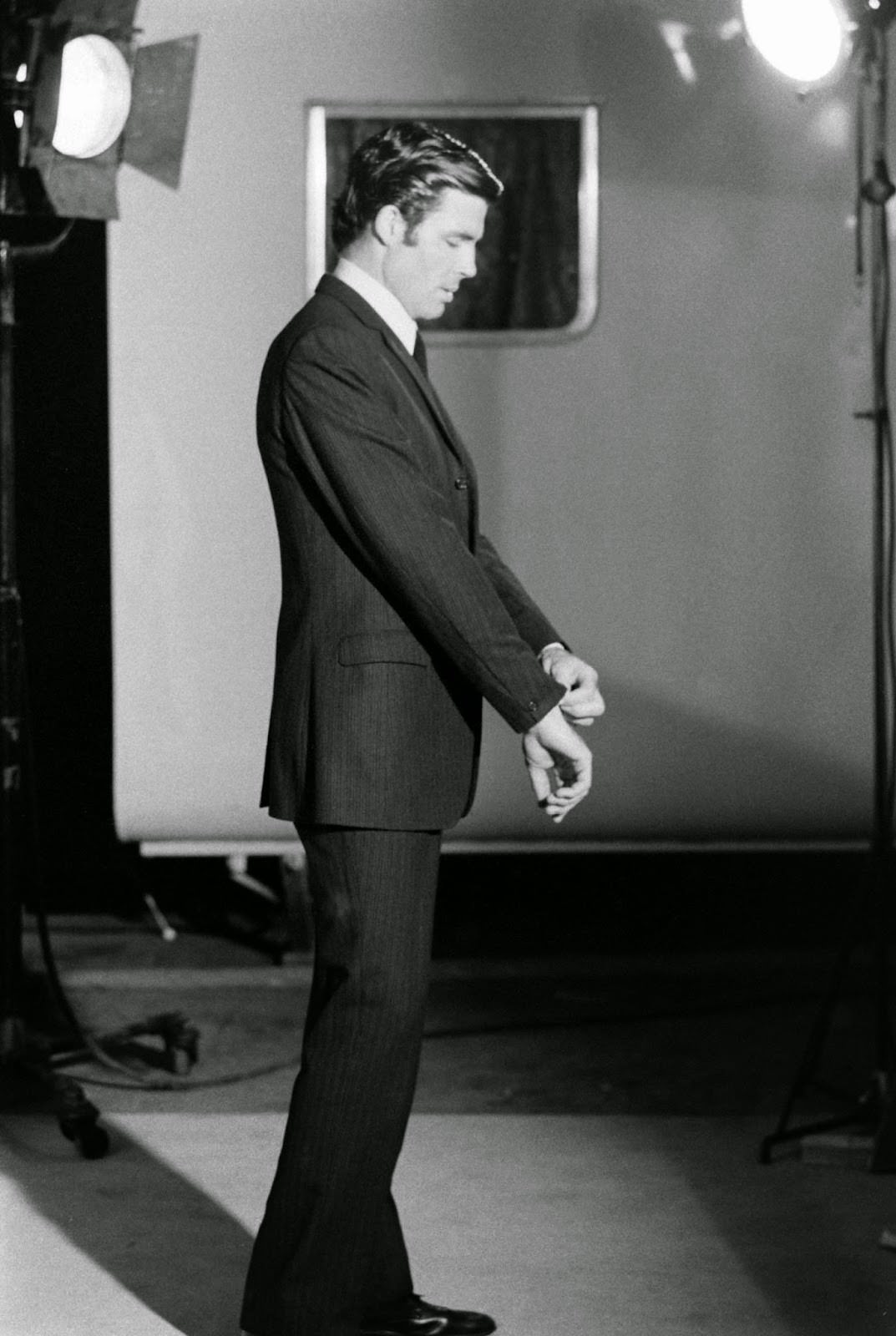
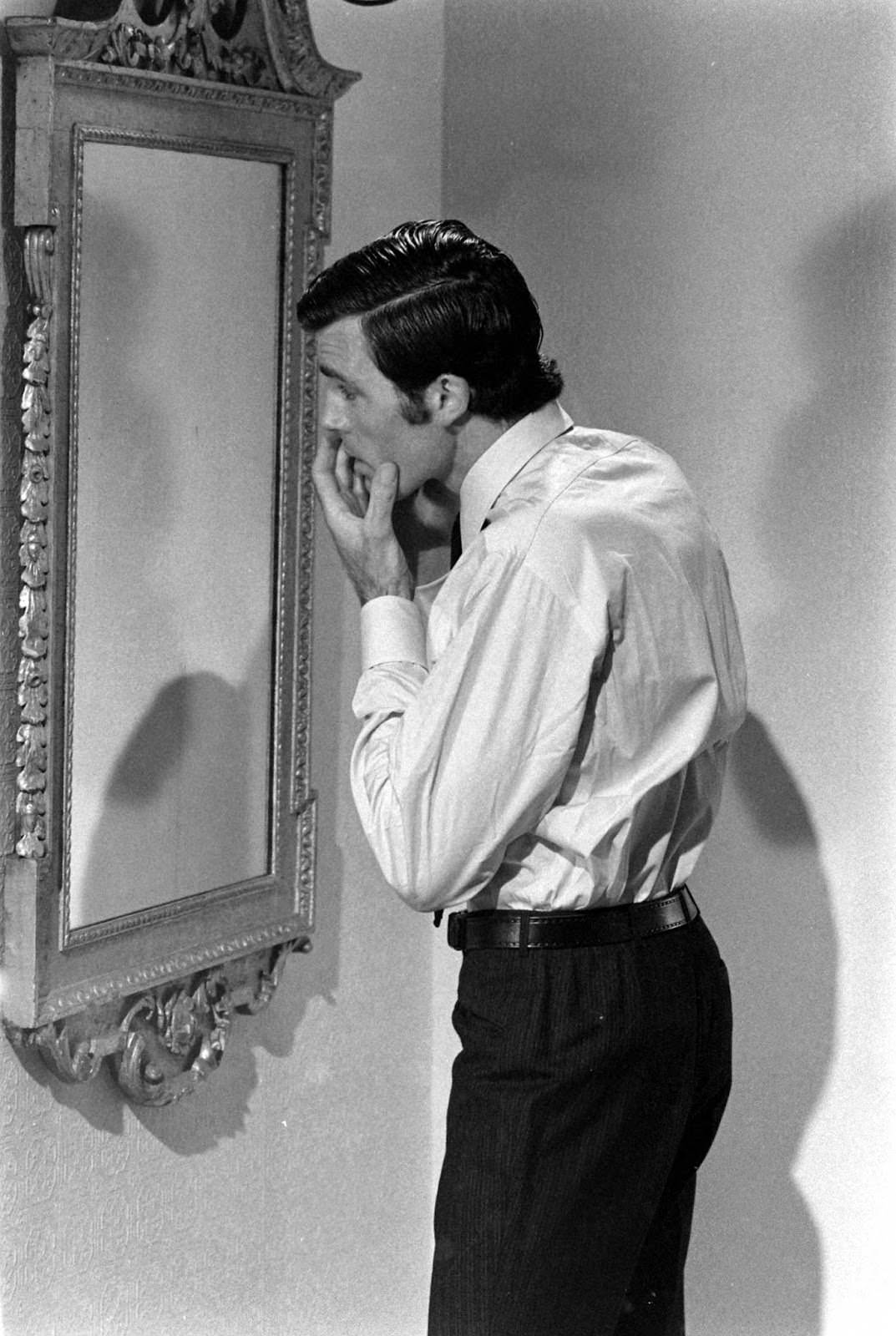
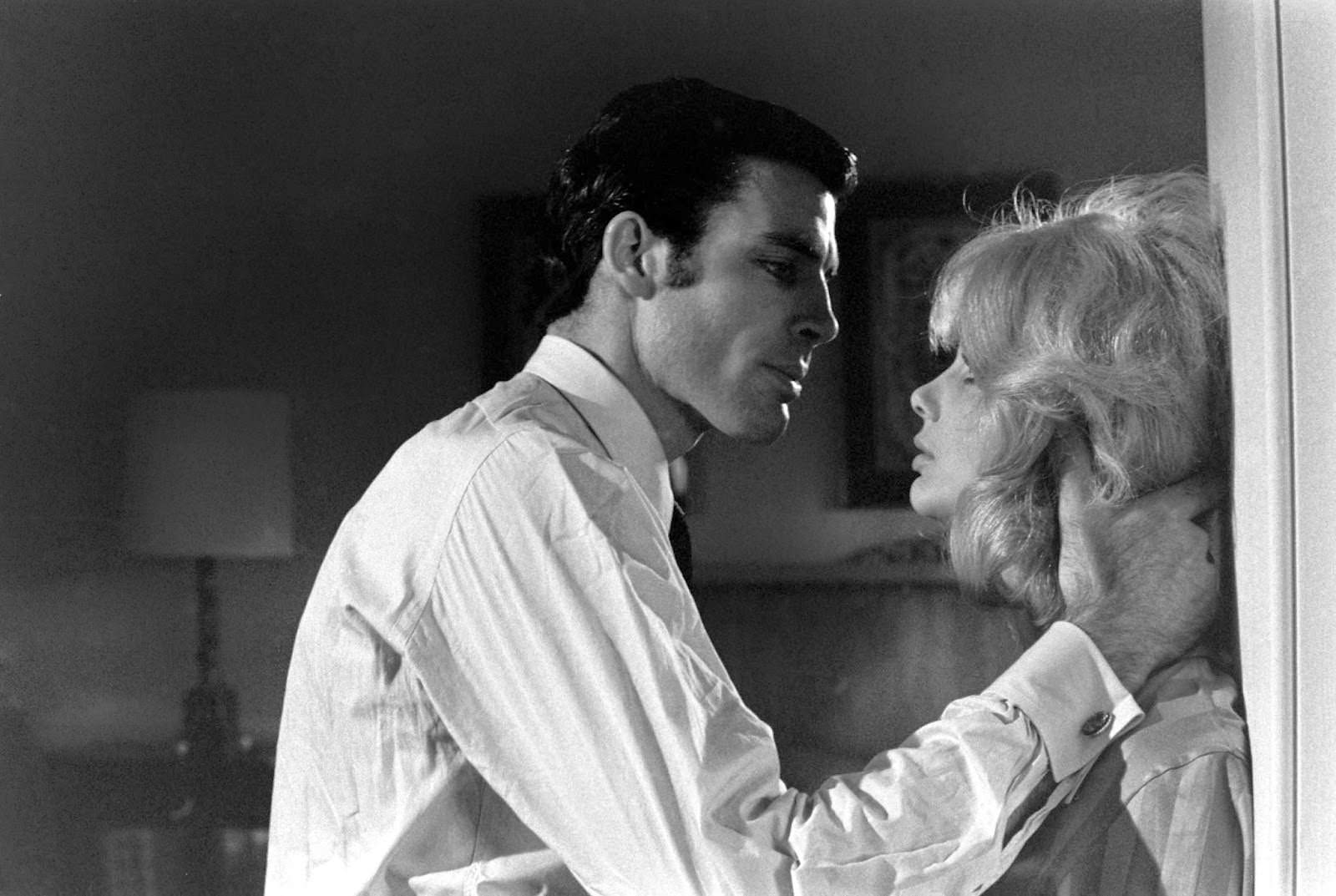
Hans de Vries also made it to the final group of candidates. Like the others, he was tested alongside actresses, including France Anglade, who appeared in multiple screen tests throughout the audition process. De Vries’s sessions followed the same structure — staged scenes designed to simulate the romantic and dramatic beats that defined the Bond formula.
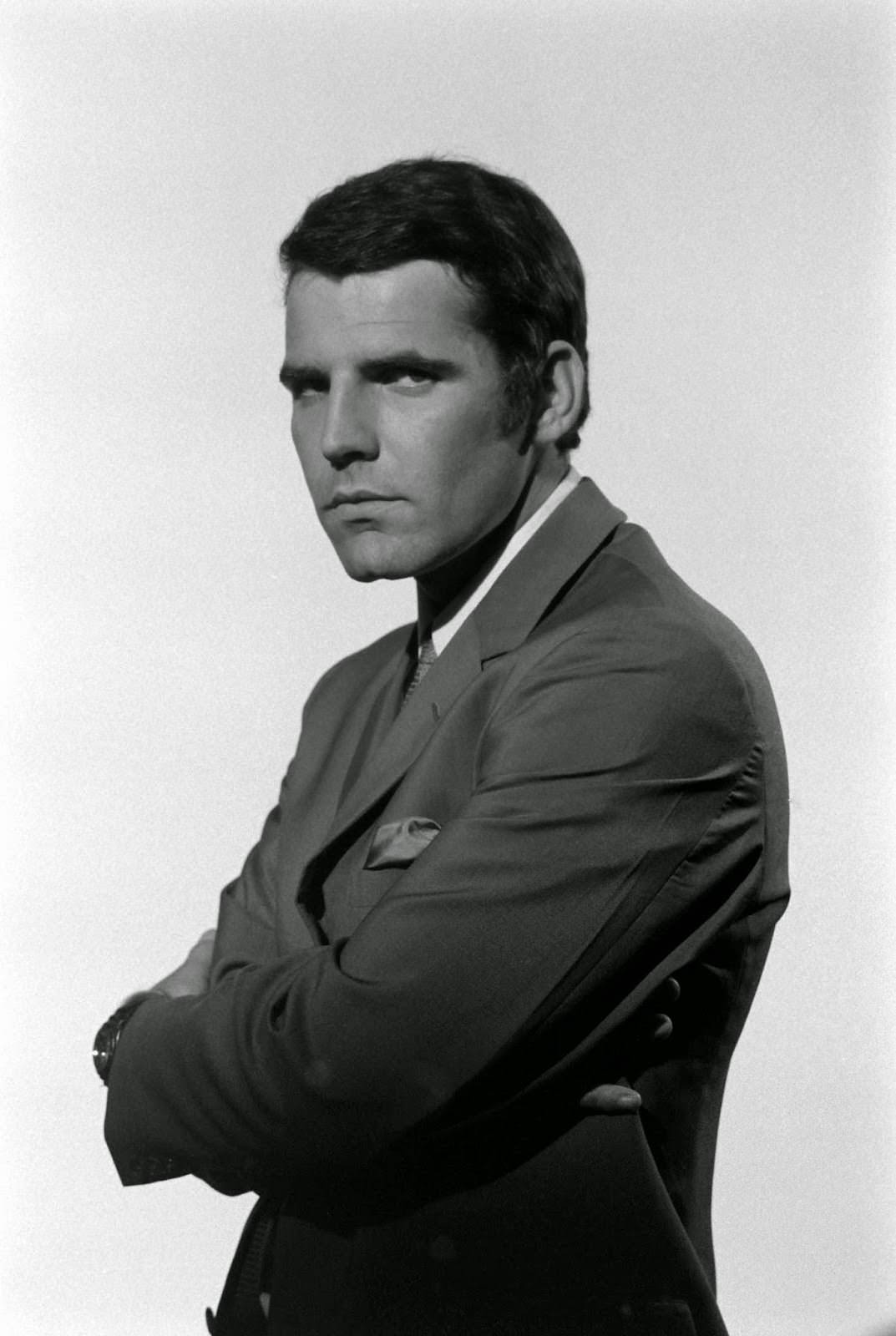
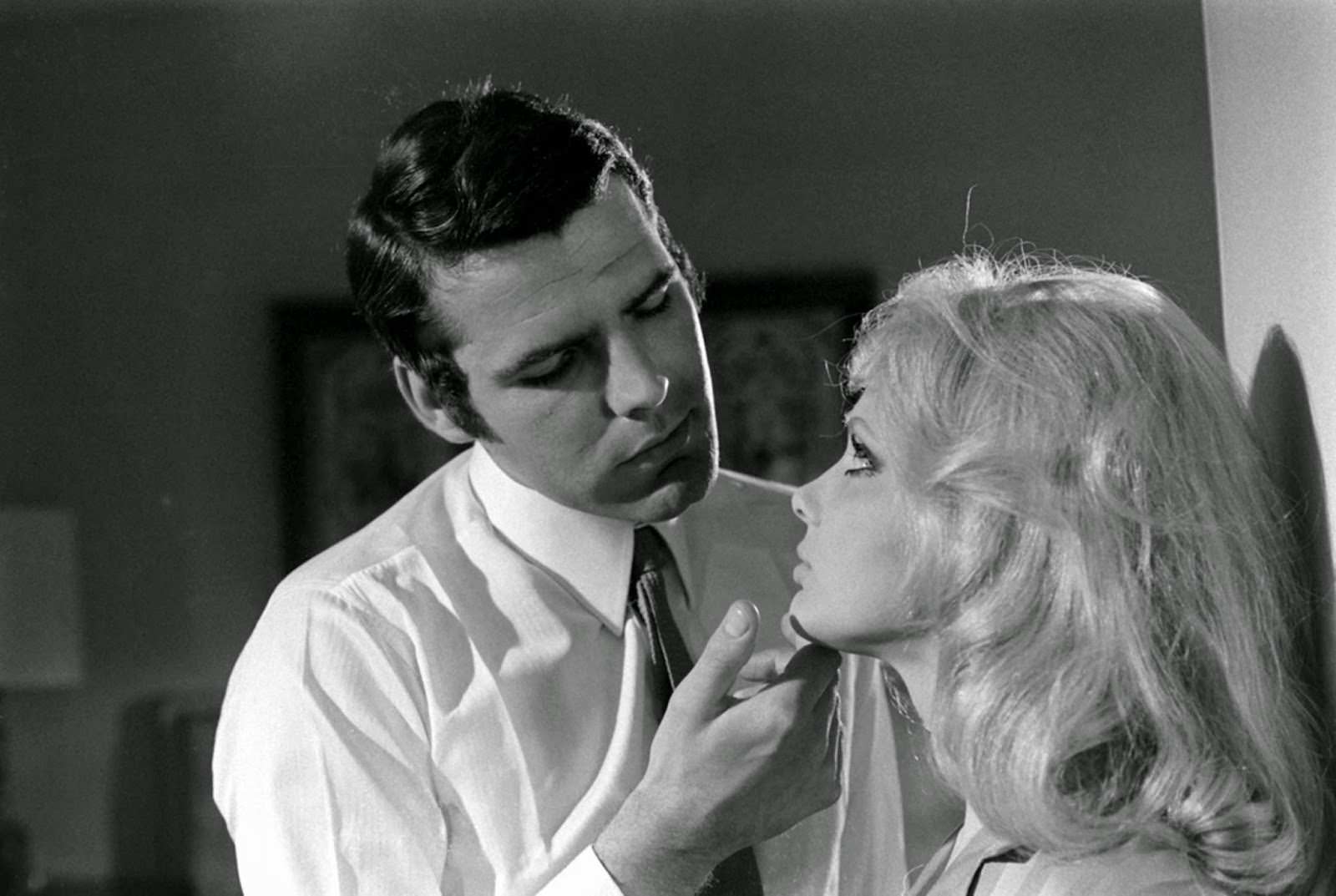
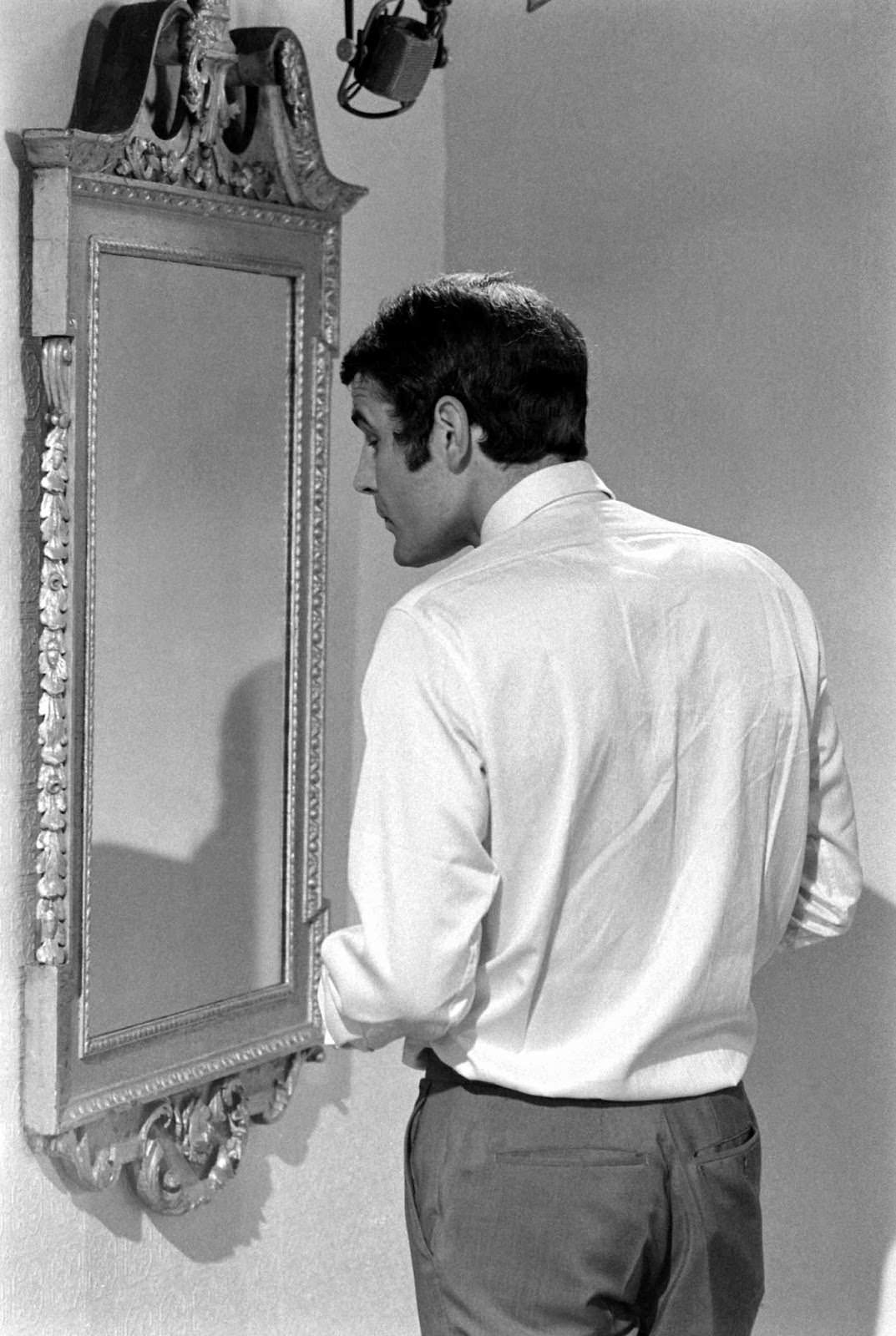
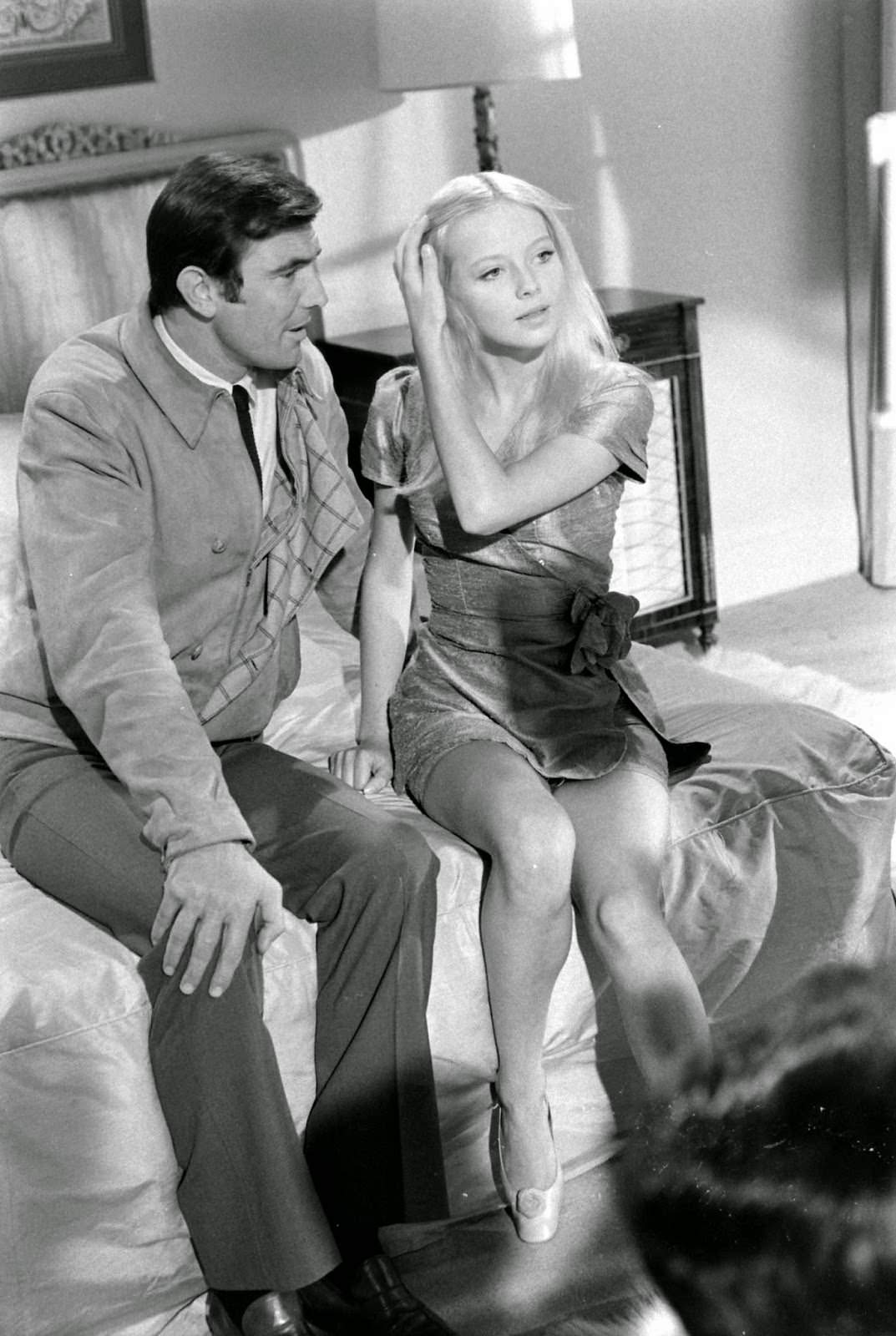
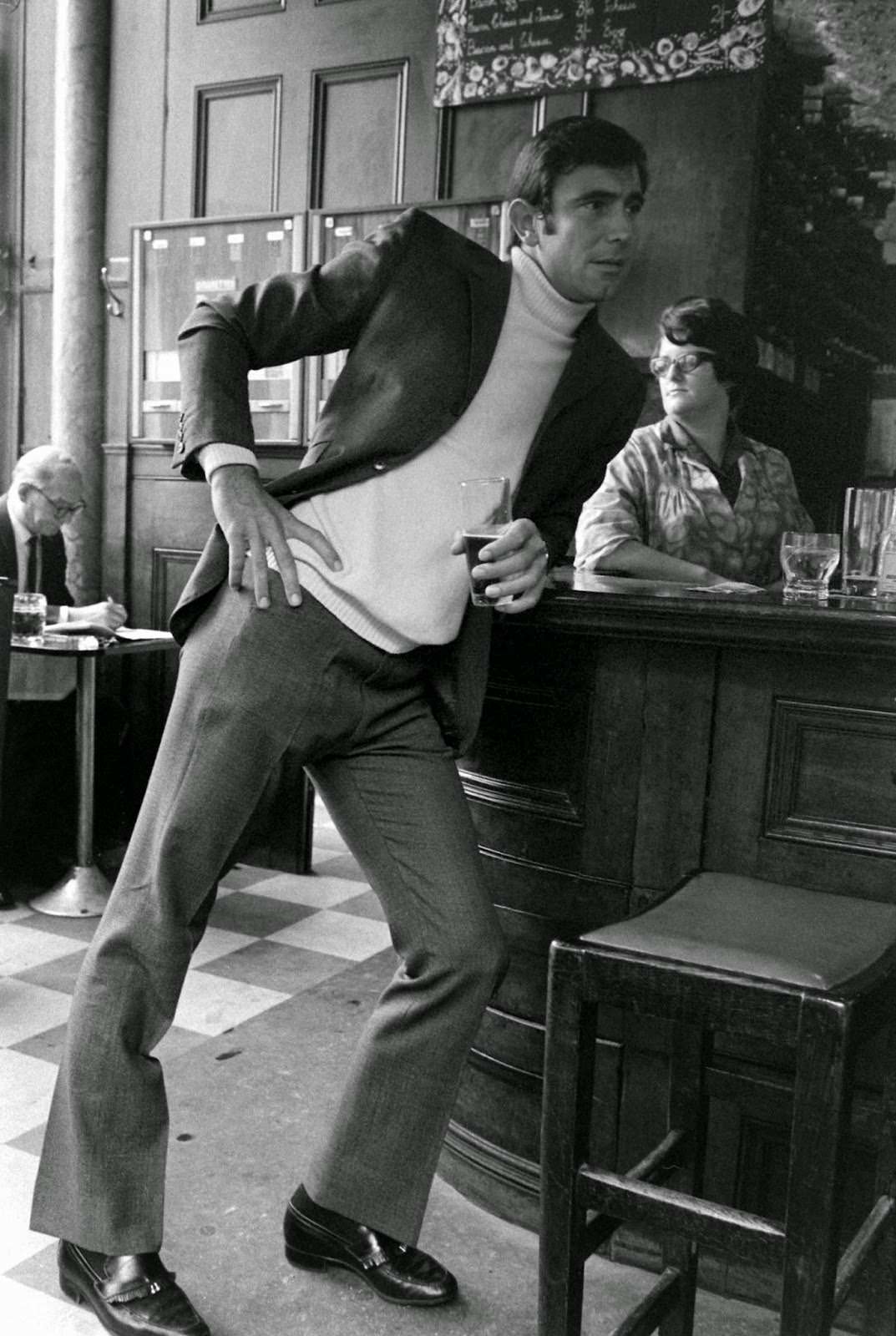
George Lazenby was the fifth and final finalist — and the one who walked out with the role. An Australian model and actor with almost no film experience, Lazenby was an unconventional choice. But the camera responded to him. Dean’s photos show a man fully comfortable in the middle of the audition circus: chatting easily with director Hunt while handling a knife, shadowboxing with crew members for fun, and working through scenes with Bond Girl hopefuls Marie-France Boyer and Agneta Eckemyr.
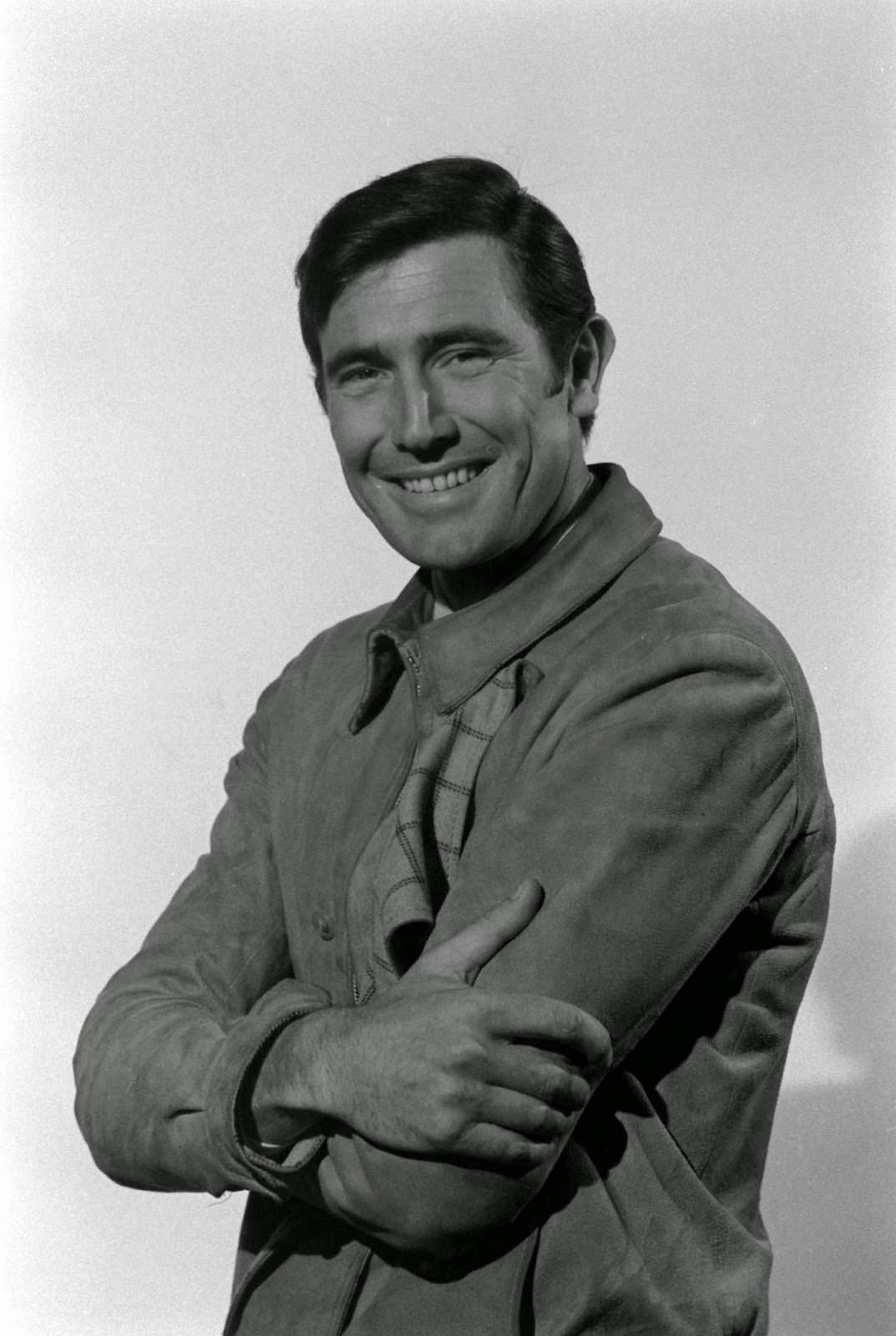
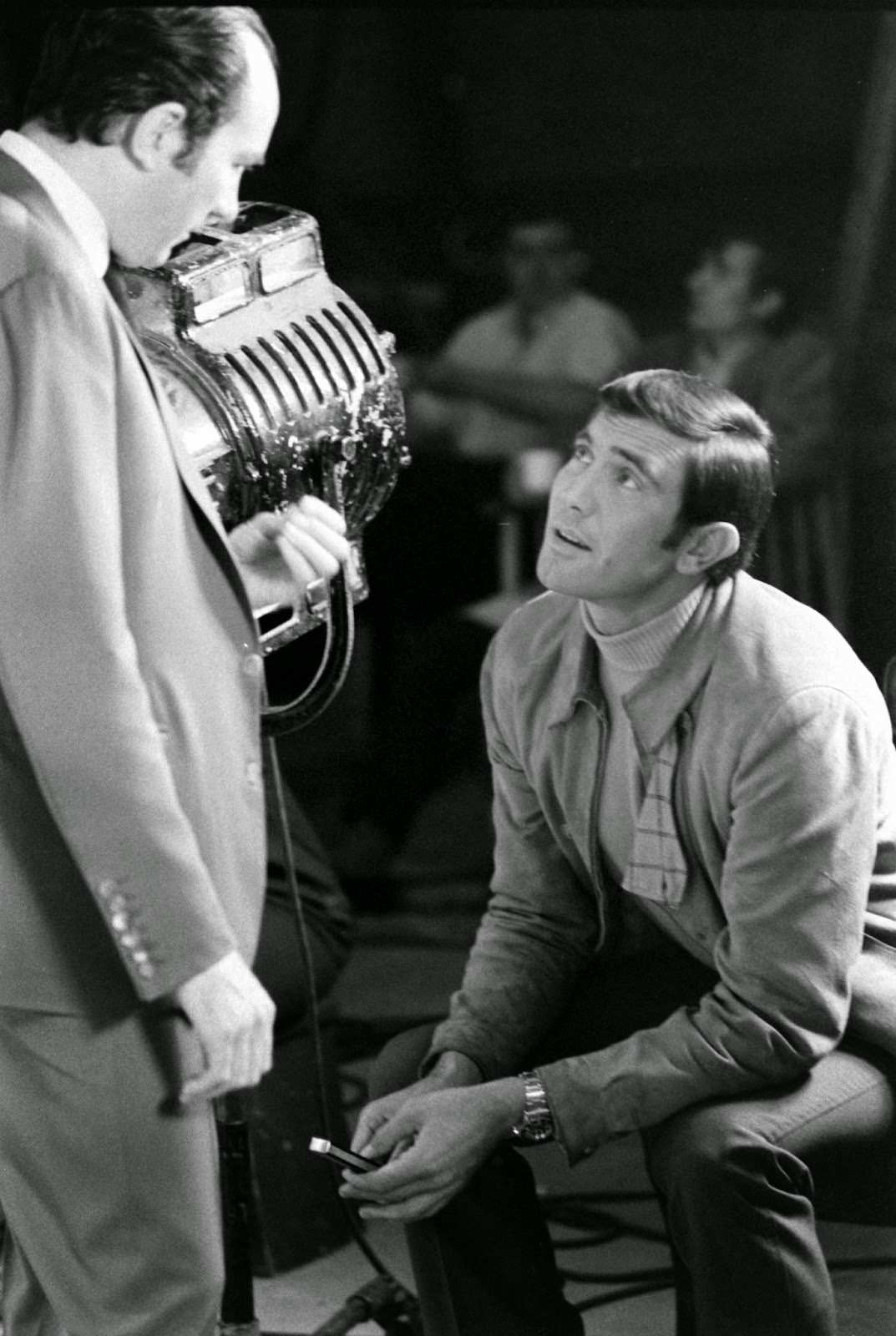
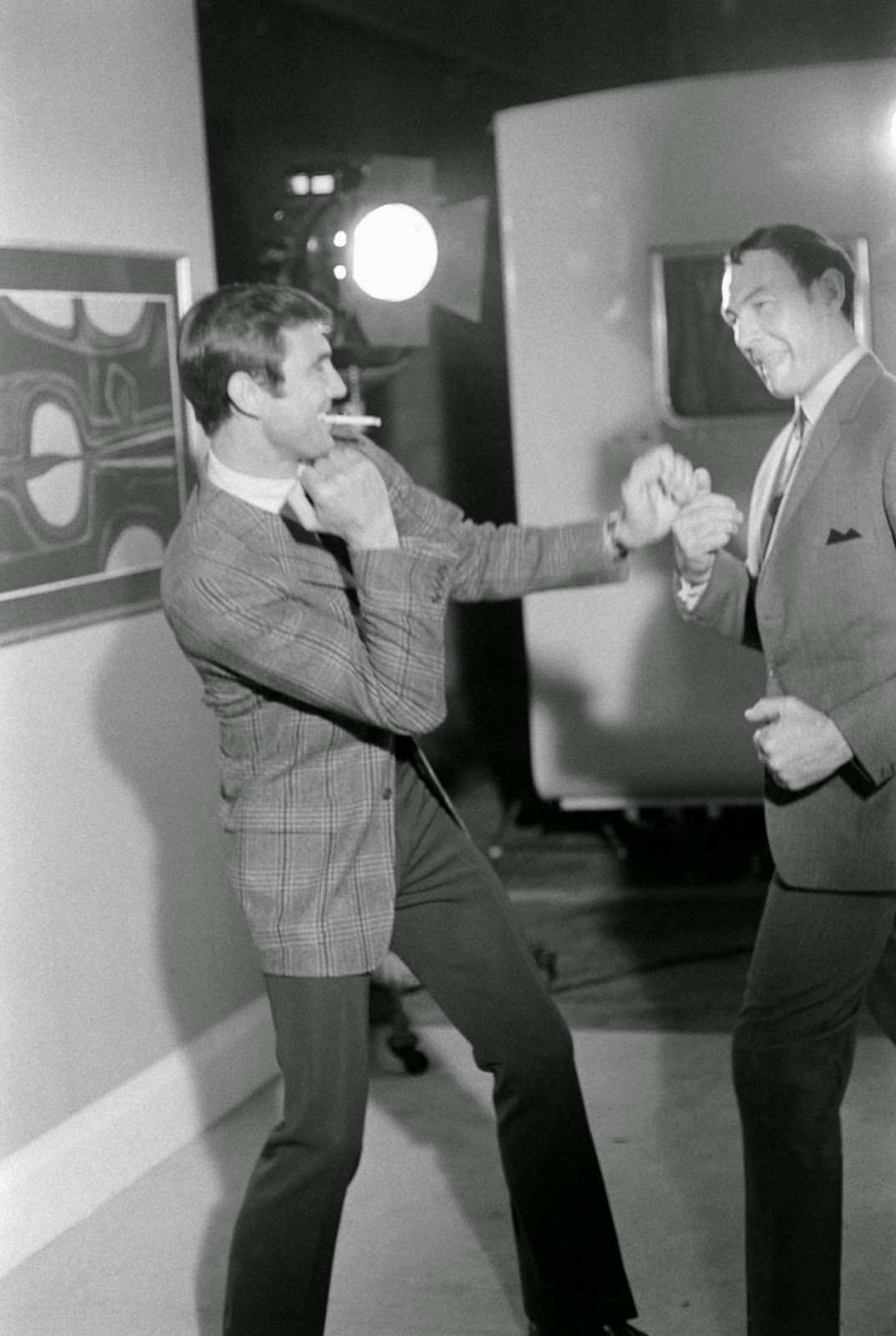
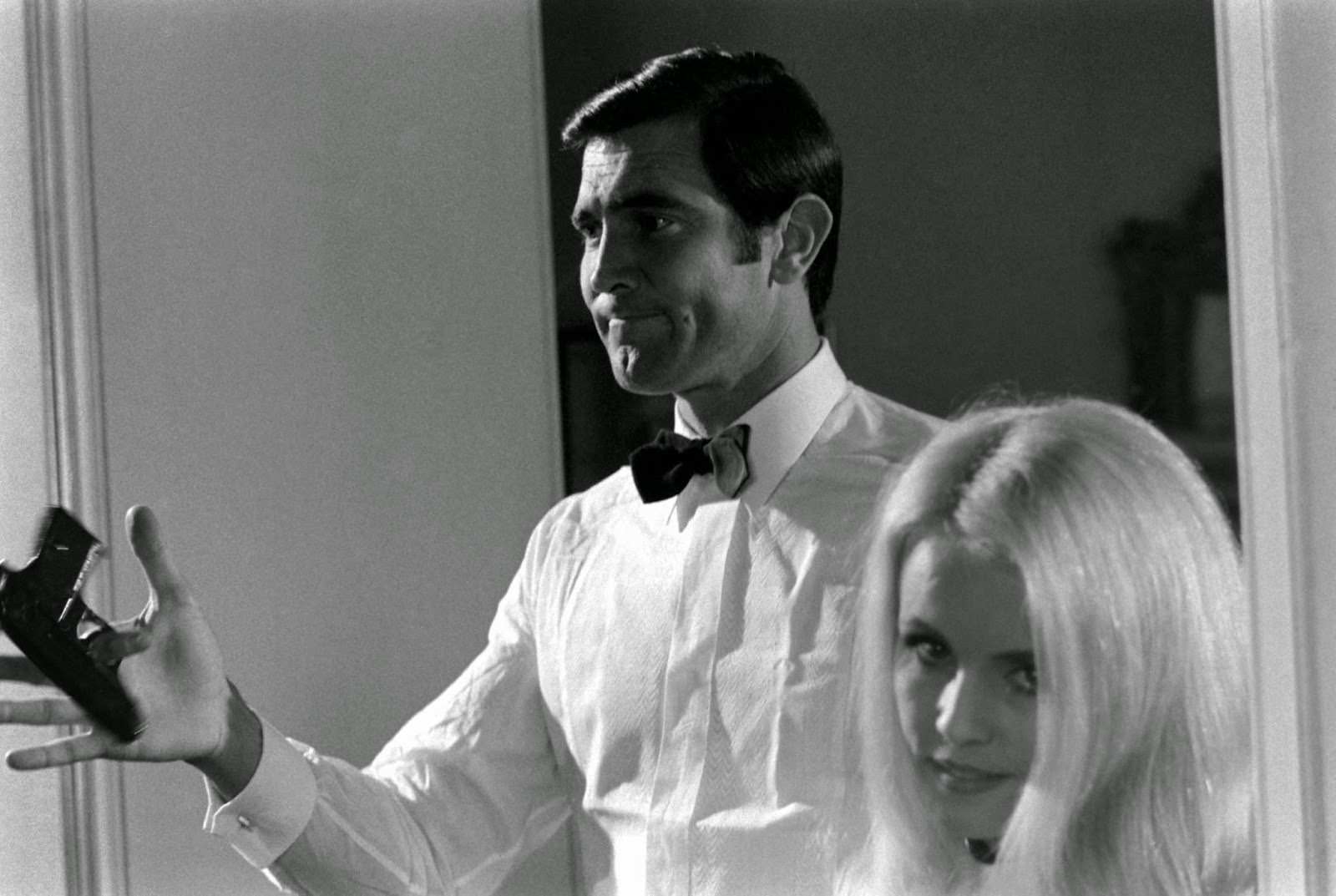
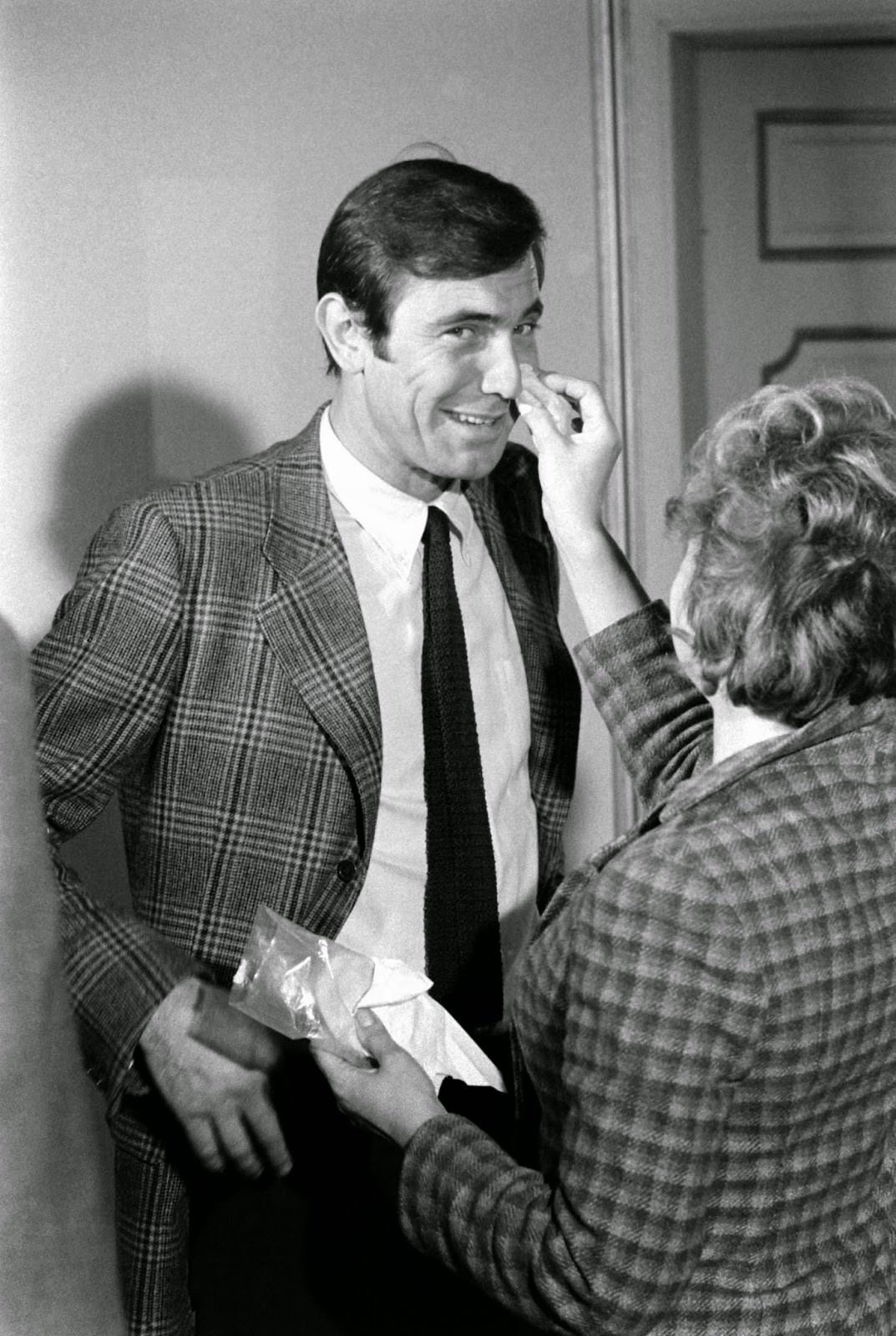
What stands out across all of Dean’s photos is how unglamorous the process actually was. These men were being watched from every angle, told how to position their bodies, handed props, and run through scenes with strangers while cameras rolled and a director studied their every move. Lazenby handled all of it with a loose, natural confidence that set him apart.
LIFE published the composite image of all five finalists in its October 11, 1968 issue, by which point Lazenby had already been announced as the next Bond. Dean’s full body of work from those auditions remains one of the most detailed documentary records of a major Hollywood casting process ever captured on film.