Mariah Carey is one of the most decorated singers in music history. The Recording Industry Association of America ranks her as the third best-selling female artist of all time, with over 200 million albums sold worldwide. She also holds the record for the most number-one singles by a solo artist. Her five-octave vocal range set her apart from the very beginning, and her ability to move between Motown soul, R&B, hip-hop, and pop made her nearly impossible to categorize — and even harder to ignore.
Mariah’s musical education started at home. Her mother, Patricia Carey, was a trained opera singer who gave Mariah her first vocal lessons. Mariah performed for the first time at age six, already showing a natural gift for the stage. By sixteen, she was regularly skipping school to focus on writing songs. Her brother Morgan stepped in to support her ambitions, paying for her very first recording session. That early investment would prove to be worth far more than anyone expected.
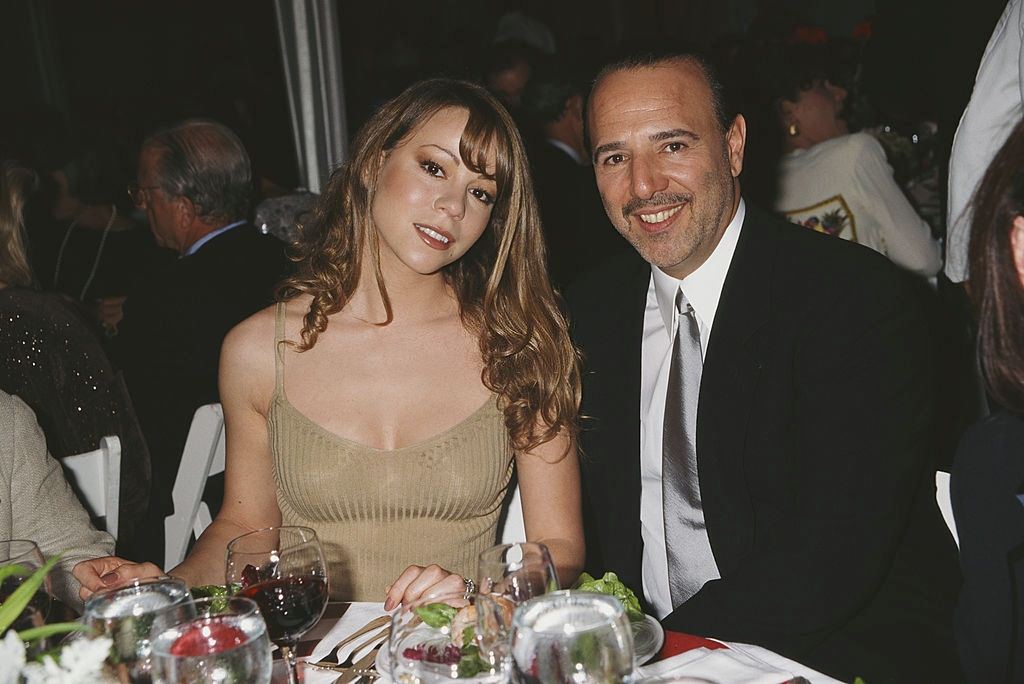
Before fame found her, Mariah worked a string of odd jobs in New York City. She worked as a waitress, a coat check girl, a hair sweeper in a salon, and a beautician. She was grinding through these jobs with a demo tape in hand, hoping someone in the music industry would take notice. That moment came at a party hosted by Columbia Records executive Tommy Mottola, who heard her demo and signed her almost immediately.
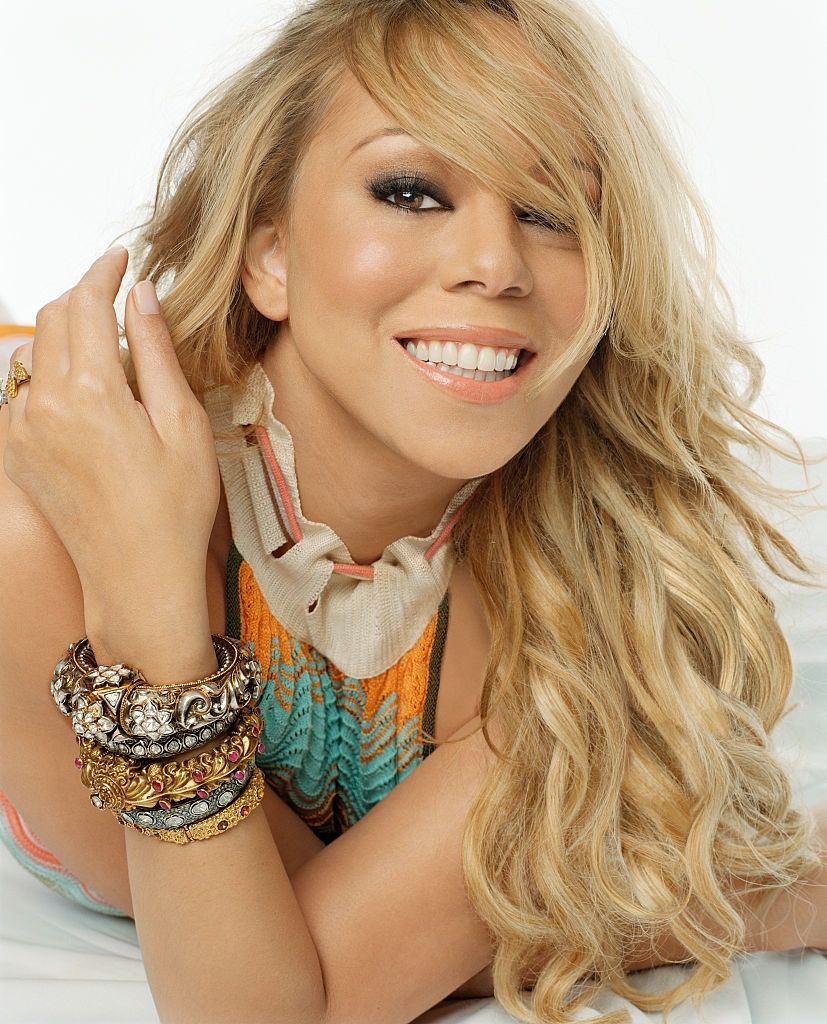
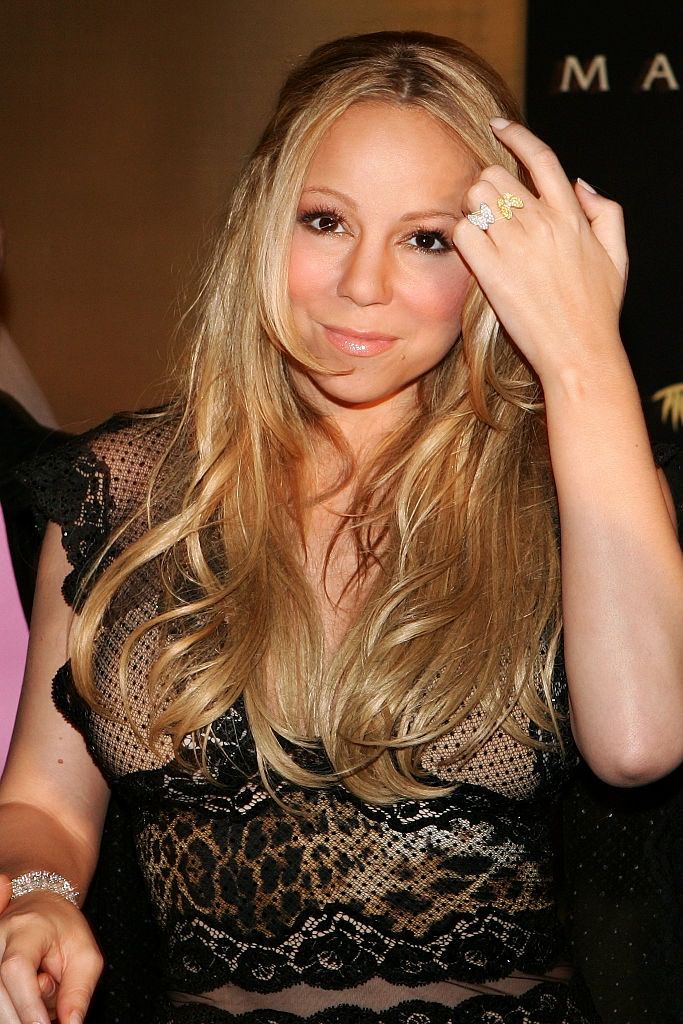
At just 19 years old, Mariah released her self-titled debut album through Columbia Records. It was packed with hits from the start. Four singles — “Vision of Love,” “Love Takes Time,” “I Don’t Wanna Cry,” and “Someday” — all reached the top of the US charts. The album sold over 15 million copies worldwide and earned her a wave of award nominations, announcing her arrival in the music world in the loudest possible way.
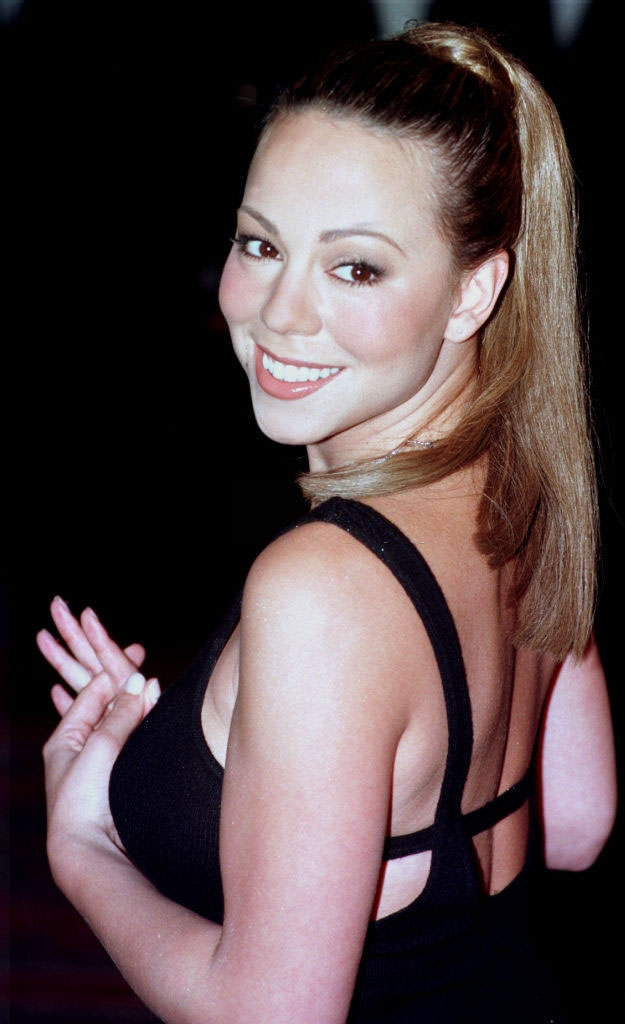
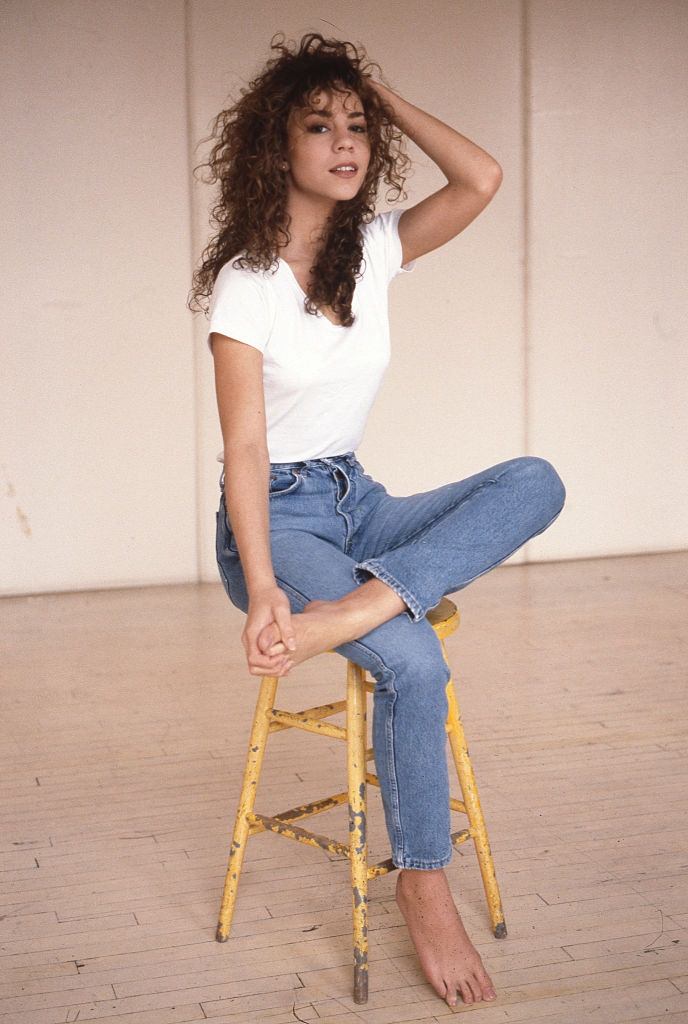
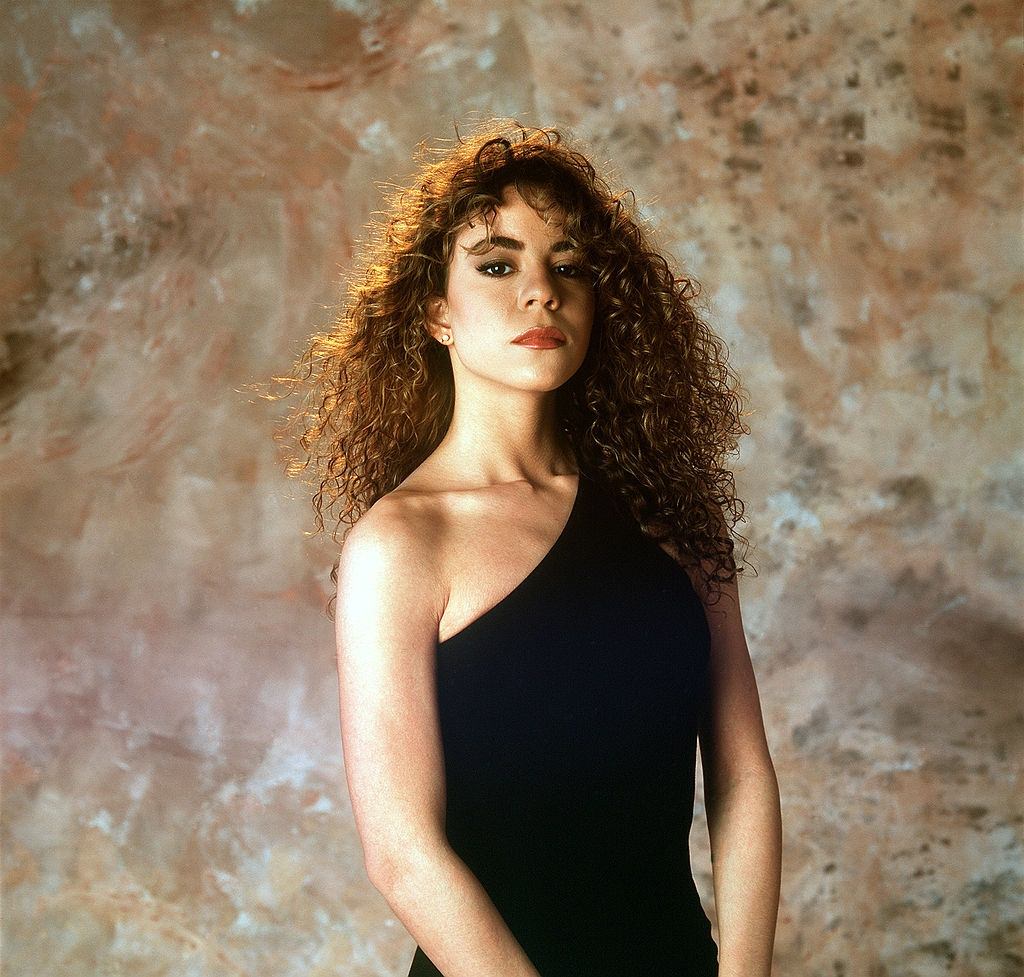
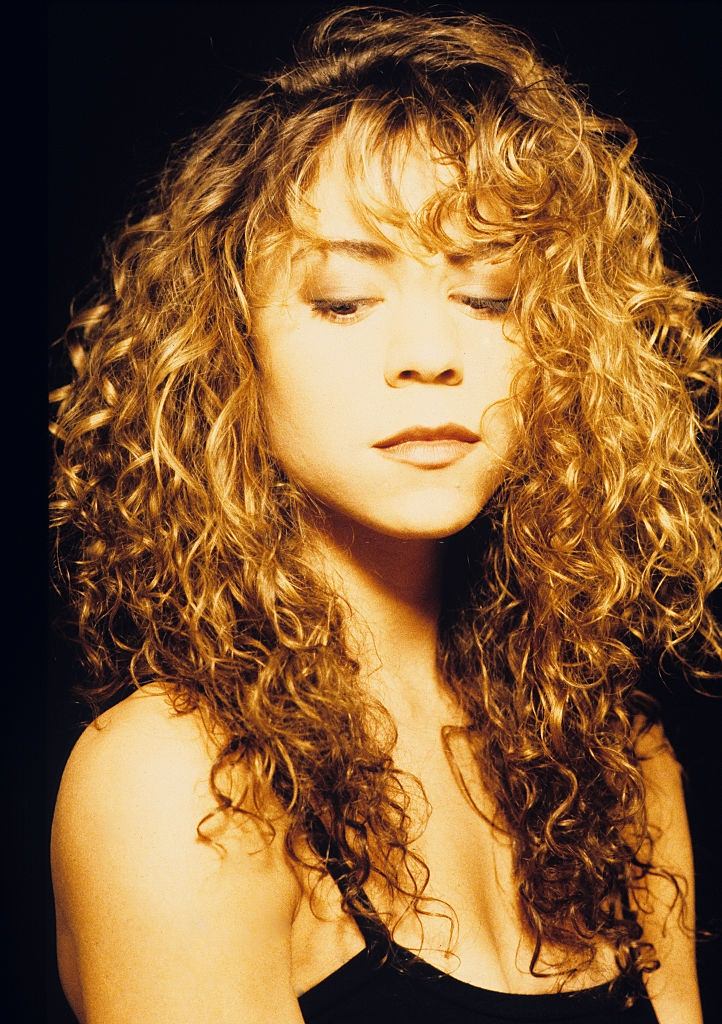
These early photographs from the 1980s capture Mariah during the years she was building her craft before the world knew her name — navigating New York City, working low-wage jobs by day and writing music by night.
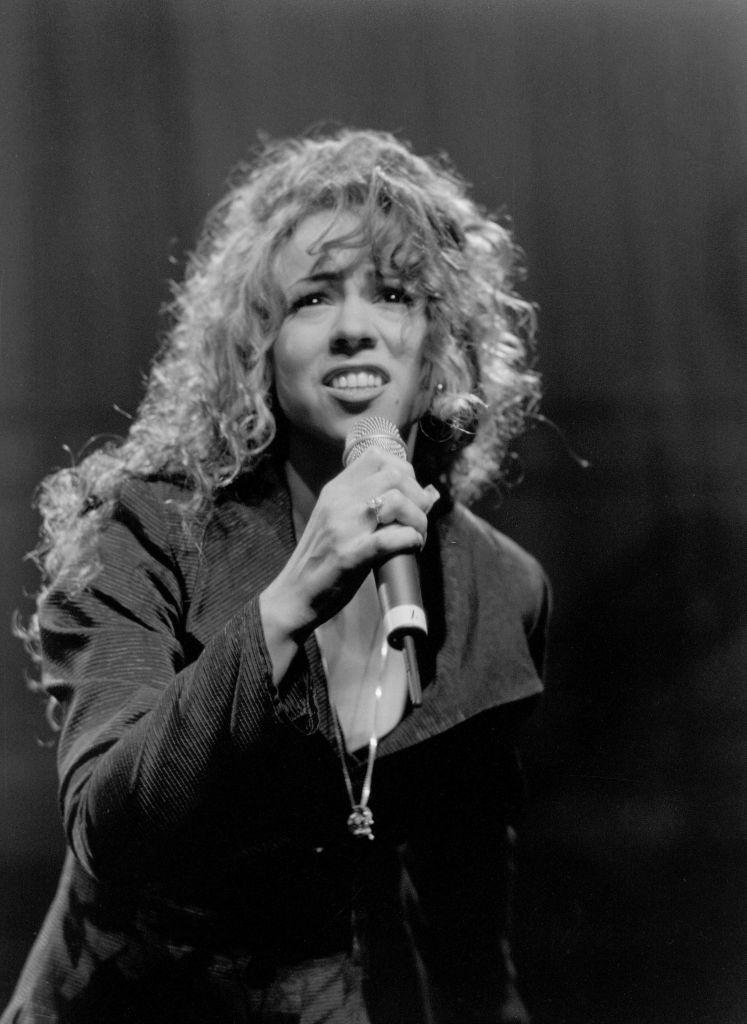
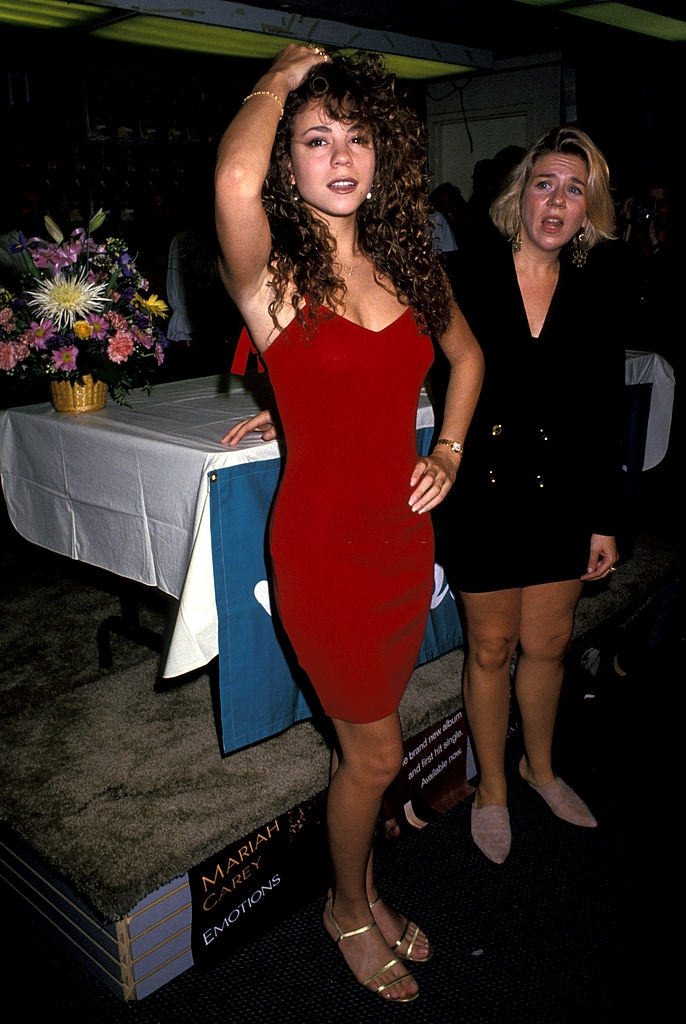
In 1991, Mariah released her second album, “Emotions.” The title track became her fifth consecutive number-one single — a record-setting run at the top of the Billboard Hot 100. That same year, her MTV Unplugged performance turned heads across the industry. Her stripped-back, live rendition of the Jackson 5 classic “I’ll Be There” earned a triple-platinum certification from the RIAA and gave her yet another chart-topping hit.
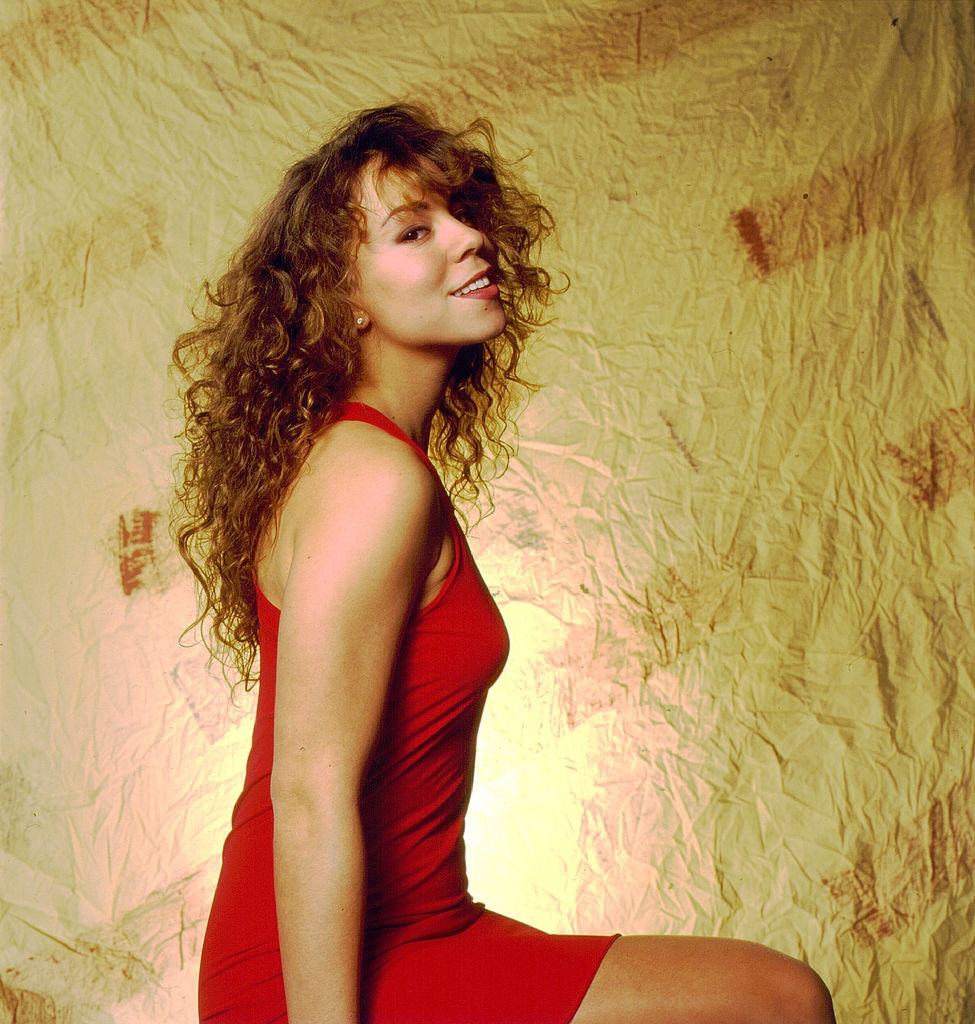
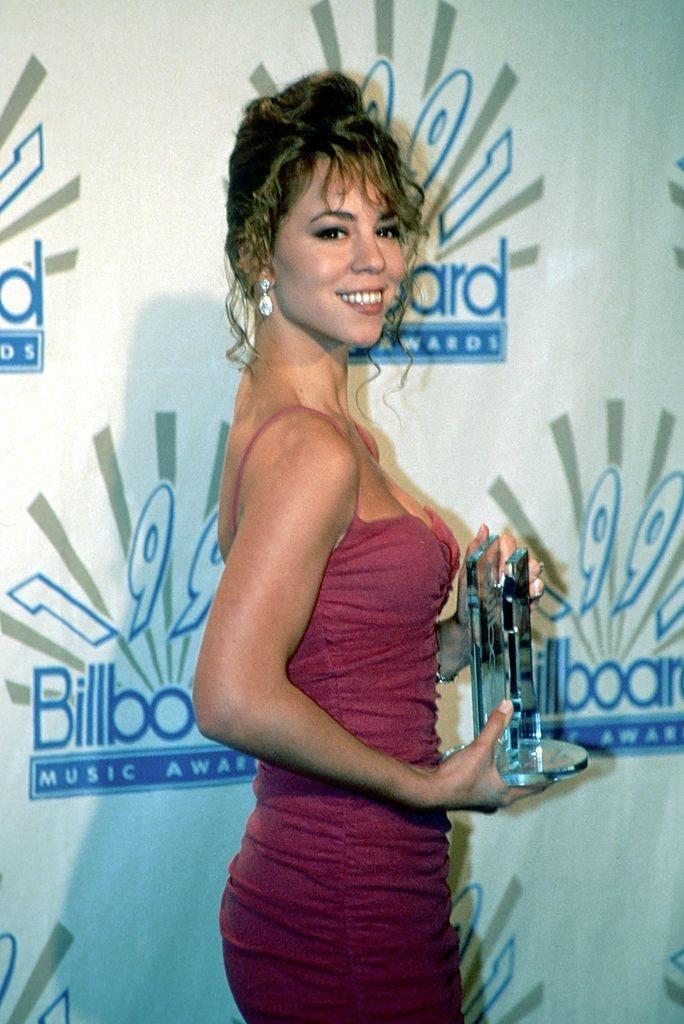
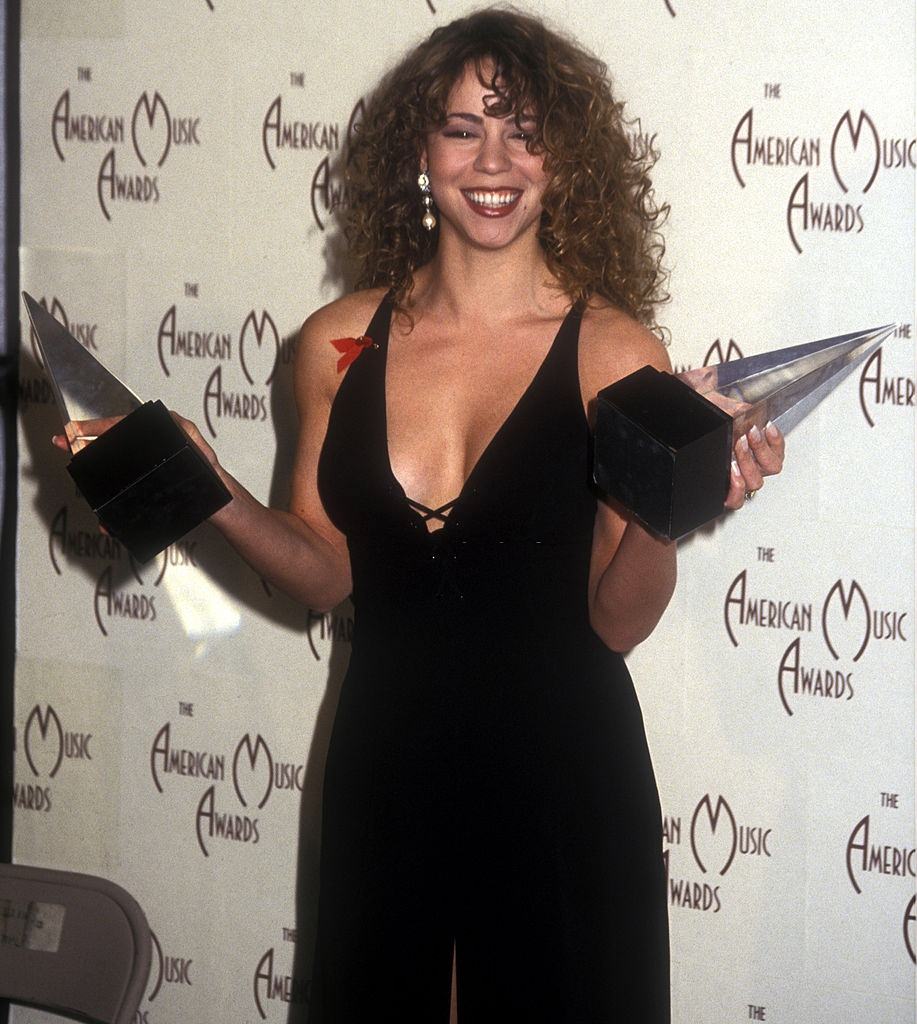
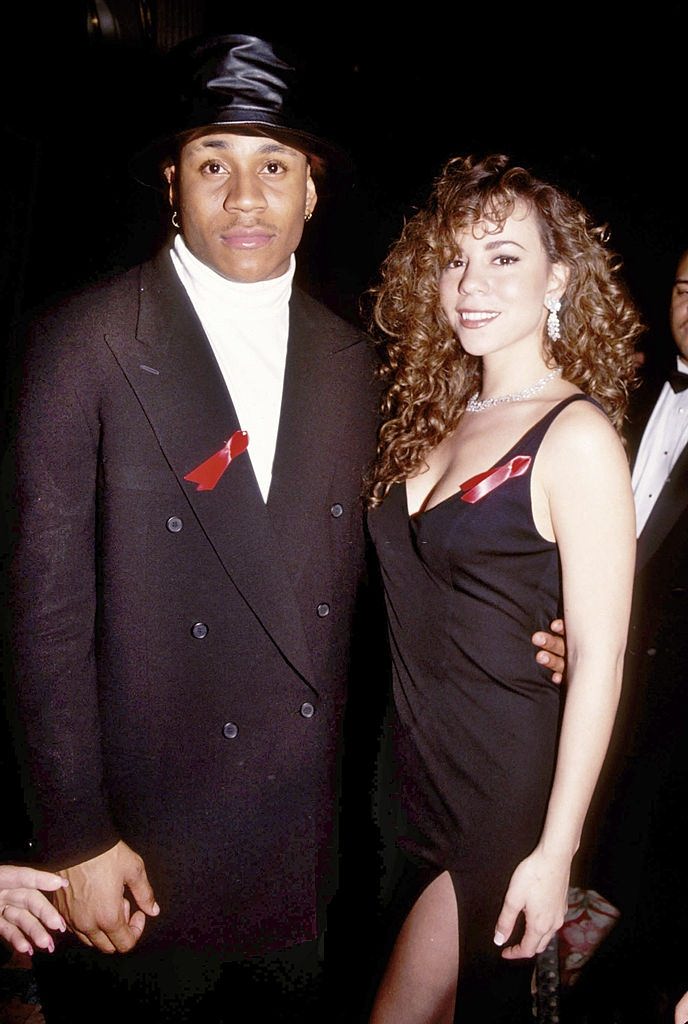
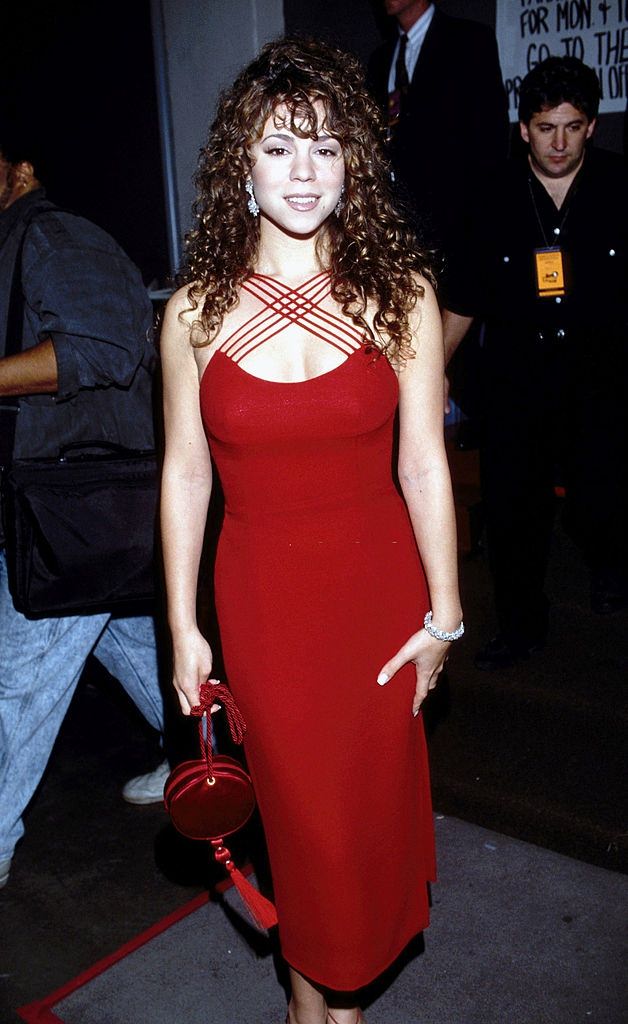
Awards piled up quickly throughout her early career. Mariah attended the 33rd Annual Grammy Awards in 1991, where her debut album’s commercial and critical success had made her one of the most talked-about artists in the room. She was a consistent presence at the American Music Awards and MTV Video Music Awards during this period, collecting trophies that reflected her dominance over the pop and R&B landscape.
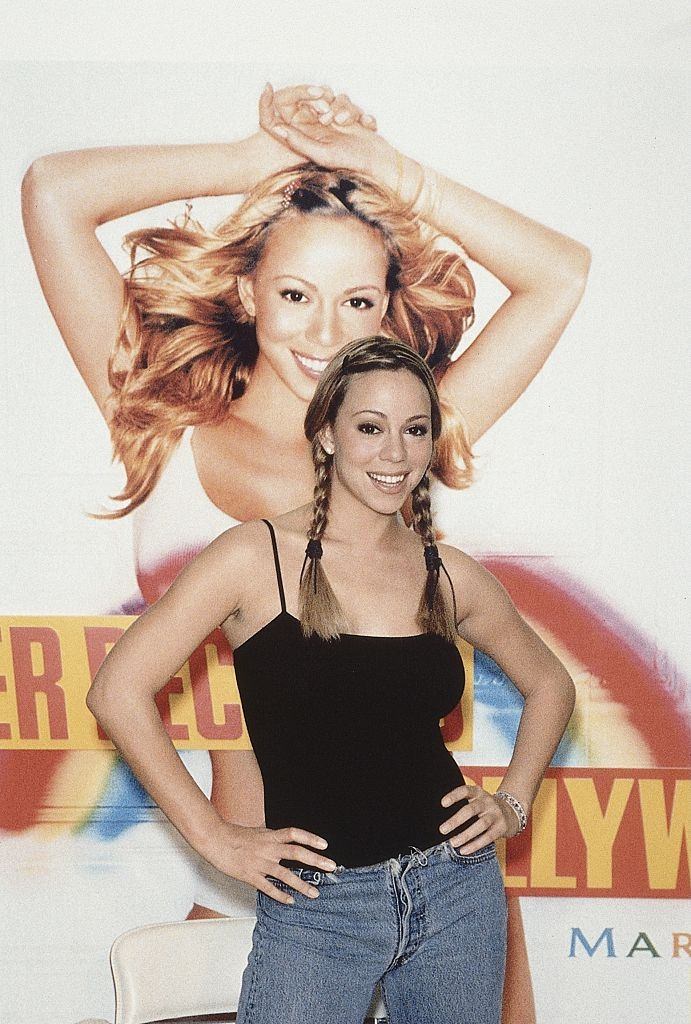
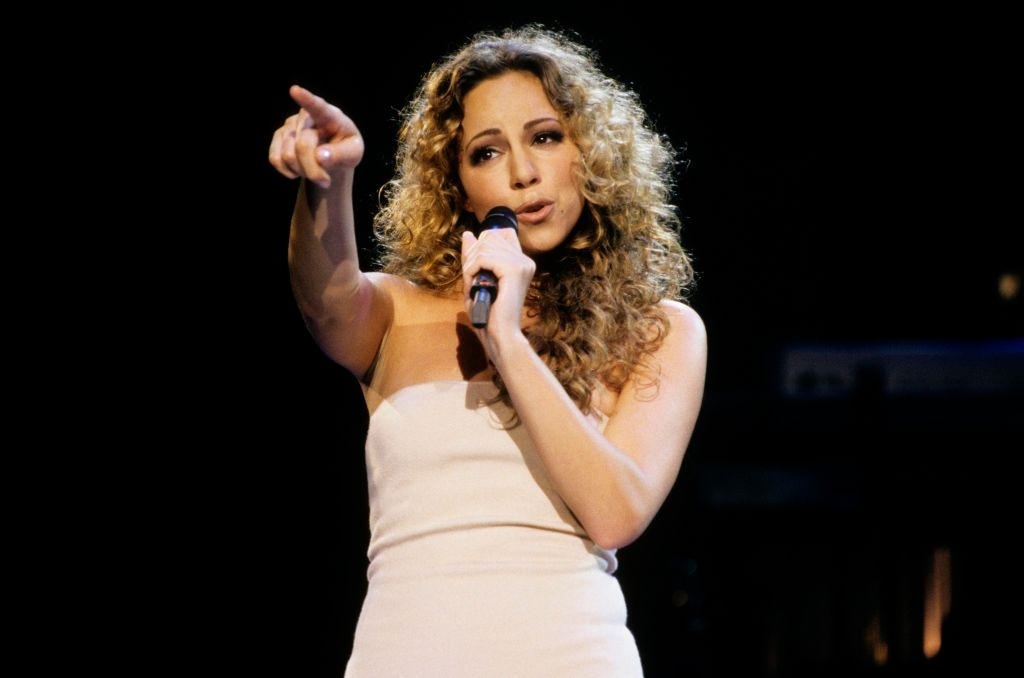
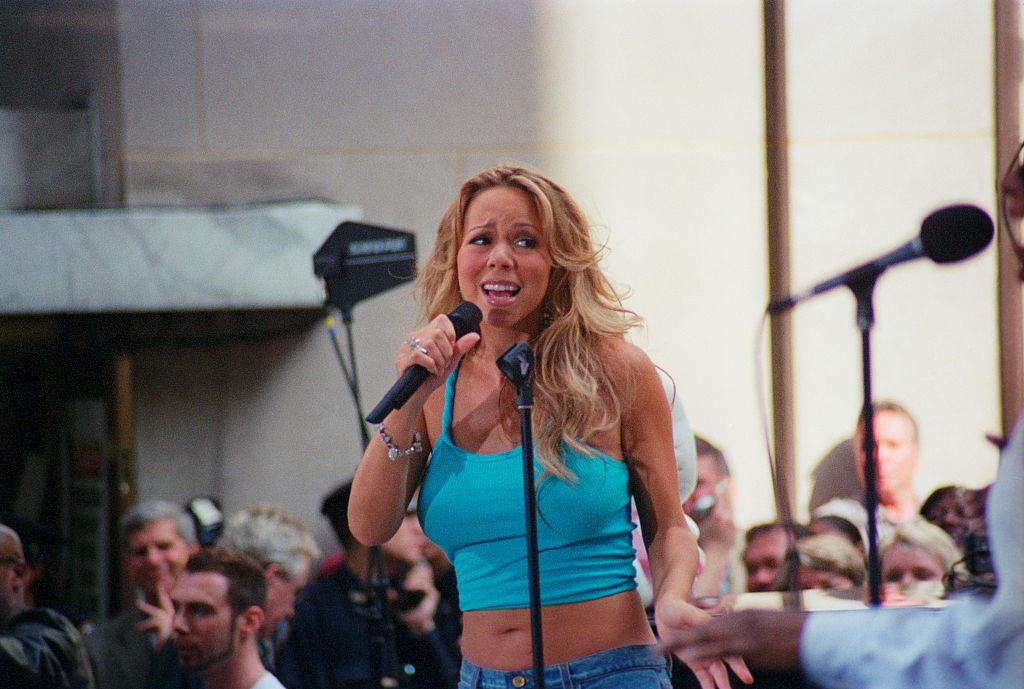
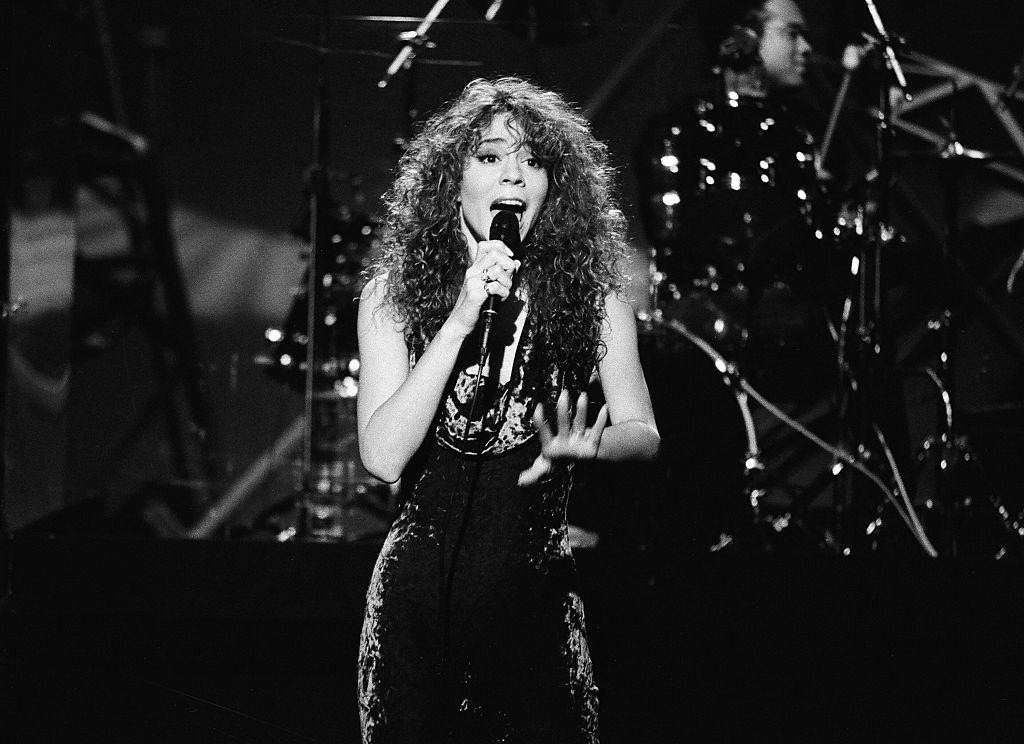
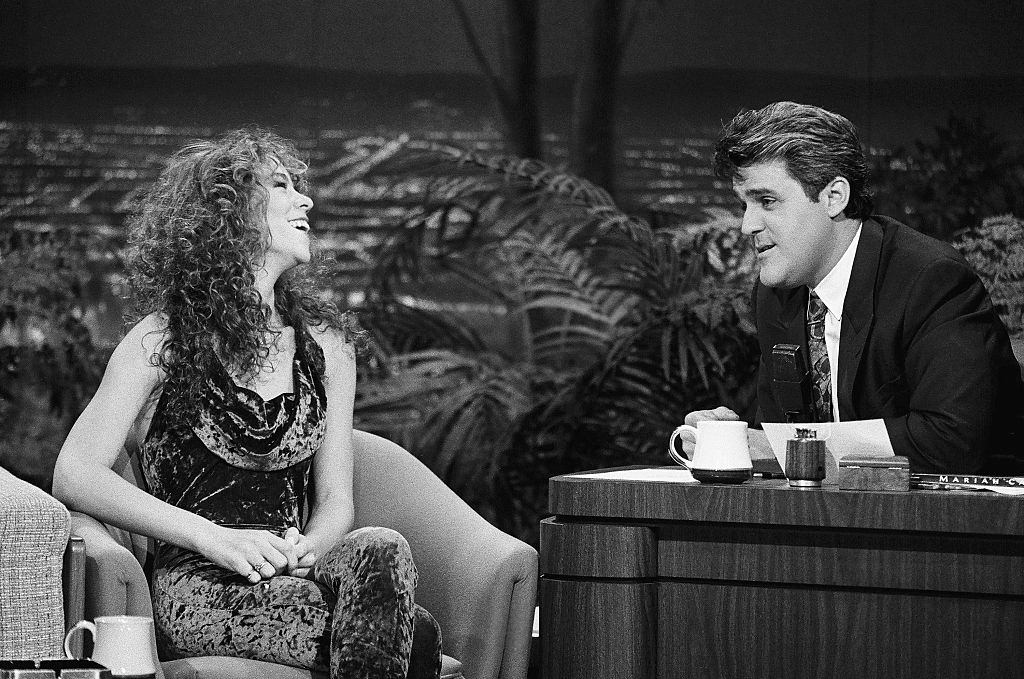
Television performances were a key part of Mariah’s early rise. She appeared on the Tonight Show with Johnny Carson in 1990, reaching millions of viewers at a time when a late-night performance could define a career. Her energy on stage translated directly to the camera, and each TV appearance reinforced what record buyers were already discovering: this was a voice unlike anything else on radio.
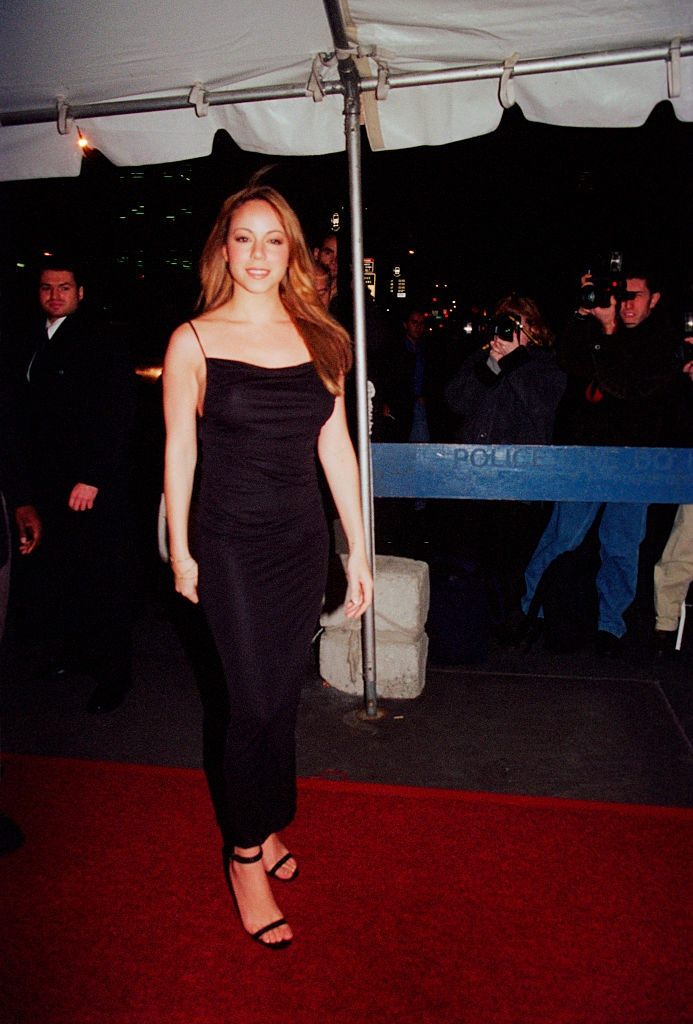
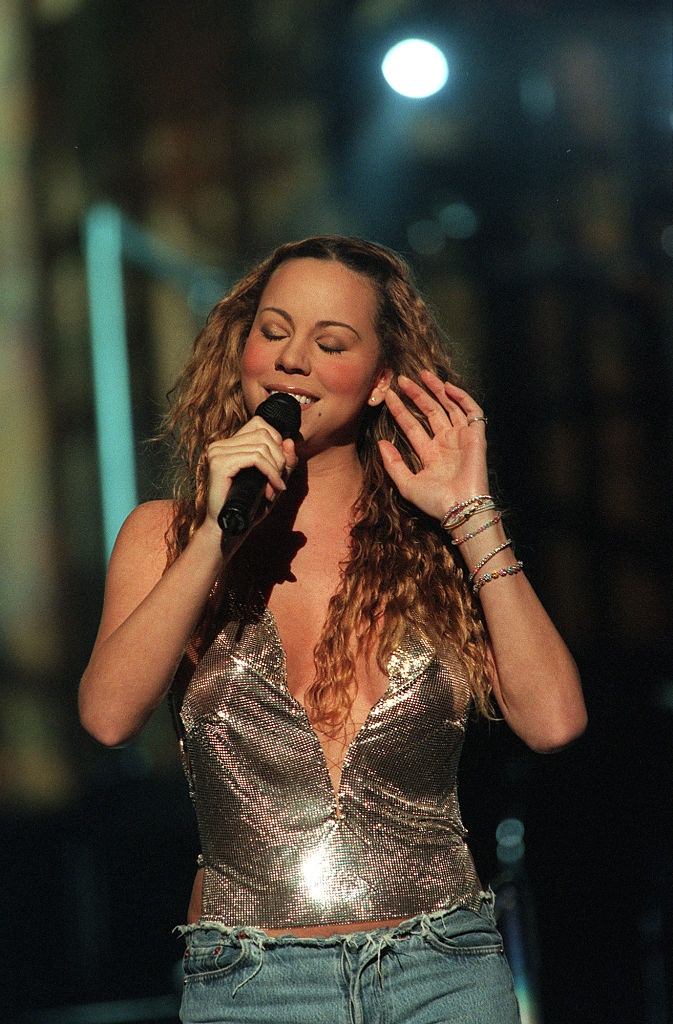
Her third album, “Music Box,” arrived in 1993 and pushed her commercial success to new heights. The singles “Dreamlover” and “Hero” both cracked the top ten, with “Hero” becoming one of the most emotionally resonant ballads of the decade. Critics took note of what they described as her “breathy vocals” — a warm, intimate singing style that softened the power of her upper register without losing any of its intensity.
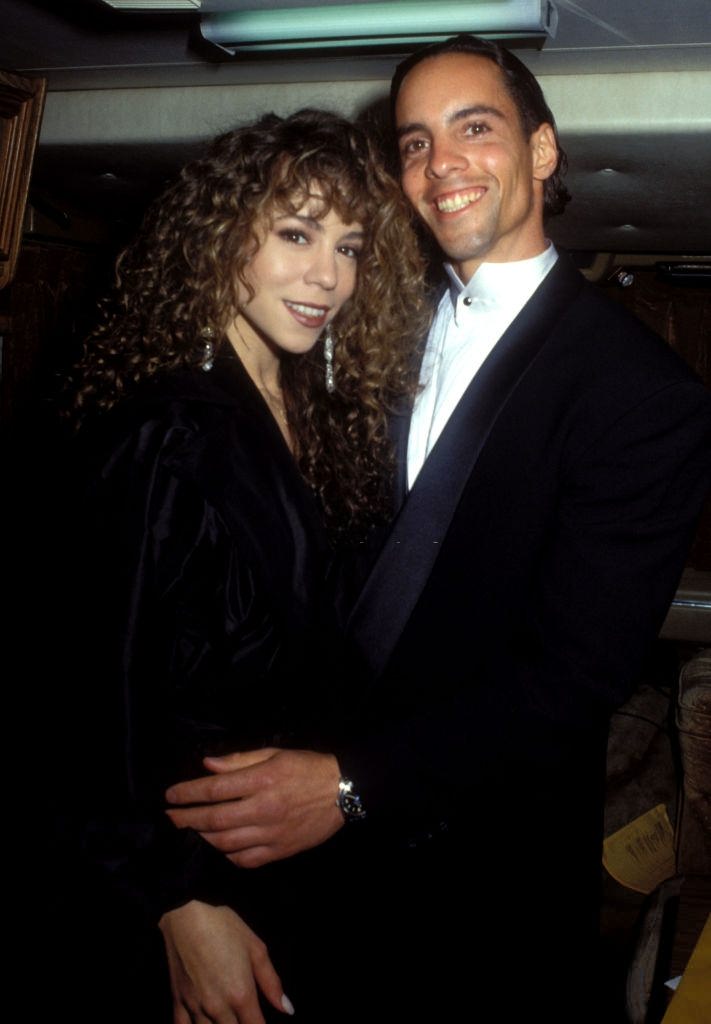
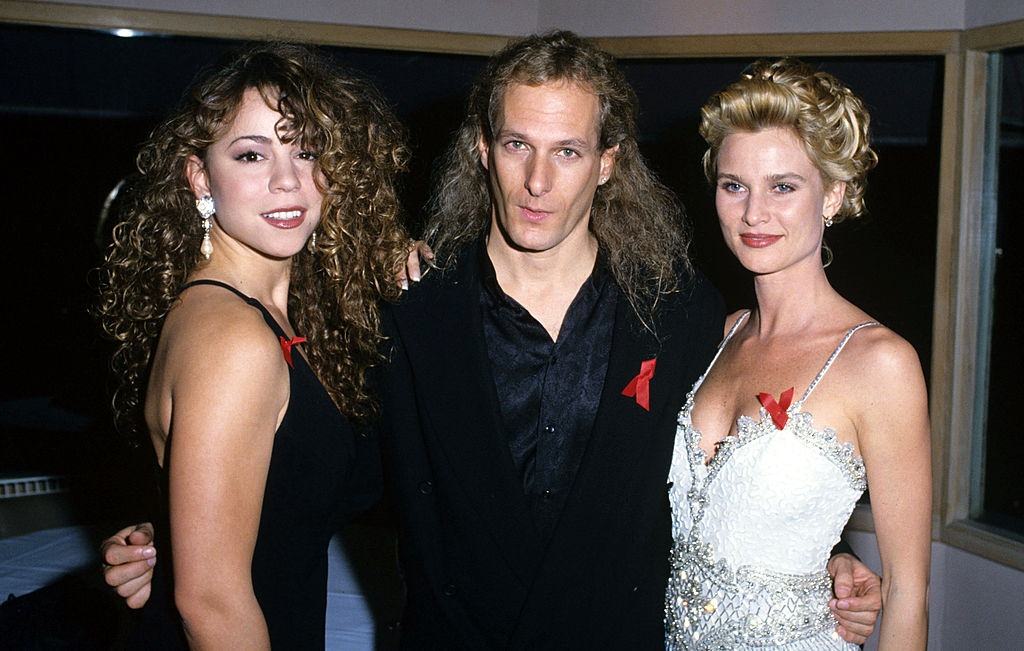
Morgan Carey, the brother who funded her first recording session, remained a part of her life as she climbed to the top. Seeing the two of them together at the 1991 American Music Awards was a reminder of how far they had both come from those early days scraping together studio time.
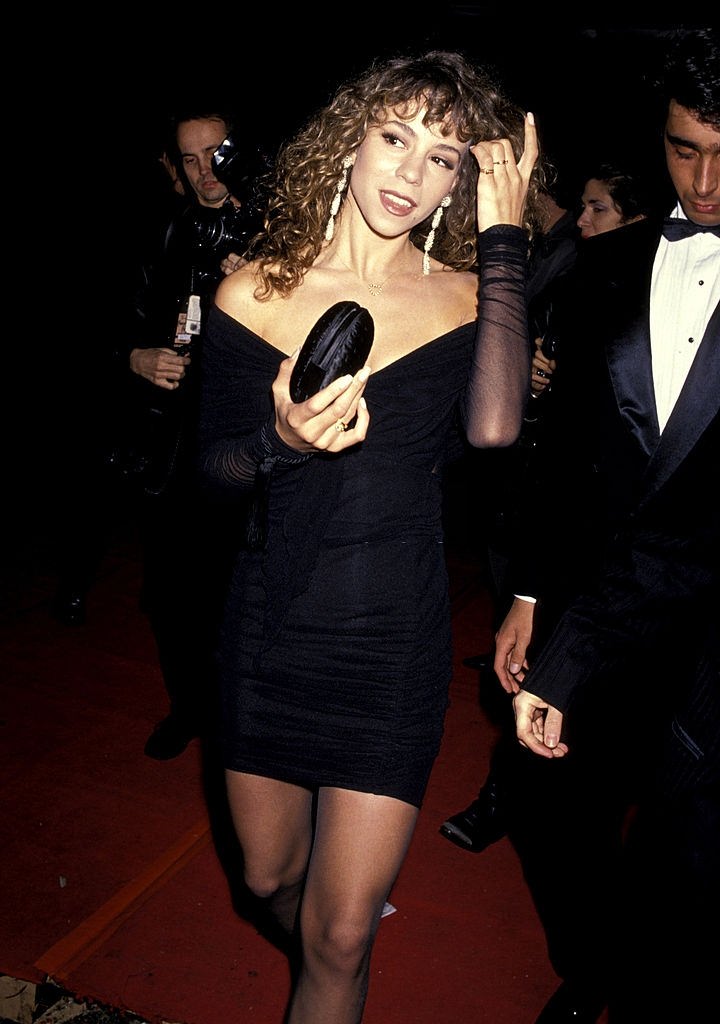
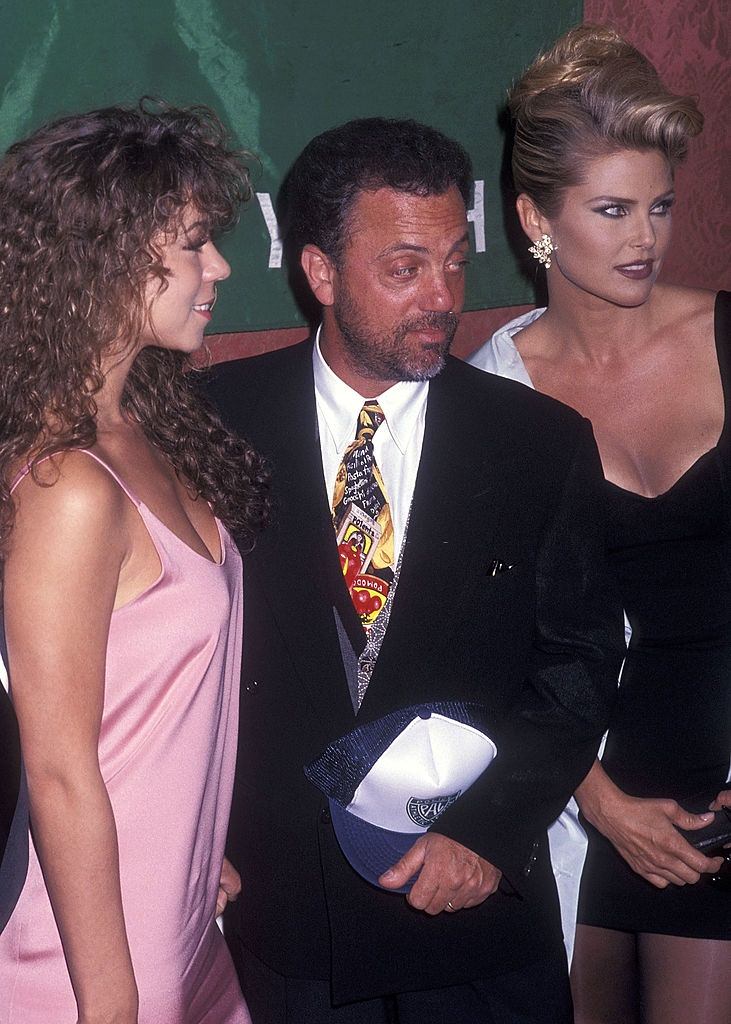
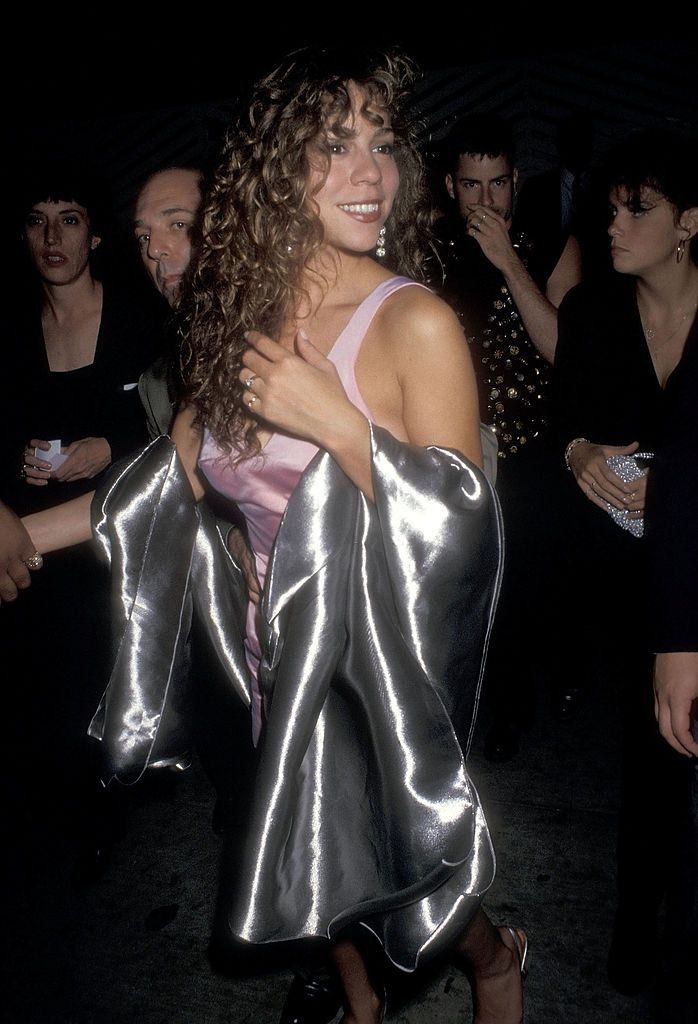
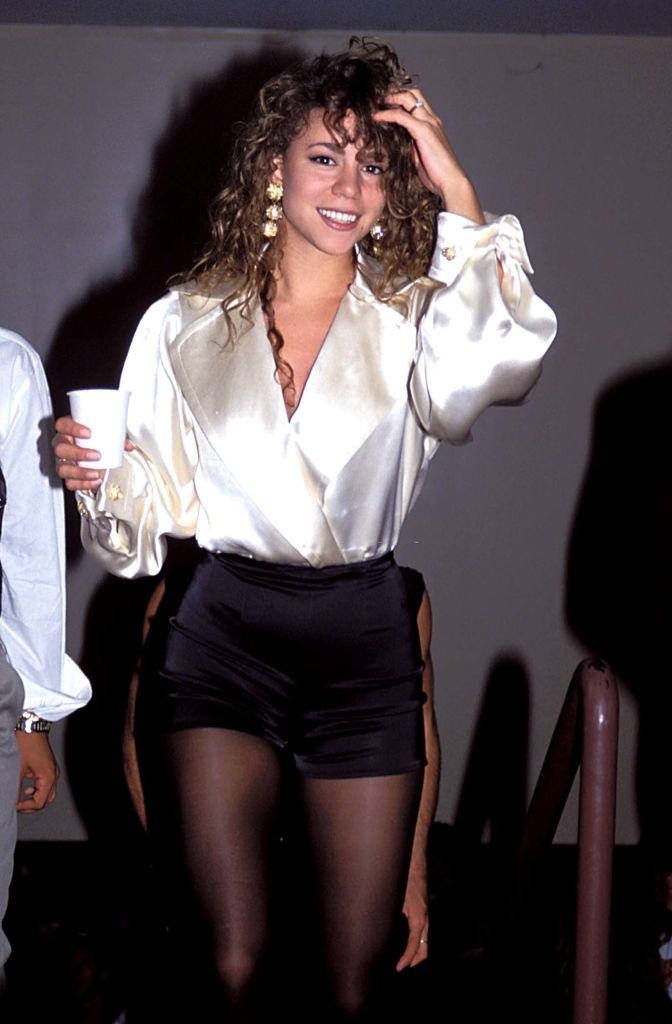
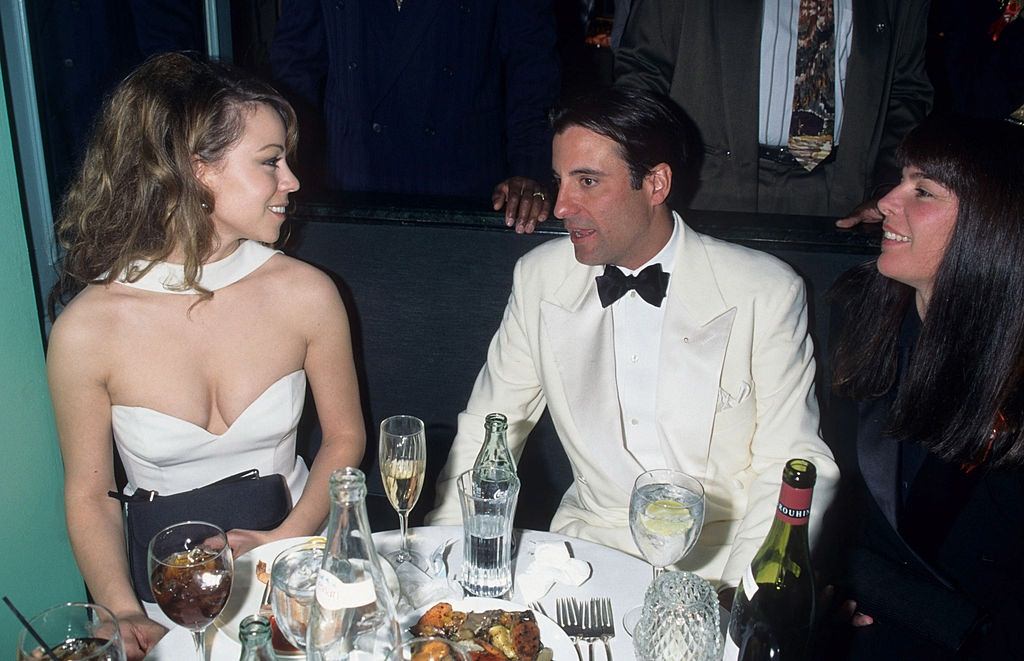
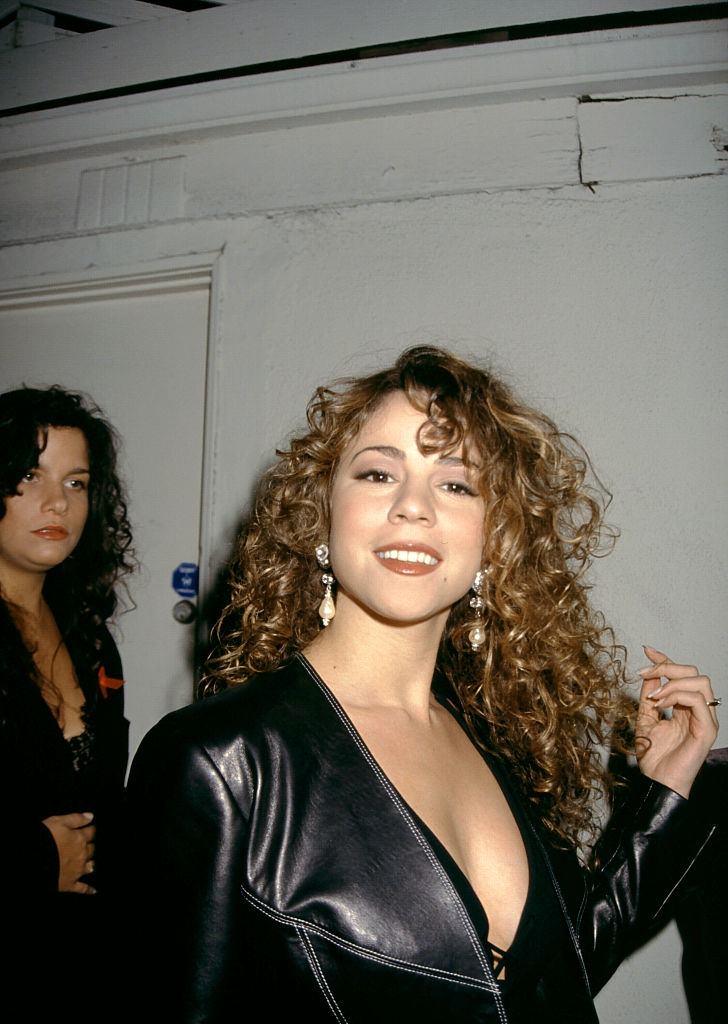
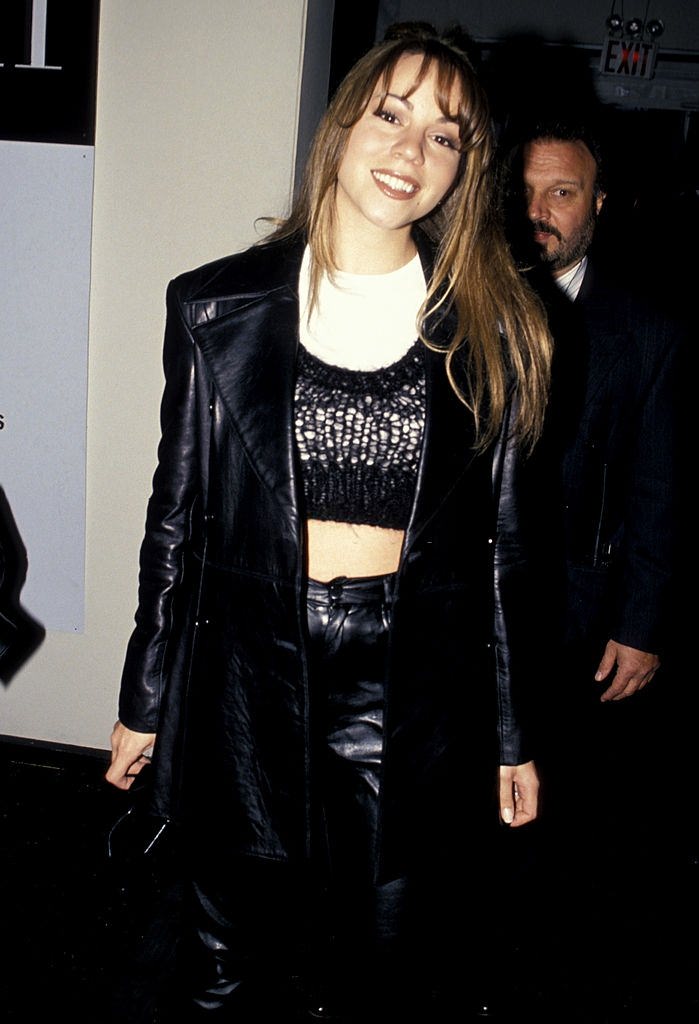
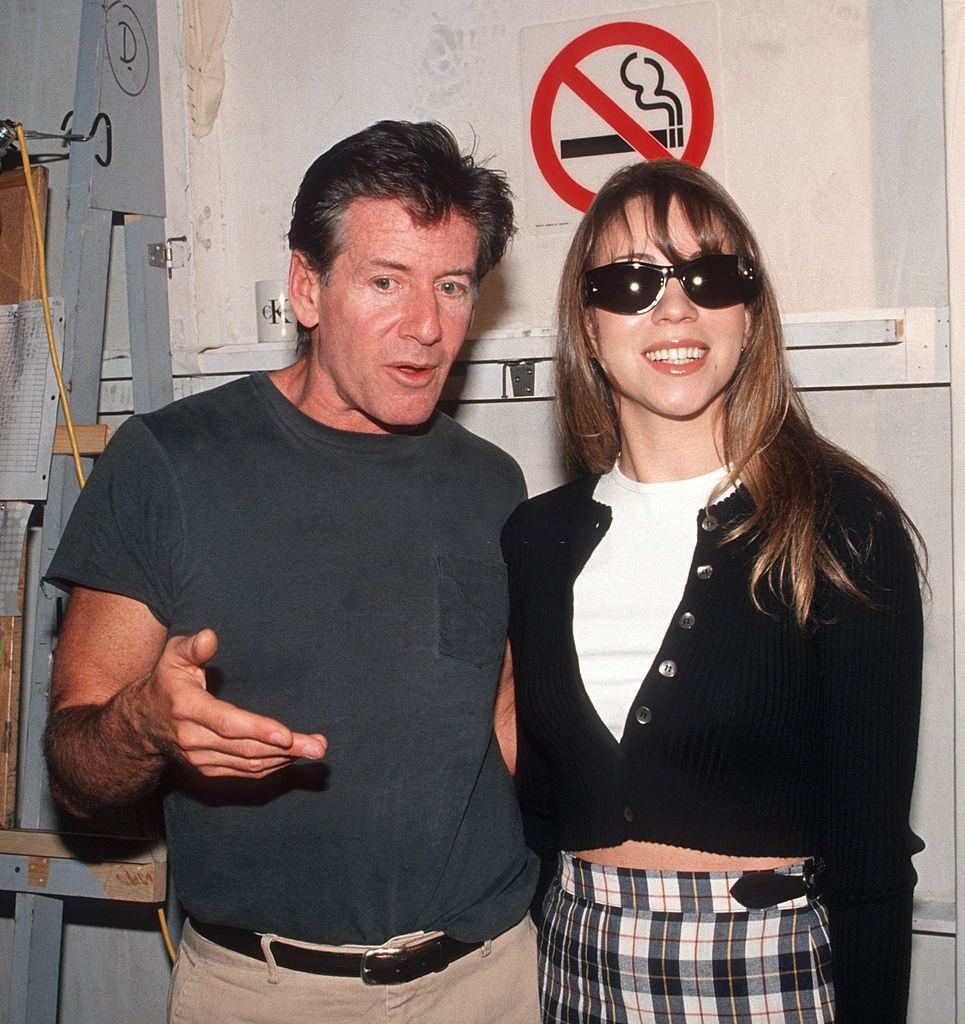
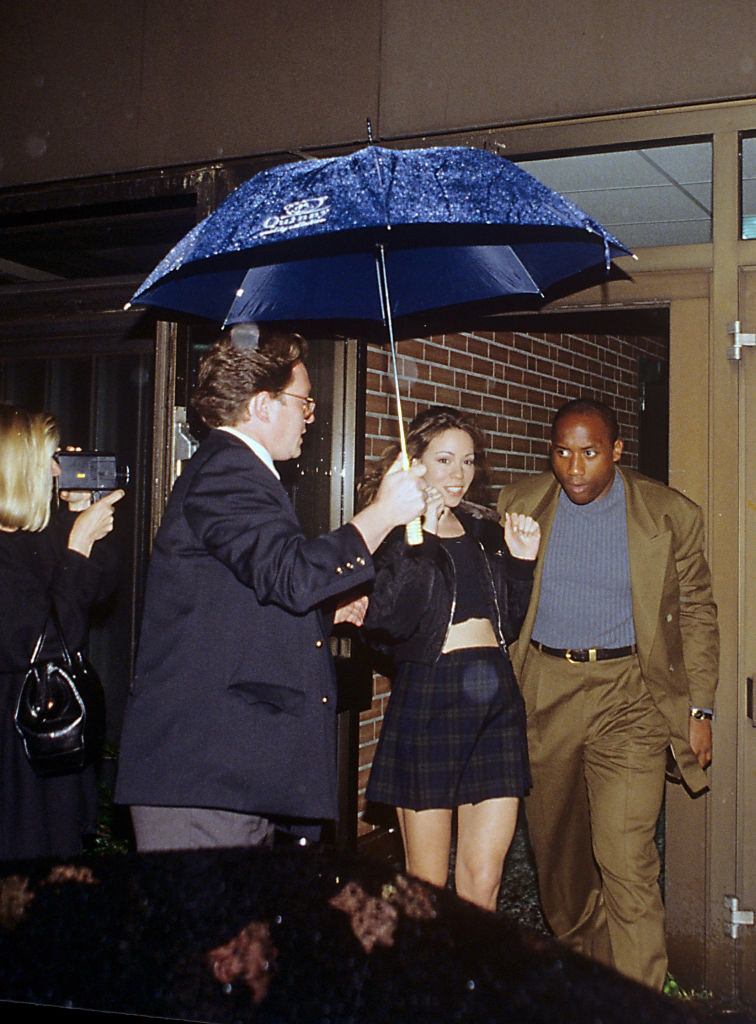
The MTV Video Music Awards became a recurring stage for Mariah in the early 1990s. She was a regular presence both at the ceremony and at the after-parties that followed, rubbing shoulders with artists and industry figures who represented every corner of the music world. These events helped cement her status not just as a hitmaker, but as a genuine cultural force.
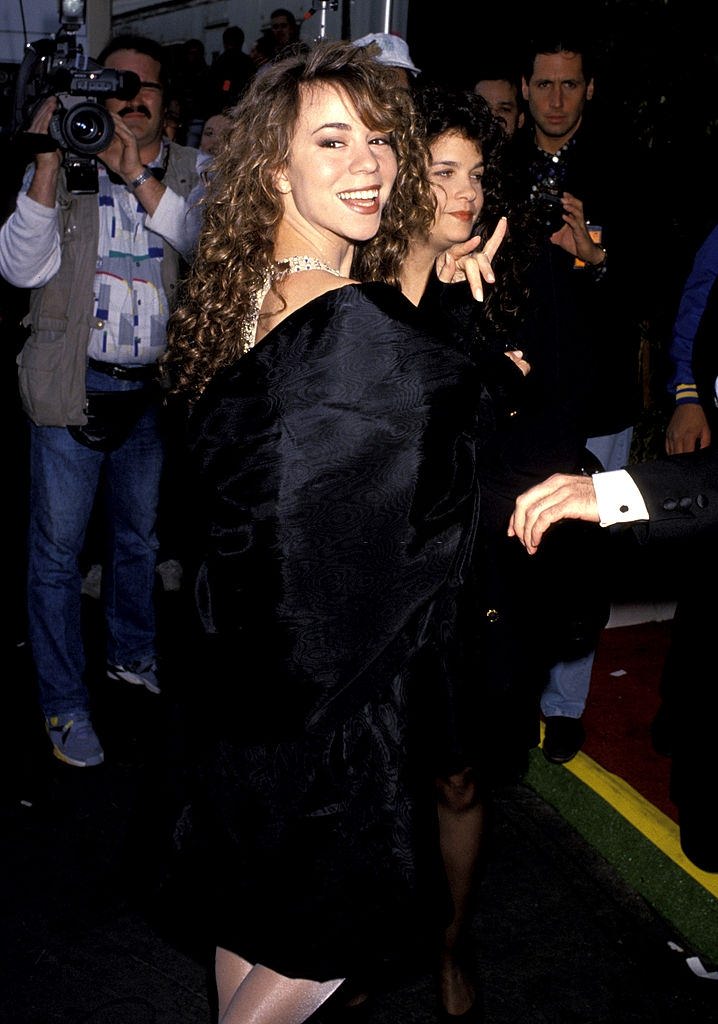
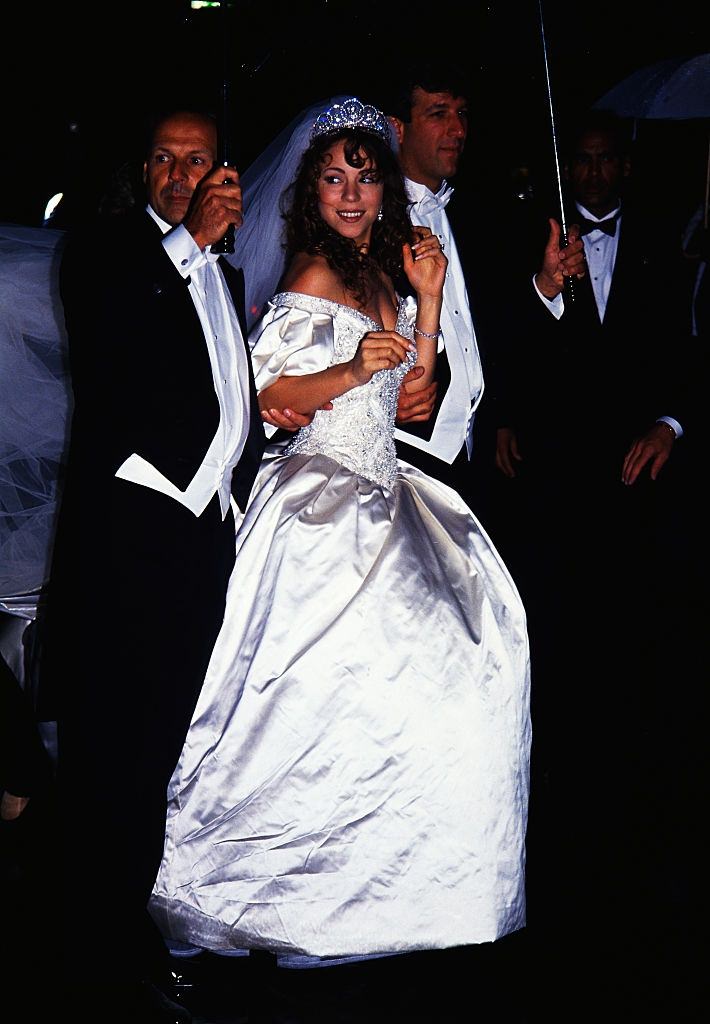
On June 5, 1993, Mariah married Tommy Mottola, the Columbia Records executive who had signed her. He was both her husband and the head of her label — a combination that created a complicated power dynamic. His controlling behavior and their growing creative differences steadily wore down the relationship. They separated on May 30, 1997, and the divorce was finalized in 2000.
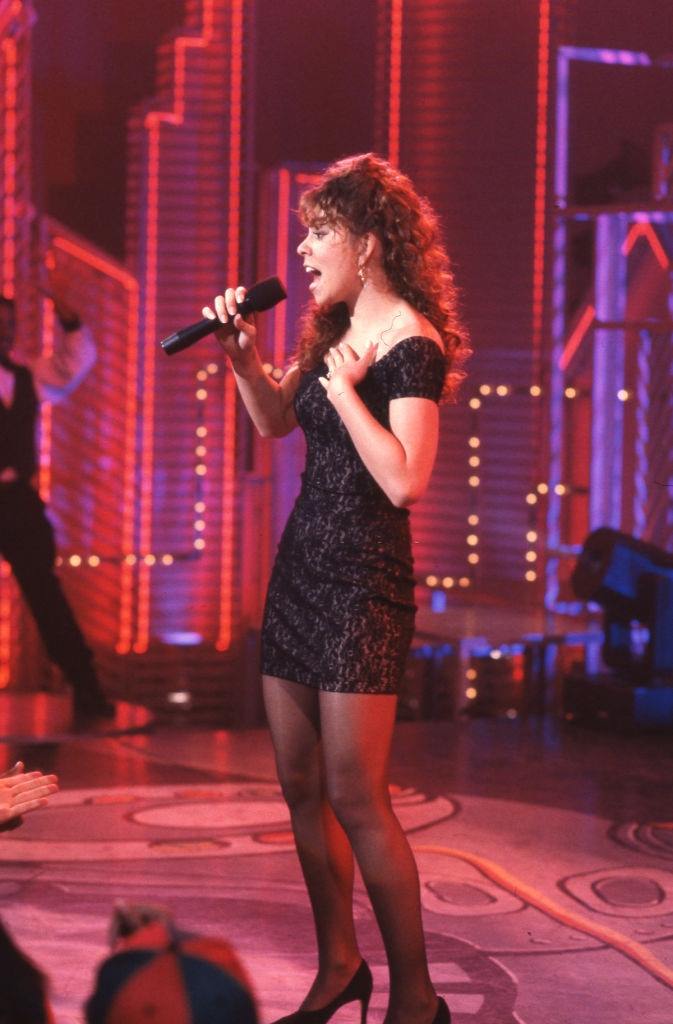
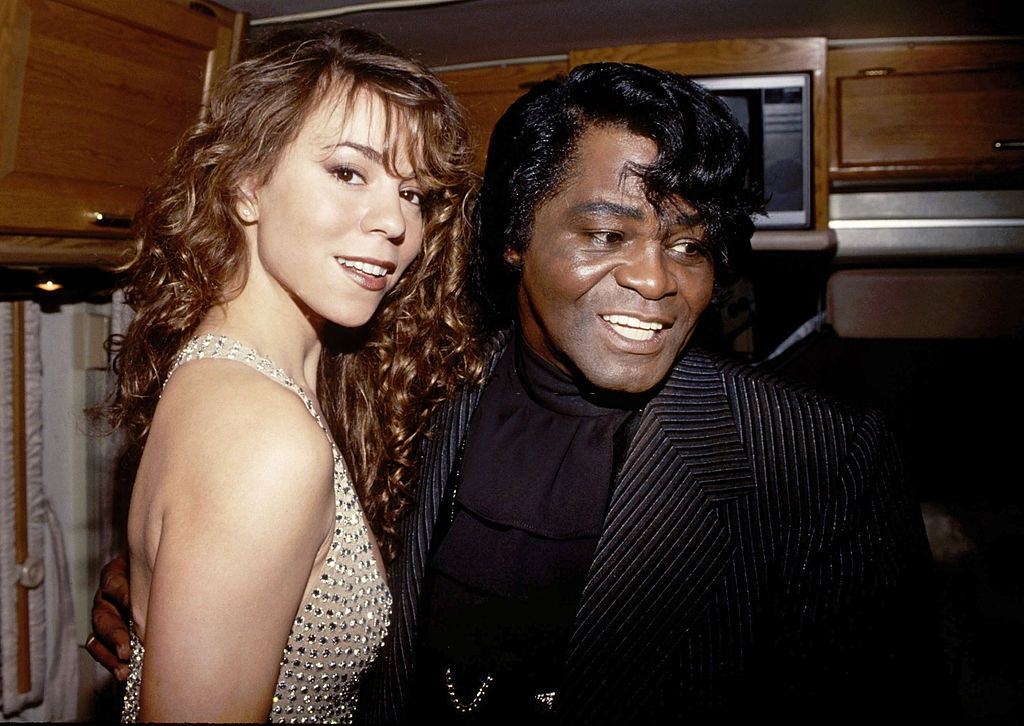
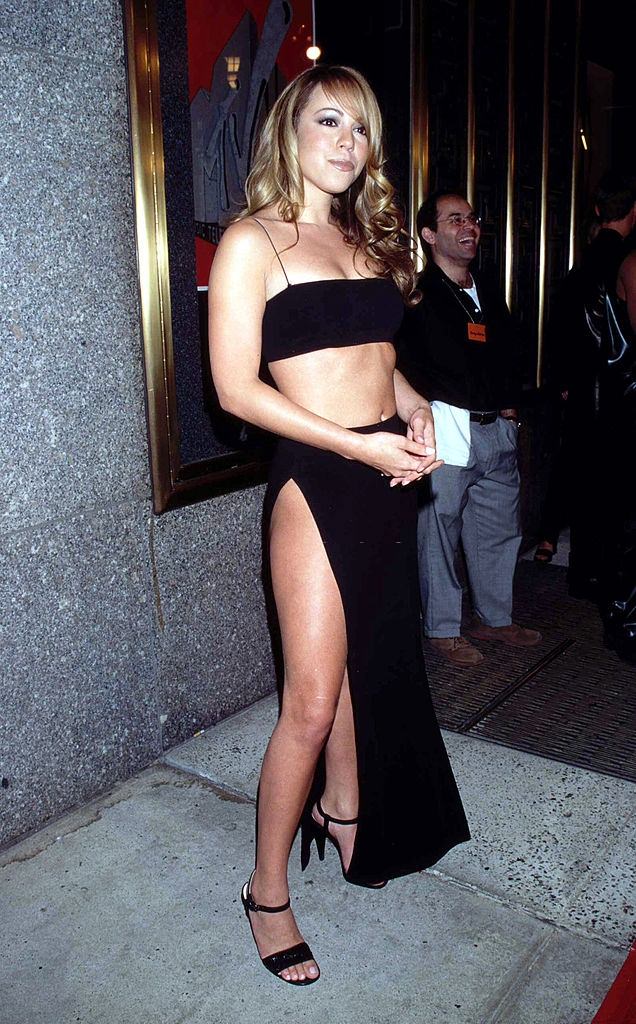
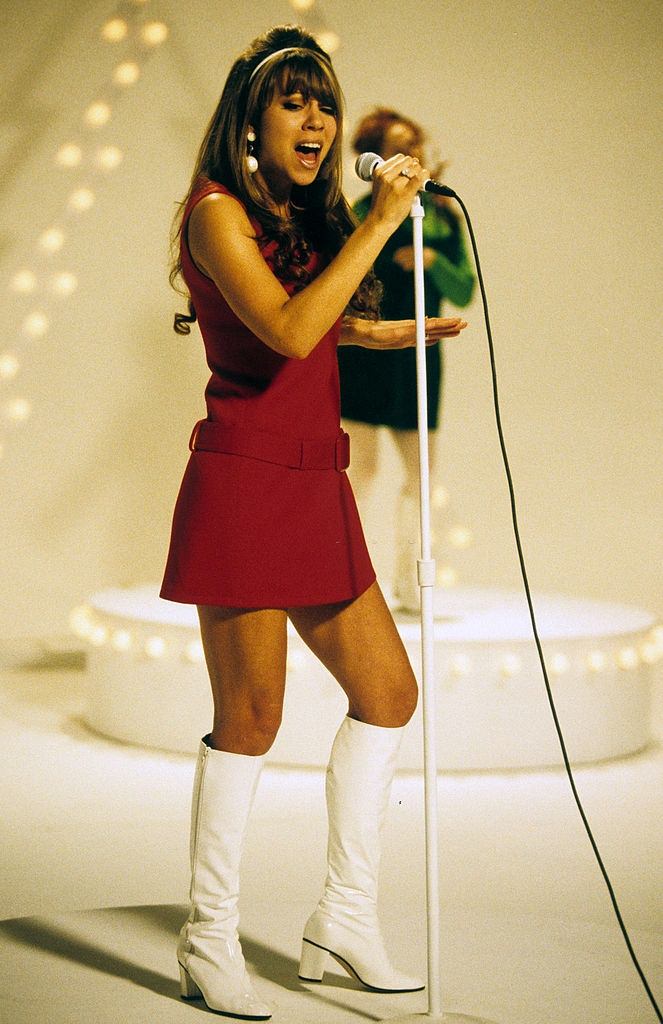
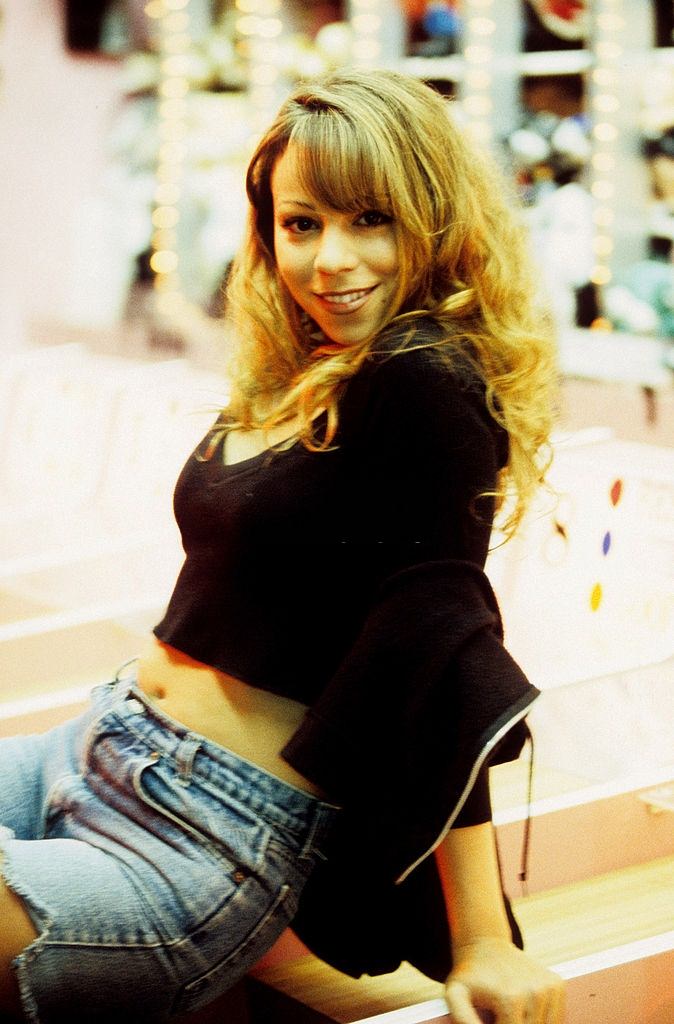
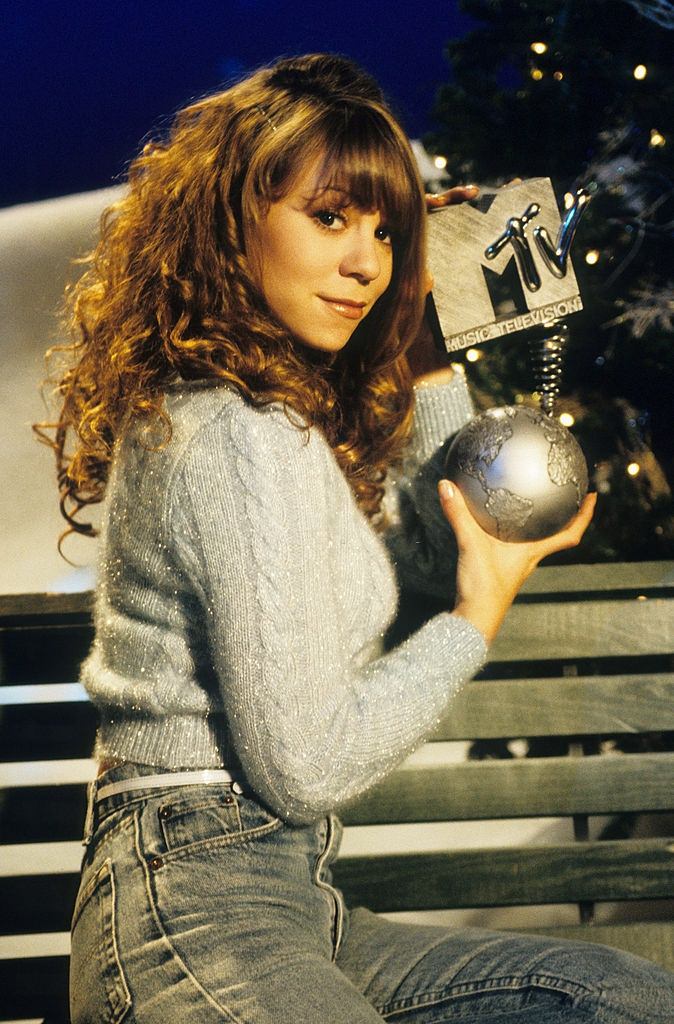
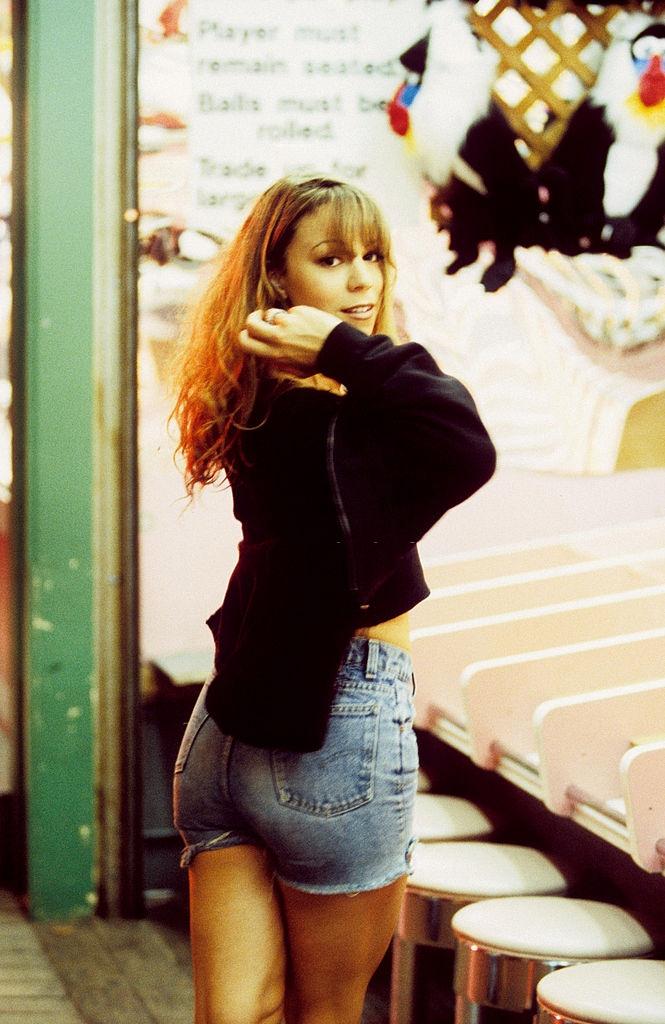
By 1993, Mariah was one of the hardest-working artists in the business. She performed at major venues including Madison Square Garden and the Rosemont Horizon, appeared on Soul Train, attended the 35th Annual Grammy Awards, and collected trophies at the American Music Awards — all within the same calendar year. She released seven albums throughout the 1990s, a pace that few artists in any era have matched.
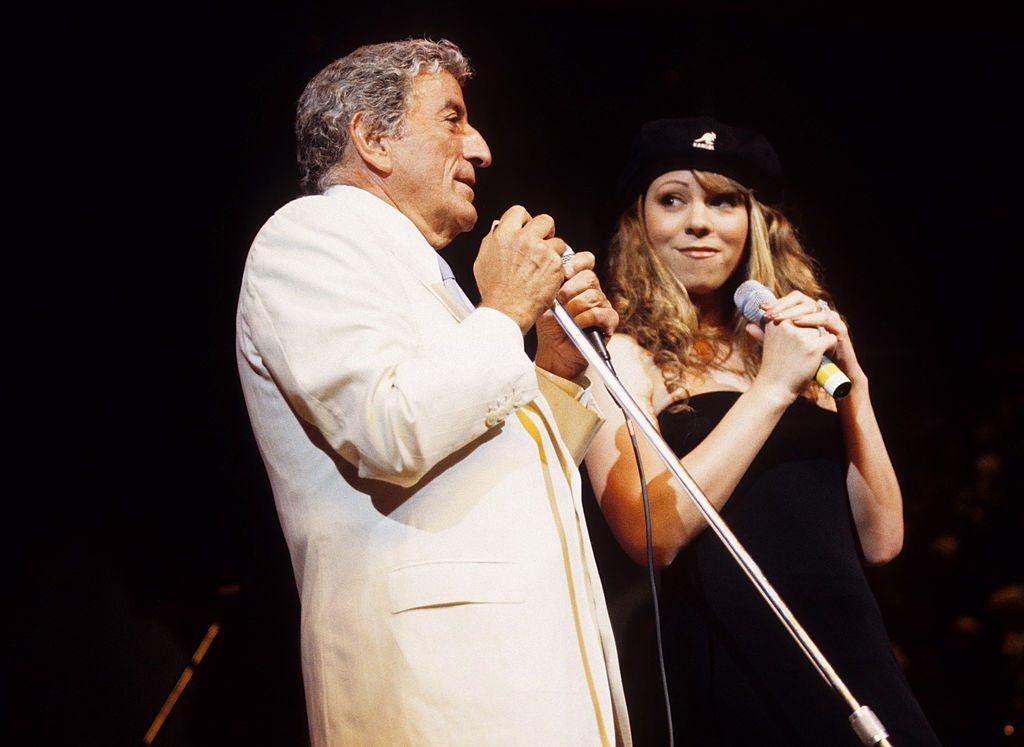
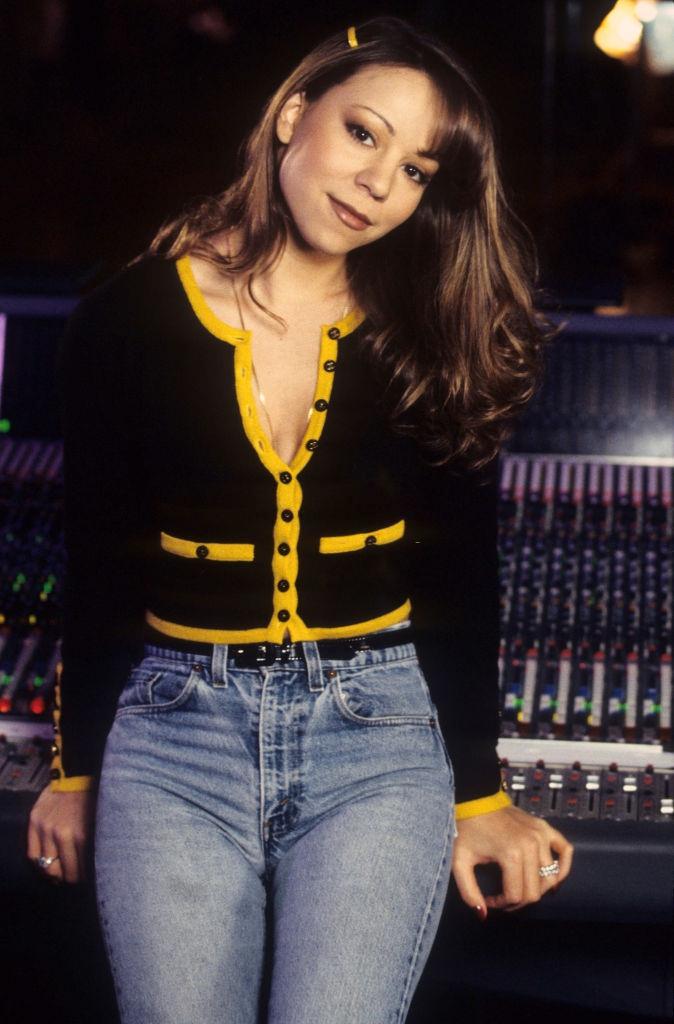
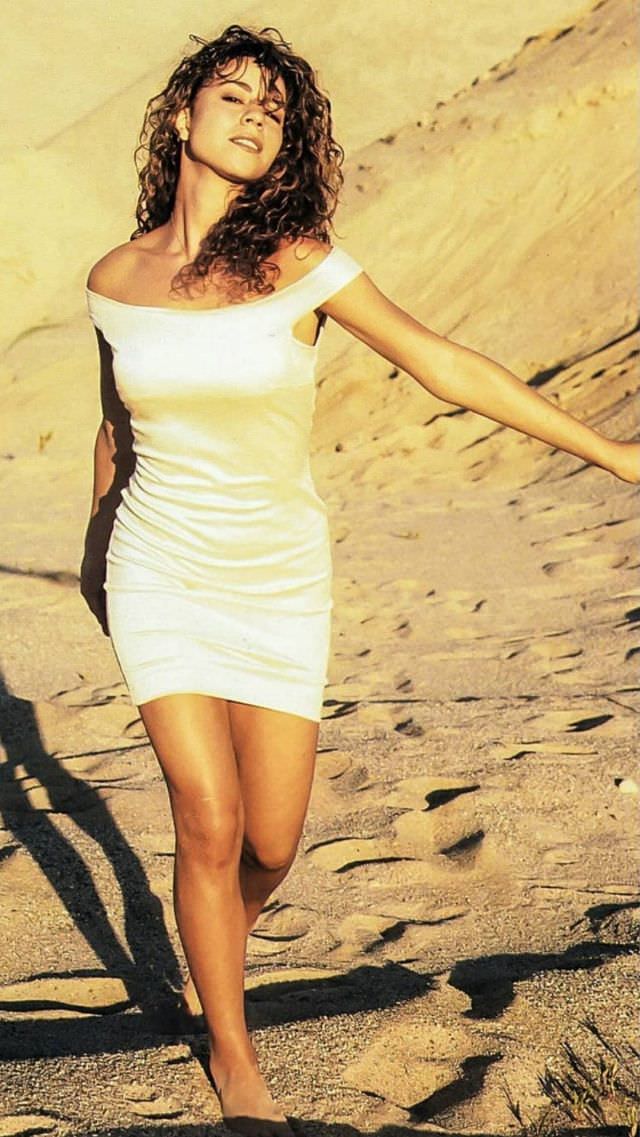
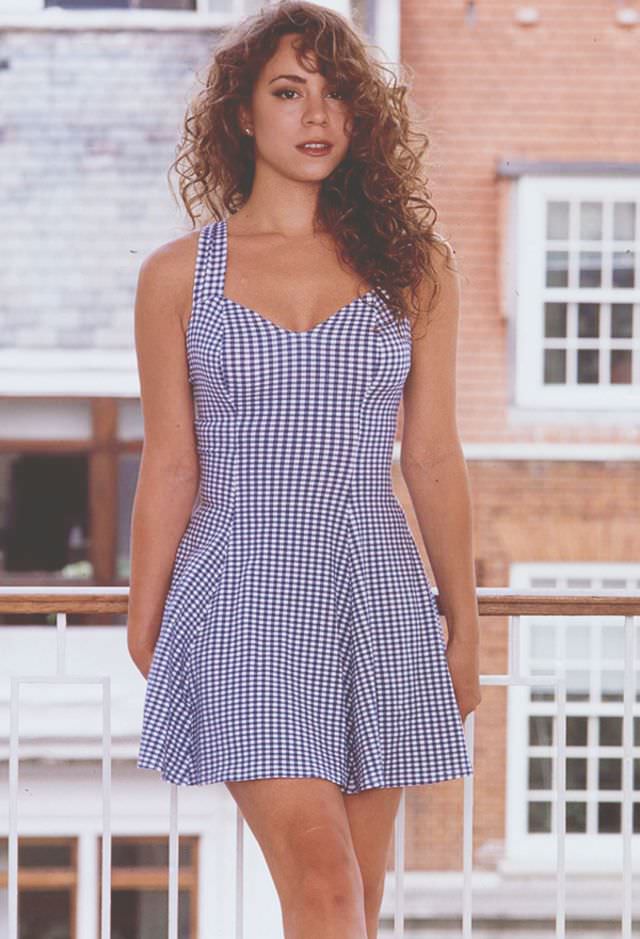
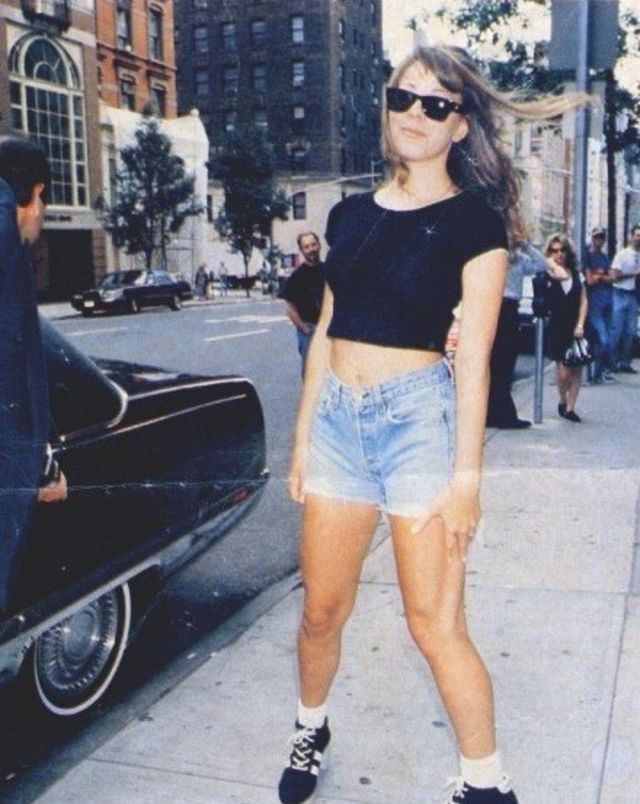
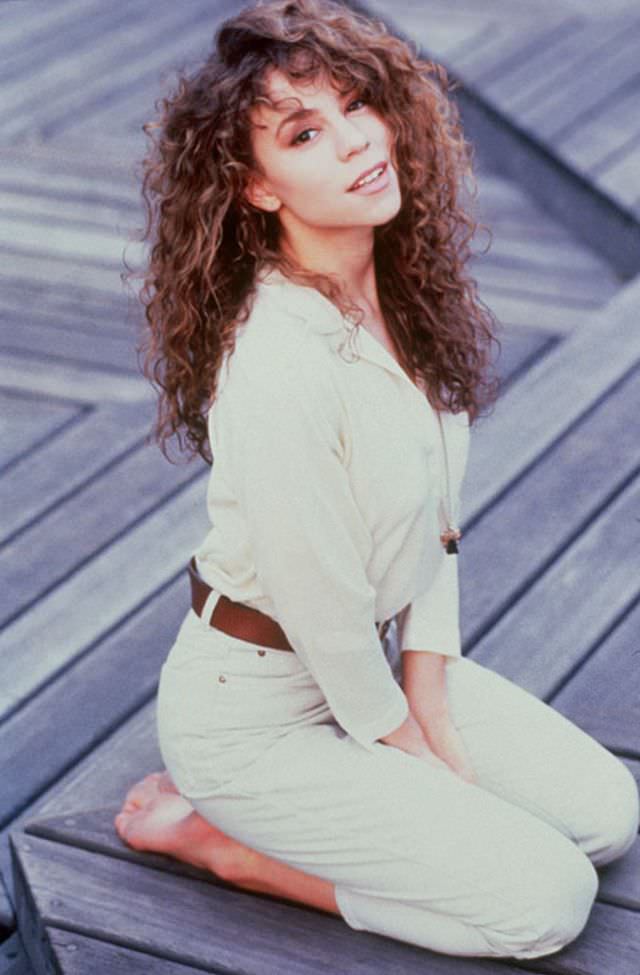

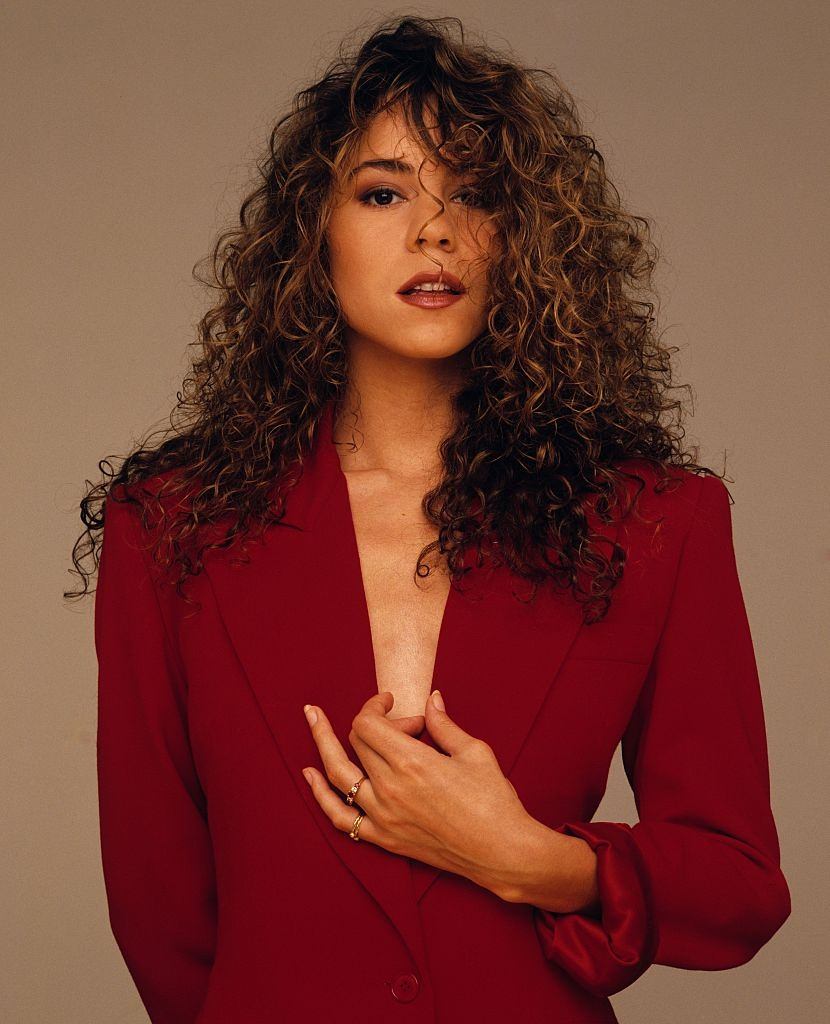
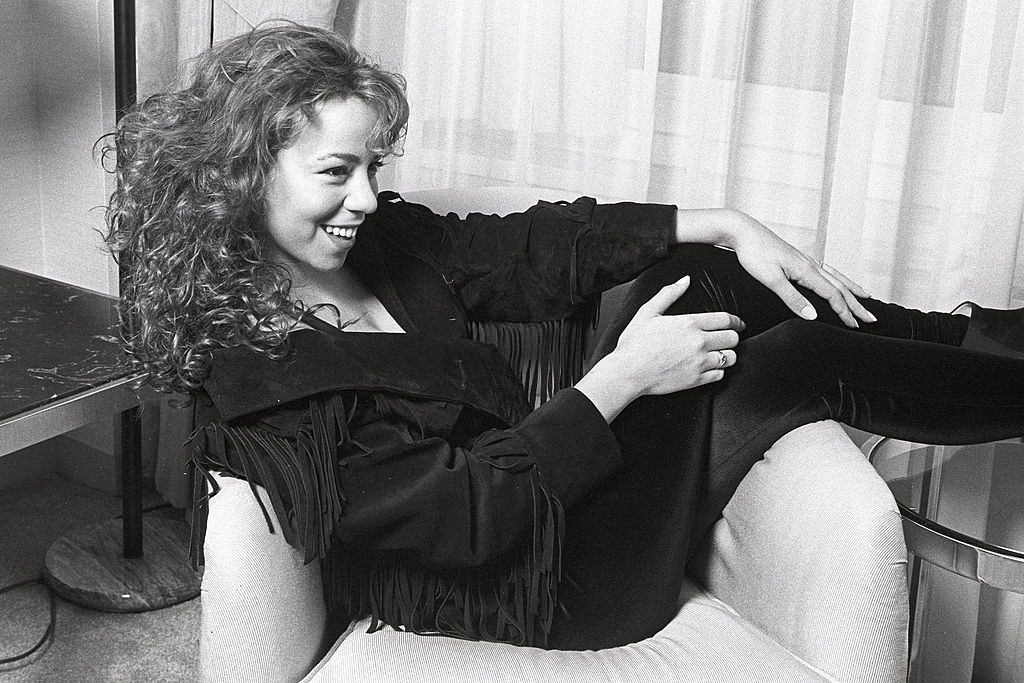
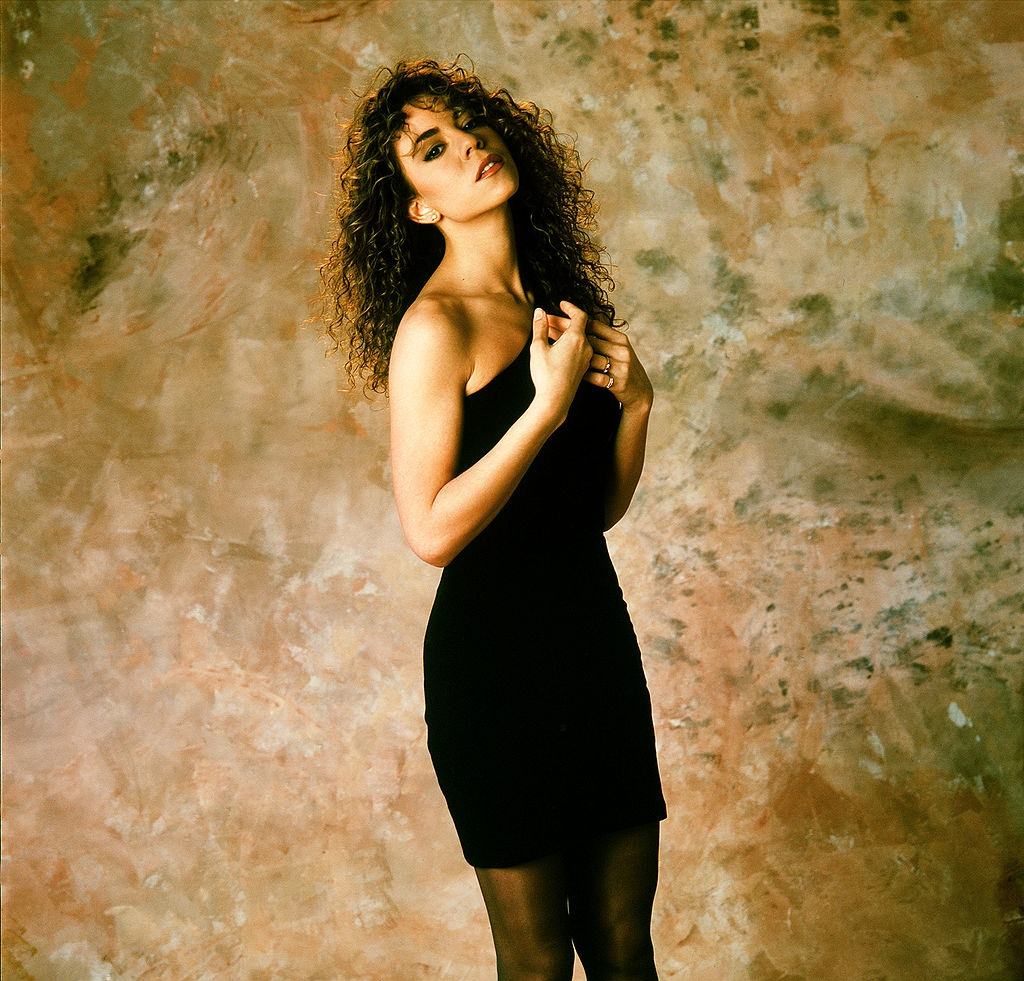
The 1980s photographs of Mariah show a young woman with an unmistakable presence, long before the world knew who she was. Walking the streets of New York City in 1984, posing for early photo shoots in the desert, and showing off her personality in candid shots — these images document the years when she was building the foundation of everything that came next.
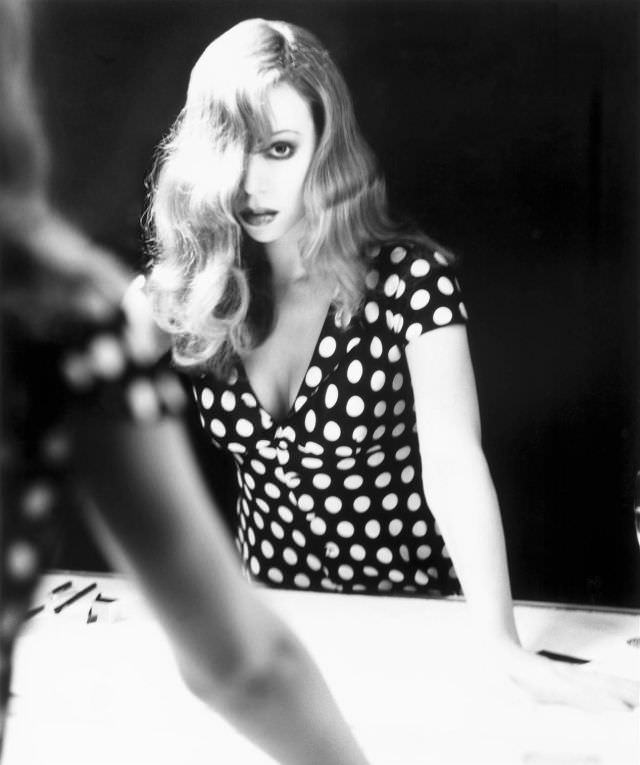
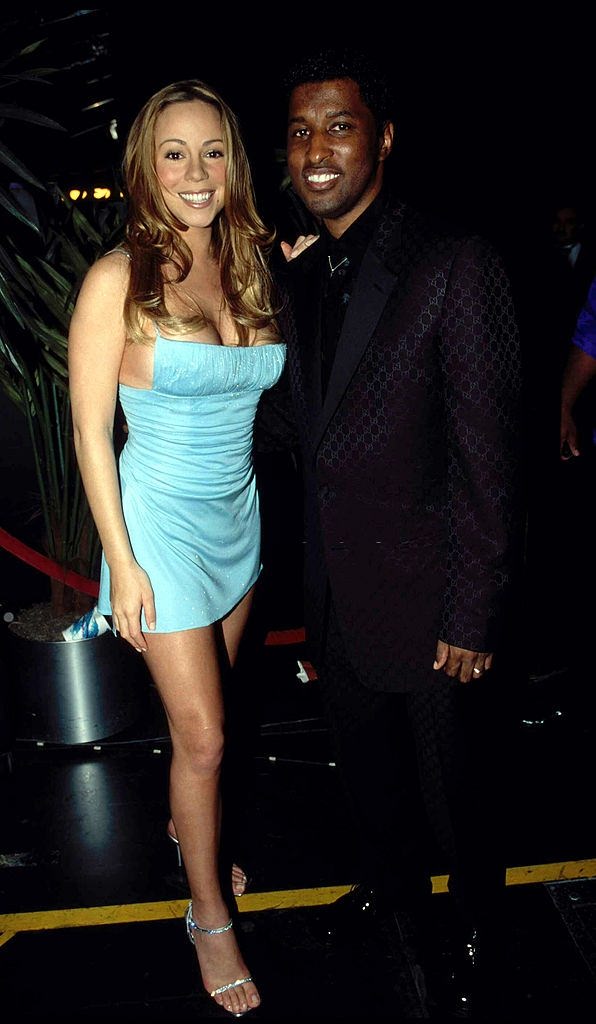
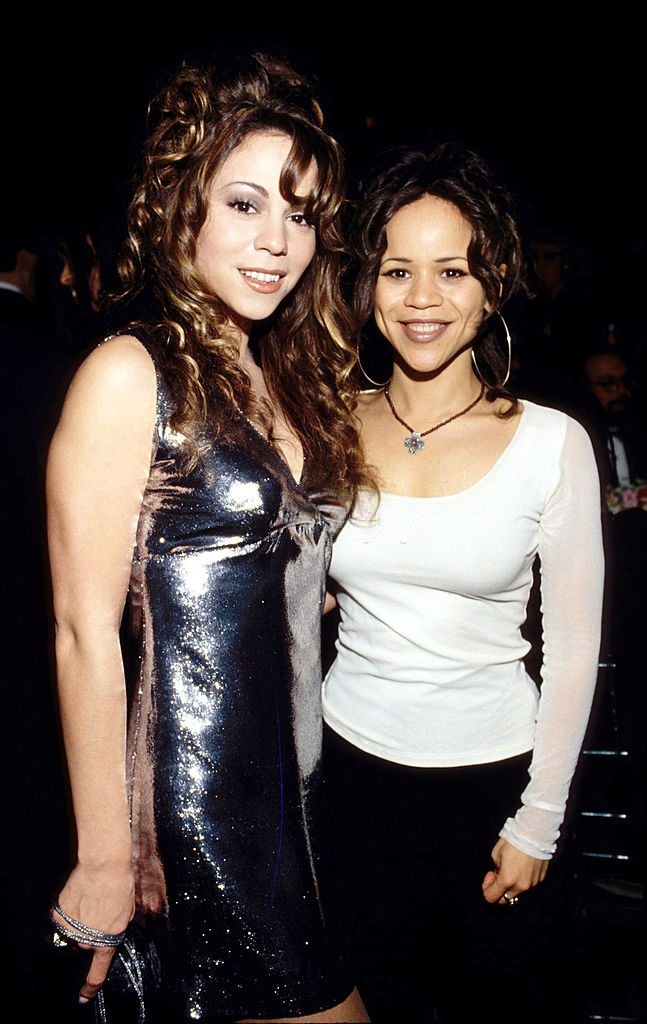
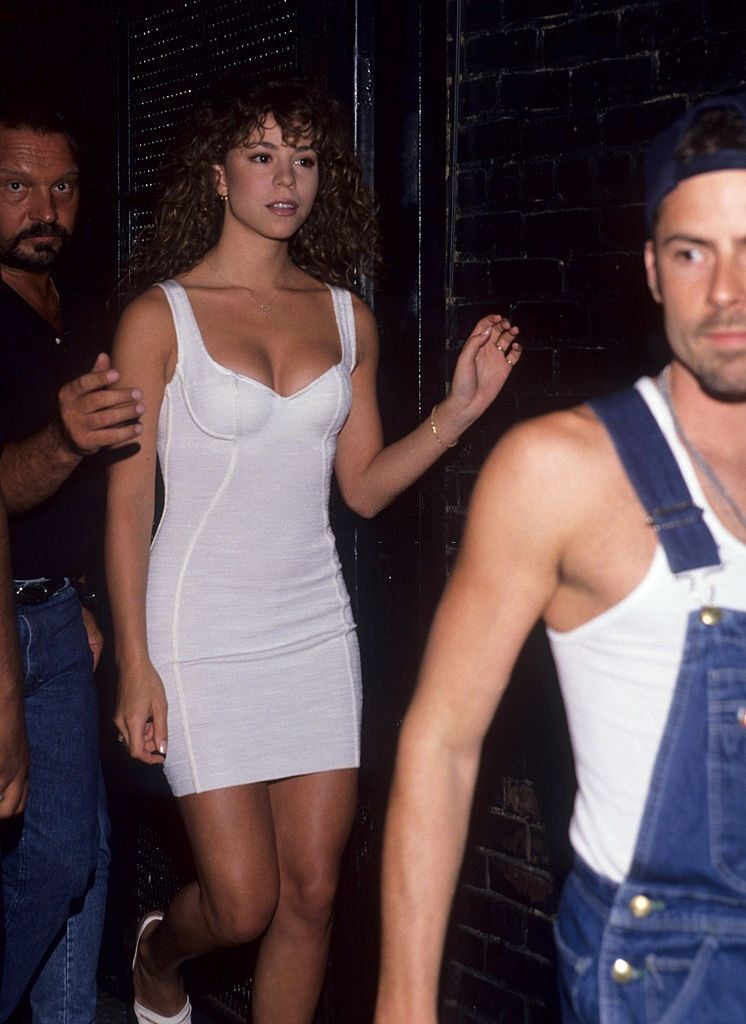
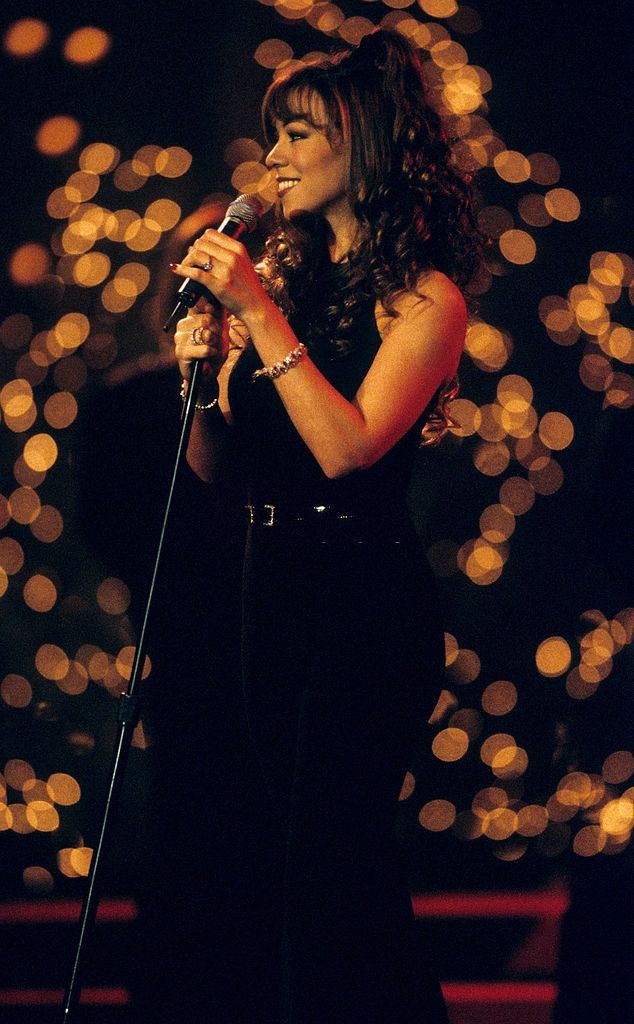
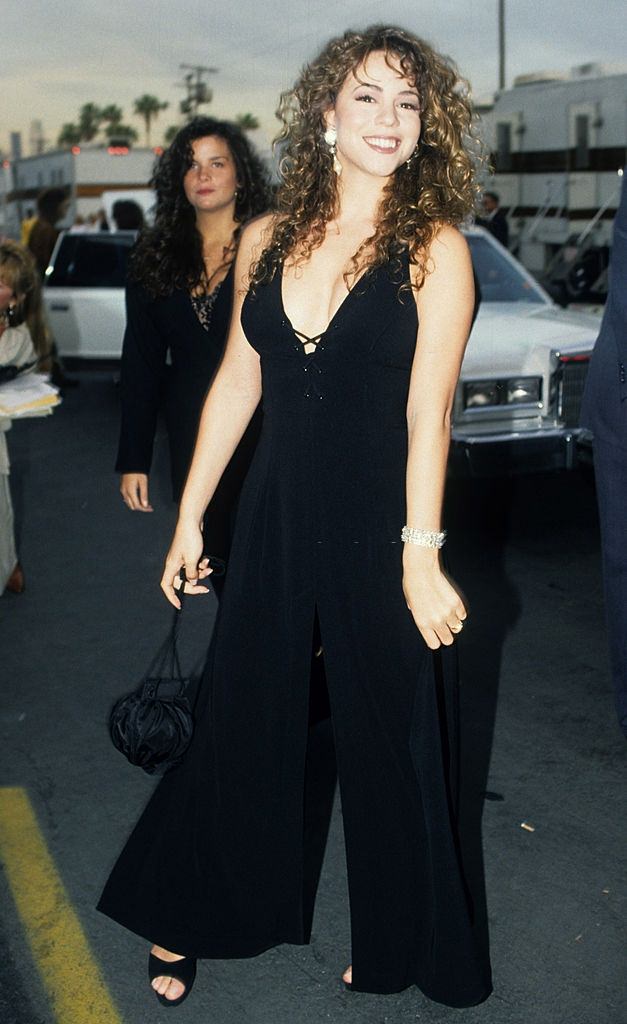
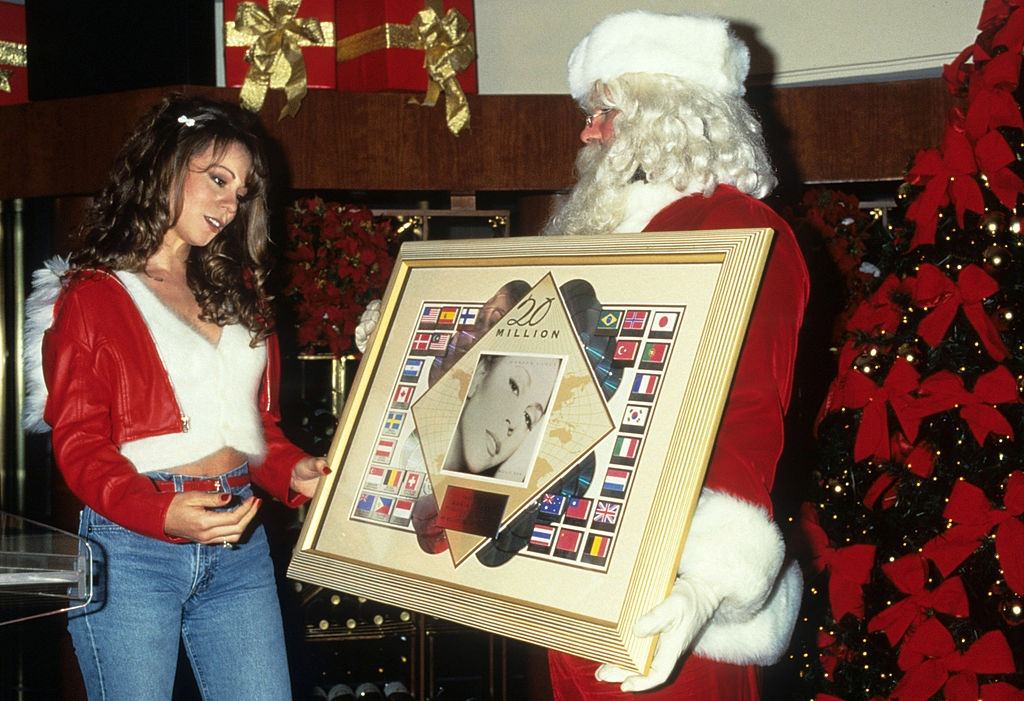
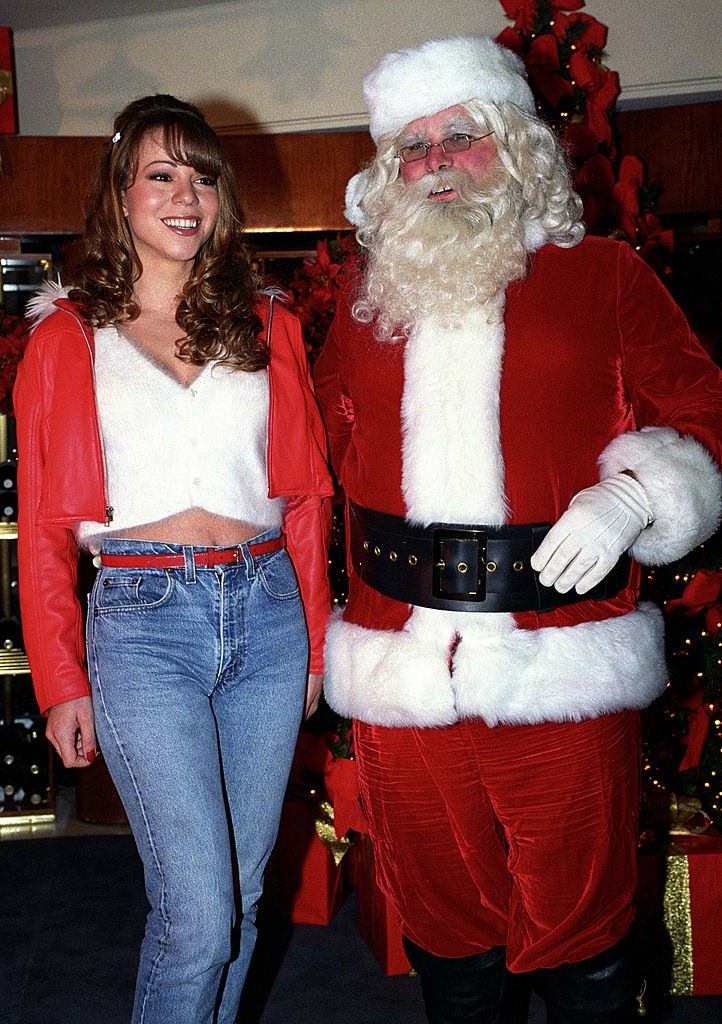
Christmas became a significant part of Mariah’s brand early on. In 1994, she released “Merry Christmas,” which became a holiday staple and one of the best-selling Christmas albums of all time. Her follow-up holiday album, “Merry Christmas II You,” released in 2010, topped the R&B/Hip-Hop charts and became a top holiday album in the United States. These photos from 1993 show her already embracing the festive spirit that would become one of her most enduring associations.
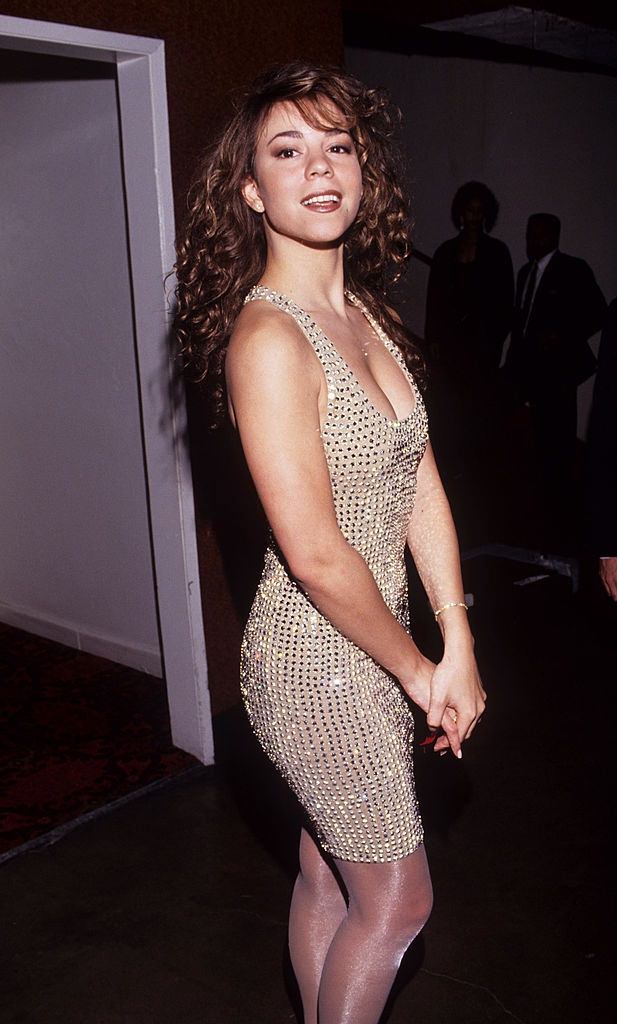
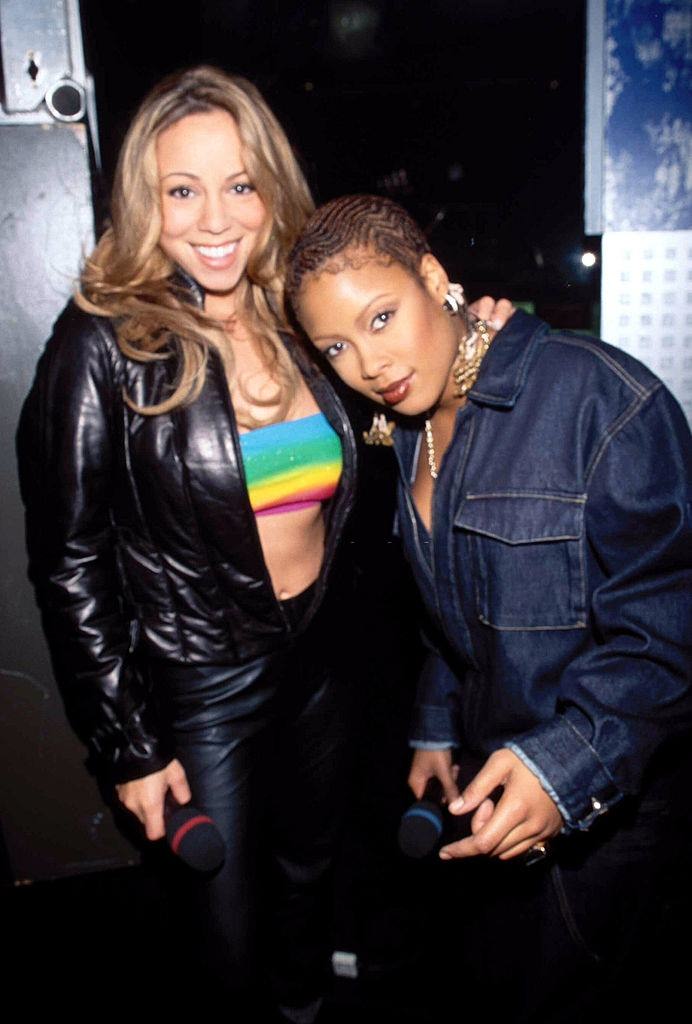
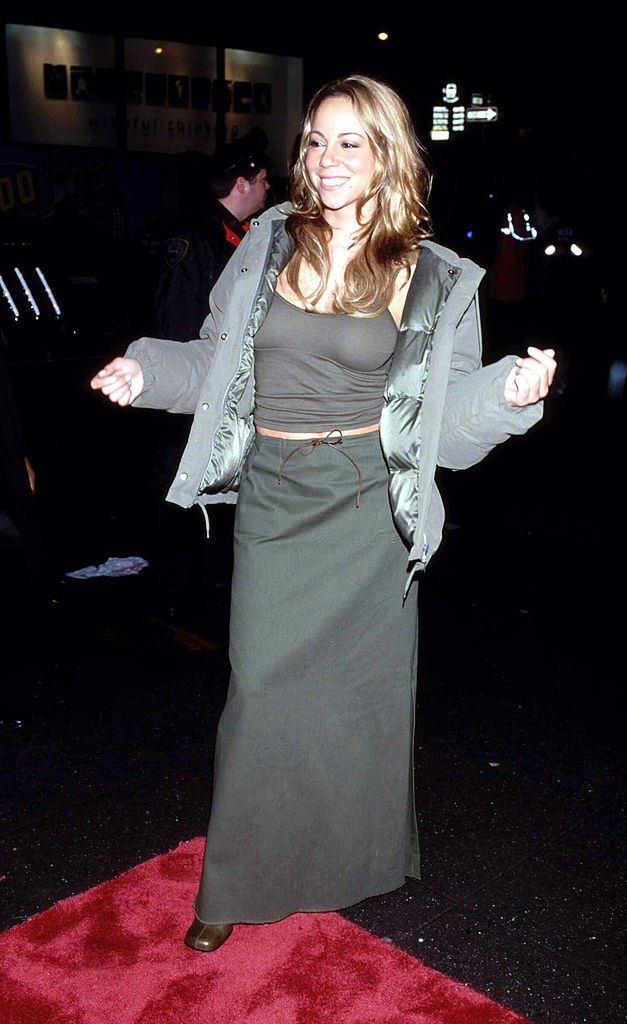
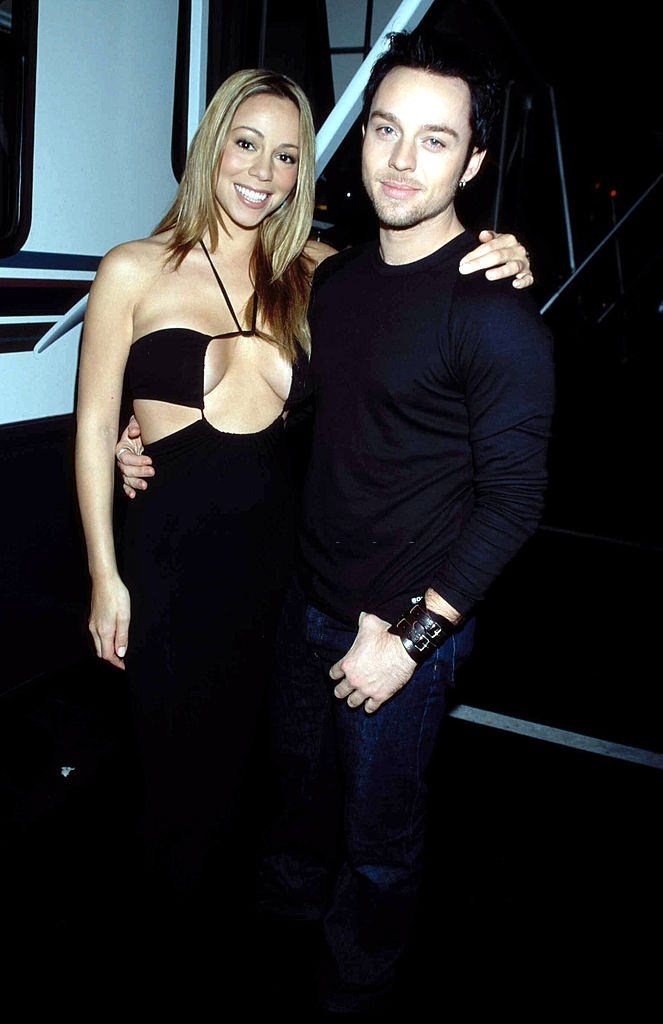
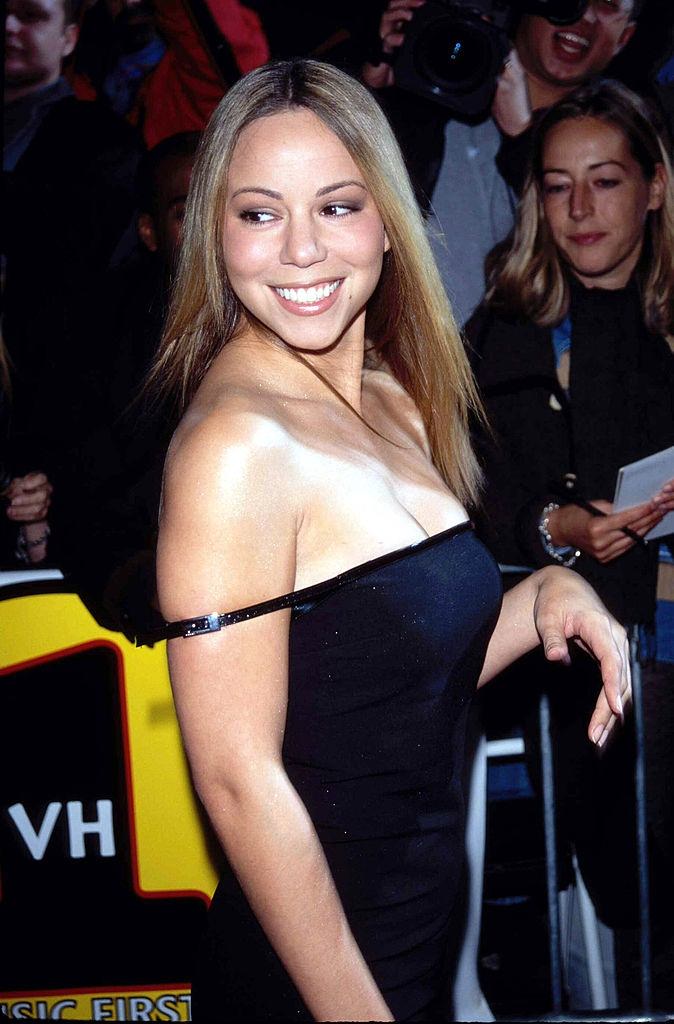
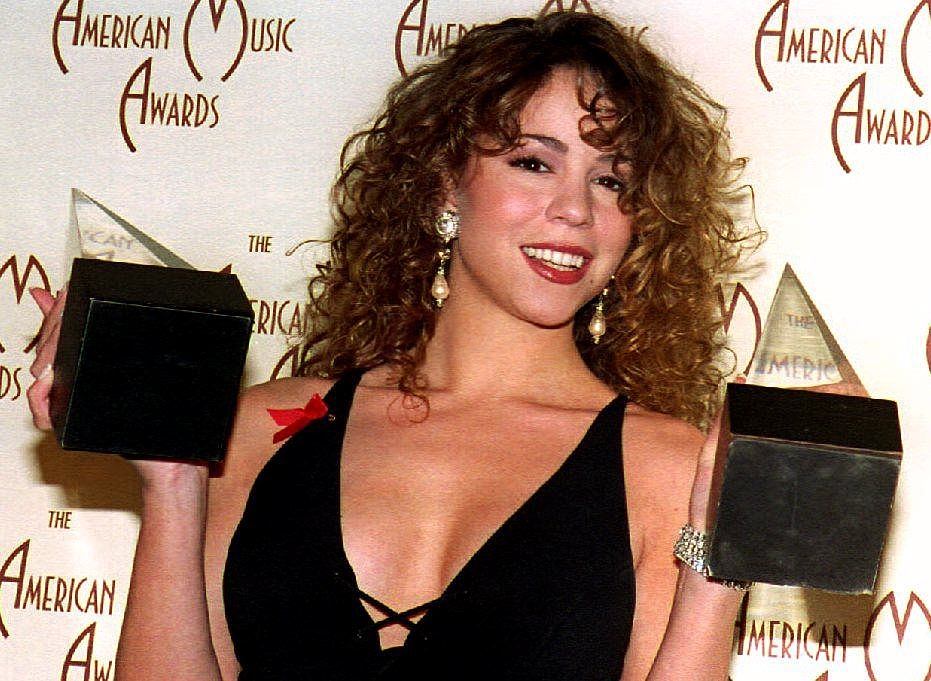
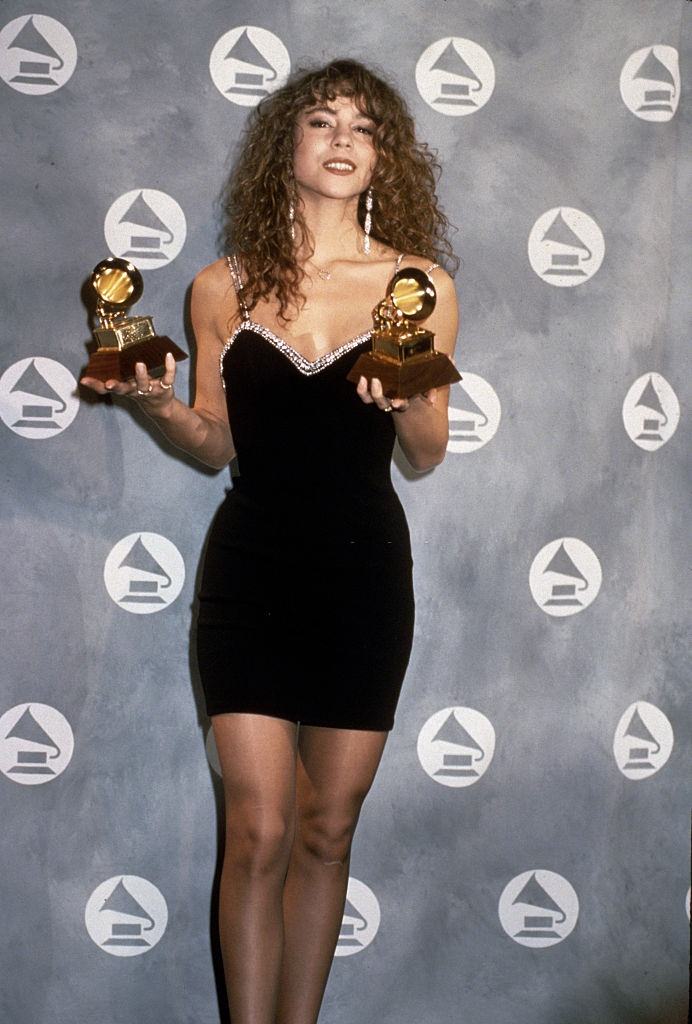
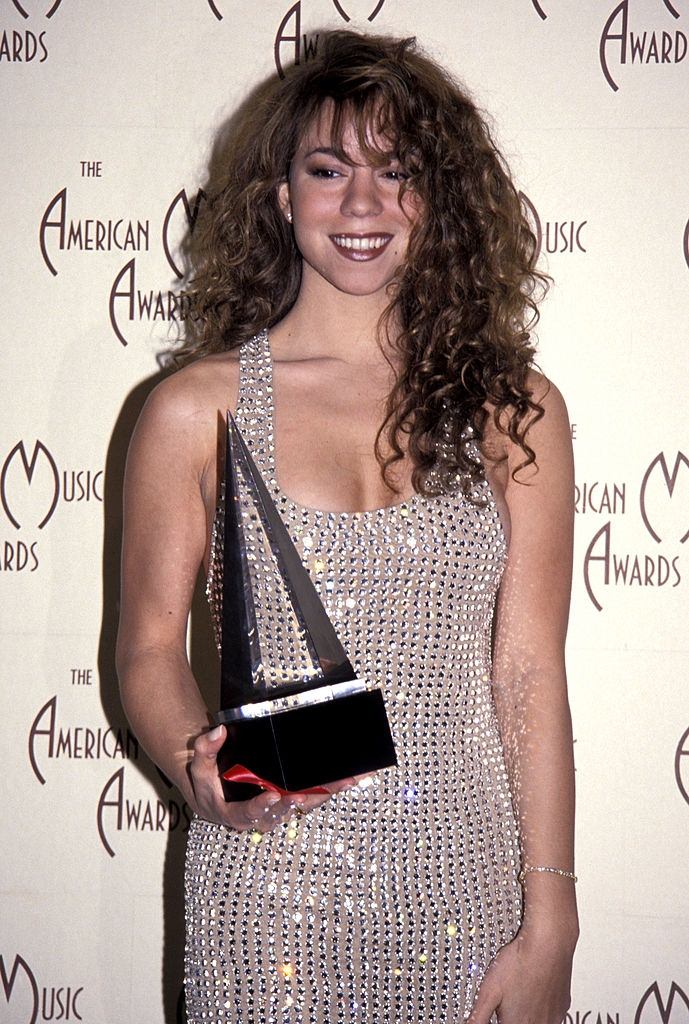
At the American Music Awards on January 25, 1993, Mariah walked out holding two trophies — a moment that captured exactly where her career stood. She was not just winning; she was dominating. Her name appeared repeatedly on award ballots across categories that ranged from pop to R&B, reflecting just how broad her reach had become in such a short time.
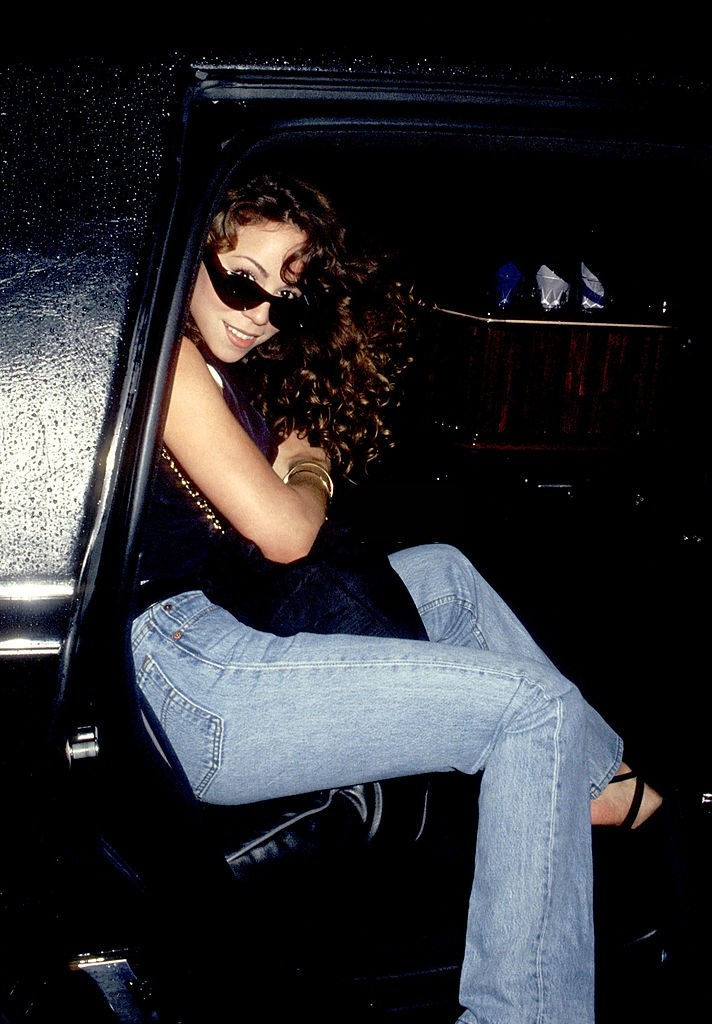
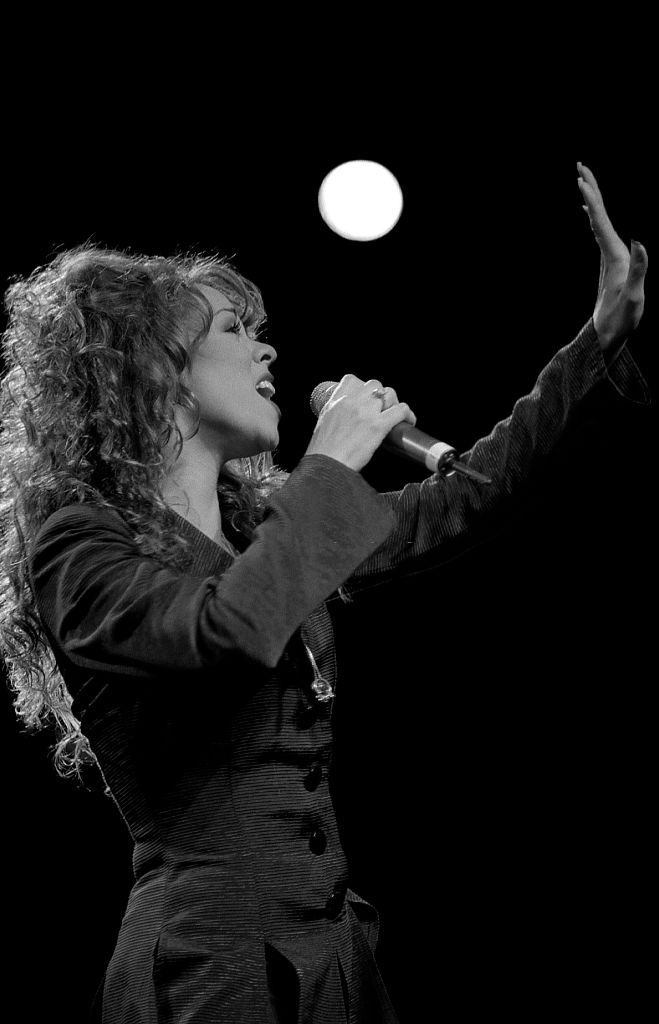
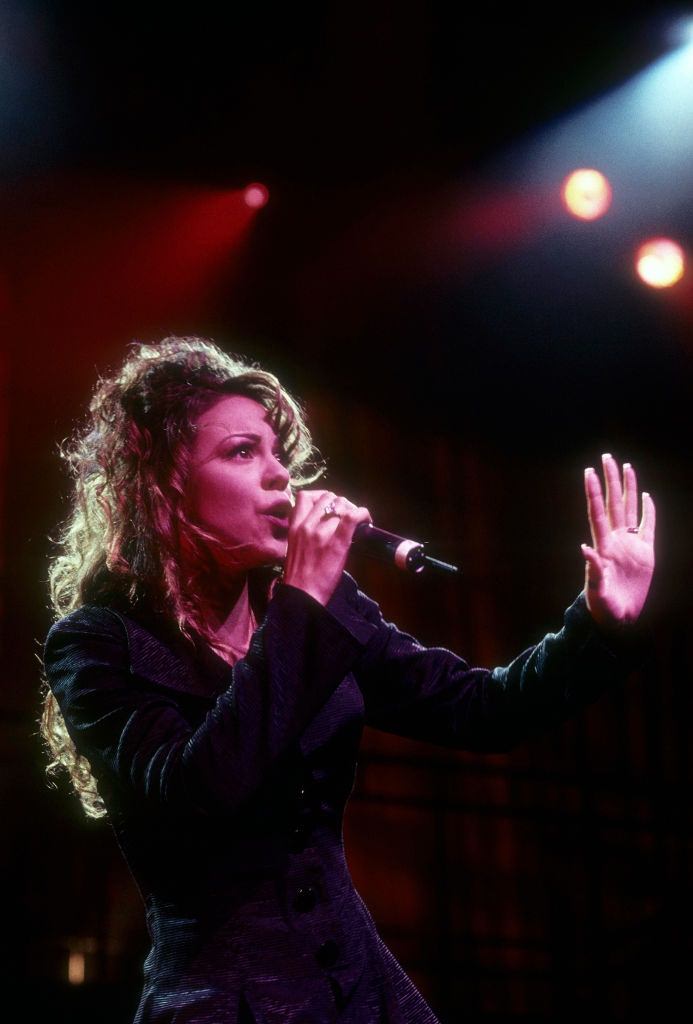
Mariah’s personal life carried its own complexity throughout these peak years. After her divorce from Mottola, she was in a three-year relationship with singer Luis Miguel from 1998 to 2001. She later dated Australian billionaire James Packer and choreographer Bryan Tanaka. In 2008, she married actor and comedian Nick Cannon. The two had twin children together before divorcing after six years of marriage.
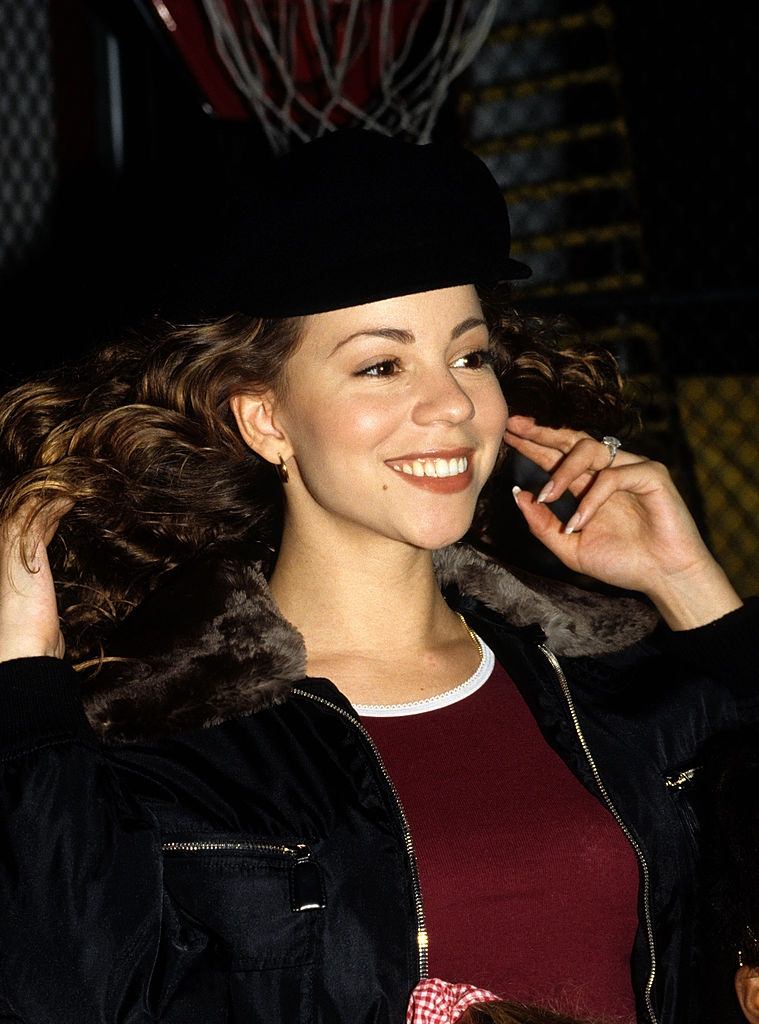
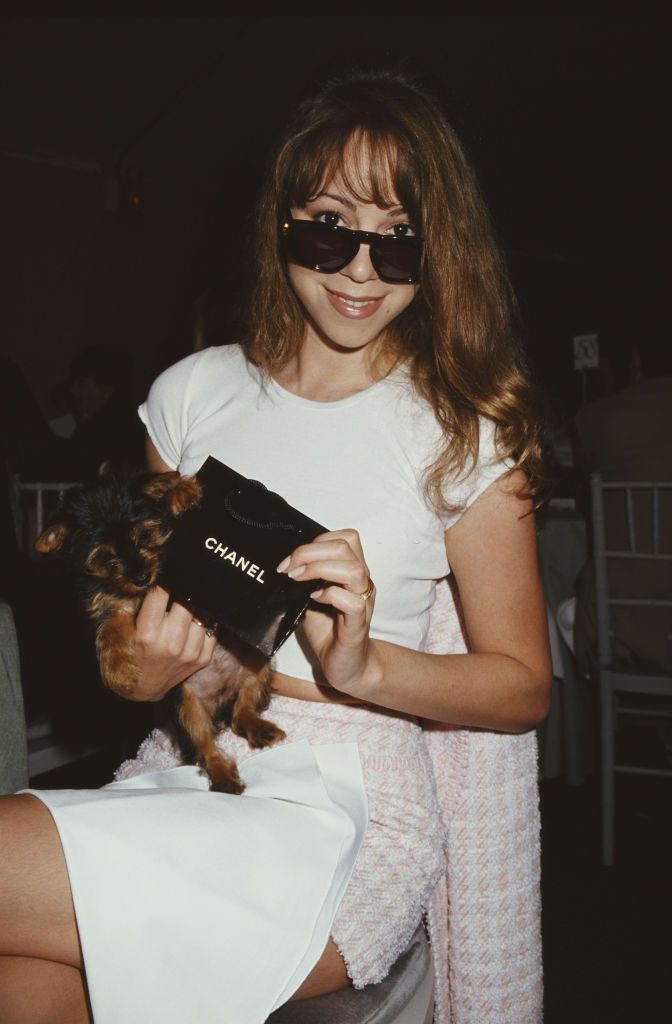
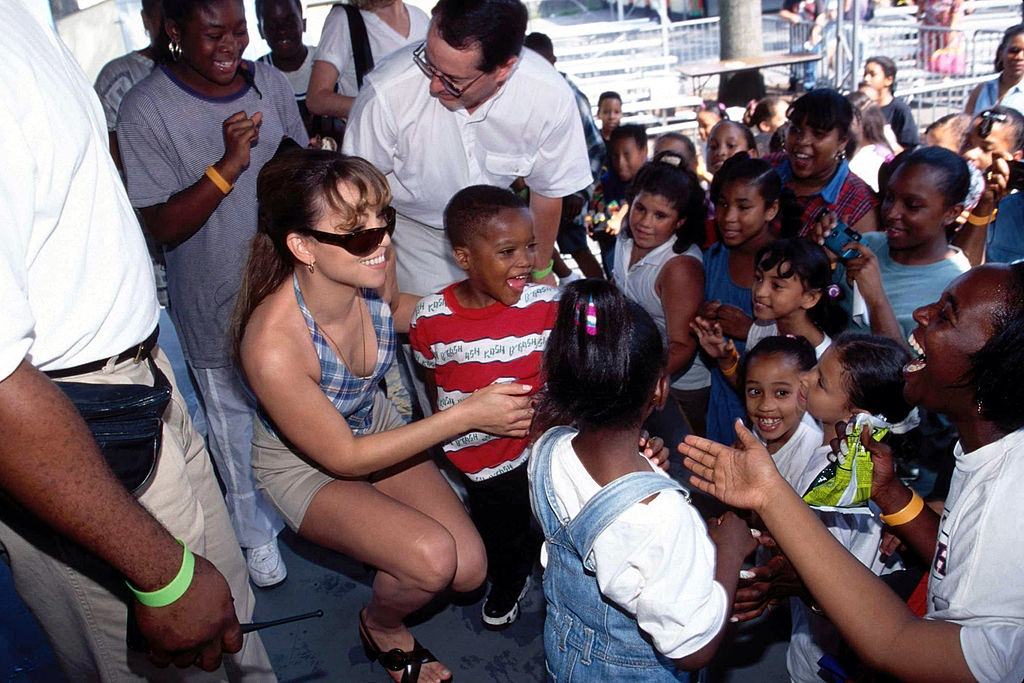
Away from the stage and the recording studio, Mariah was also showing up for charitable causes. In 1994, she attended a Chanel fashion show benefit held to raise funds for New York Hospital. She has long been a supporter of the Fresh Air Fund, a nonprofit organization that provides free summer vacations to children from low-income urban families. Her 2020 memoir, “The Meaning of Mariah Carey,” gave readers a detailed look at the personal struggles behind the public success.
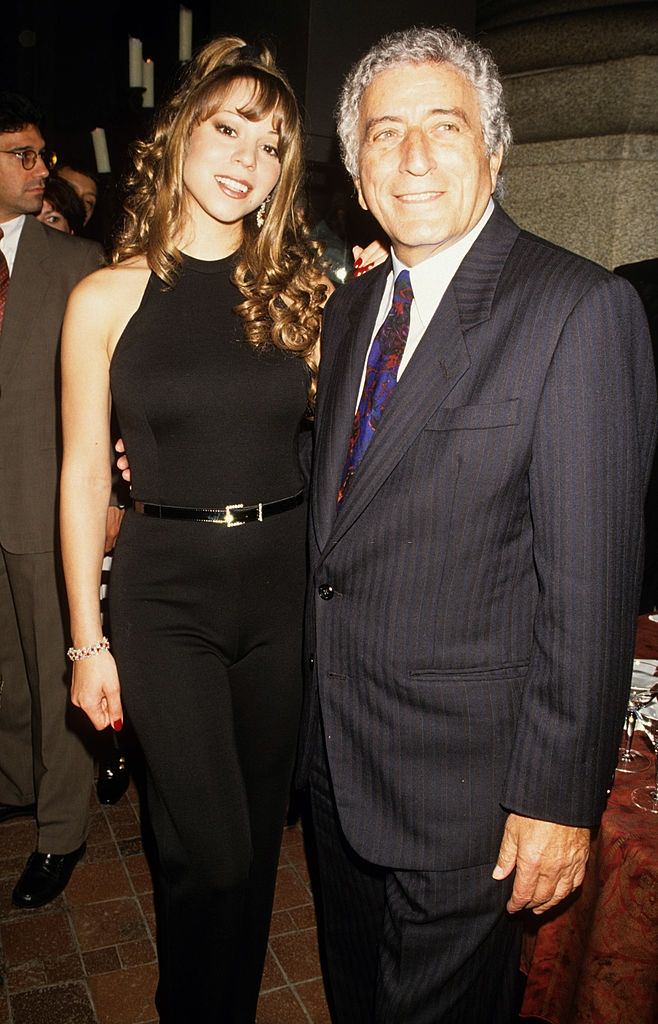
Mariah made her acting debut in 2001 with “Glitter,” a musical drama about a young woman who becomes a pop star after meeting a DJ. Critics panned the film and her performance, and it flopped at the box office. She stepped away from acting for nearly a decade, then returned in 2009 with a dramatic turn in the film “Precious,” playing a social worker. The role earned her the Breakthrough Actress Performance Award at the Palm Springs International Film Festival. She went on to appear in “The Butler” (2013), “A Christmas Melody” (2015), and “The Lego Batman Movie” (2017).
In 2018, Mariah released her fifteenth studio album, “Caution,” drawing strong reviews and reminding listeners that her voice and her drive remained very much intact. The album was a stripped-back, mature work — a sharp contrast to the glossy pop productions of her early years, but just as deliberate in its execution. From a six-year-old performing for the first time to a fifteen-album career spanning decades, the arc of Mariah Carey’s life in music remains one of the most remarkable in the industry.