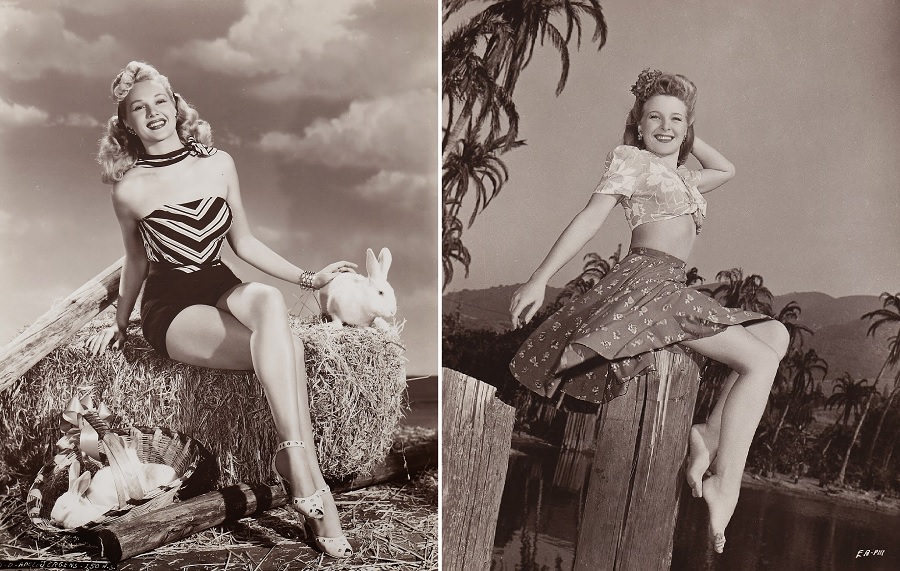
Marisa Berenson was born into a world where fashion and art were not just hobbies — they were family business. Her grandmother was Elsa Schiaparelli, the Italian designer who shook up the fashion world in the 1930s with surrealist, boundary-pushing designs that made her one of the most talked-about names in couture. Schiaparelli also had Medici lineage, tying the family to one of Renaissance Italy’s most powerful dynasties. Marisa carried that heritage into everything she did — her look, her career, and her sense of style.
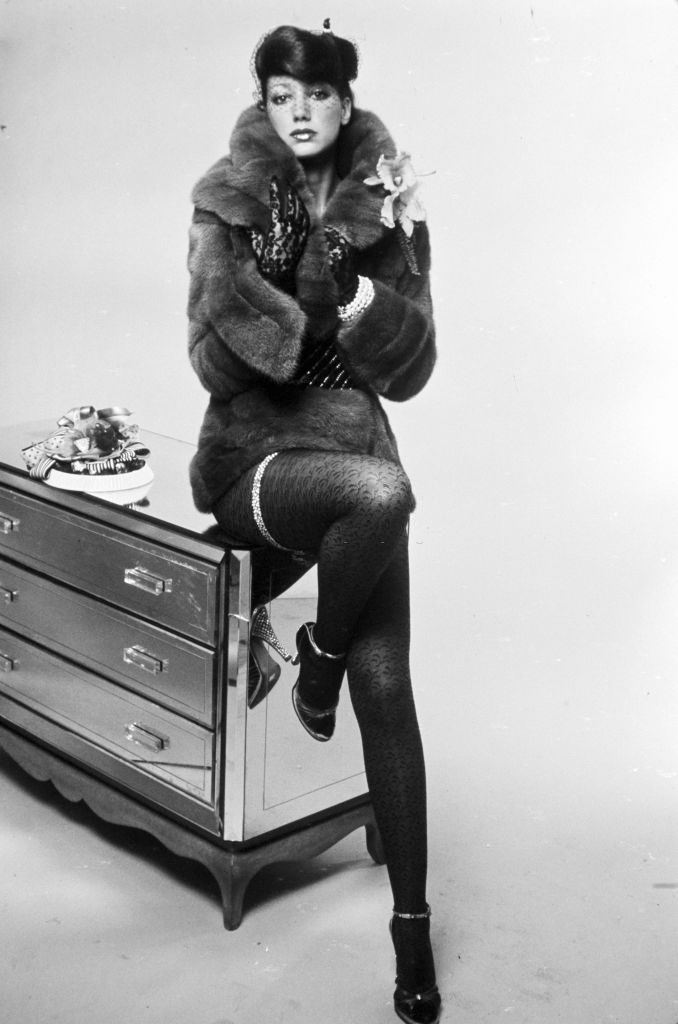
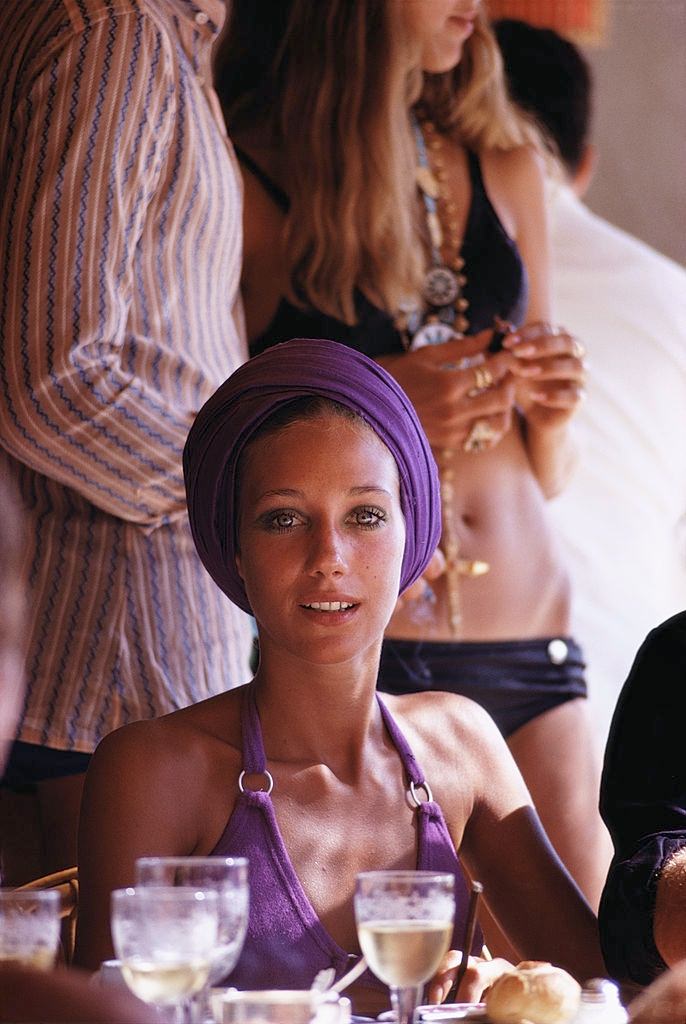
Marisa started modeling at sixteen, landing work with Vogue almost immediately. By the mid-1960s, she was among the highest-paid models in the world. Vogue featured her repeatedly throughout the late 1960s and into the early 1970s, and her face became one of the most recognizable in the industry. But her presence extended far beyond the pages of a magazine. As a teenager, she was a regular at nightclubs and high-society events in New York and Europe. That visibility earned her the nickname “Queen of the Scene” — a title that fit. She wasn’t just photographed; she was sought out.
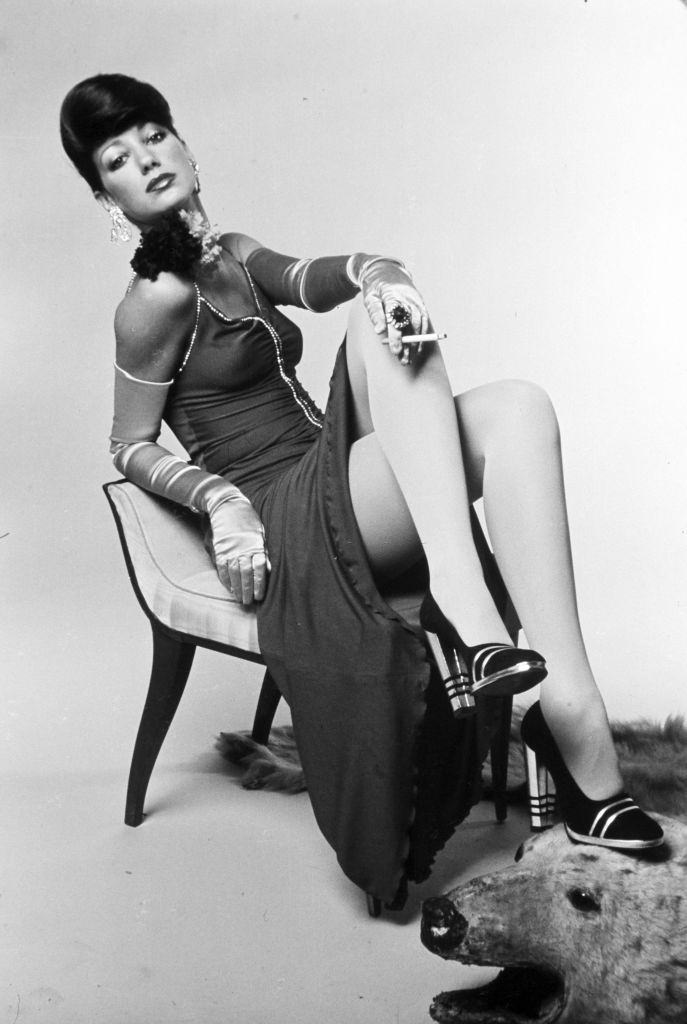
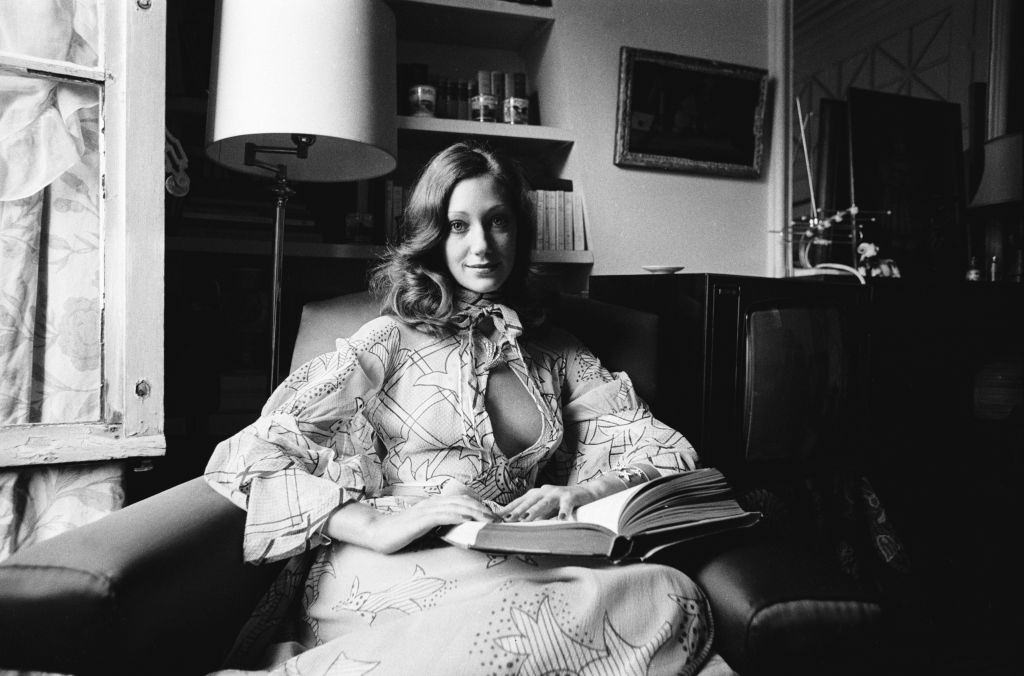
The early 1970s were a particularly active period for Berenson. She was appearing in major Vogue fashion layouts, attending parties across Paris and New York, and beginning to explore acting. The social world she moved through was glittering — designers, artists, photographers, and celebrities all orbited the same spaces she did.
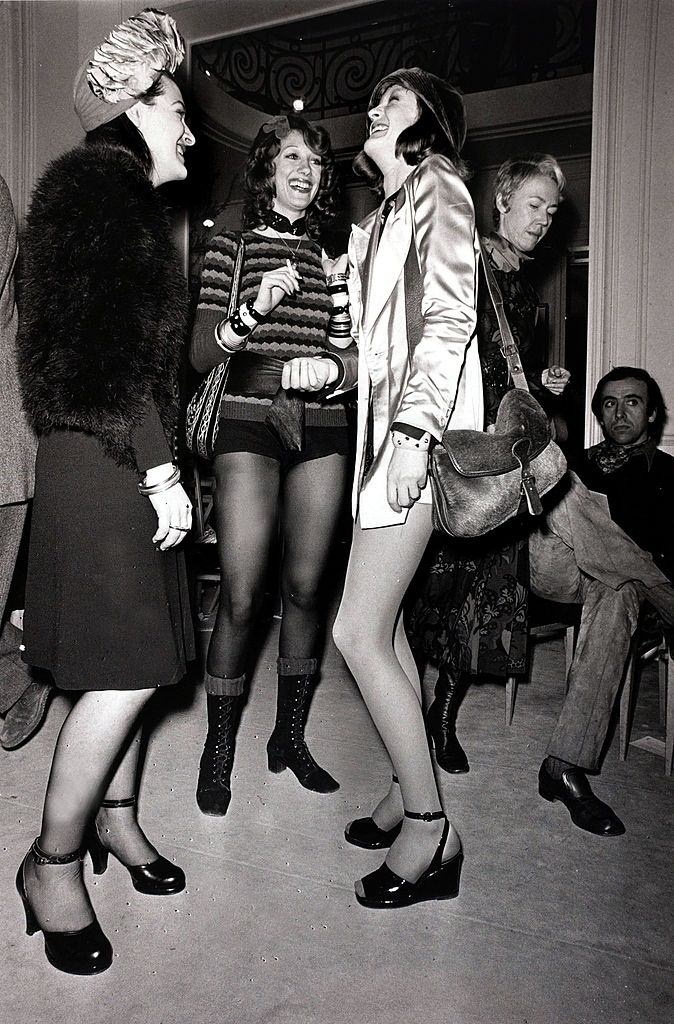
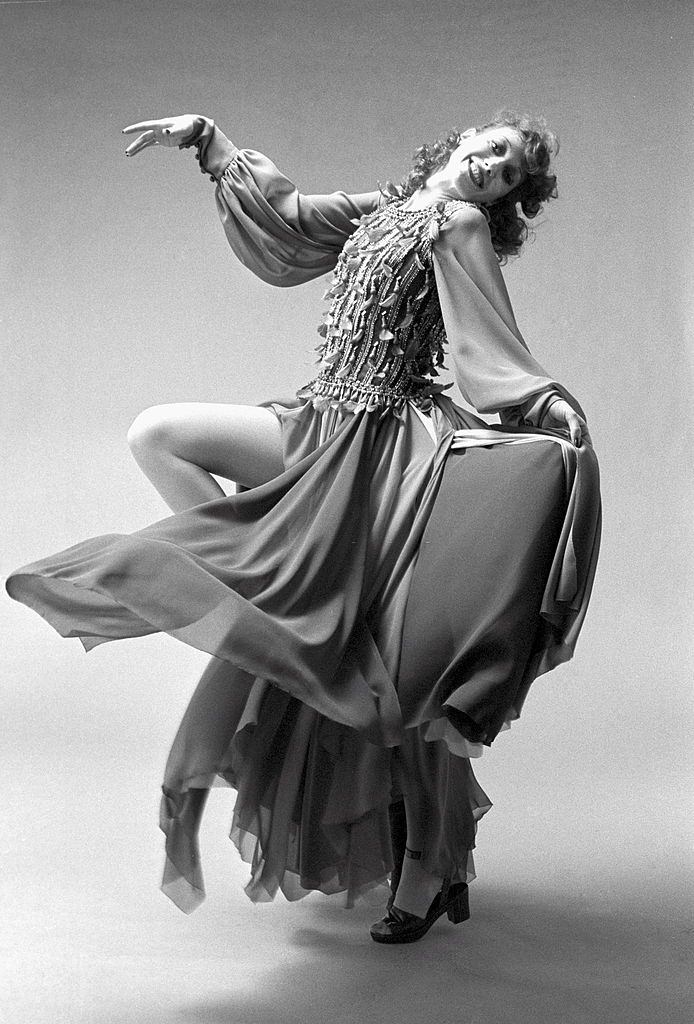
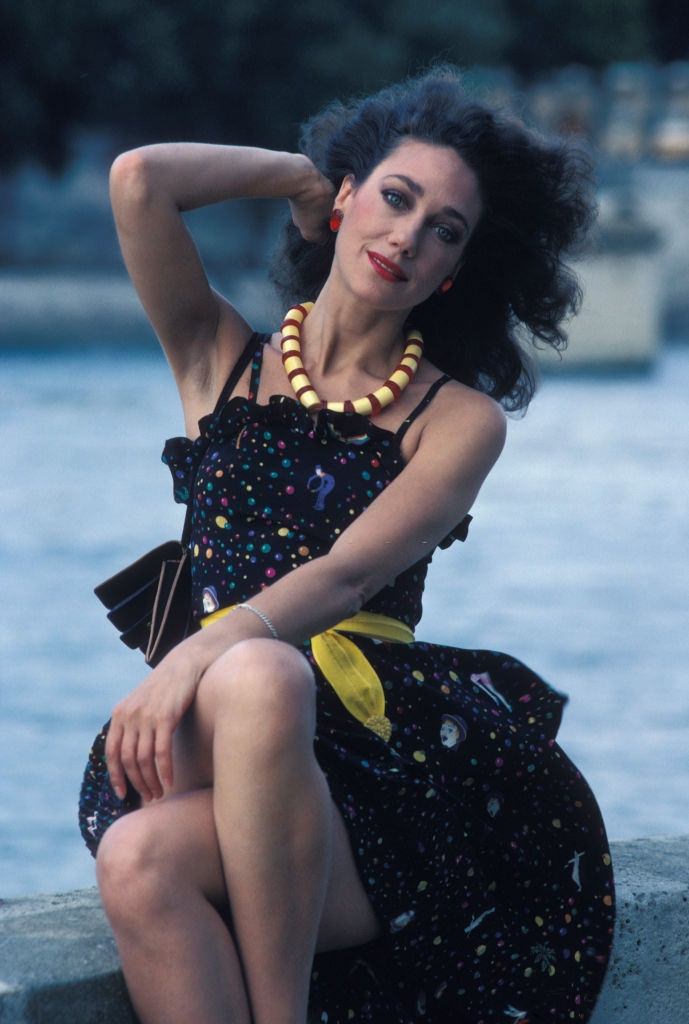
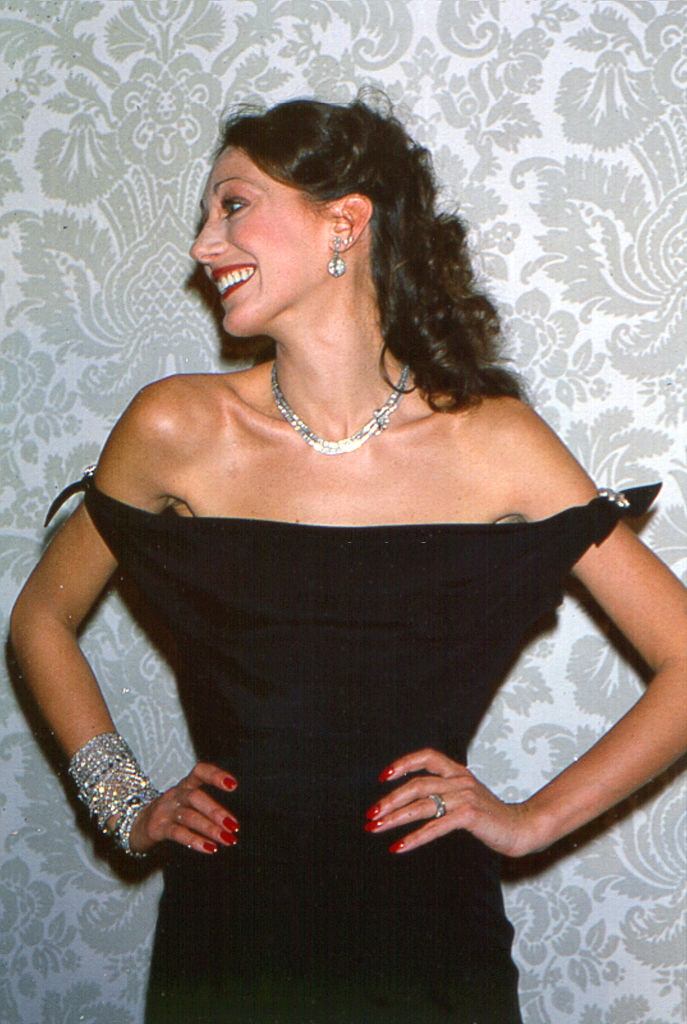
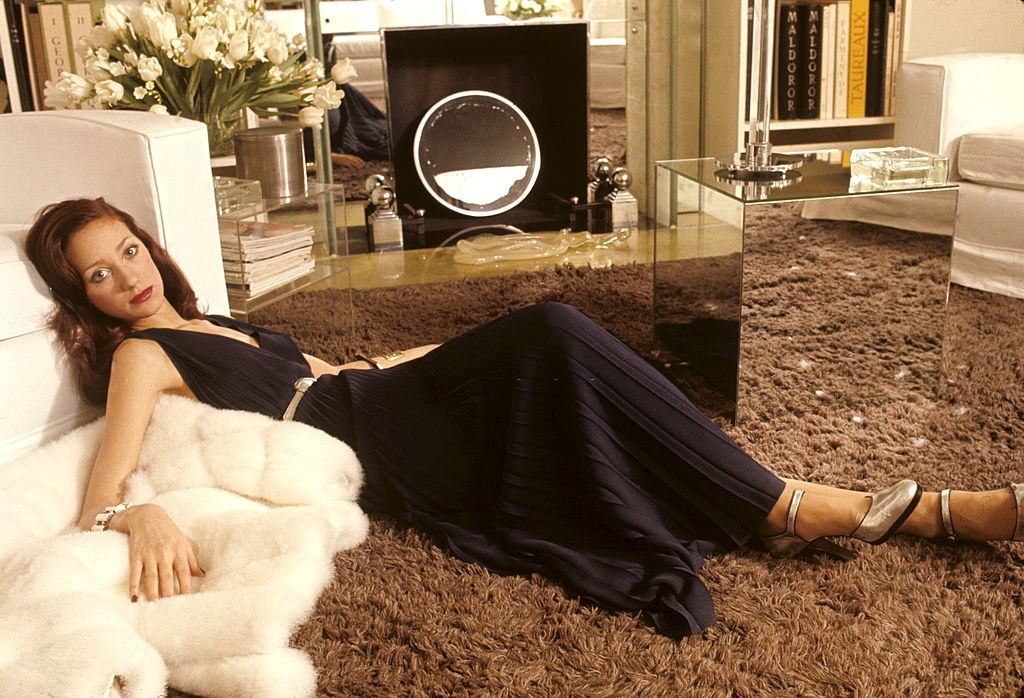
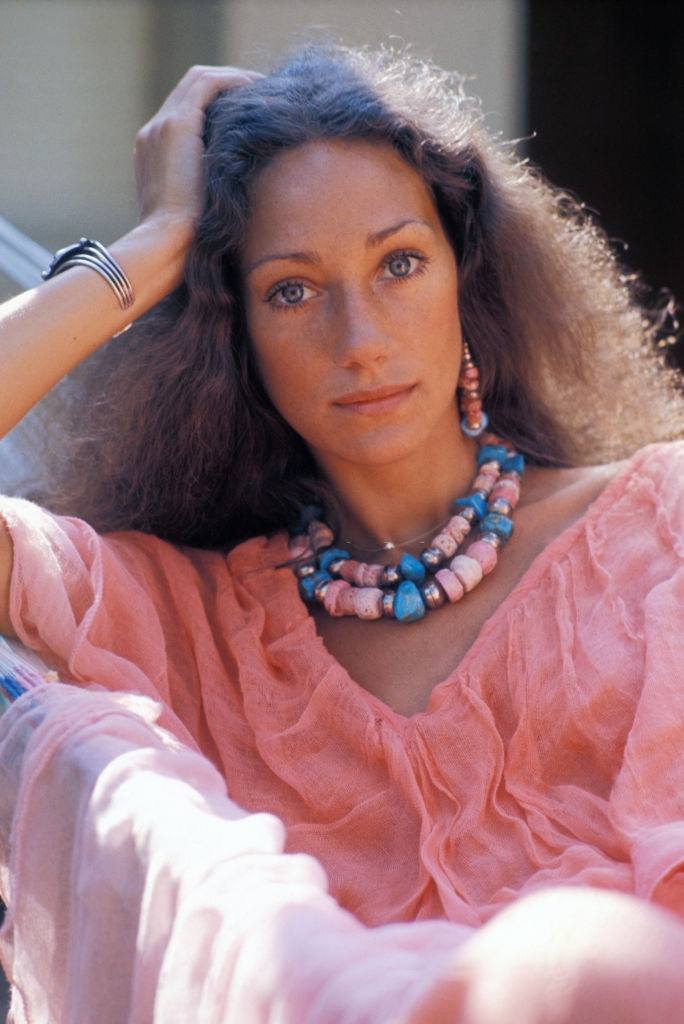
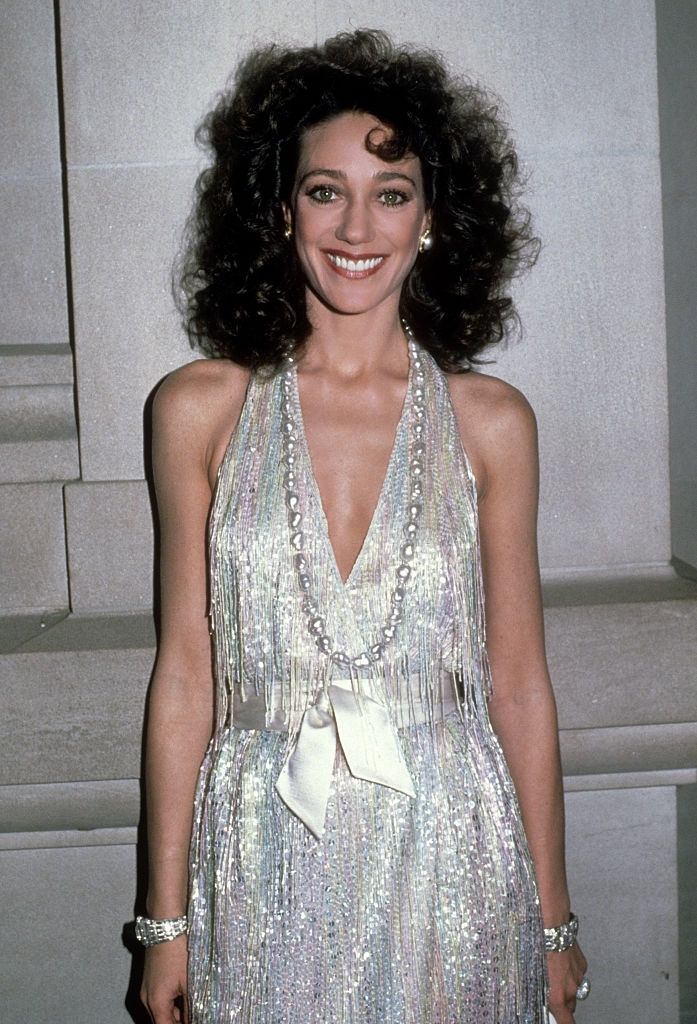
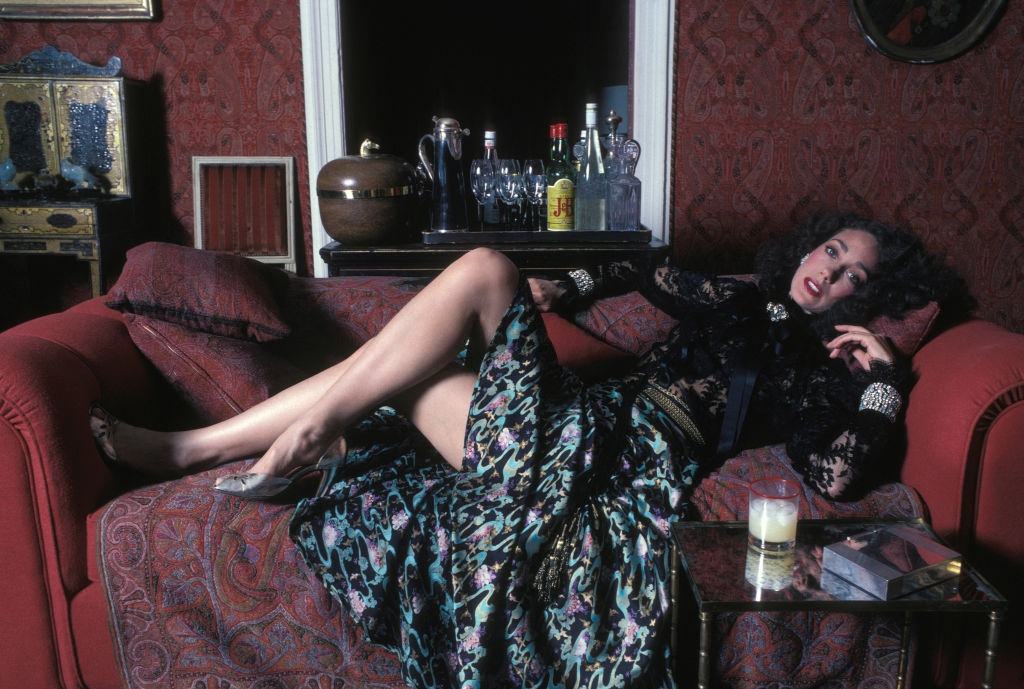
Her fashion work during this period showed real range. From dramatic Chloé mink jackets and rhinestone garter tights to petal-skirted dresses in tricolor muslin, Berenson could wear nearly anything and make it look effortless. She dressed for spectacle without losing elegance — a quality that photographers and designers valued enormously.
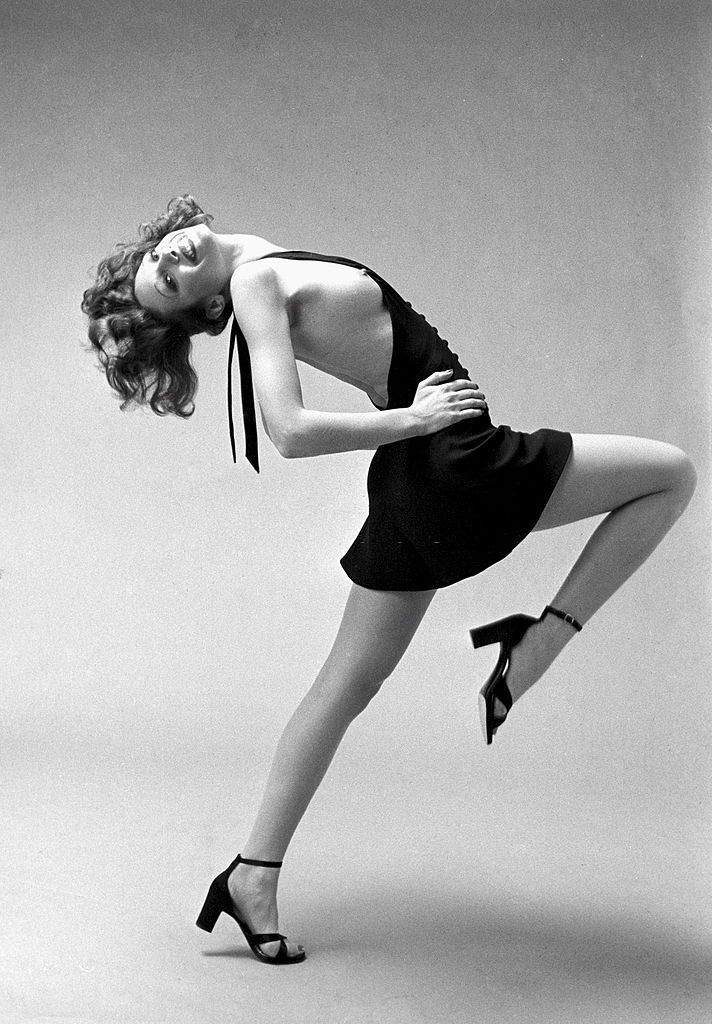
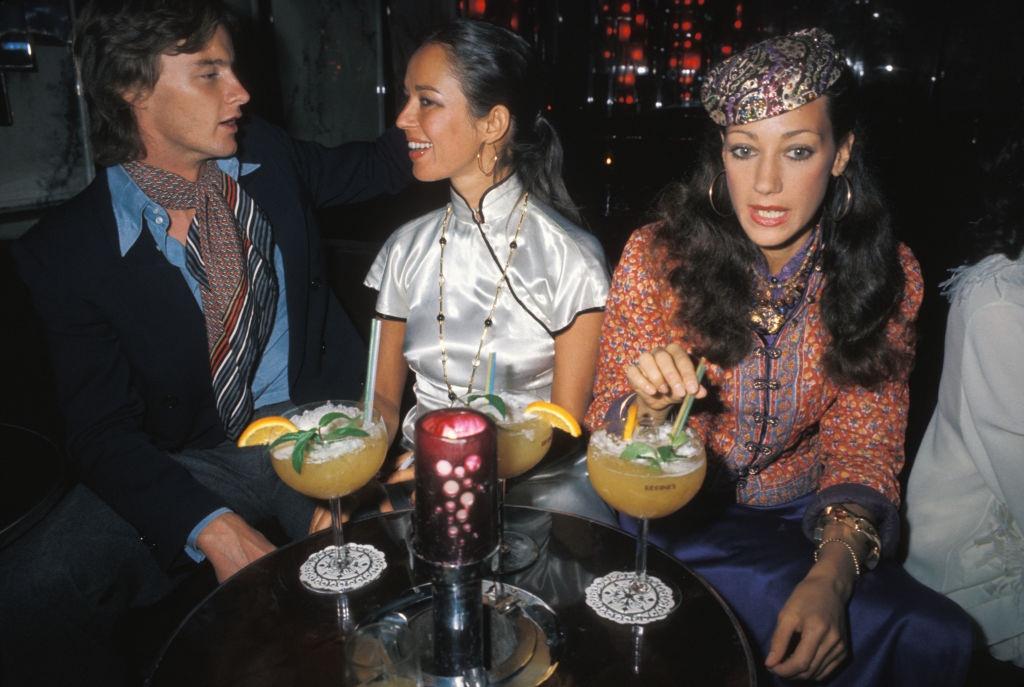
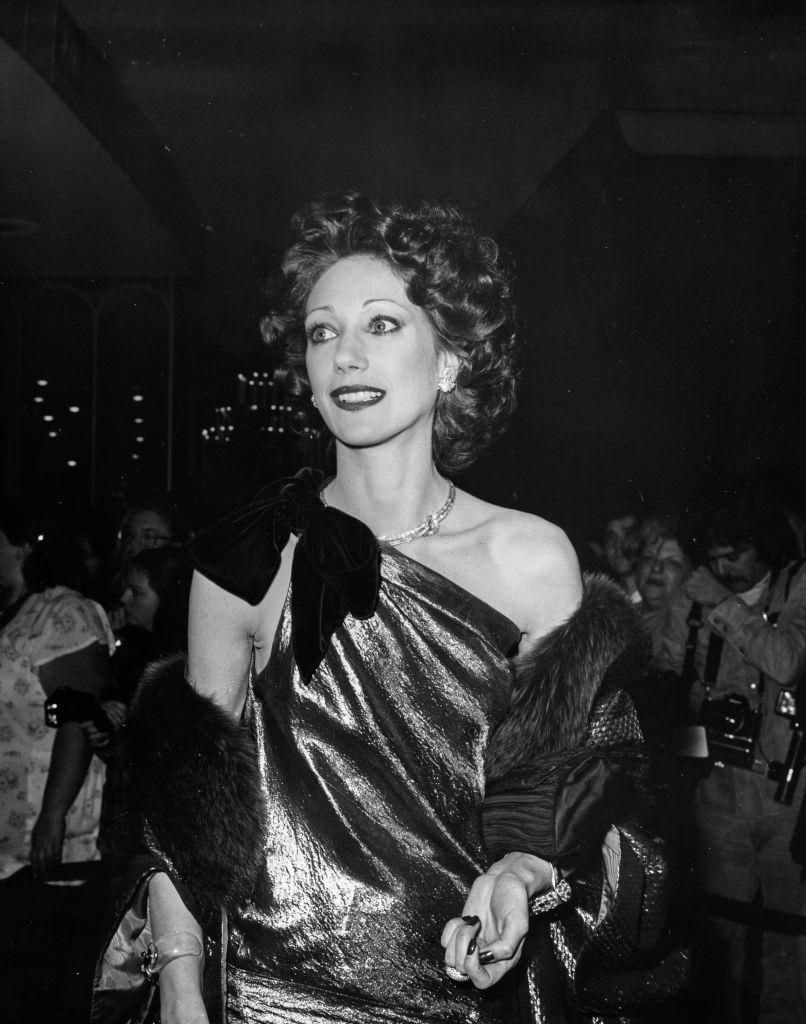
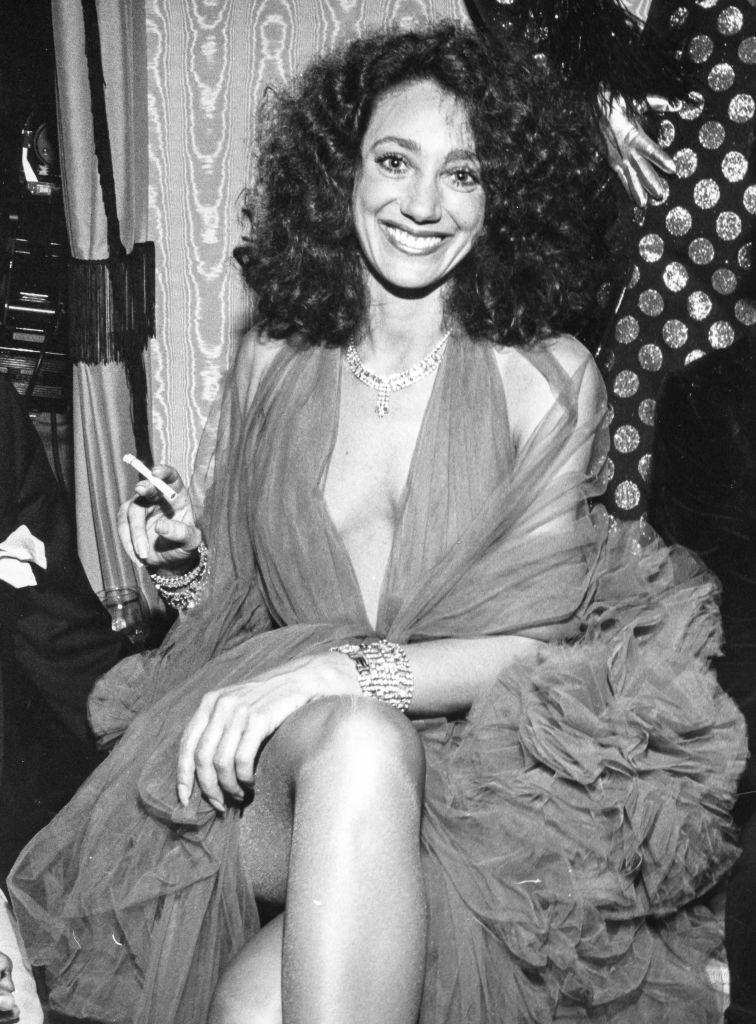
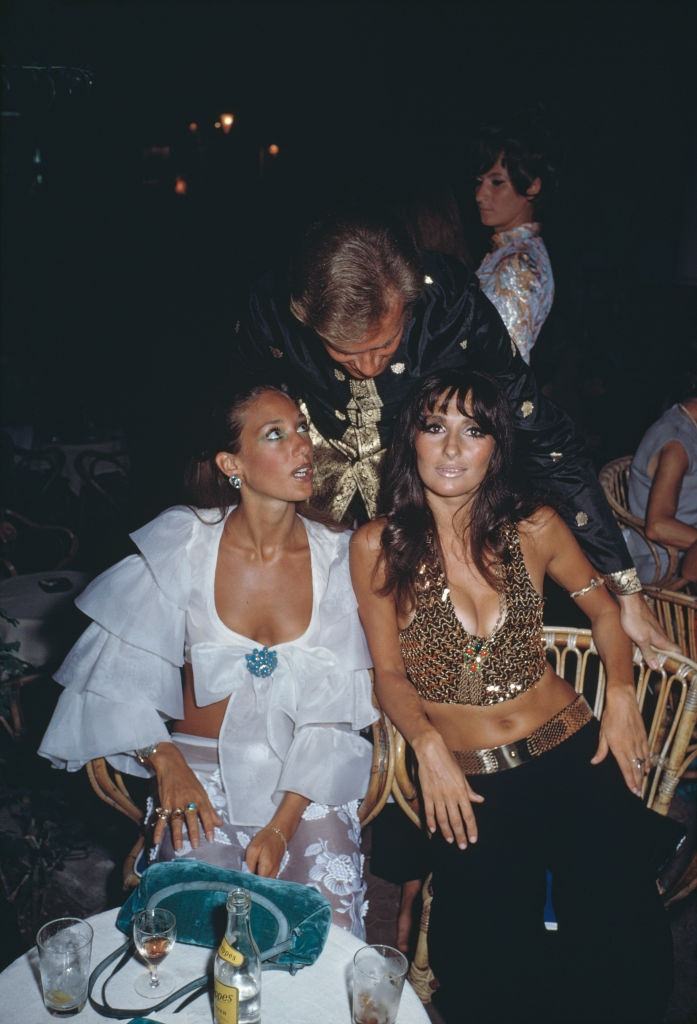
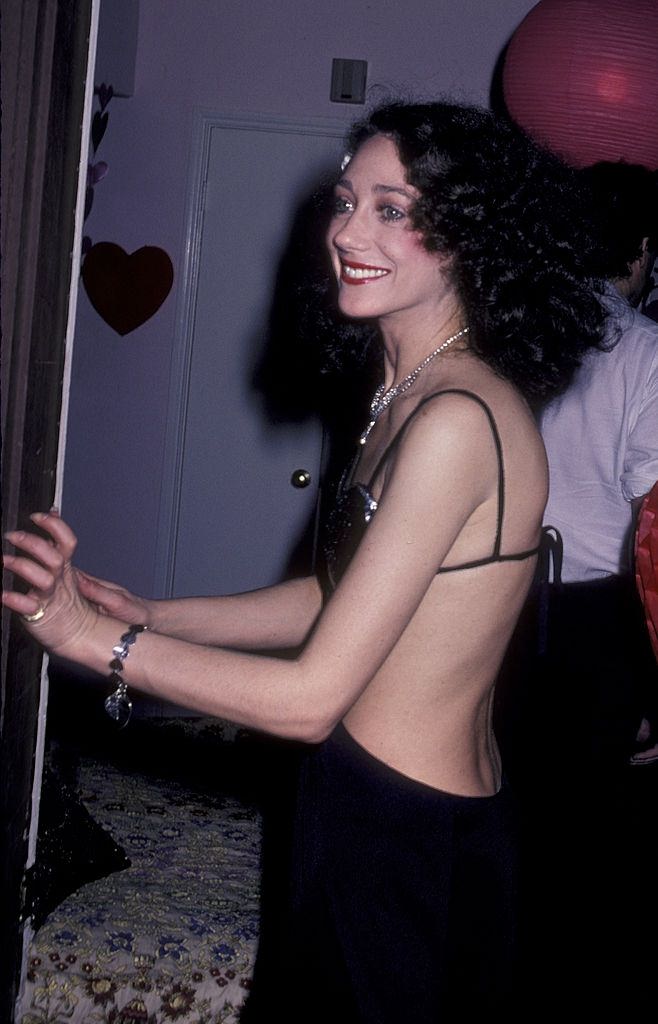
Berenson’s modeling career ran alongside an active social life that spanned both sides of the Atlantic. She was photographed at clubs, fashion shows, and private parties throughout 1970 and 1971, often alongside well-known figures from sport, film, and the arts.
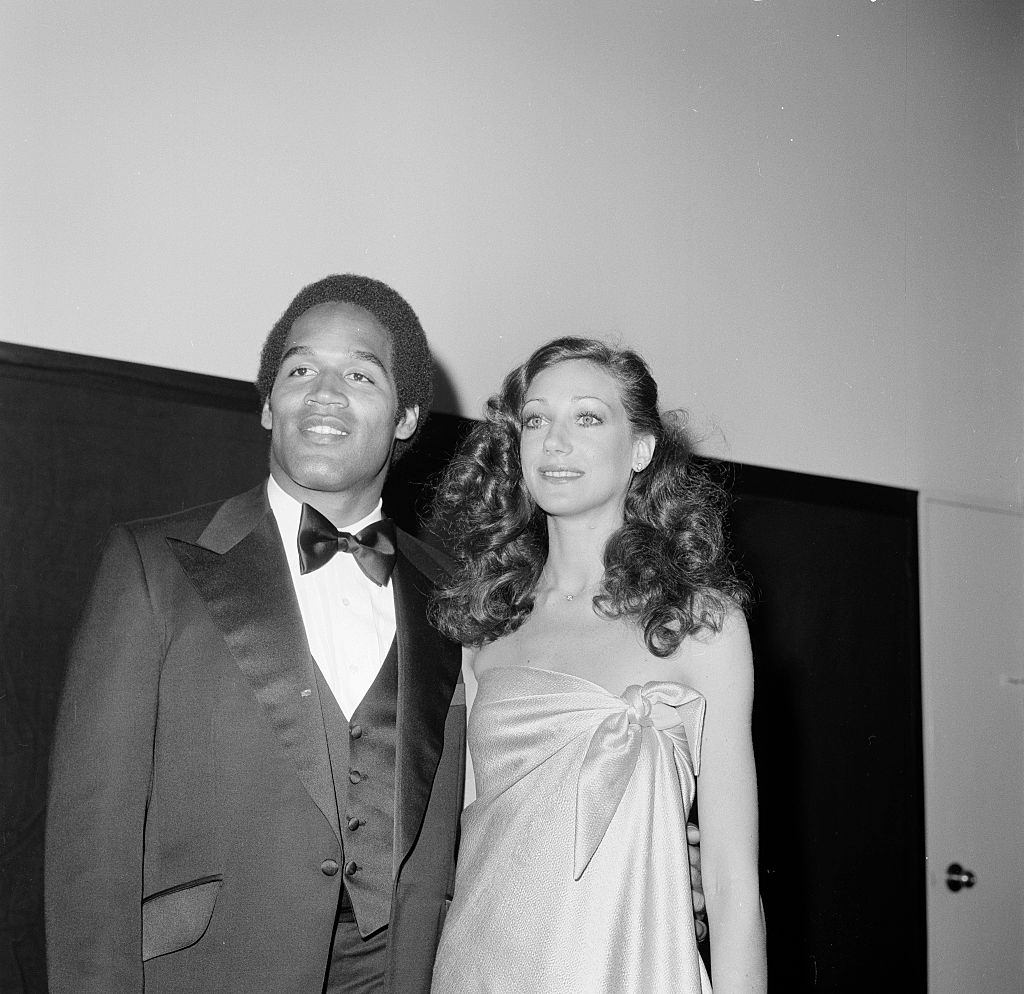
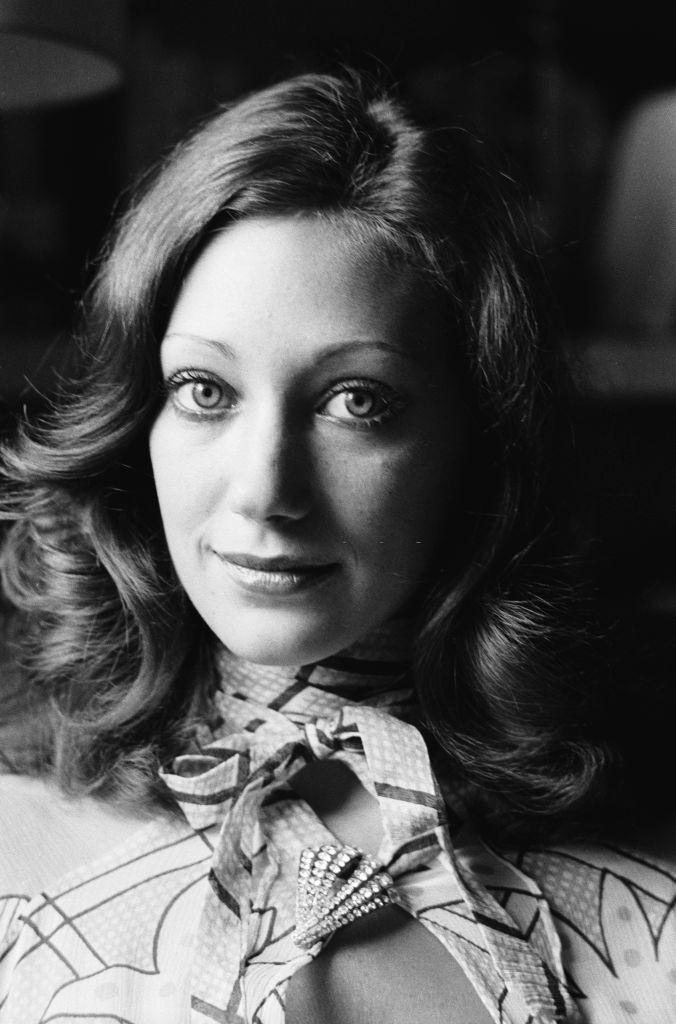
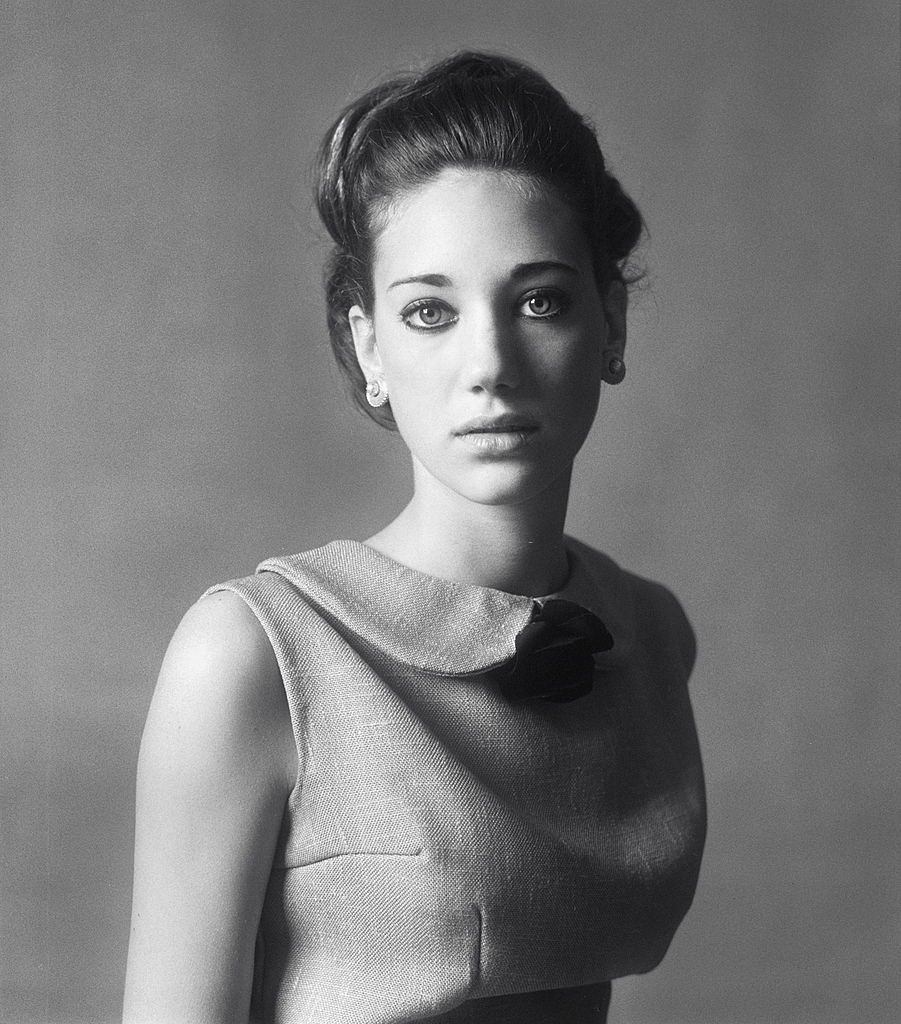
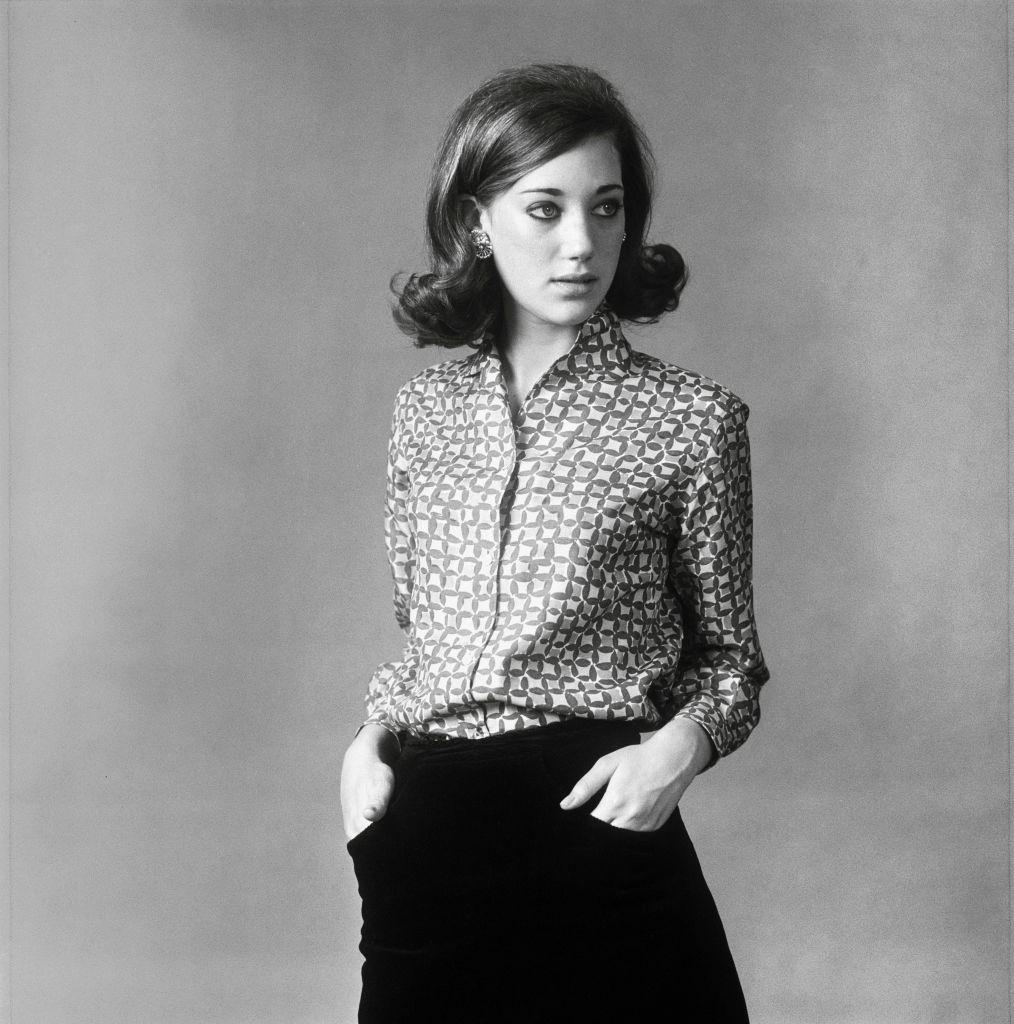
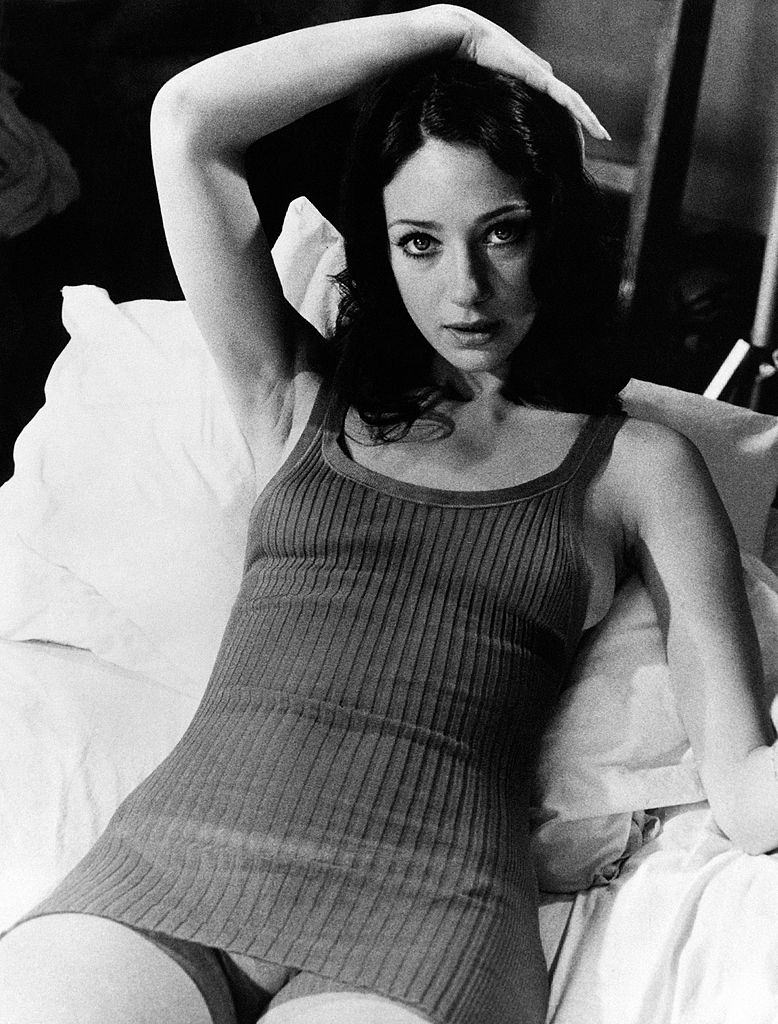
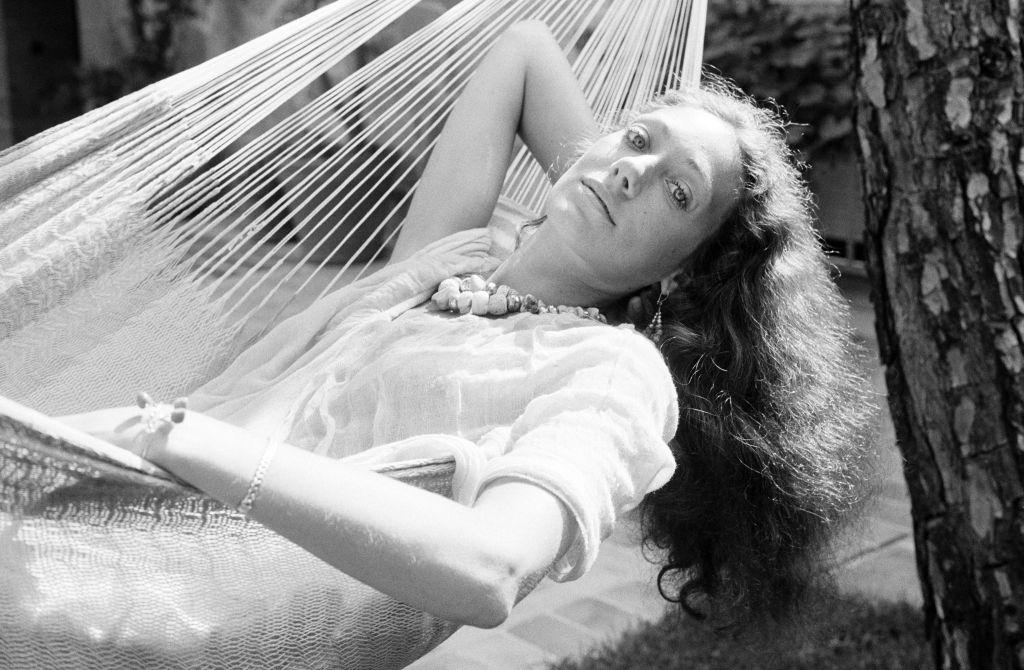
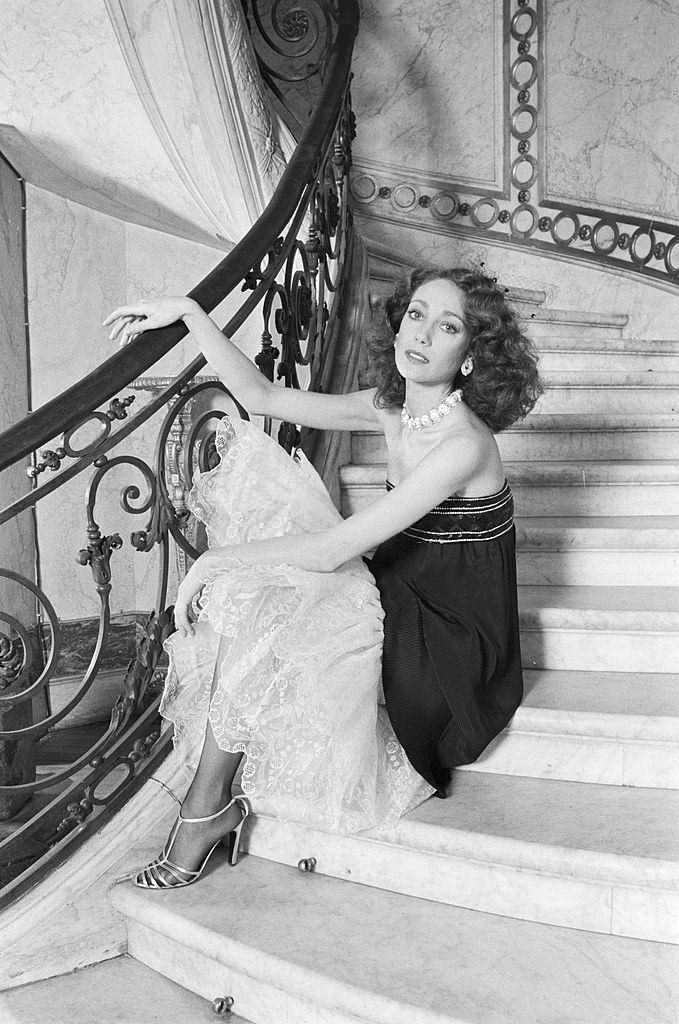
Her earliest studio photographs, taken in 1964 when she was just a teenager, already showed the poise that would define her career. Even then, before the major magazine layouts and the film roles, there was something in the way she held herself that translated directly to the camera.
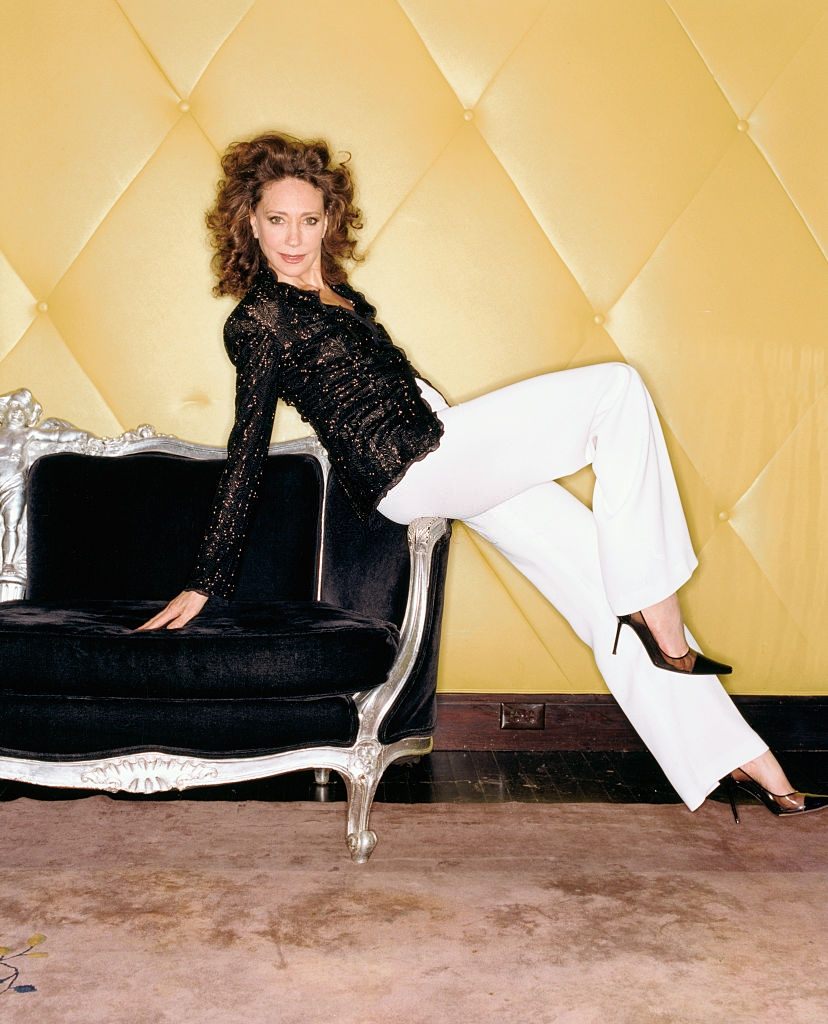
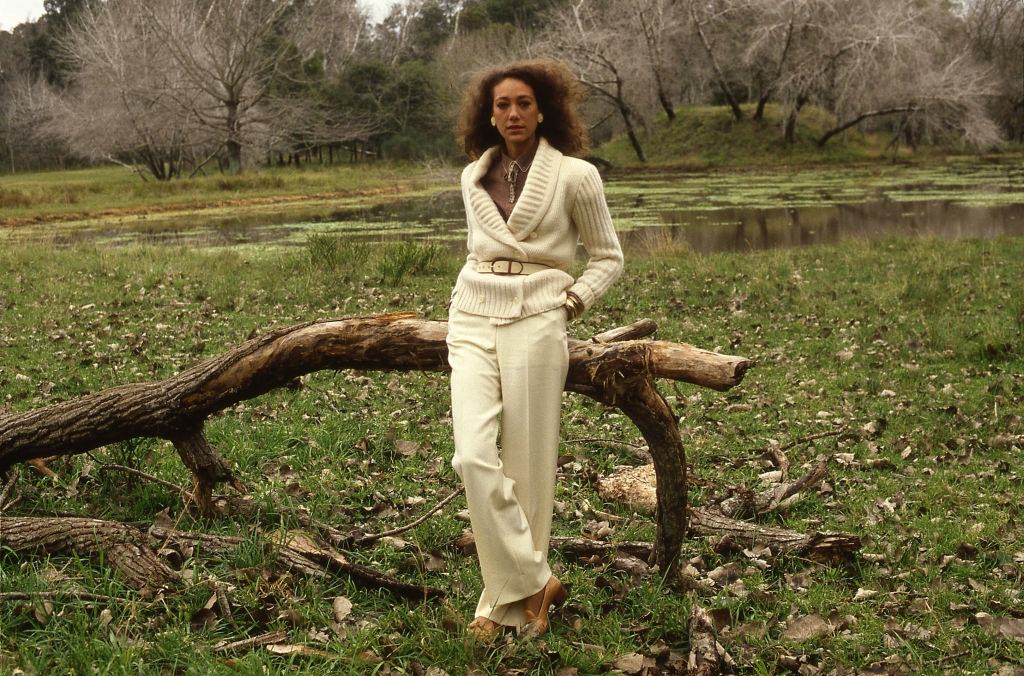
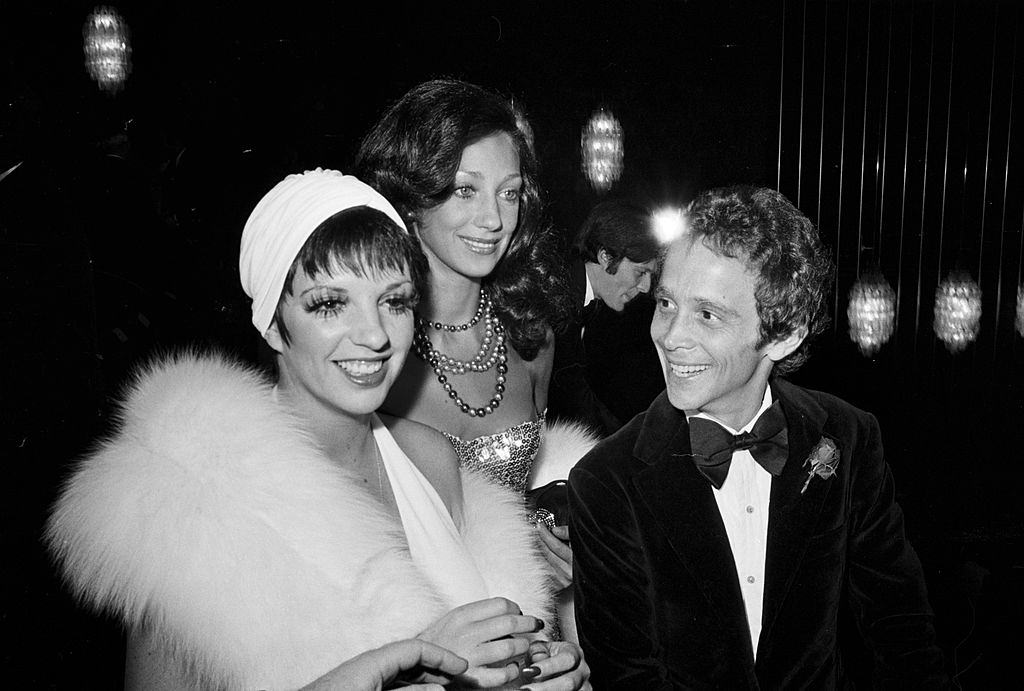
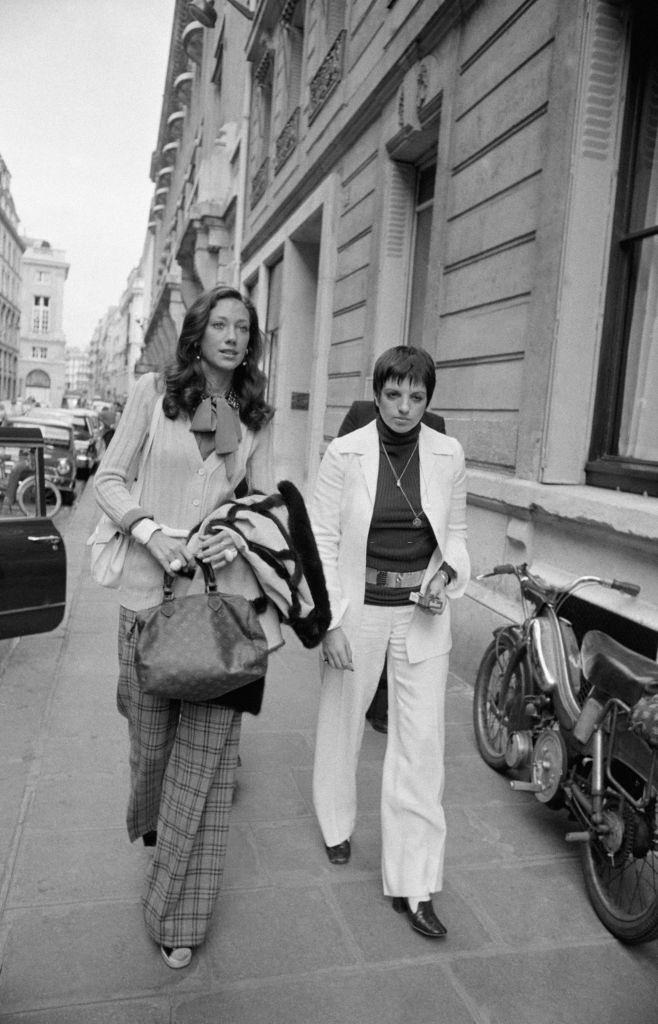
In 1971, Marisa Berenson made her acting debut in Luchino Visconti’s Death in Venice. The film was an adaptation of Thomas Mann’s novella and was praised for its visual beauty. It introduced Berenson to a new audience — one that knew her face from fashion but now saw her in a completely different context. The following year brought an even bigger opportunity. Bob Fosse cast her in Cabaret (1972) alongside Liza Minnelli, playing Natalia Landauer. The film won eight Academy Awards and remains one of the most celebrated musicals in cinema history. Berenson attended the premiere and was photographed alongside Minnelli in Paris that September.
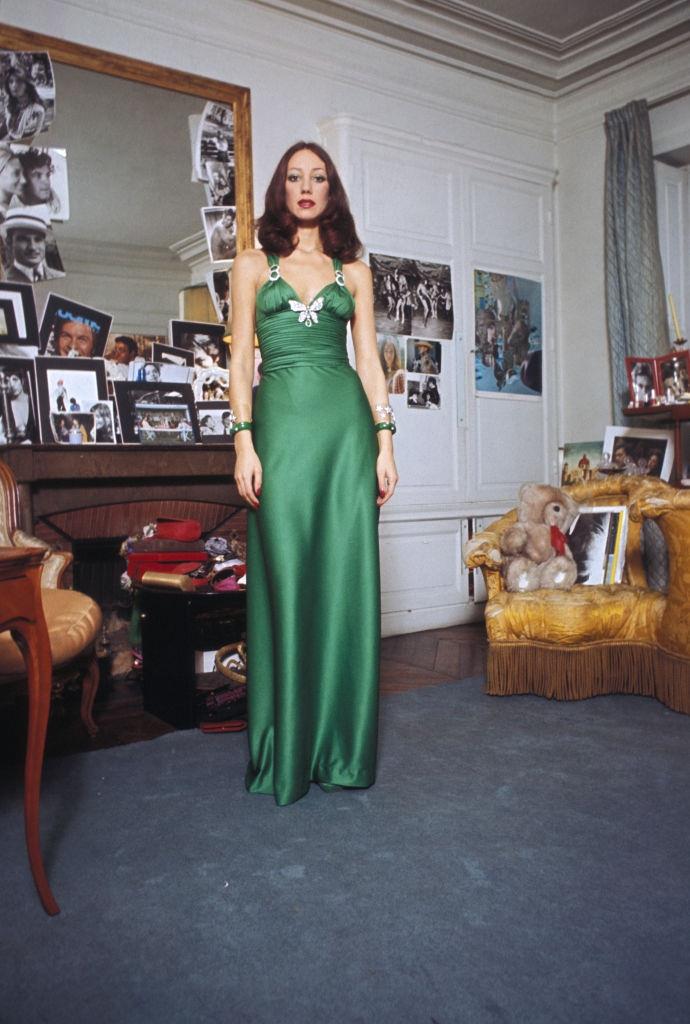
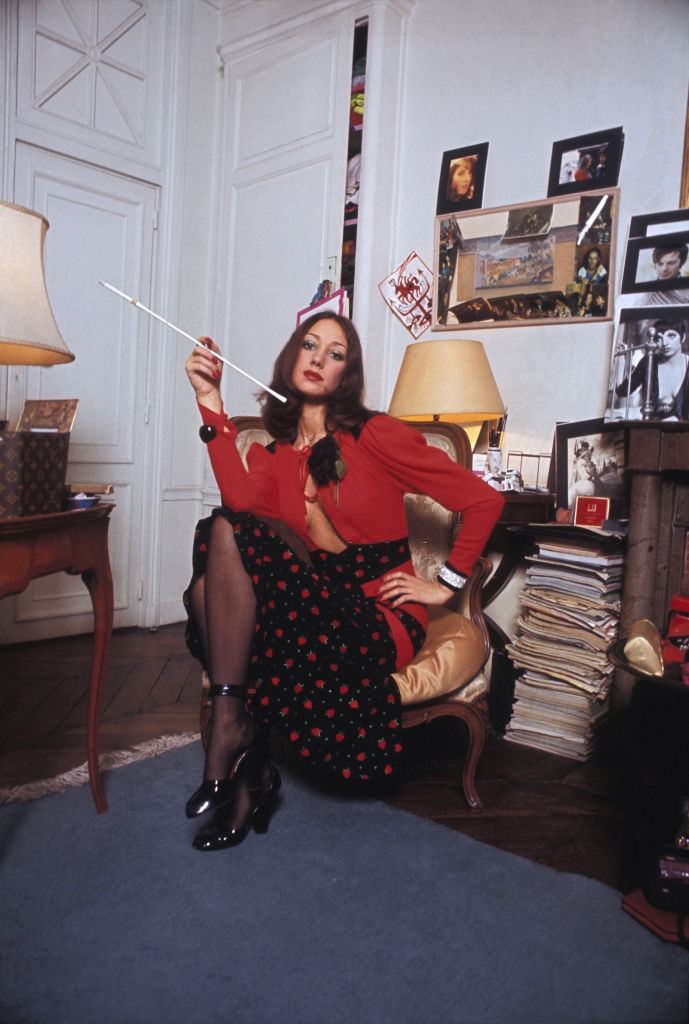
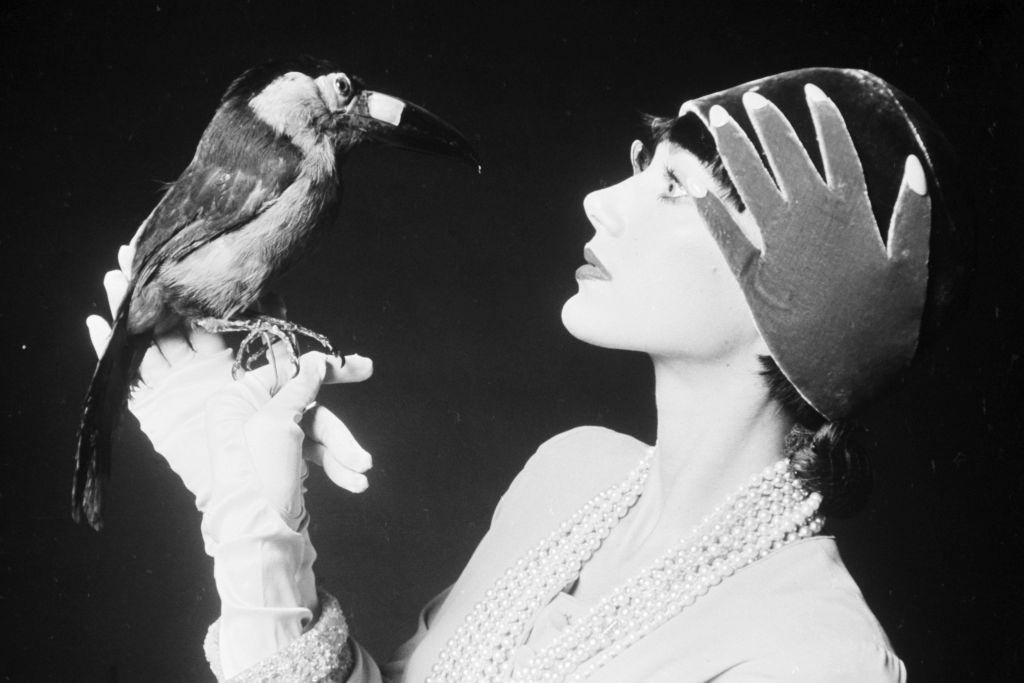
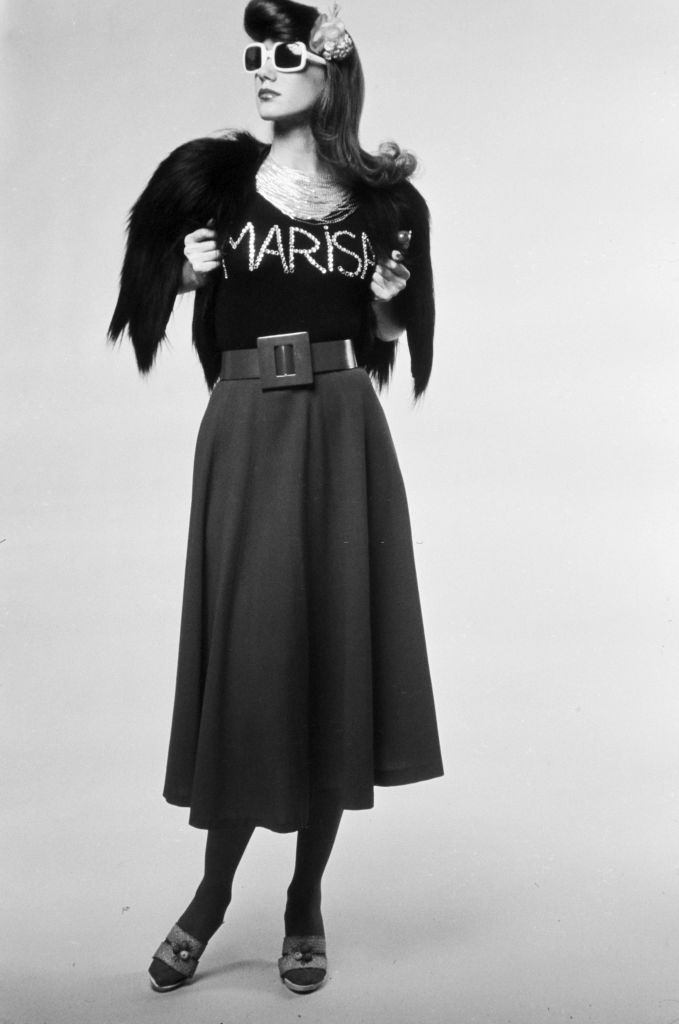
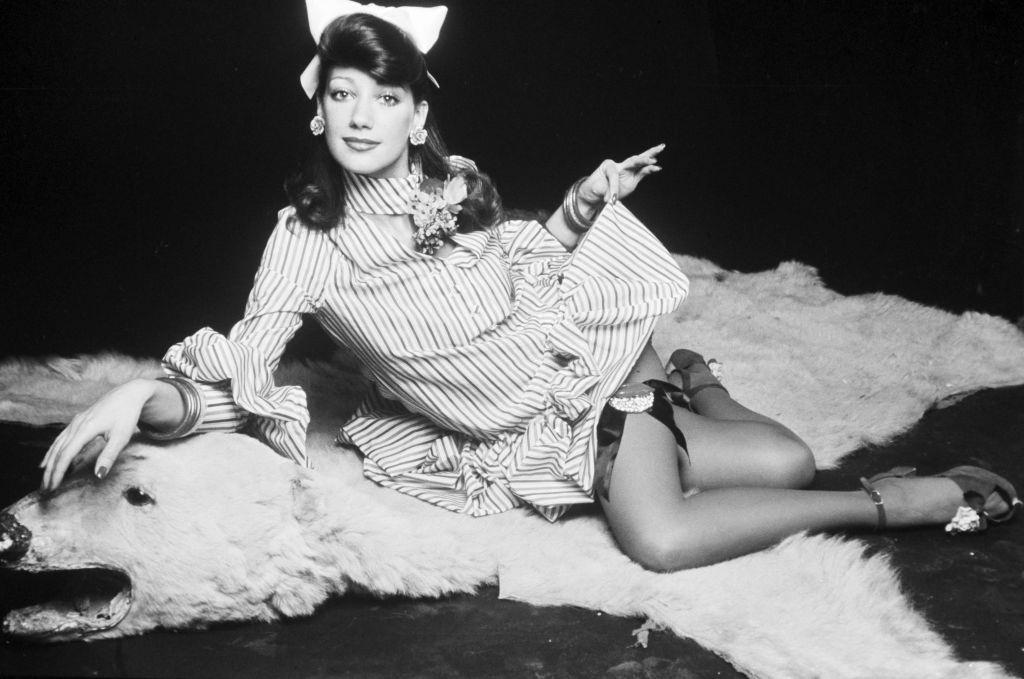
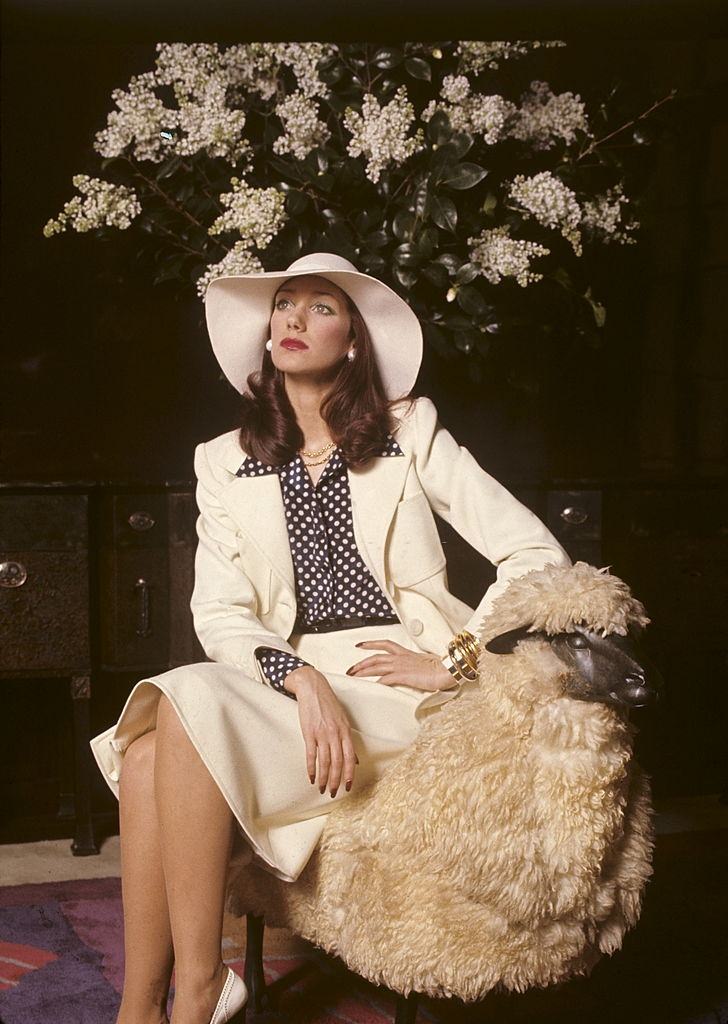
Through 1972, Berenson’s fashion work continued at full pace even as her acting profile grew. She was photographed in crepe de chine evening wear, white gabardine suits, and silver flower dresses — each shoot placing her squarely at the center of the era’s aesthetic.
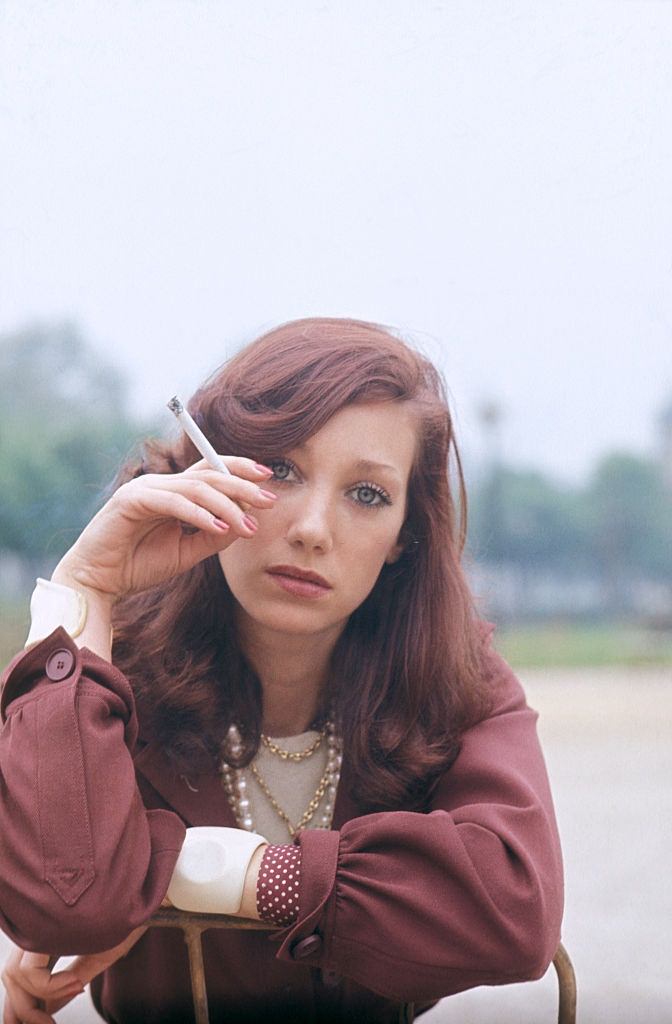
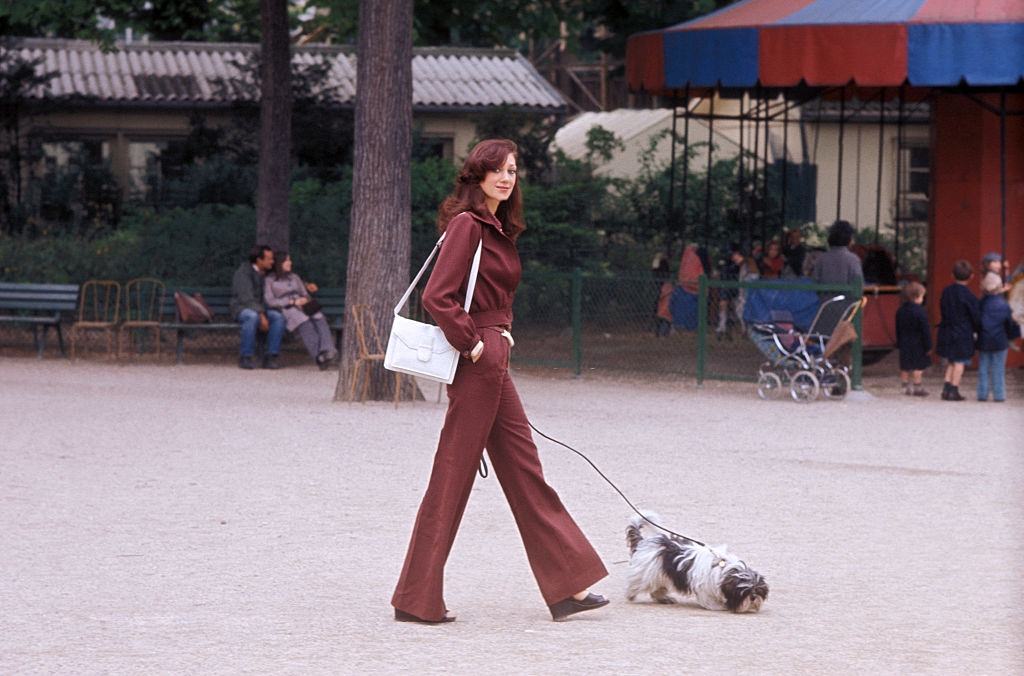
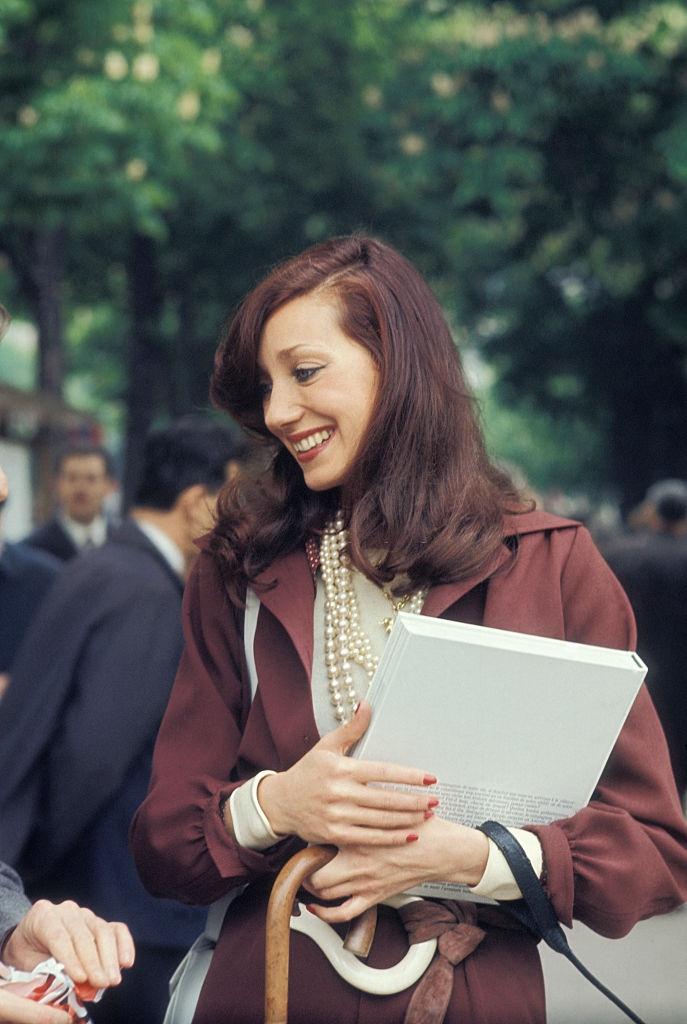
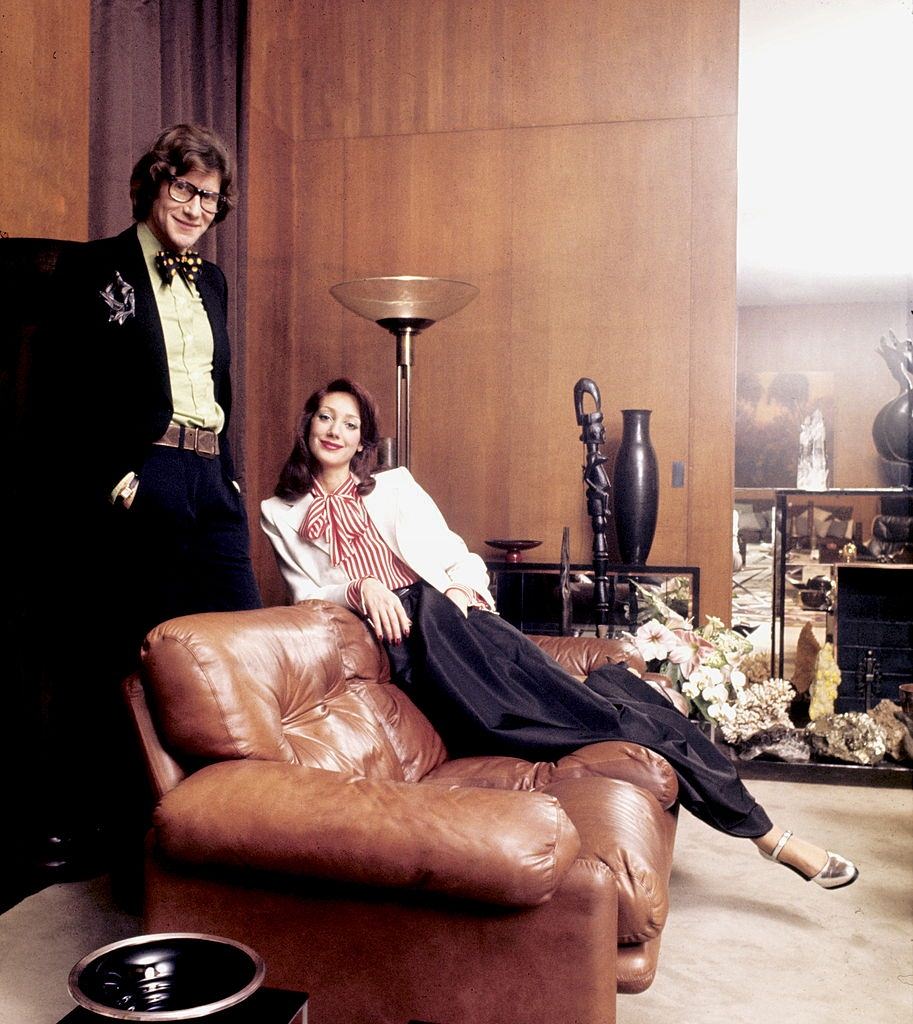
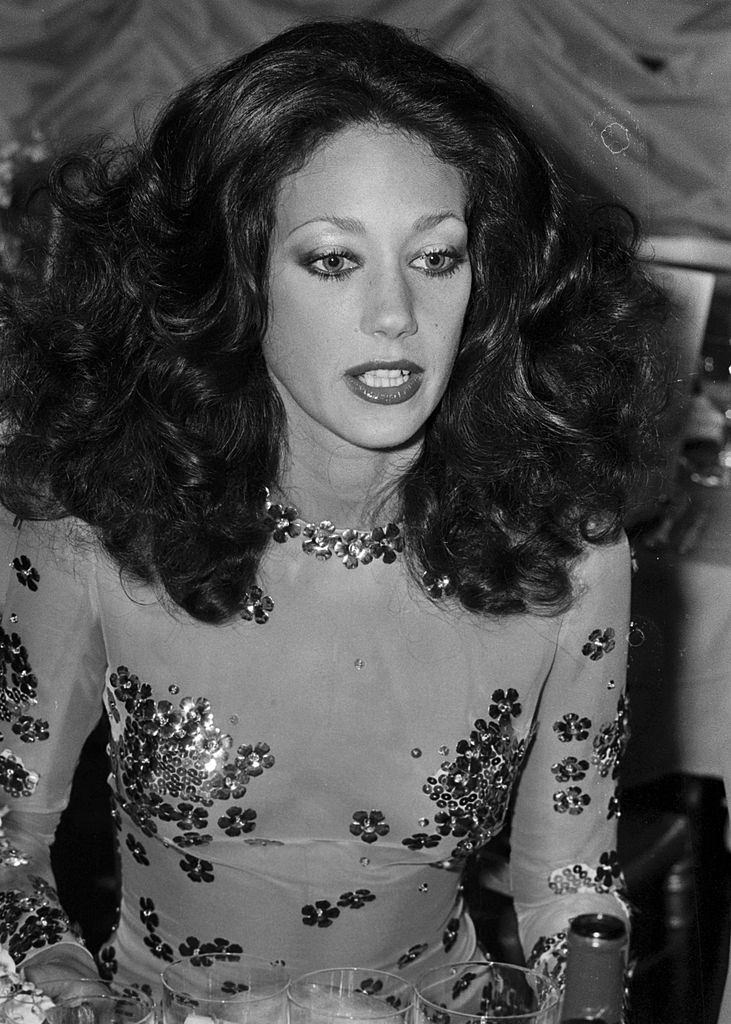
The biggest role of Berenson’s acting career came in 1975 when Stanley Kubrick cast her as Lady Lyndon in Barry Lyndon. Kubrick was known for demanding extraordinary precision from his actors, and the film’s visual style was unlike anything else in cinema at the time — shot largely by candlelight using specially adapted lenses. Berenson’s Lady Lyndon was a tragic figure, a woman slowly destroyed by the man she married. The performance earned Berenson a BAFTA nomination and nominations for two Golden Globes, along with recognition from the National Board of Review.
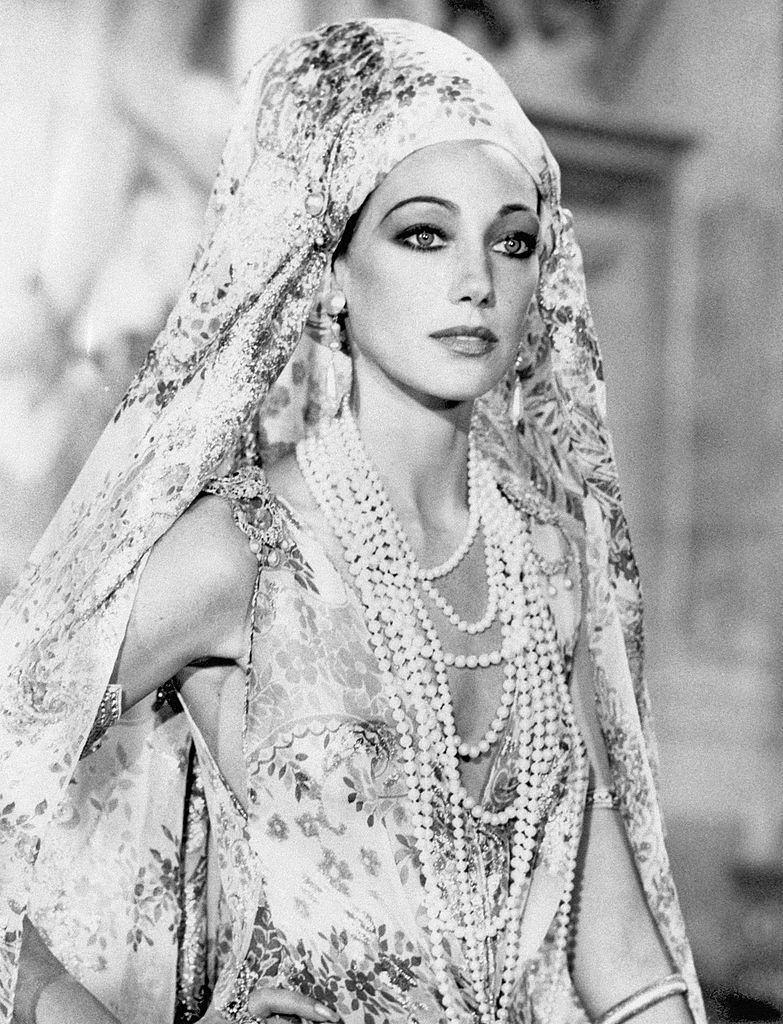
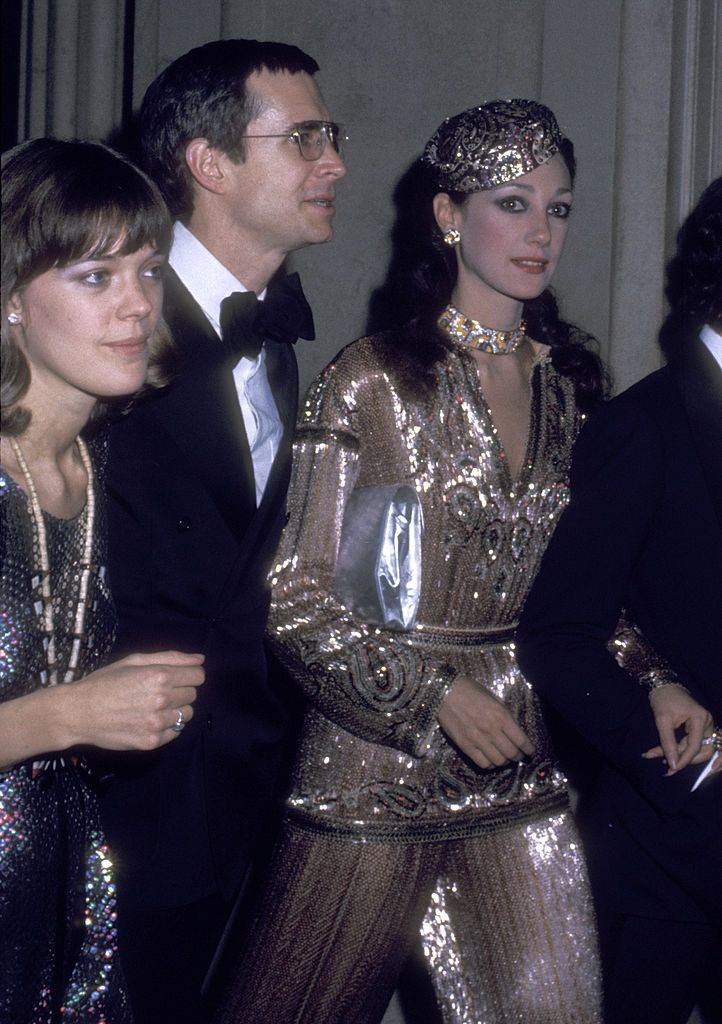
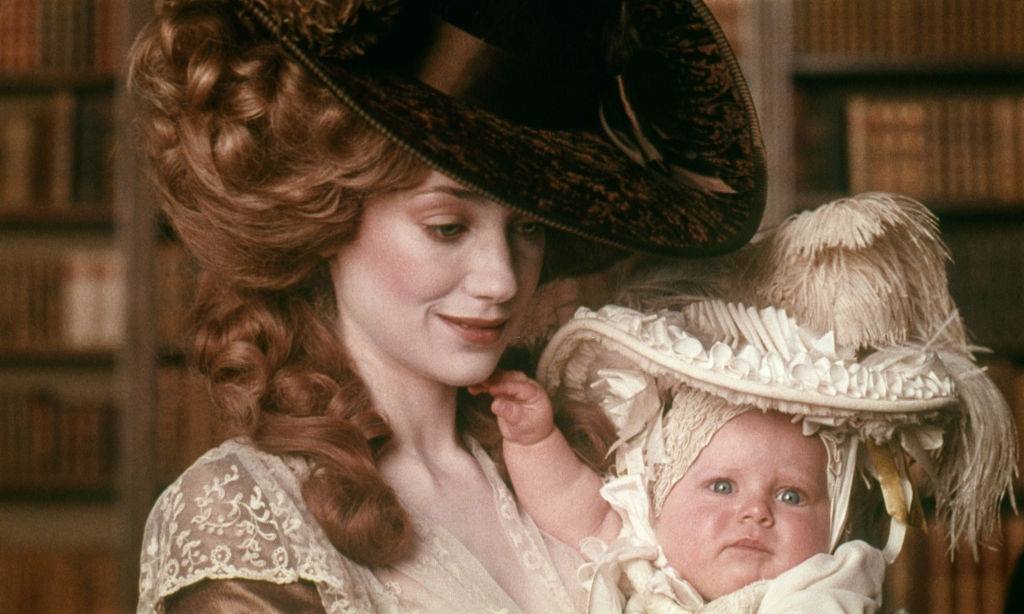
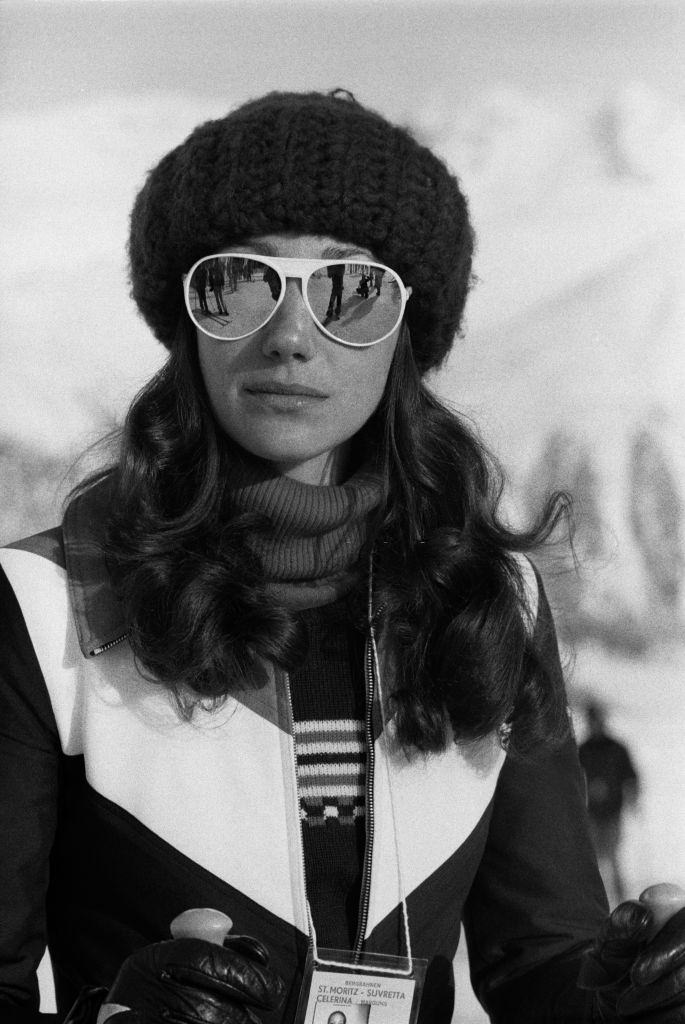
1975 was a high-water mark for Berenson’s public profile. Beyond Barry Lyndon, she attended the 47th Academy Awards, appeared at the Metropolitan Museum of Art Costume Exhibition, and was photographed at winter sports in St. Moritz and on the French Riviera. She was a genuine fixture of that decade’s cultural circuit.
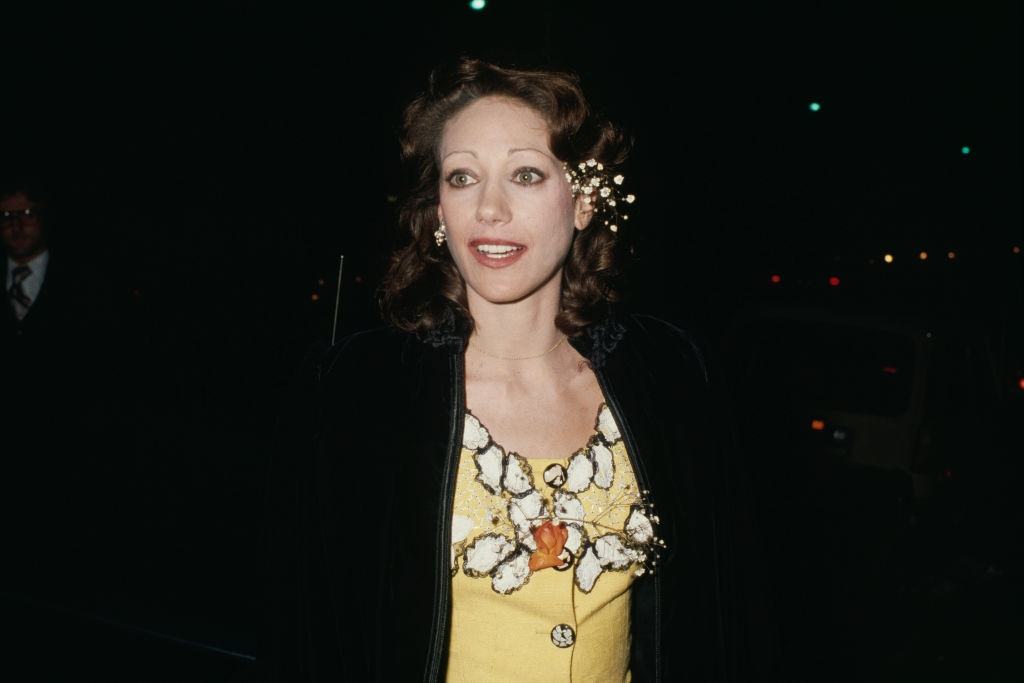
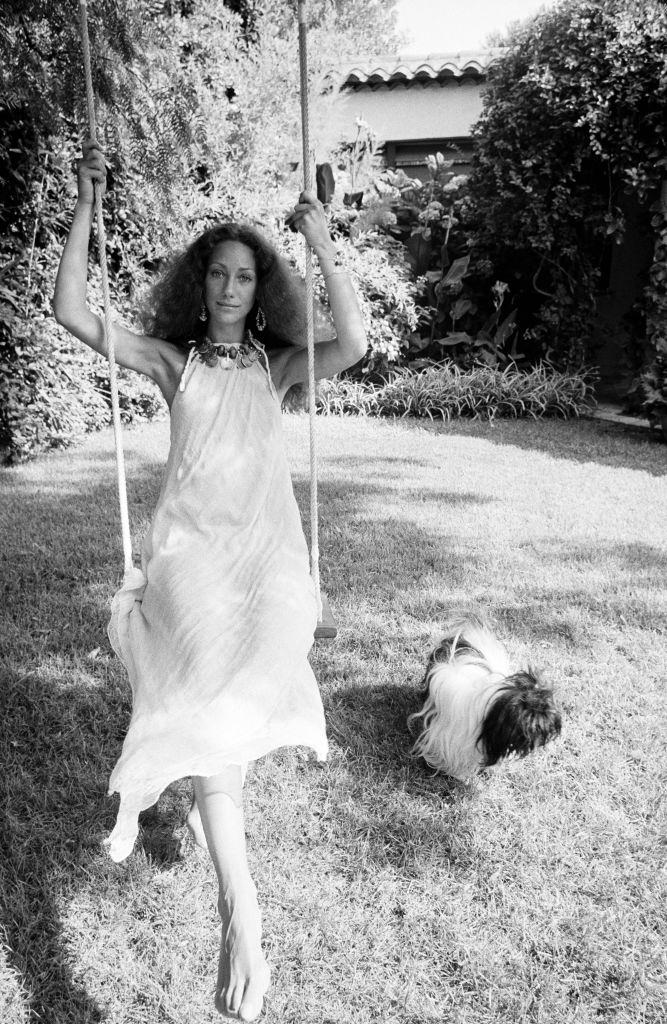
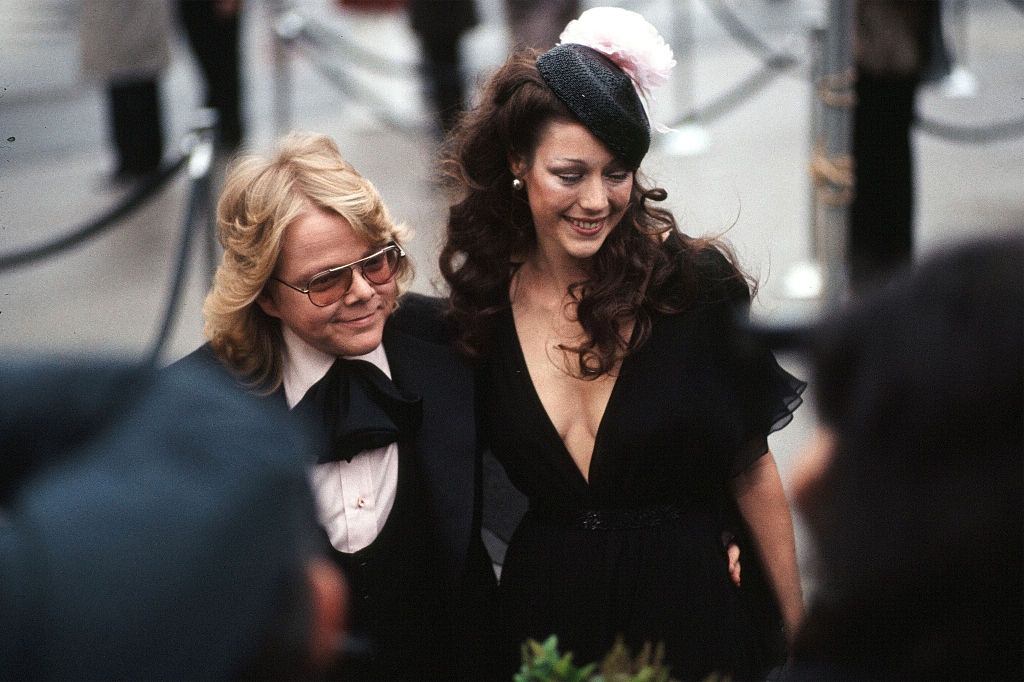
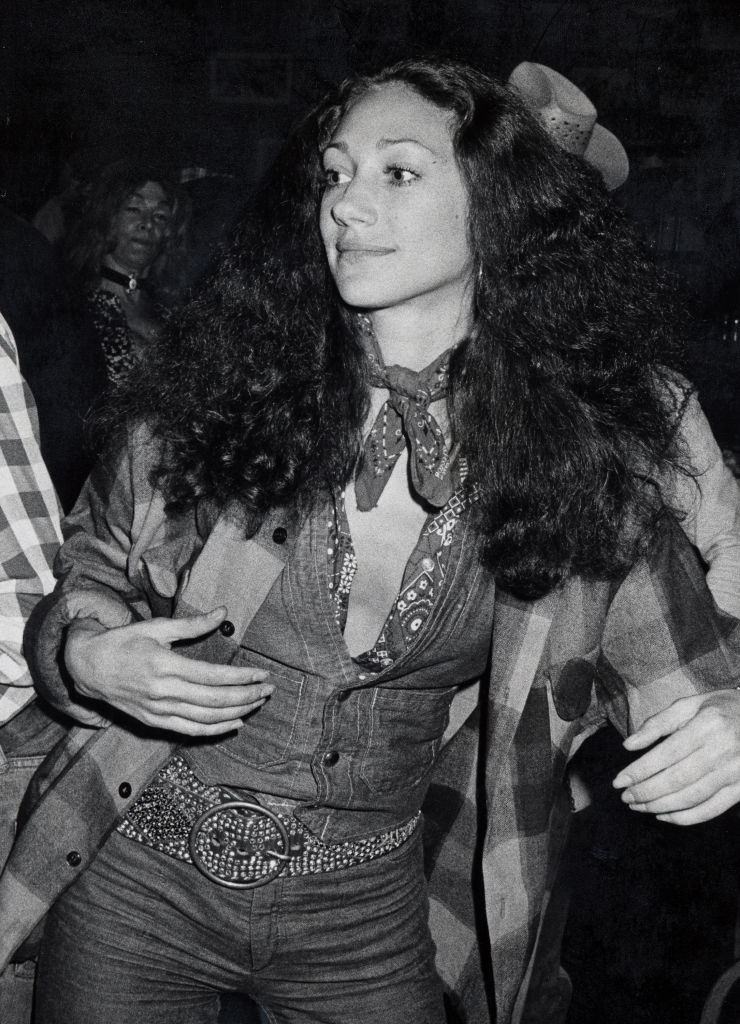
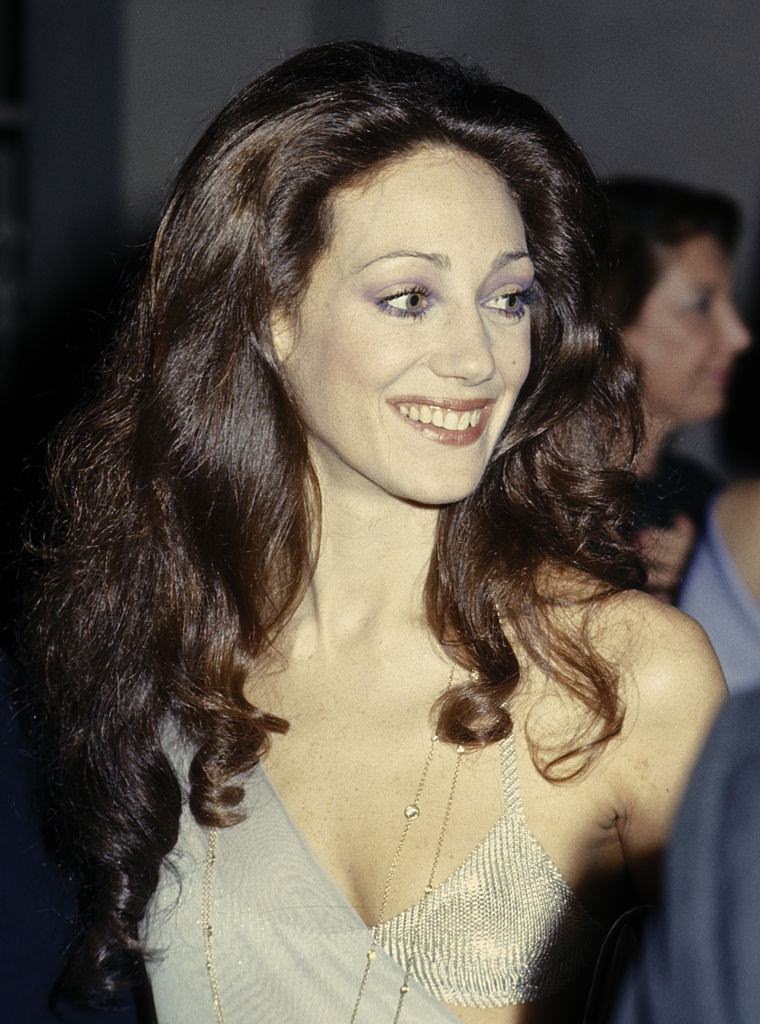
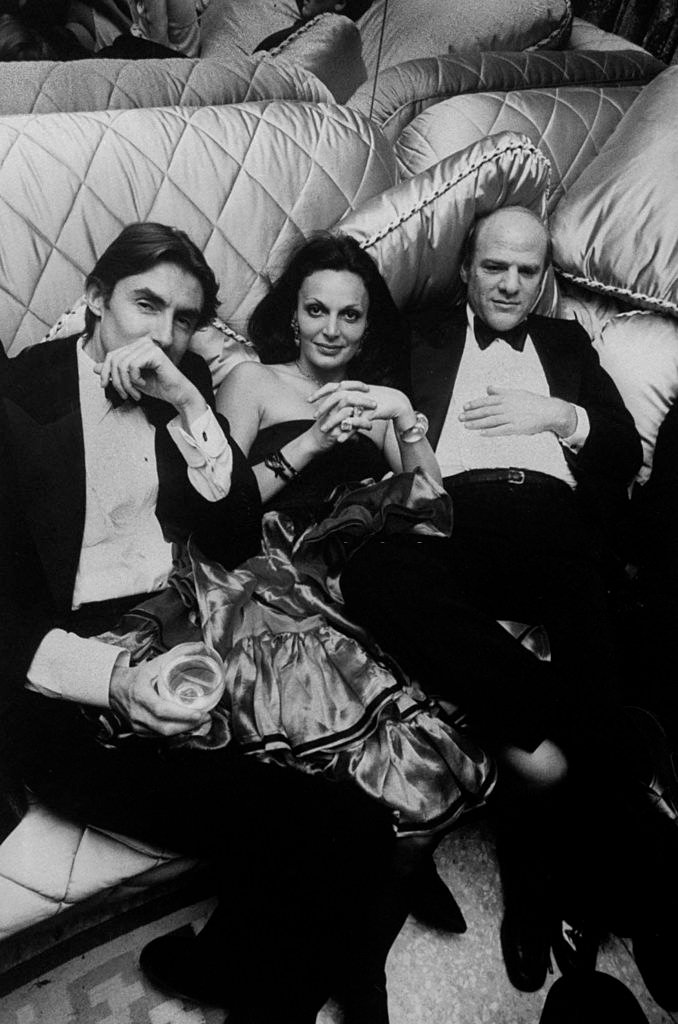
Berenson married her first husband, James Randall — a rivet manufacturer — on November 21, 1976, at their home in Beverly Hills. The marriage lasted two years before ending in divorce. That same year, she continued making the rounds at major industry events, attending the 48th Academy Awards and socializing with figures like Diane von Furstenberg and Barry Diller.
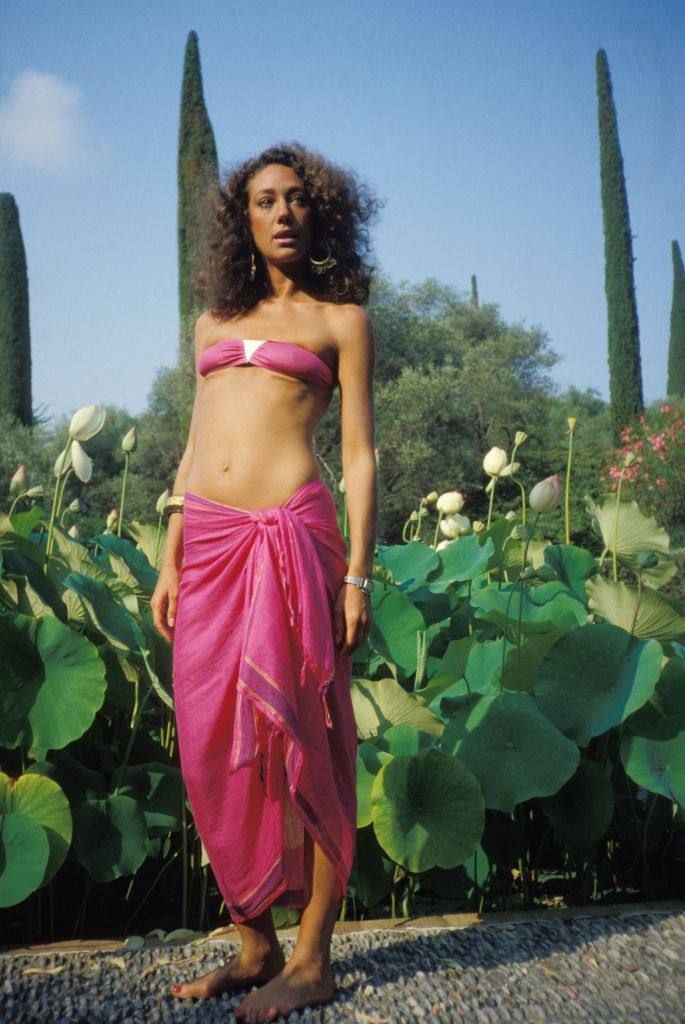
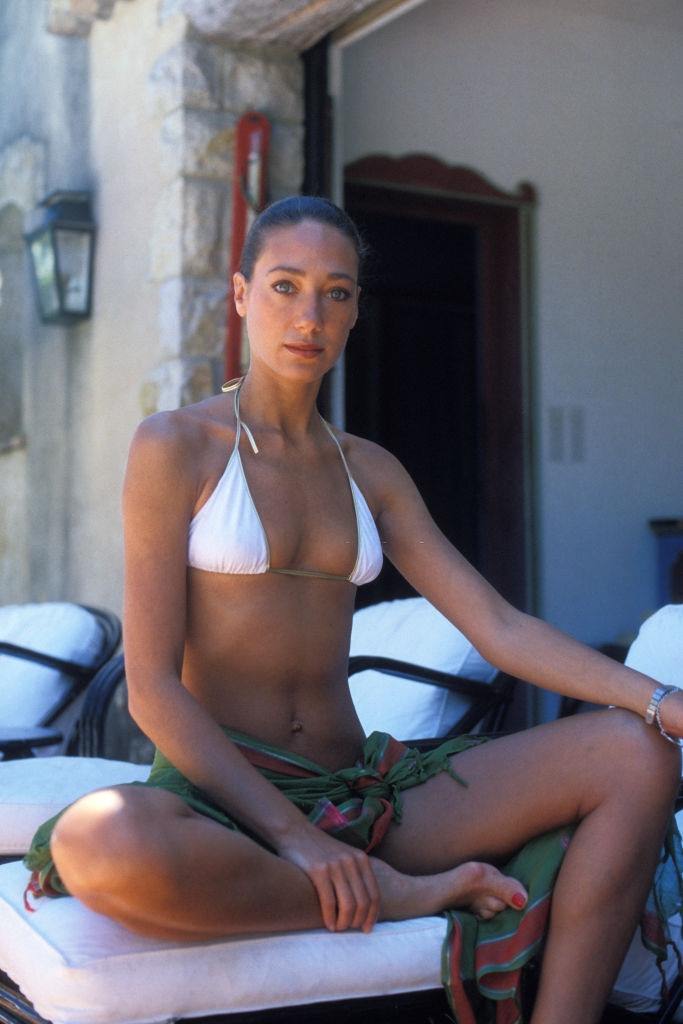
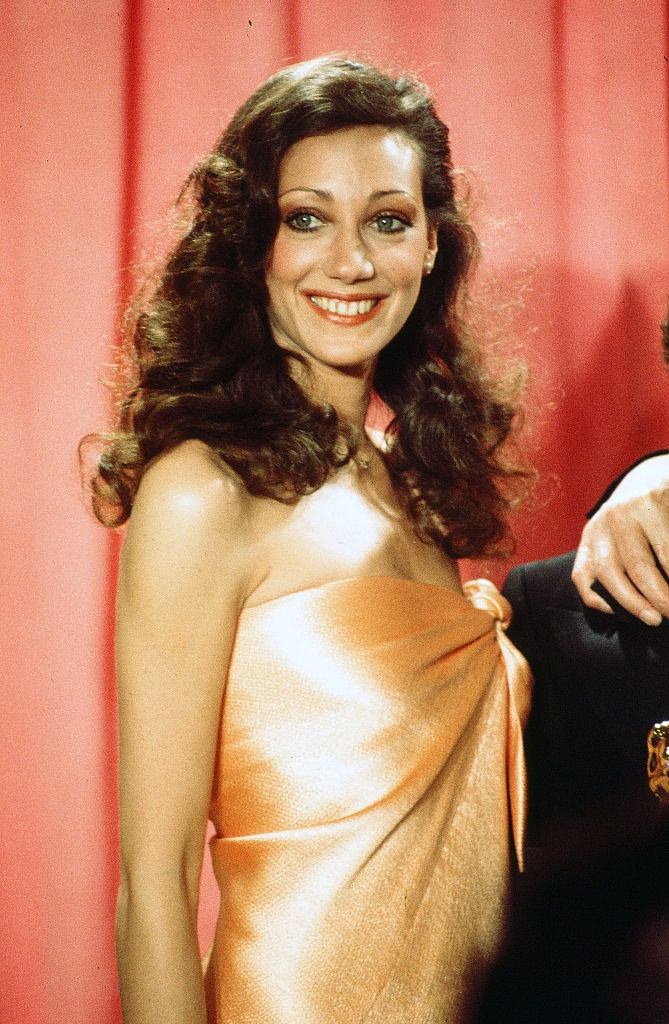
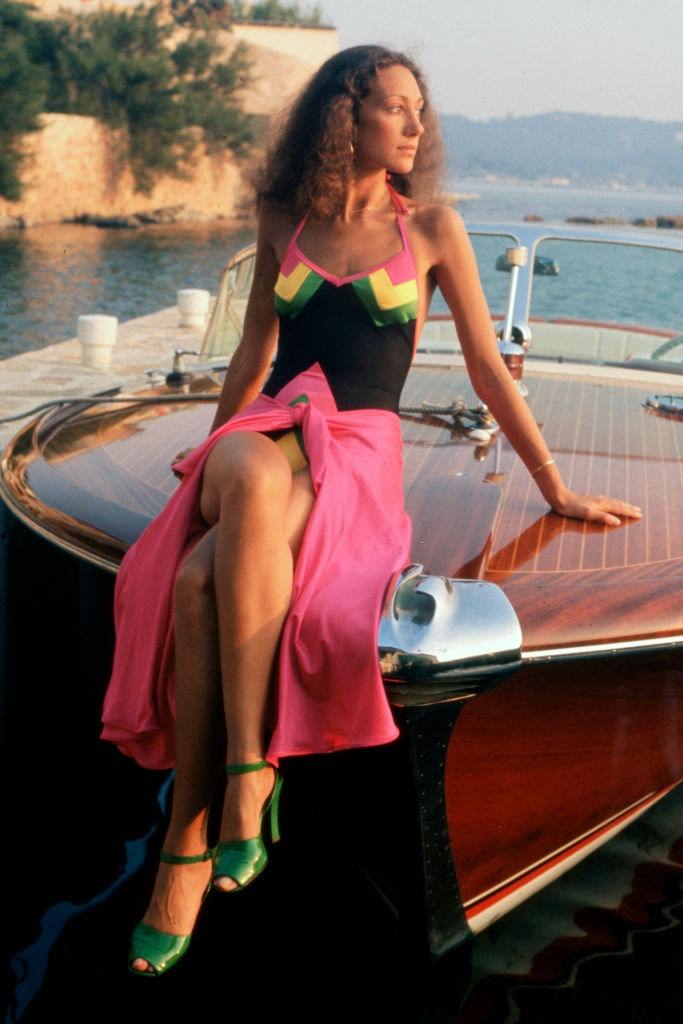
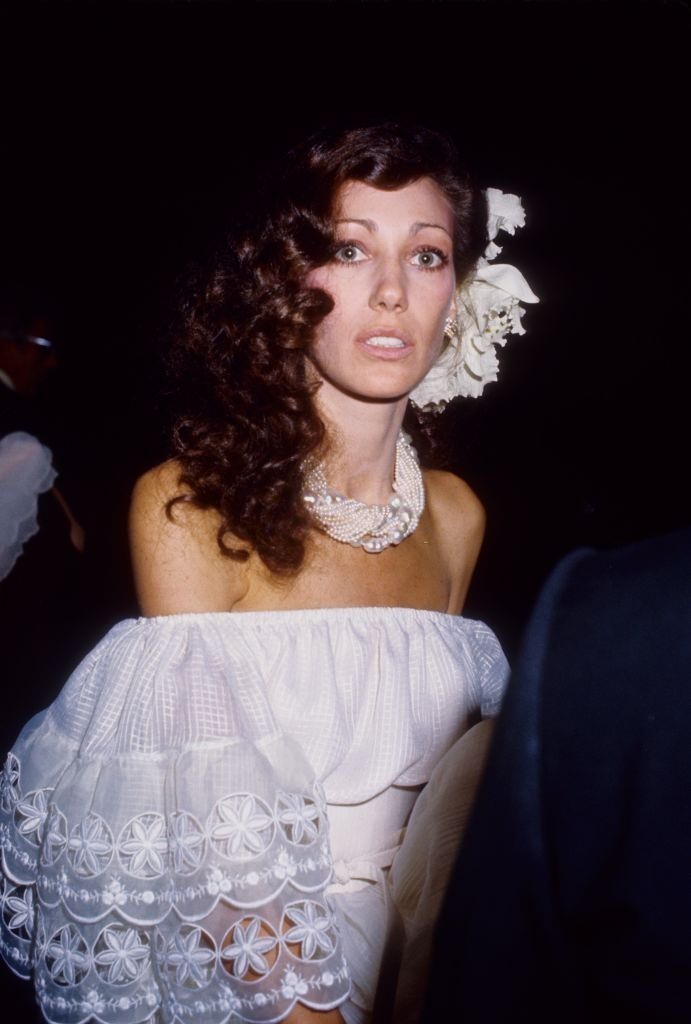
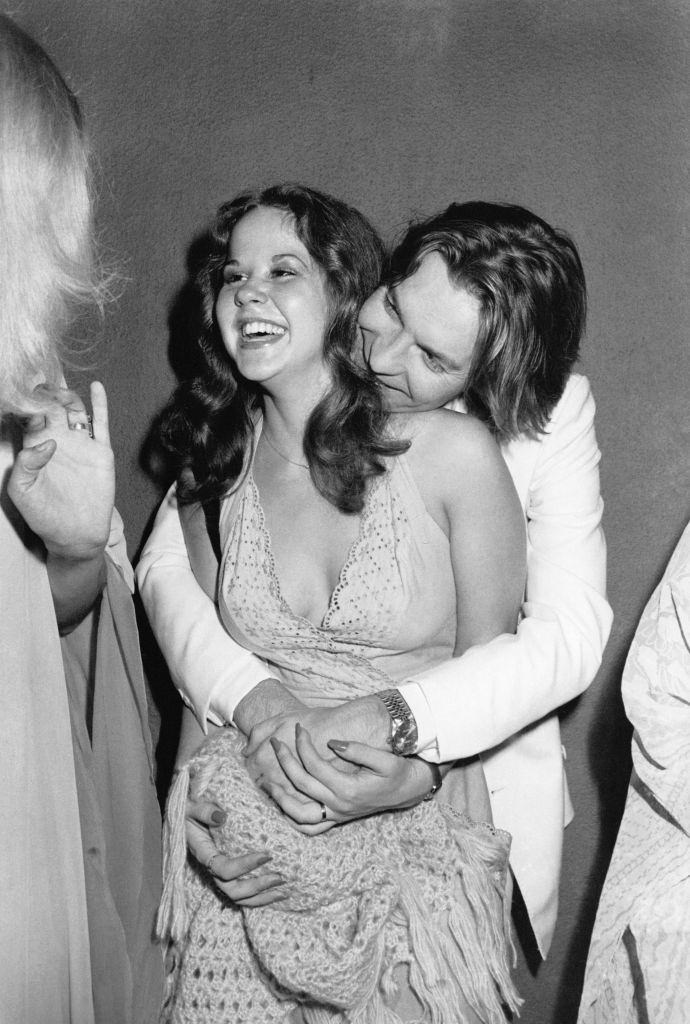
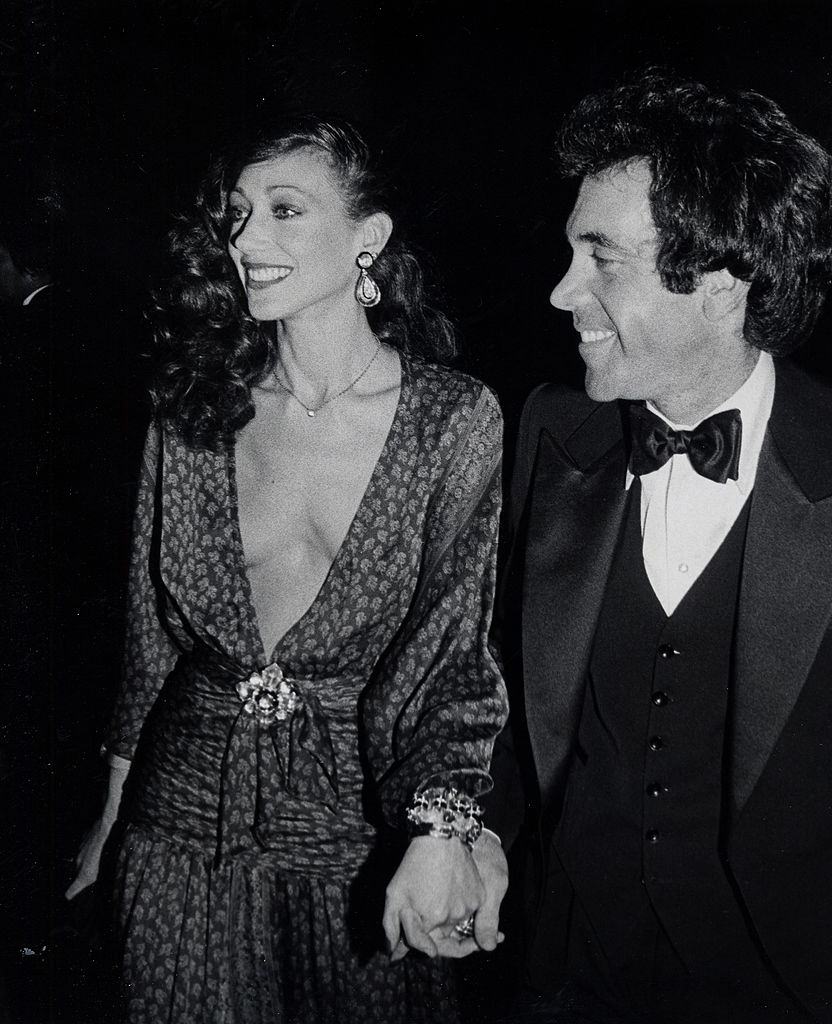
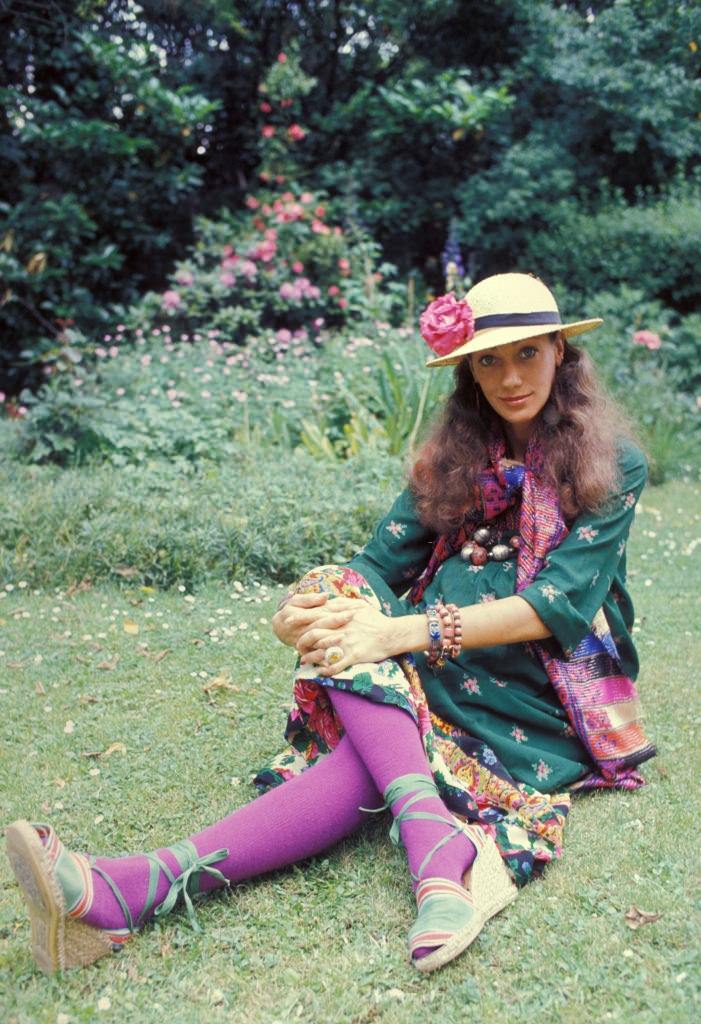
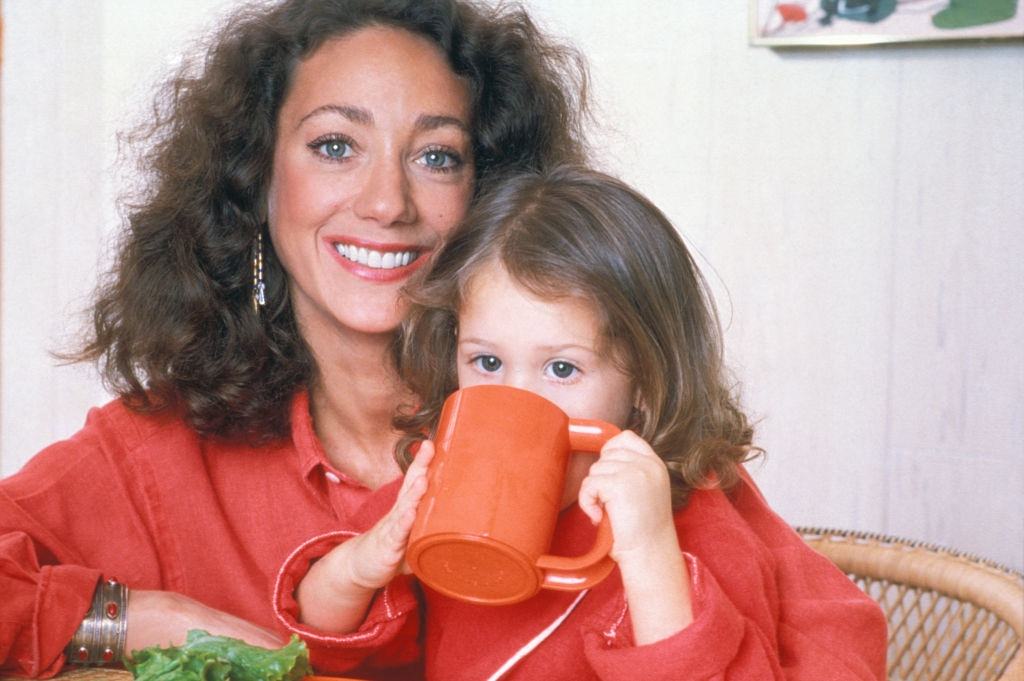
In 1978, Berenson guest-hosted an episode of The Muppet Show during its third season. The show was a global phenomenon at the time, and her appearance placed her alongside one of television’s most beloved casts. That same year, she was photographed at multiple high-profile events, including the American Film Institute Salute to Henry Fonda, a Mabel Mercer concert at the Dorothy Chandler Pavilion, and the New York premiere of Superman. She also welcomed a daughter, Starlight Mélodie, photographed with her at their Paris home in April 1978.
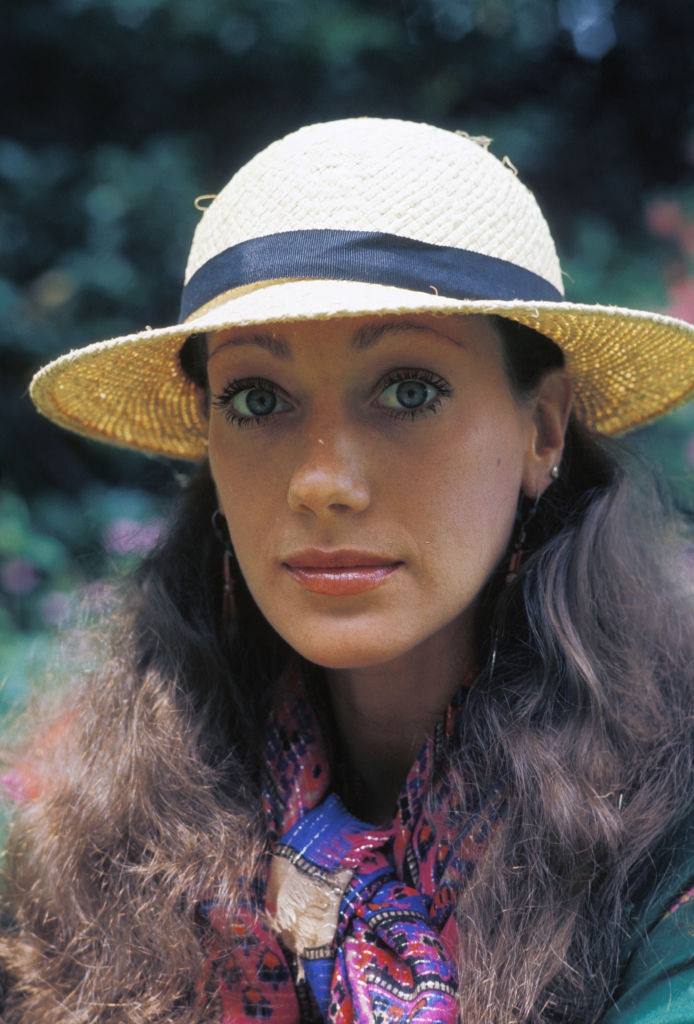
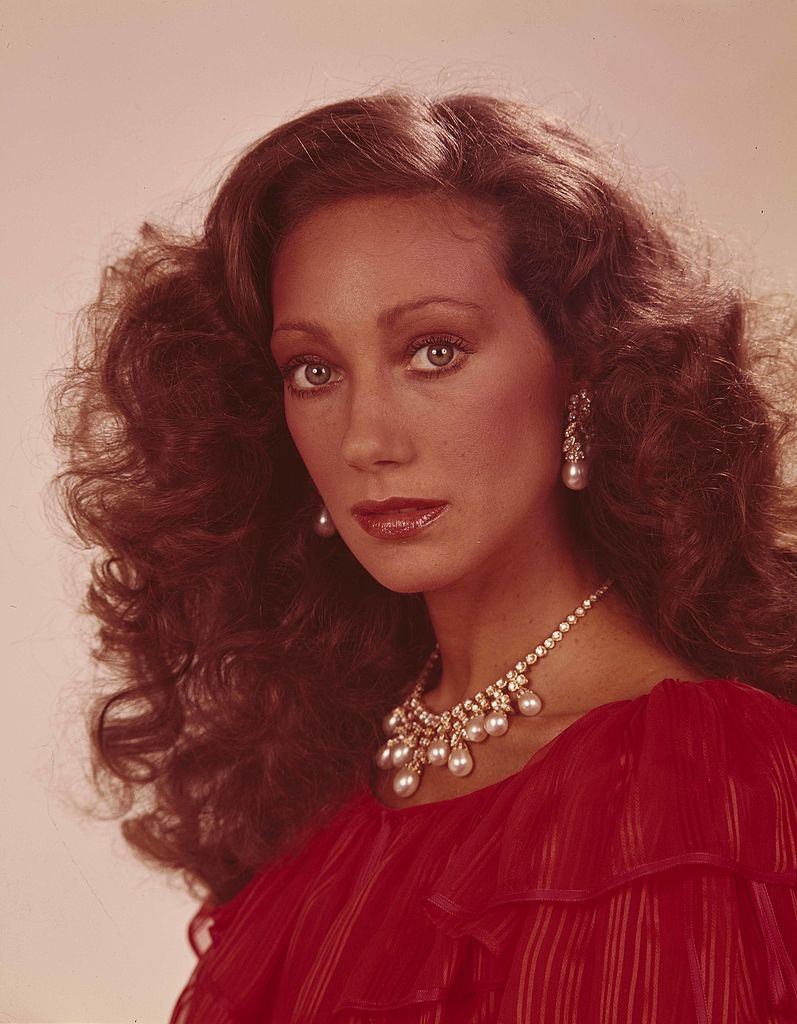
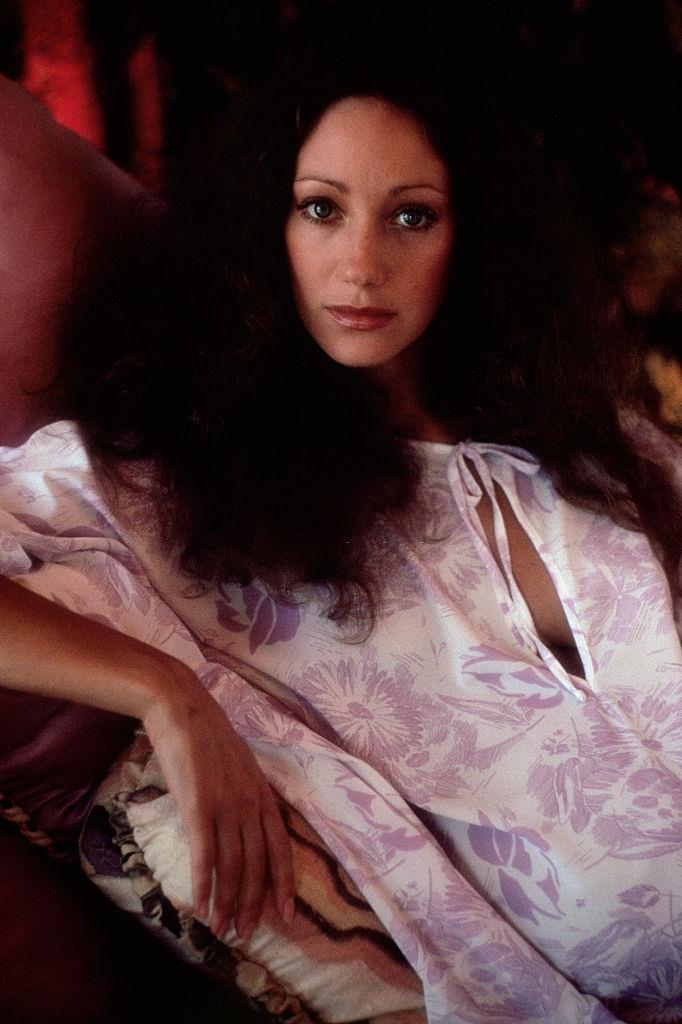
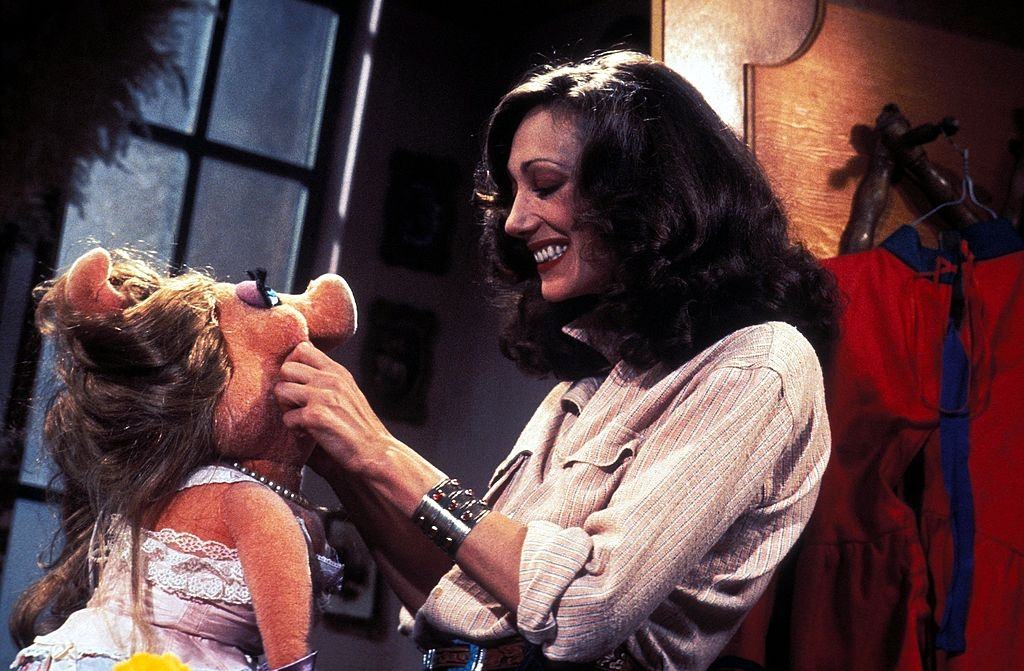
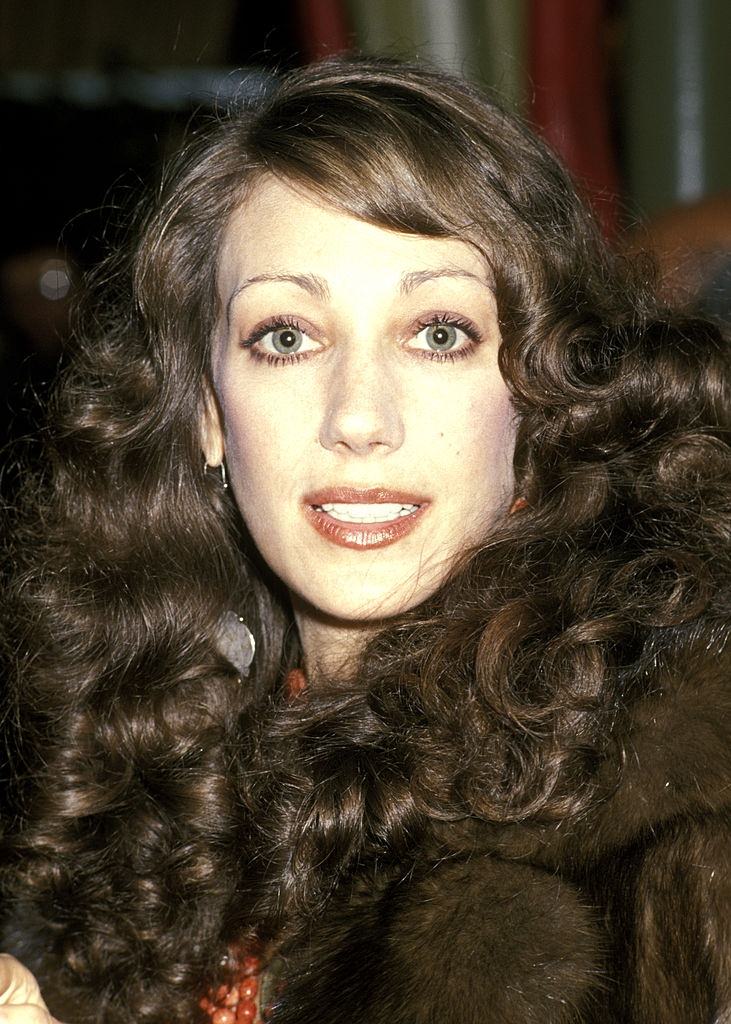
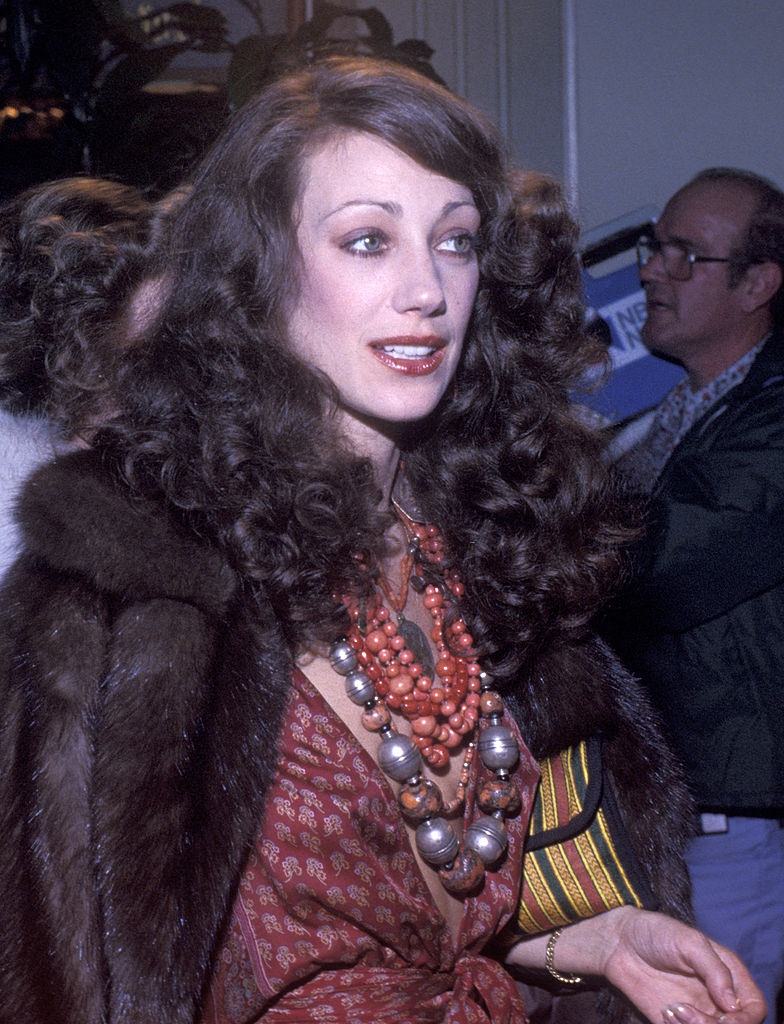
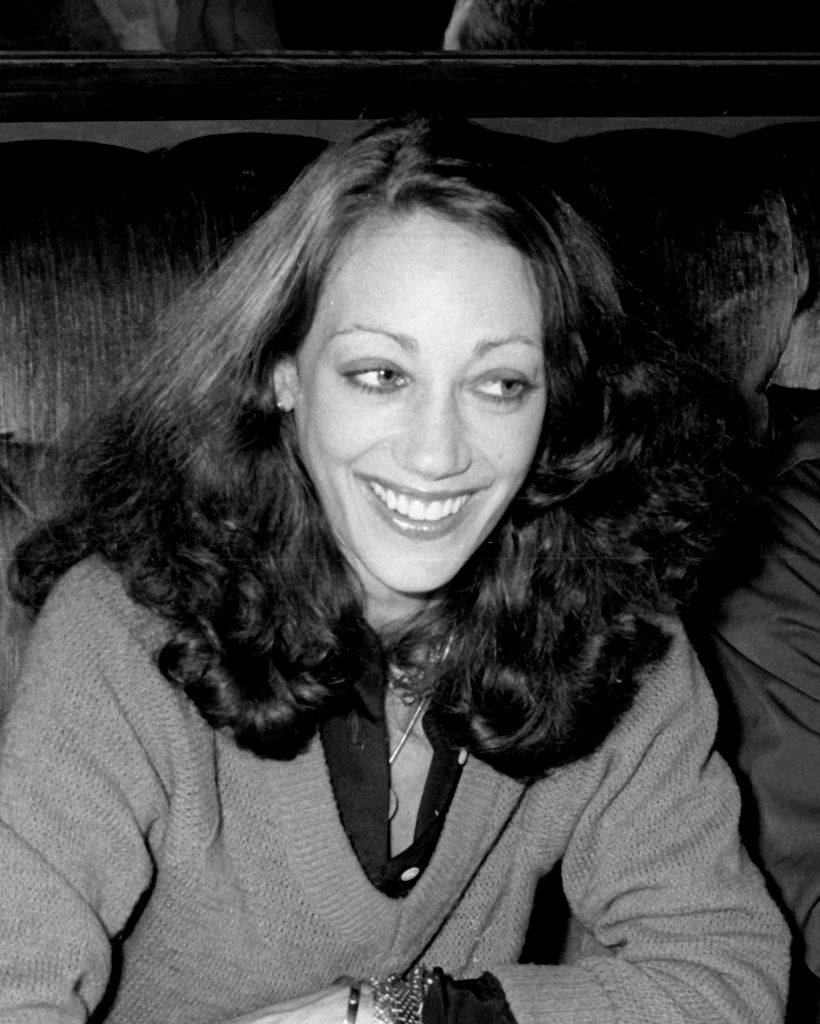
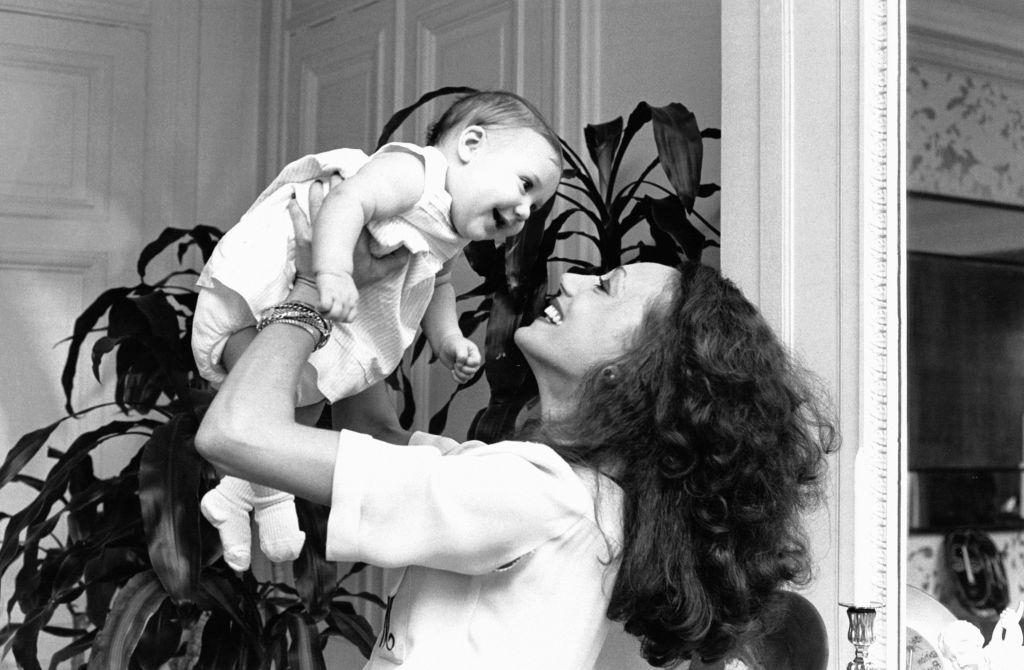
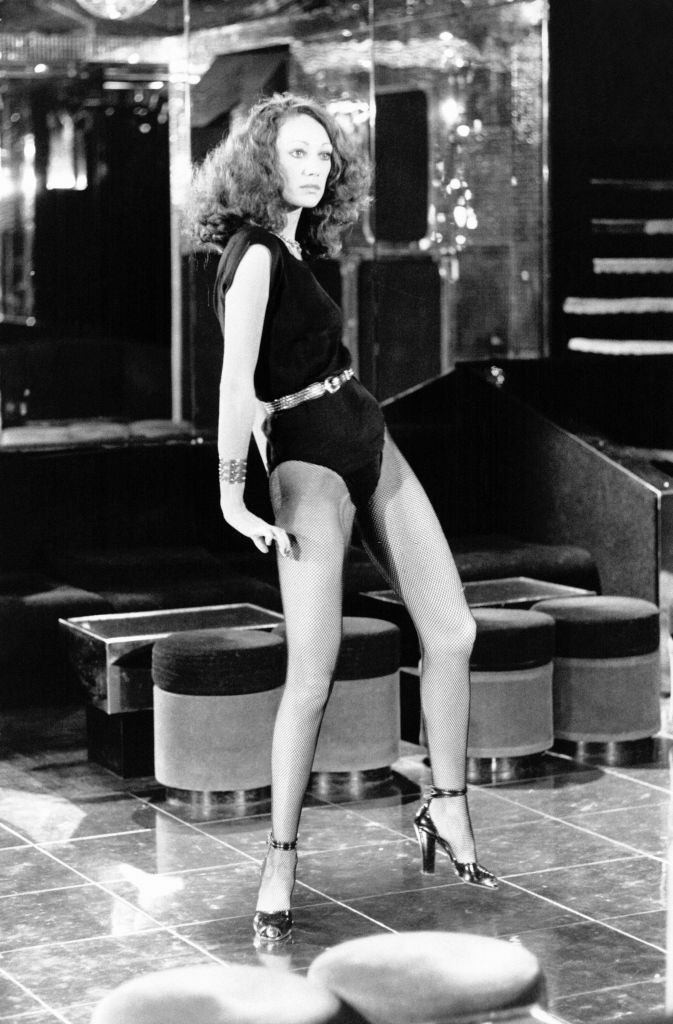
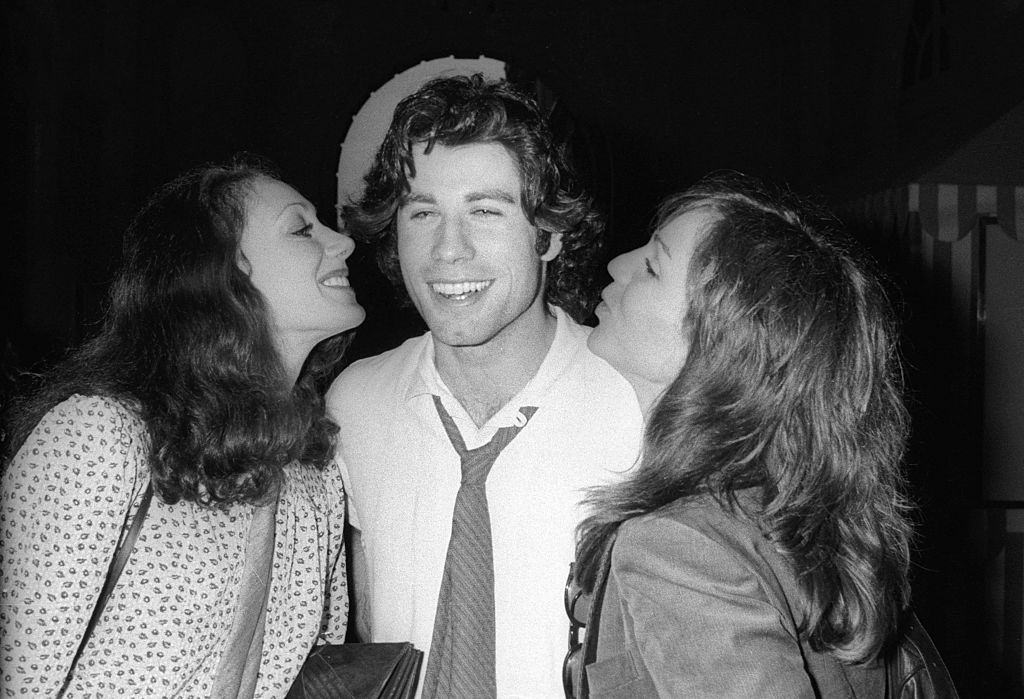
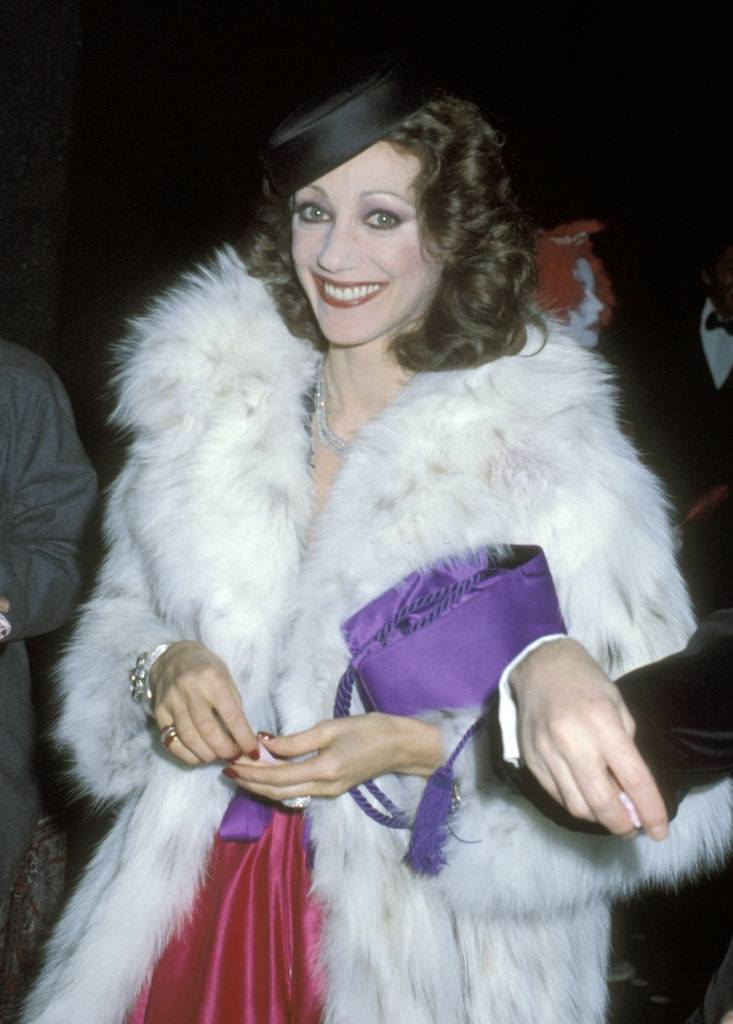
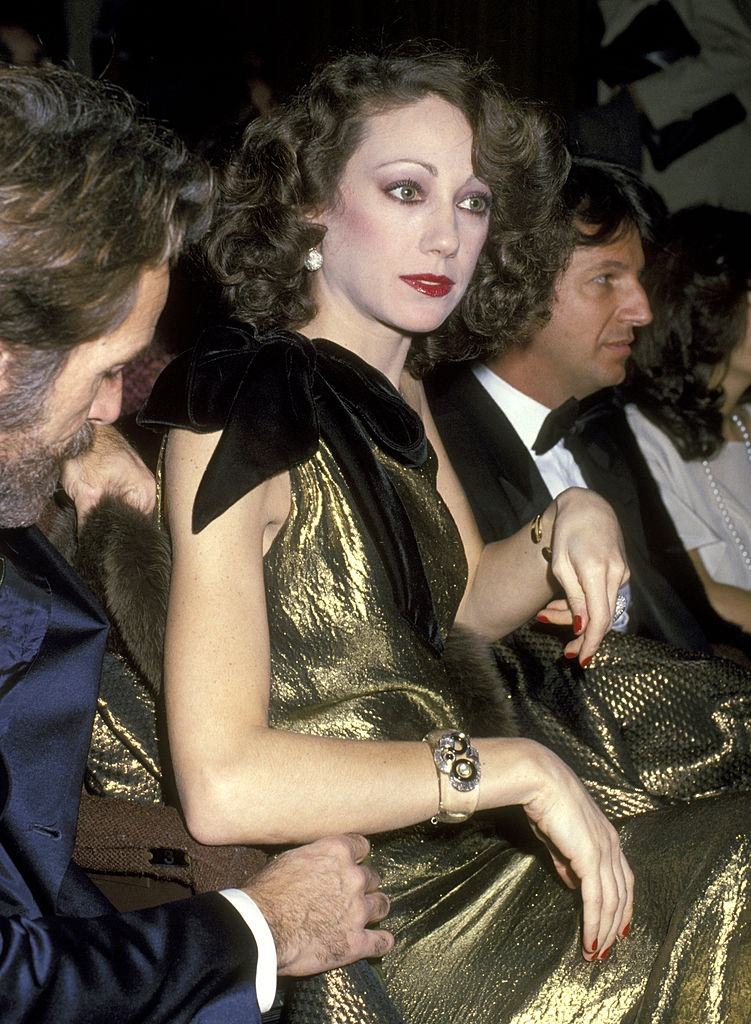
Through 1979 and 1980, Berenson remained active across film, television, and public life. She was spotted at the Beverly Hilton in early 1979, attended the 22nd Annual Grammy Awards after-party in February 1980, and was photographed at the Musée Jacquemart-André in Paris, where she was preparing to shoot her next film, Desire. She also spent time at home with her young daughter, balancing the demands of an international career with motherhood.
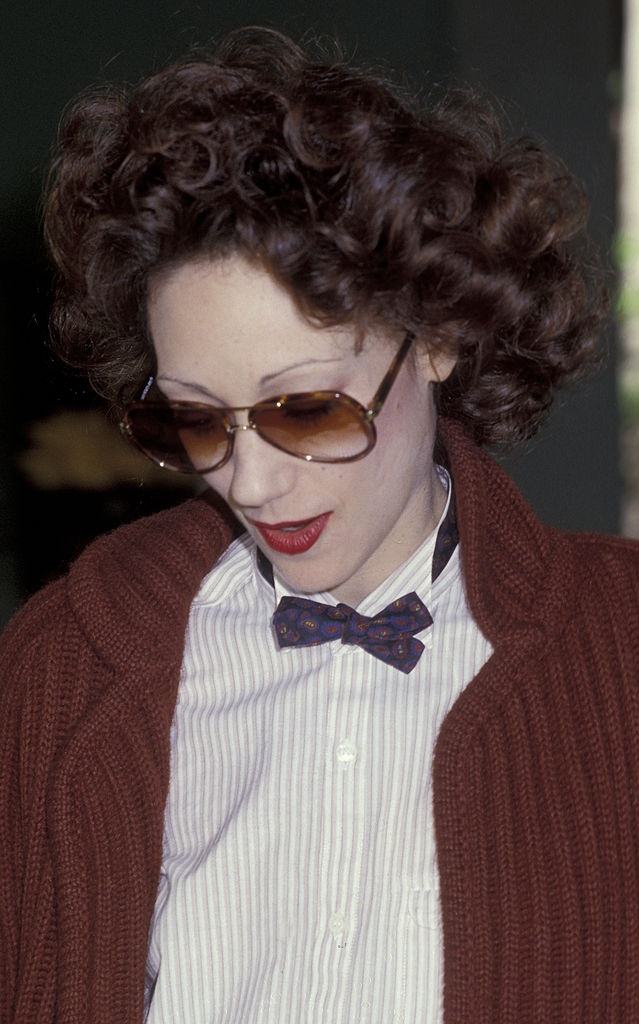
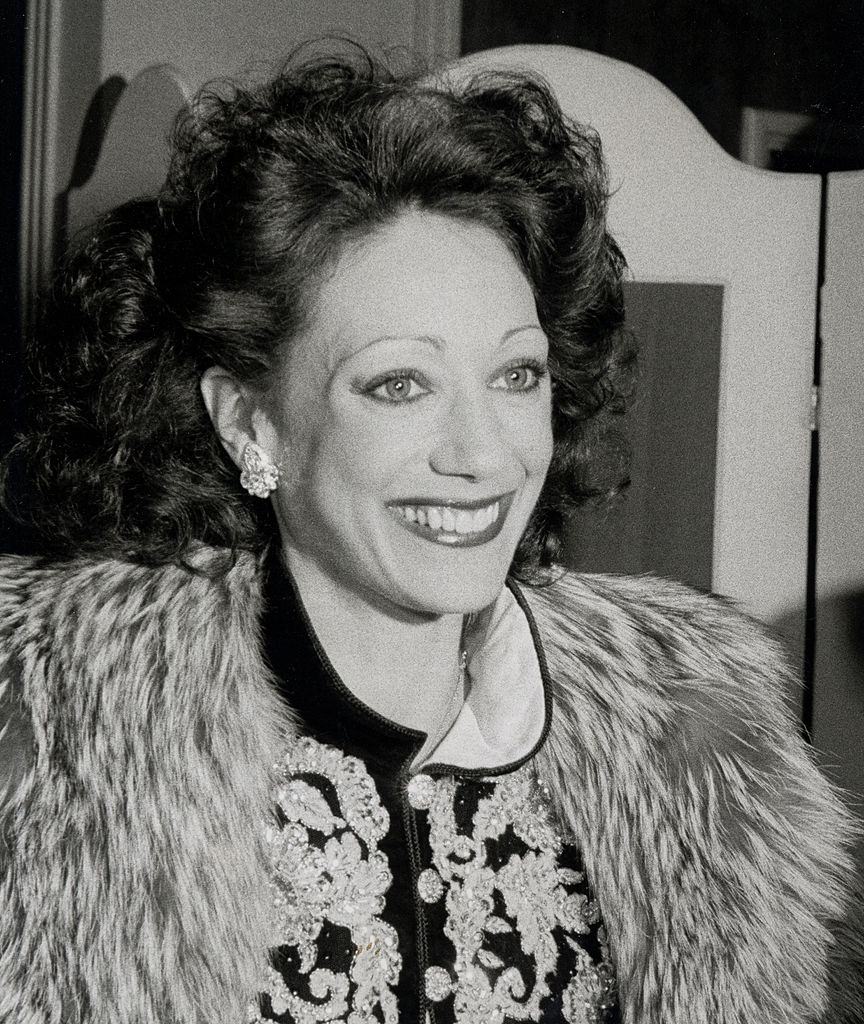
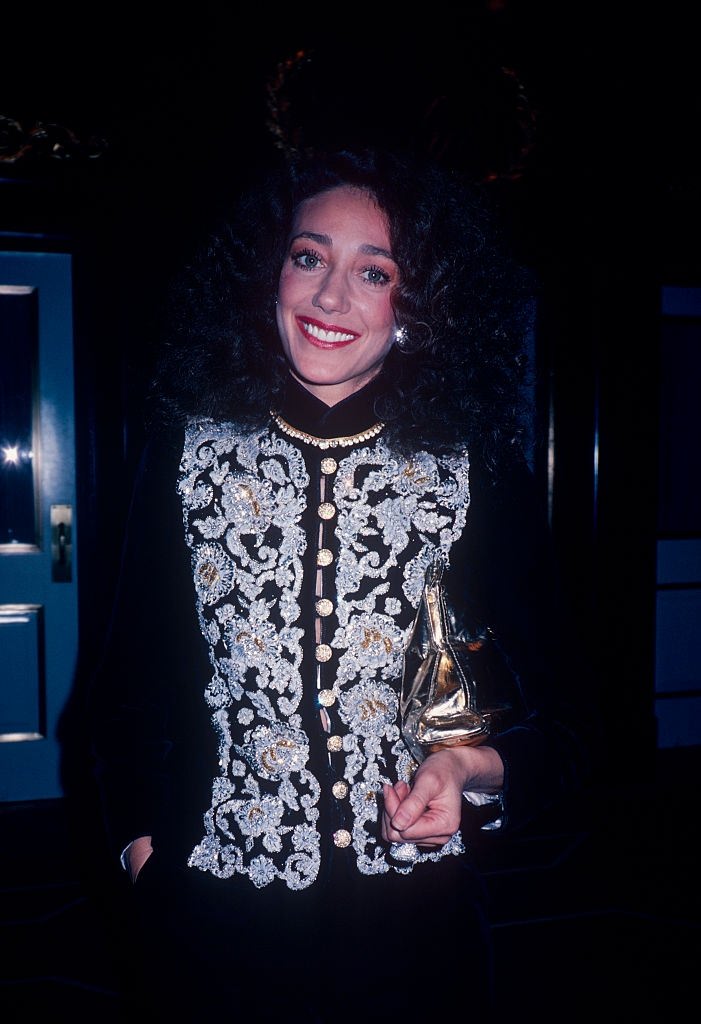
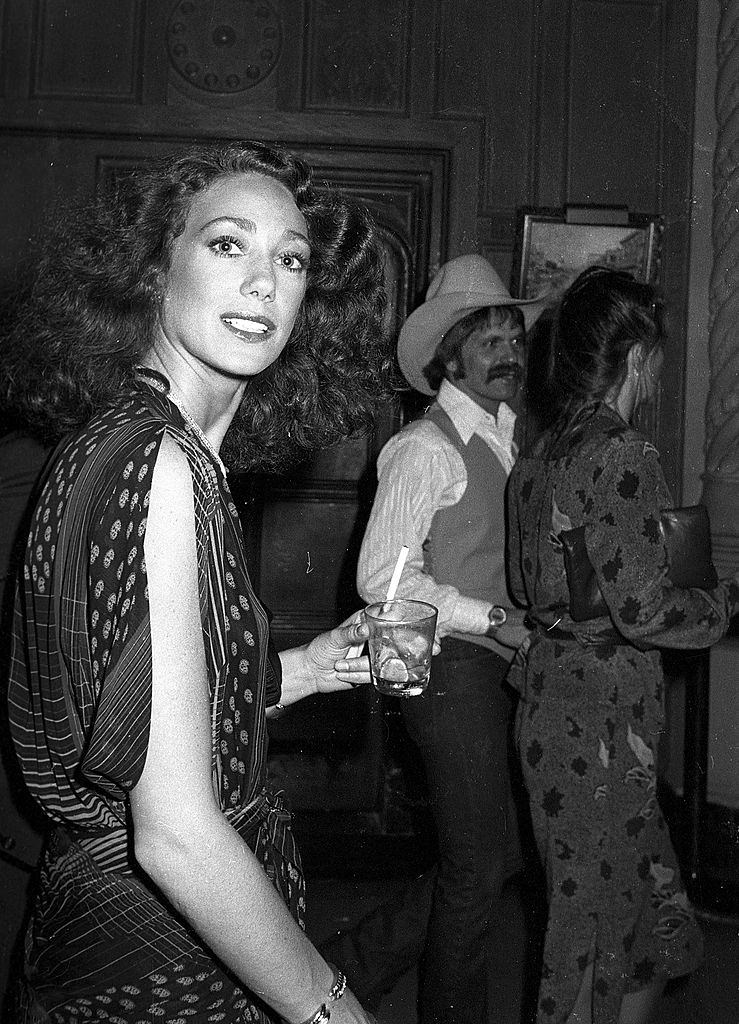
In 1982, Berenson married attorney Aaron Richard Golub. That marriage also ended in divorce, after five years. Over the course of her career, she appeared in more than thirty films and thirty-five television episodes across different series, building a body of work that stretched from art-house European cinema to mainstream American television. In August 2016, she took on the stage role of Lady Capulet in Romeo and Juliet at the Garrick Theatre in London, and she also serves on the board of the Culture Project, which sponsors theatrical productions.
Berenson’s personal life was marked by profound tragedy. Her younger sister, Berinthia “Berry” Perkins — the wife of actor Anthony Perkins — was killed in the September 11, 2001 attacks. Berry was aboard American Airlines Flight 11, traveling from Paris to New York, when it was hijacked and crashed into the North Tower of the World Trade Center. Marisa was in the air herself that morning. Her flight was diverted to Newfoundland, Canada, along with hundreds of other international flights. She landed hours later, not knowing what had happened. It was her daughter who told her over the phone that Berry was gone.