Hey There! Before You Go. 😧
Get the best vintage content straight into your inbox!

Don't worry, we don't spam

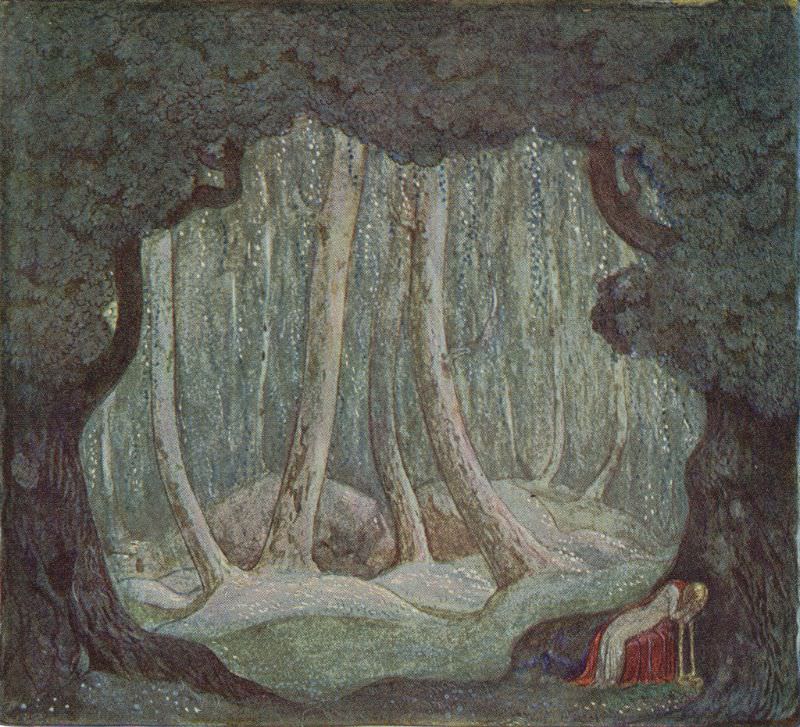
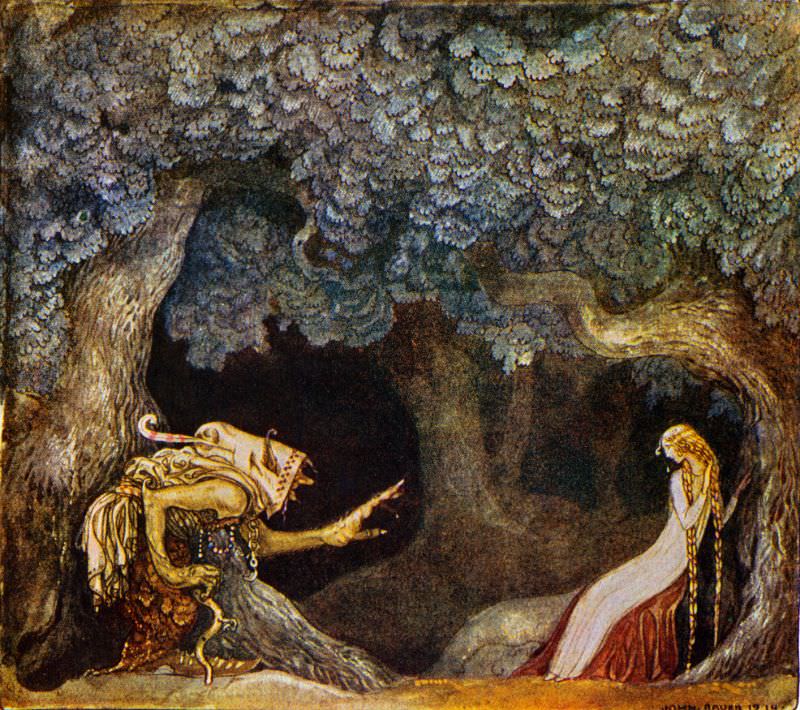
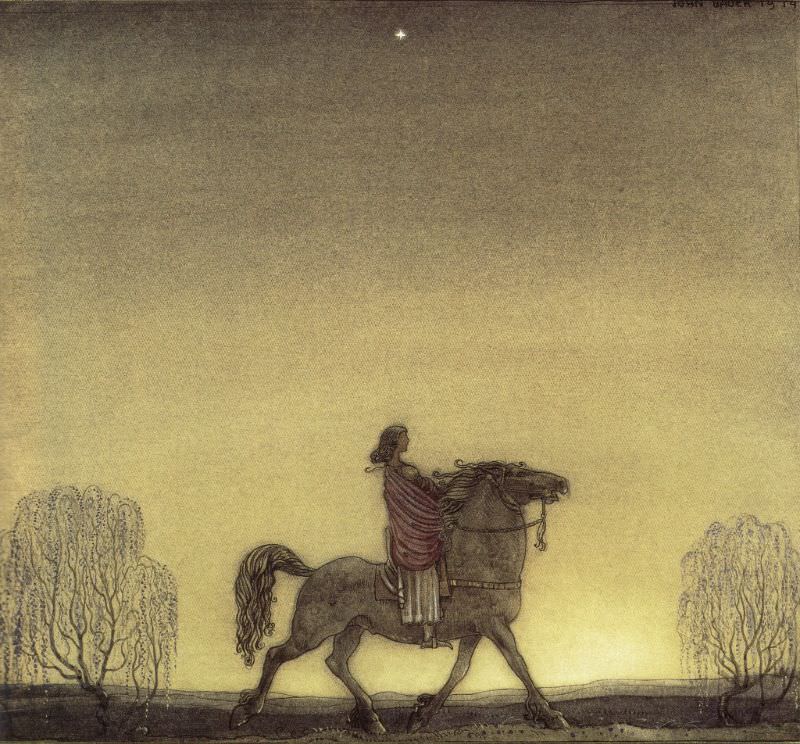
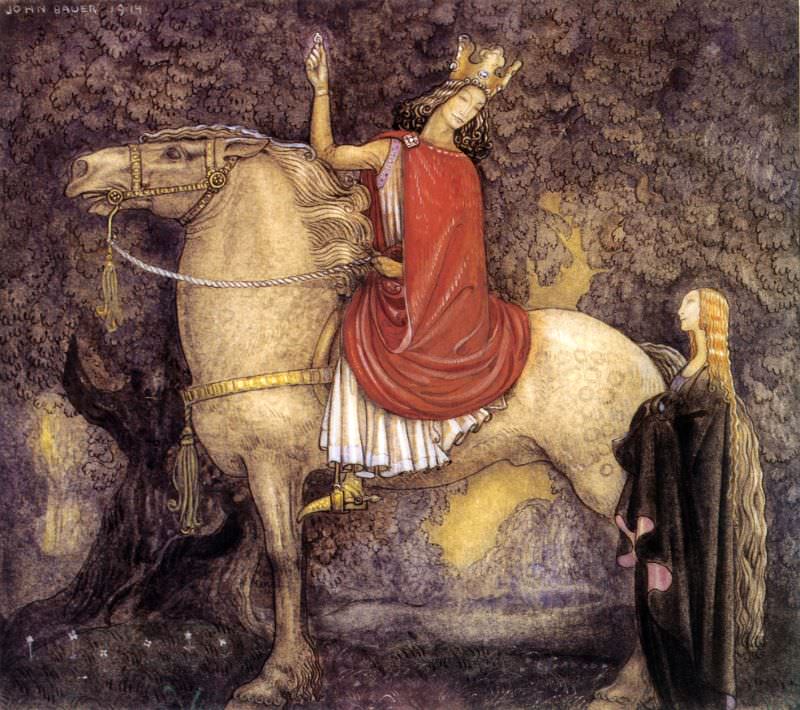
Stunning Surreal Illustrations by Swedish Artist John Bauer from the Early 1900s

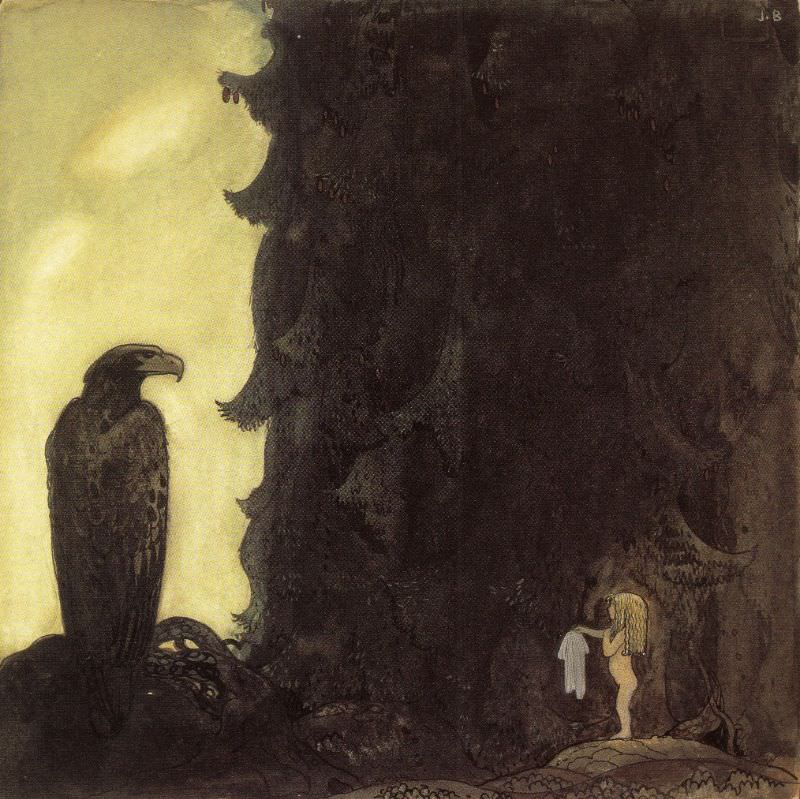
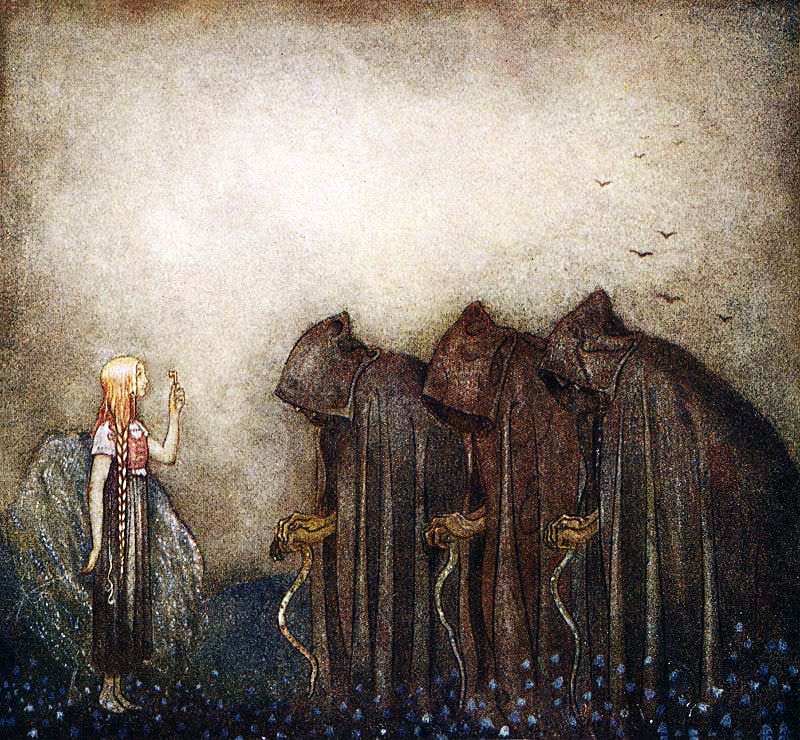
John Bauer was born in Jƶnkƶping, Sweden, in 1882. He studied at the Royal Swedish Academy of Arts in Stockholm before traveling to Lappland, Germany, and Italy — journeys that left a clear mark on everything he painted. From the far north he absorbed the rugged, mist-covered wilderness of Sami culture. From the south he drew on the grand compositions of the Italian Renaissance. Both worlds fed into a visual style that felt ancient and otherworldly at the same time.

Bauer worked primarily in watercolor and printmaking, favoring muted, earthy tones. He also produced oil paintings and frescoes. But it was his book illustrations that made him famous across Sweden. Beginning in 1907, he became the defining artist behind Bland tomtar och troll — translated as Among Gnomes and Trolls — an annual anthology of Swedish folklore and fairy tales. His illustrations for that series ran for over a decade and set the visual standard for how Swedes pictured their mythical creatures.
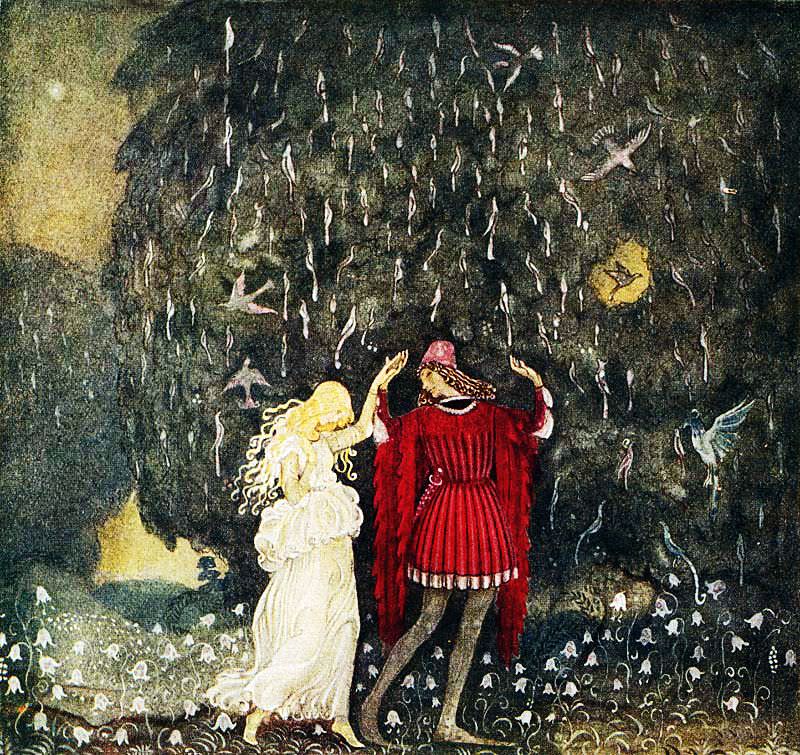
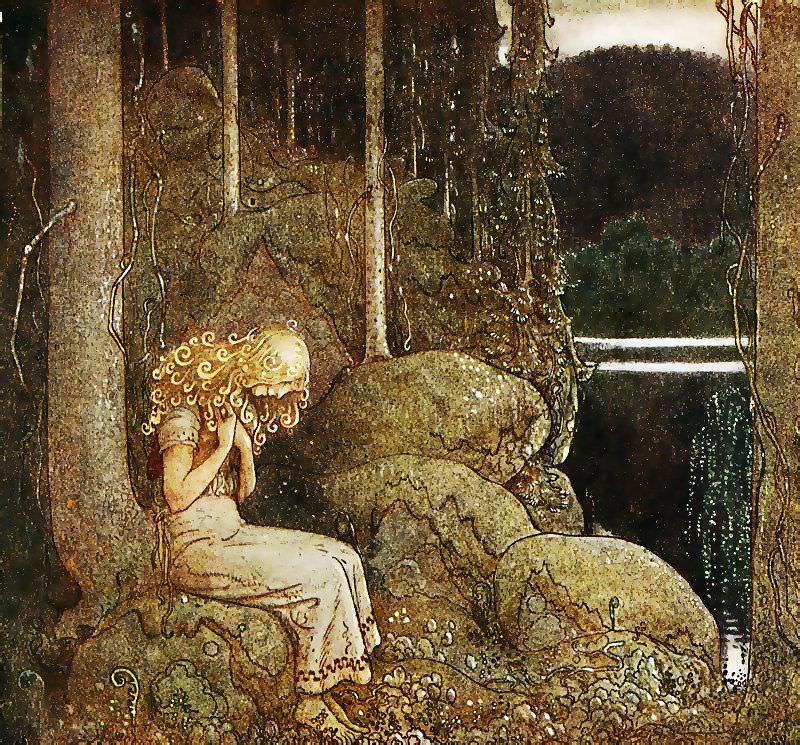
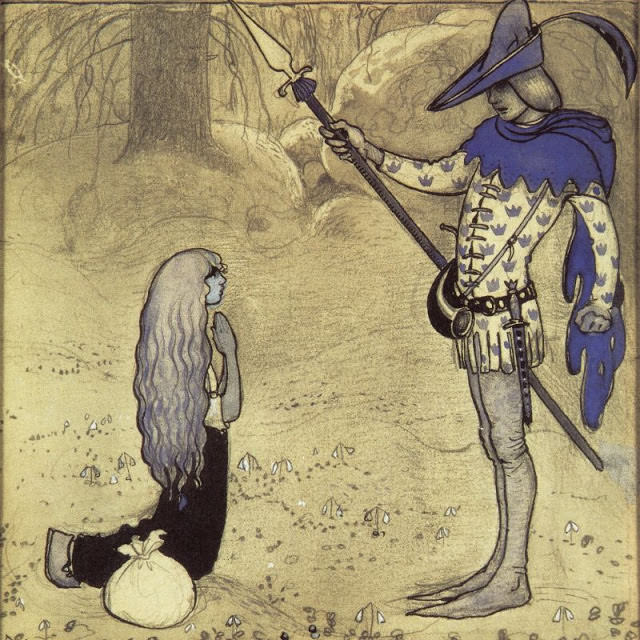
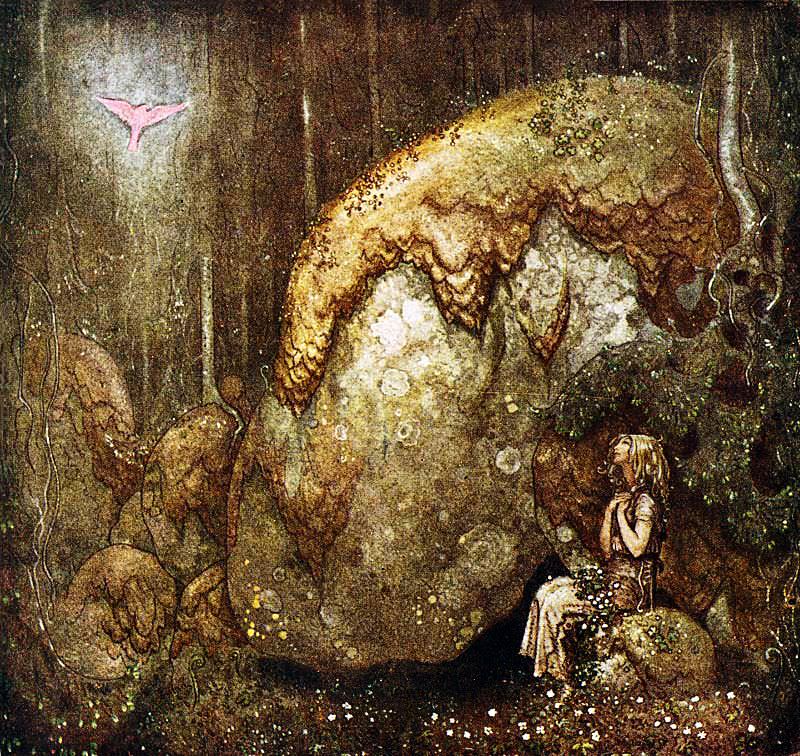
One of his earliest and most ambitious assignments for the anthology was a story called Dag and Daga, and the Flying Troll of Sky Mountain. Bauer produced multiple illustrations for this single tale in 1907, showing the range of scenes and moods he could command within one narrative.

Dag and Daga, and the Flying Troll of Sky Mountain, 1907

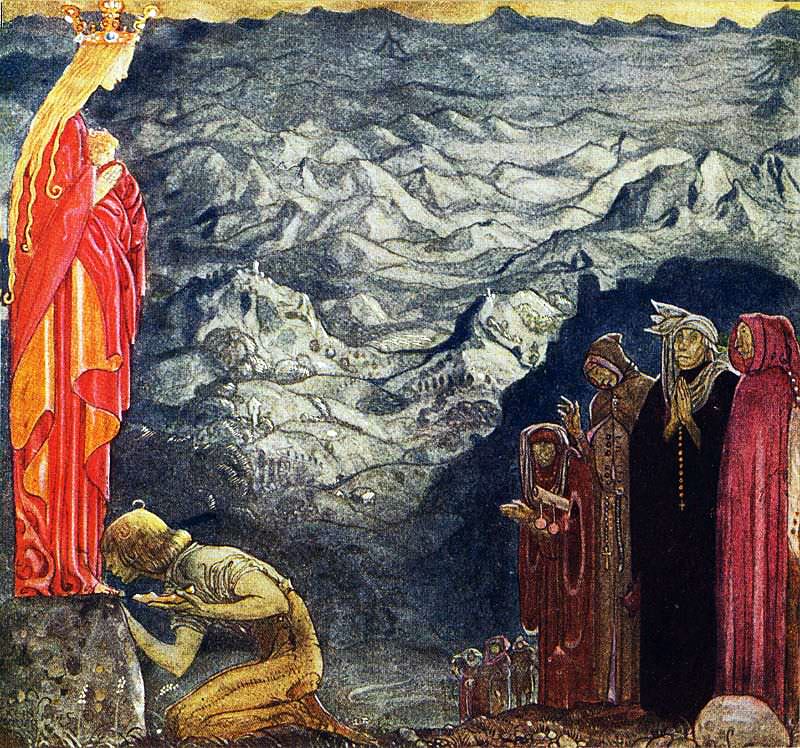
Also from 1907, The Seven Wishes shows Bauer’s ability to blend human figures with fantastical elements in a way that felt grounded rather than cartoonish. His trolls and giants were not comic — they were vast, ancient, and strangely dignified.

The Seven Wishes, 1907

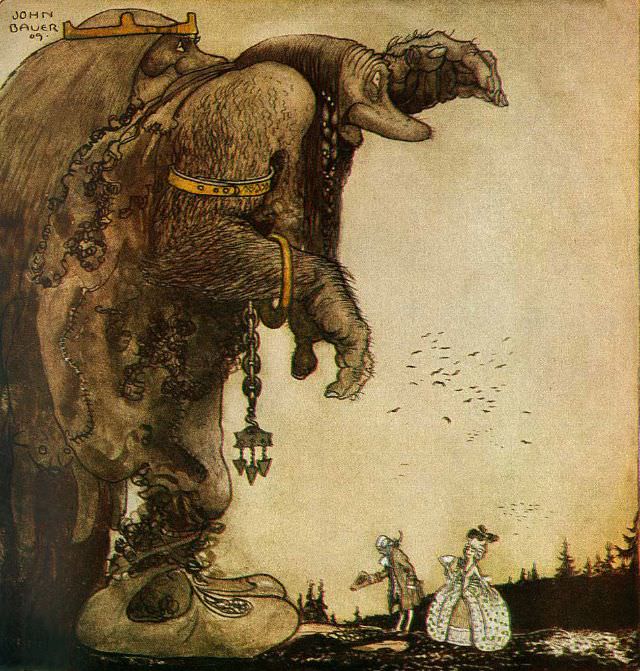
By 1909, Bauer was illustrating giants with a sense of sheer scale that few artists matched. A year later, he returned to that theme with The Giant Who Slept for Ten Thousand Years, a piece that captures geological stillness — the sense that a creature exists on a timeline far beyond human understanding.

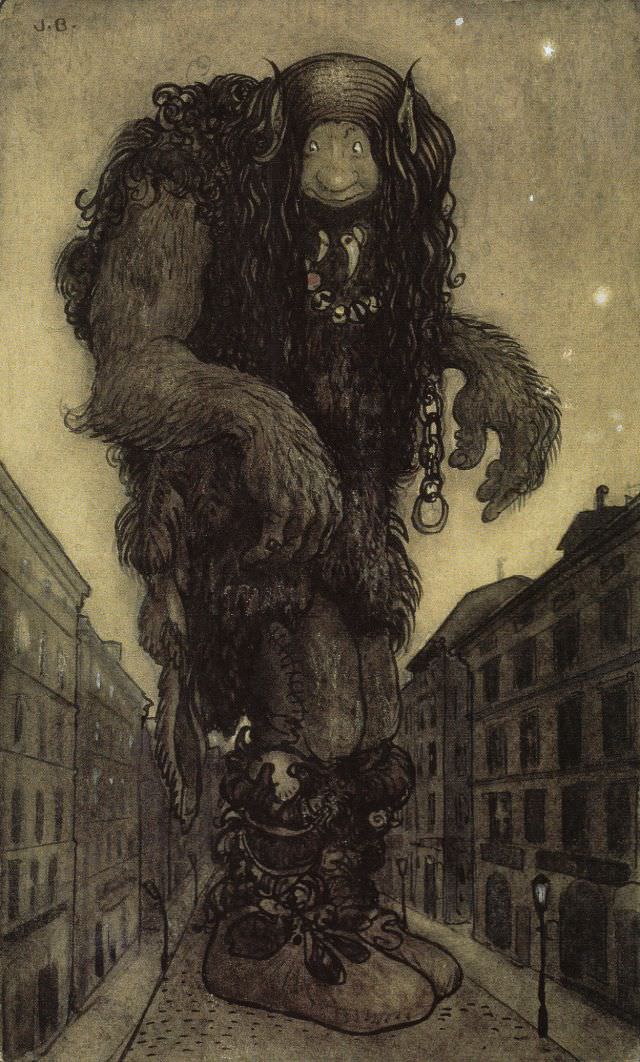
Giant, 1909
Giant, 1909
The Giant Who Slept for Ten Thousand Years, circa 1910s
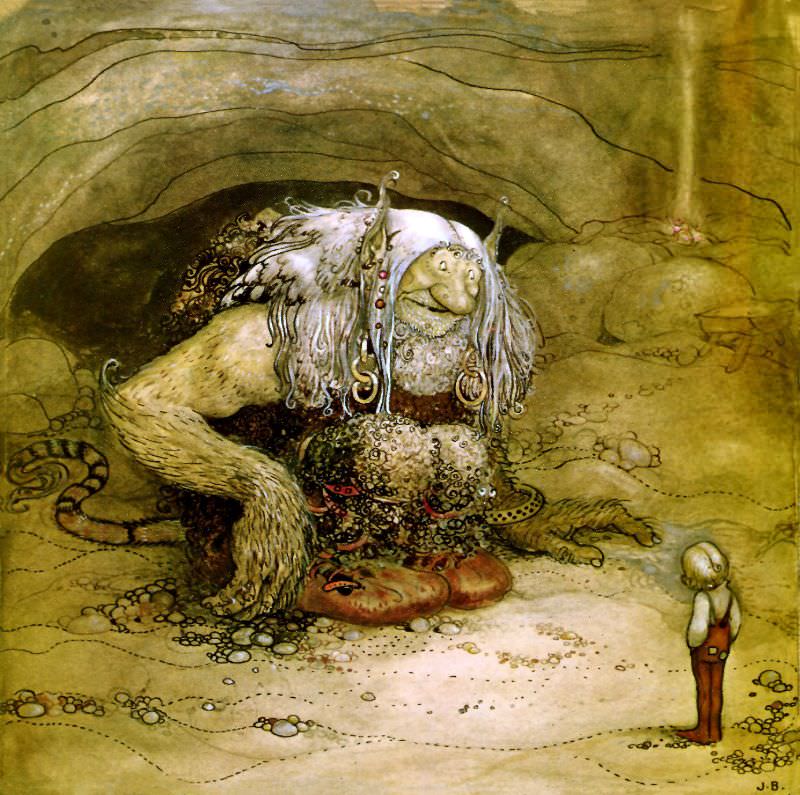
The Old Troll of Big Mountain, circa 1910s

The year 1910 brought several standout pieces. The Prince Without a Shadow and The Troll Ride both appeared that year, and together they show the two emotional registers Bauer moved between — quiet, melancholic scenes on one hand, and dynamic, wind-swept action on the other.

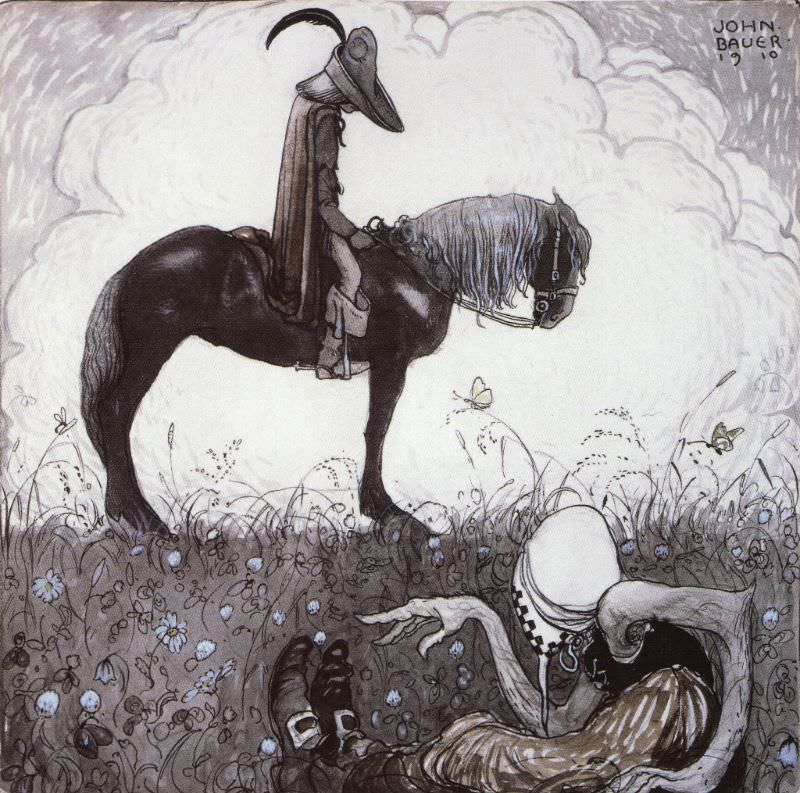
The Prince Without a Shadow, 1910
The Troll Ride, 1910

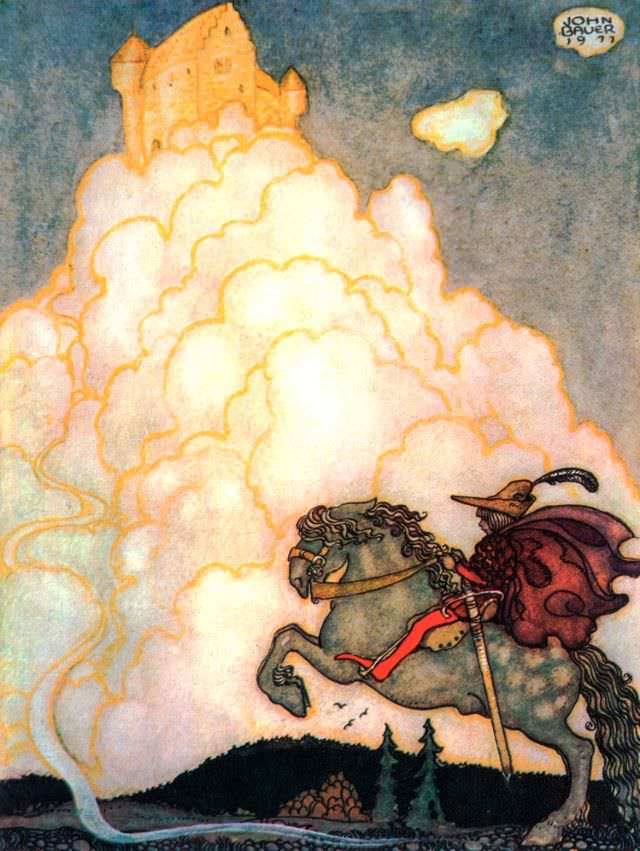
In 1911, The Maiden in the Castle of Rosy Clouds displayed Bauer’s skill at rendering atmospheric light — warm, hazy tones that made his fantasy settings feel like places you might actually reach if you walked far enough into the Swedish forest.

The Maiden in the Castle of Rosy Clouds, 1911

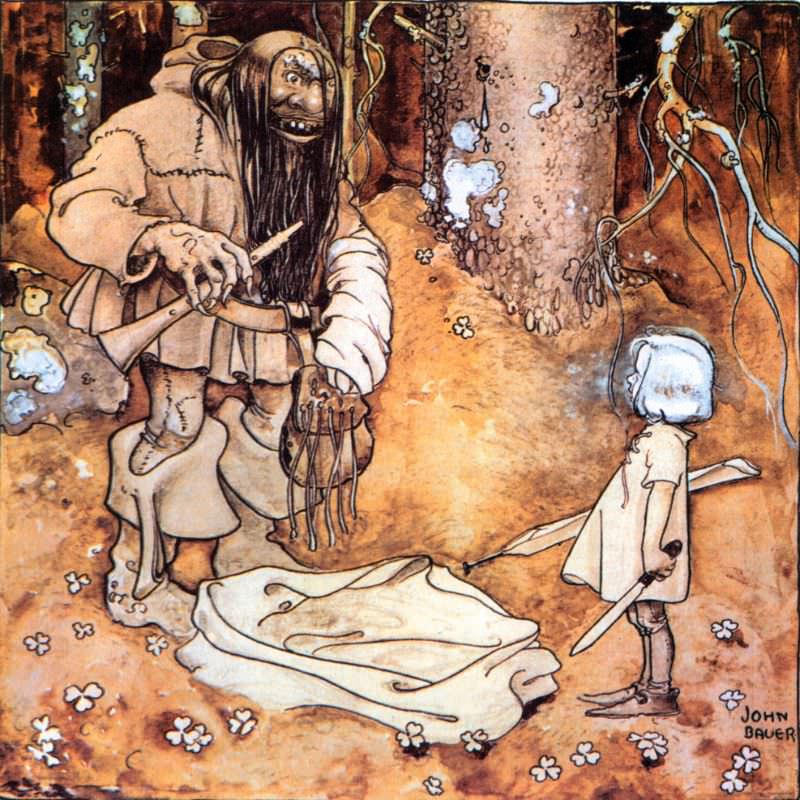
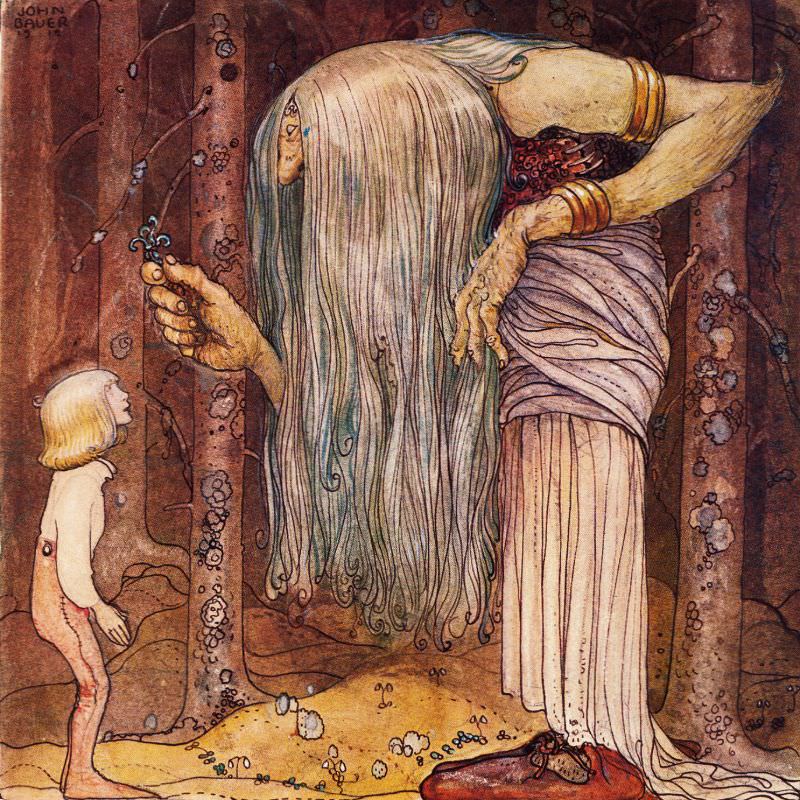
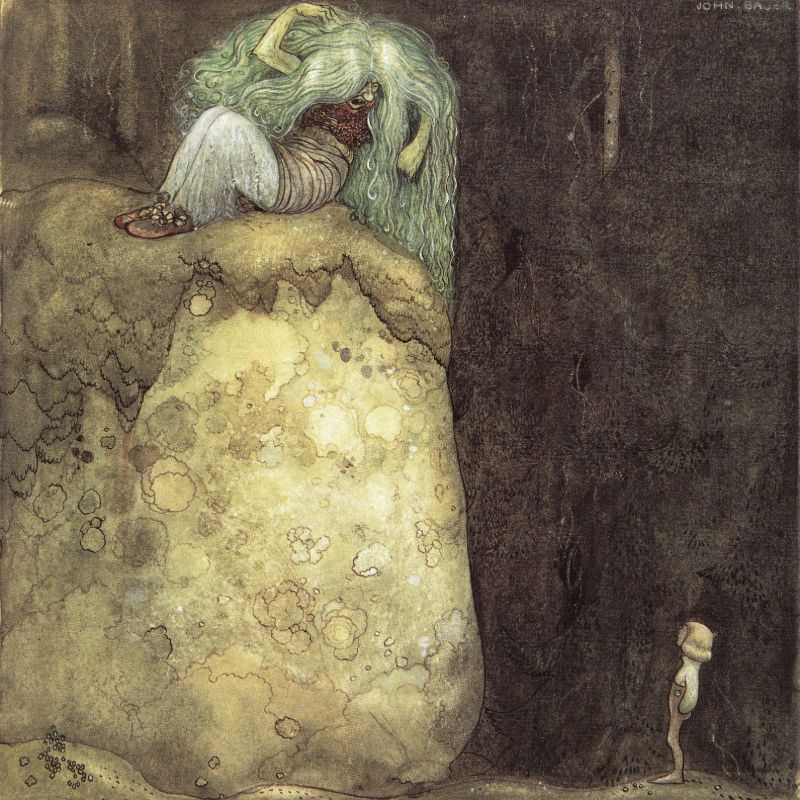
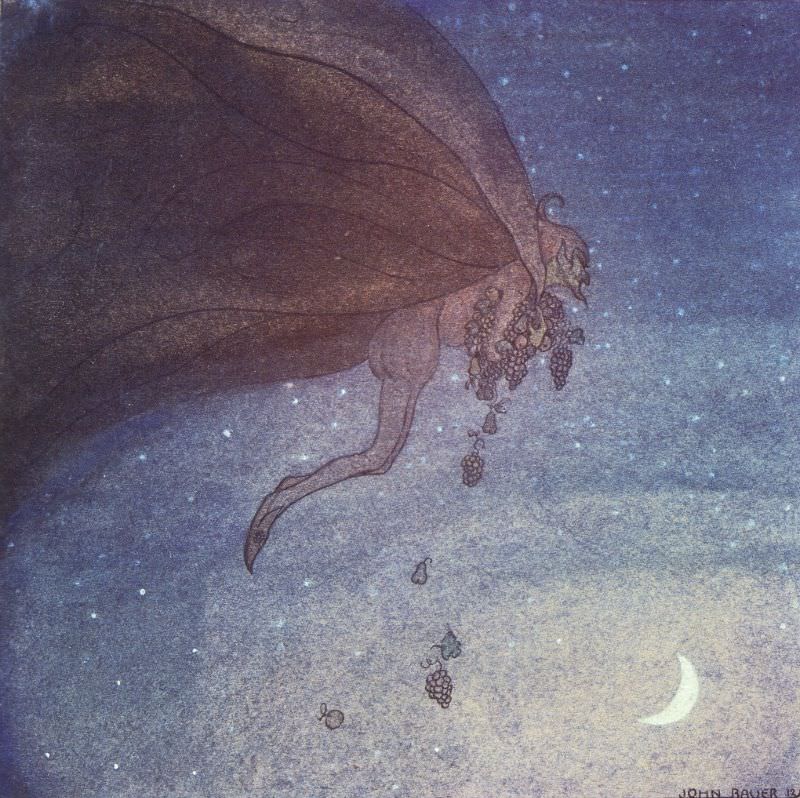
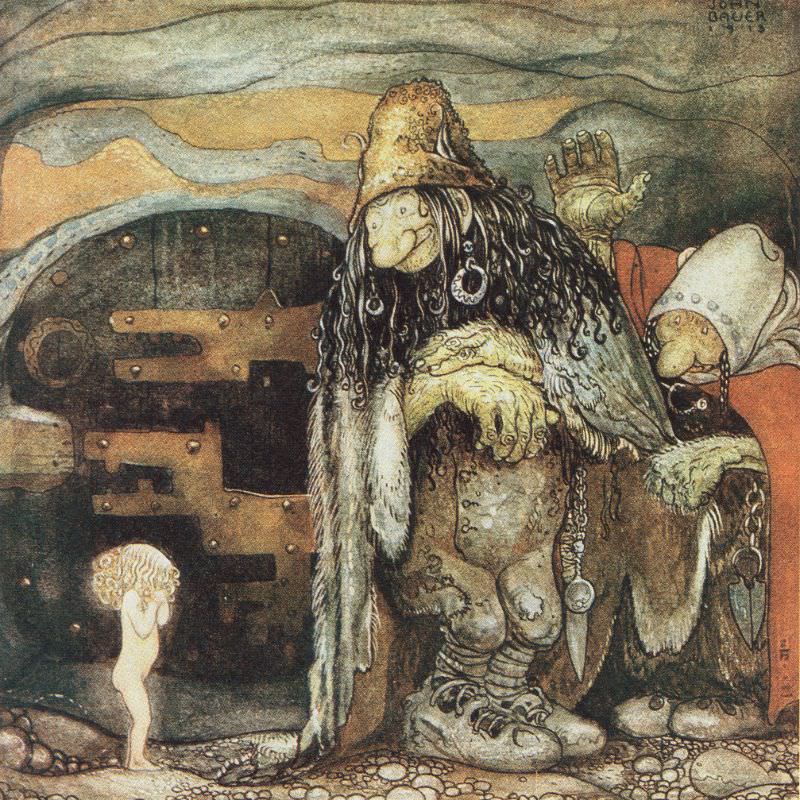
The year 1912 was one of Bauer’s most productive. He produced illustrations for multiple stories, including Bella’s Glorious Adventure, The Boy Who Was Never Afraid, and The Magician’s Cape. Small children appearing alongside enormous trolls became one of his signature compositions — the contrast in size amplified the sense of wonder without tipping into horror.

Bella's Glorious Adventure, 1912
Bella’s Glorious Adventure, 1912
Here is a piece of magic herb for you. Something only I can find. The boy who was never afraid, 1912
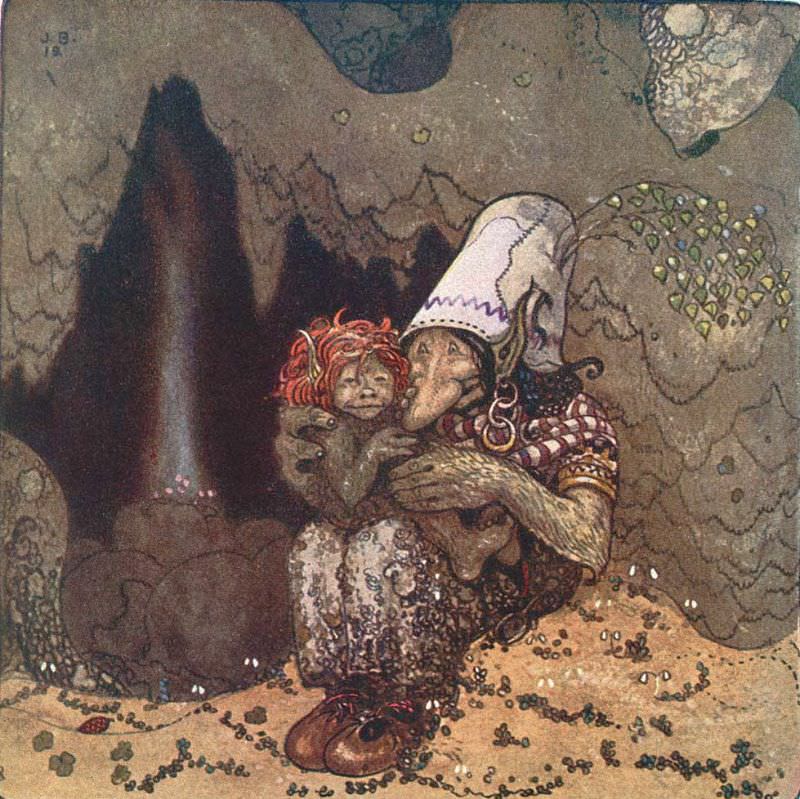
Humpe climbed up on his lap, 1912
Little boy and Troll, 1912
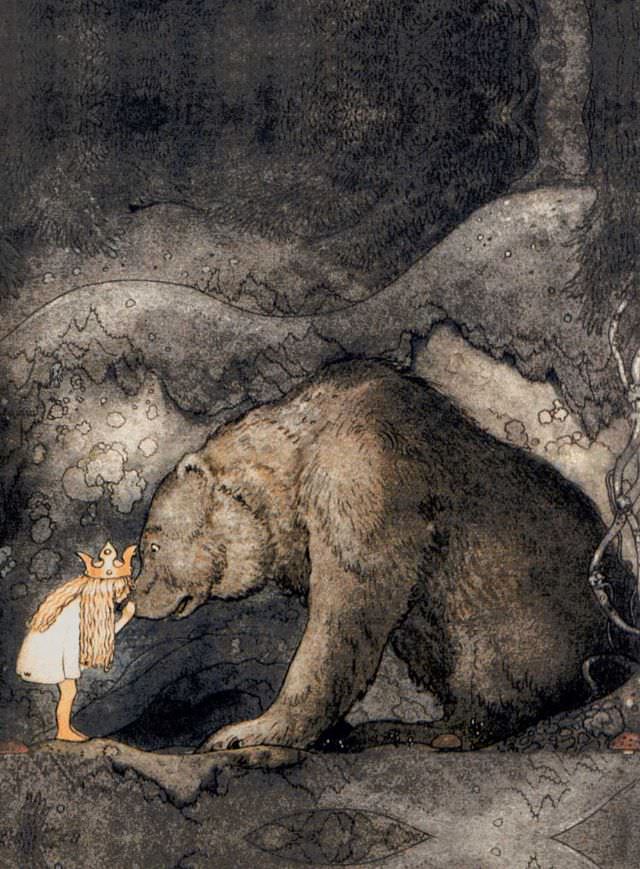
She Kissed the Bear on the Nose, 1912
The Boy Who Was Never Afraid, 1912
The Magician's Cape, 1912
The Magician’s Cape, 1912

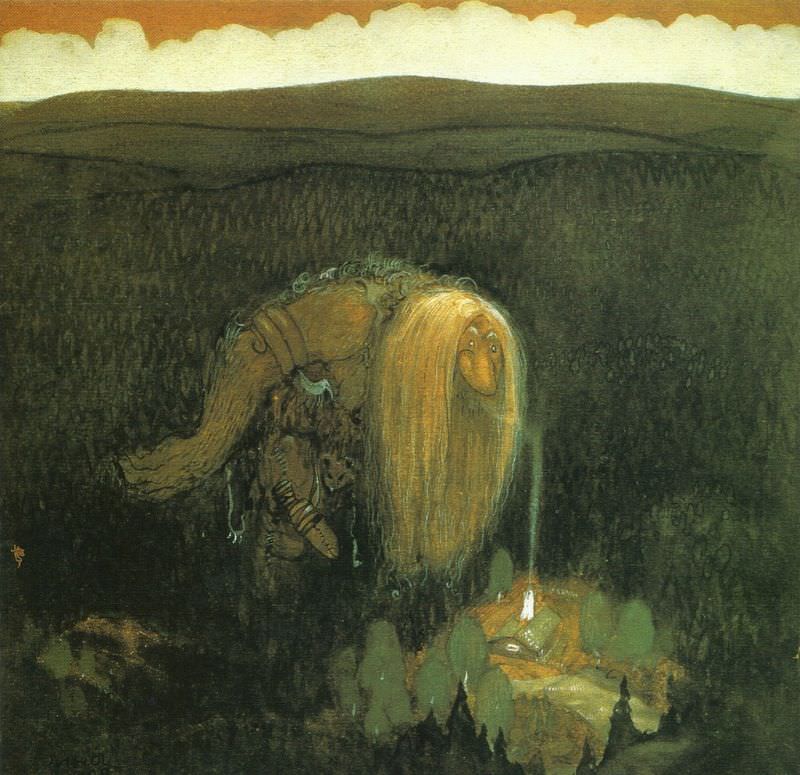
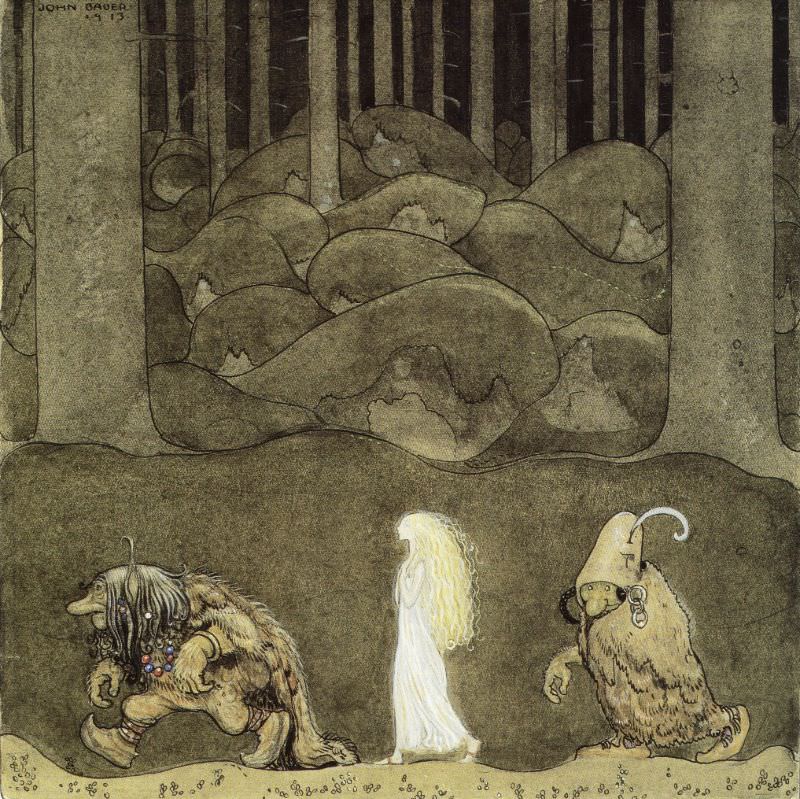
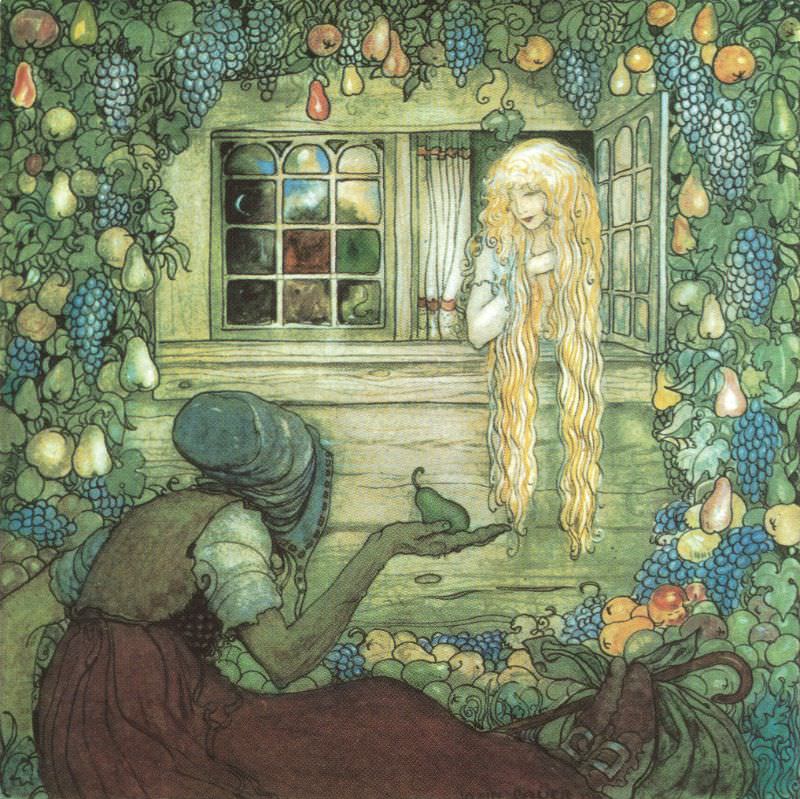
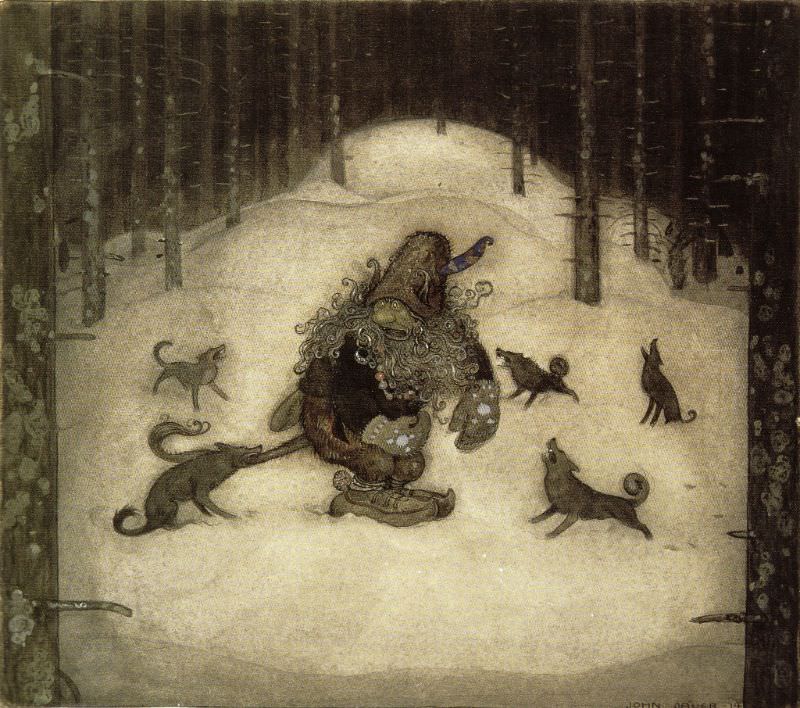
In 1913, Bauer contributed illustrations to several more anthology stories. A Forest Troll and Humpe in the Woods both placed solitary figures deep inside dense woodland — settings drawn from the actual Swedish landscape Bauer knew well. That same year he illustrated Leap the Elk and Little Princess Cottongrass across multiple scenes, as well as a trio of images for The Changelings.

A Forest Troll, 1913
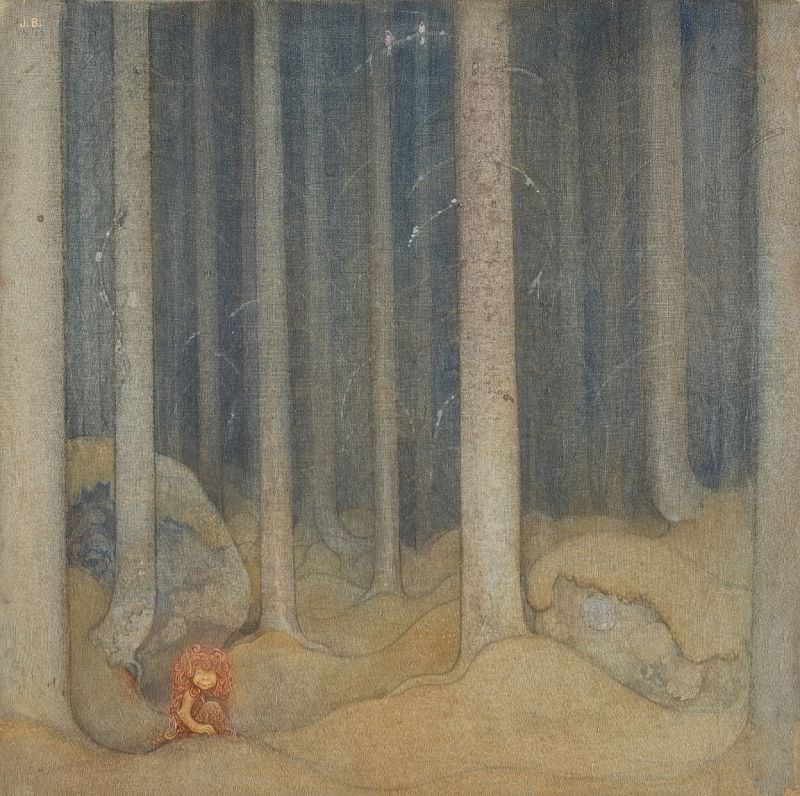
Humpe in the Woods, 1913
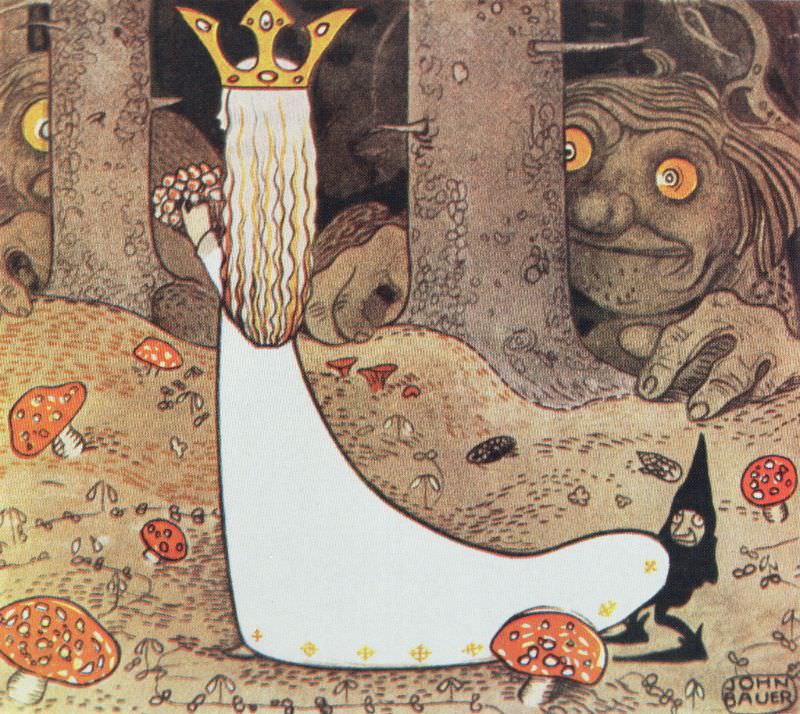
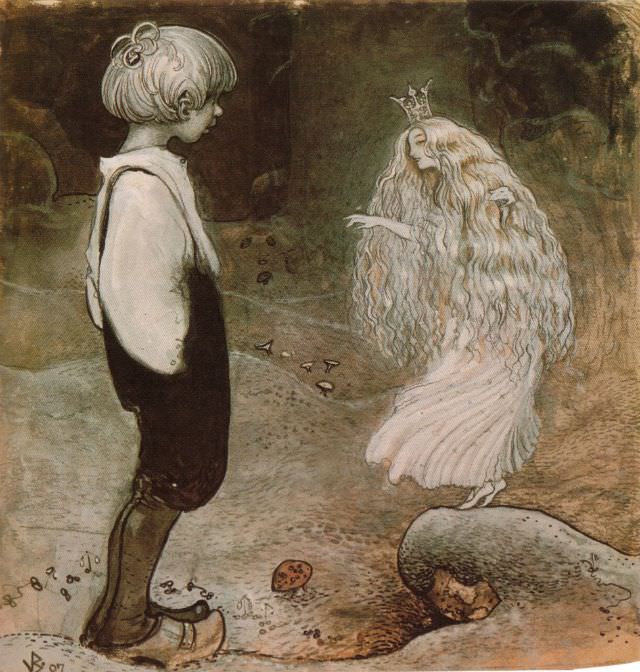
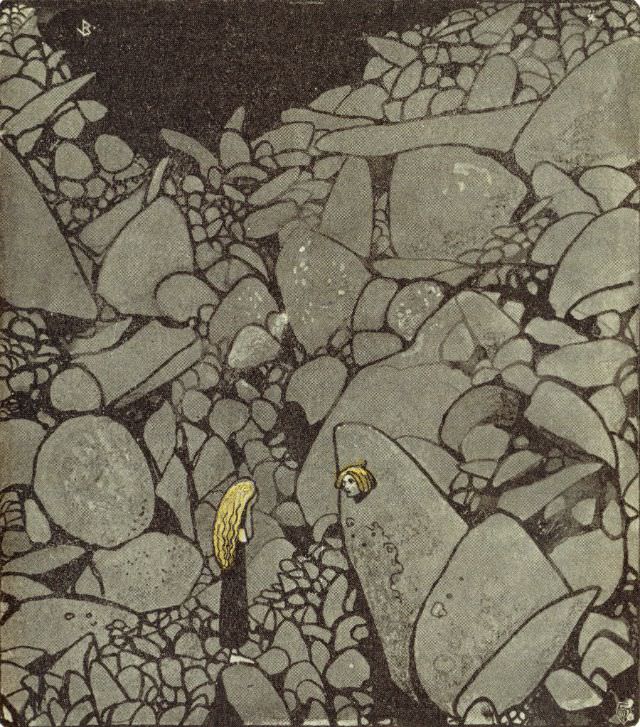
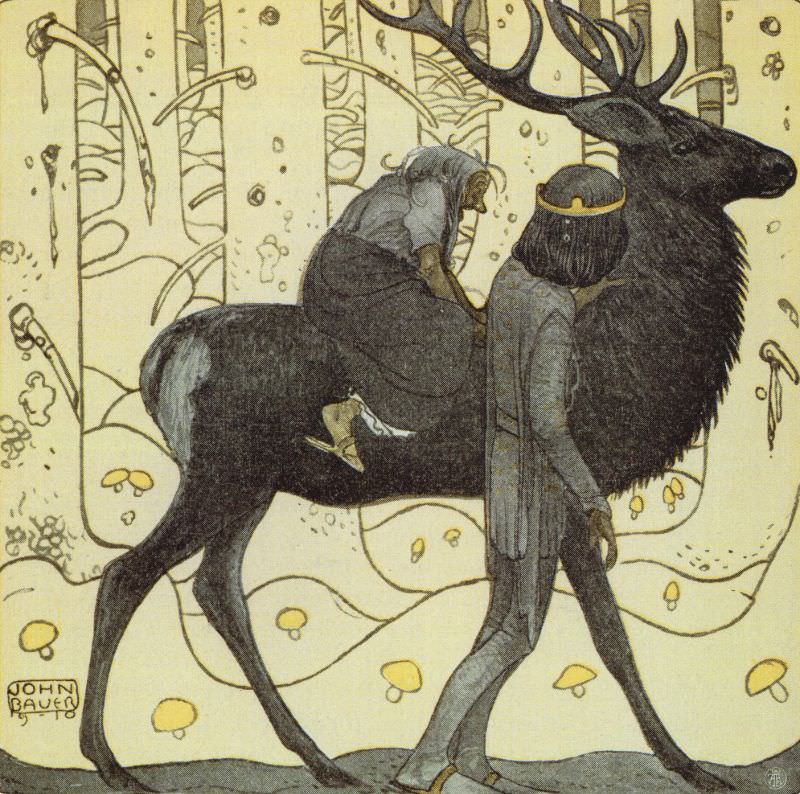
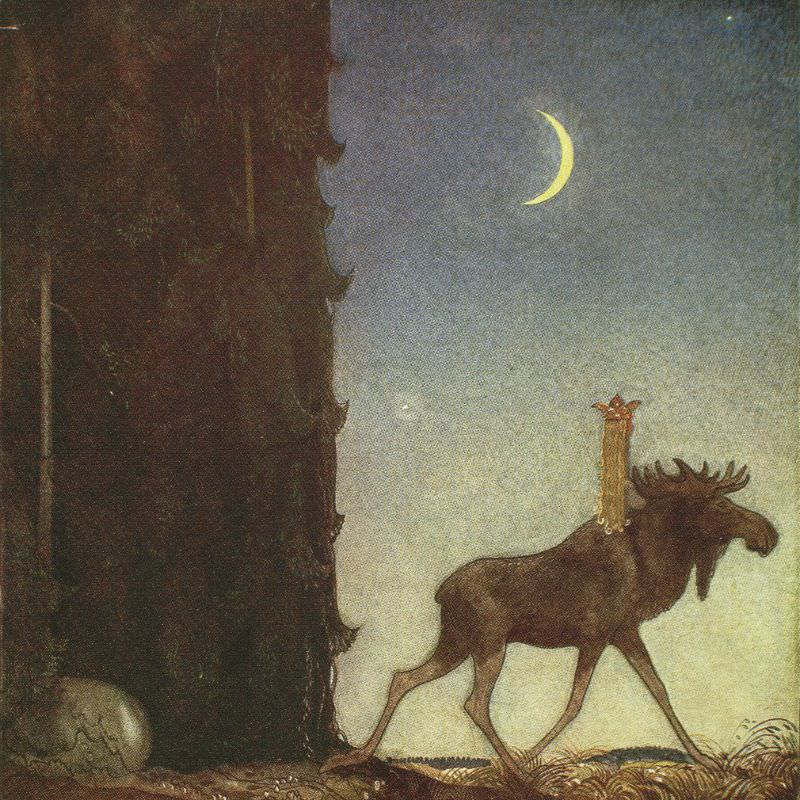
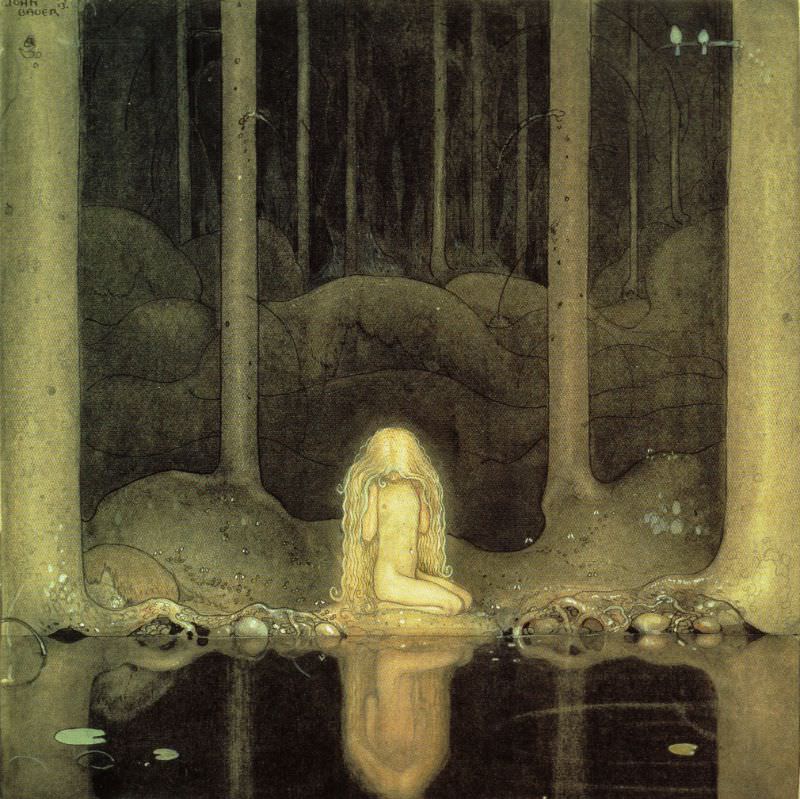
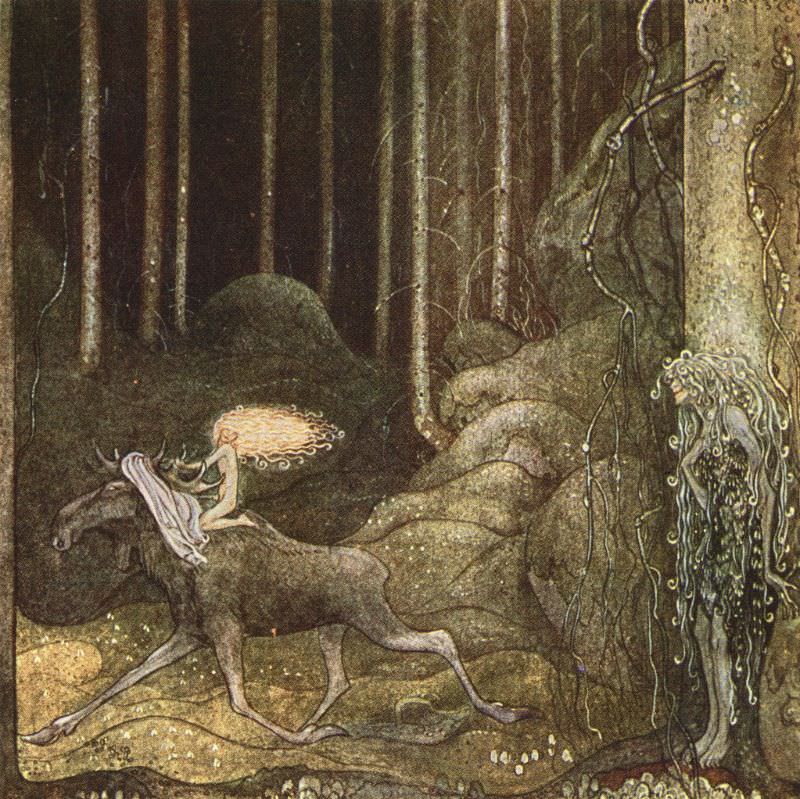
Leap the Elk and Little Princess Cottongrass, 1913
The Changelings, 1913

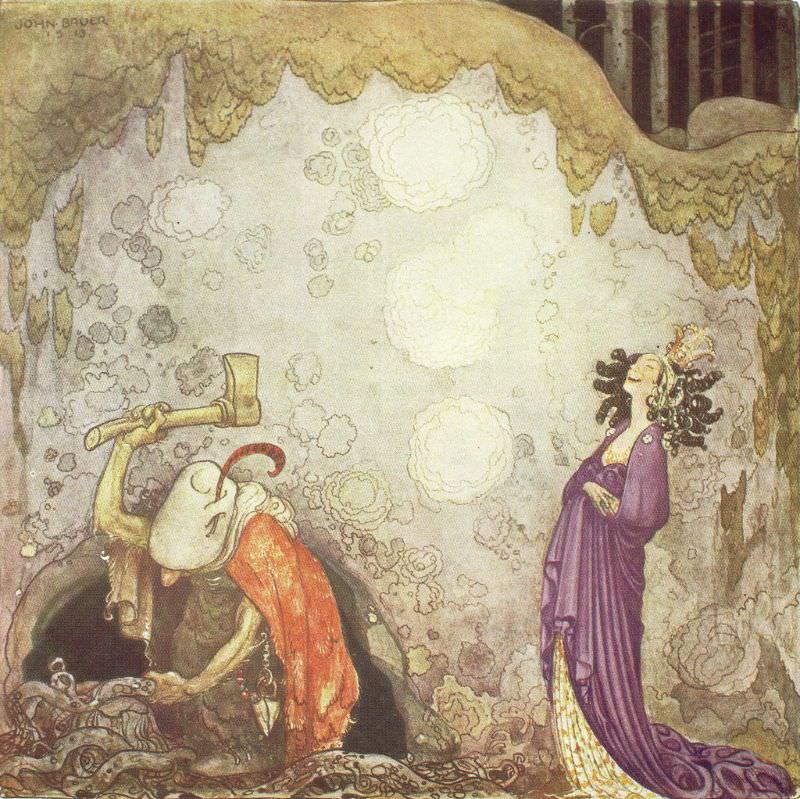
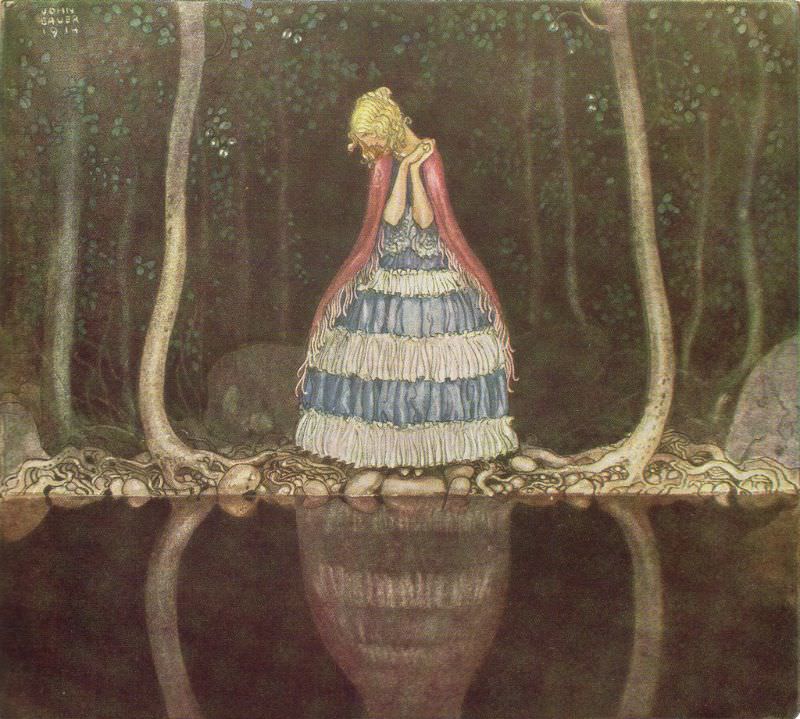
By 1914, Bauer’s output continued at pace. The Magician’s Cape reappeared as a subject, alongside The Queen’s Pearl Necklace, The Ring, and the darkly comic When Mother Troll Took in the King’s Washing — a story that placed a troll in an unexpectedly domestic role.

The Magician's Cape, 1914
The Magician’s Cape, 1914
The Queen's Pearl Necklace, 1914
The Queen’s Pearl Necklace, 1914
The Queen's Pearl Necklace, 1914
The Queen’s Pearl Necklace, 1914
The Ring, 1914
The Ring, 1914
The Ring, 1914
The Ring, 1914
When Mother Troll Took in the King's Washing, 1914
When Mother Troll Took in the King’s Washing, 1914
When Mother Troll Took in the King's Washing, 1914
When Mother Troll Took in the King’s Washing, 1914

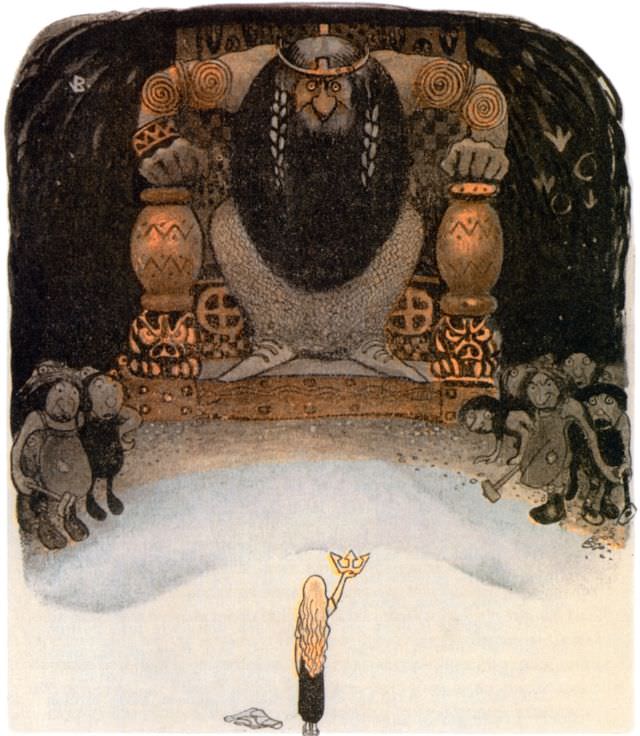
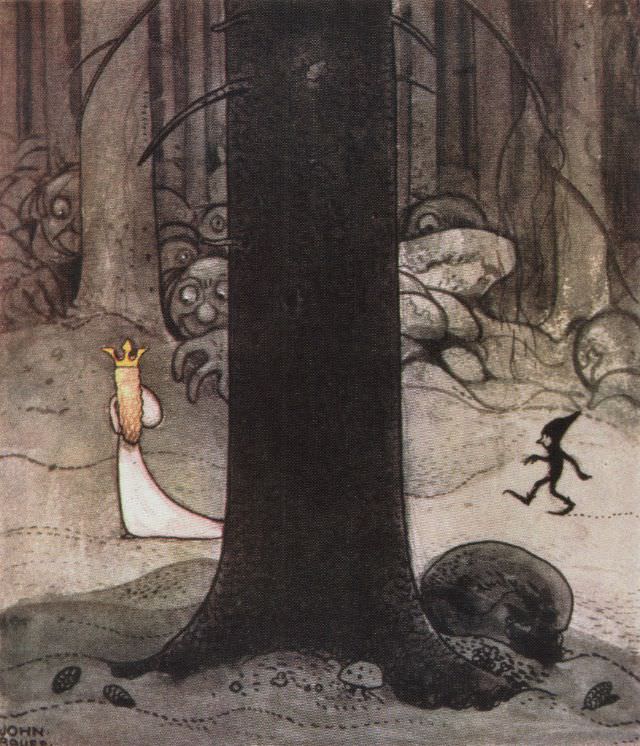
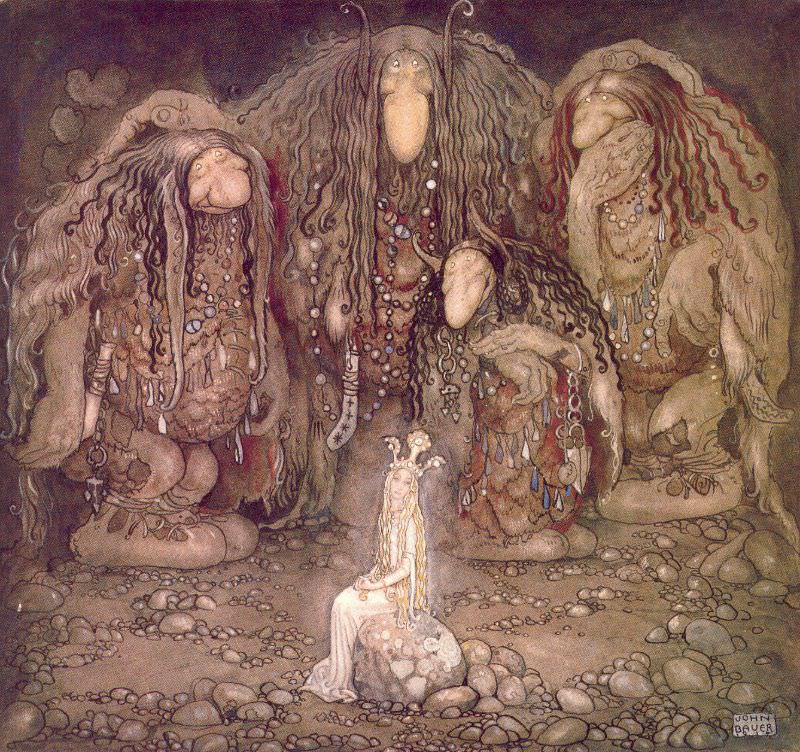
In 1915, Bauer contributed a full run of illustrations to Bland tomtar och troll, with pieces numbered across the annual edition. That year also included Trolls and Princess, a composition that placed a small human figure at the center of a group of looming, ancient creatures — a recurring tension in Bauer’s work between the fragile and the immense.

Bland Tomtar och Troll-2, 1915
Bland Tomtar och Troll-3, 1915
Bland Tomtar och Troll-4, 1915
Bland Tomtar och Troll-5, 1915
Bland Tomtar och Troll, 1915
Trolls and princess, 1915

John Bauer died on November 20, 1918. He, his wife Ester, and their young son Bengt drowned when the steamship Per Brahe sank on Lake VƤttern in southern Sweden. He was 36 years old. His career had spanned just over a decade, yet the volume and consistency of his work across that period was remarkable.

Enjoyed this post? Get new ones in your inbox.

Leave a Comment

Your email address will not be published. Required fields are marked *

Share this Post 🄺

Please take a moment to share this content. Your support is greatly appreciated! šŸ™ŒšŸ™

Share this Post 🄺

Please take a moment to share this content. Your support is greatly appreciated! šŸ™ŒšŸ™
Scroll to Top
 
Hey Friend, Before You Go.. Please like & follow for more interesting content