New York City in the 1990s was a place of sharp contrasts. Crime rates were high, racial tensions ran deep, and drugs were a visible part of street life. Yet the city was also in the middle of a major transformation. The financial sector was booming, and former industrial neighborhoods were being converted into arts districts and desirable places to live. The raw, gritty energy that had defined New York for decades was slowly being replaced by something cleaner and more polished — a version of the city more welcoming to tourists and families. On January 1, 1994, Rudolph Giuliani was sworn in as the 107th Mayor of New York City, and his administration pushed hard on law enforcement and urban redevelopment. The music scene was loud and varied — punk, new wave, and disco all had a presence. Street life was still deeply alive, and every borough carried its own character. The photos below capture that specific moment in time: the streets, the landmarks, and the people who made up everyday New York in the 1990s.
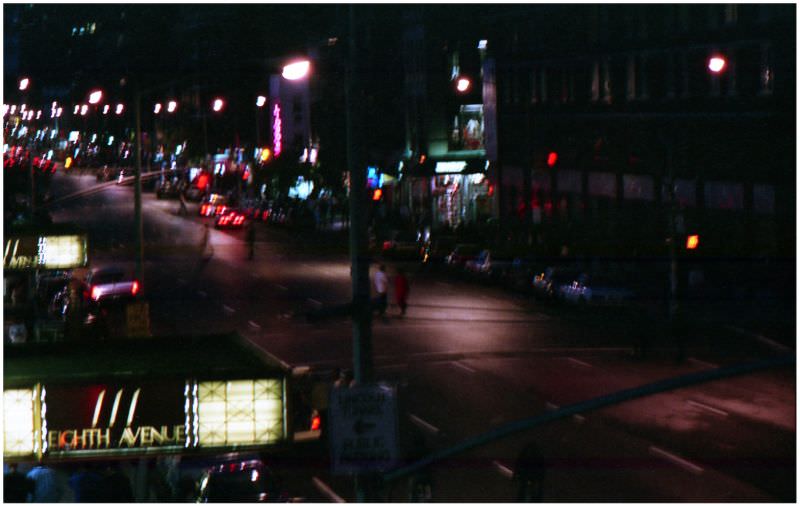
Downtown Manhattan after dark had a personality all its own. Neon signs reflected off wet pavement, and foot traffic never really stopped. 8th Avenue was one of those streets that showed you everything at once — storefronts, commuters, nightlife, and street vendors all sharing the same few blocks.
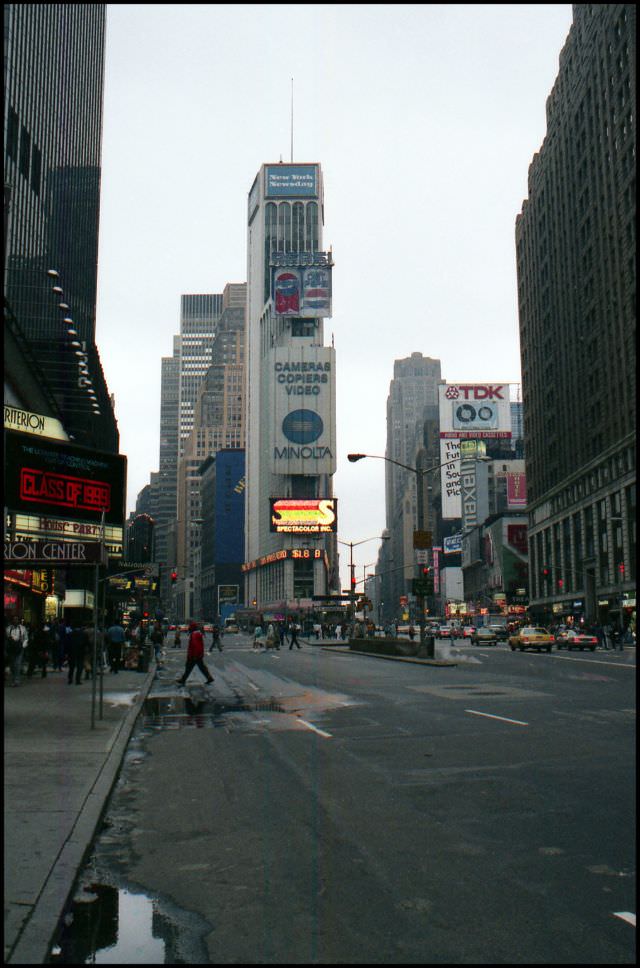
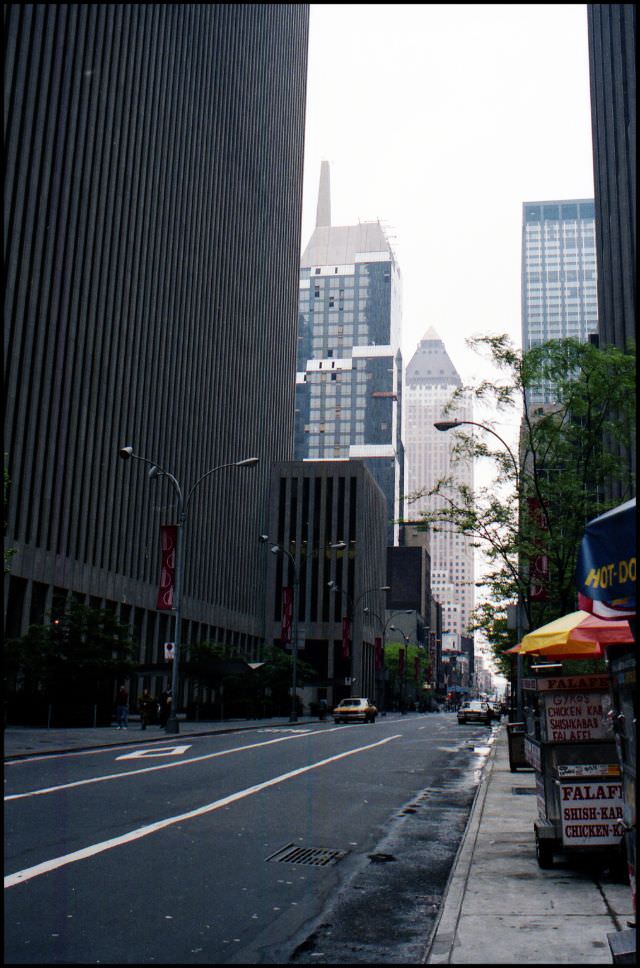
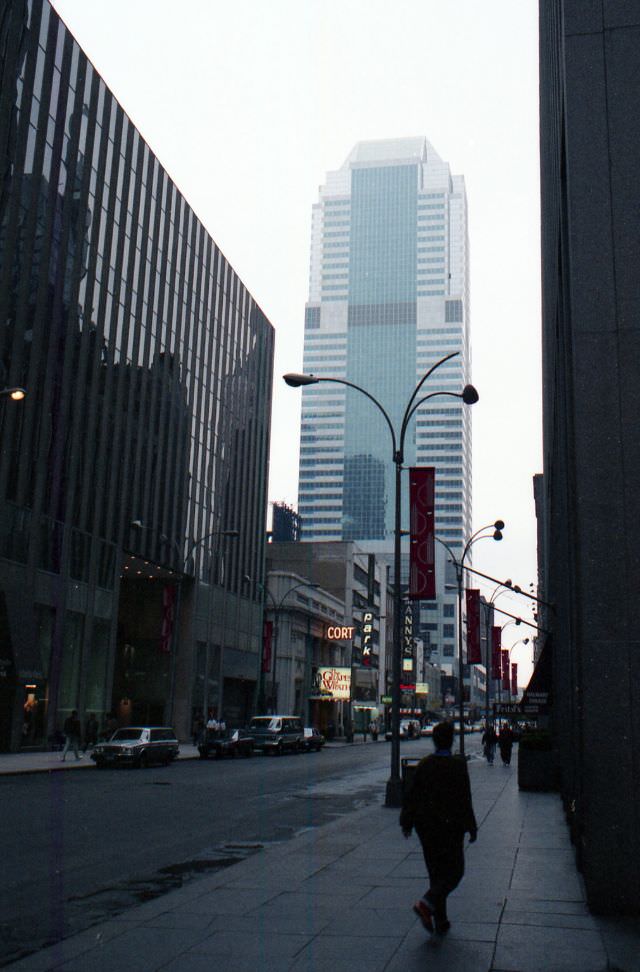
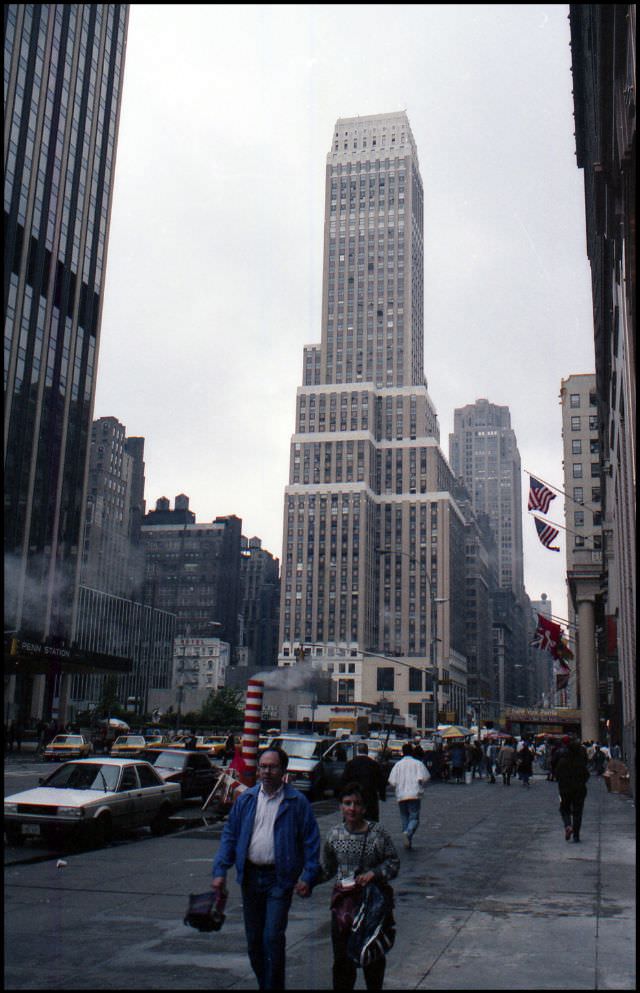
The Avenue of the Americas, officially 6th Avenue, ran straight through the heart of Midtown. Towering office buildings lined its length, and the street served as a spine connecting some of the city’s most recognizable landmarks. These photographs show it at different hours and from different angles, giving a real sense of how the avenue looked and felt during the decade.
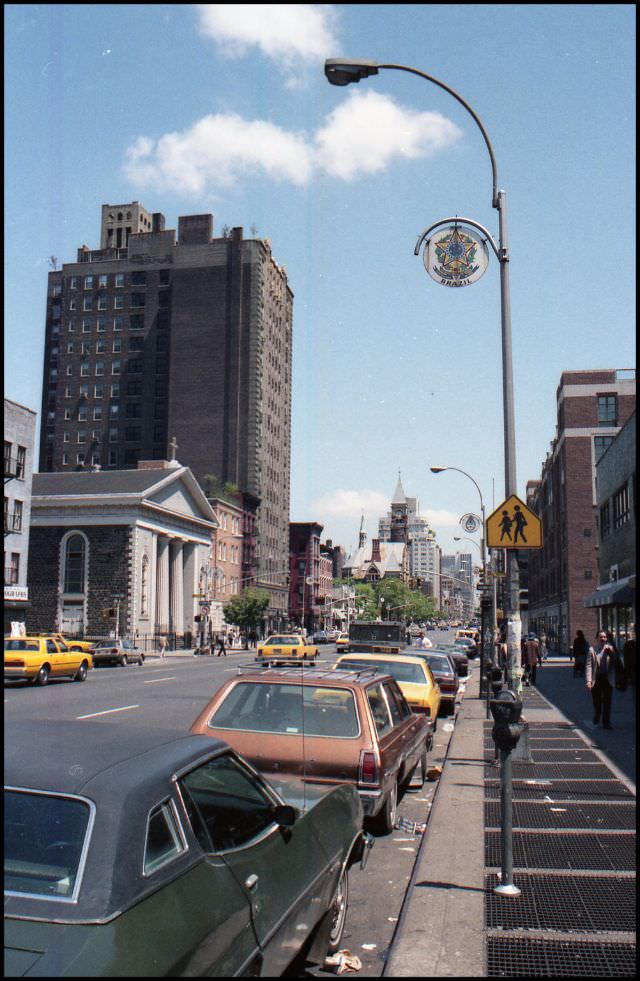
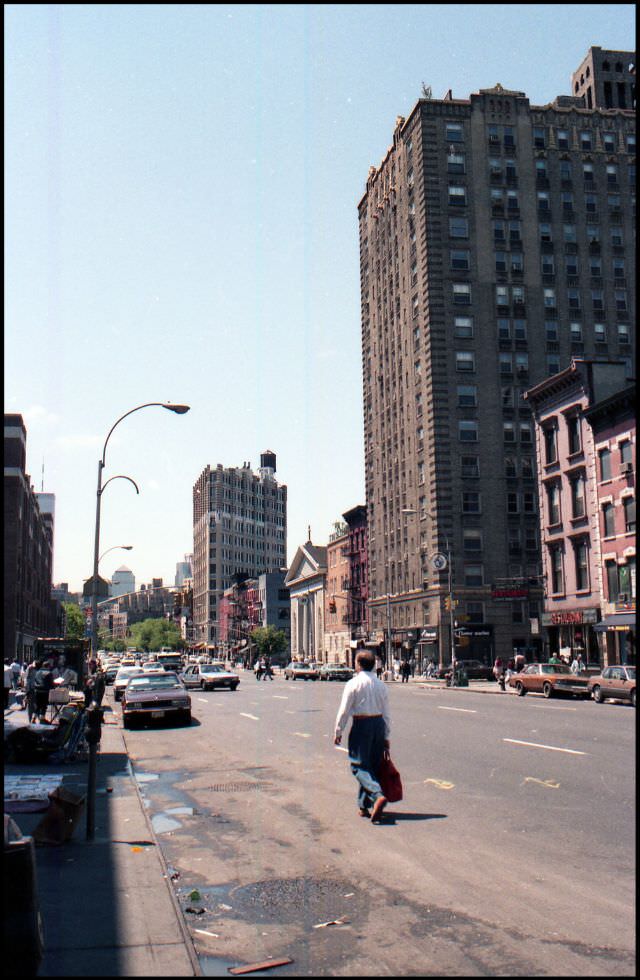
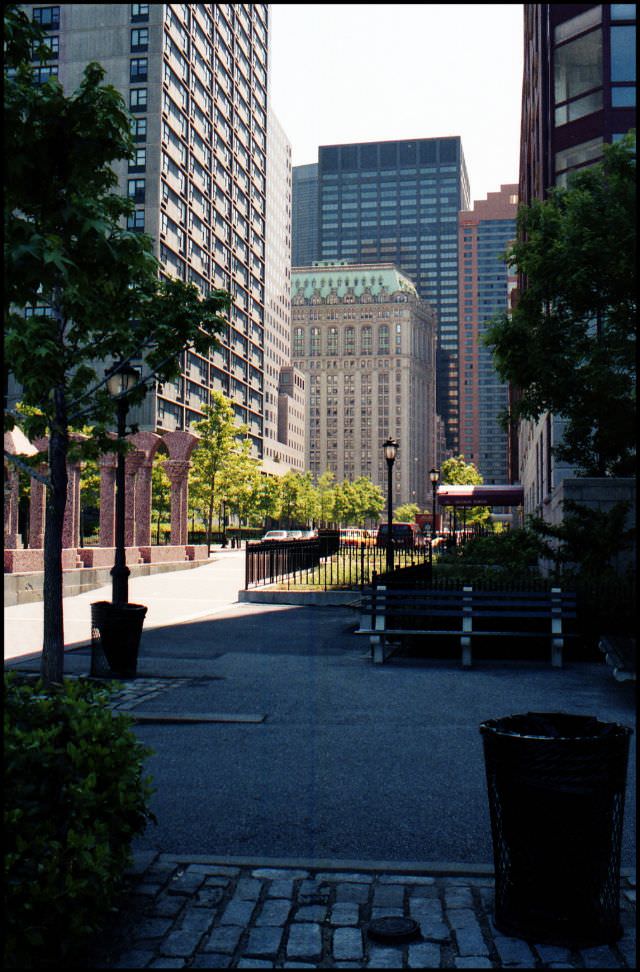
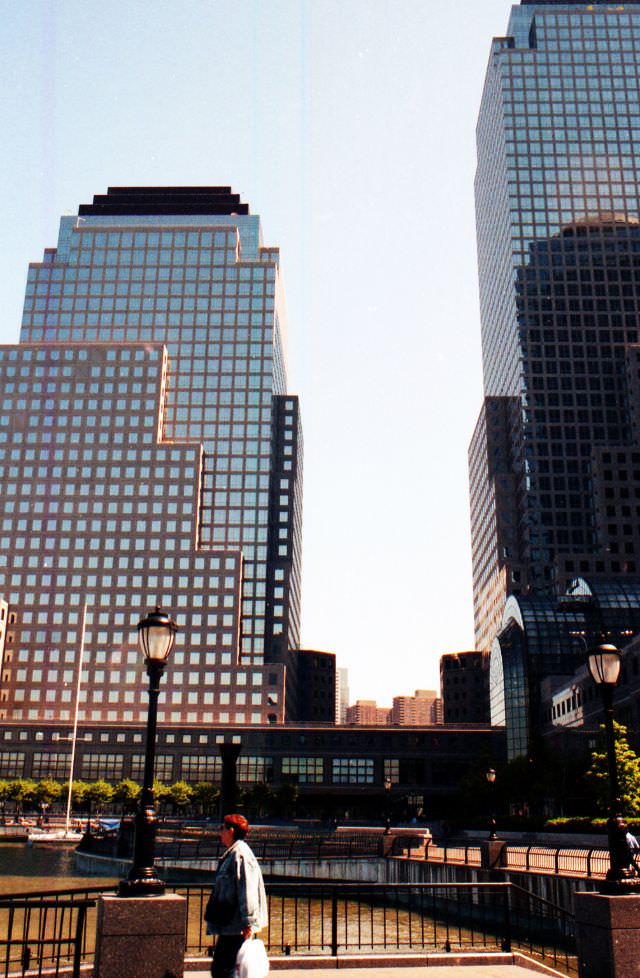
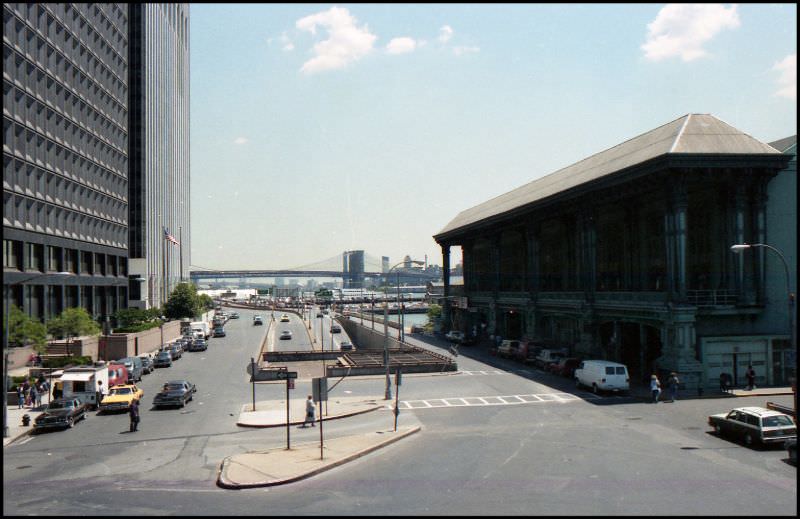
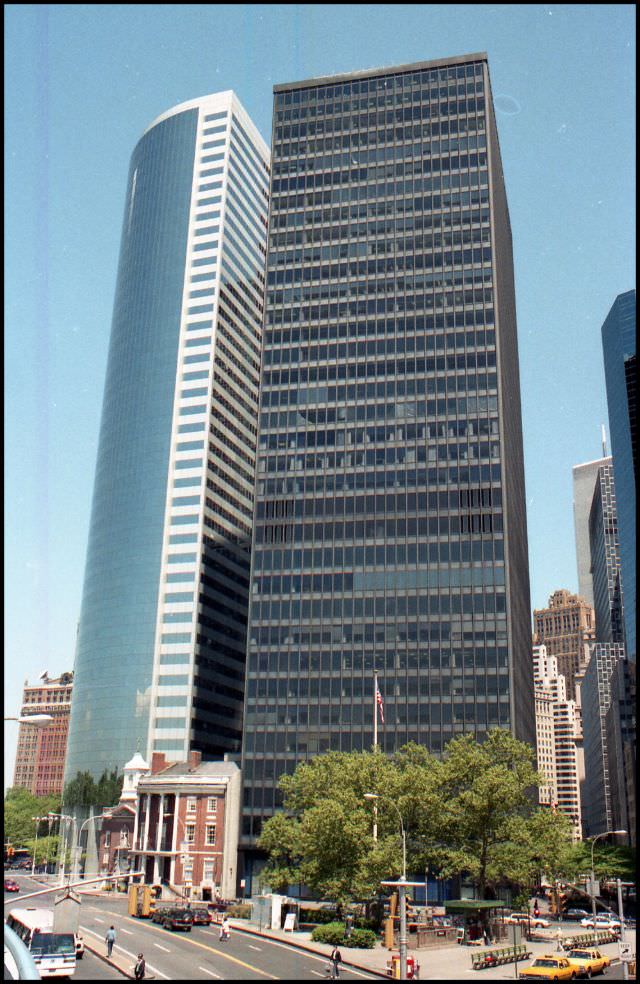
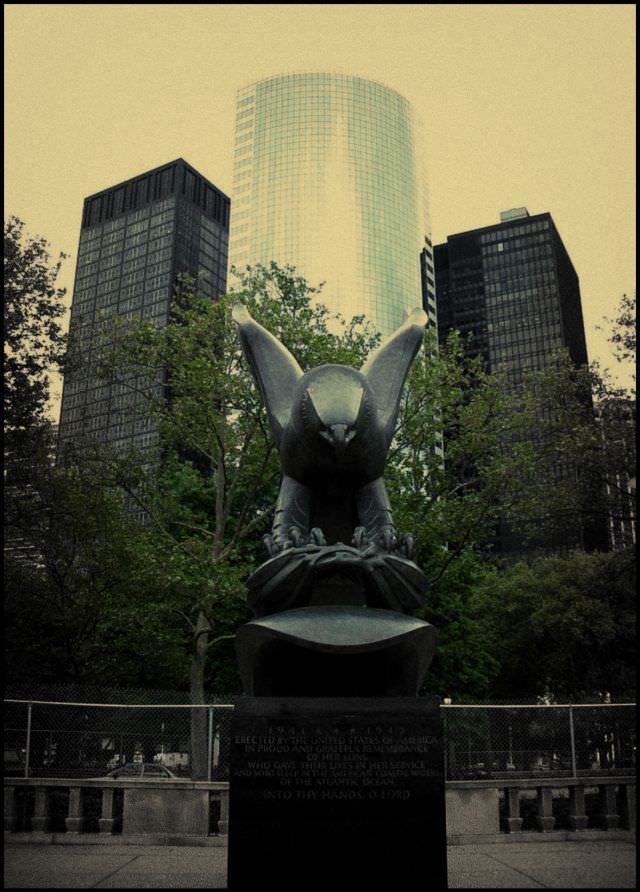
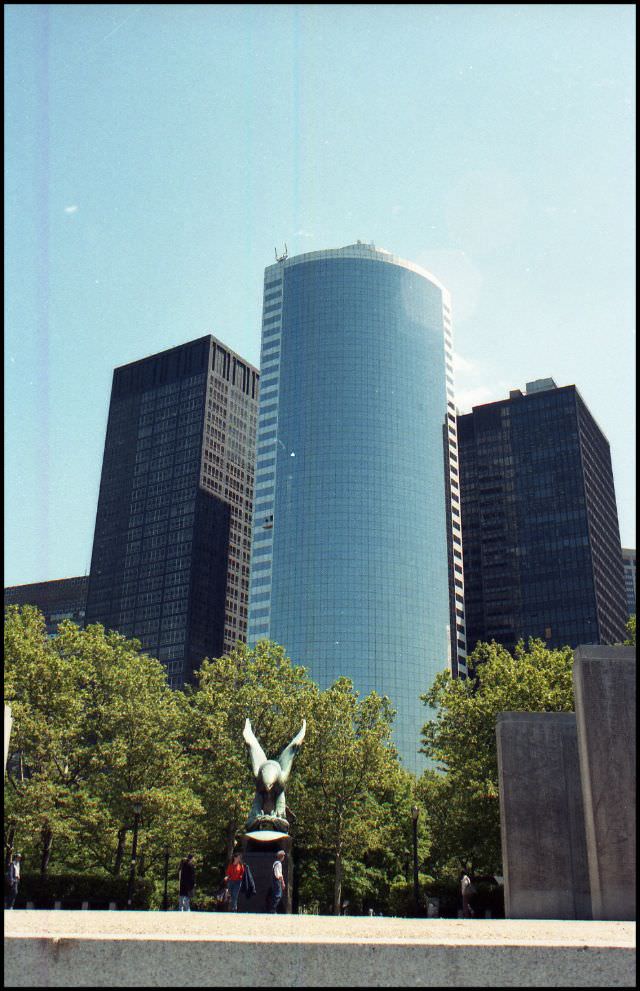
Battery Park City, built on landfill along the Hudson River in Lower Manhattan, was still a relatively new neighborhood in the 1990s. Construction had been ongoing since the 1970s, and by the 1990s it was filling in with residential towers, parks, and esplanades. It offered views of the Statue of Liberty and New Jersey across the water, and it stood in noticeable contrast to the older, denser streets just a few blocks away.
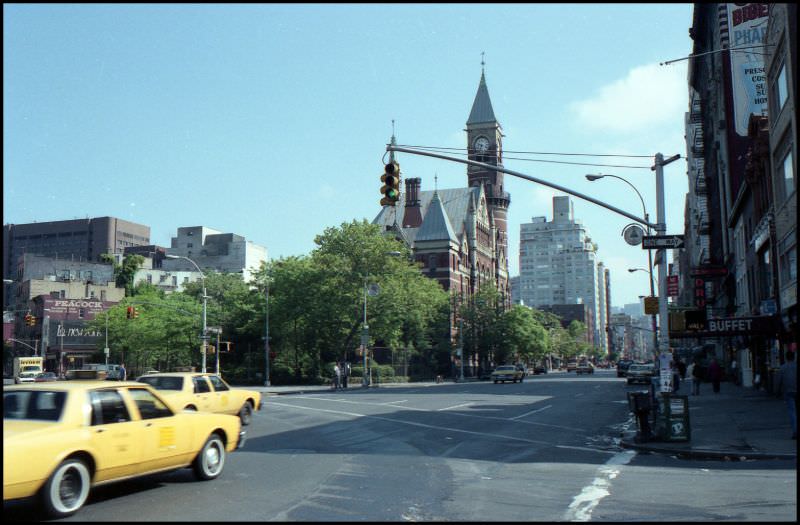
Greenwich Village — known simply as “the Village” — was one of the most culturally active neighborhoods in the city. Bleecker Street in particular was lined with shops, cafes, and music venues. The Pink Pussy Cat Boutique on Bleecker was a landmark of the street’s more irreverent side, having operated there since the 1960s. By the 1990s, the Village was beginning to gentrify, but it still carried strong traces of its bohemian roots.
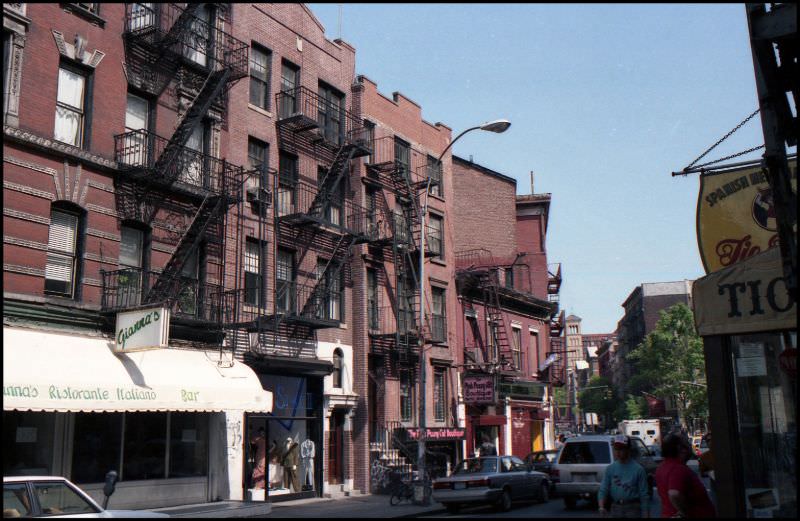
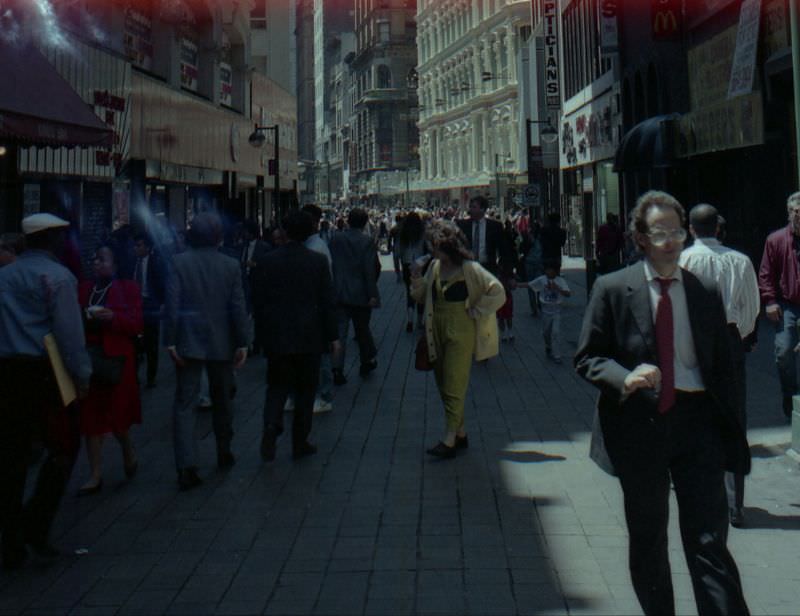
Broadway, as a street running the full length of Manhattan, meant very different things depending on where you were standing. In Lower Manhattan, it passed through the Financial District, cutting between government buildings and historic sites. The stretch shown in these photographs captures the Downtown section — busy sidewalks, storefronts, and the constant movement of people with somewhere to be.
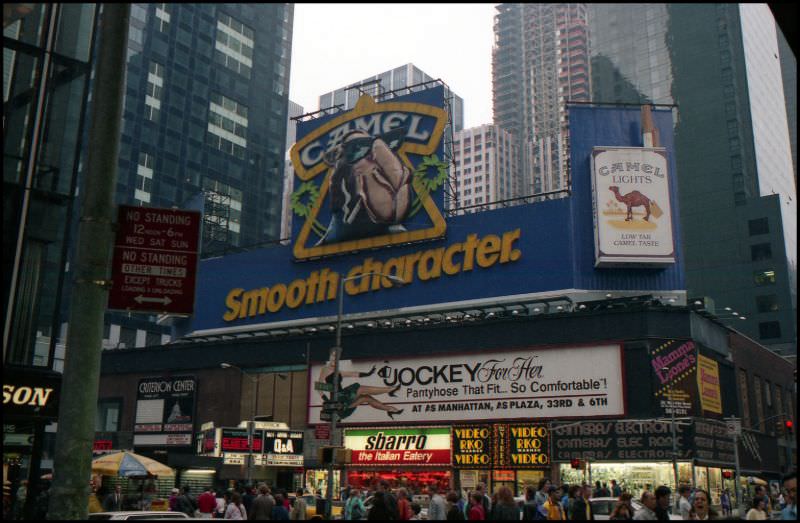
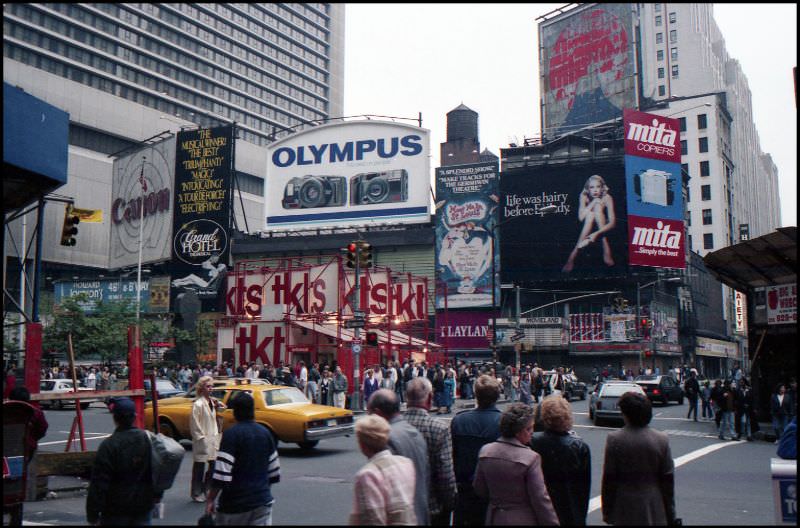
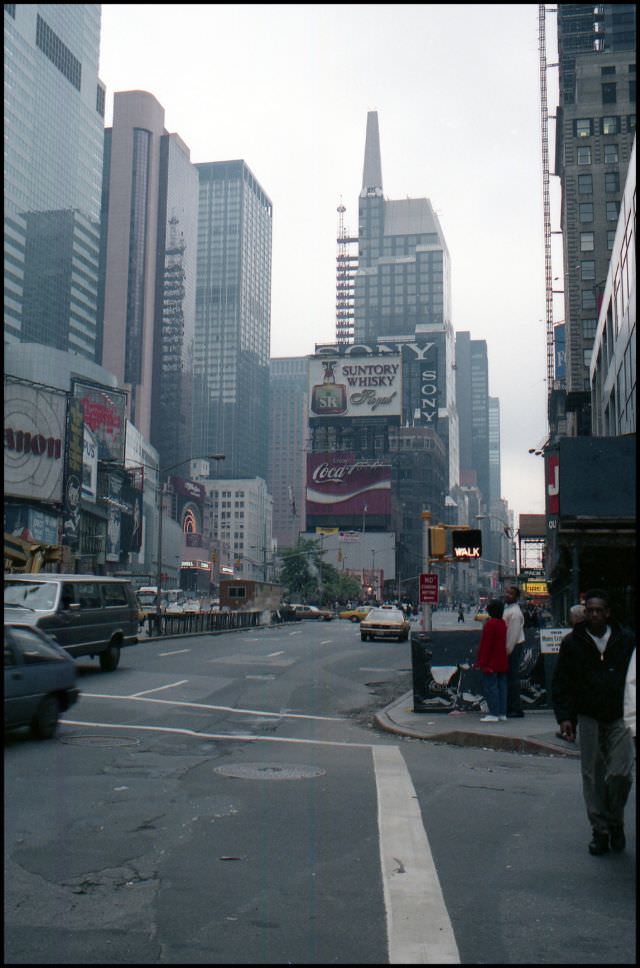
City Hall, completed in 1812, remained the seat of New York City’s government throughout the decade. It sat at the northern edge of City Hall Park in Lower Manhattan, surrounded by civic buildings and courts. Giuliani held press conferences and made major announcements from here, making it a frequently photographed site during the 1990s.
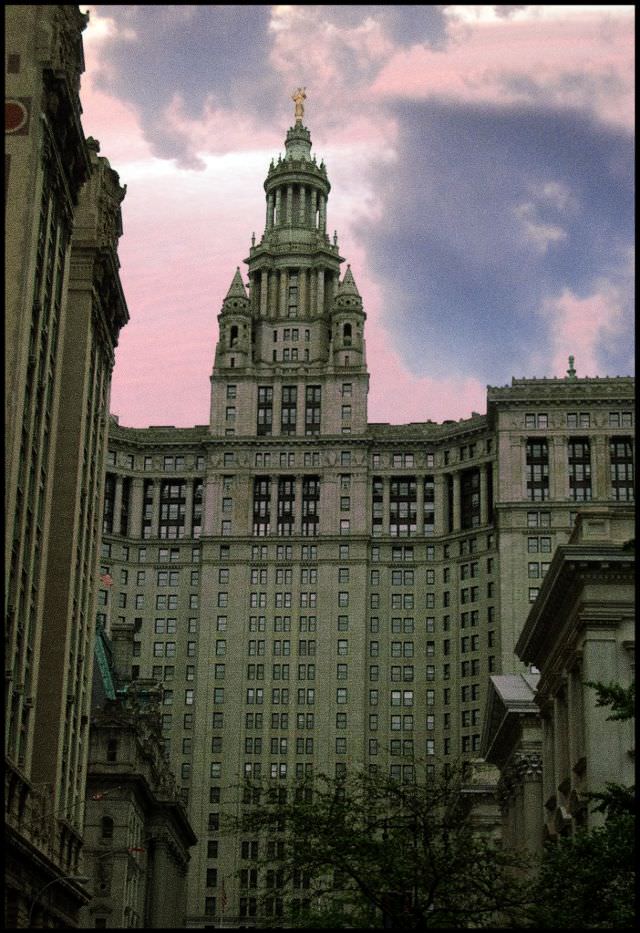
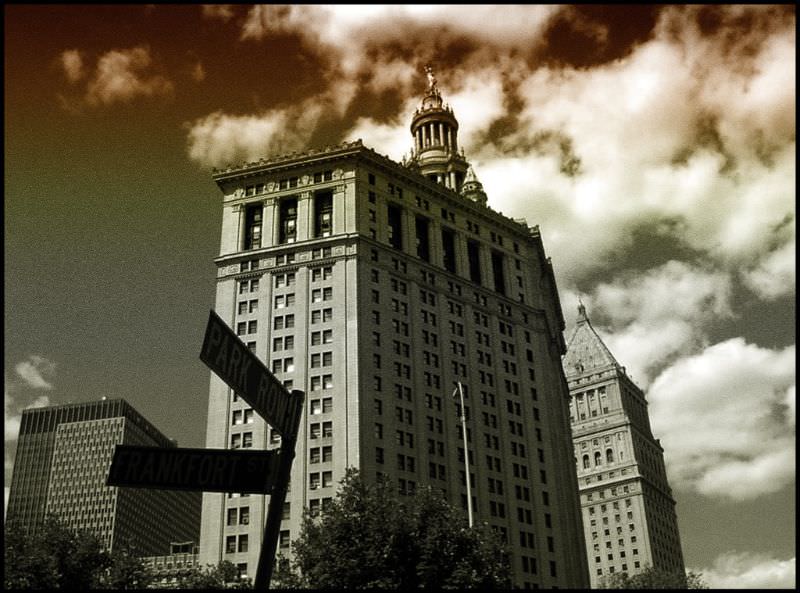
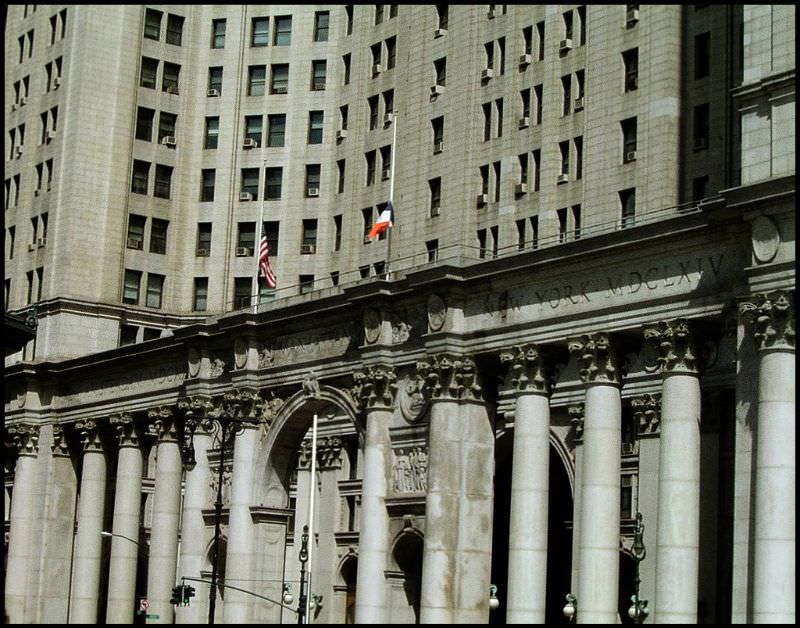
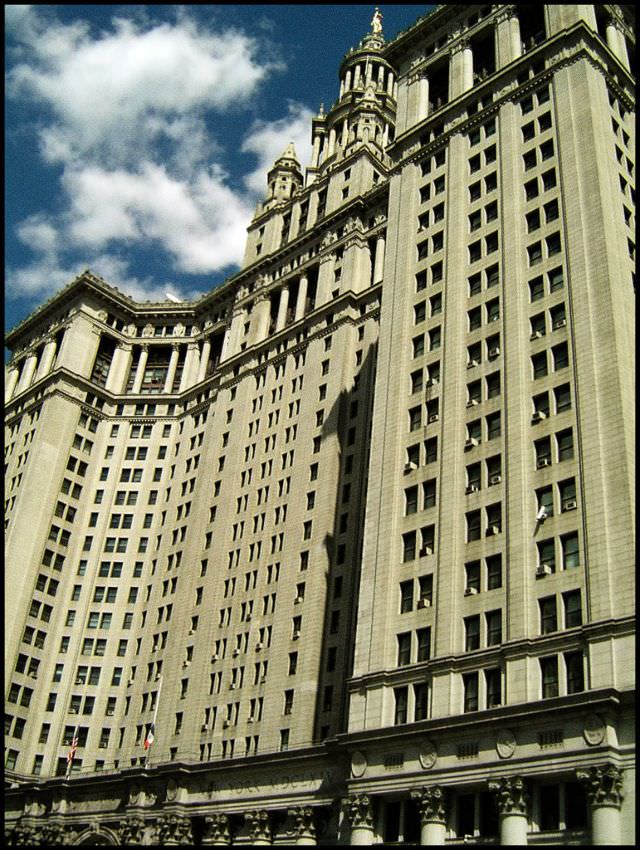
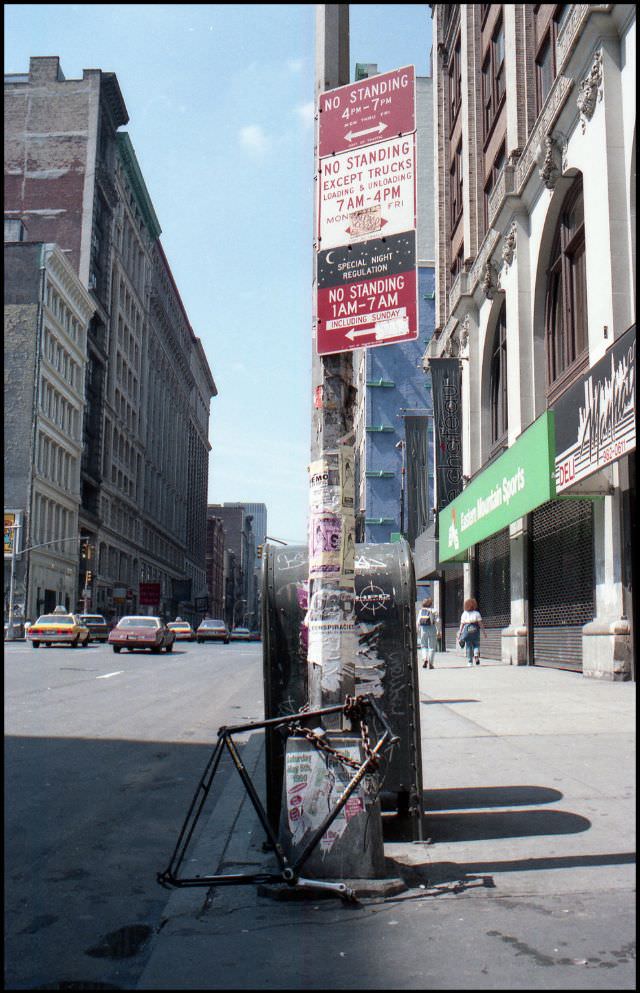
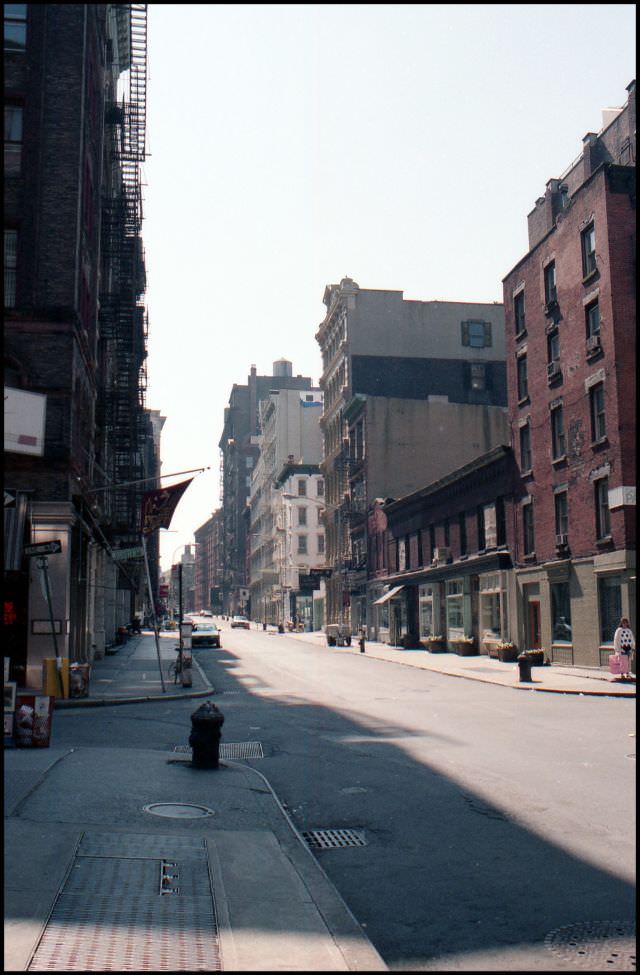
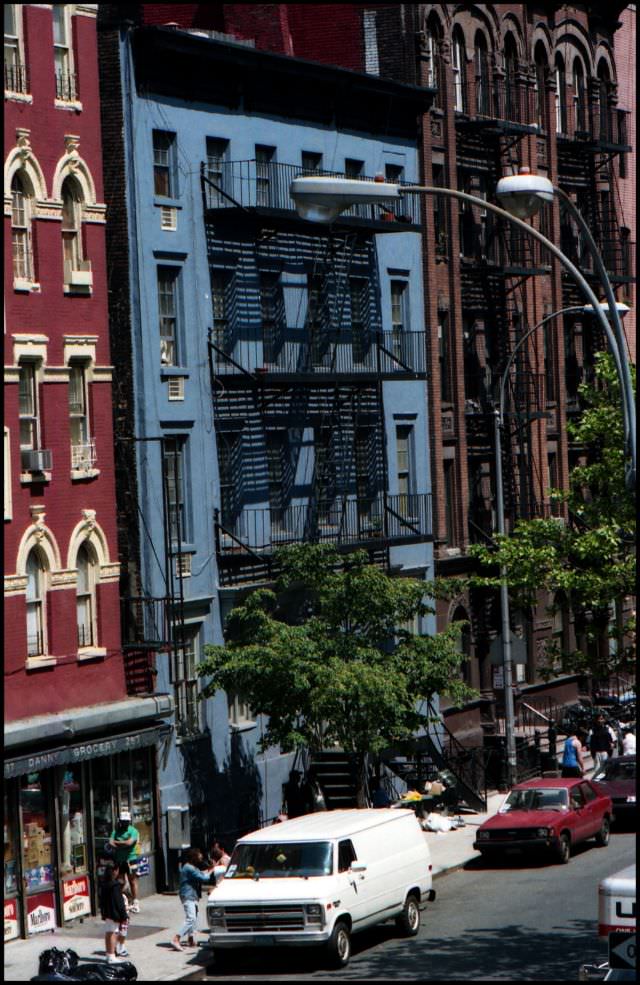
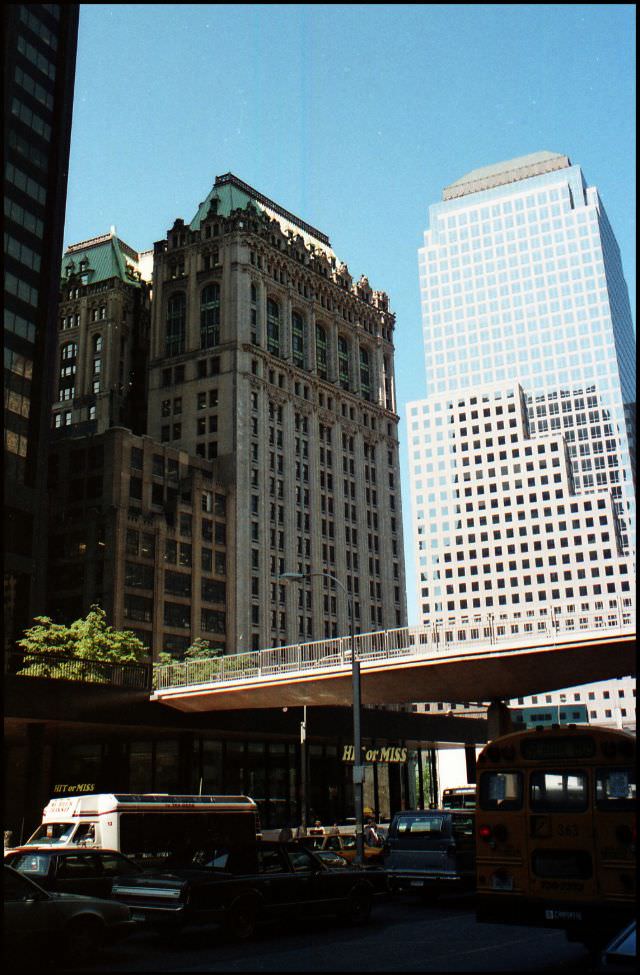
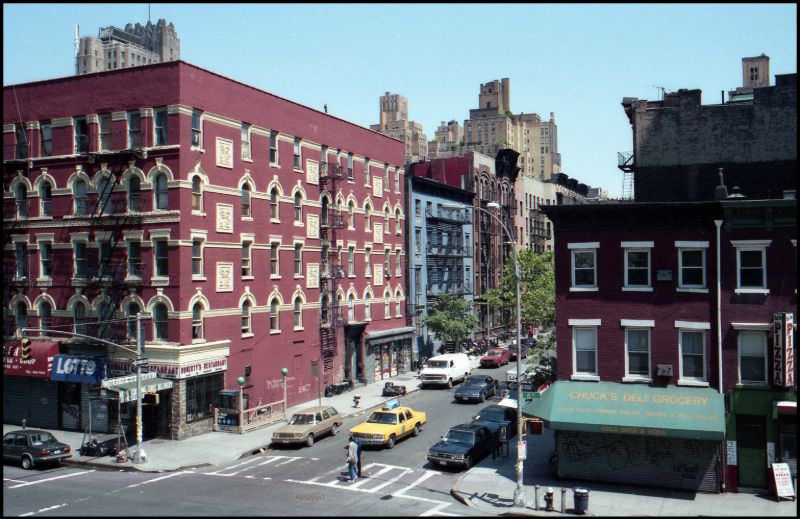
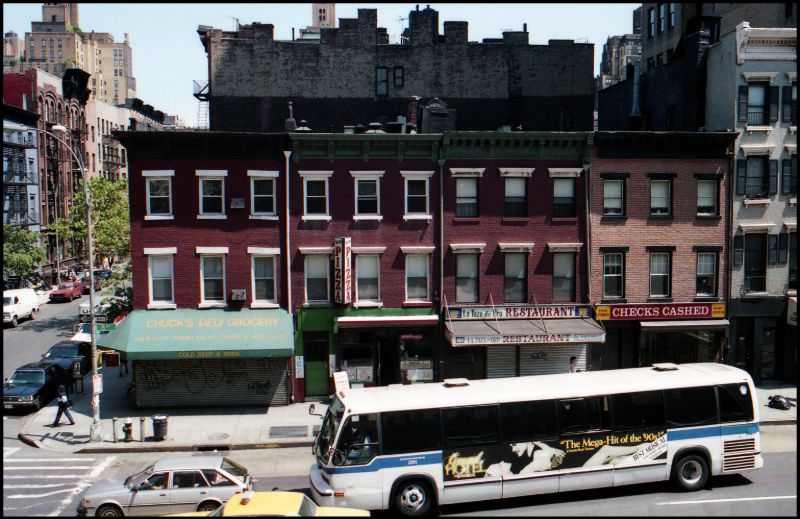
Downtown Manhattan in the 1990s was a patchwork of old and new. Cobblestone side streets sat next to glass office towers. Street vendors set up near the entrances to subway stations. Delivery trucks double-parked while pedestrians wove around them without breaking stride. These photographs of Downtown capture the unfiltered texture of the area — the kind of scenes that passed by every day without ceremony.
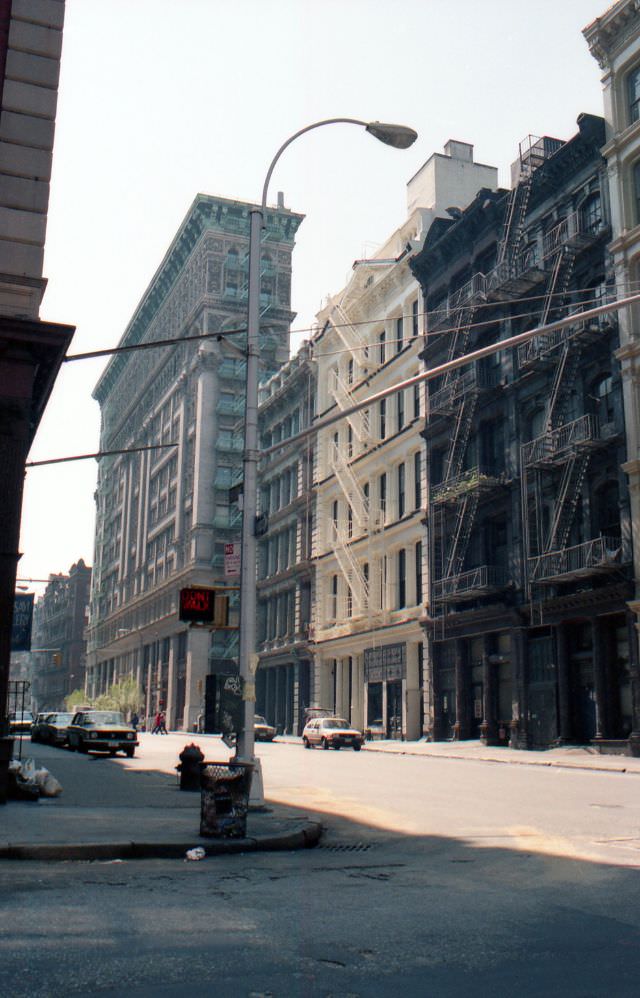
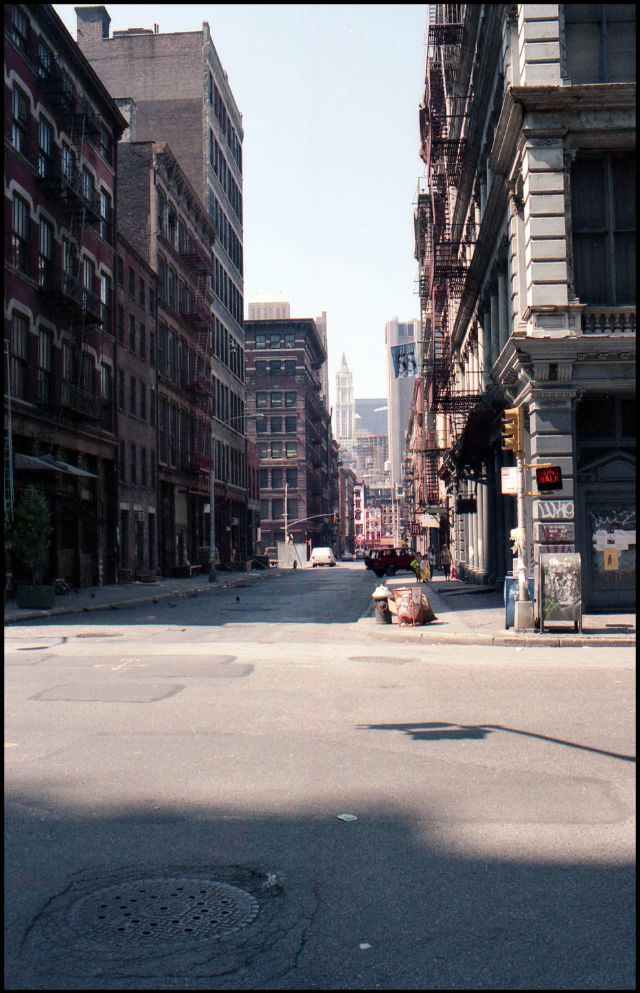
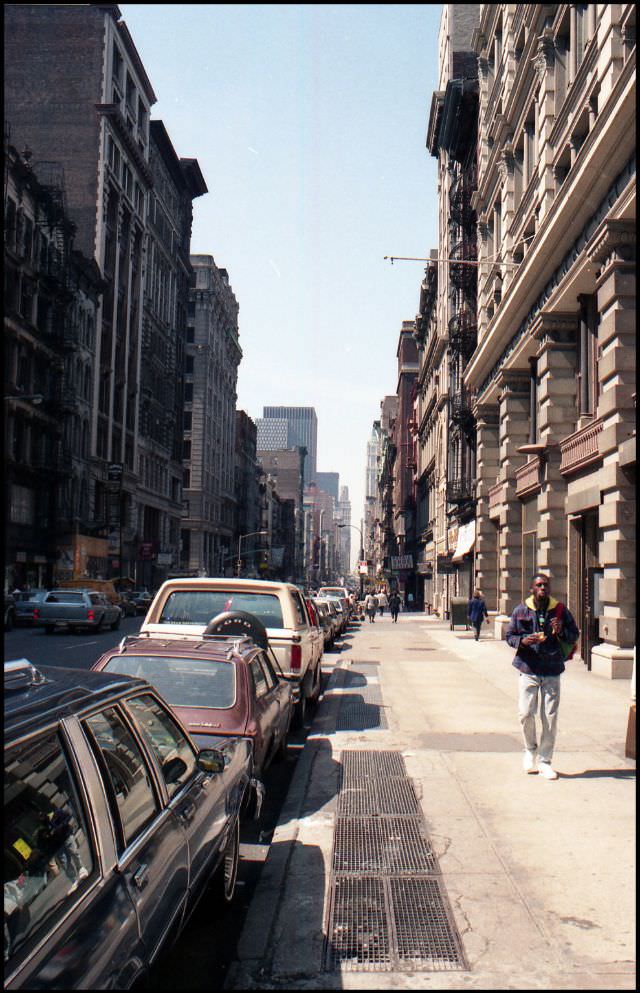
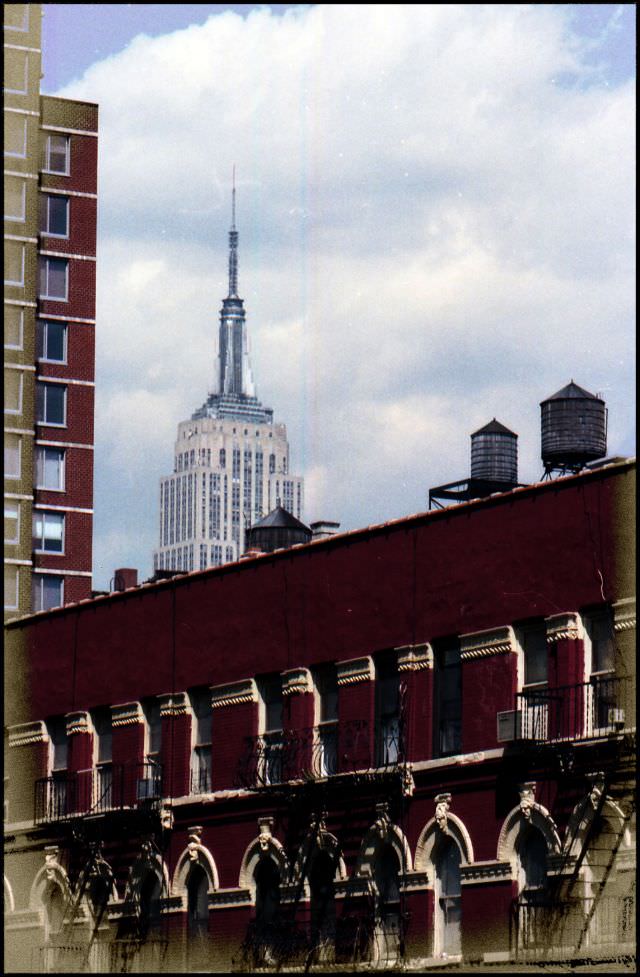
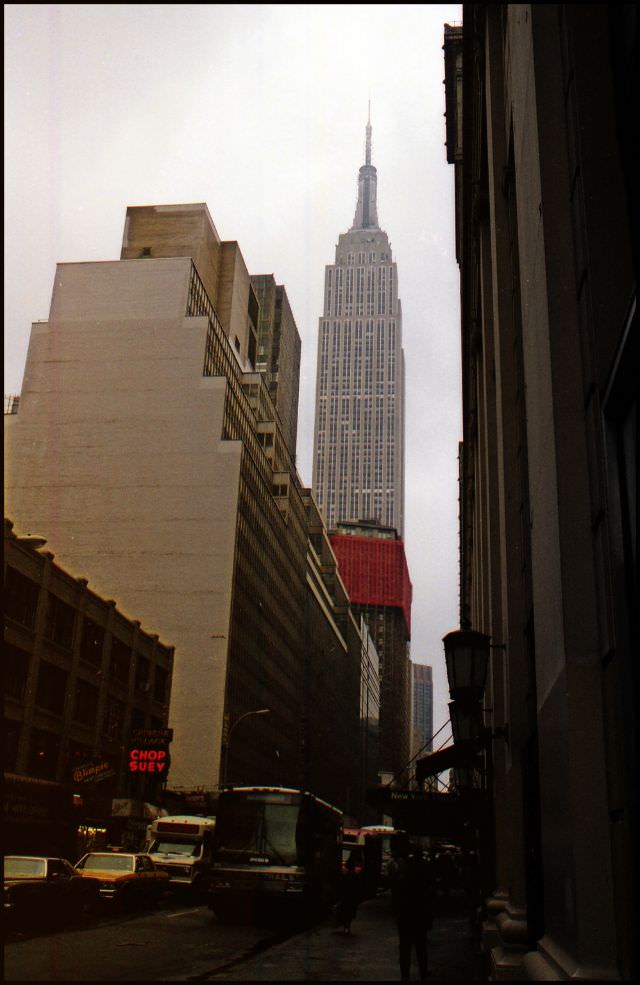
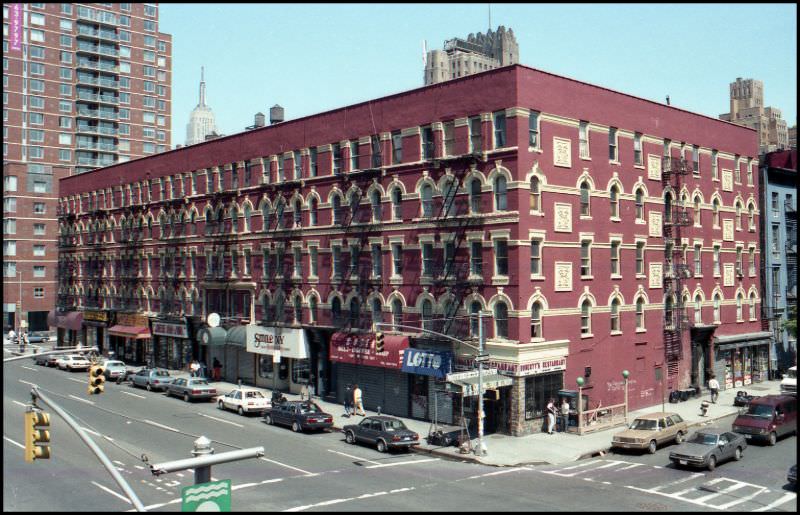
The Empire State Building, completed in 1931, was still one of the tallest structures in New York in the 1990s. From a window on 8th Avenue, the building’s upper floors and distinctive antenna were visible above the surrounding rooftops. At night its tower was lit in changing colors, a constant reference point in the city’s skyline.
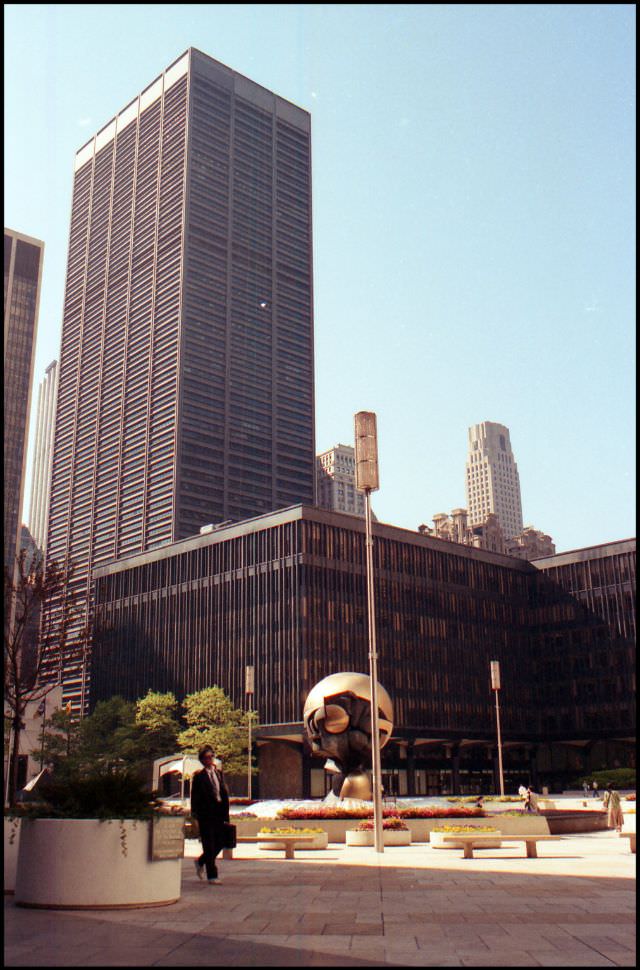
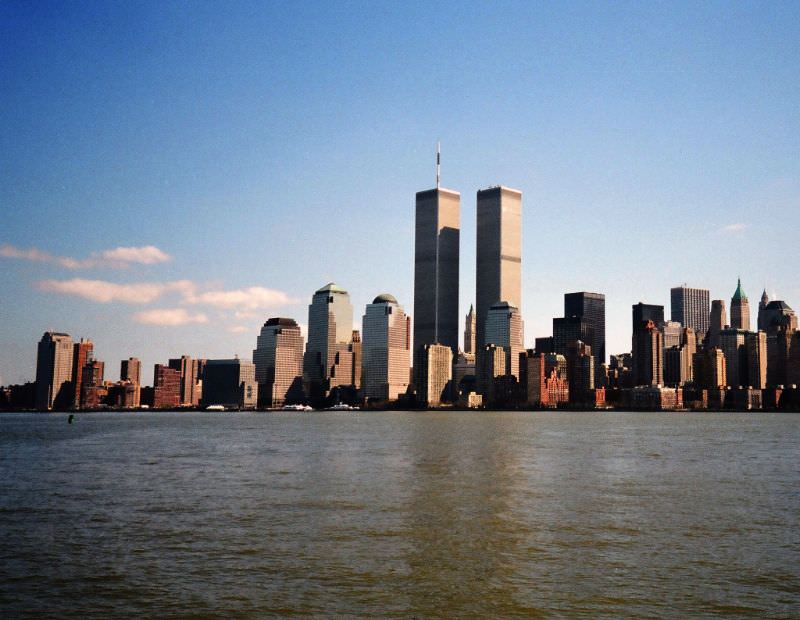
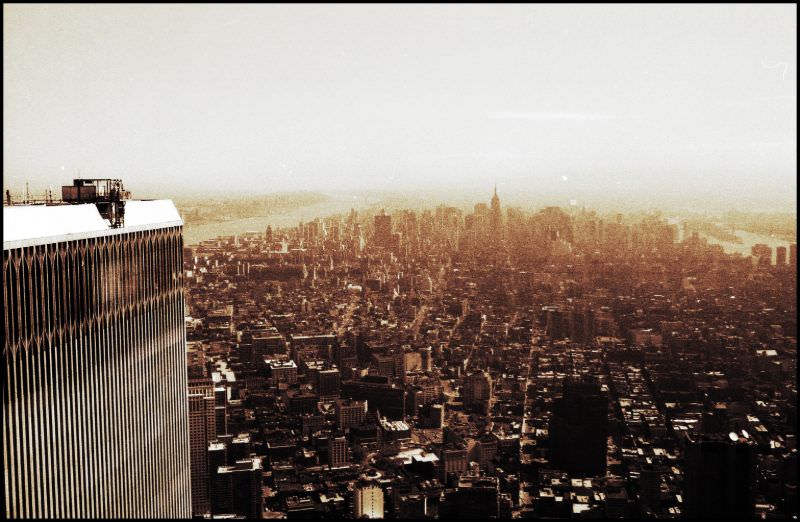
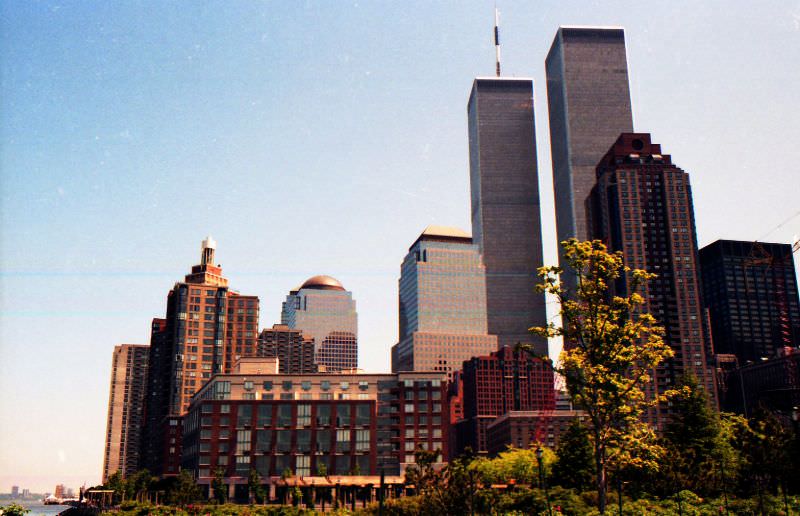
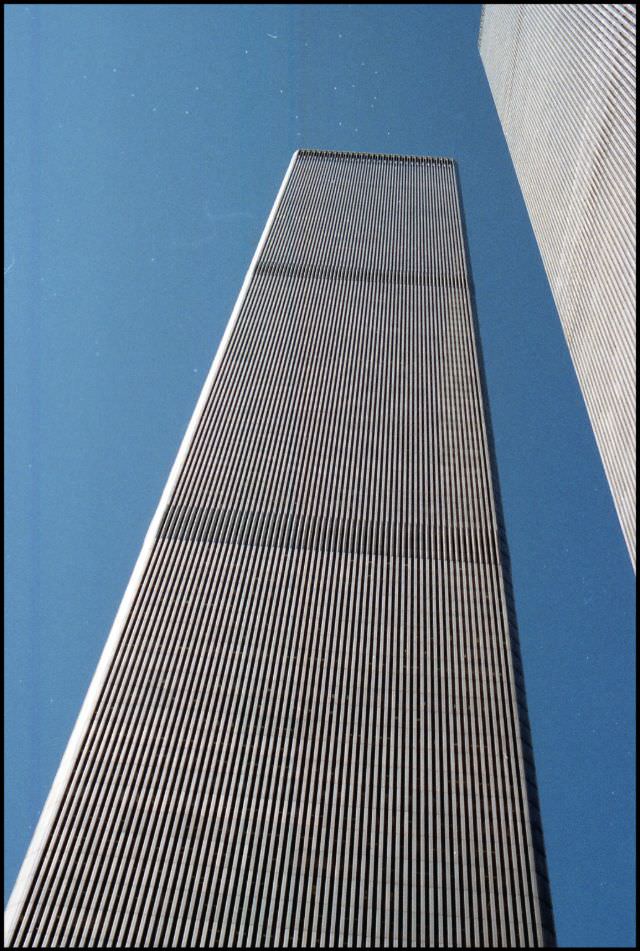
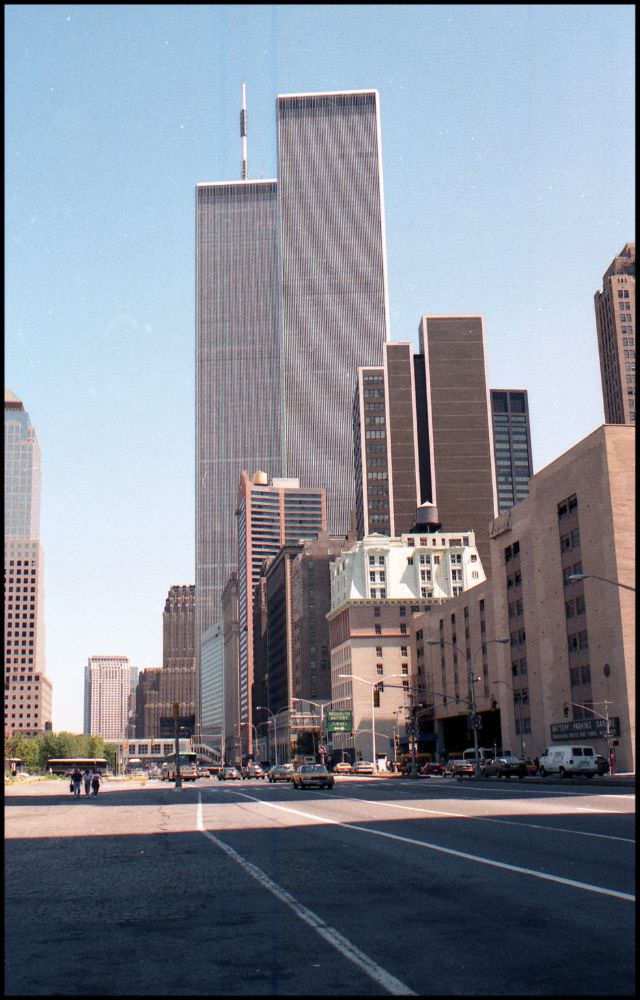
The World Trade Center dominated the southern tip of Manhattan’s skyline. The Twin Towers — One and Two World Trade Center — stood at 1,368 and 1,362 feet respectively. The Financial District around them hummed with daily activity. On February 26, 1993, a truck bomb was detonated in the underground garage of the North Tower, killing six people and injuring over a thousand. The towers remained standing and were repaired, but the attack marked a turning point in how New Yorkers thought about the complex.
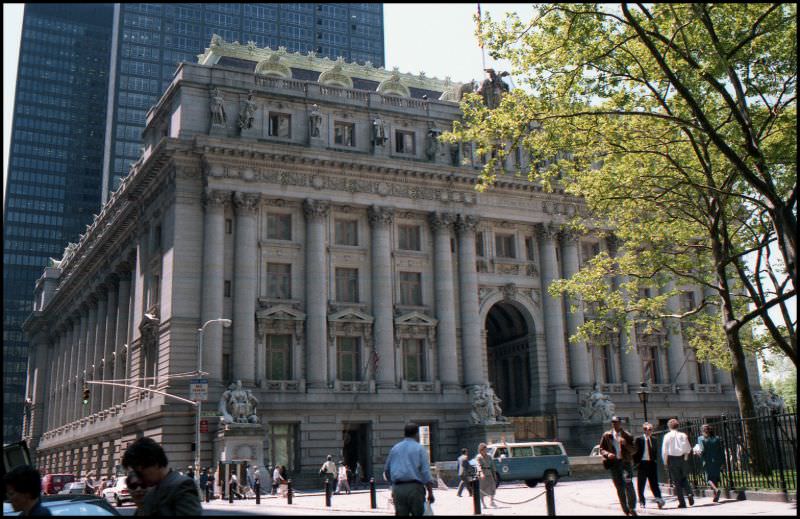
The Museum of the American Indian, housed in the Alexander Hamilton U.S. Custom House in Lower Manhattan, was a striking example of Beaux-Arts architecture on Bowling Green. In 1994, the museum became part of the Smithsonian Institution and was officially renamed the National Museum of the American Indian, George Gustav Heye Center. The building itself dated to 1907 and was one of the most ornate federal buildings in the city.
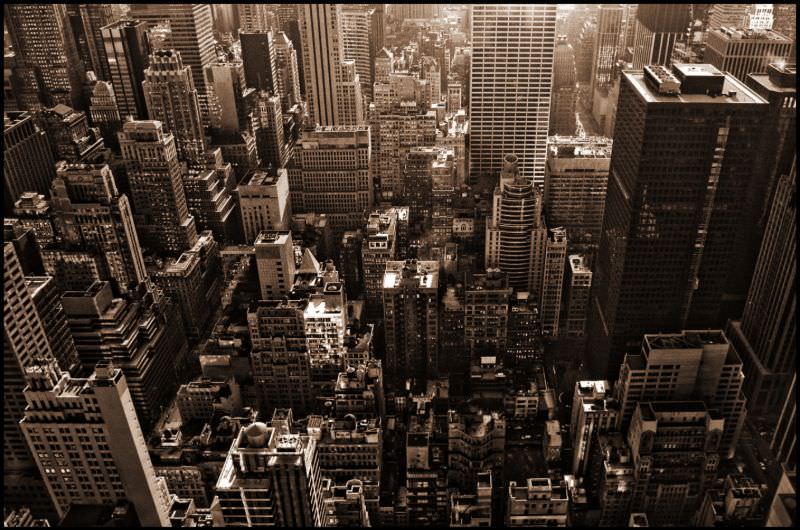
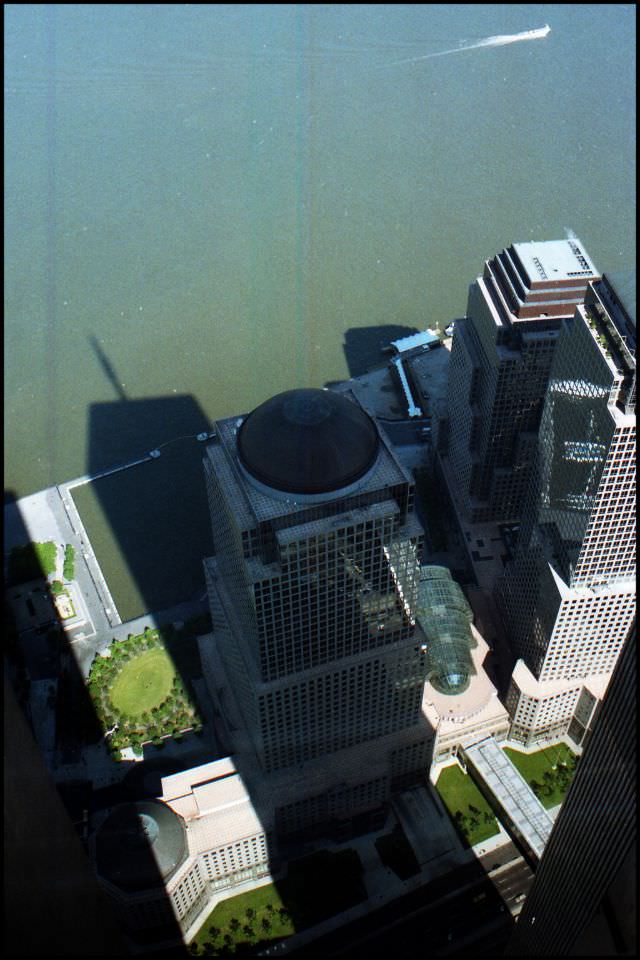
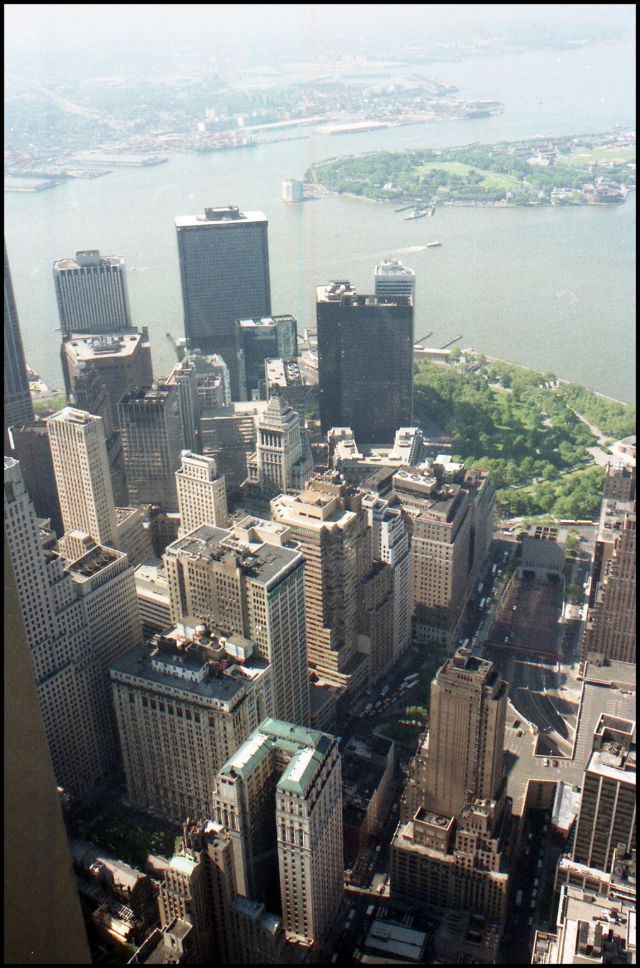
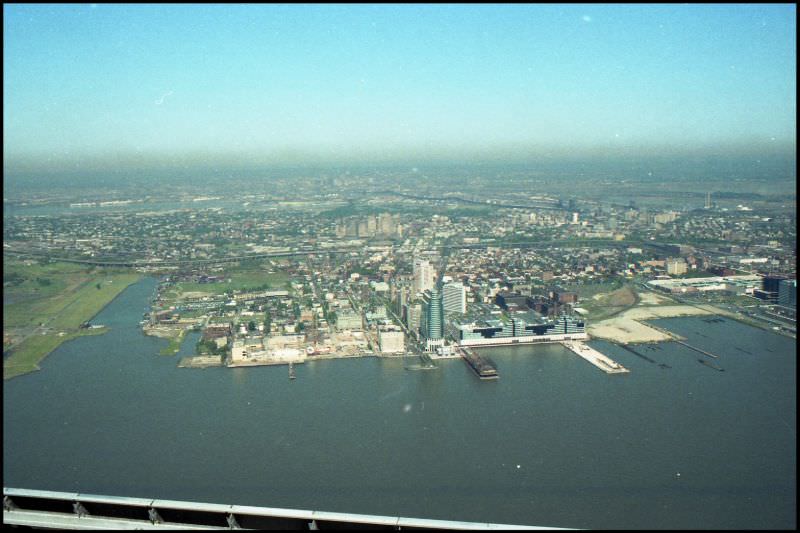
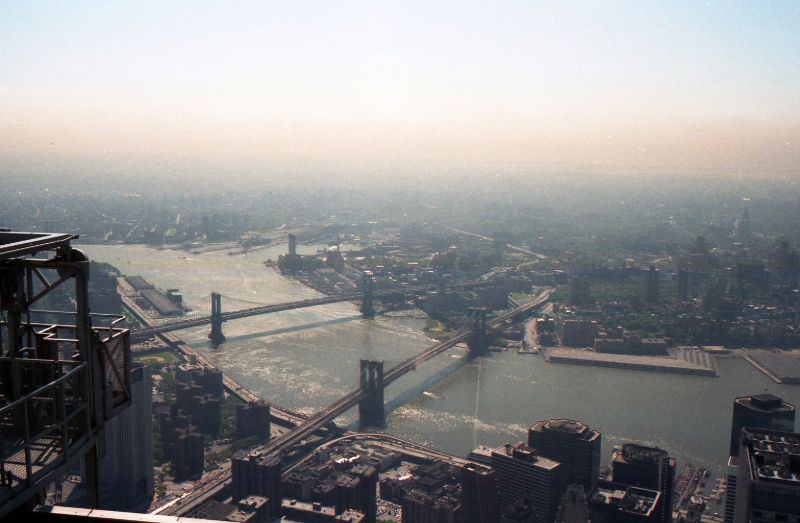
From a distance, the New York skyline in the 1990s was unmistakable. The Twin Towers anchored the lower end, the Empire State Building rose from Midtown, and the Chrysler Building’s steel crown caught the light at any hour. Views from the observation decks at the top of the World Trade Center offered a rarely seen perspective — miles of the city spread out in every direction, from New Jersey across the Hudson to Queens and Brooklyn beyond the East River.
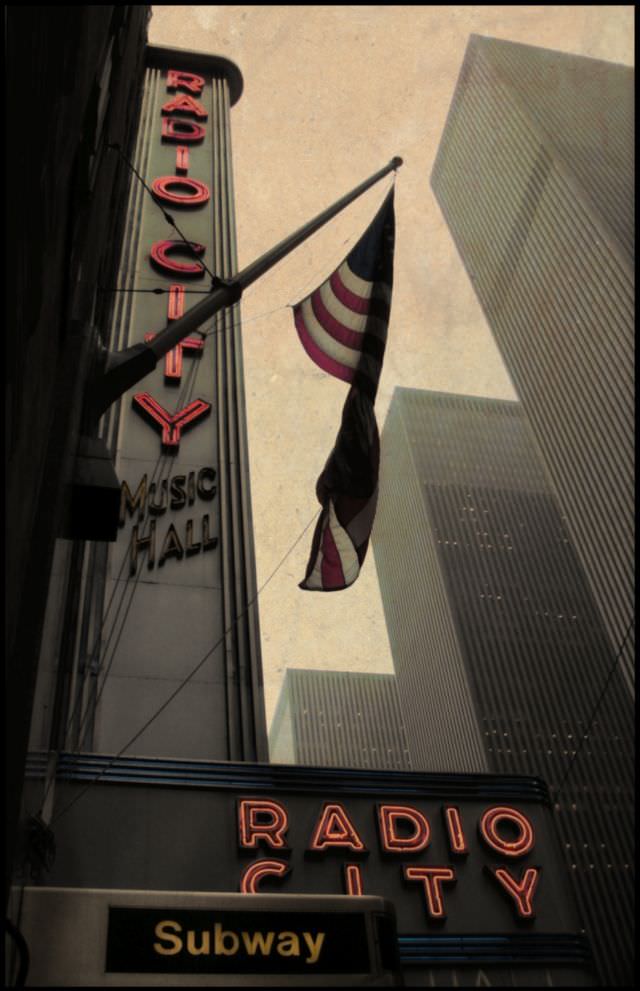
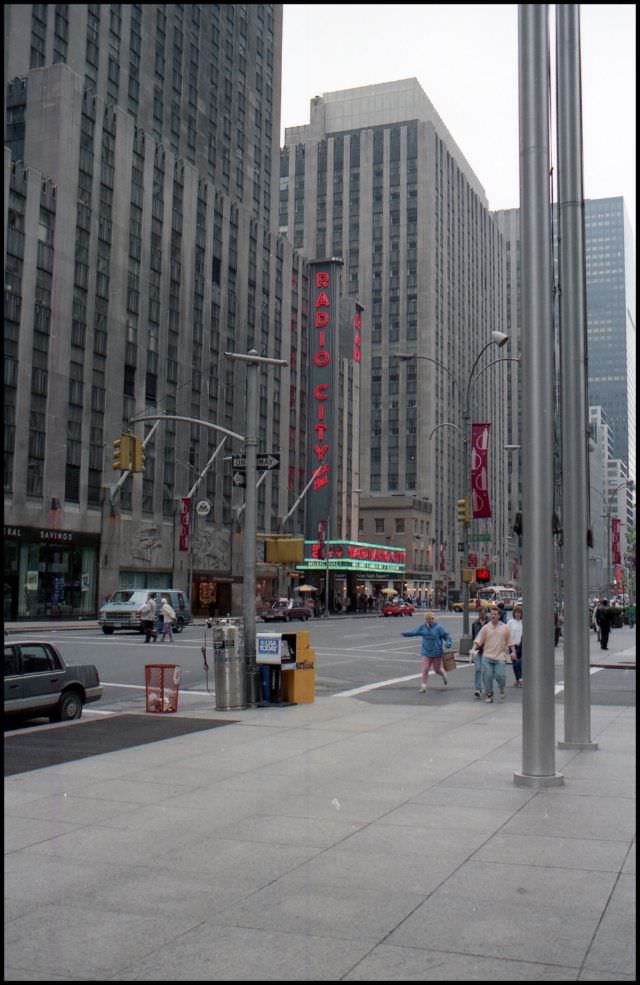
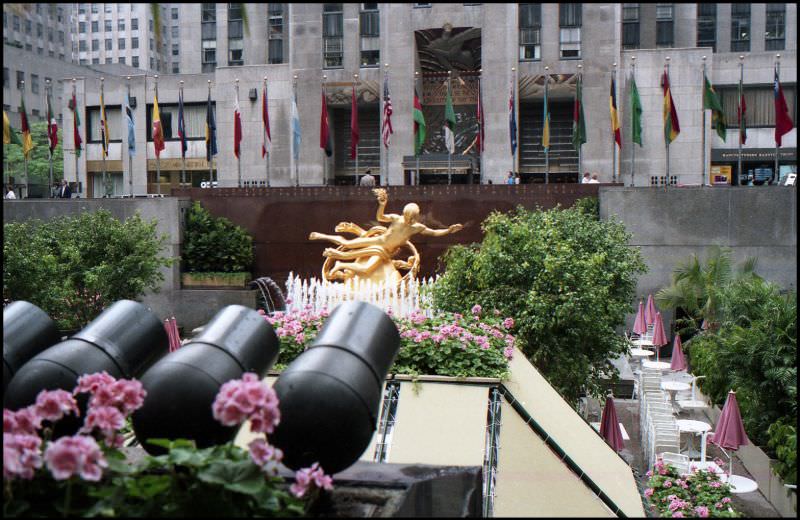
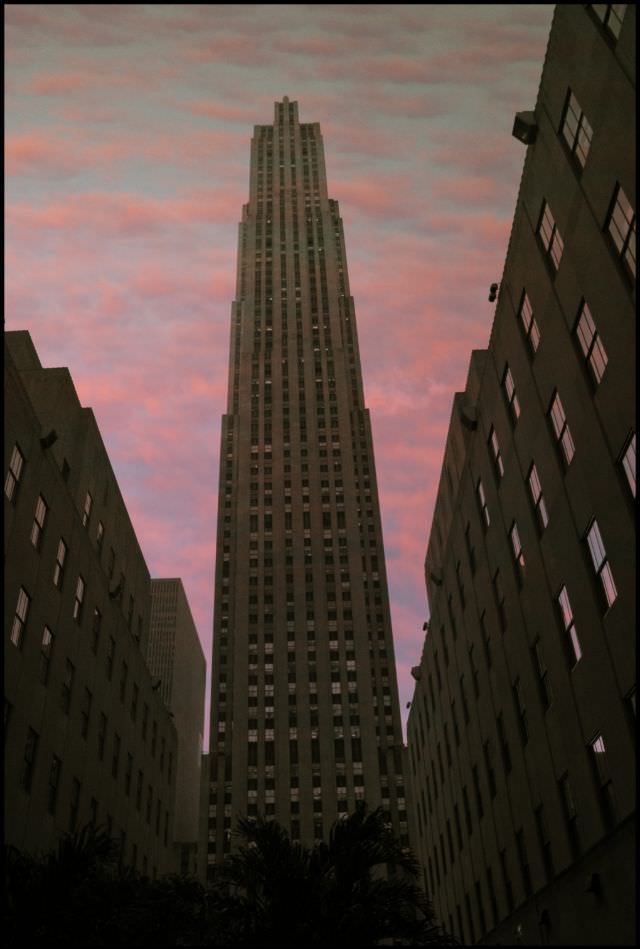
Radio City Music Hall on 6th Avenue was one of the most recognizable entertainment venues in the world. Its Art Deco facade and the famous “Radio City” sign in red neon were fixtures of the Midtown streetscape. Just up the block, Rockefeller Center spread across several acres of 5th Avenue real estate, its central plaza famous for its ice rink in winter and its massive Christmas tree each December.
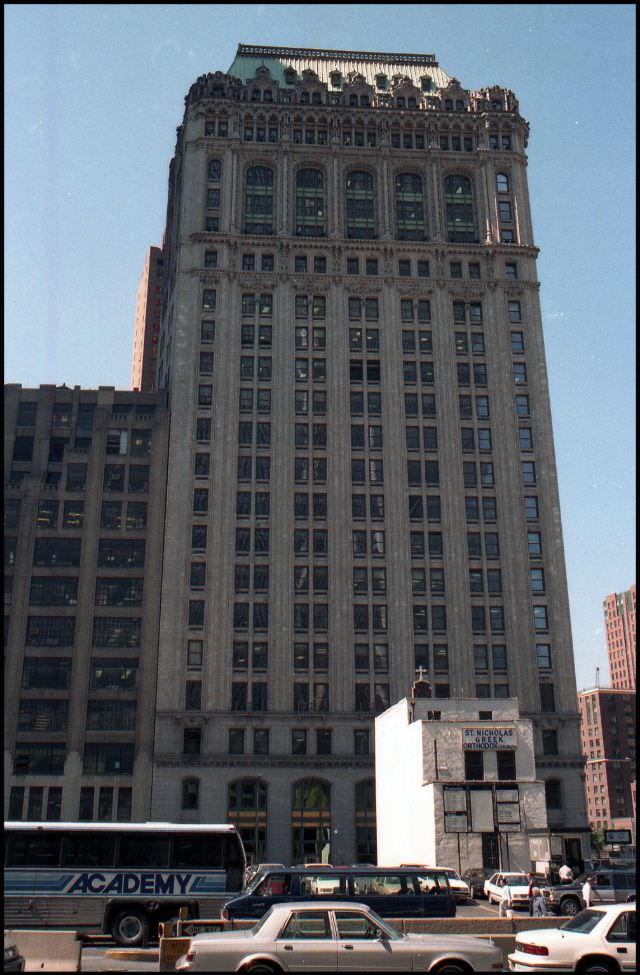
St. Nicholas Church in Downtown Manhattan was one of the few Greek Orthodox churches in Lower Manhattan. It sat in the shadow of the World Trade Center on Liberty Street, a small stone building that stood out against the surrounding towers. The Village, meanwhile, continued to draw artists, students, and long-time residents who gathered in its parks, lined its sidewalks, and kept its coffee shops full at all hours.
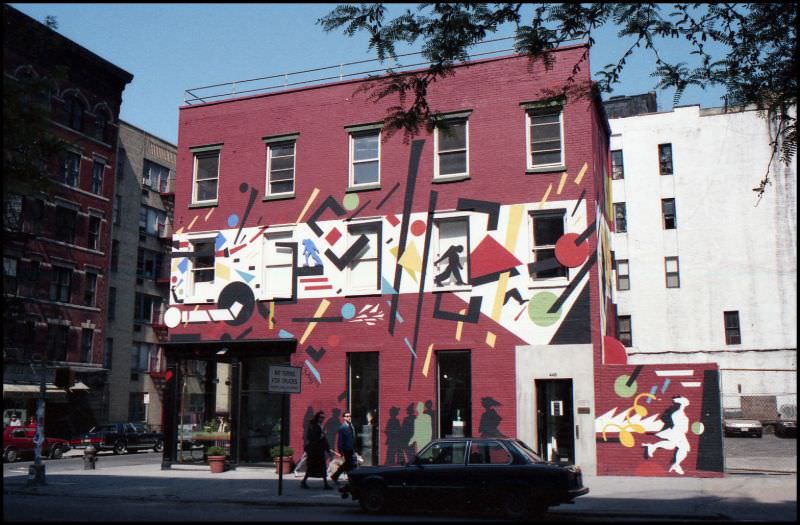
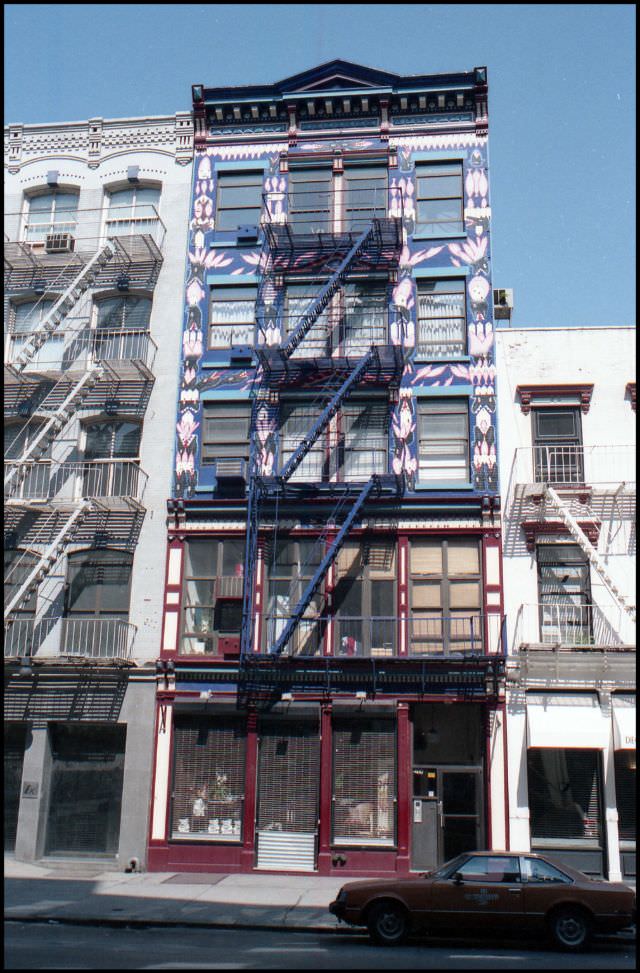
TriBeCa — the Triangle Below Canal Street — was one of the neighborhoods that changed most visibly during the 1990s. Its cast-iron warehouse buildings, largely abandoned by industry in previous decades, had begun attracting artists and loft dwellers in the 1970s and 1980s. By the 1990s, restaurants, galleries, and upscale tenants were moving in. Robert De Niro co-founded the Tribeca Film Center there in 1988, and the neighborhood’s profile kept rising throughout the decade.
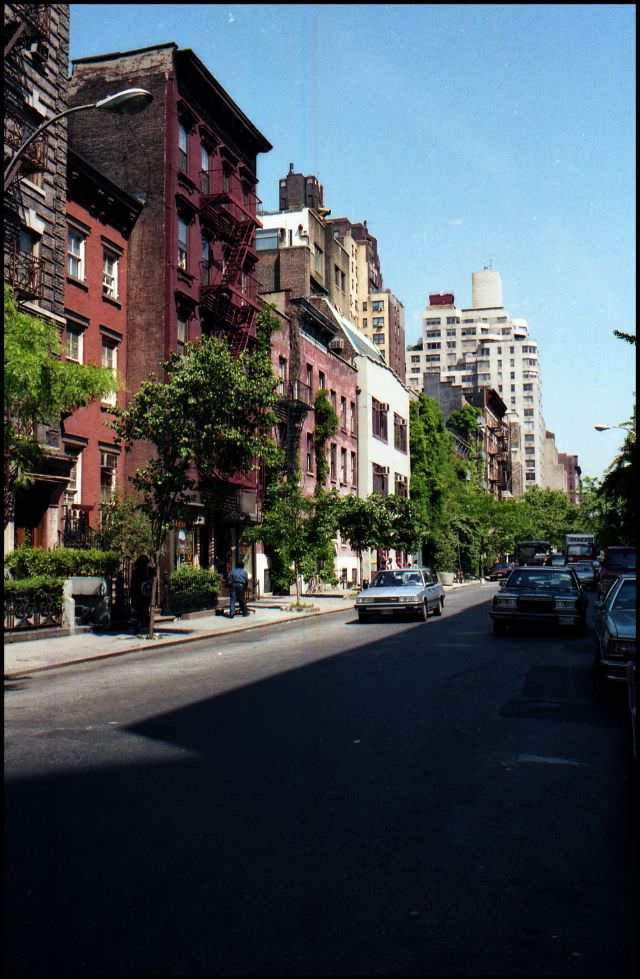
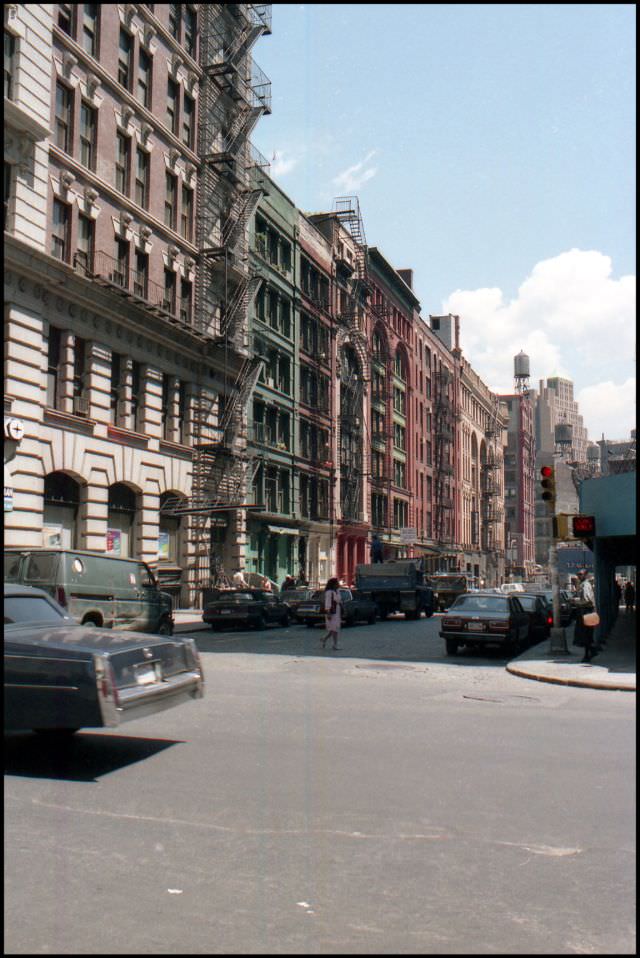
The Twin Towers were the defining feature of Lower Manhattan’s skyline in the 1990s. One World Trade Center and Two World Trade Center rose high above everything around them, visible from the outer boroughs, from New Jersey, and from the water. Battery Park City grew up in their shadow along the Hudson River. Together, the towers and the surrounding neighborhood formed the southern anchor of the city’s vertical landscape.
Window views from 8th Avenue gave a ground-level perspective on daily street life in Midtown. The street below was a mix of taxi cabs, delivery trucks, pedestrians in heavy coats, and the constant noise of a city that operated around the clock. Columbus Circle, just a short distance away, sat at the southwest corner of Central Park and served as a major transit hub and gathering point.
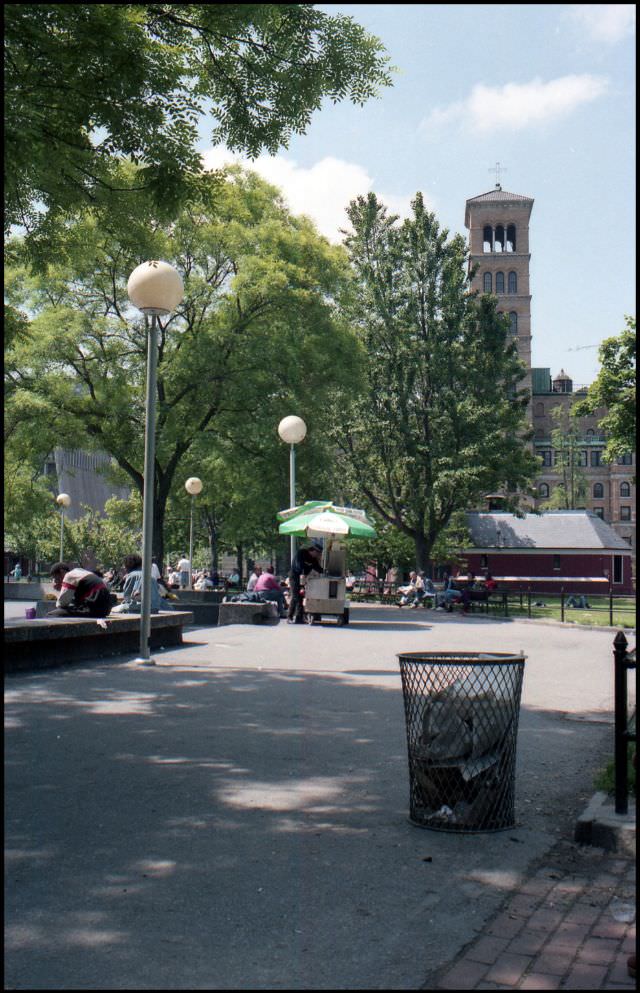
Washington Square Park in Greenwich Village was the neighborhood’s central gathering place. The park’s marble arch, modeled after the Arc de Triomphe, marked the southern end of 5th Avenue. In the 1990s, the park was a meeting point for NYU students, chess players, musicians, and street performers. It carried a reputation for drug activity, particularly around its fountain, but it remained a vital public space where the city’s diversity was on full display every day.