
London in the 1980s was a city caught between two worlds. Margaret Thatcher had swept into power in 1979, and her government’s push for privatization was already reshaping the economy. Union power was shrinking. Family-run corner shops were giving way to larger, impersonal chains. The old rhythm of London street life was shifting fast, and the tension between tradition and change played out on every pavement, in every market stall, and on every double-decker bus route. These photographs freeze that moment in time.
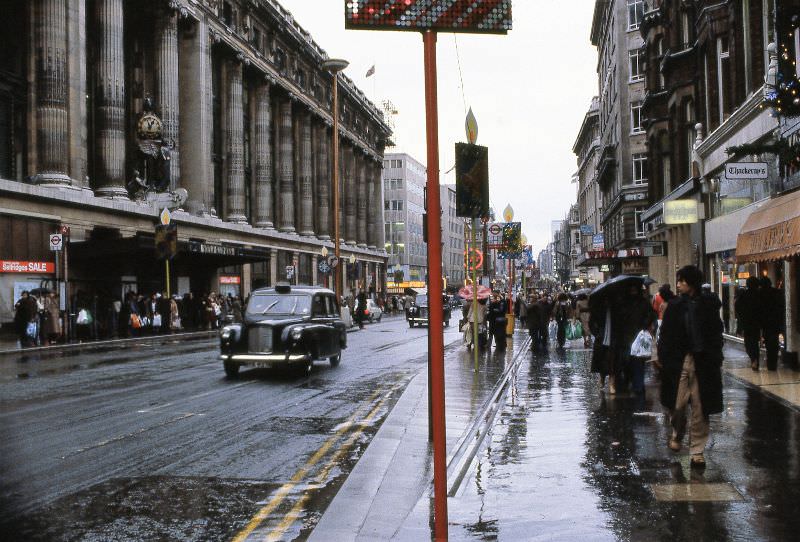
Oxford Street in 1980 was already one of the busiest shopping corridors in the world. Outside Selfridges, the pavement was thick with shoppers, delivery vans, and the red blur of London buses. The street had a weight to it — a sense that commerce was the engine driving the whole city forward.
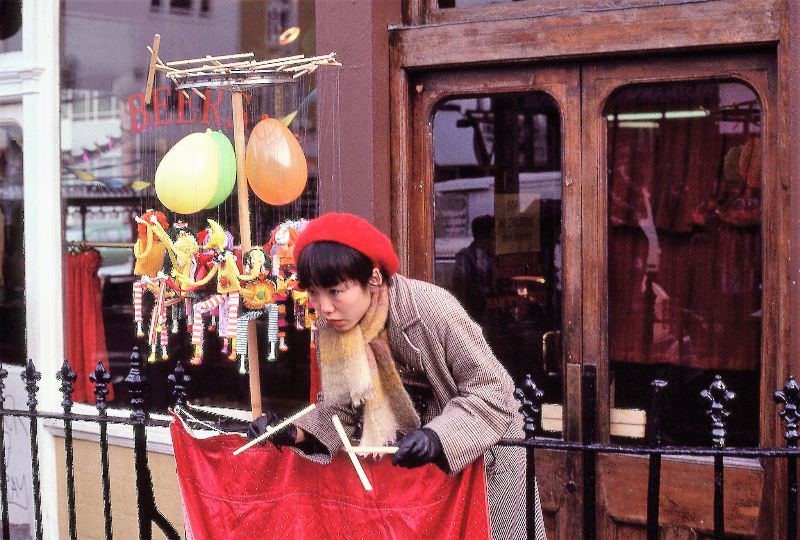
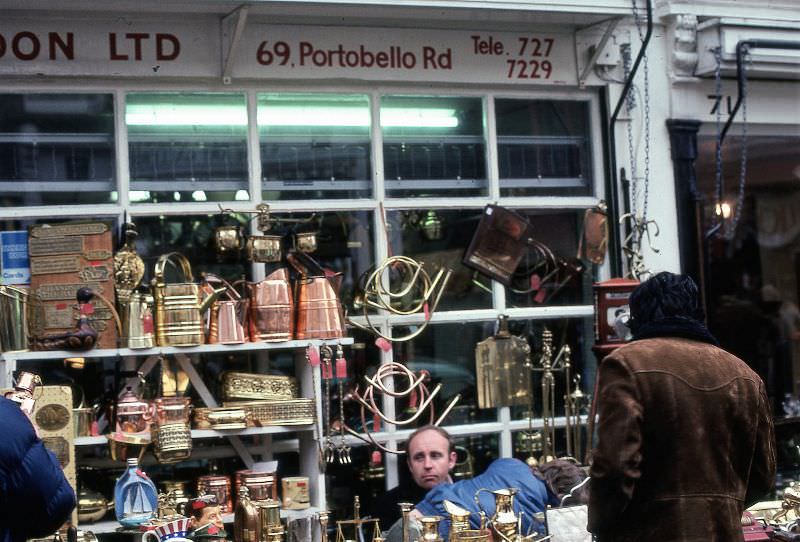
Away from the main shopping drags, street entertainers claimed their own territory. Portobello Road in Notting Hill was a natural stage for performers, traders, and anyone looking for something a little outside the ordinary.
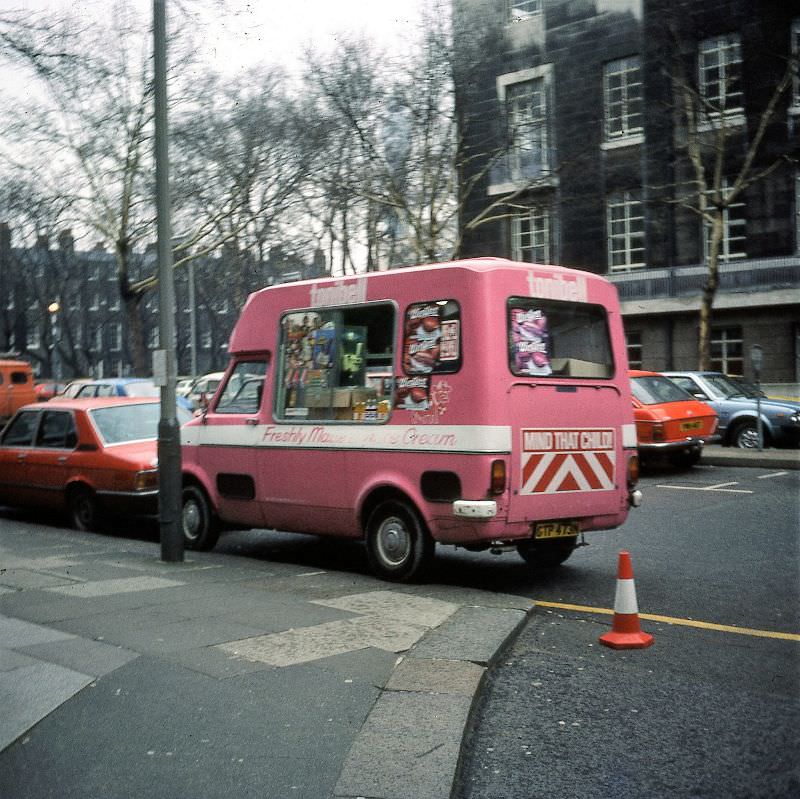
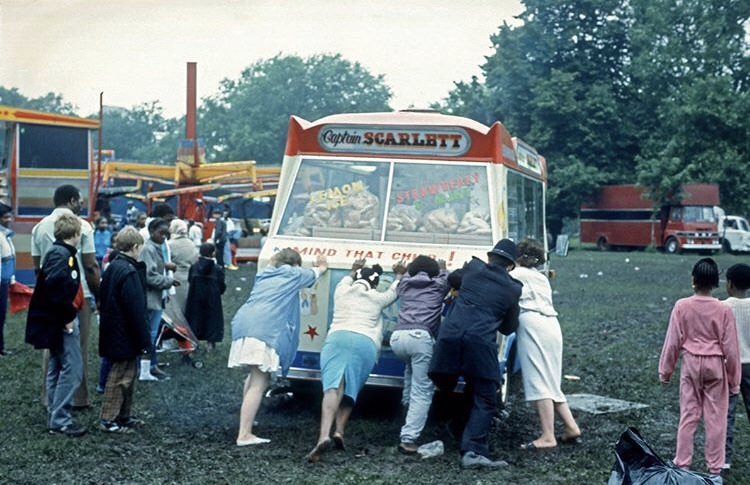
Summer on the streets of London had its own soundtrack — the jingle of an ice cream van pulling up to the kerb. Tonibell was one of the most recognisable brands on wheels in Britain at the time, a fixture in residential streets and squares across the city.
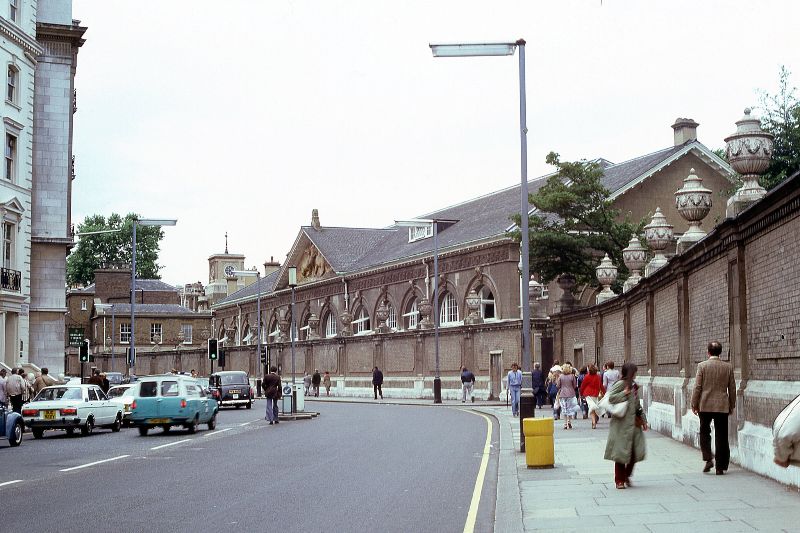
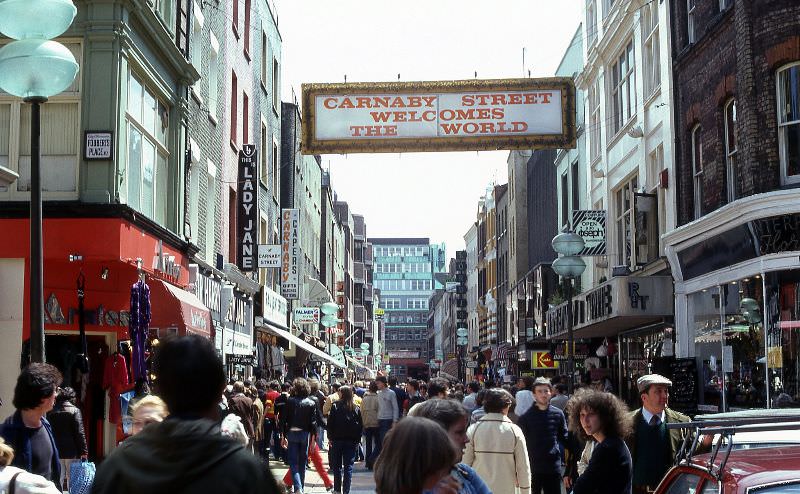
Carnaby Street had been the beating heart of swinging London in the 1960s, and by 1980 it was still drawing crowds — though the energy had evolved. The mod and punk movements had left their mark. Boutiques selling bold fashion sat alongside record shops, and the street remained a magnet for young Londoners who wore their identity on their sleeves, sometimes quite literally.
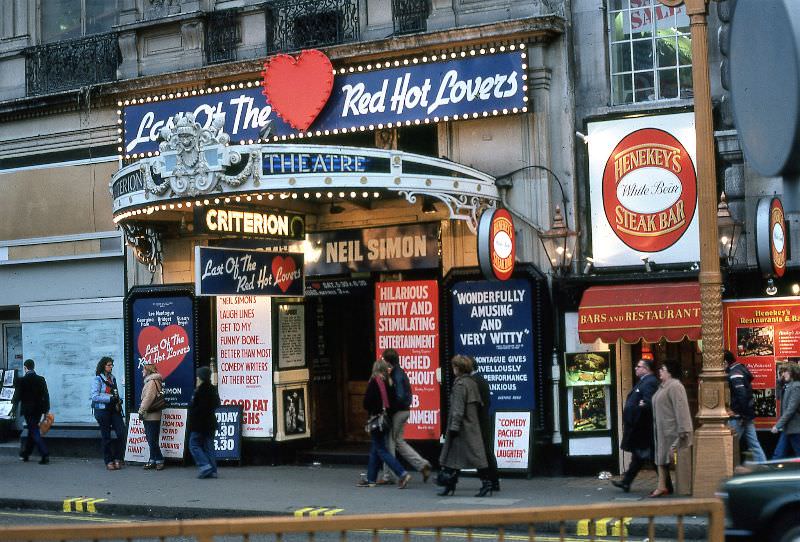
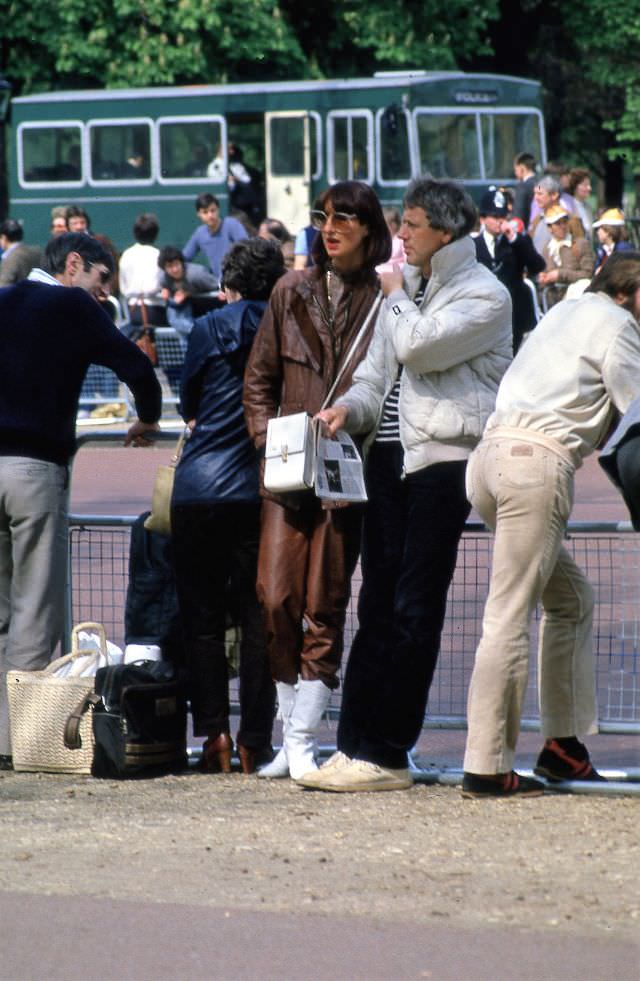
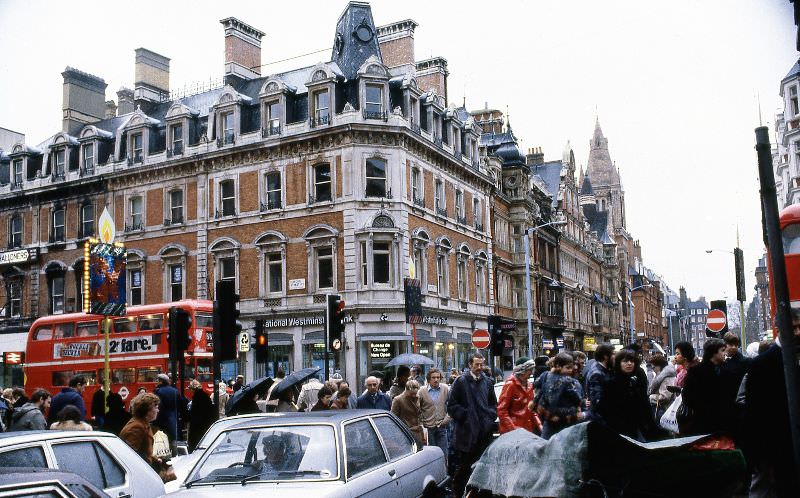
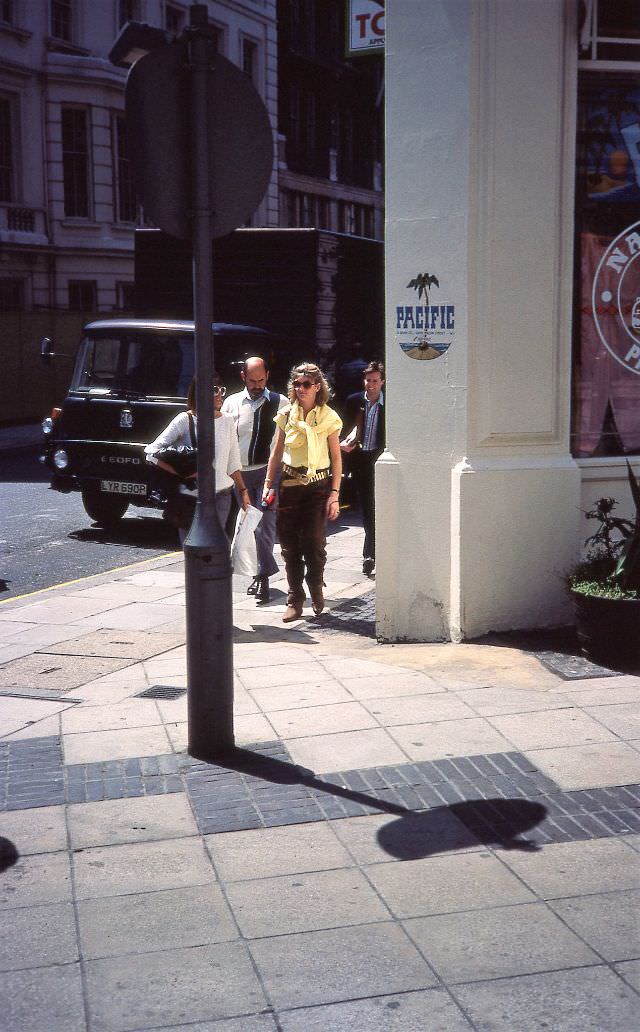
The corner of Duke Street and Oxford Street captured the pedestrian density that defined central London even then. Shoppers, workers, and tourists moved in overlapping streams along the same stretch of pavement, with little to separate them except the direction they were heading.
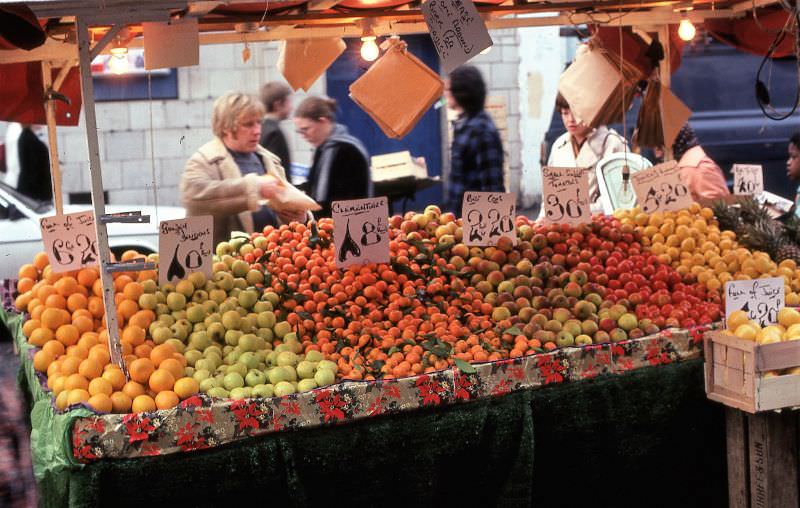
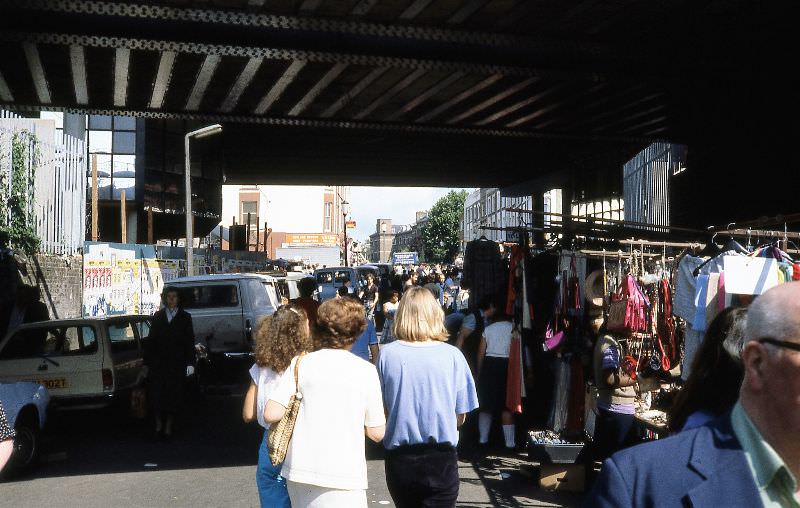
Portobello Road Market was one of London’s great social levellers. Antique dealers, fruit sellers, second-hand clothing stalls, and vinyl record vendors all competed for space along the same stretch of road. On a Saturday morning, the crowd was a cross-section of the whole city.
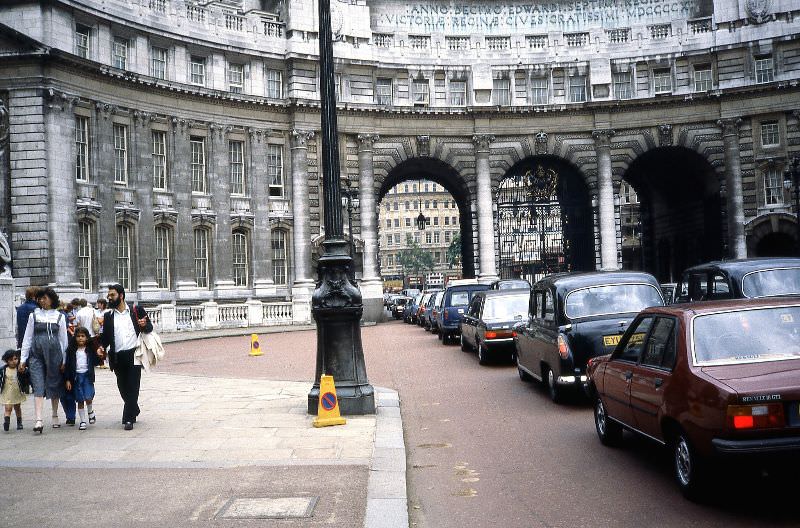
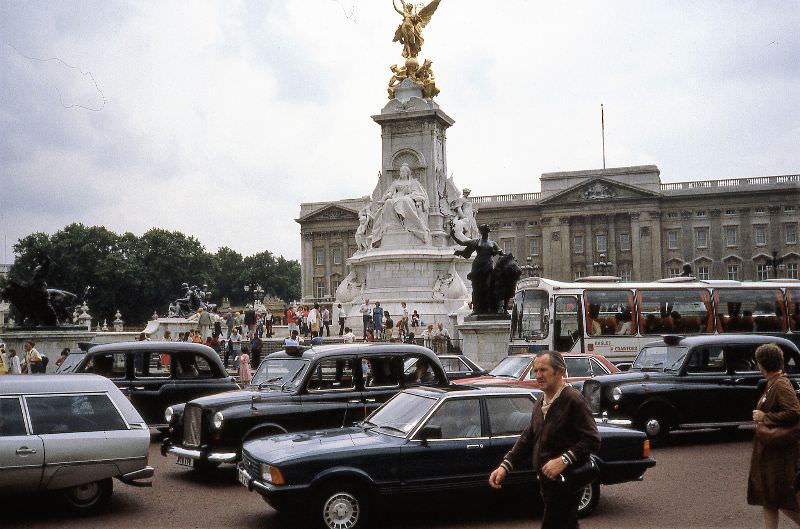
By 1982, London was riding a wave of royal excitement. Prince Charles and Lady Diana had married the previous summer in a ceremony watched by 750 million people worldwide. The national mood had shifted — at least temporarily — toward celebration. Landmarks like Admiralty Arch, which frames the processional route from Trafalgar Square to Buckingham Palace, took on fresh significance.
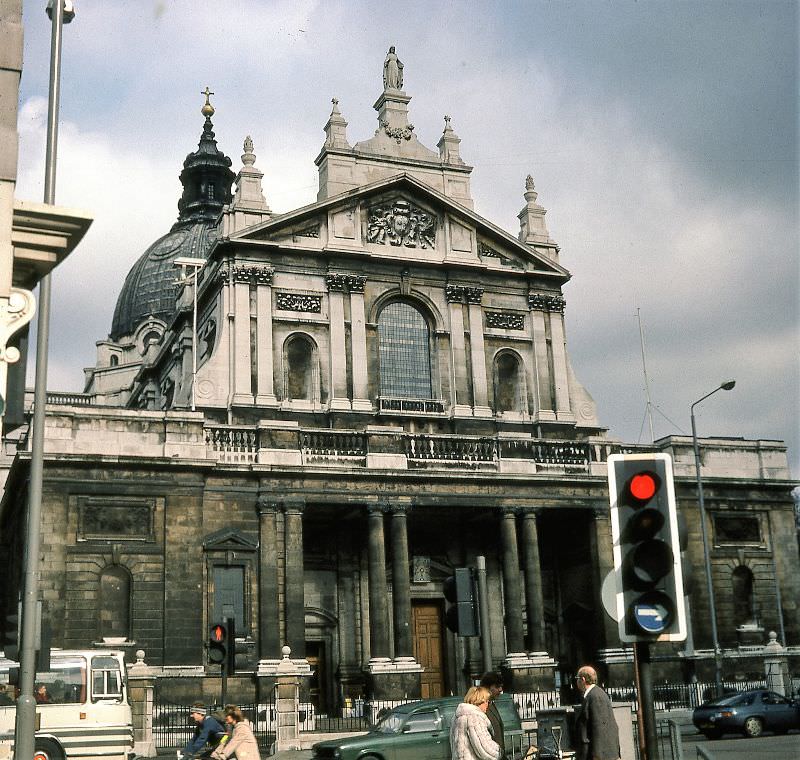
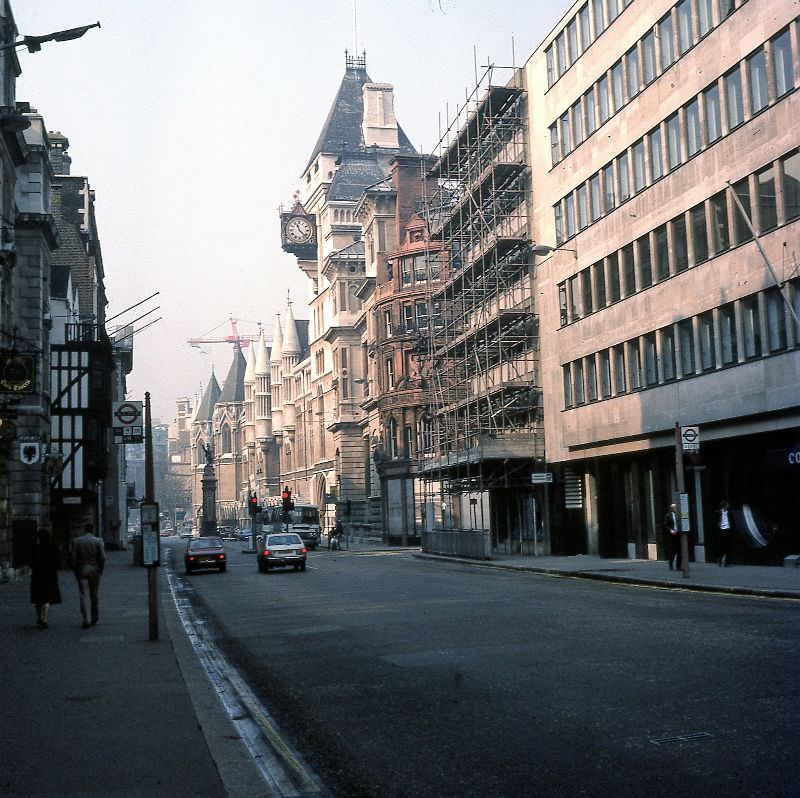
Fleet Street was still the undisputed home of British journalism in 1982. National newspapers had operated from this road and its surrounding lanes for centuries. The printing presses ran day and night, and the pubs nearby were filled with reporters, editors, and typesetters. That world would begin to unravel within a few years, when Rupert Murdoch relocated News International to Wapping in 1986, triggering a bitter industrial dispute.
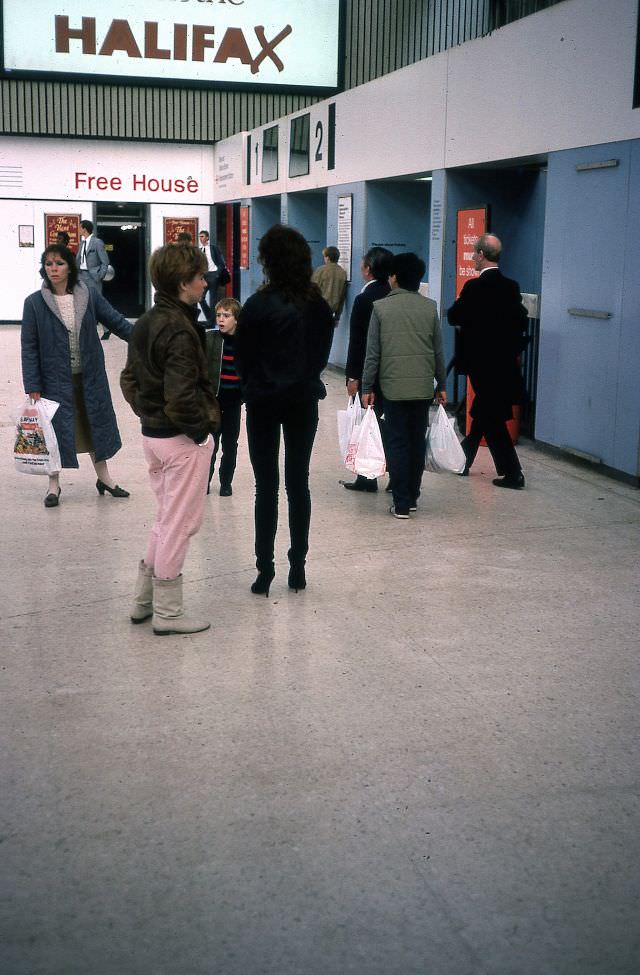
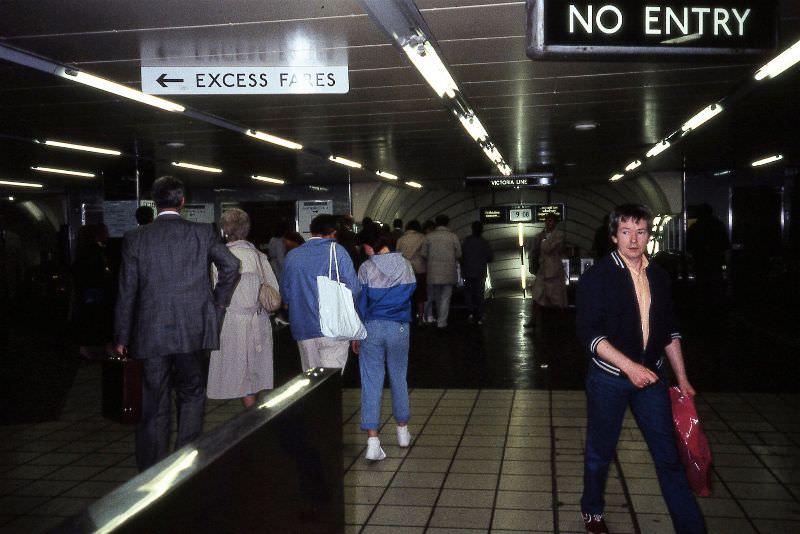
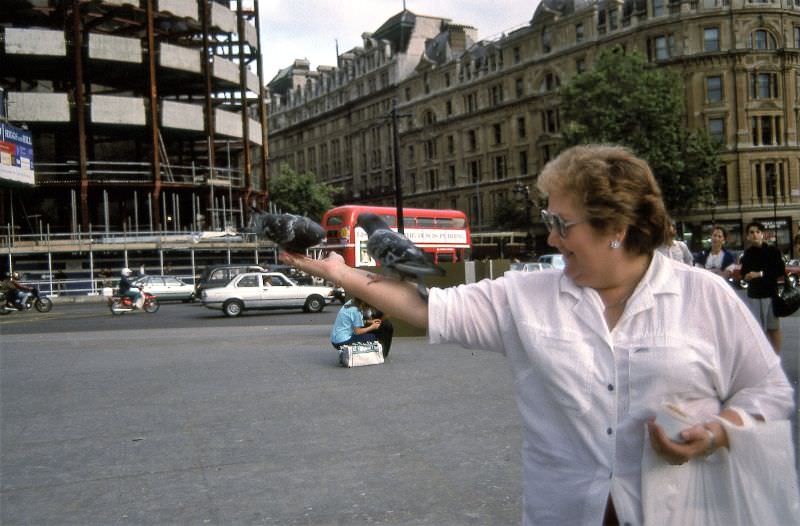
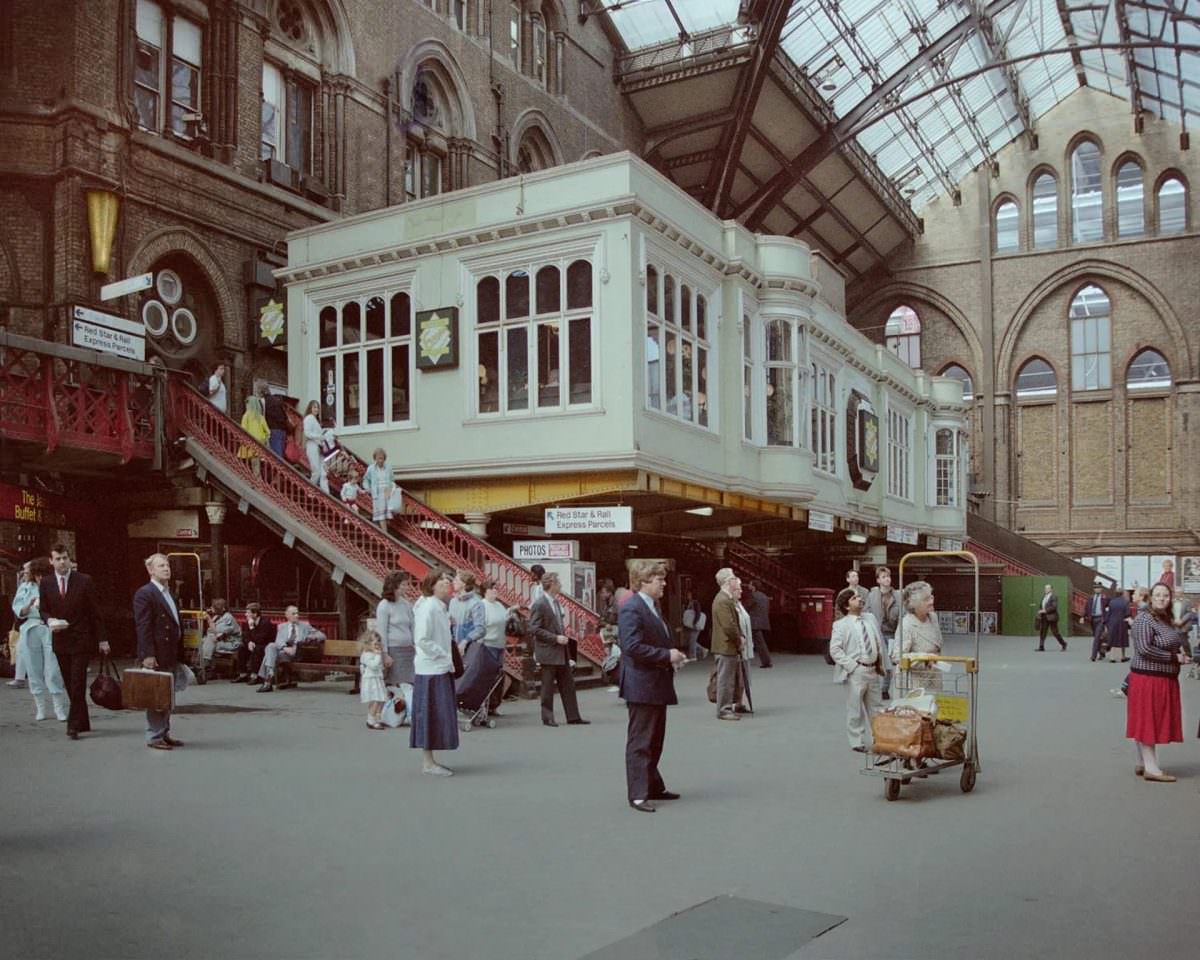
Charing Cross railway station in 1983 funnelled tens of thousands of commuters in and out of the city each day. The station served lines running south into Kent and Surrey, and its concourse was a constant flow of briefcases, newspapers, and hurried footsteps.
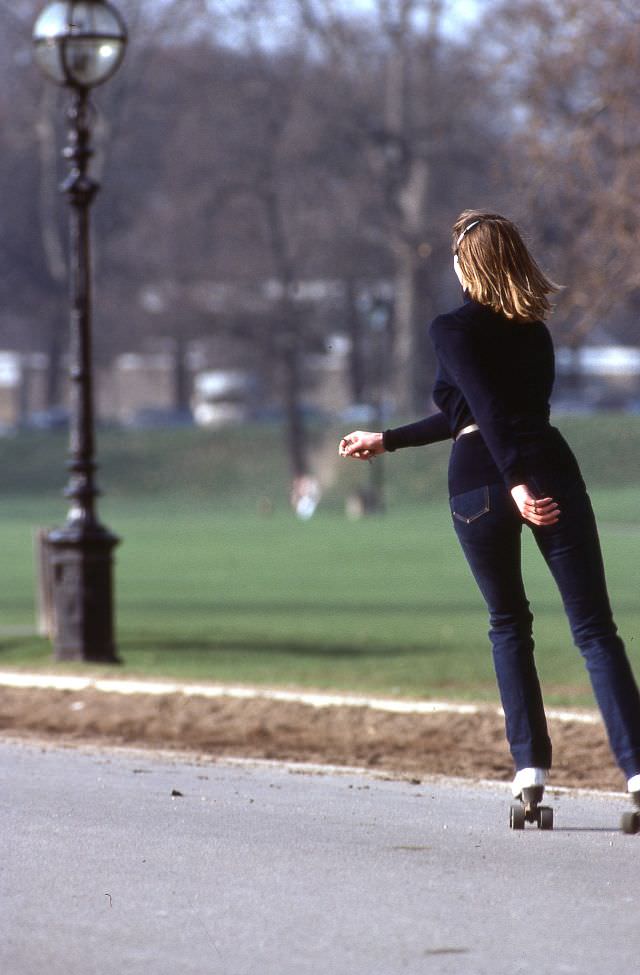
Roller skating had become a genuine urban sport by the early 1980s. Skaters used parks, plazas, and pedestrian areas across the city. It was affordable, visible, and physical — a sharp contrast to the passive entertainment increasingly available through early home video systems.
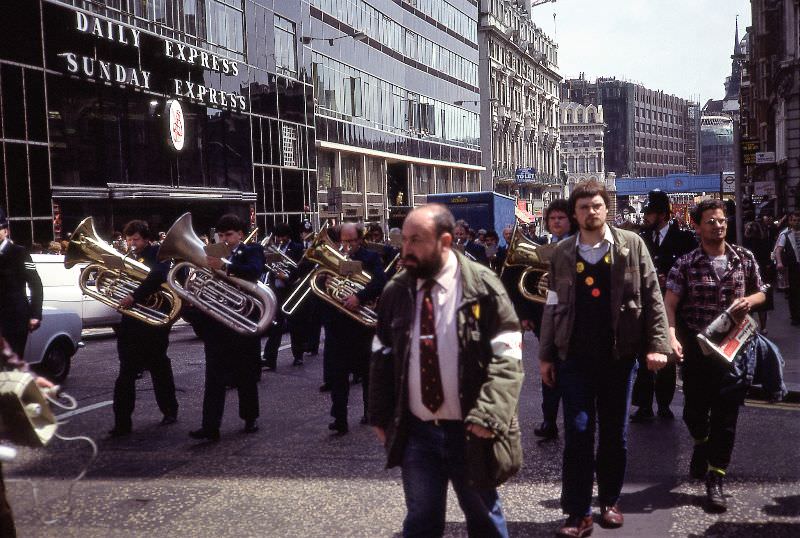
The Daily Express building on Fleet Street was one of the most striking pieces of Art Deco architecture in London. Its black glass and chrome facade made it unmistakable on the street. By 1984, the building was already a symbol of a newspaper industry that was about to be torn apart by technological change and labour disputes.
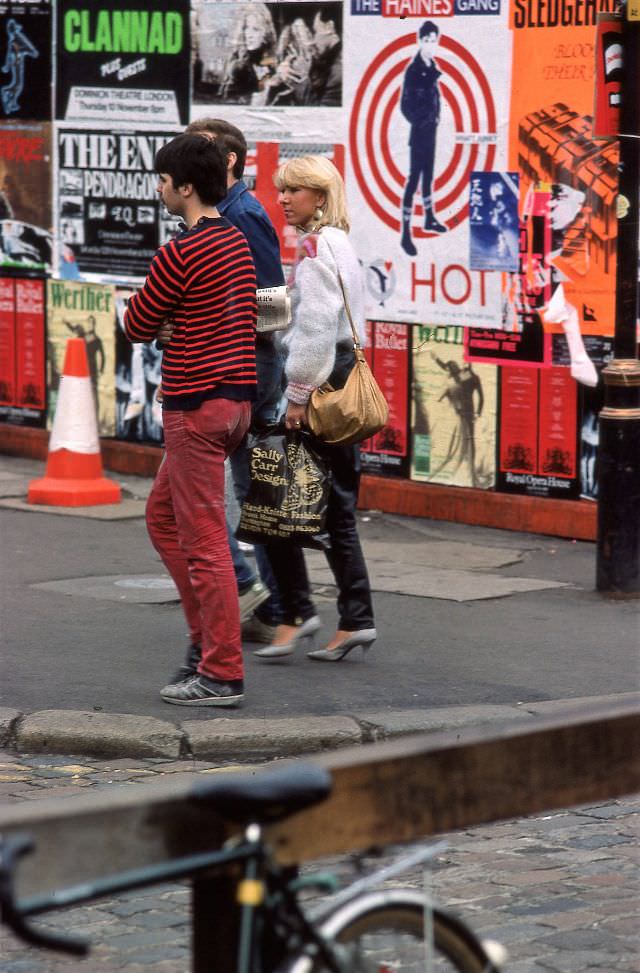
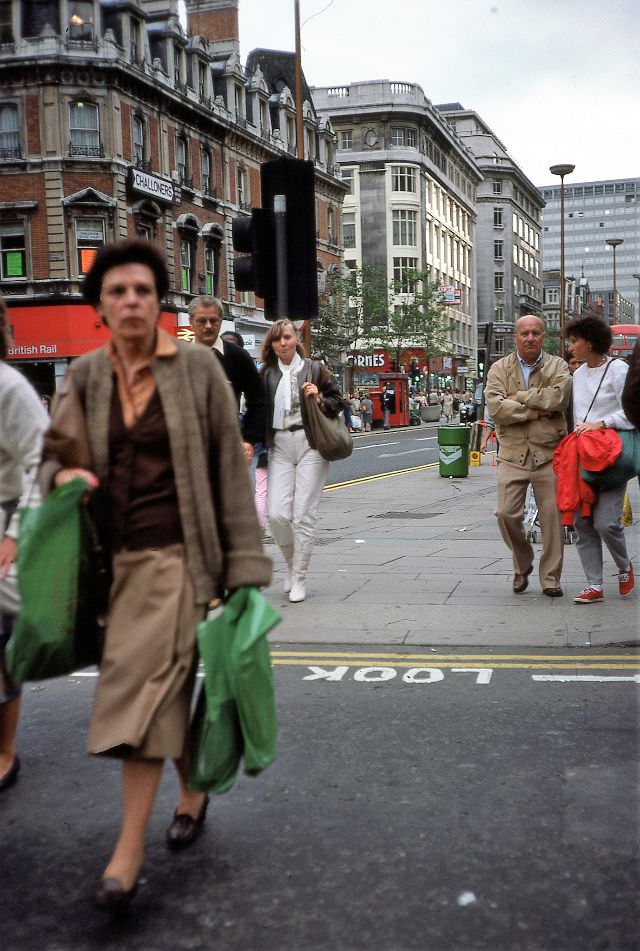
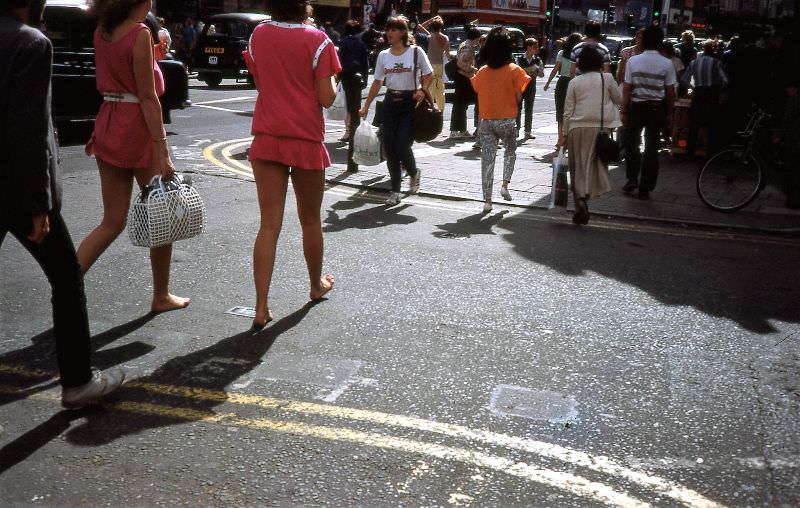
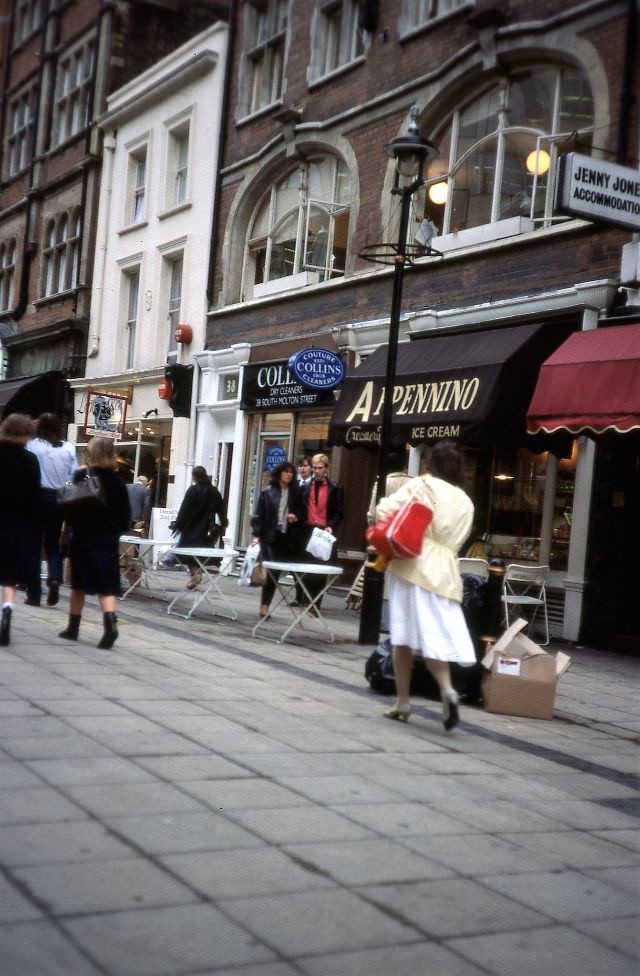
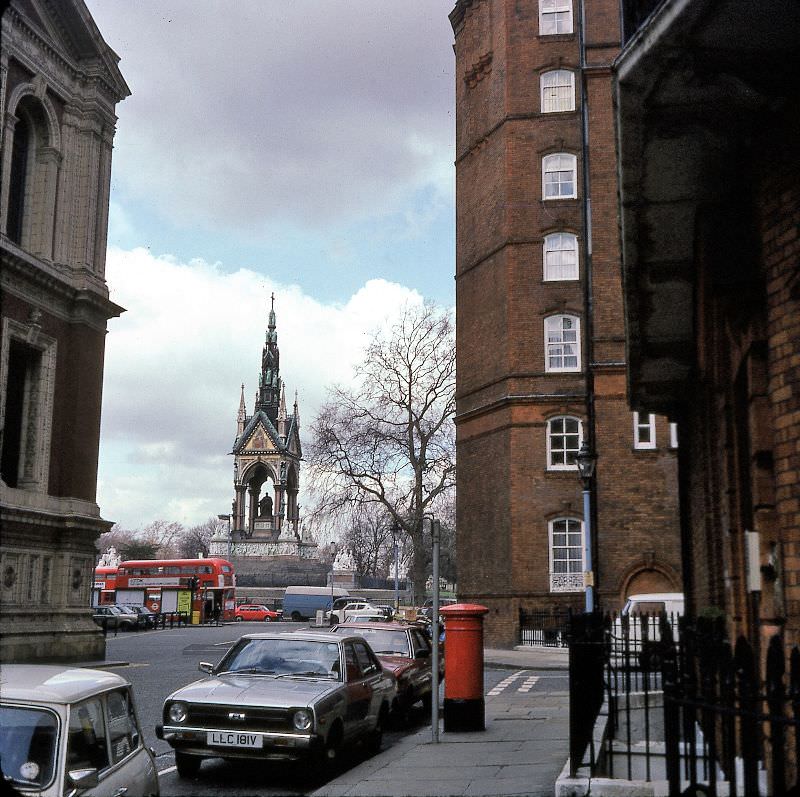
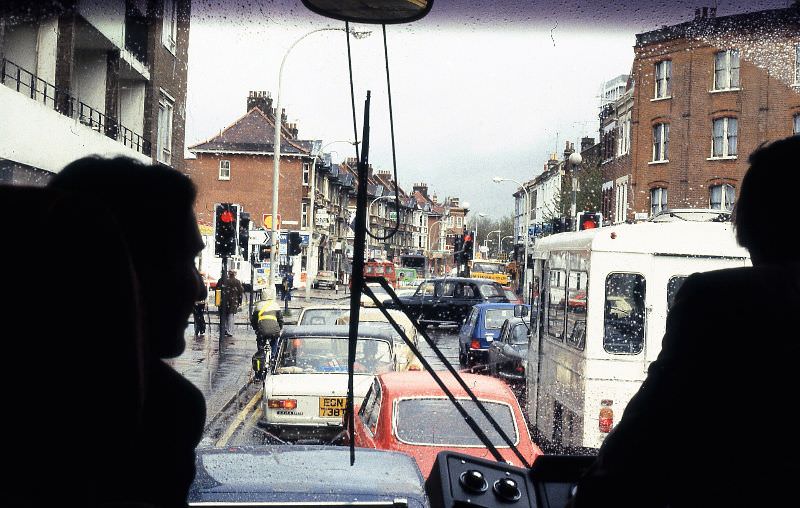
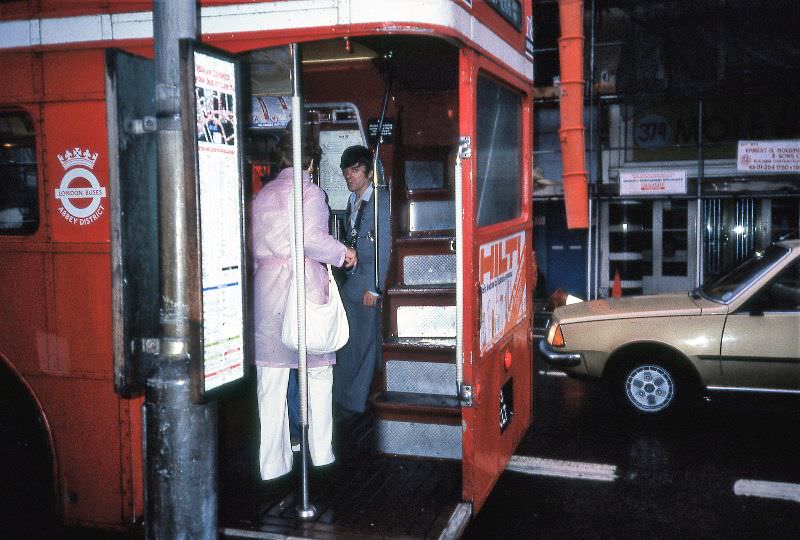
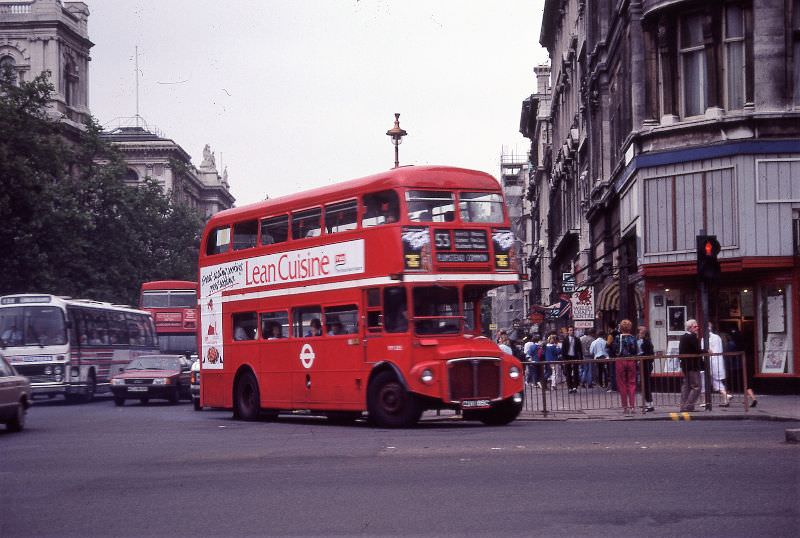
London’s red double-decker buses were as much a part of the city’s identity as Big Ben or Tower Bridge. By 1985, the Routemaster — with its open rear platform and roaming conductors — was still operating on many central London routes. Riding it was an experience as much as a commute.
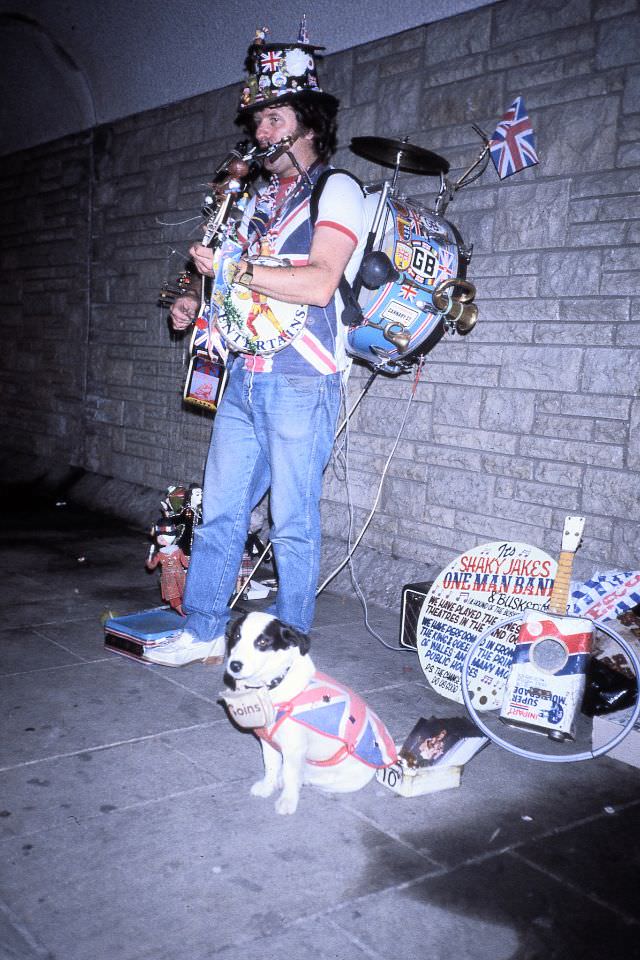
Street musicians were a constant presence across the city. A busker could set up on almost any busy corner and draw a crowd within minutes. The underground stations were particularly good spots — captive audiences, enclosed acoustics, and a steady flow of people with loose change in their pockets.
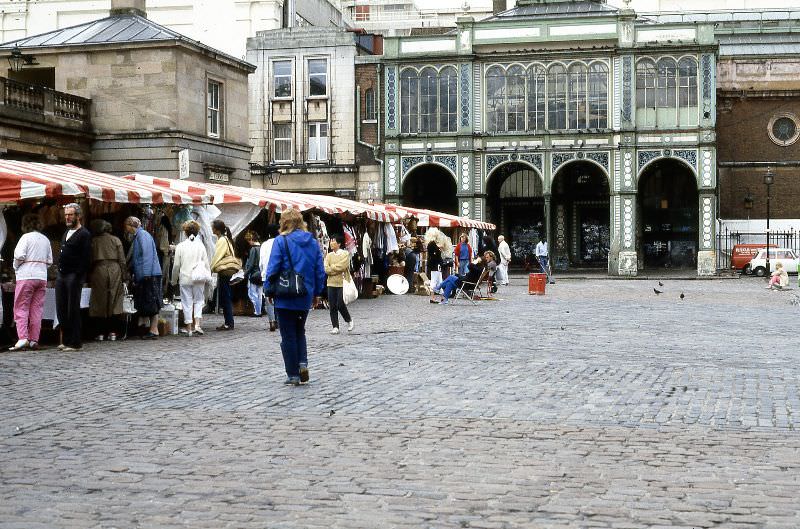
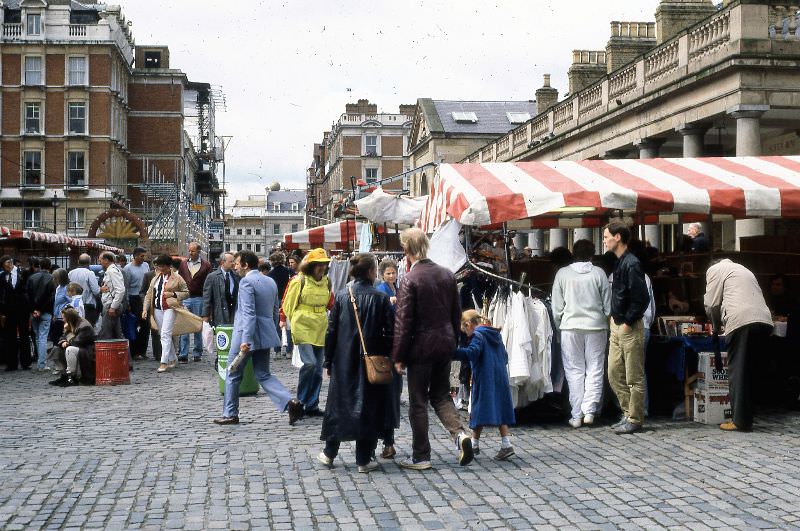
Covent Garden had been transformed just a few years earlier. The old wholesale fruit and vegetable market had moved out in 1974, and the Victorian market buildings were converted into a shopping and entertainment hub. By 1985, it had become one of the most visited spots in the city, drawing street performers, craft sellers, and tourists in equal measure.
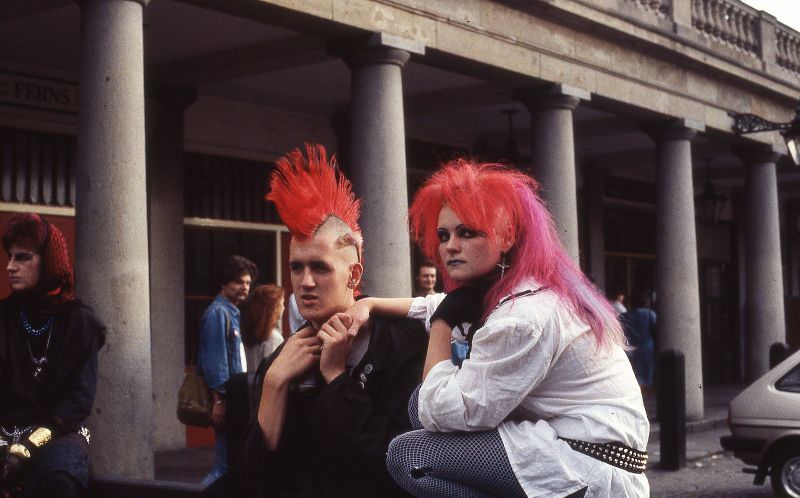
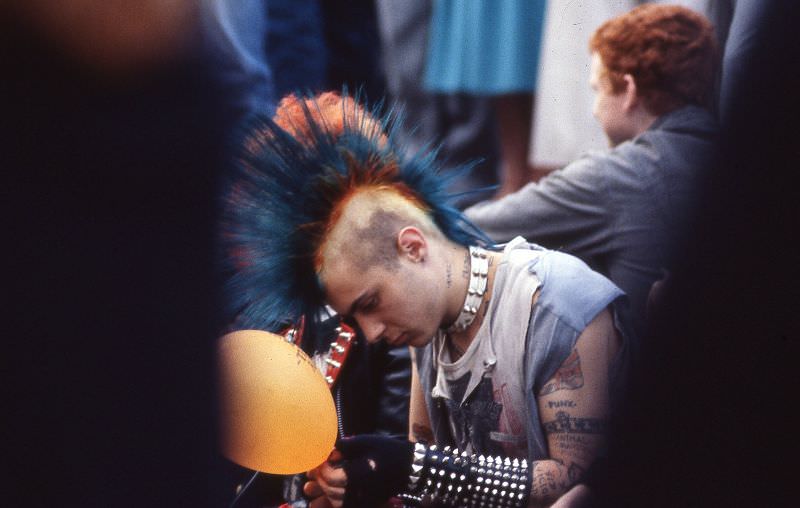
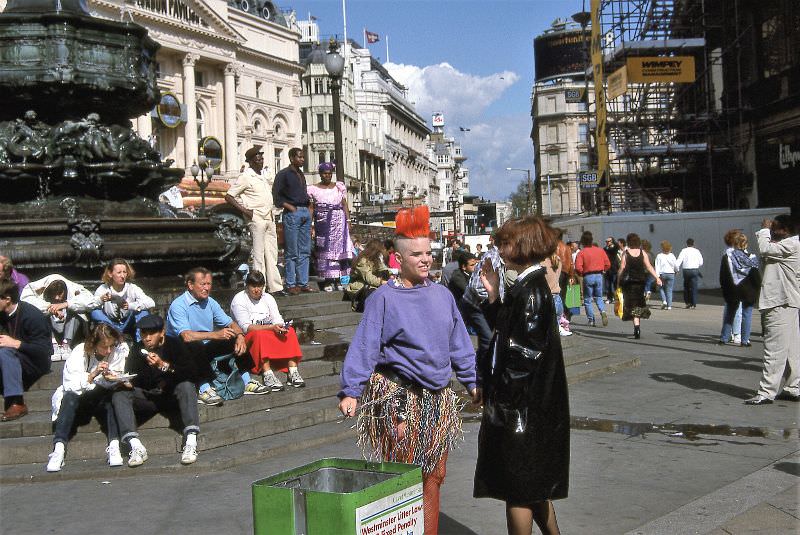
Punk hadn’t died — it had simply settled in. By 1985, punks were a visible and established part of London’s street culture. Mohawks dyed in vivid colours, studded leather jackets, and heavy boots were a statement of identity, not just fashion. They gathered in well-known spots, posed for tourists, and remained a living symbol of the anti-establishment spirit that had exploded in the late 1970s.
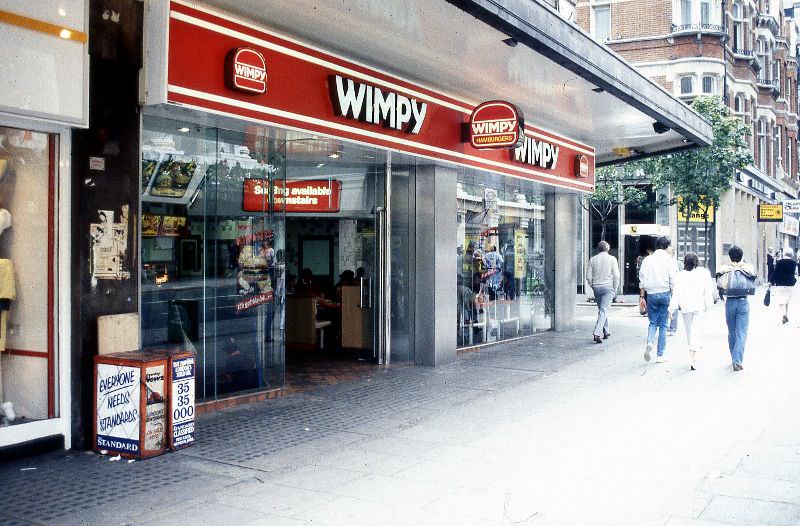
The Wimpy restaurant on Oxford Street was a British institution. Long before McDonald’s dominated the fast food market, Wimpy served burgers and milkshakes to generations of Londoners. Its 1985 presence on the capital’s most famous shopping street was a snapshot of a fast food culture still in transition.
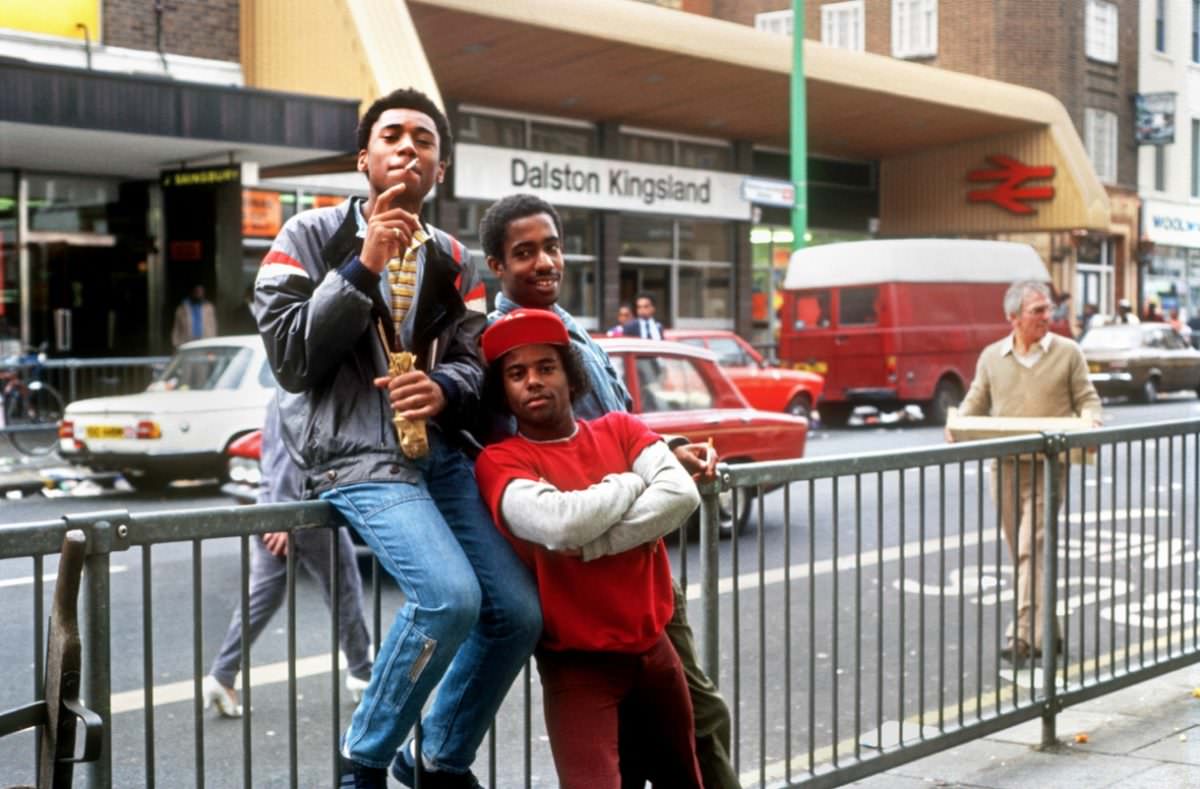
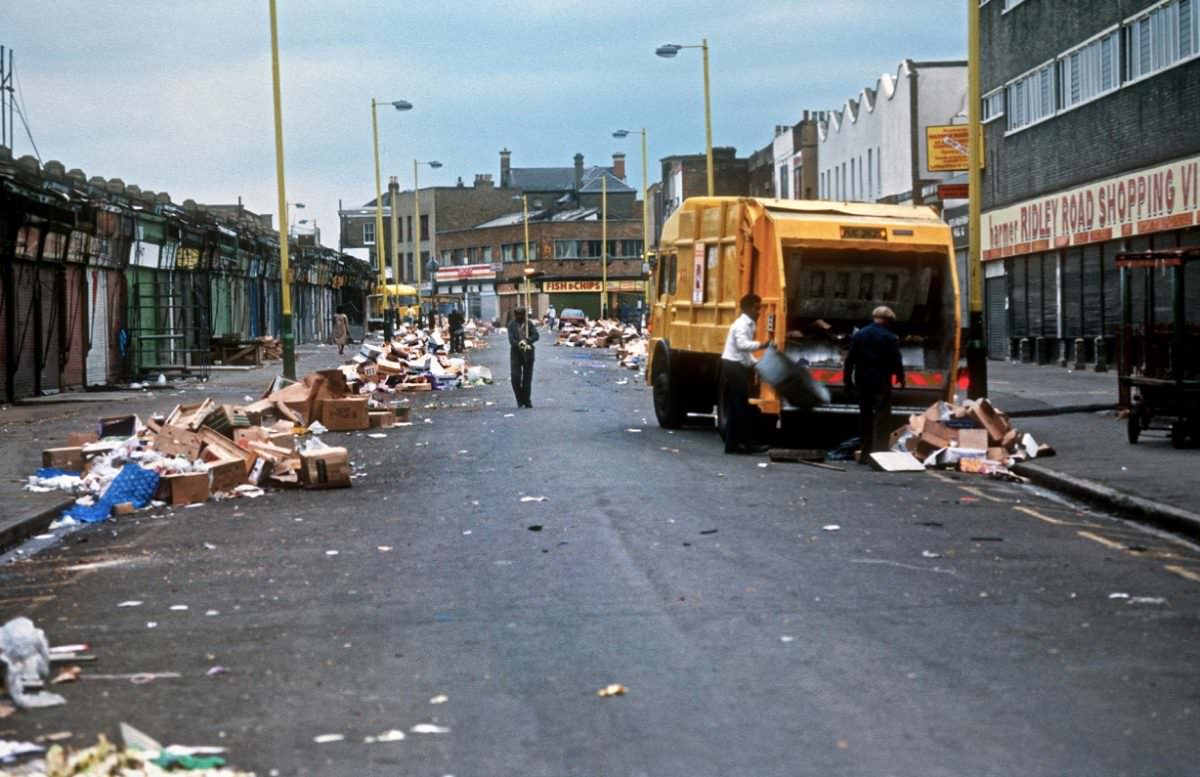
East London told a different story from the gleaming West End. In Hackney, Dalston, and Stoke Newington, the 1980s were defined by tight-knit communities, local markets, and a creative culture that operated well below the national radar. These were working-class neighbourhoods with independent shops, community centres, and a rich cultural mix that reflected waves of immigration over the previous three decades.
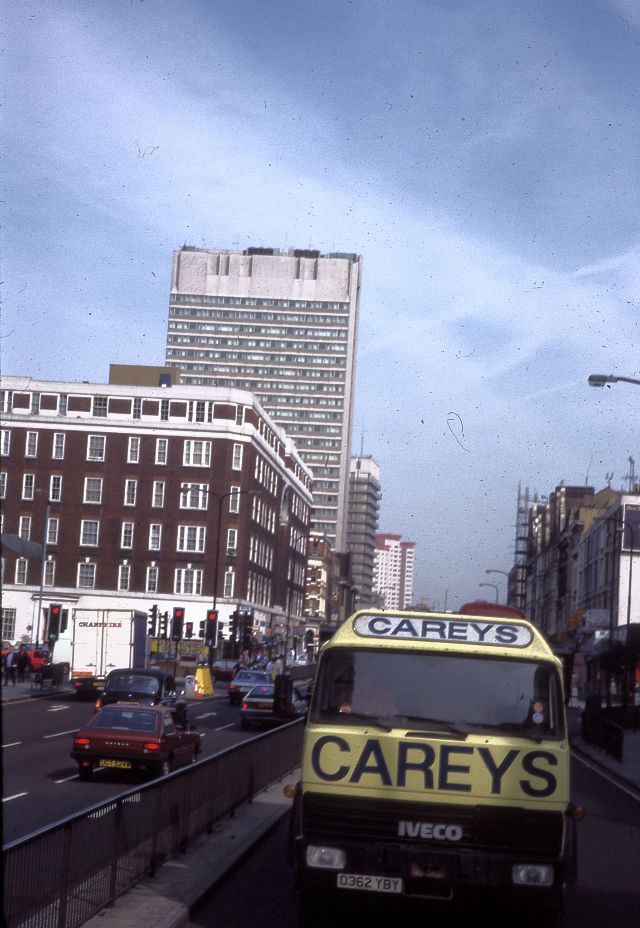
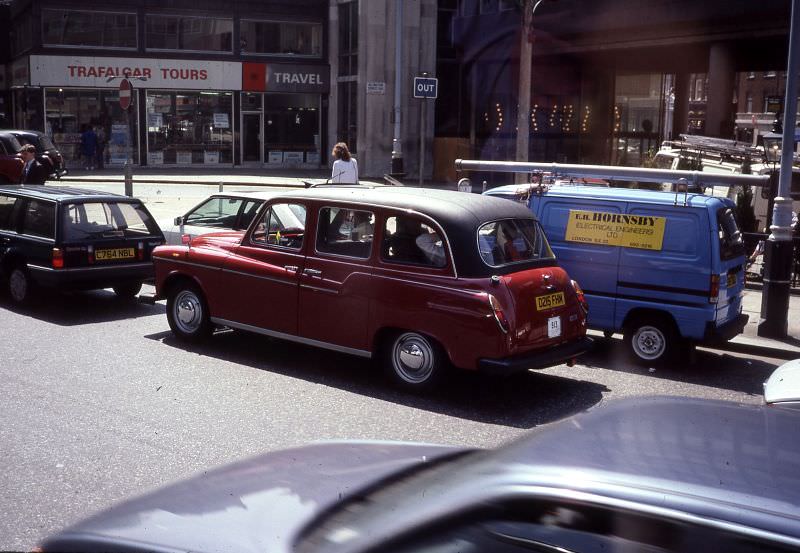
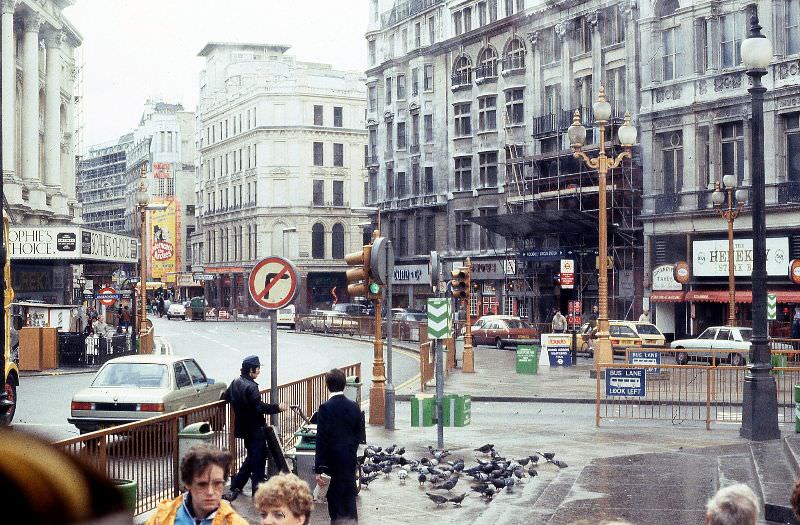
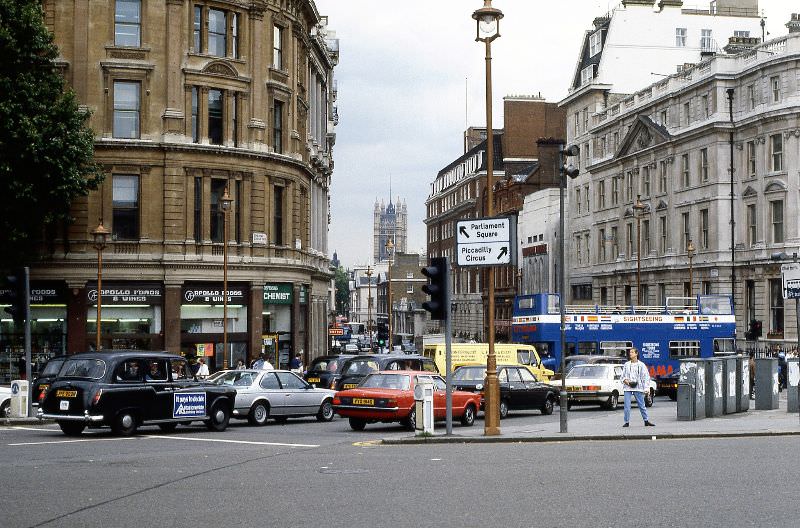
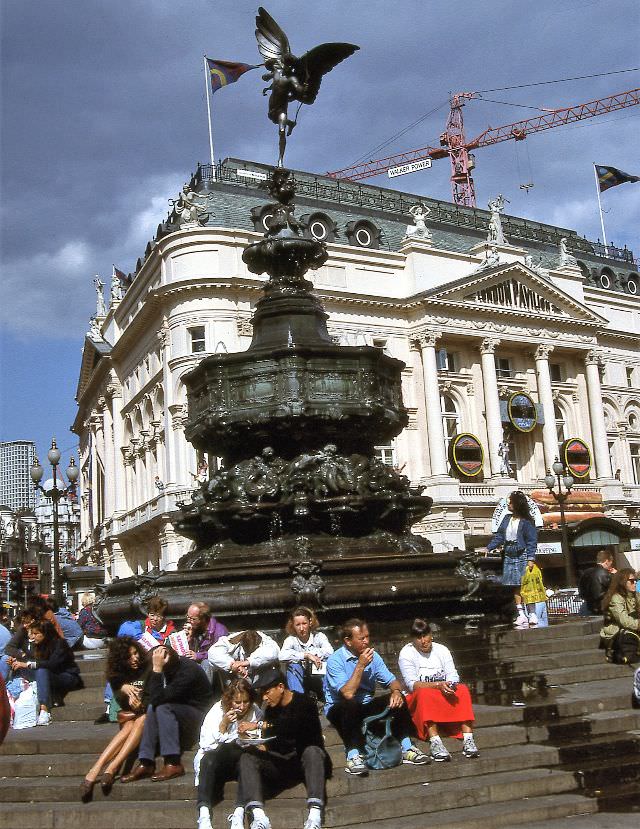
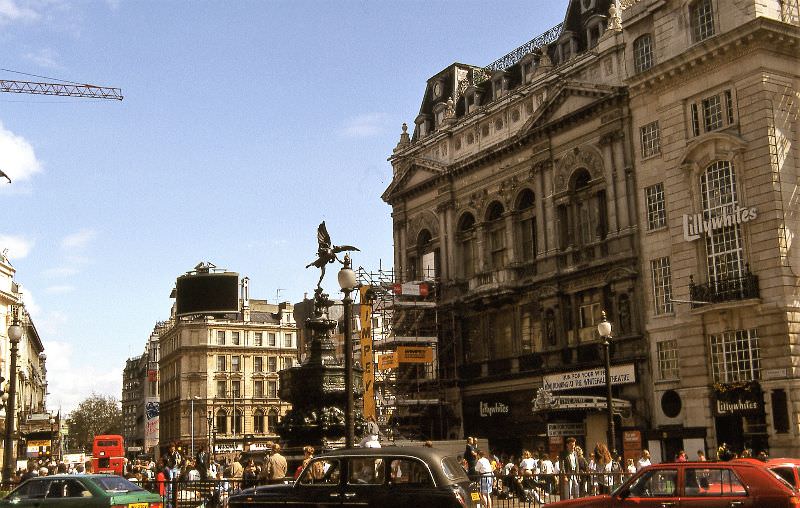
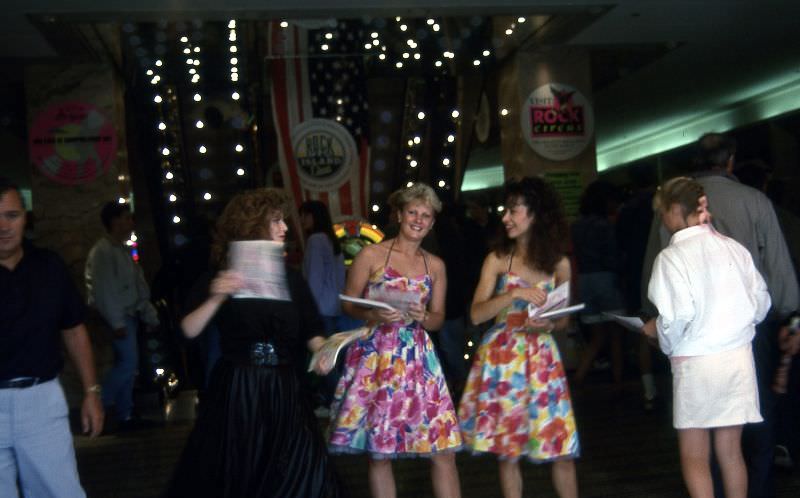
By 1989, Piccadilly Circus had become one of London’s most photographed intersections. The neon advertising boards, the statue of Eros at the centre, and the constant flow of traffic and pedestrians made it a living emblem of the city. The Rock Circus at the London Pavilion — a waxwork and animatronic attraction featuring rock and pop legends — had opened that same year, pulling in tourists who were already flocking to the area.
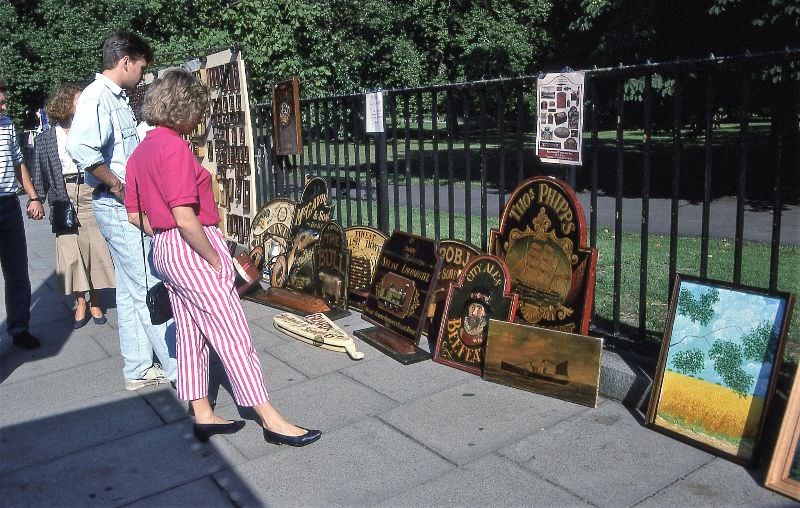
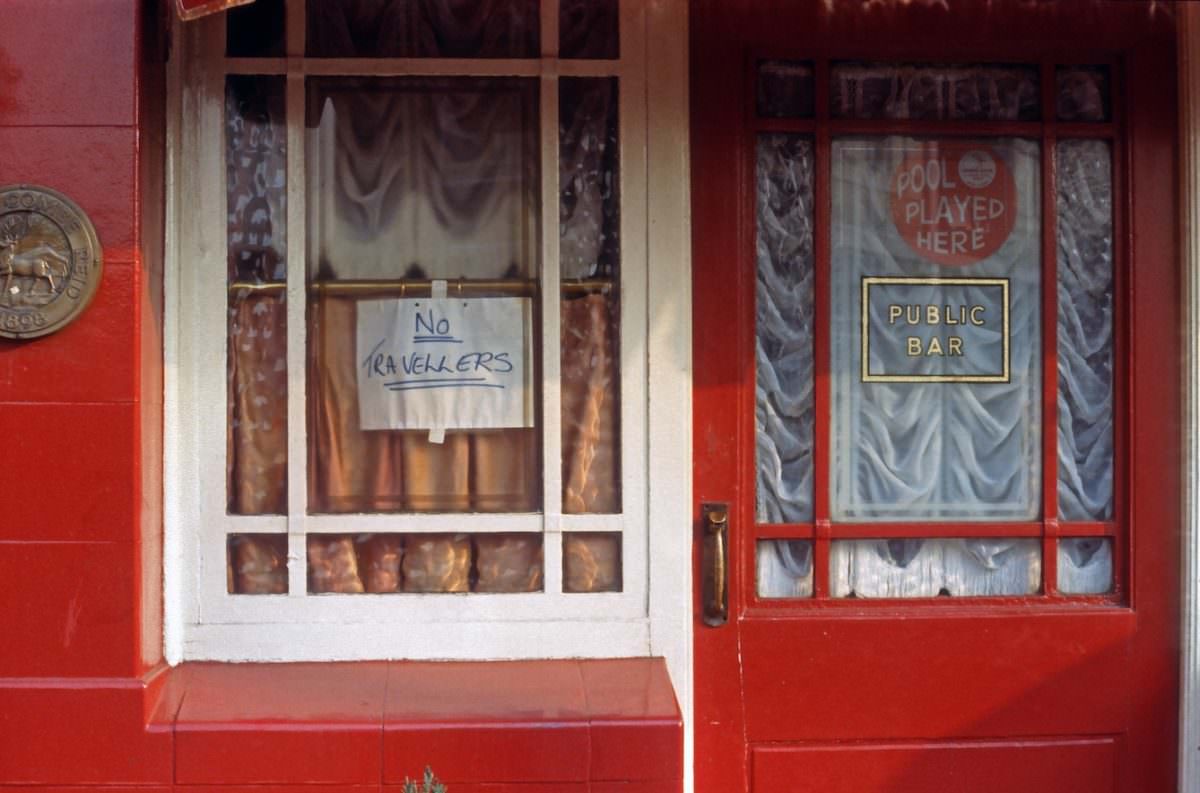
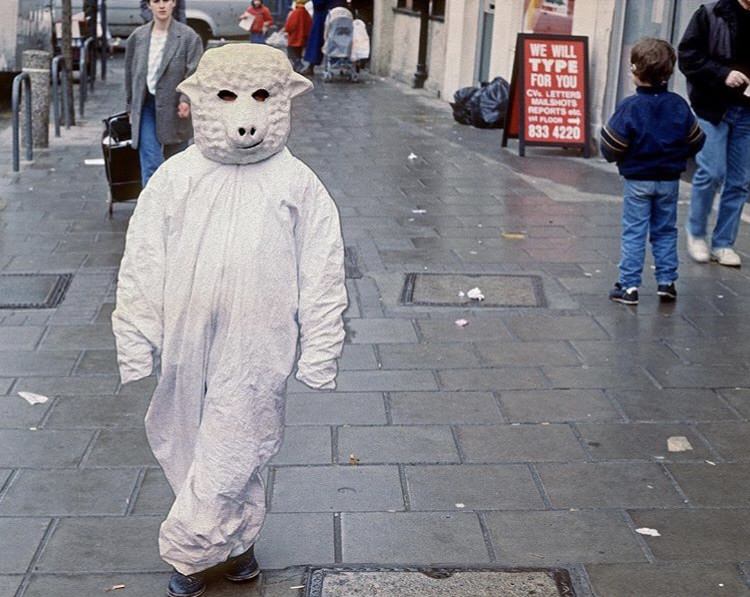
In Hackney, traveller communities set up alongside established residents, creating a patchwork of lives and lifestyles on the same streets. The area also carried political weight. After the Chernobyl nuclear disaster in April 1986, schoolchildren in Hackney took to the streets in protest against the sale of radioactive lamb in British supermarkets — a direct result of radioactive fallout drifting across Europe and contaminating livestock on UK farms.
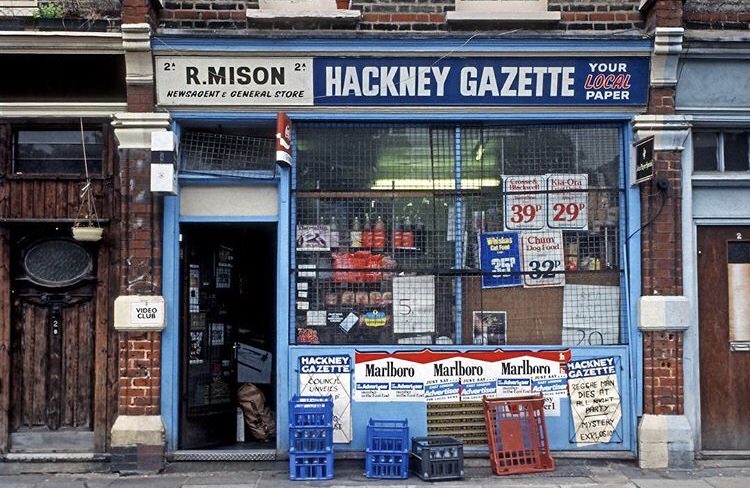
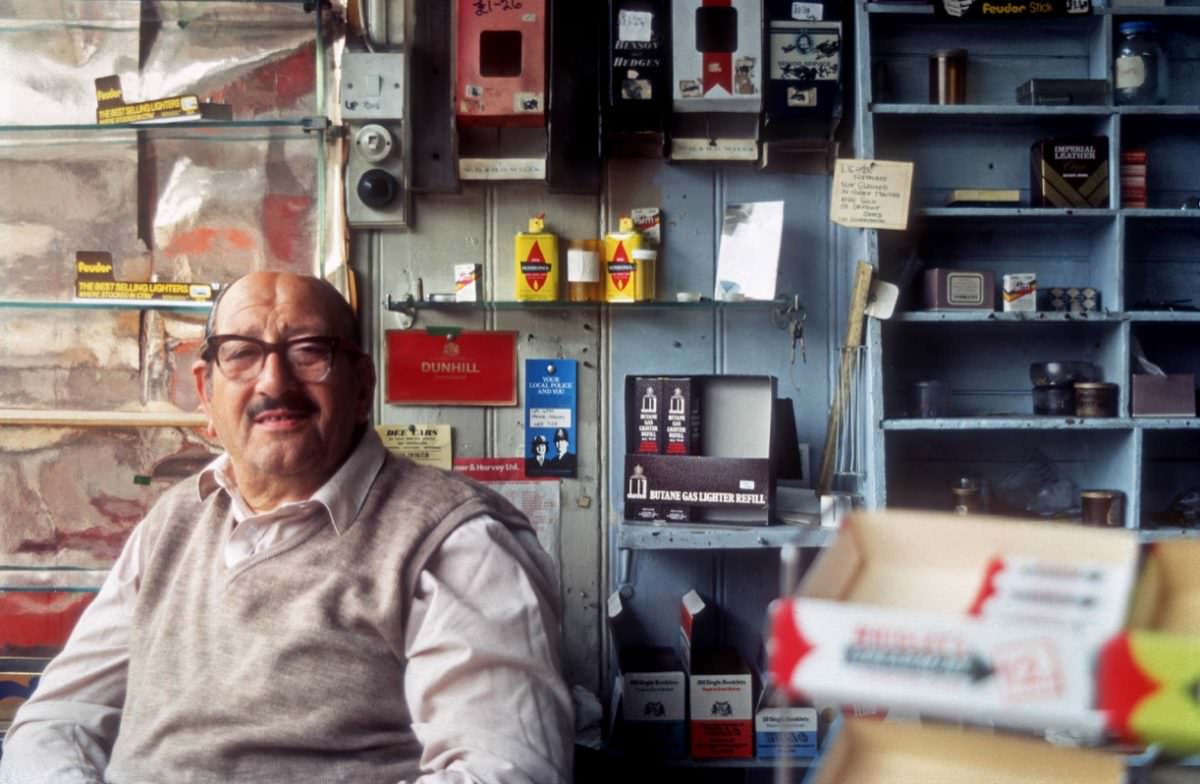
The neighbourhood newsagent was the social hub of the residential street. R. Mison’s shop, like hundreds of others across London, sold papers, tobacco, sweets, and basic groceries. It was open early and closed late, and the owner usually knew every regular customer by name.
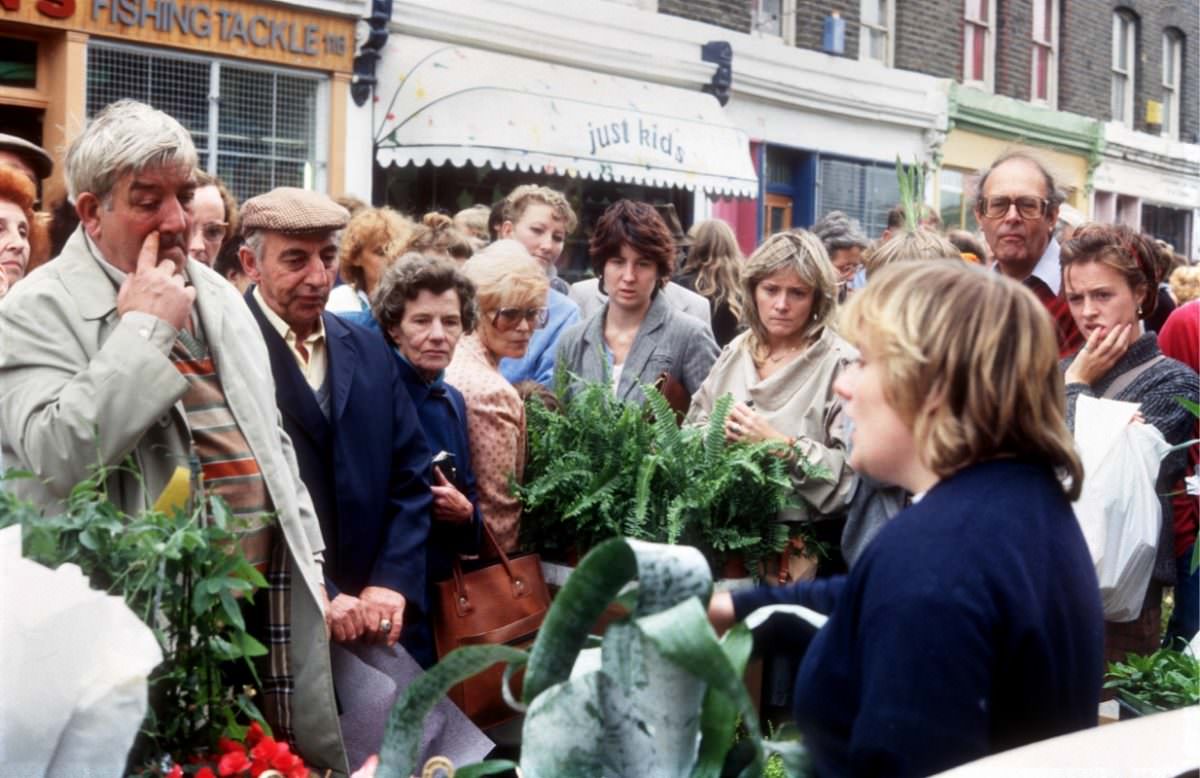
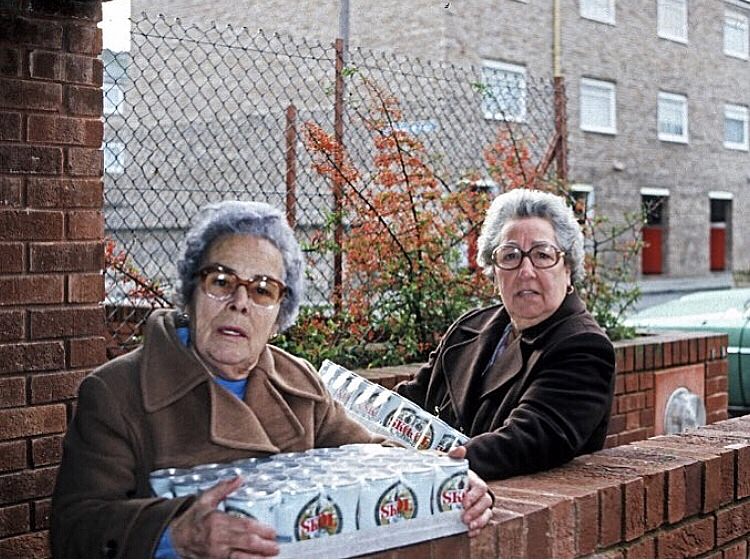
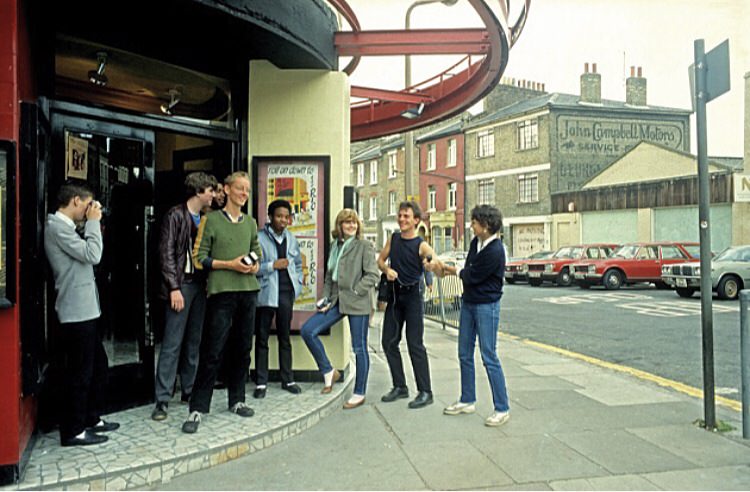
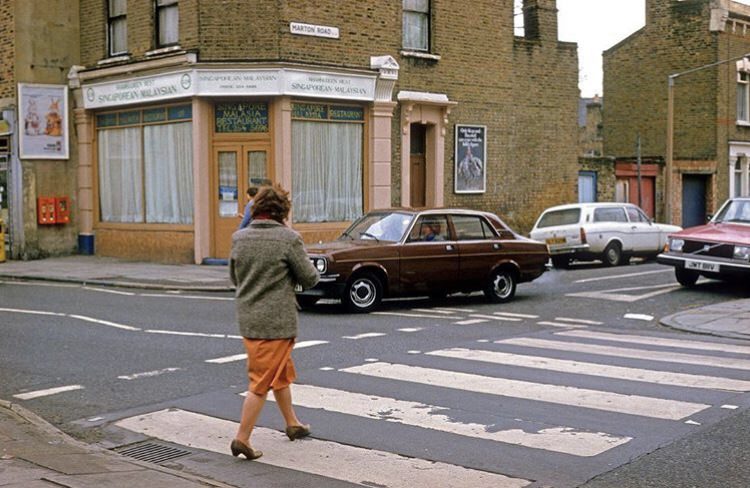
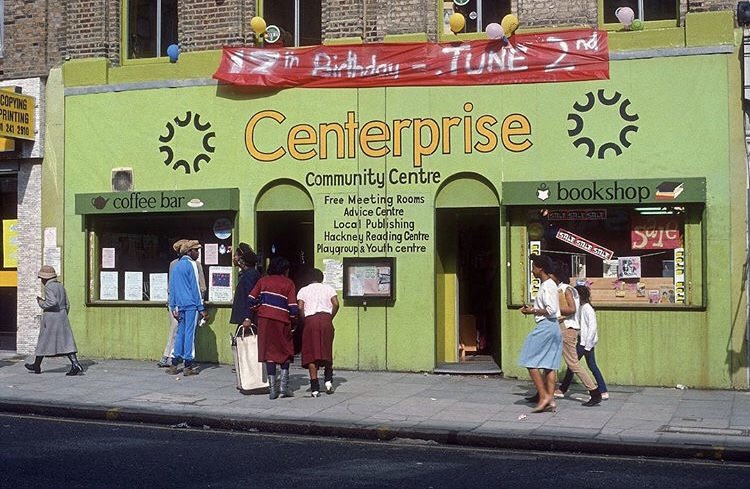
Dalston was a neighbourhood with a strong sense of self. Locals dressed with confidence and individuality — as captured in the One Day Off In Hackney project, a community photography initiative that documented everyday life in the borough. Writers, artists, and community figures moved through the same streets as market traders and school kids. Trinidad-born author Rosa Guy, acclaimed for her young adult novels, visited Centerprise — a radical community bookshop and café in Hackney — during the mid-1980s, part of a broader literary culture that the area quietly sustained.
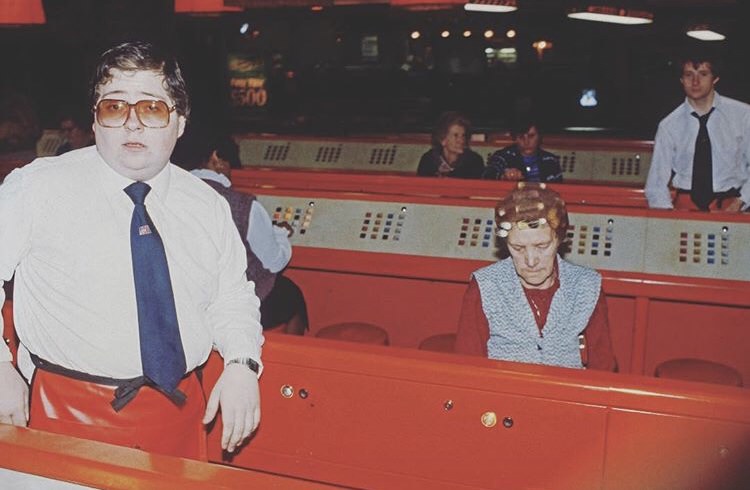
The Hackney Empire had been one of London’s great music hall venues since 1901. By the 1980s, it was operating as a Mecca Bingo hall — a fate shared by many grand old theatres across Britain during this era. It drew a loyal crowd of local regulars, mostly older residents who had made bingo a fixture of their weekly routine.
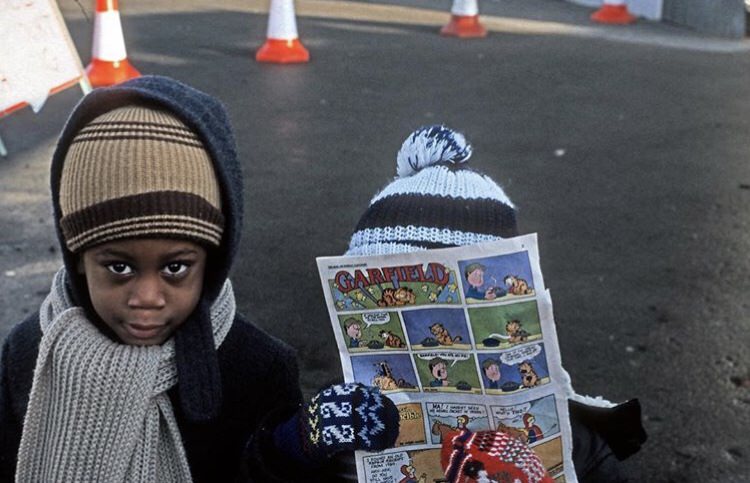
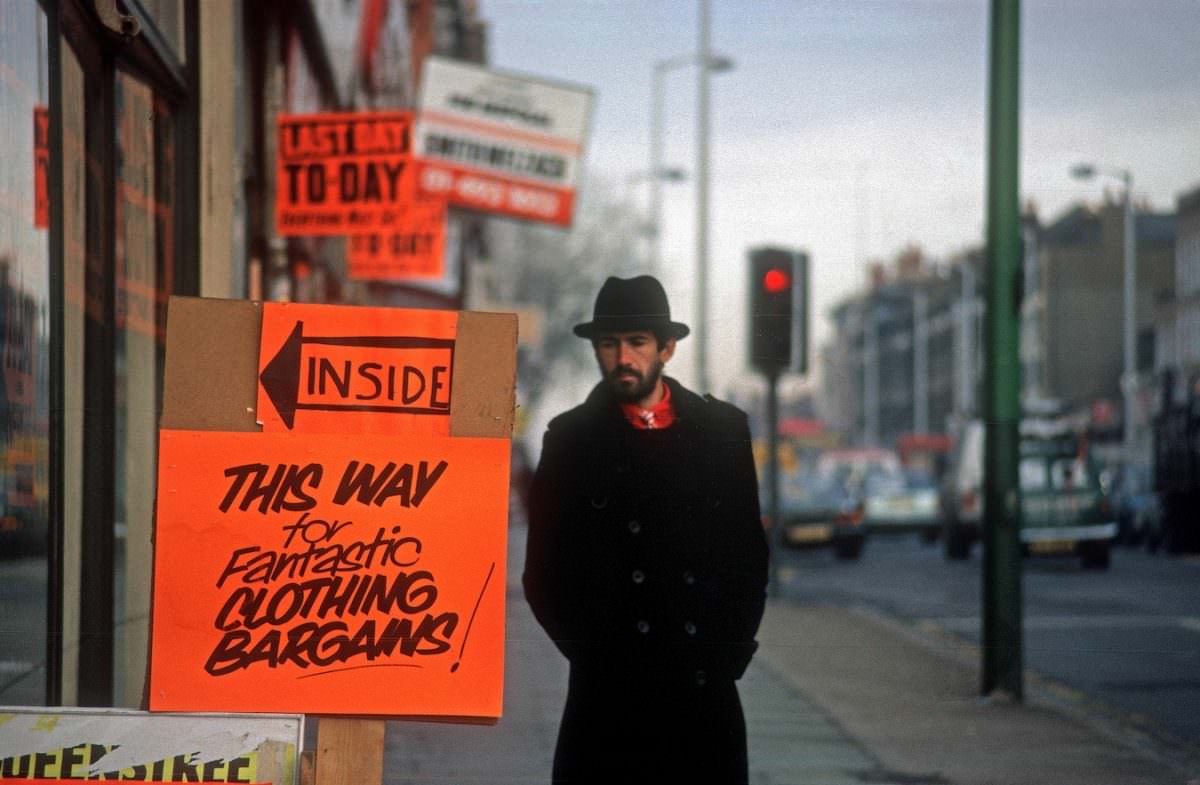
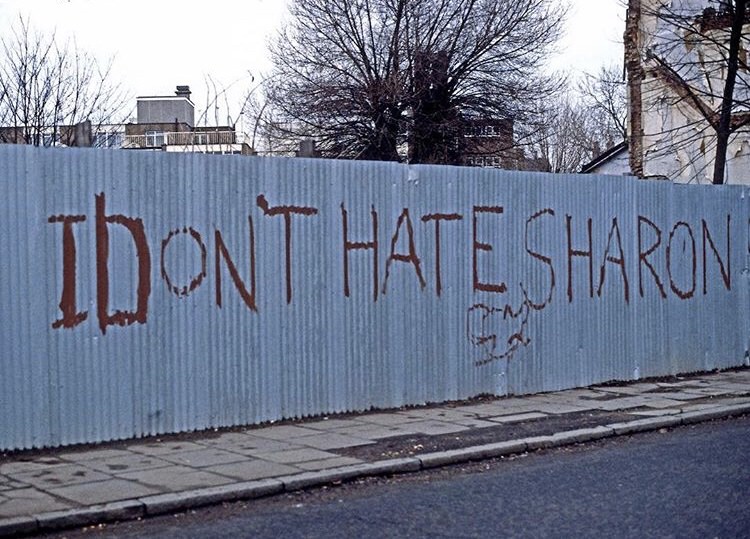
Before mobile phones and social media, communication on the street was entirely physical. Messages were pinned to boards, chalked on walls, or printed on flyers and stapled to lamp posts. Community noticeboards outside shops and libraries carried everything from lost cat notices to political pamphlets.
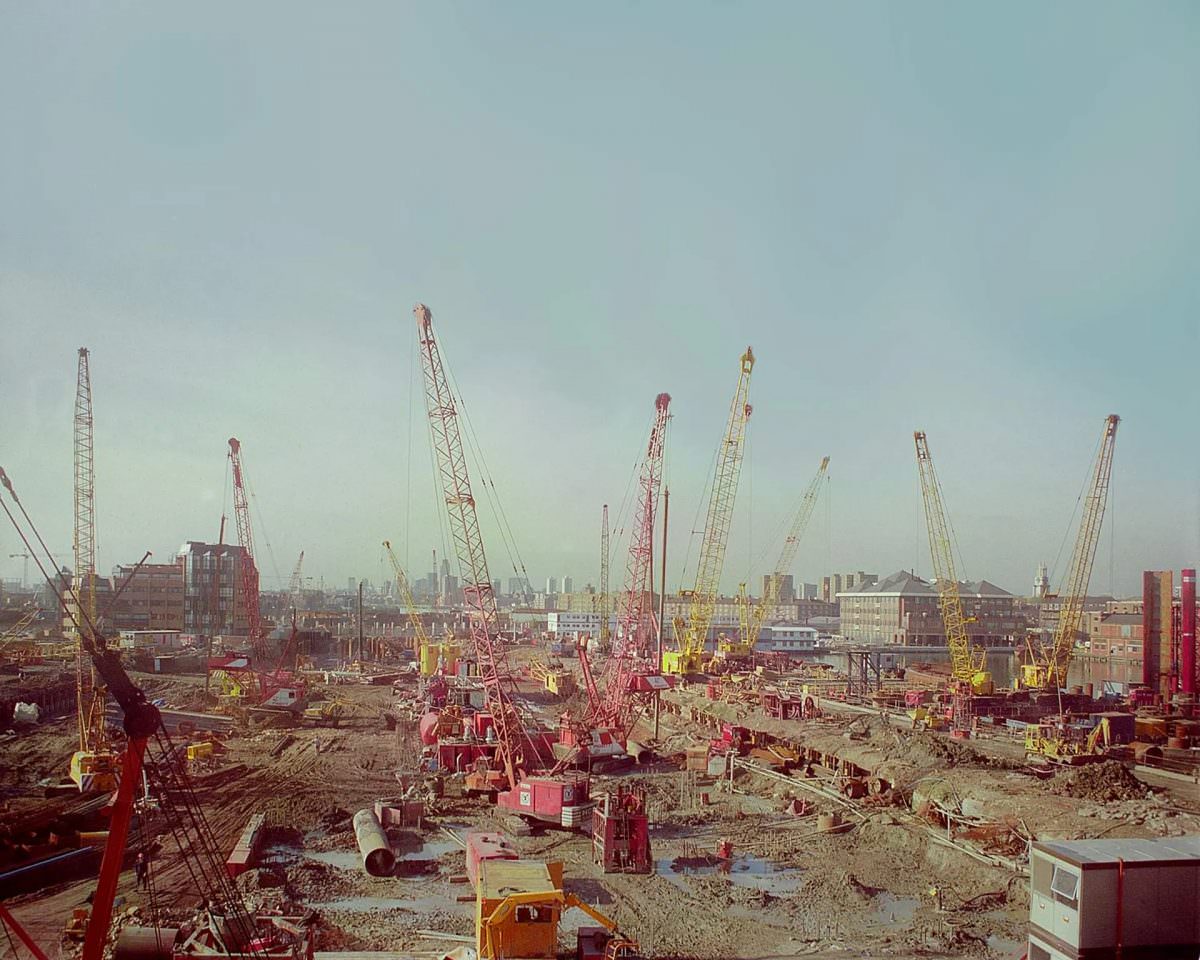
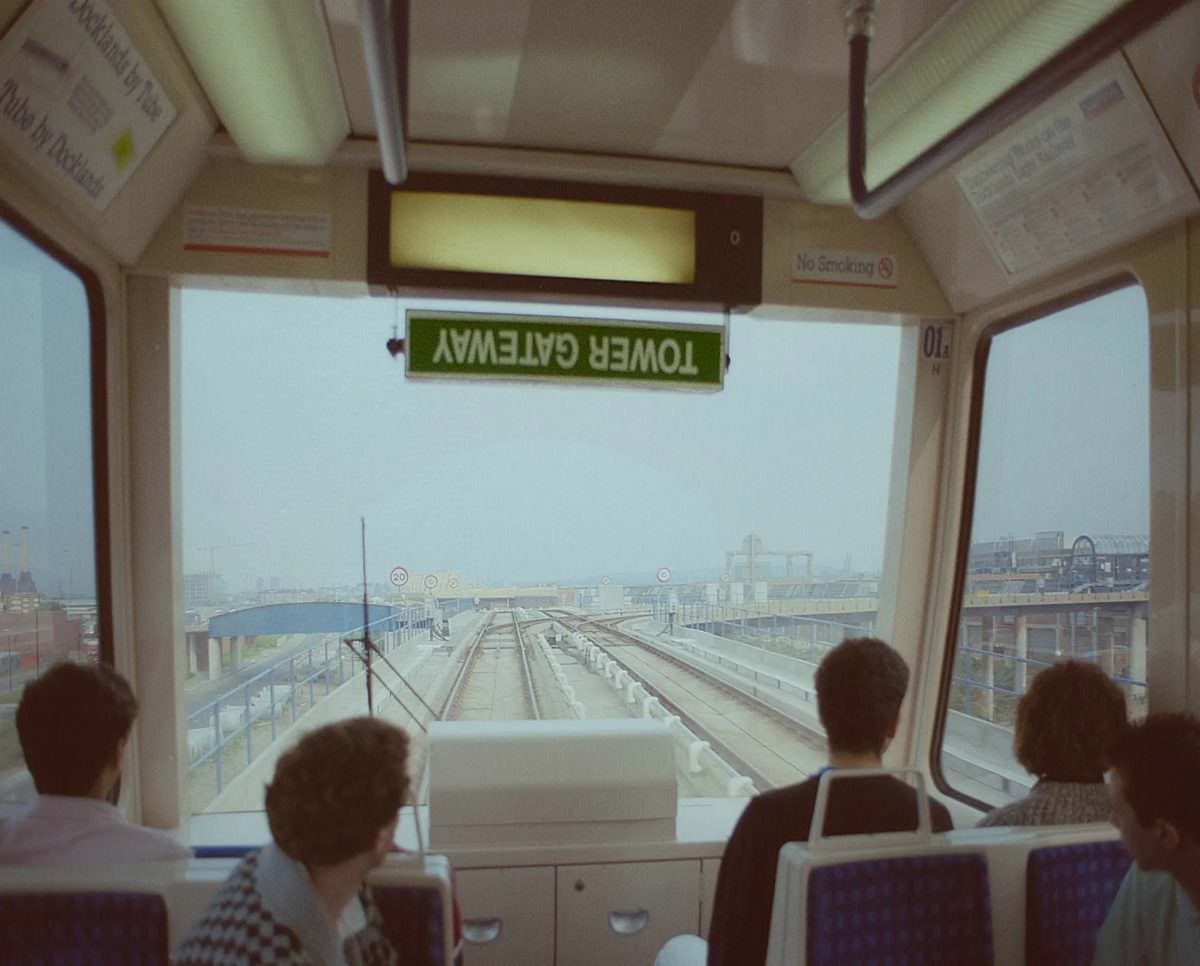
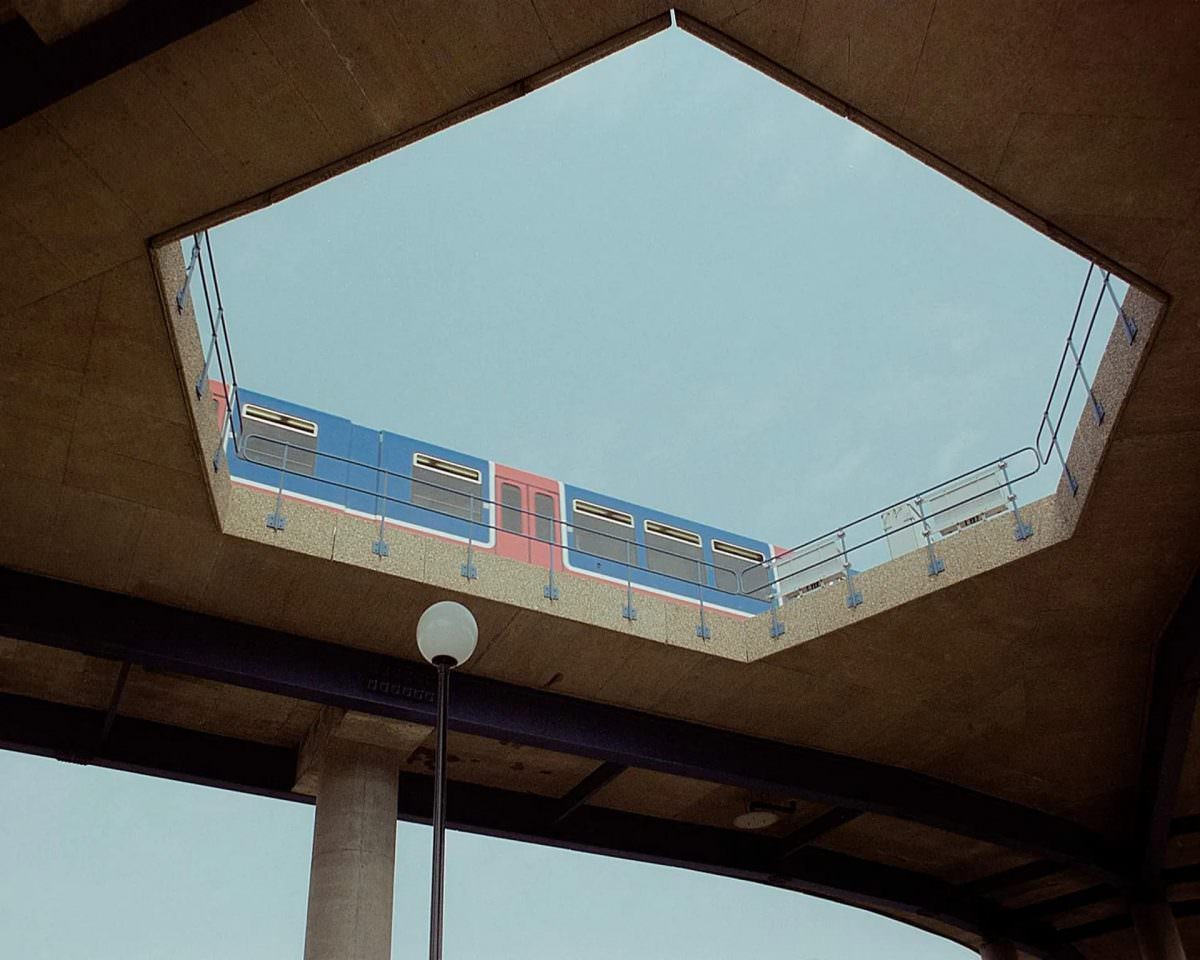
East London’s docklands were undergoing the most dramatic physical transformation of anywhere in the city. The old working docks had been in decline since the 1960s, and by the late 1980s, the Docklands Light Railway was already threading through what had been derelict industrial land. The view from Canary Wharf DLR station in 1988 showed a landscape in mid-construction — cranes, bare ground, and the skeletal frames of buildings that would soon define London’s modern skyline.
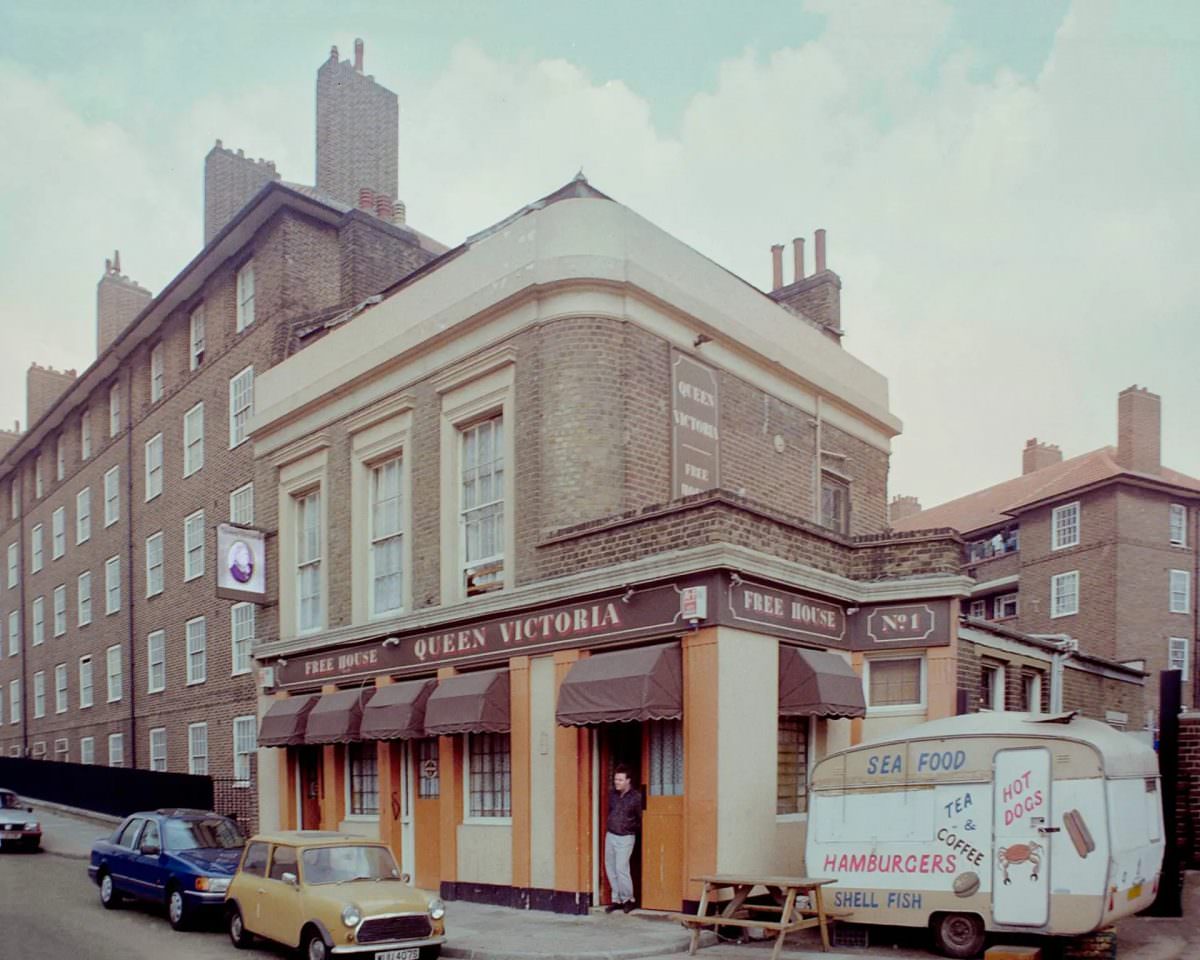
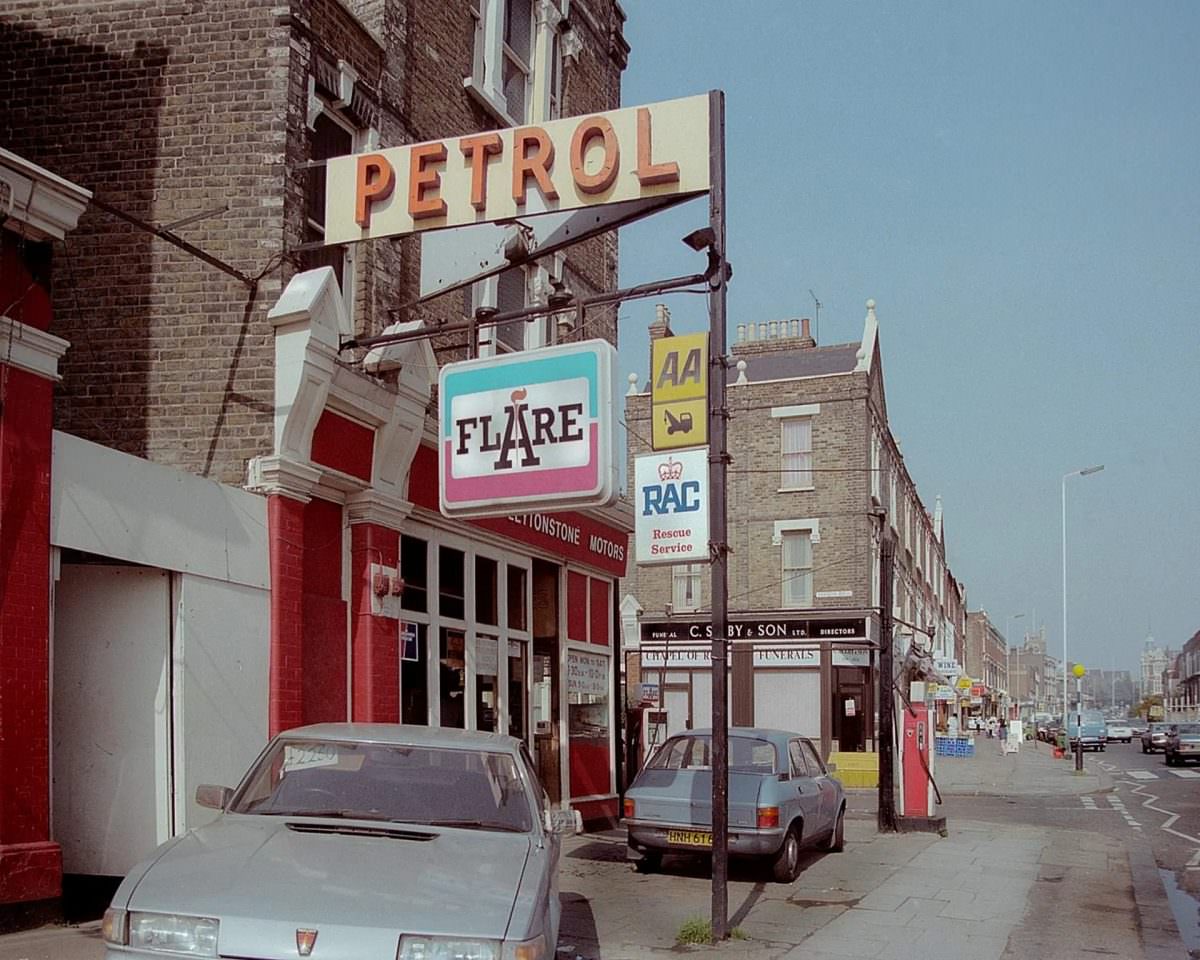
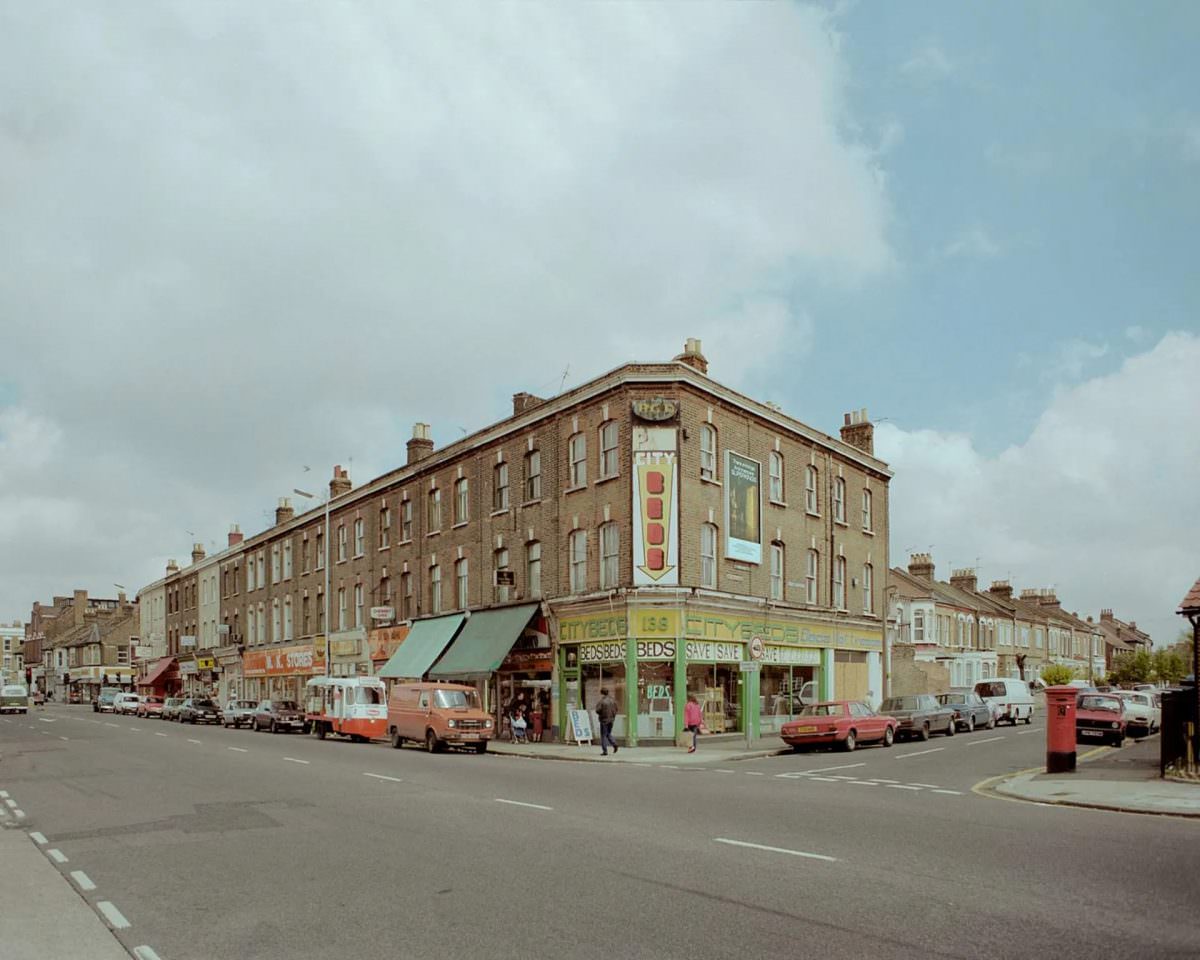
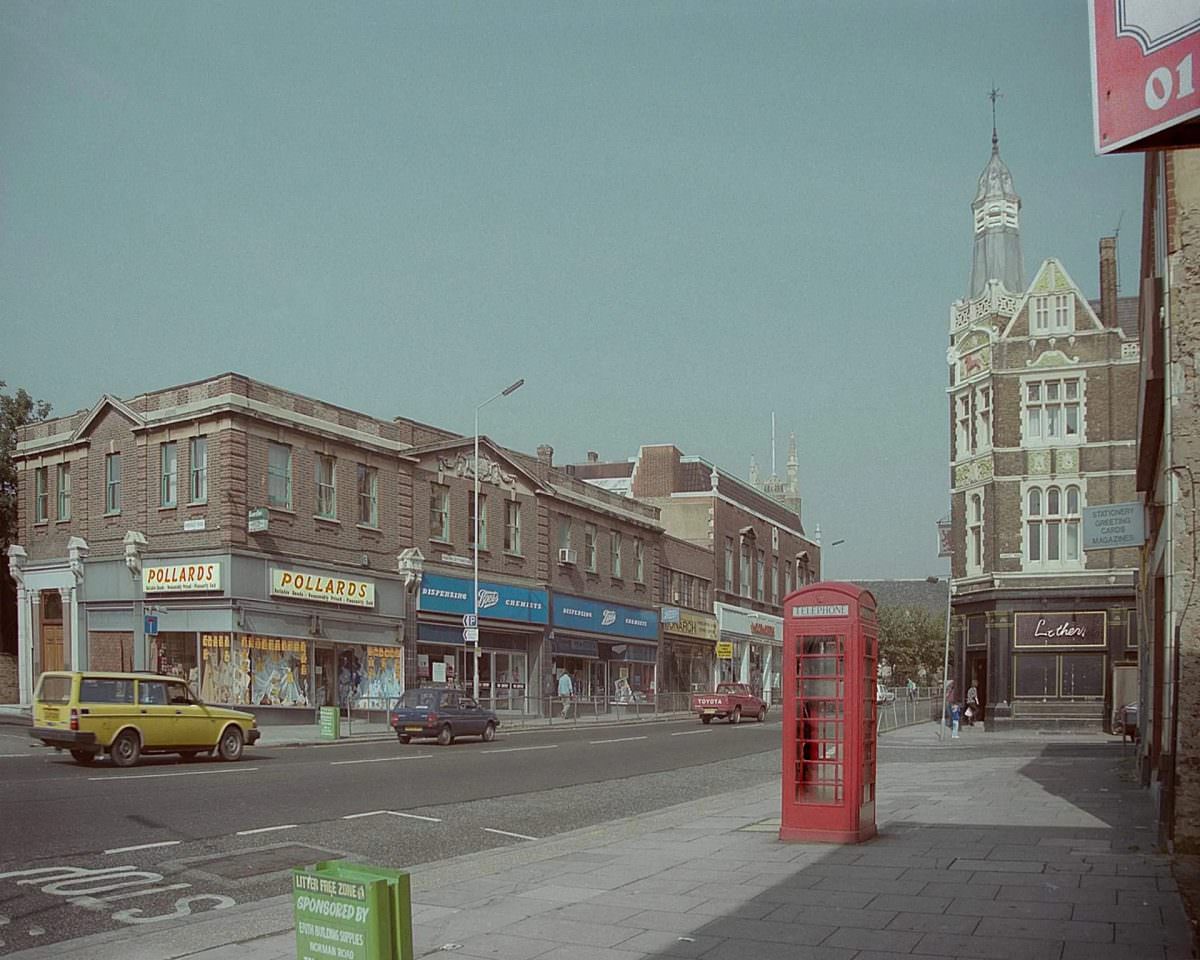
Leytonstone, further east, showed a different pace of change. The High Road in 1987 and 1988 still had the feel of a traditional London high street — local shops, wide pavements, and the modest domestic scale of a neighbourhood that hadn’t yet been touched by the redevelopment sweeping through the docklands just a few miles south.
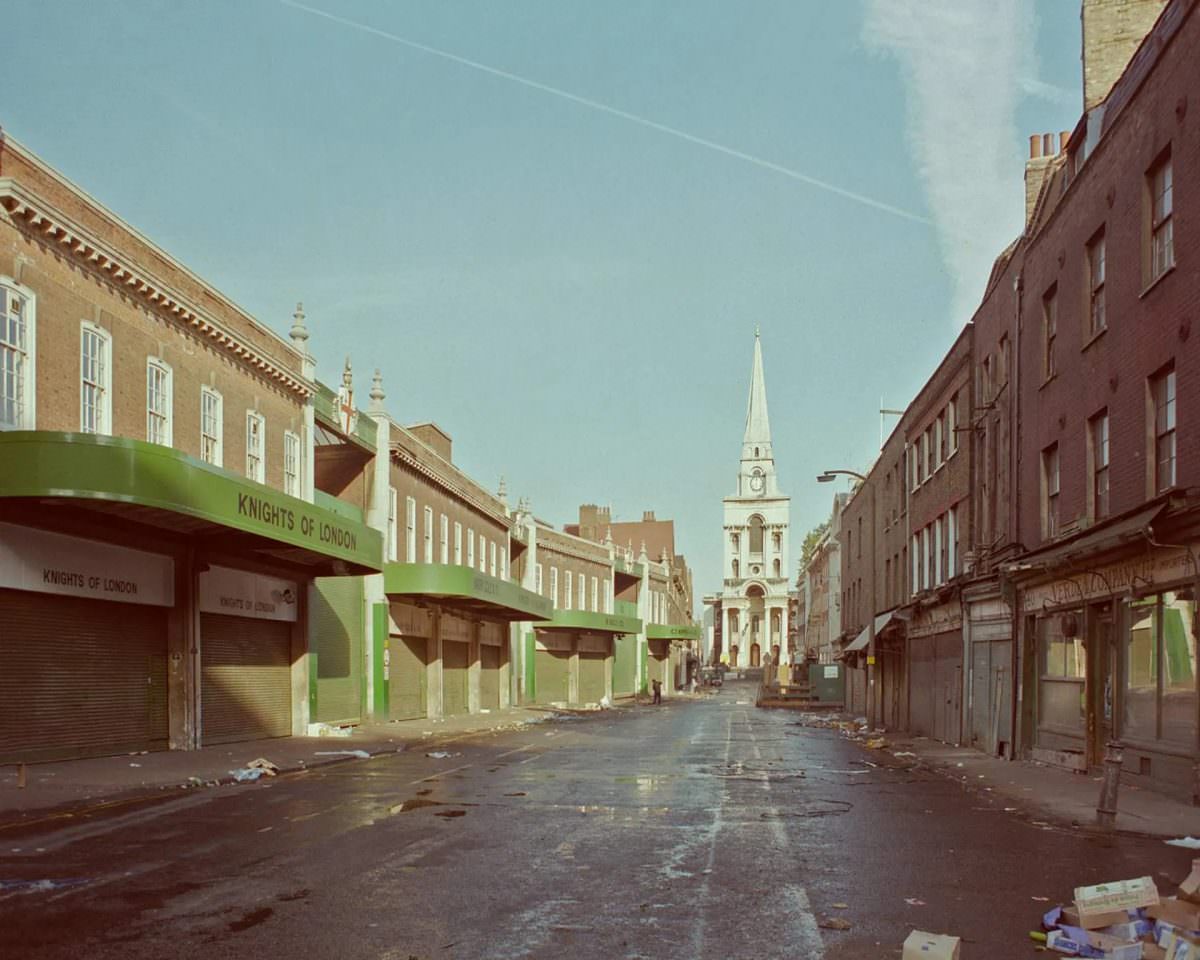
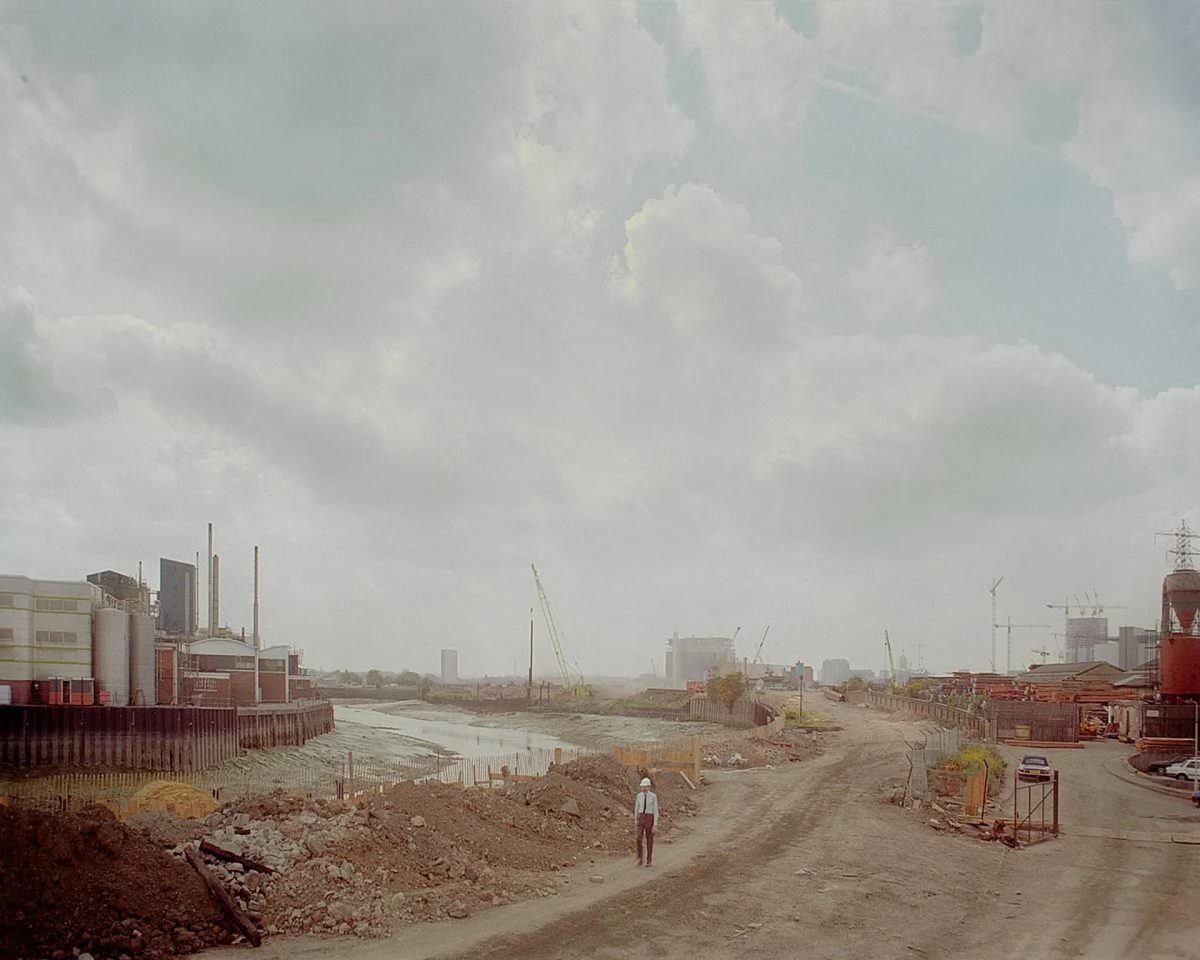
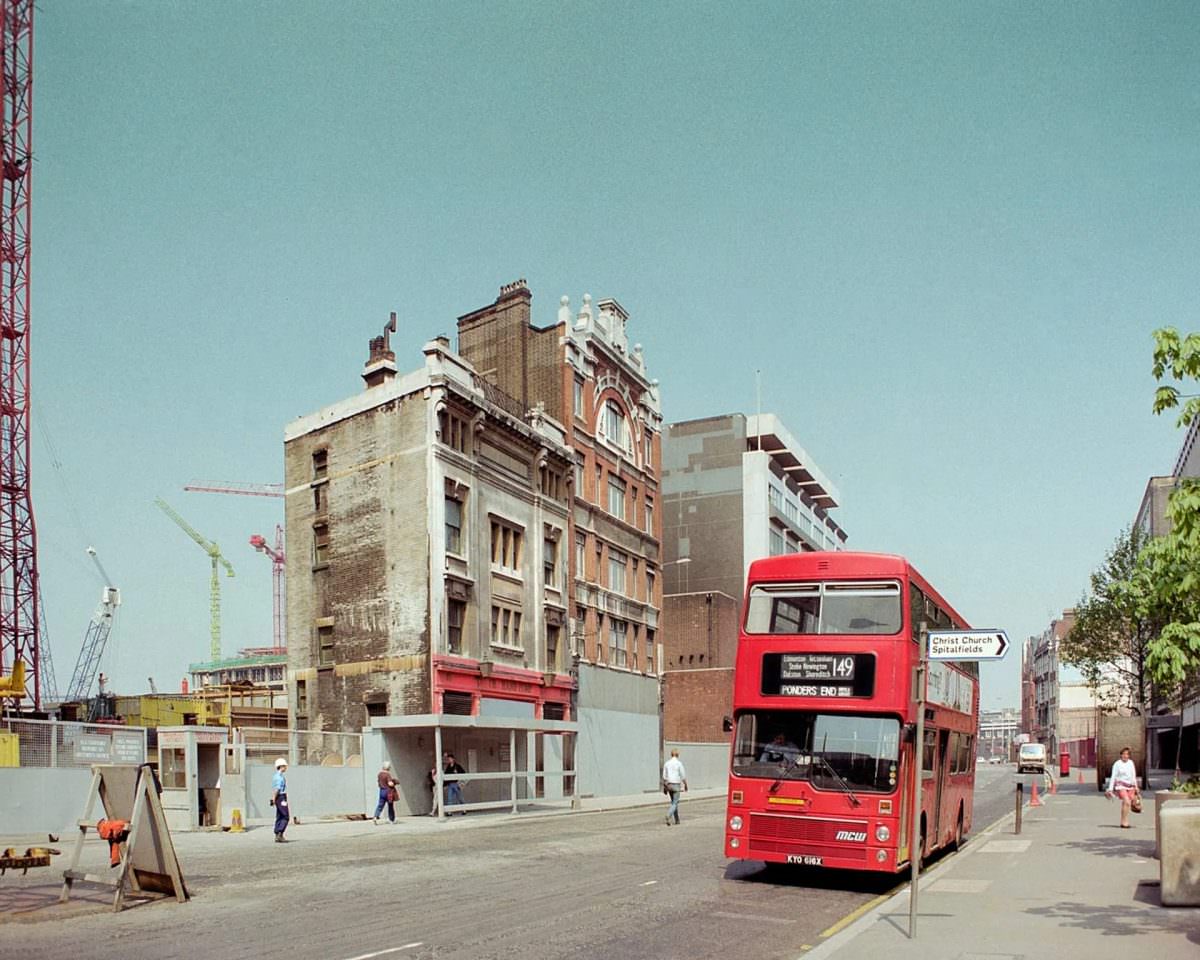
The Bow Creek and Leamouth Peninsula sat at the edge of the transformation zone. In 1990, the area still looked largely industrial — water, mud, and old brick warehouses. Bishopsgate, closer to the City of London, was already absorbing the financial energy of a decade defined by deregulation and rapid growth in the banking sector.





Barely changed!
Today I learned that I am Vintage