

In the 1980s, Italy had a rhythm all its own. People lingered at café tables. Conversations spilled onto cobblestone streets. Fashion was bold, gestures were big, and daily life moved at a pace that felt almost defiant against the rush of the modern world. Photographer Charles H. Traub saw all of this — and he pointed his camera straight at it.
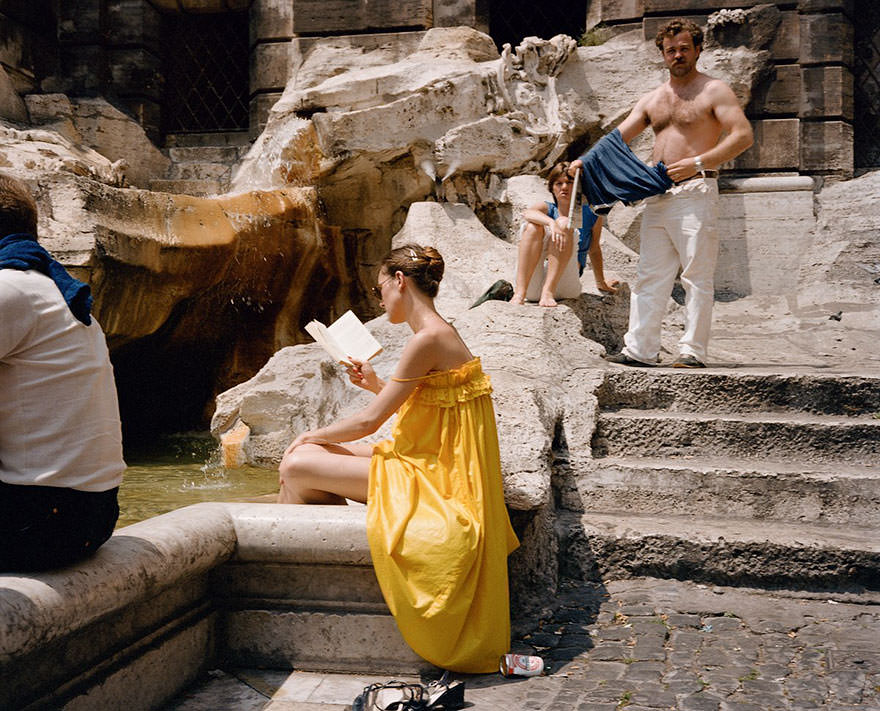
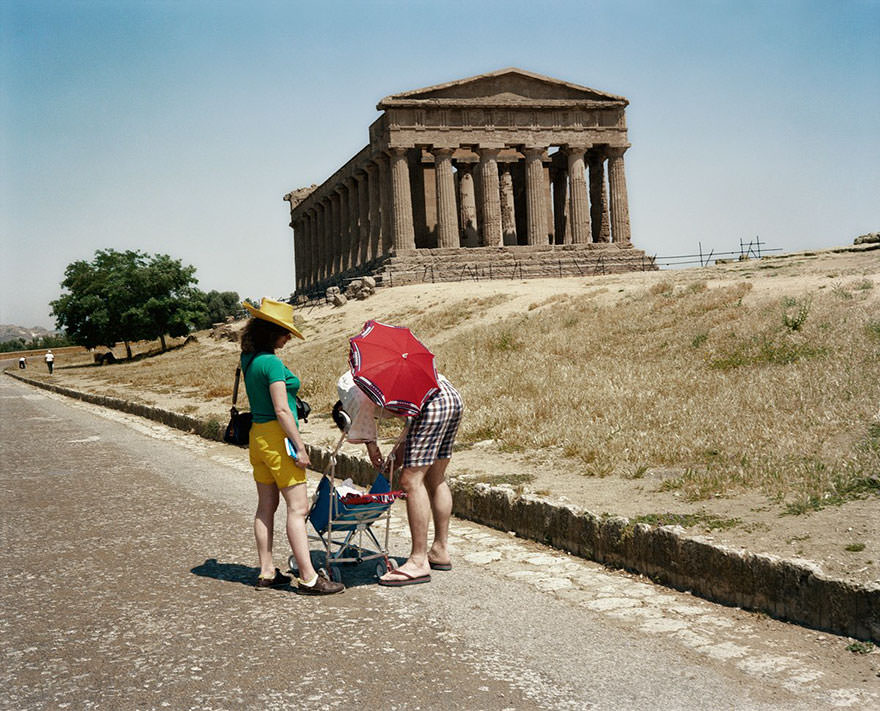
Traub made repeated trips to Italy throughout the decade, spending two to three weeks at a time moving through cities, piazzas, and alleyways. He wasn’t documenting landmarks or tourist attractions. He was documenting people — the way they stood, dressed, laughed, and simply existed in public space. He called what he found “La Dolce Via,” his own take on the famous Italian phrase “La Dolce Vita,” meaning the Sweet Life. For Traub, it was the Sweet Way — a mode of living rather than just a feeling.
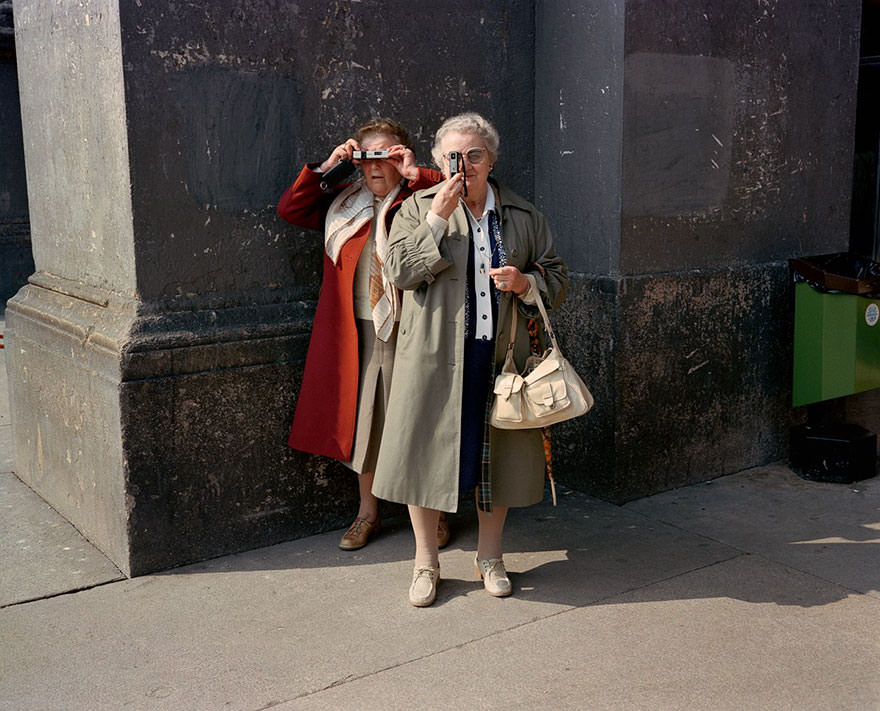
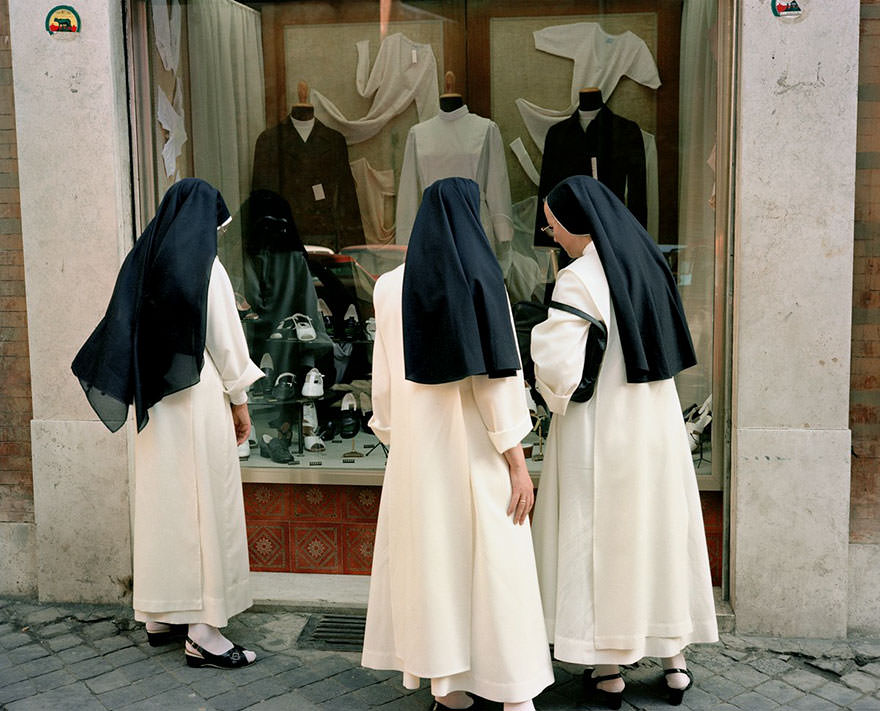
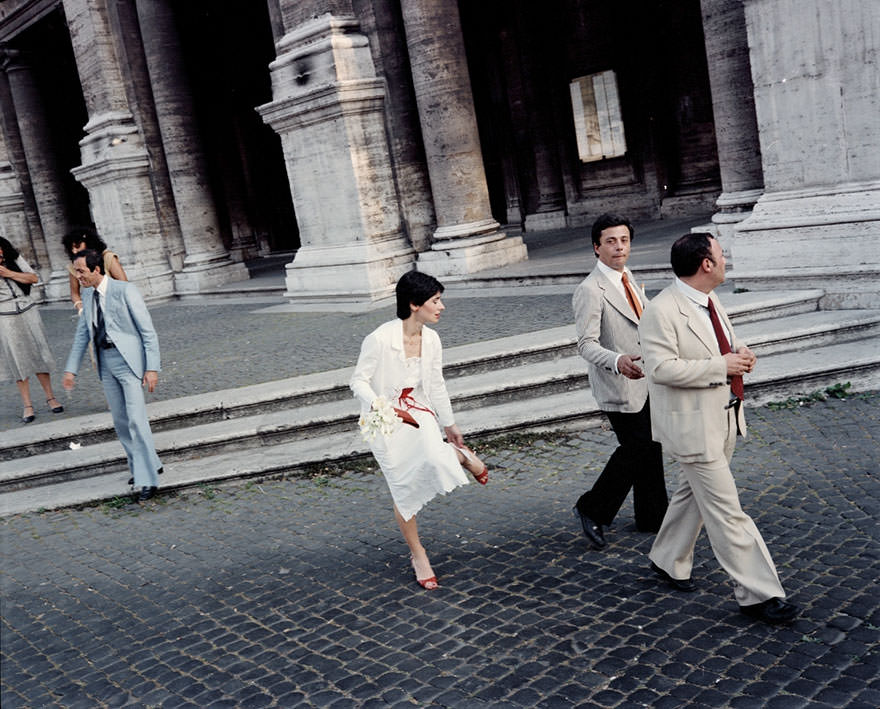
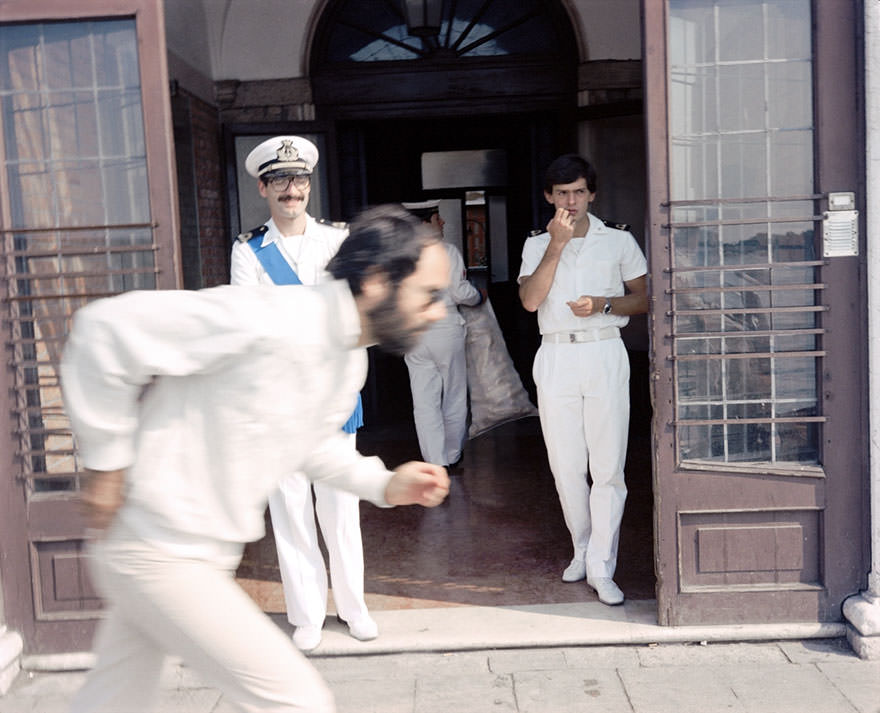
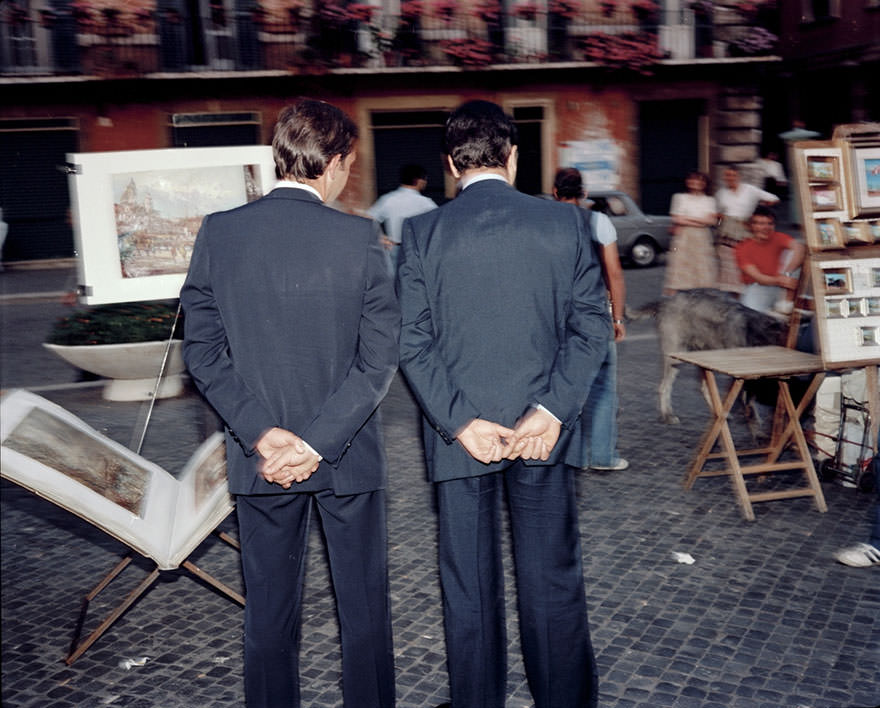
What makes these photographs stand out is how naturally the scenes unfold. Traub had a sharp eye for repeating patterns — two men in matching jackets, mirrored postures, symmetrical crowds. Whether that came from patience, instinct, or sheer luck is hard to say. Most likely, it was all three working together.
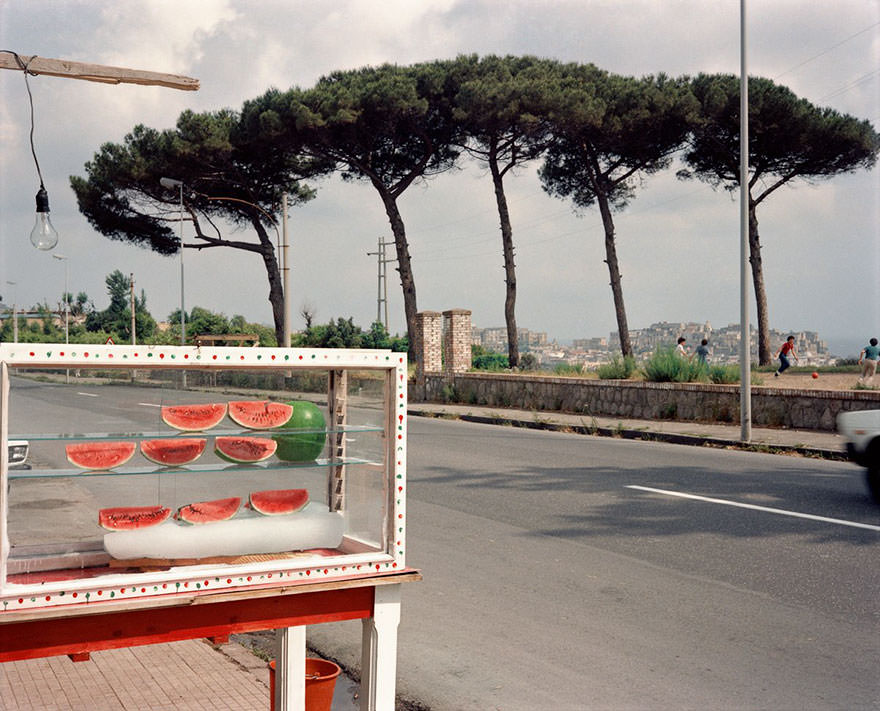
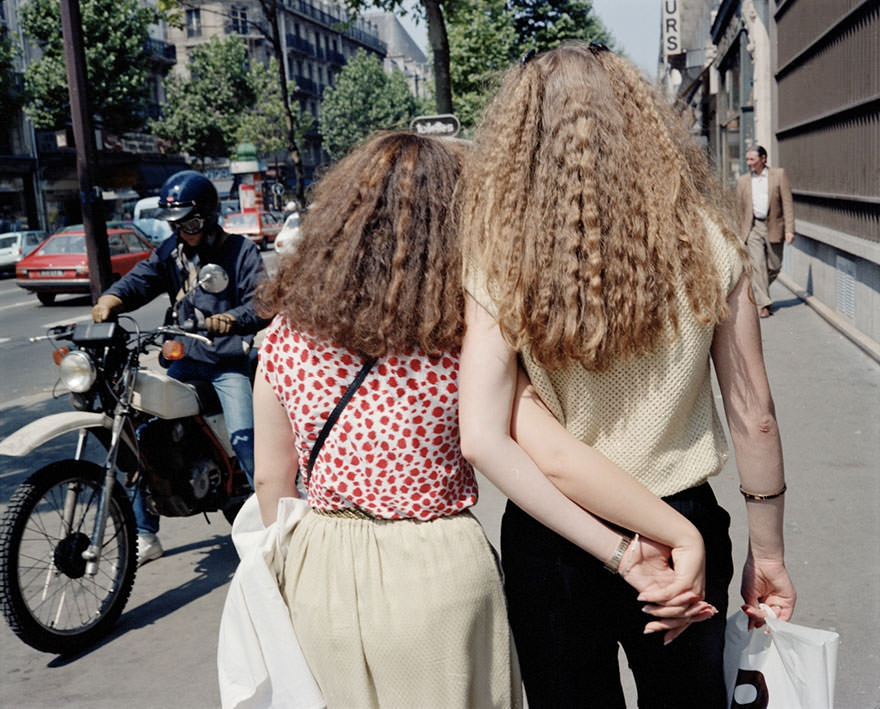
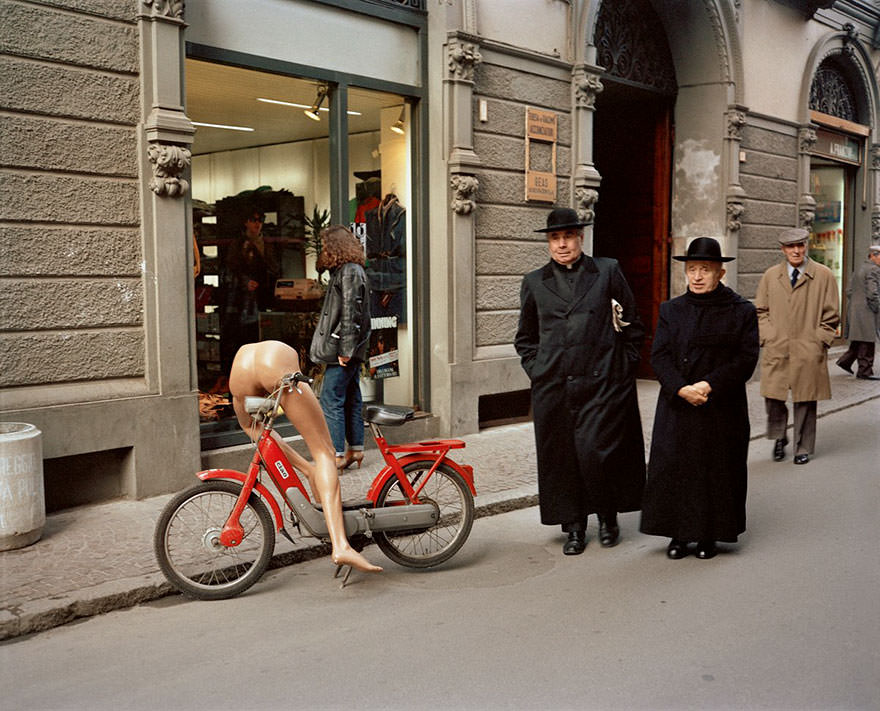
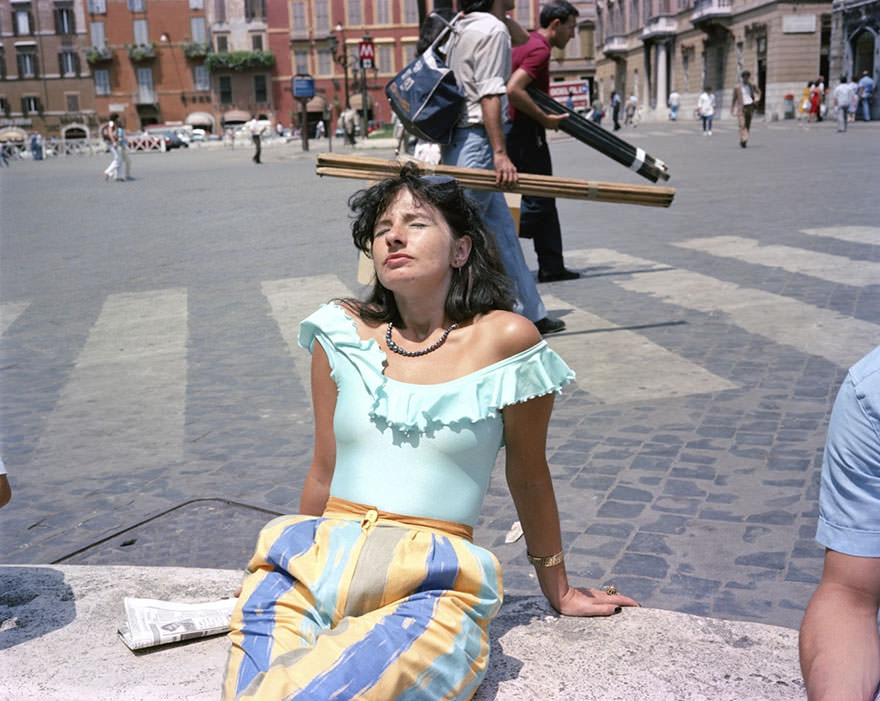
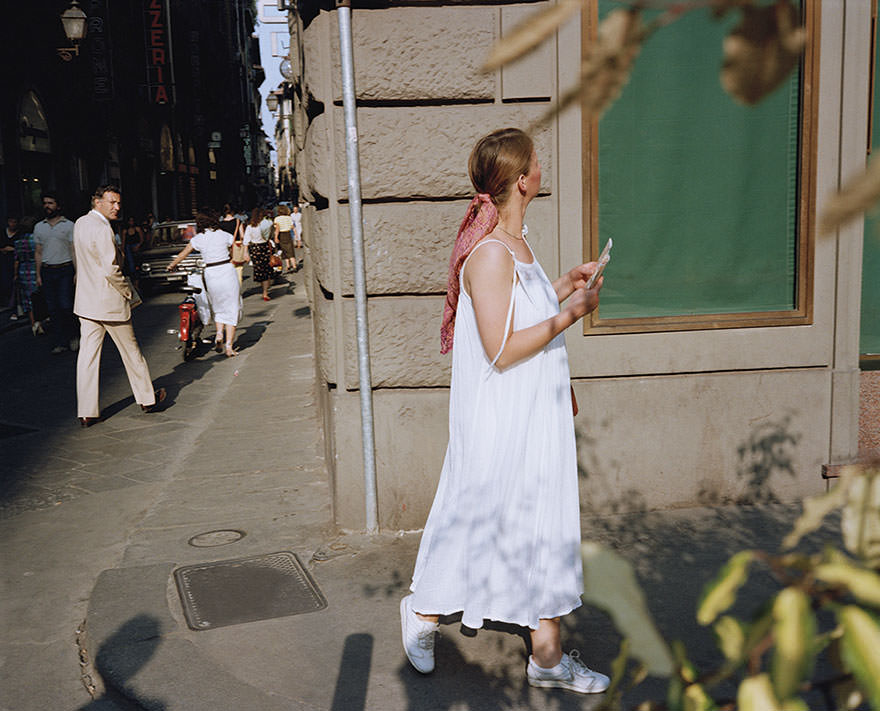
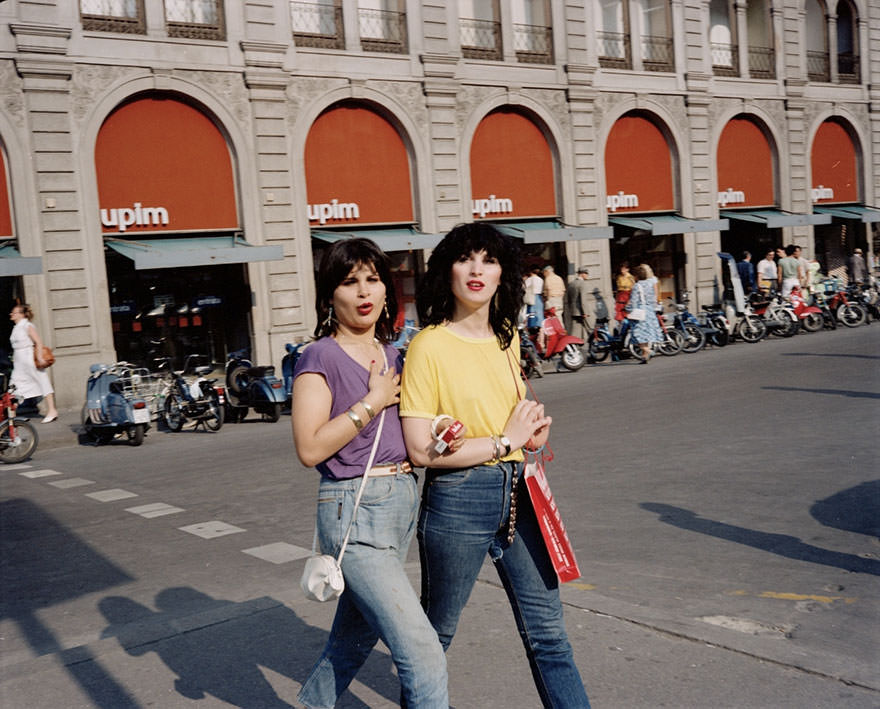
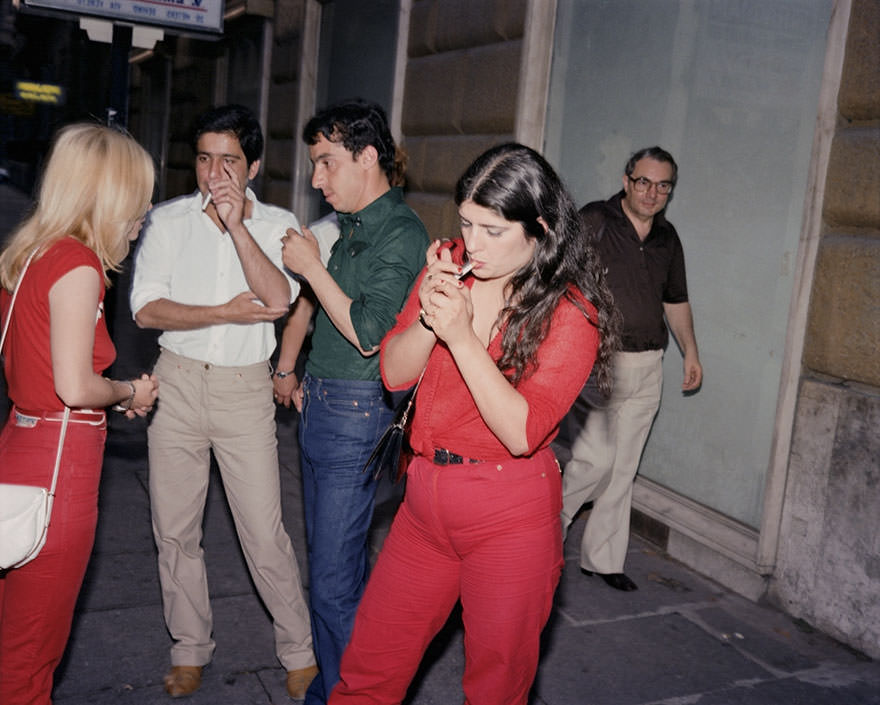
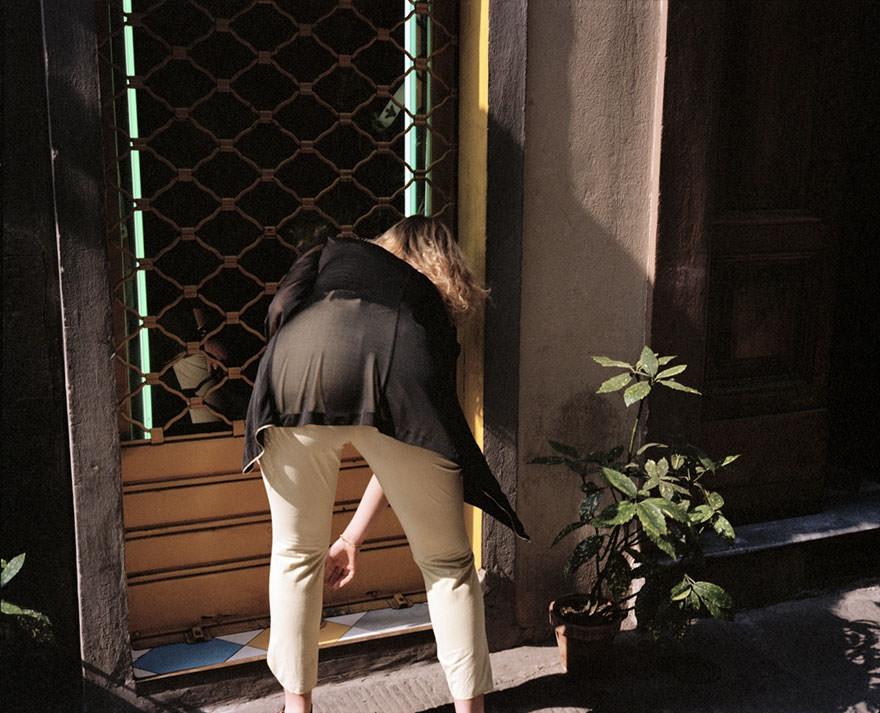
Italian street life in the 1980s was defined by its openness. People dressed with care even for ordinary errands. Women wore structured blazers and heeled boots. Men tucked in their shirts and wore their hair slicked back. Fashion wasn’t reserved for special occasions — it was part of showing up in the world each day.
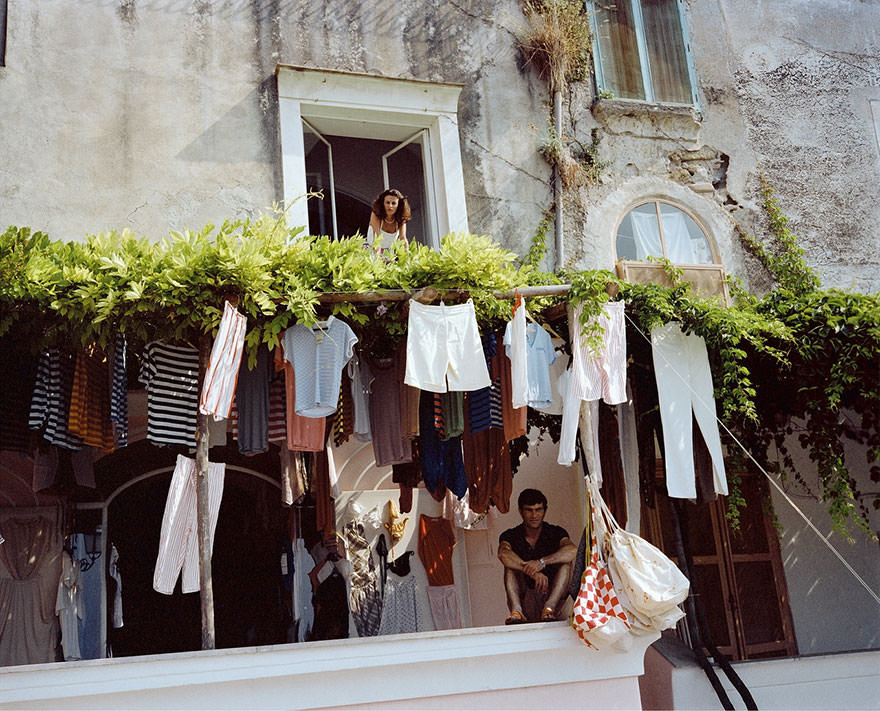
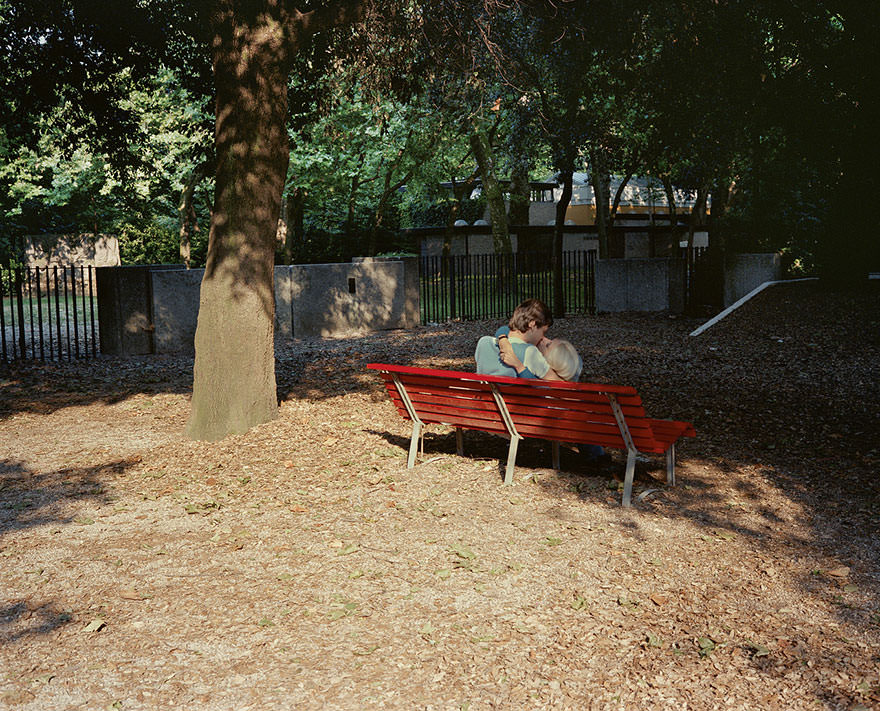
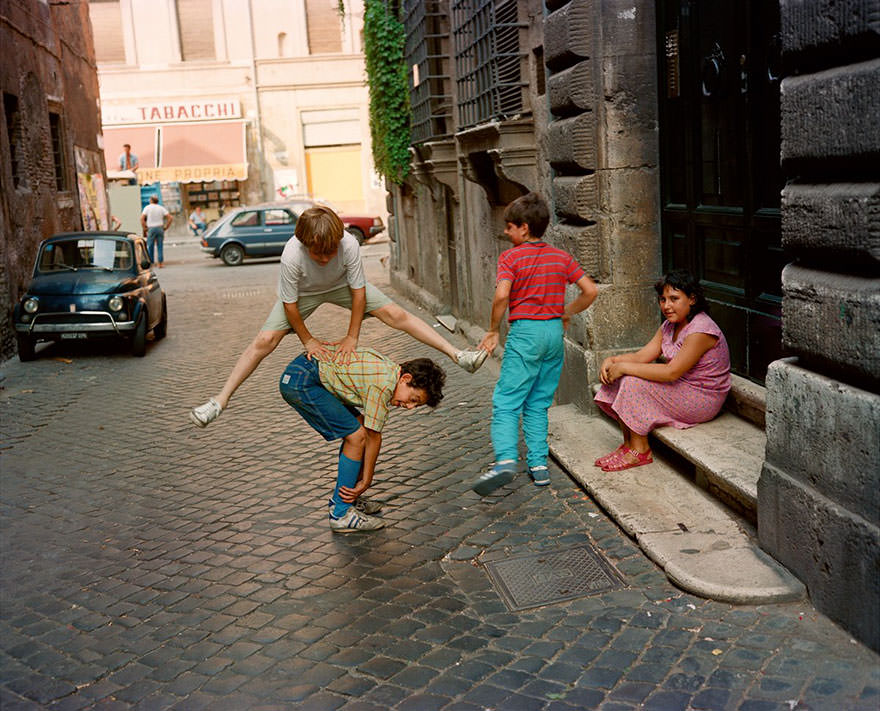
Traub moved through multiple regions of Italy on his visits, catching the differences in local character from one place to the next. Northern cities carried a faster, more businesslike energy. Southern towns held onto older traditions and a more relaxed sense of time. Both showed up in his lens with equal clarity.
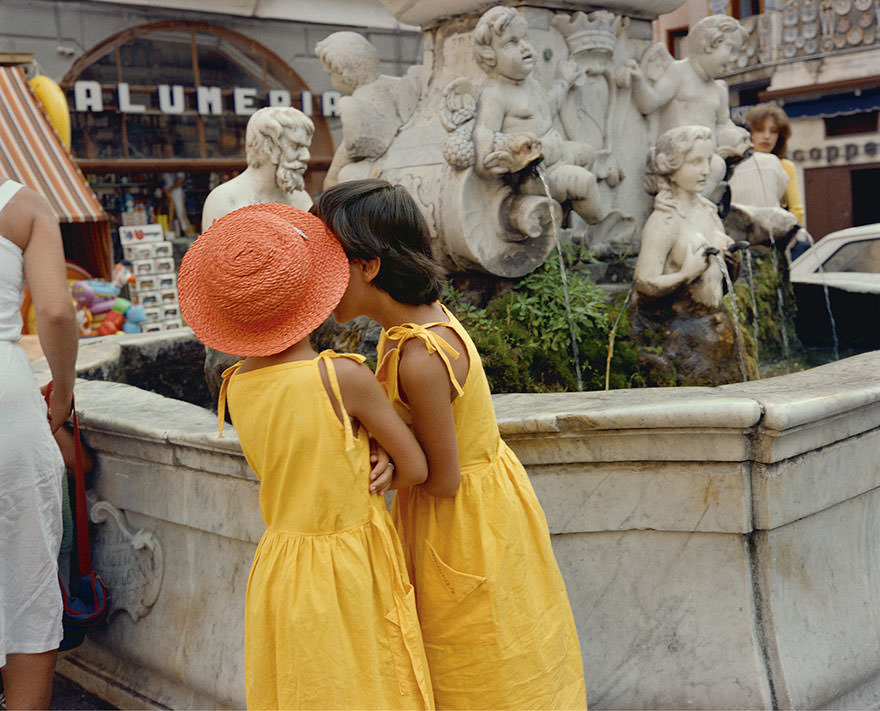
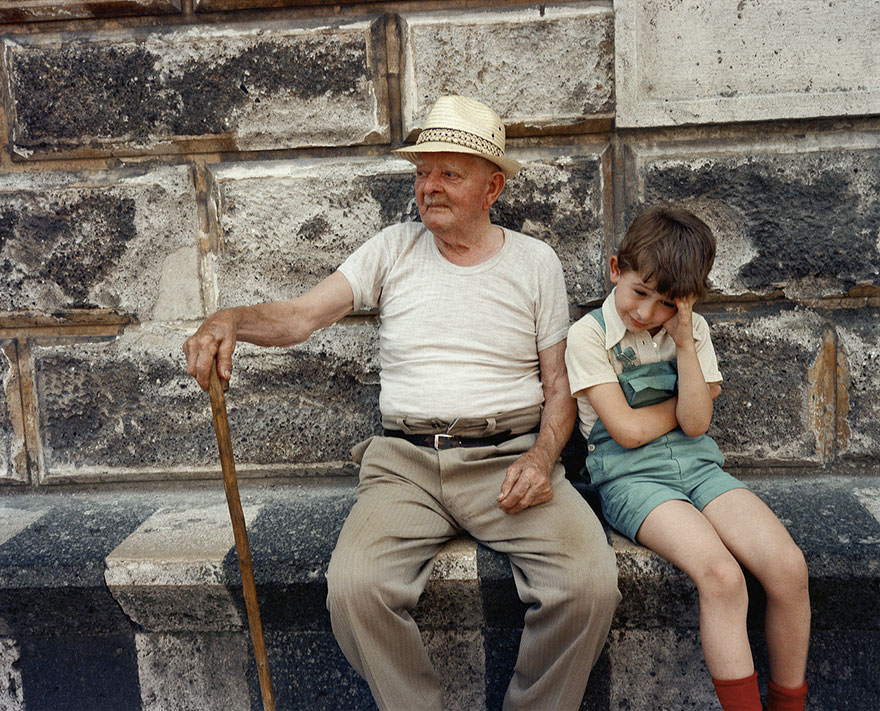
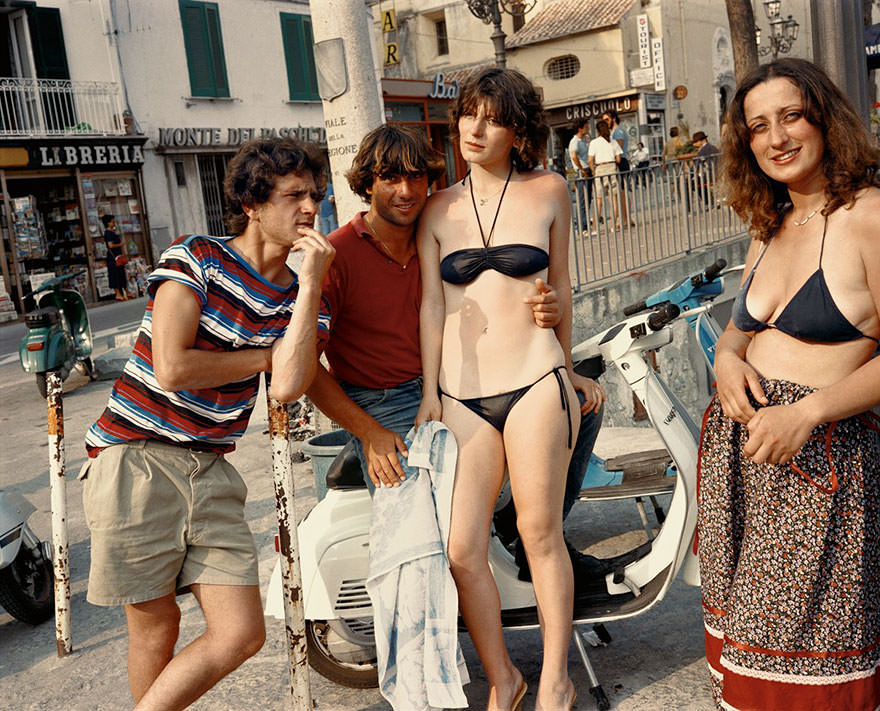
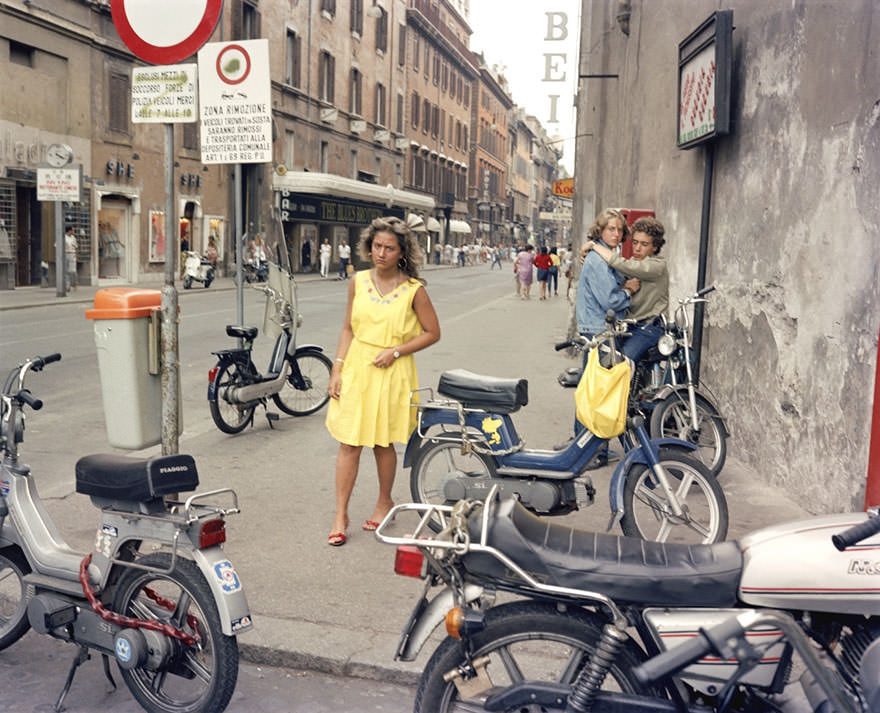
The street itself was a social stage in 1980s Italy. Vendors, shoppers, schoolchildren, and retirees all shared the same sidewalks and squares. There was no sharp divide between private life and public life — people brought their full selves into open spaces without hesitation.
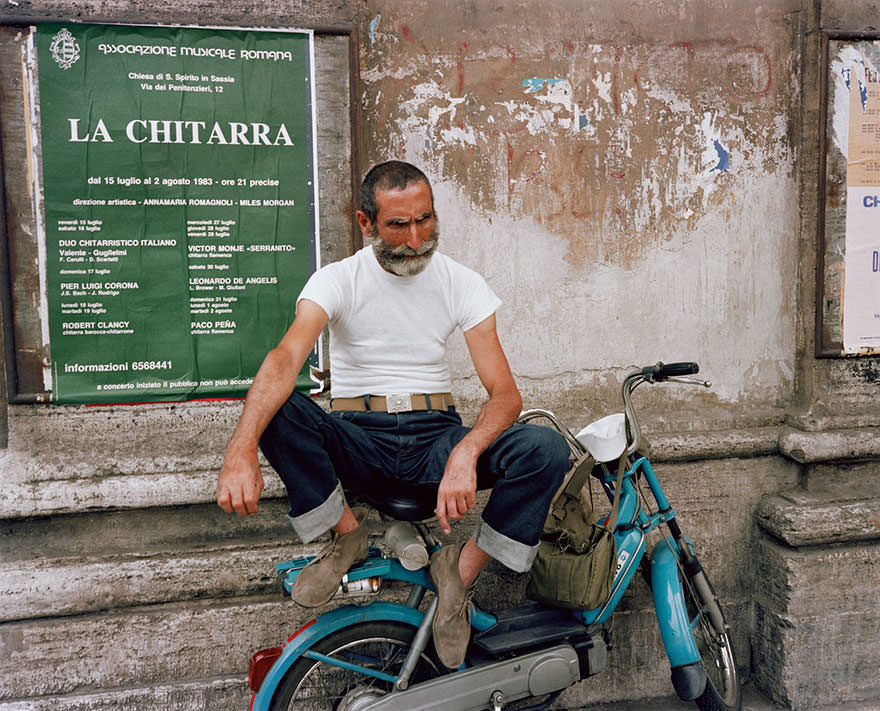
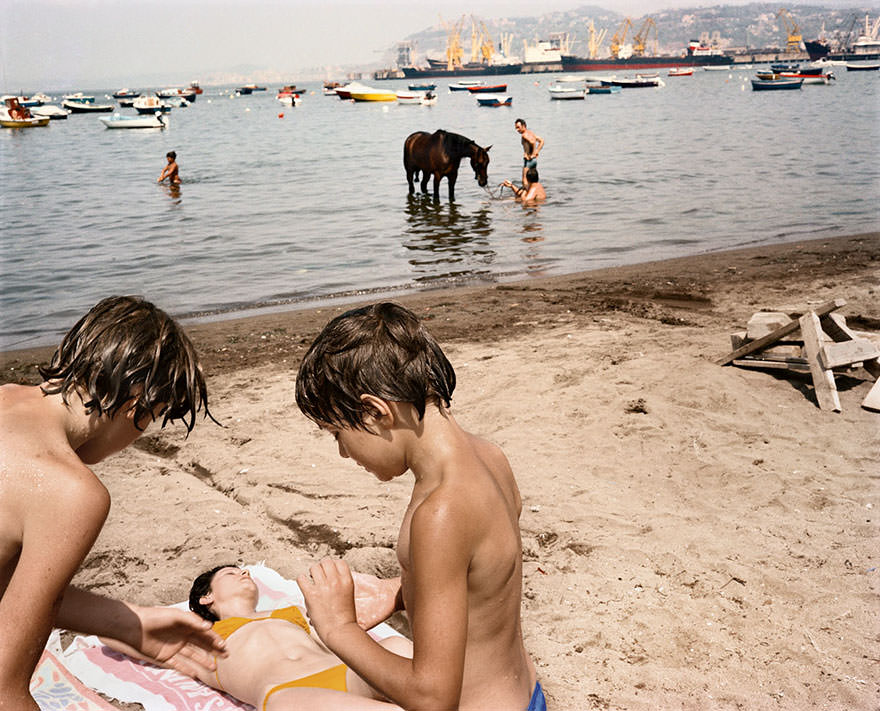
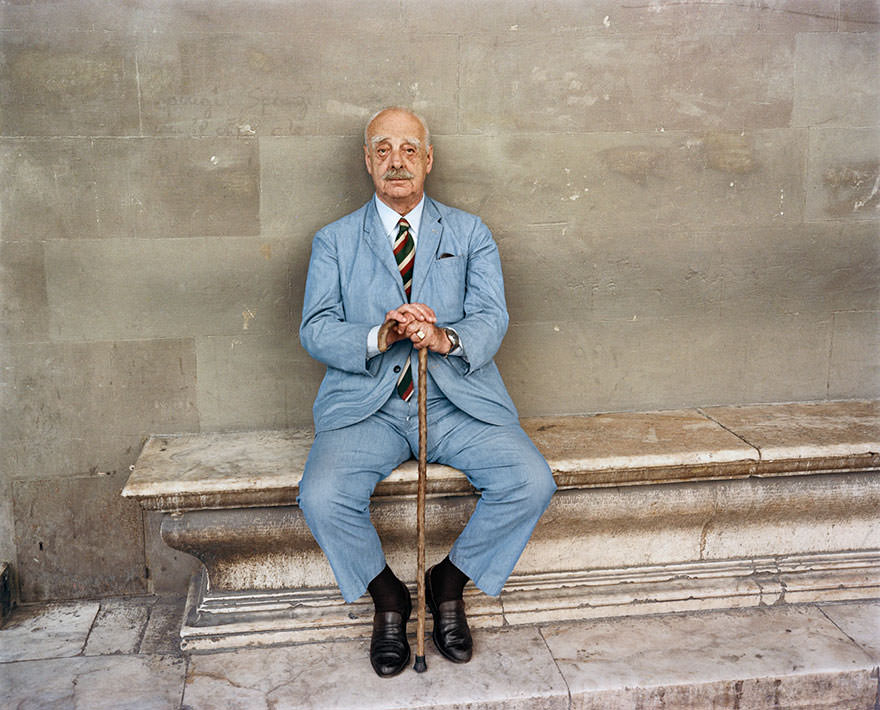
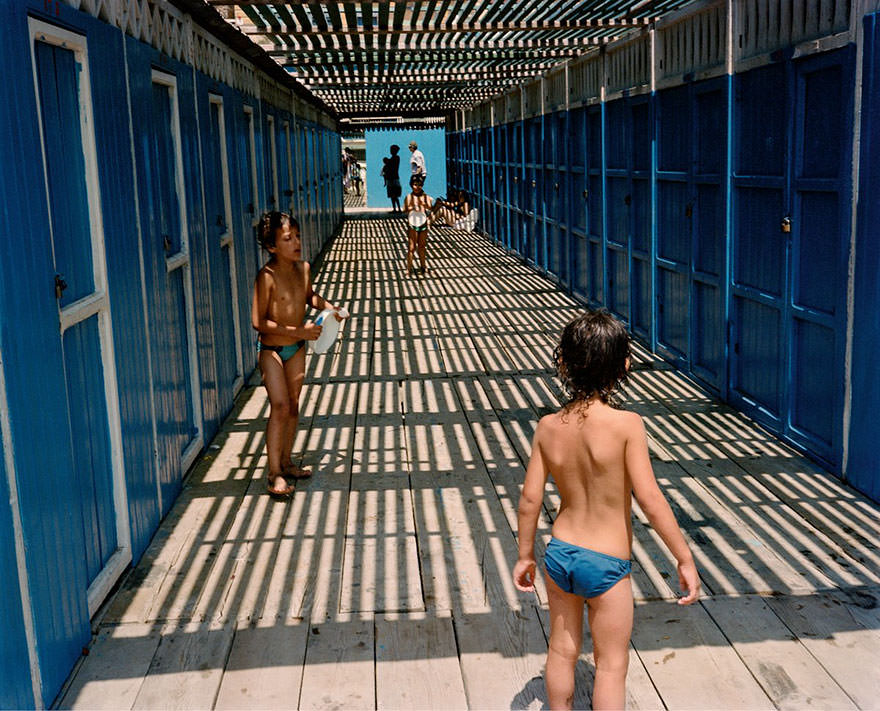
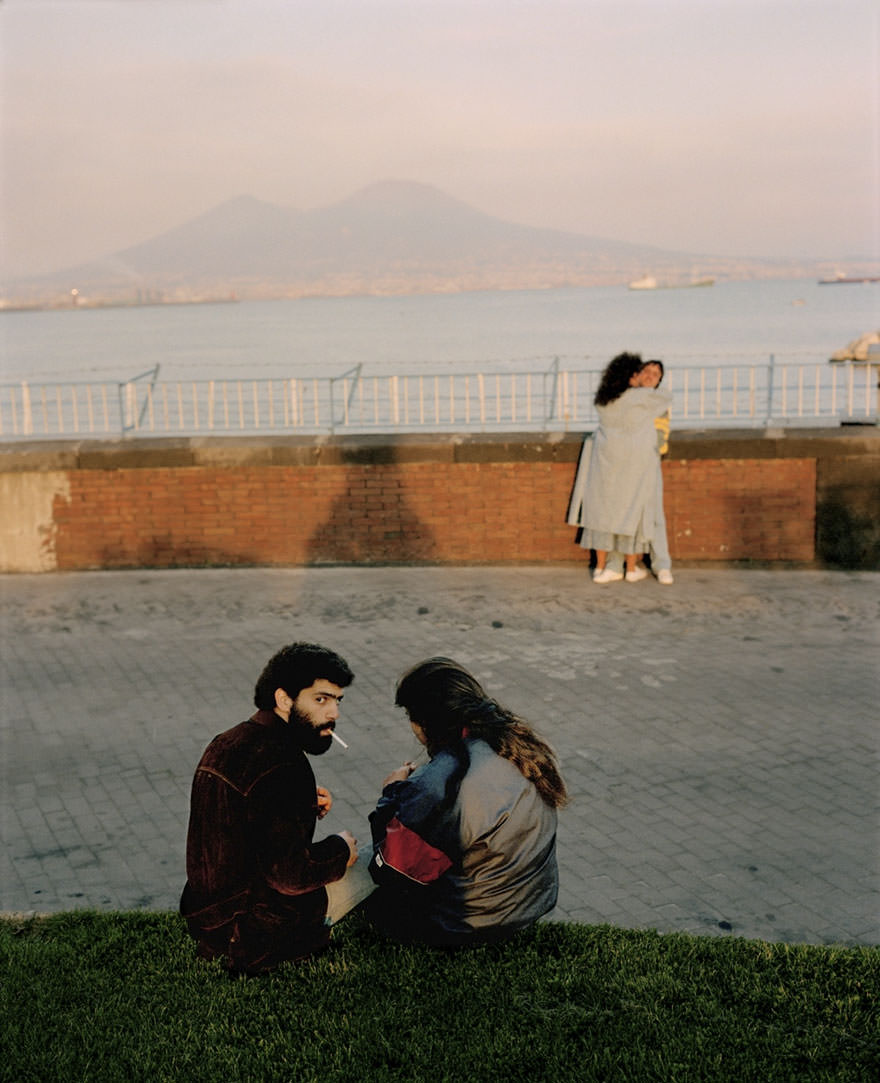
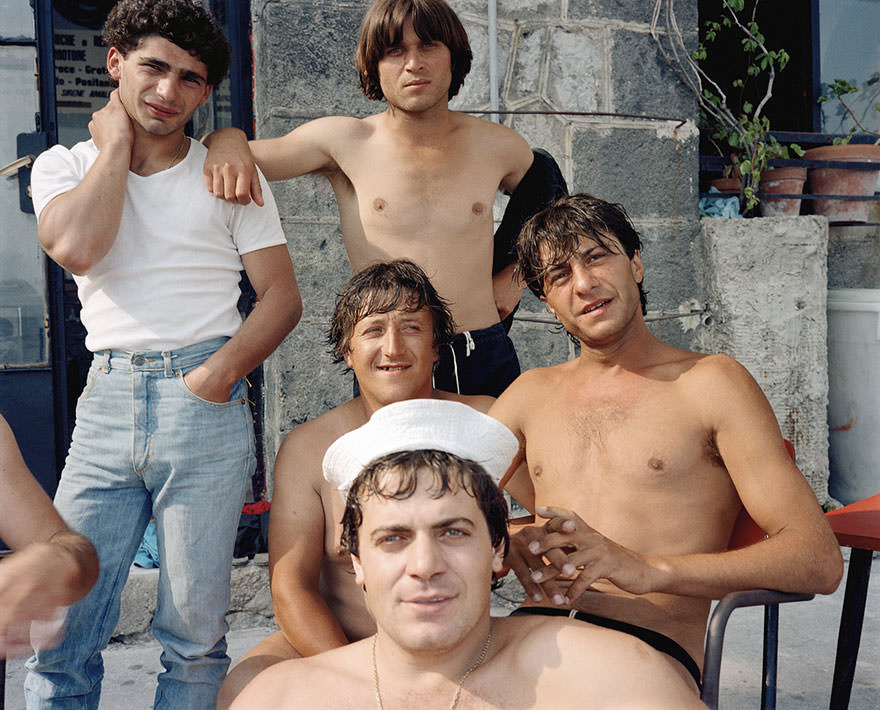
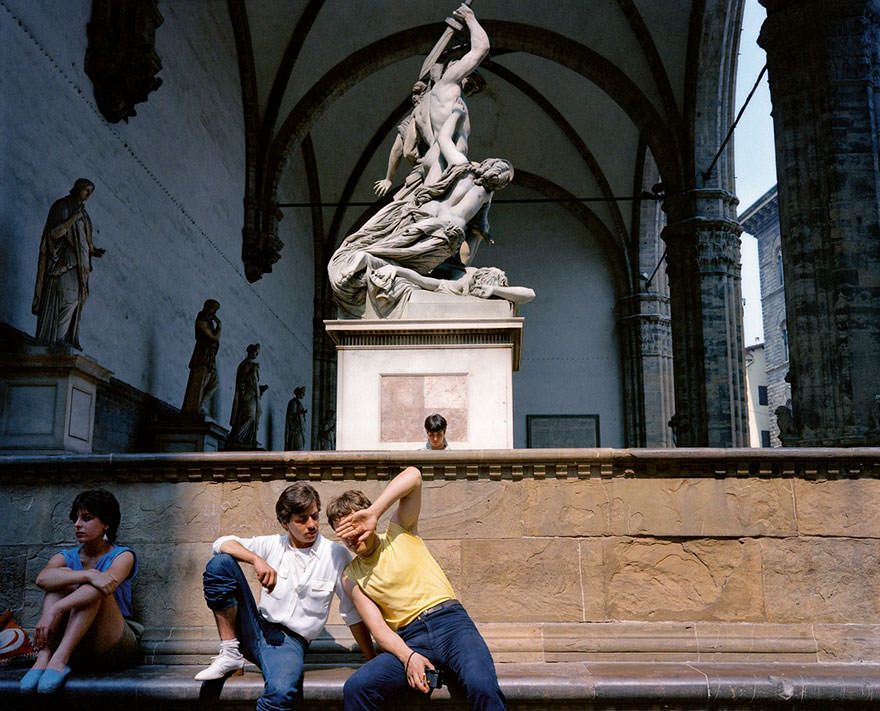
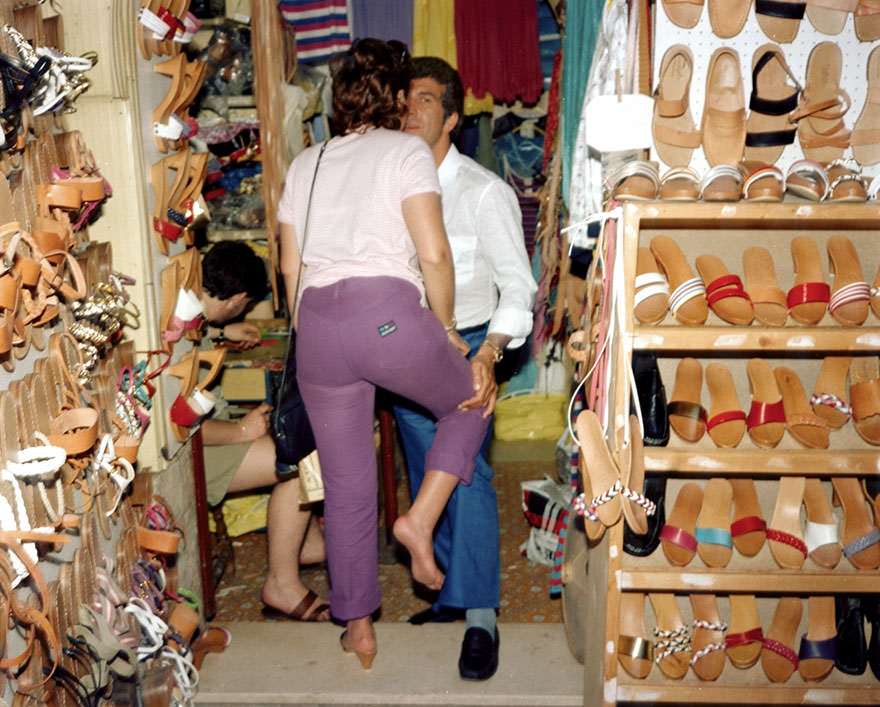
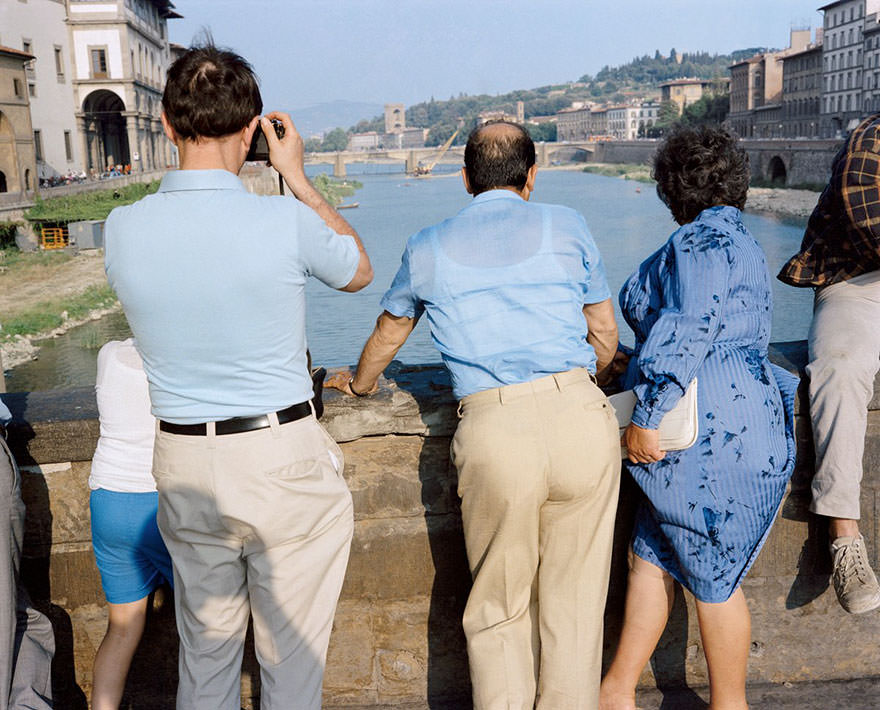
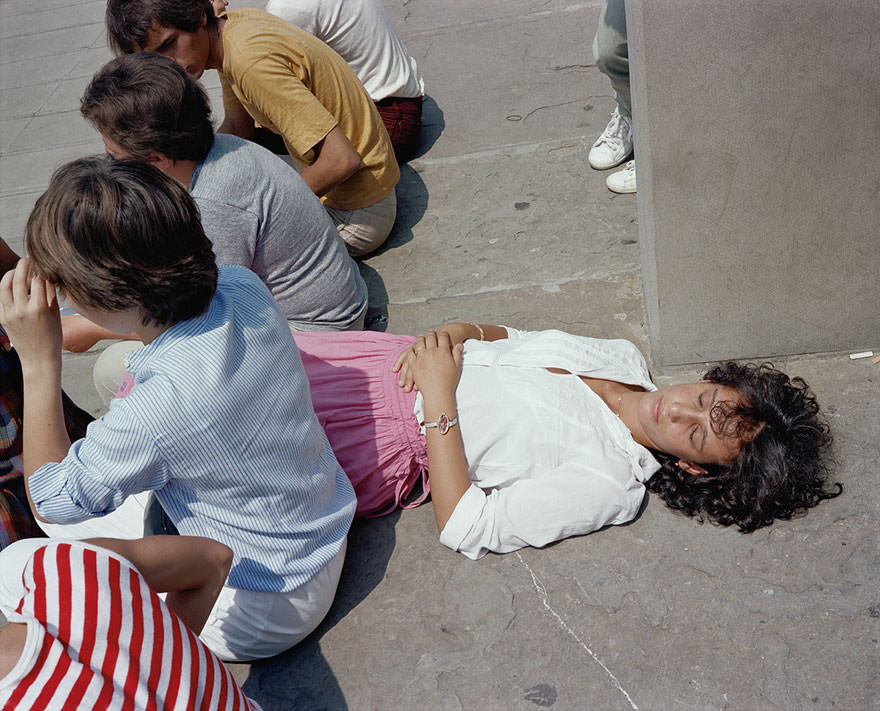
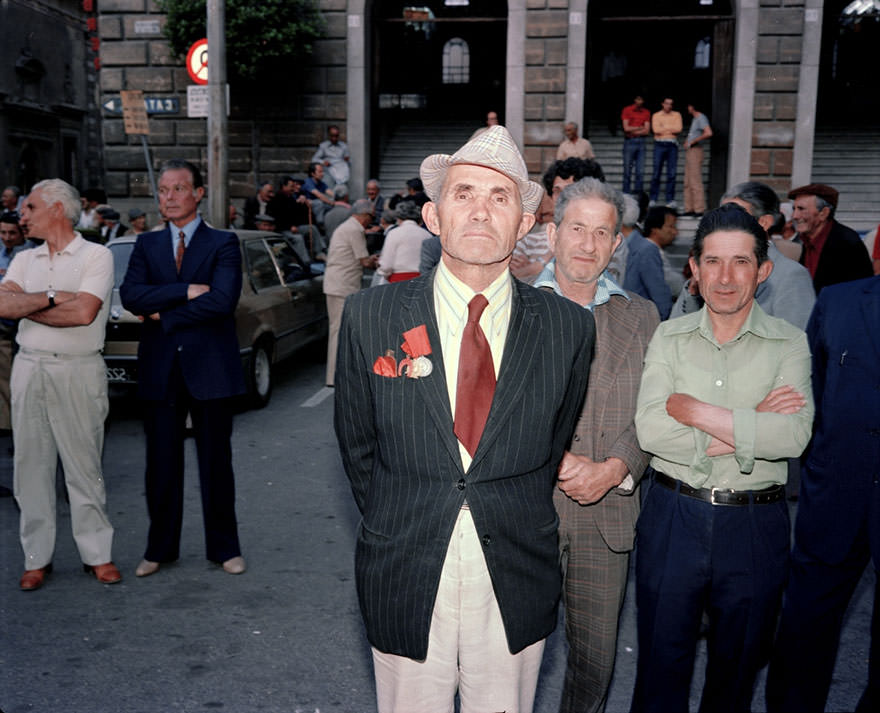
Traub’s compositions often feature tight framing — faces close to the camera, crowds pressed together, bodies filling the frame edge to edge. This closeness wasn’t accidental. He photographed in a direct, unguarded style, getting near to his subjects and catching them mid-gesture or mid-conversation. The results feel immediate and alive.
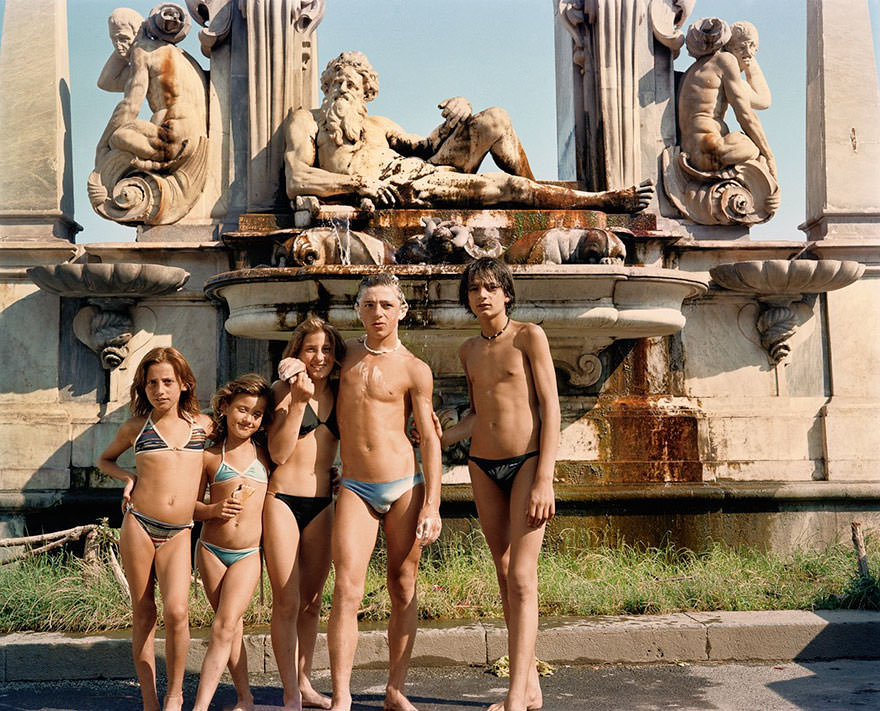
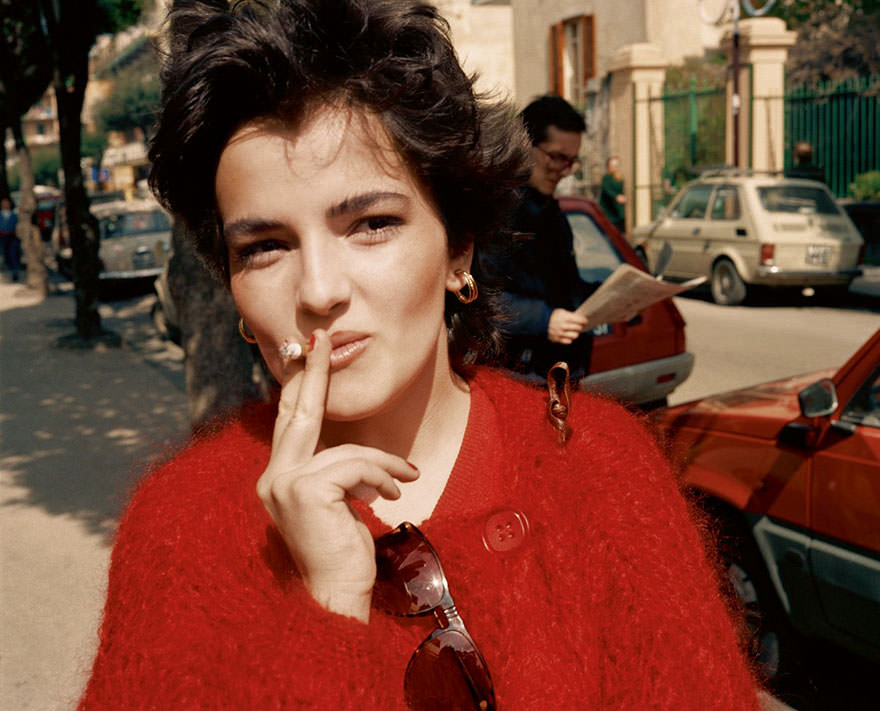
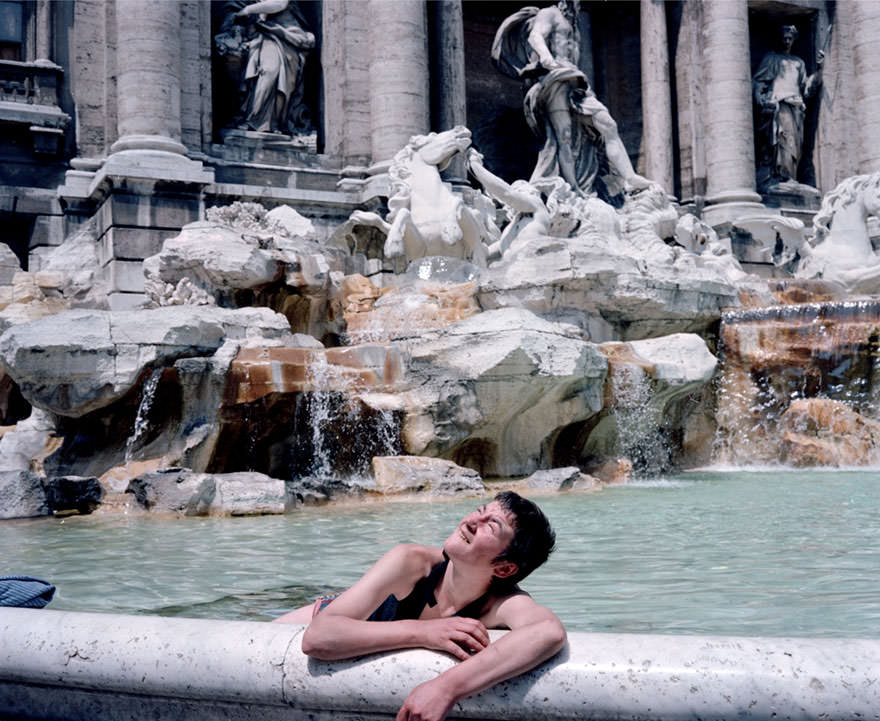
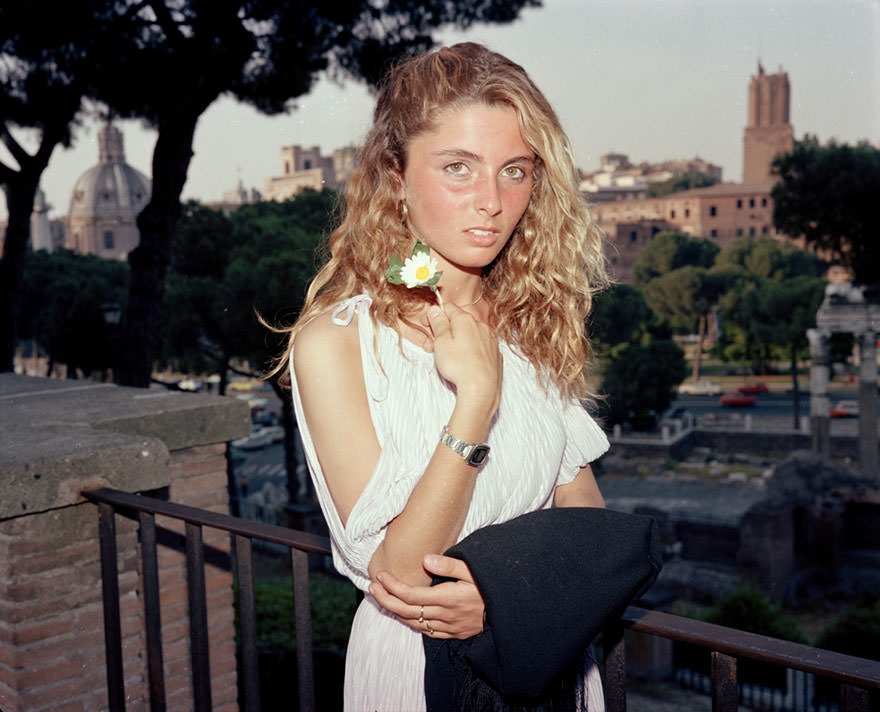
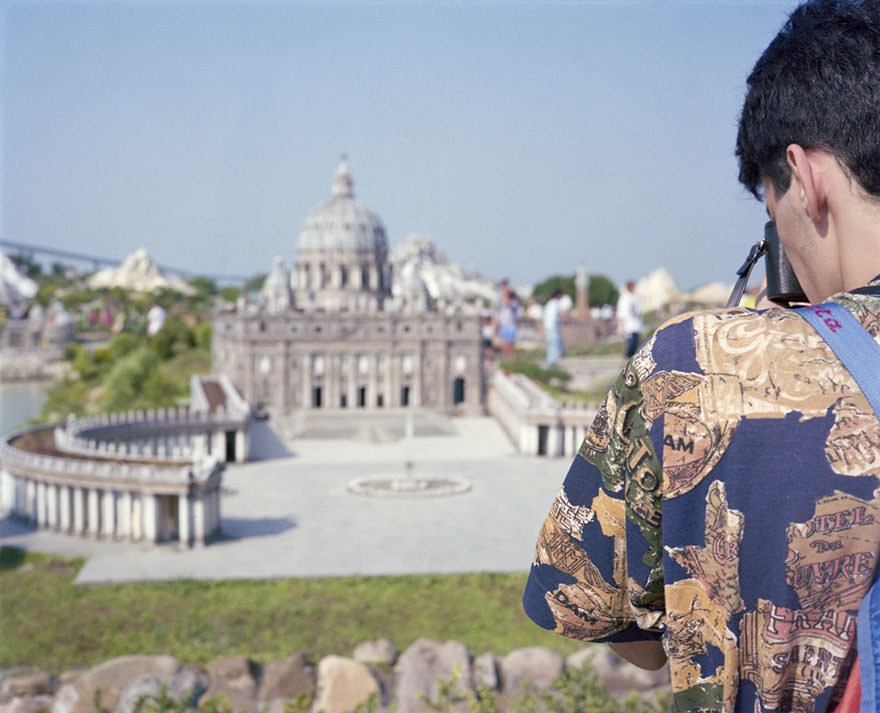
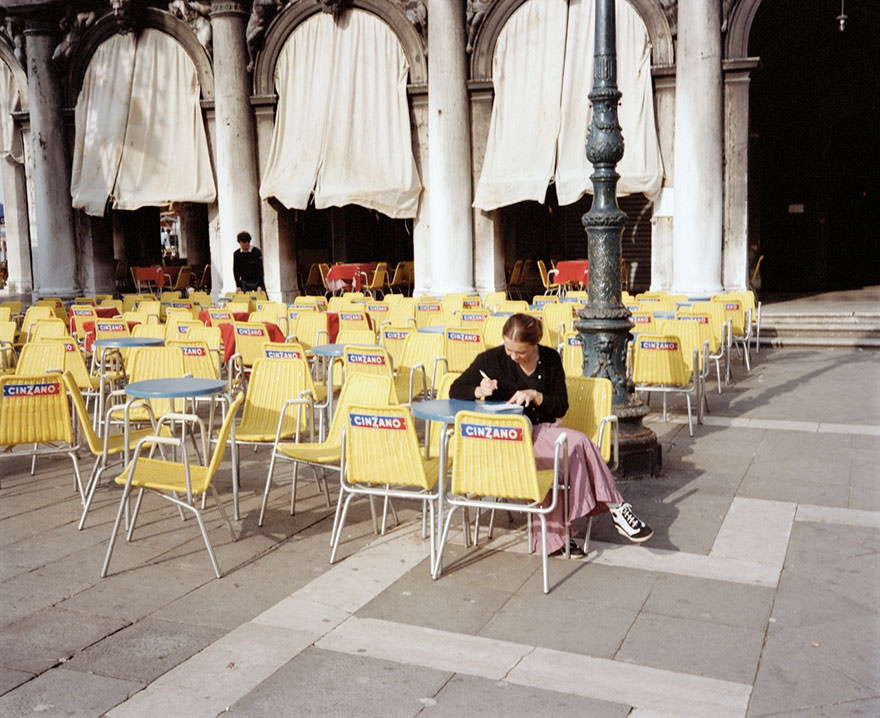
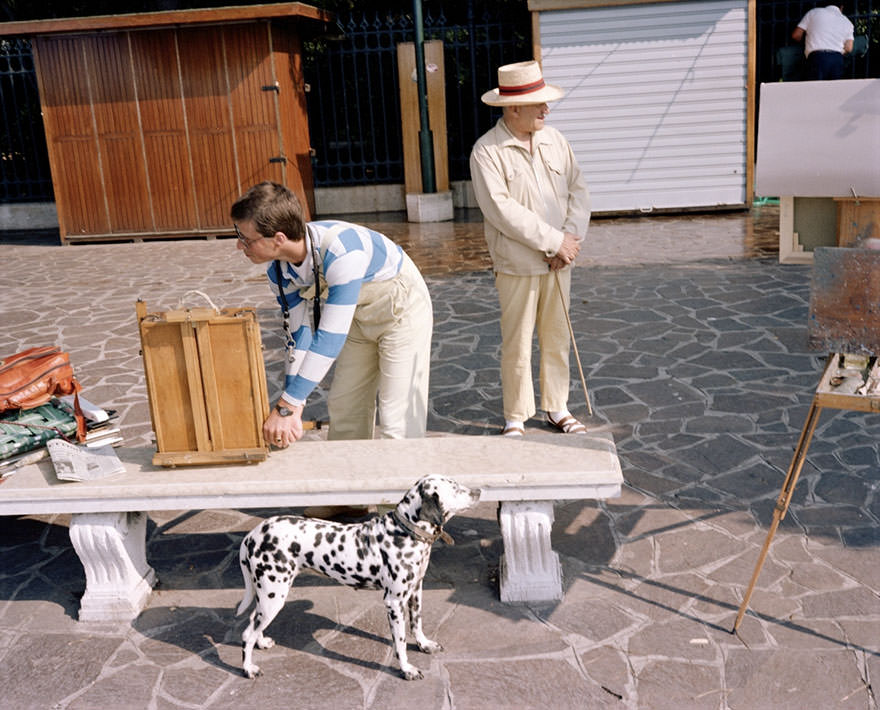
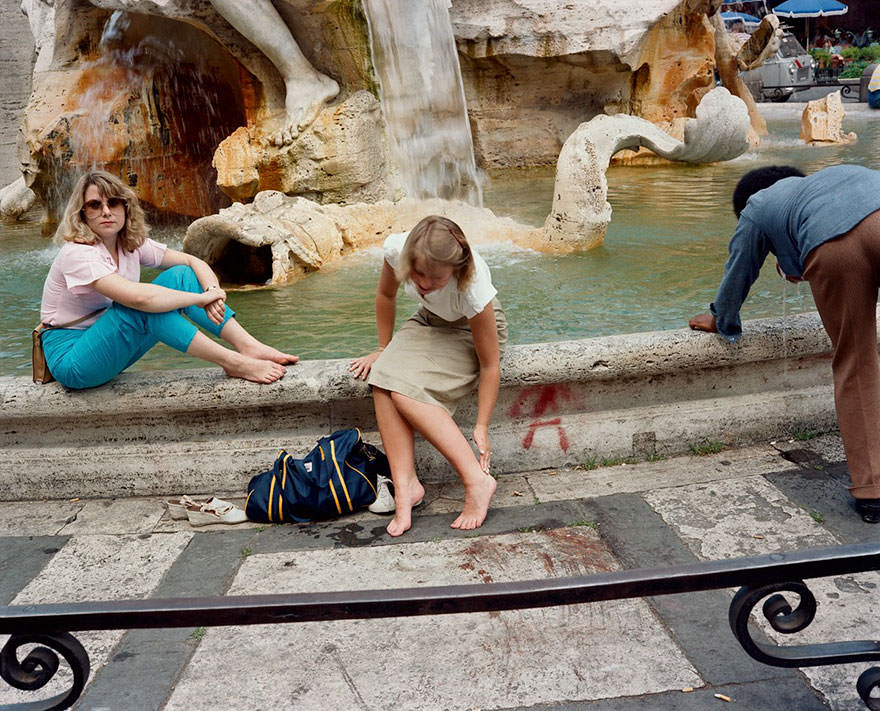
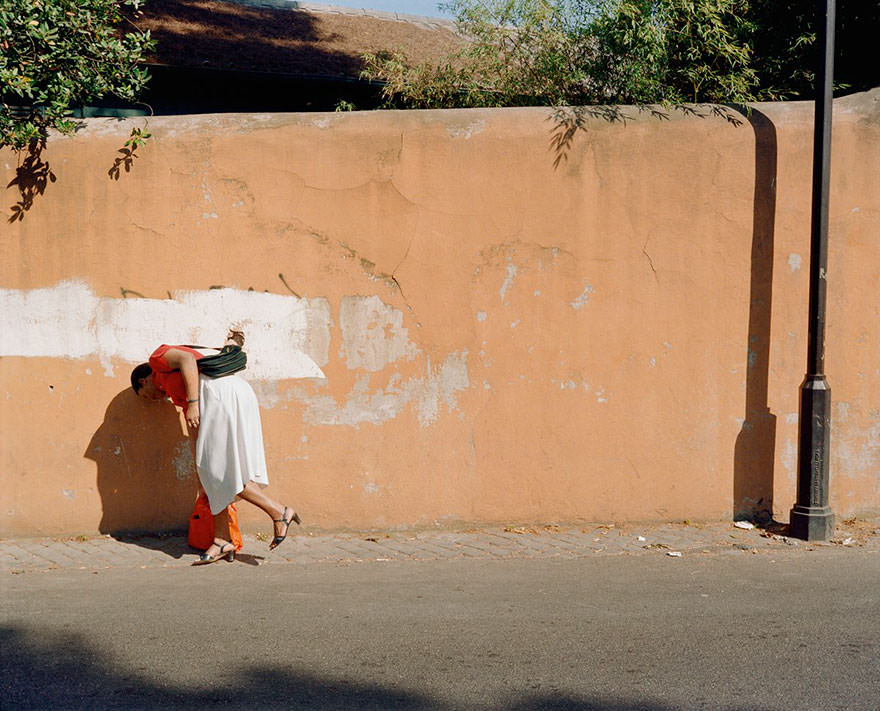
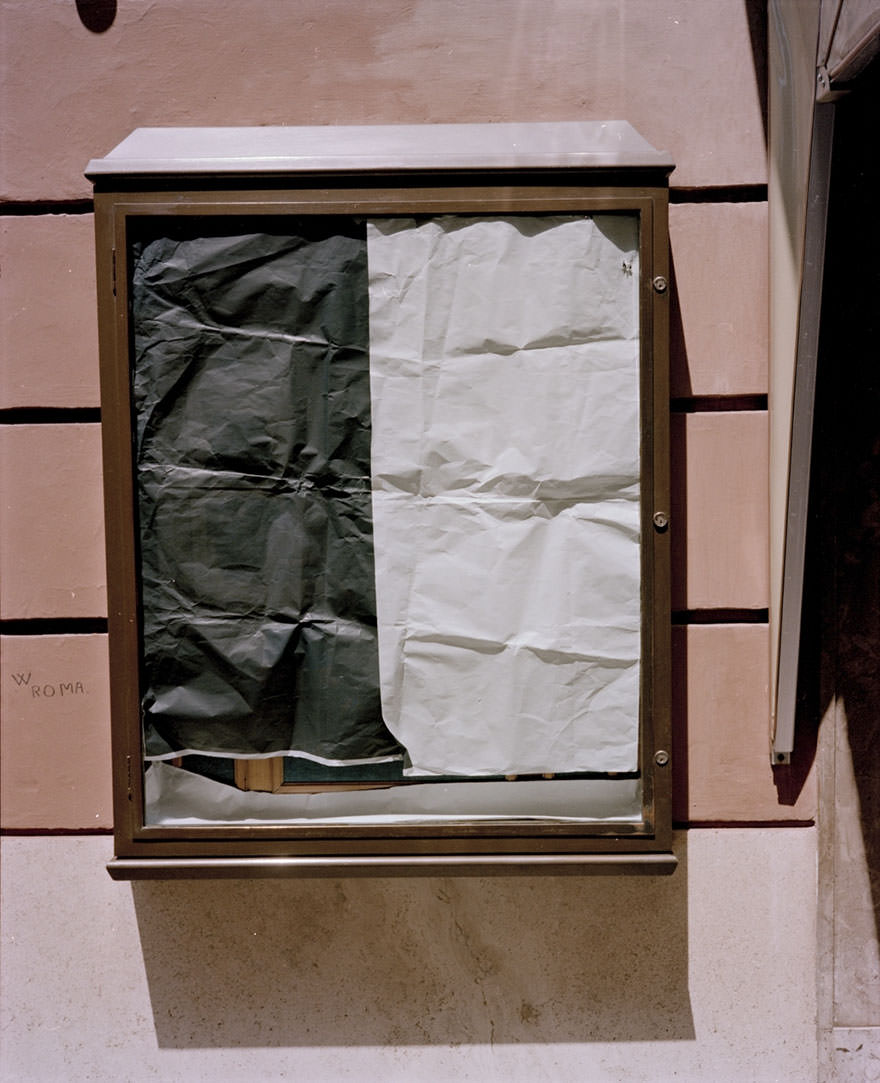
Color plays a big role in the visual impact of this collection. The 1980s brought bold, saturated tones into everyday Italian clothing and street decoration alike. Reds, yellows, and deep blues appear throughout the photographs, giving the images a richness that black-and-white work from earlier decades simply couldn’t capture.
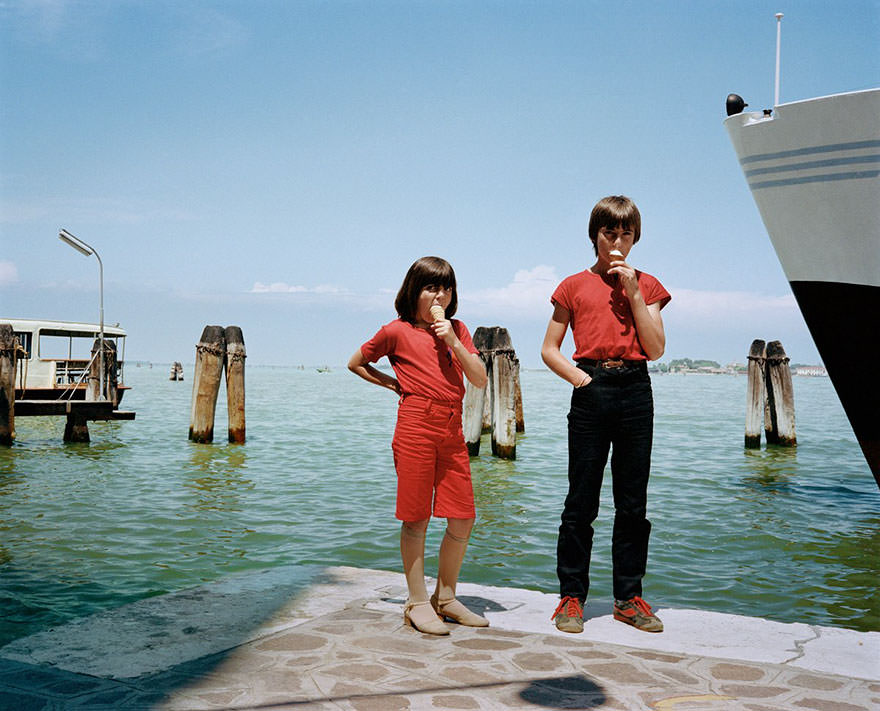
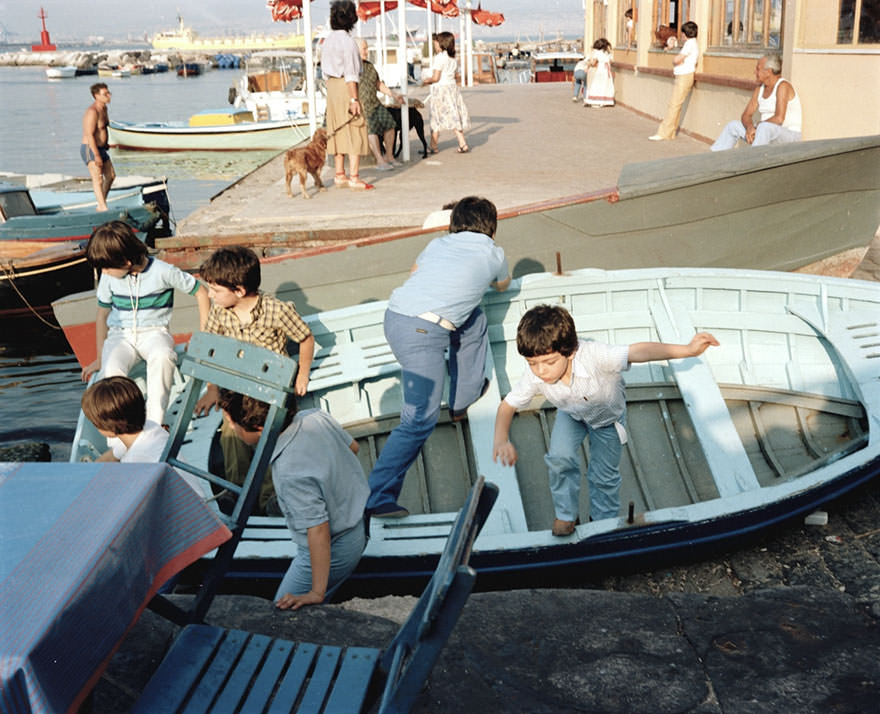
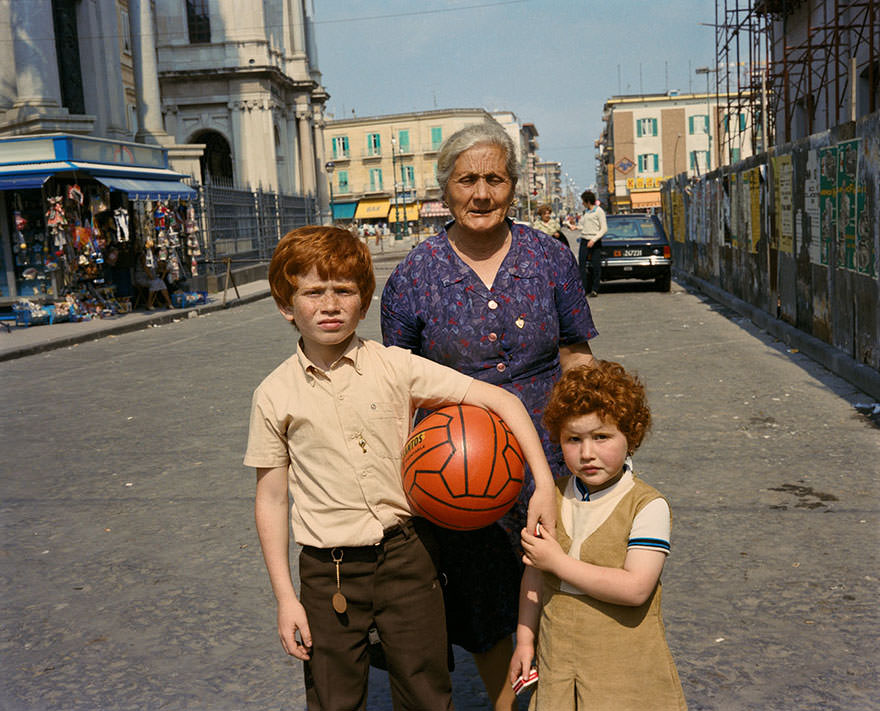
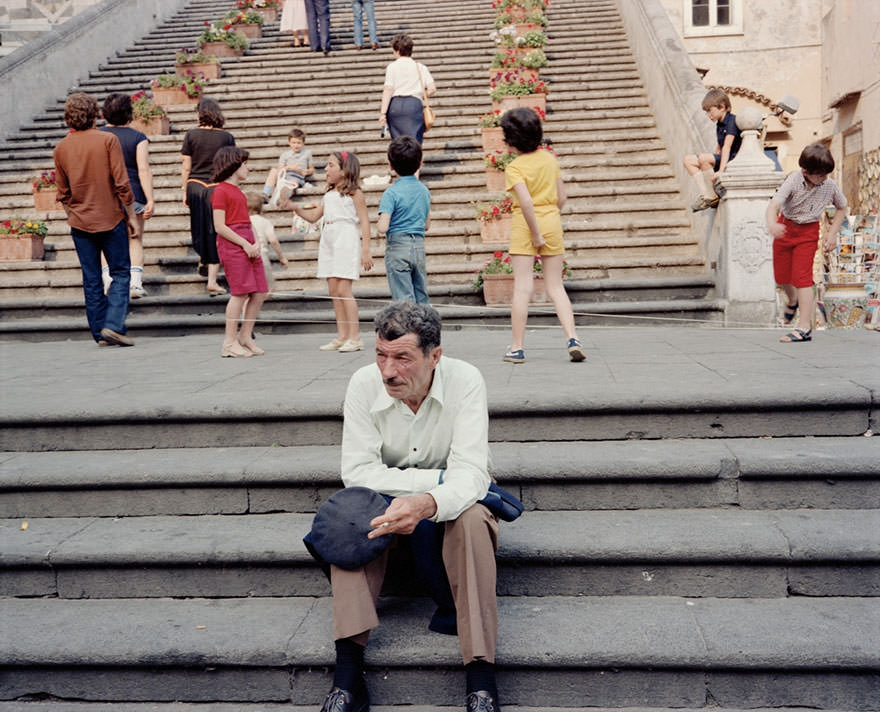
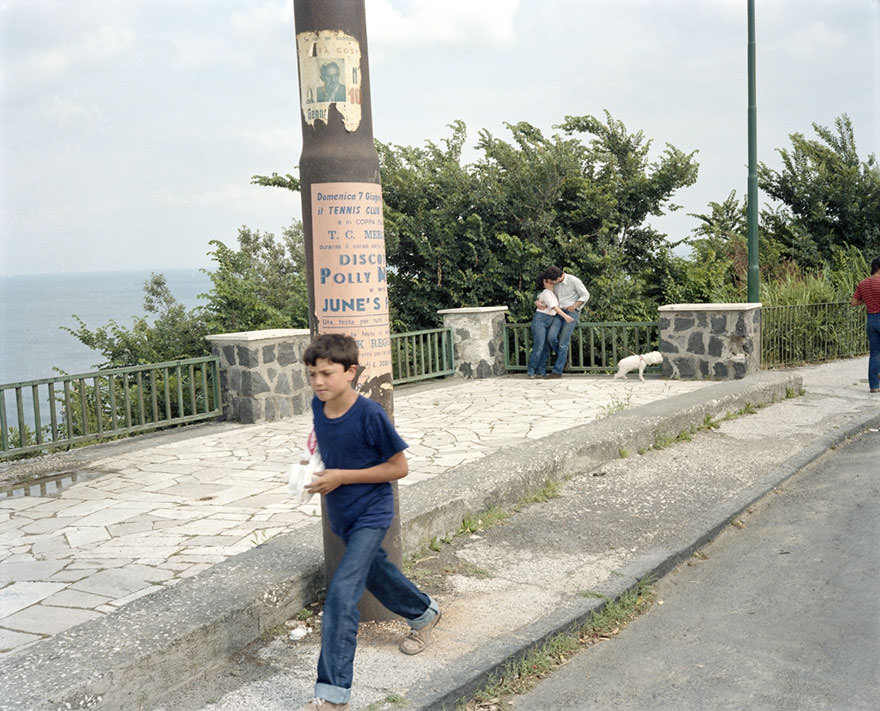
Children appear in many of these photographs — at markets, in piazzas, trailing behind parents. Their presence anchors the images in the everyday. These weren’t staged moments. They were the ordinary texture of Italian life, caught by someone who knew how to wait for the right split second.
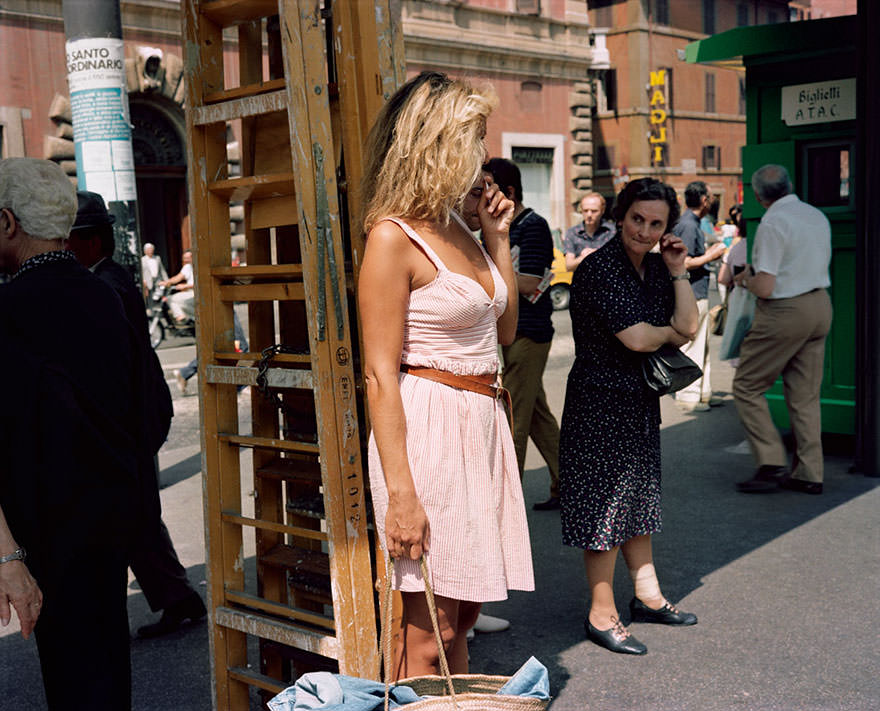
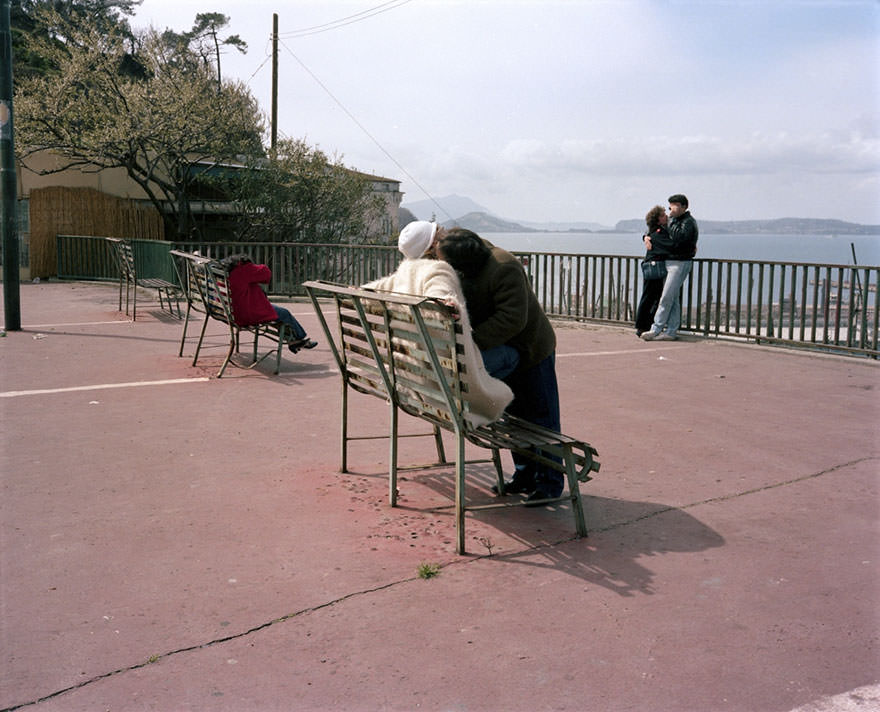
Elderly Italians are a recurring presence in Traub’s work from this period. Men gathered on benches or outside barbershops. Women carried groceries or stood in doorways talking with neighbors. These routines had been going on for generations, and the photographs preserve them at a specific moment in time.
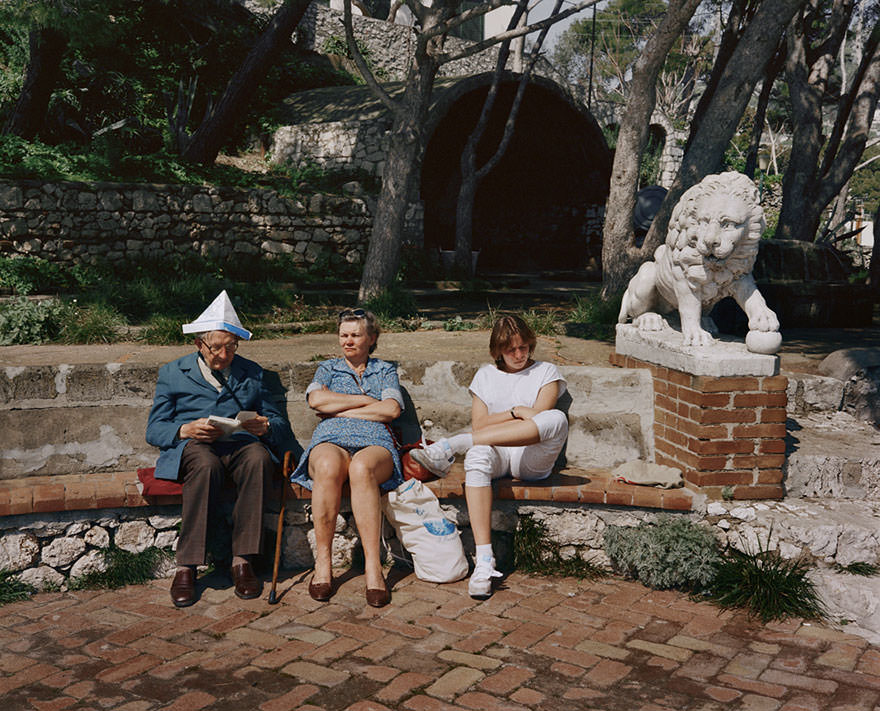
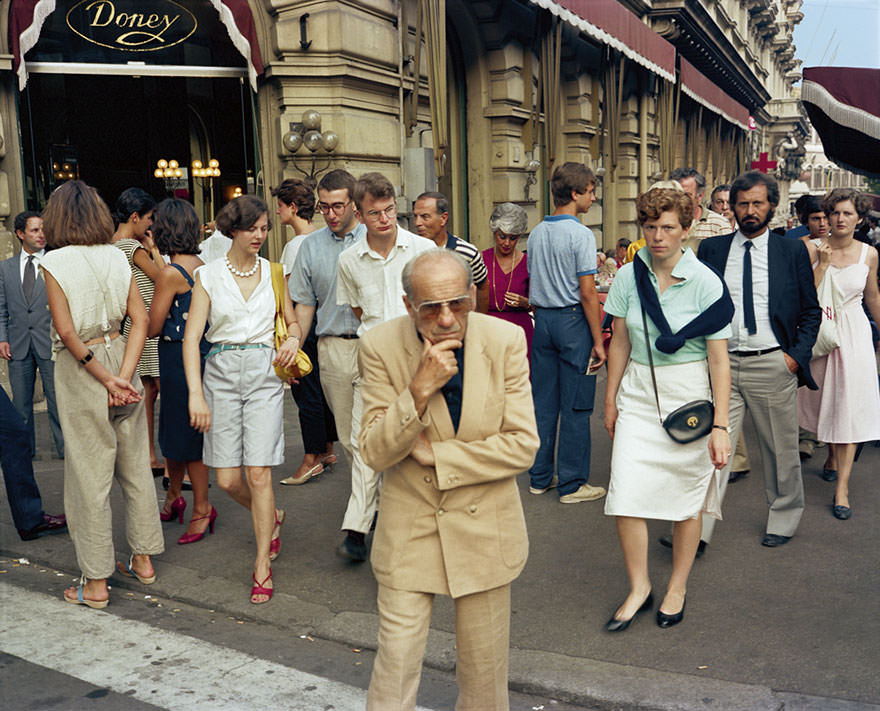
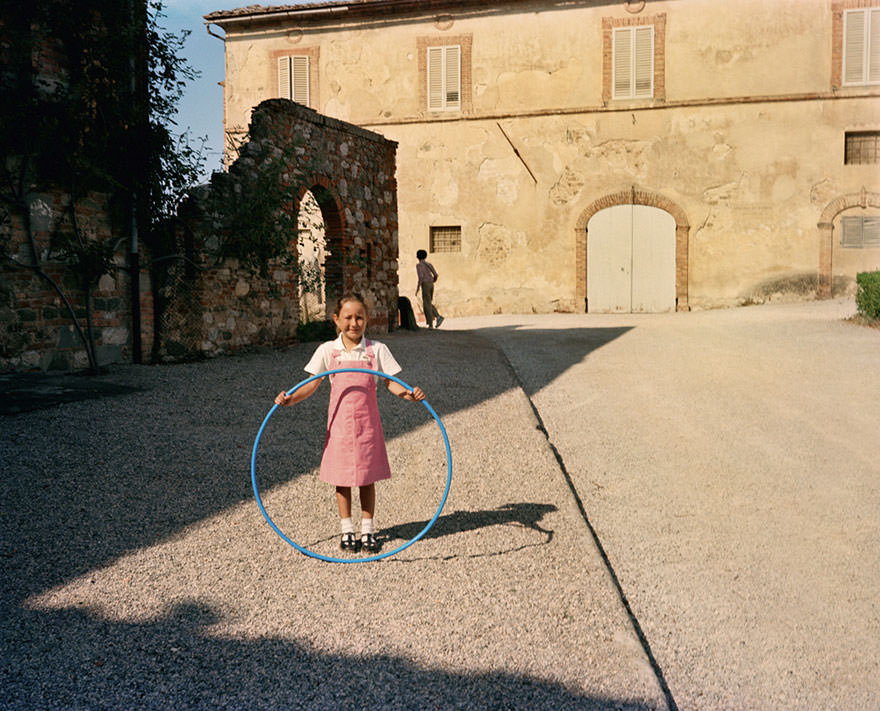
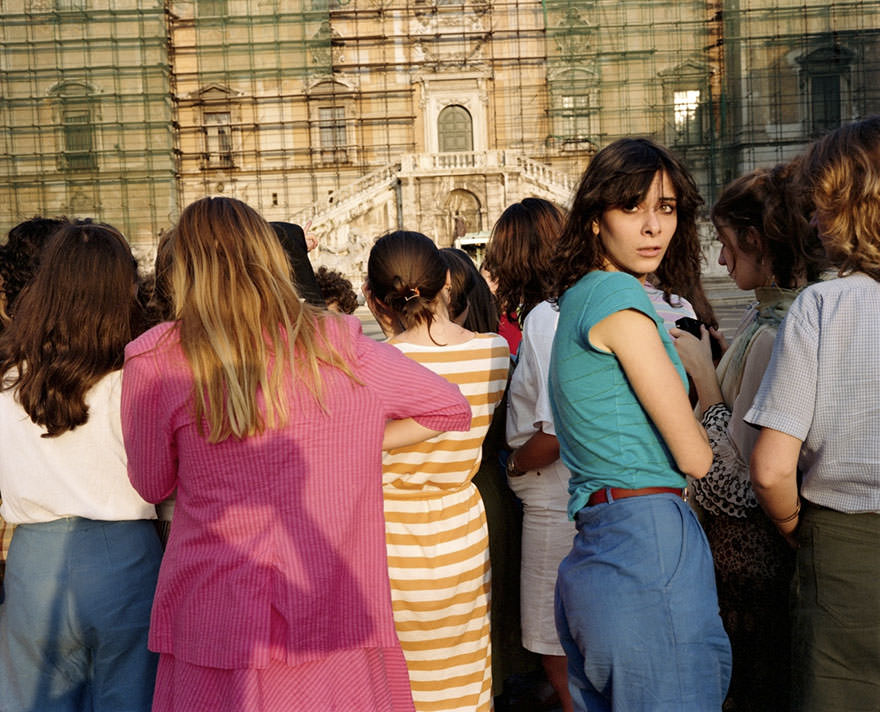
The pace of life Traub documented in Italy during the 1980s stood in contrast to the decade’s reputation elsewhere for hustle and ambition. Italy, as these photographs show, had its own relationship with time. Long lunches, slow walks, and unhurried conversations were not signs of laziness — they were cultural values, lived out in full view on the street.
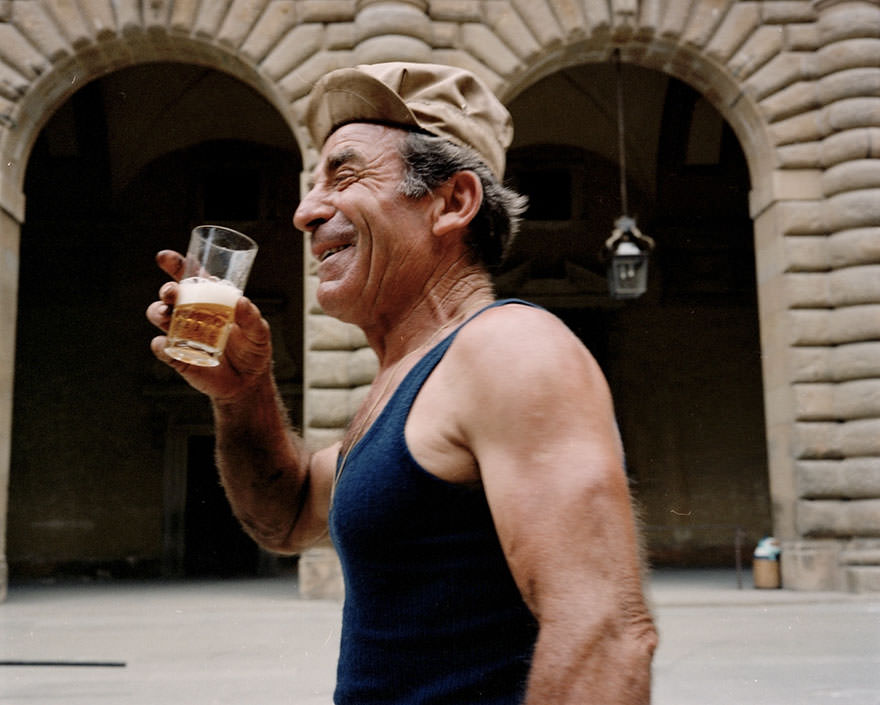
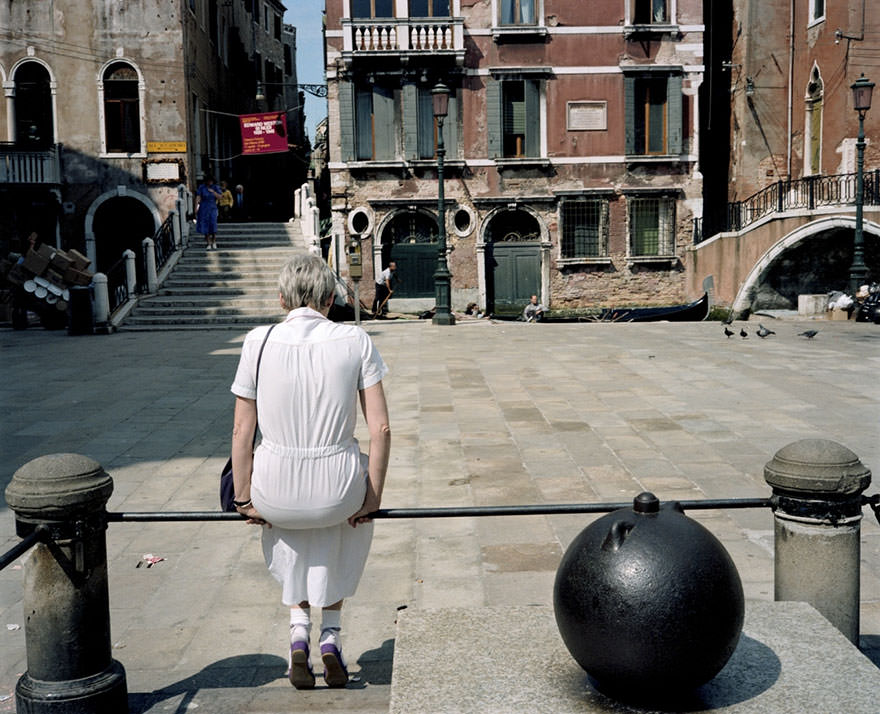
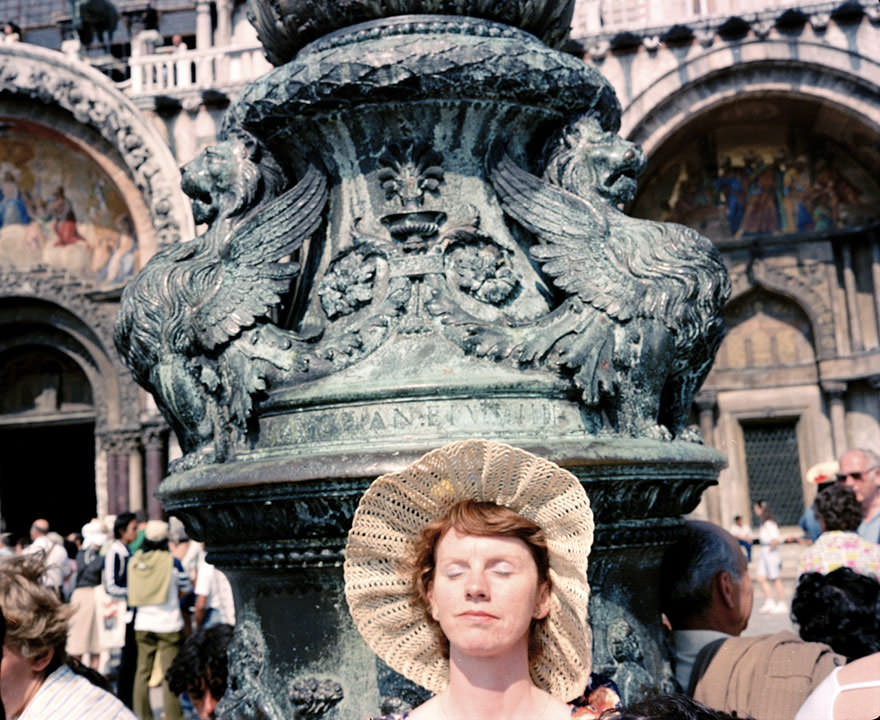
Traub photographed across social settings — working-class neighborhoods and more affluent districts, market streets and quiet residential corners. The diversity of scenes gives the collection a broad picture of Italian life rather than a narrow slice of it.
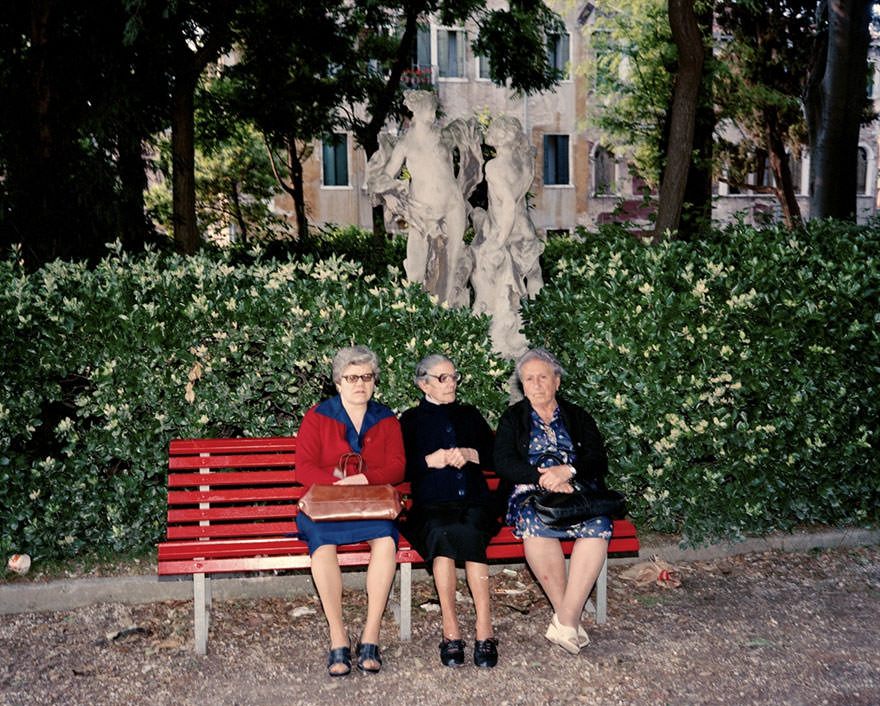
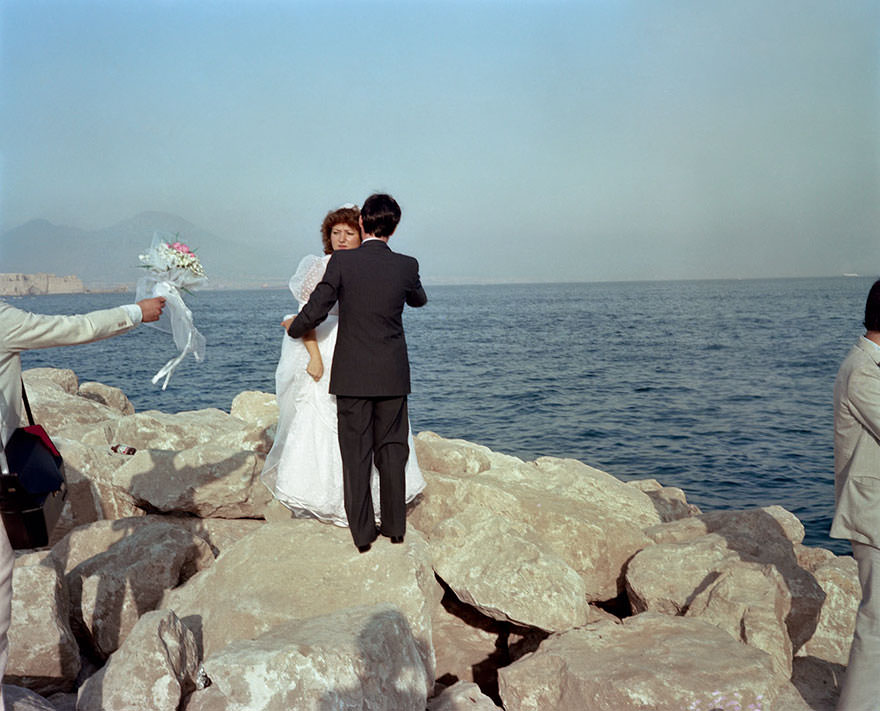
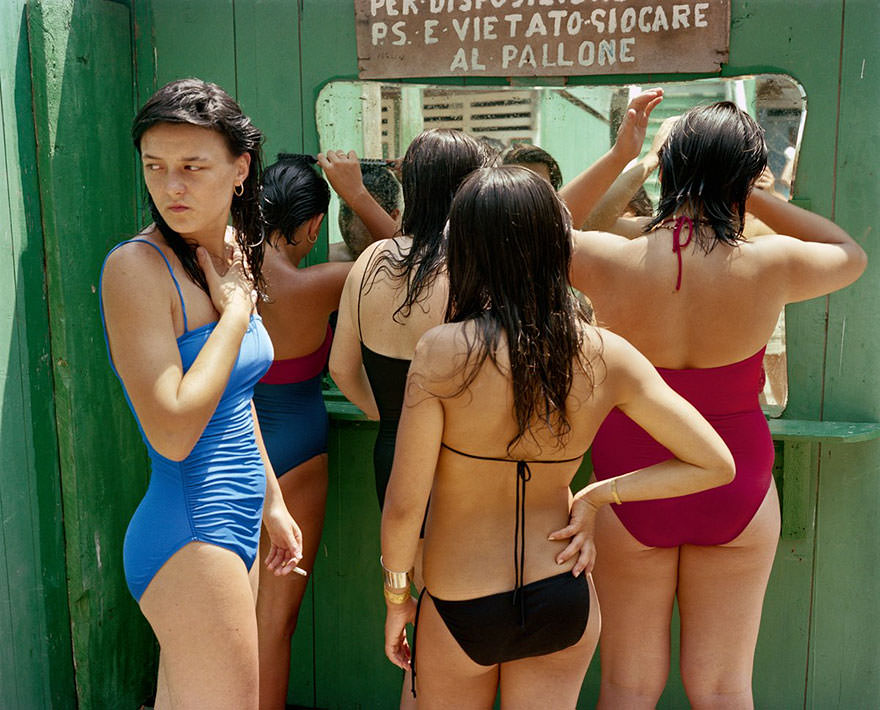
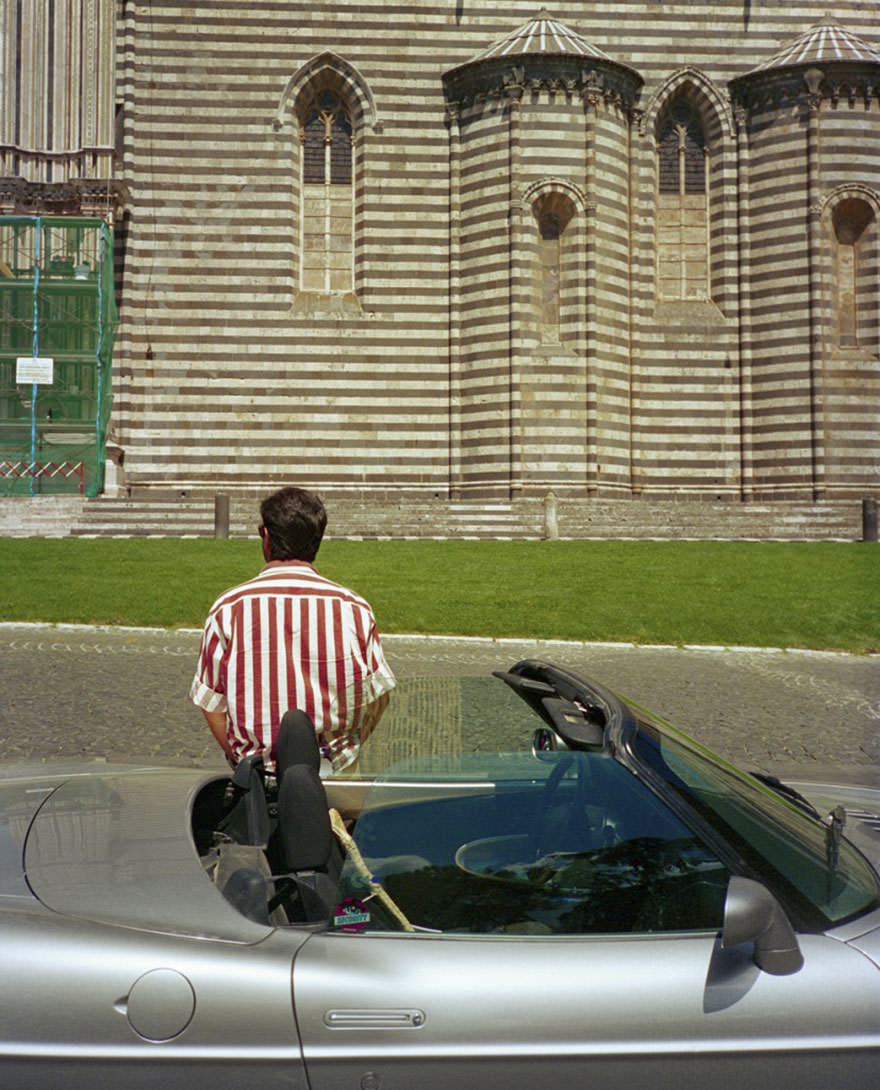
One of the most striking qualities of this body of work is how often Traub’s subjects seem unaware of or unbothered by the camera. People look past it, through it, or directly into it without performing for it. That ease speaks to Traub’s ability to blend into a scene rather than interrupt it.
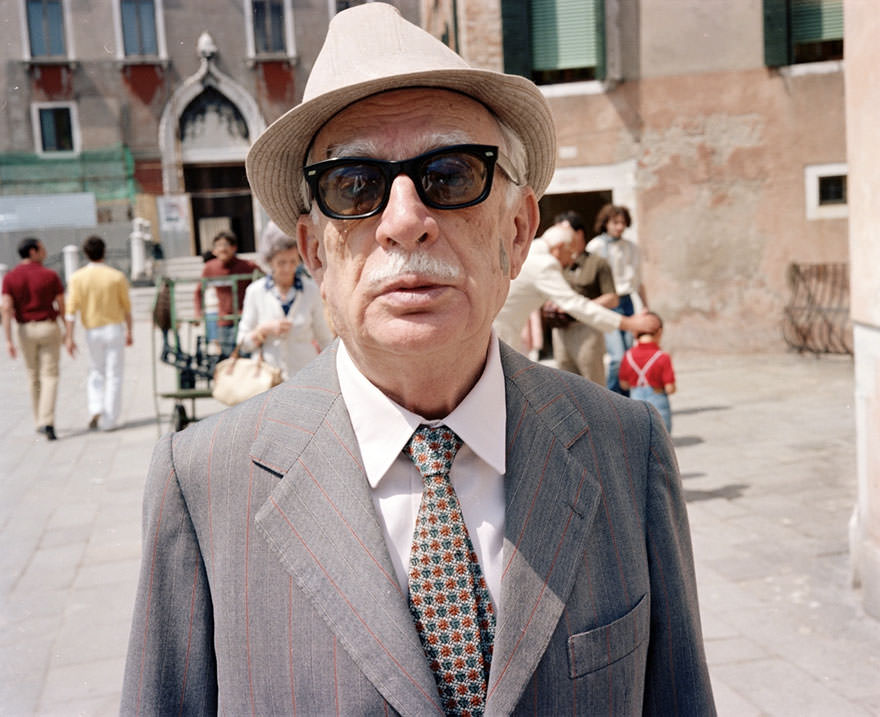
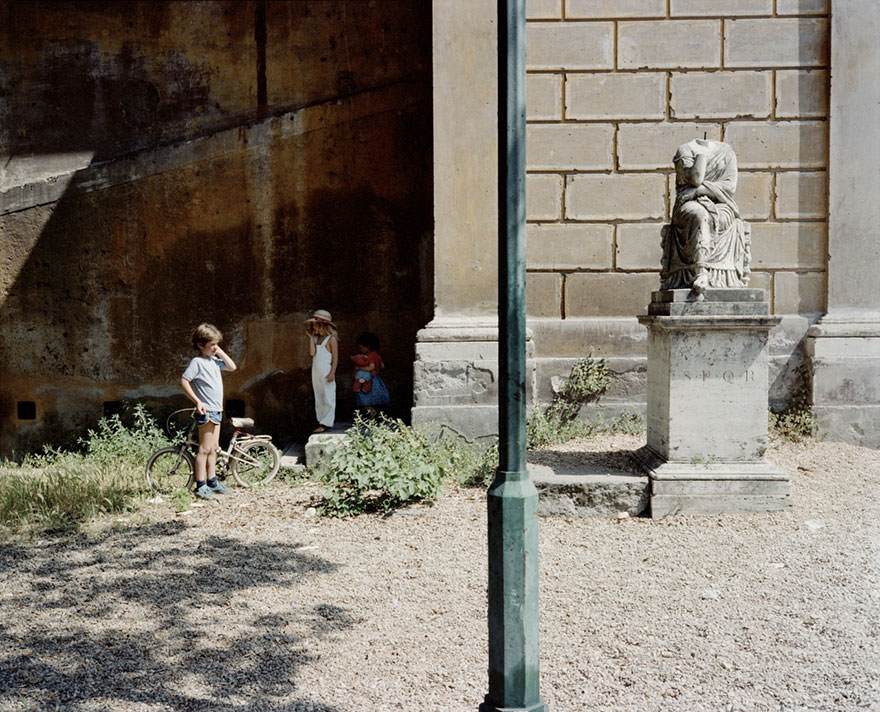
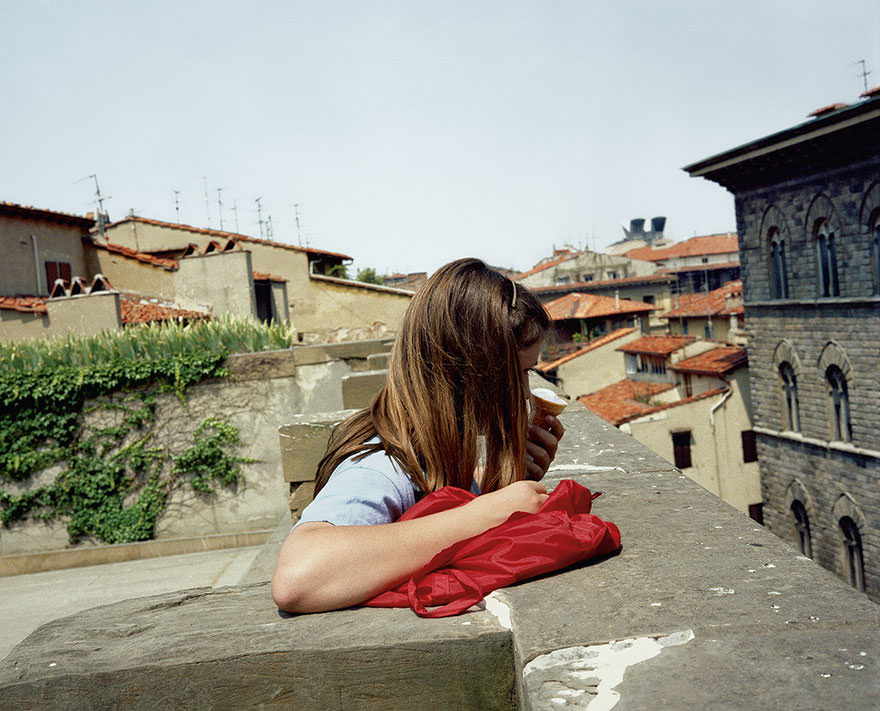
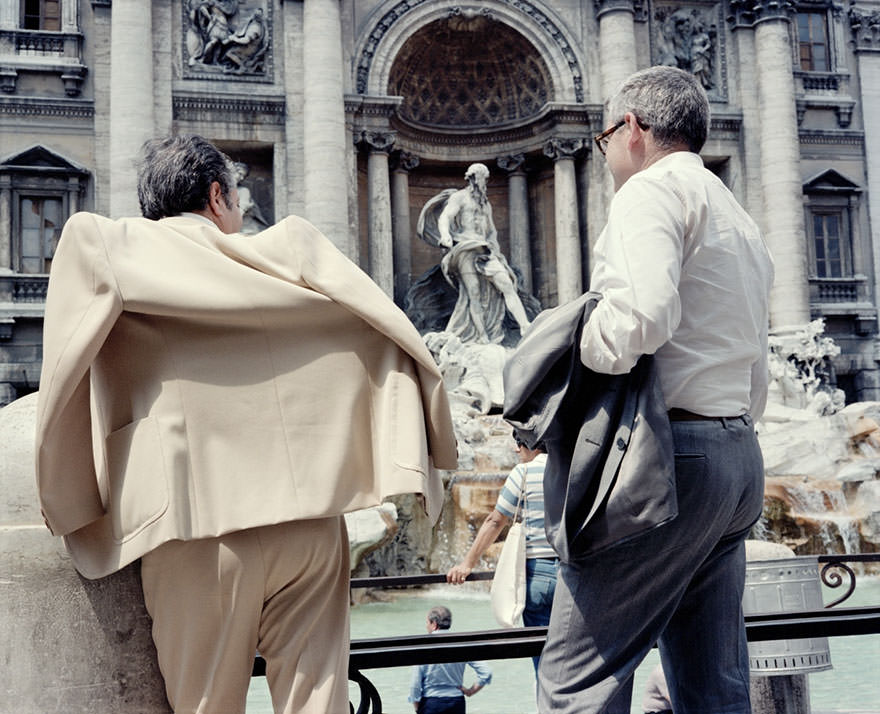
Italy’s outdoor culture gave Traub an endless supply of material. Café terraces, open-air markets, church steps, and public fountains all served as backdrops for the human activity he sought out. The country’s architecture and its people have always been inseparable, and these photographs make that connection visible.
The 1980s were a decade of change across Europe, and Italy was no exception. Economic shifts, political tensions, and changing social attitudes all ran beneath the surface of daily life. Traub’s photographs don’t address those forces directly, but they hold the texture of the era — what people wore, how they stood, where they gathered — with precise documentary detail.
What Traub built across his repeated Italian visits was a sustained visual record of a country in a particular moment. Each photograph works on its own, but together they form something larger — a portrait of a way of life that belonged to a specific time and place.
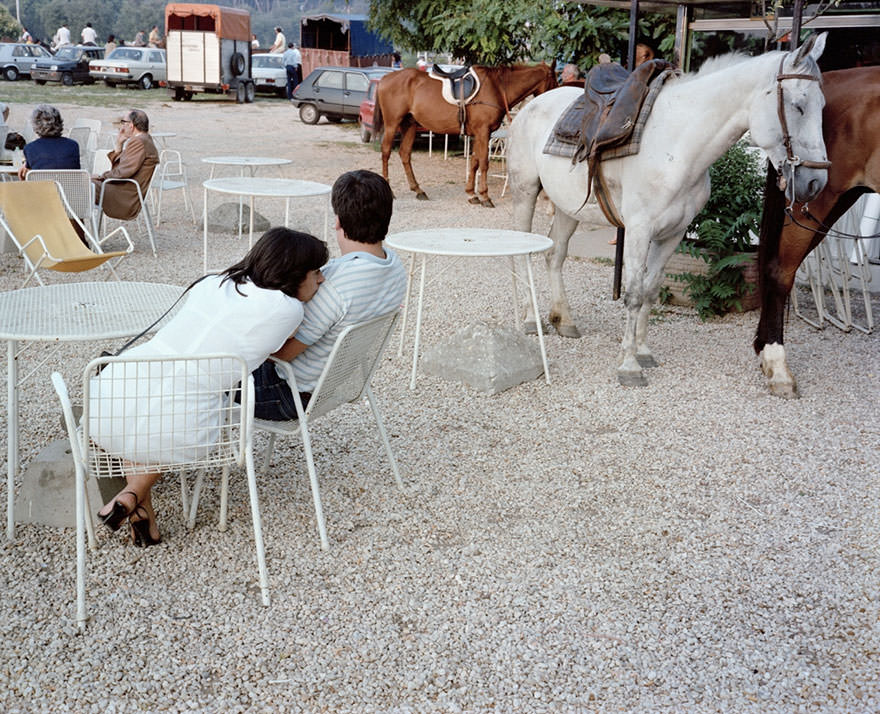

Love these photos, absolutely amazing and the colors are so vibrant. Lots of affection, children, Vespas, cobblestones and fountains.