The Texas State Fair has deep roots. The first Texas State Fair and Dallas Exposition opened in 1887, launching what would become one of the largest annual events in the United States. From its earliest days, the fair was built around bringing people together — farmers, families, and curious visitors from across the state.
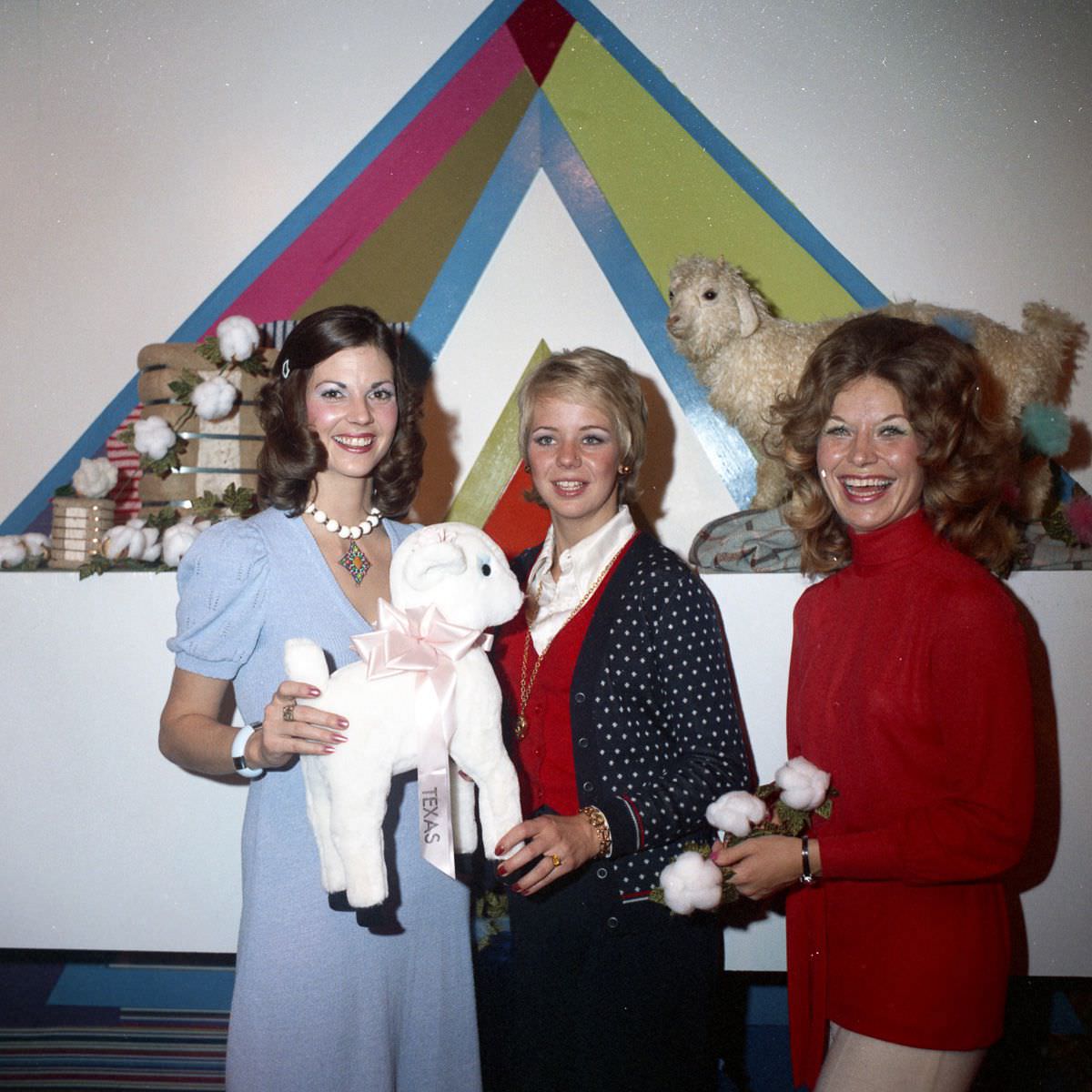
By 1916, more than a million people passed through the gates in a single year. Attendees came to meet farmers face to face and sample fresh produce straight from Texas fields. The fair gave agricultural communities a stage to show what they grew and raised, connecting rural producers with a massive urban audience.
Entertainment was always a key part of the experience. A monorail connected auditoriums and the stadium, giving the grounds a futuristic feel for its time. Elvis Presley performed at the Cotton Bowl during the 1950s, drawing massive crowds. Vice President Richard Nixon also visited the fair, all under the towering gaze of Big Tex — the iconic 52-foot statue that became the fair’s most recognized symbol.
The numbers kept climbing. By 1968, attendance had surpassed three million visitors in a single year — a remarkable milestone that reflected just how central the fair had become to Texas culture. Exhibits, rides, food, and live events all played a role in drawing those crowds back year after year.
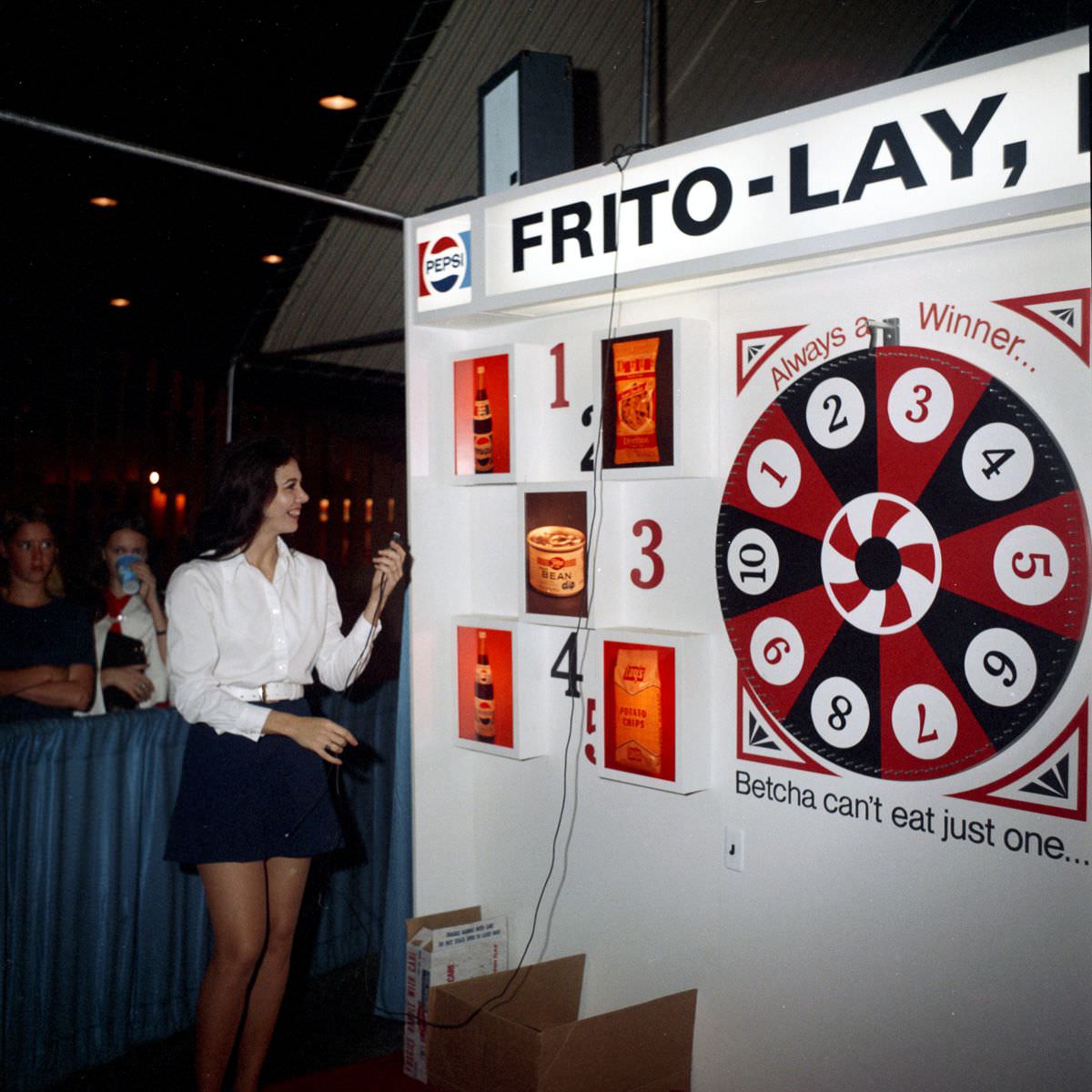
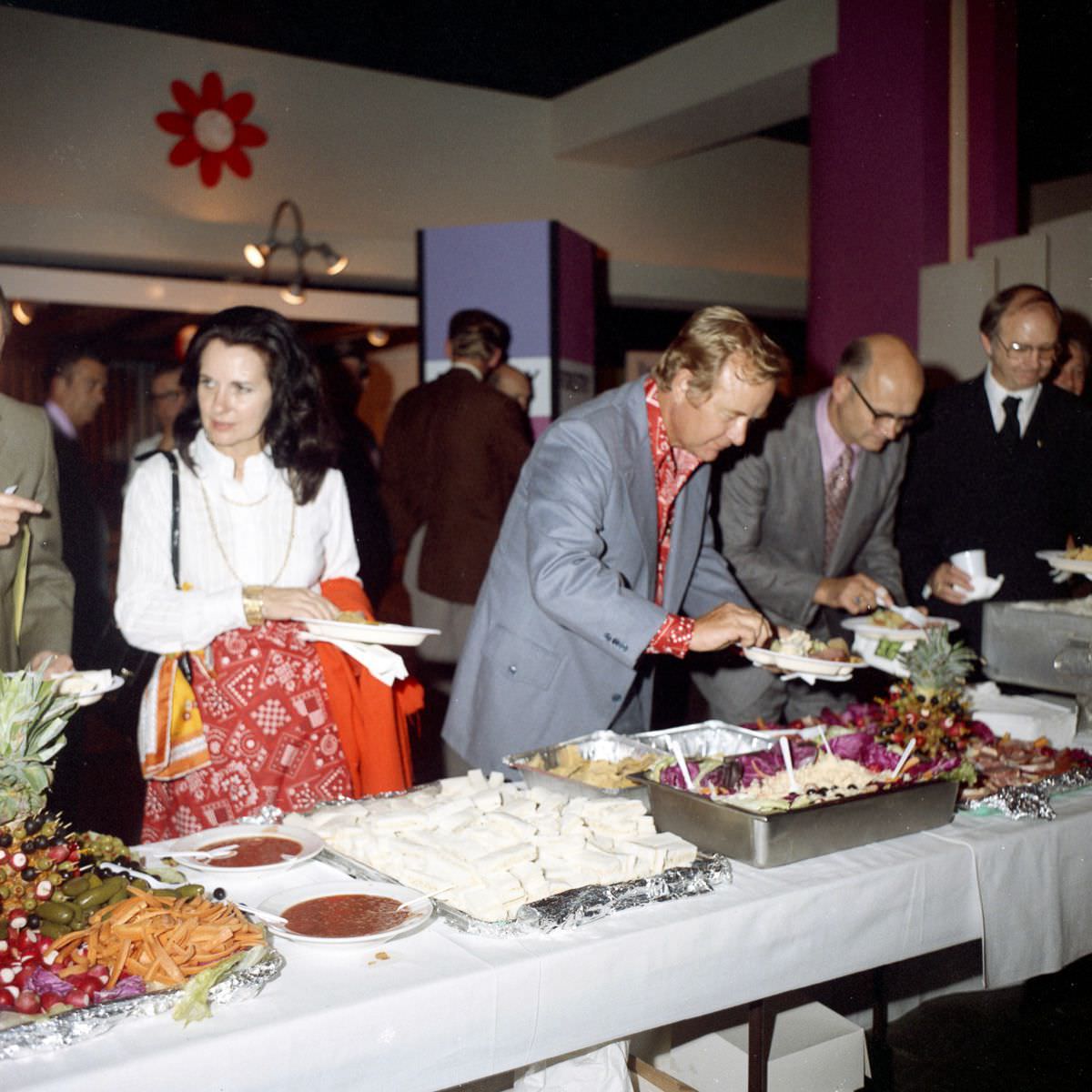
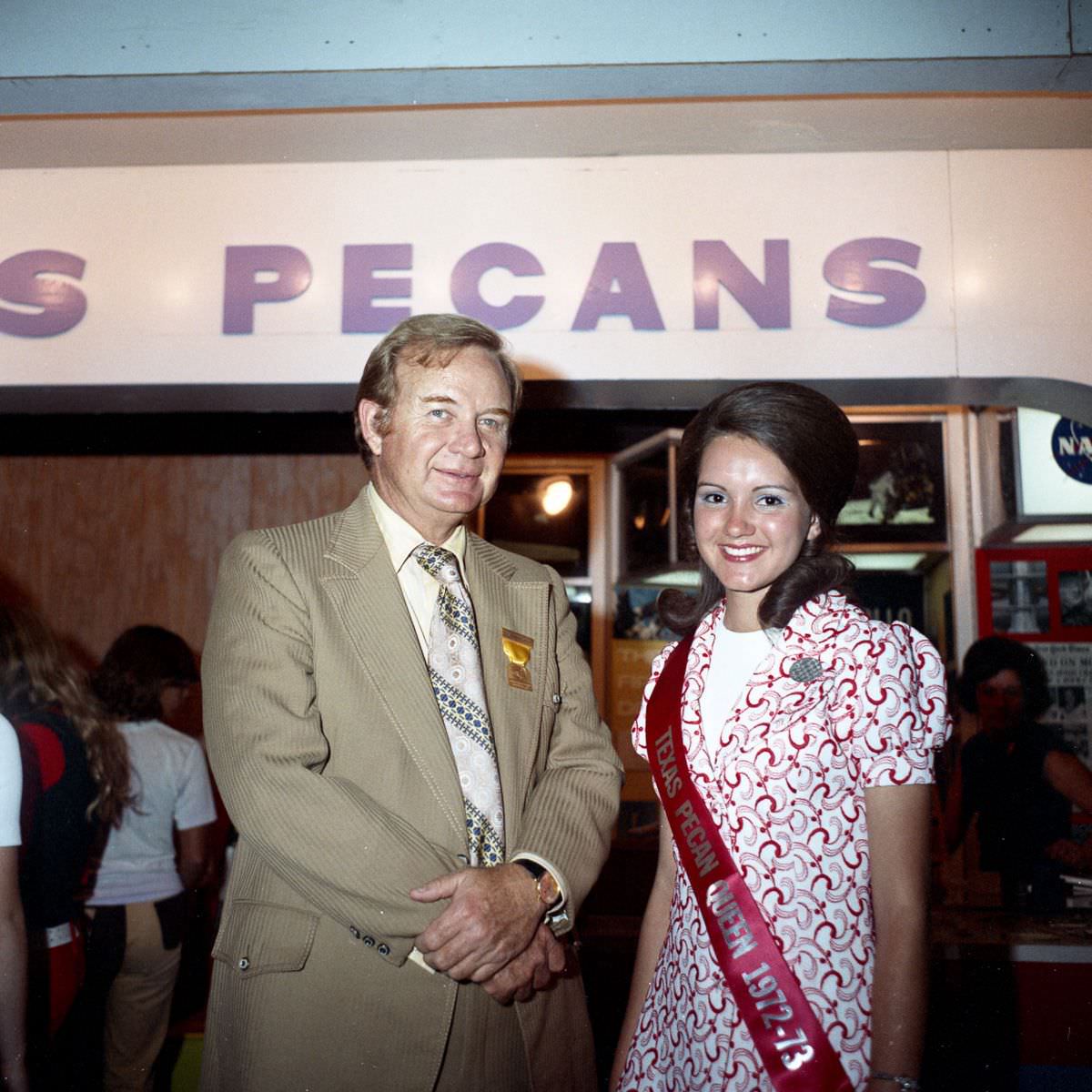
The photographs collected here come from the 1972 edition of the fair. That year, the Pecan Queen served as the host of the fair, a title tied to Texas’s long-standing pecan industry. Pecans are the official state nut of Texas, and their presence at the fair — through competitions, displays, and featured hosts — reflected that agricultural pride.
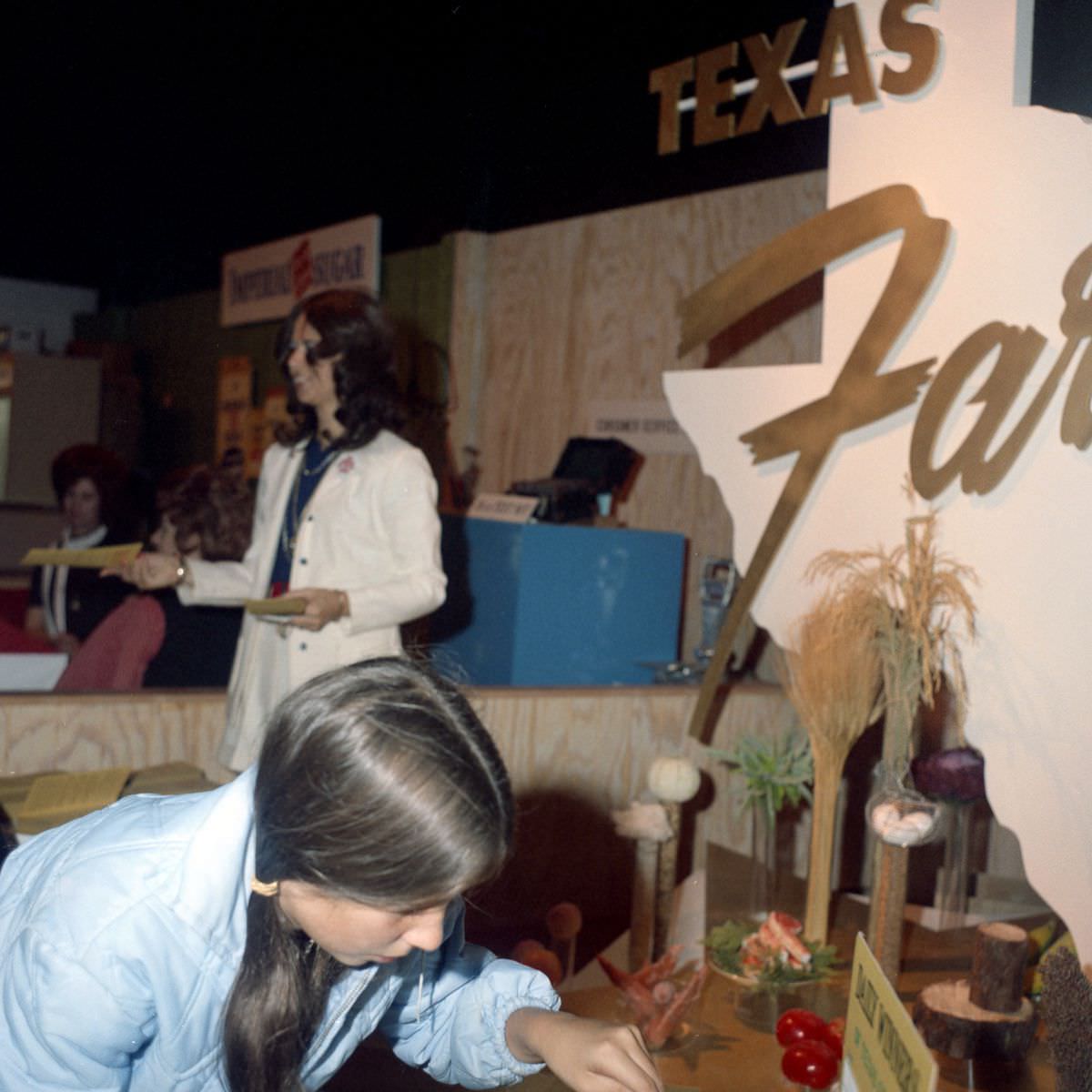
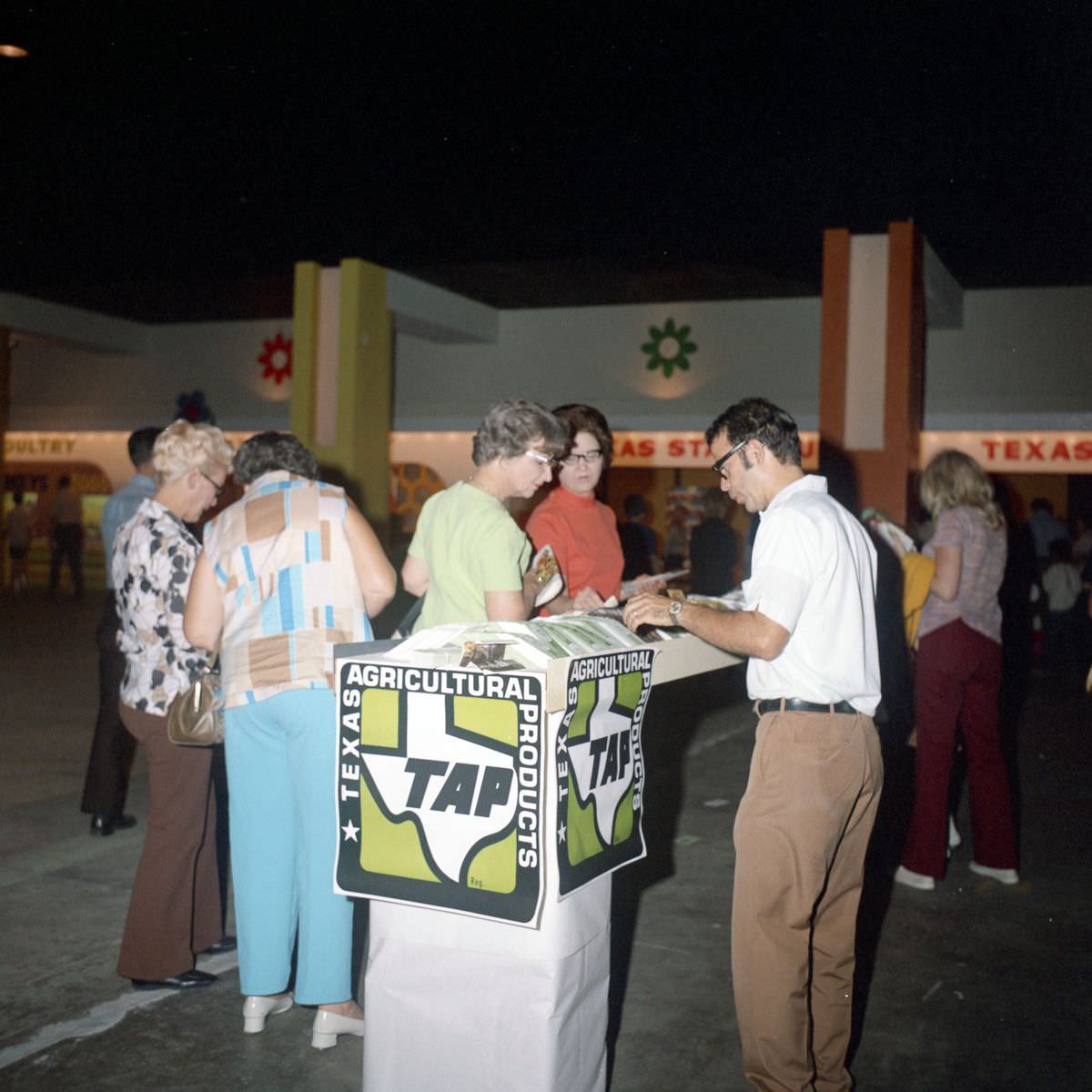
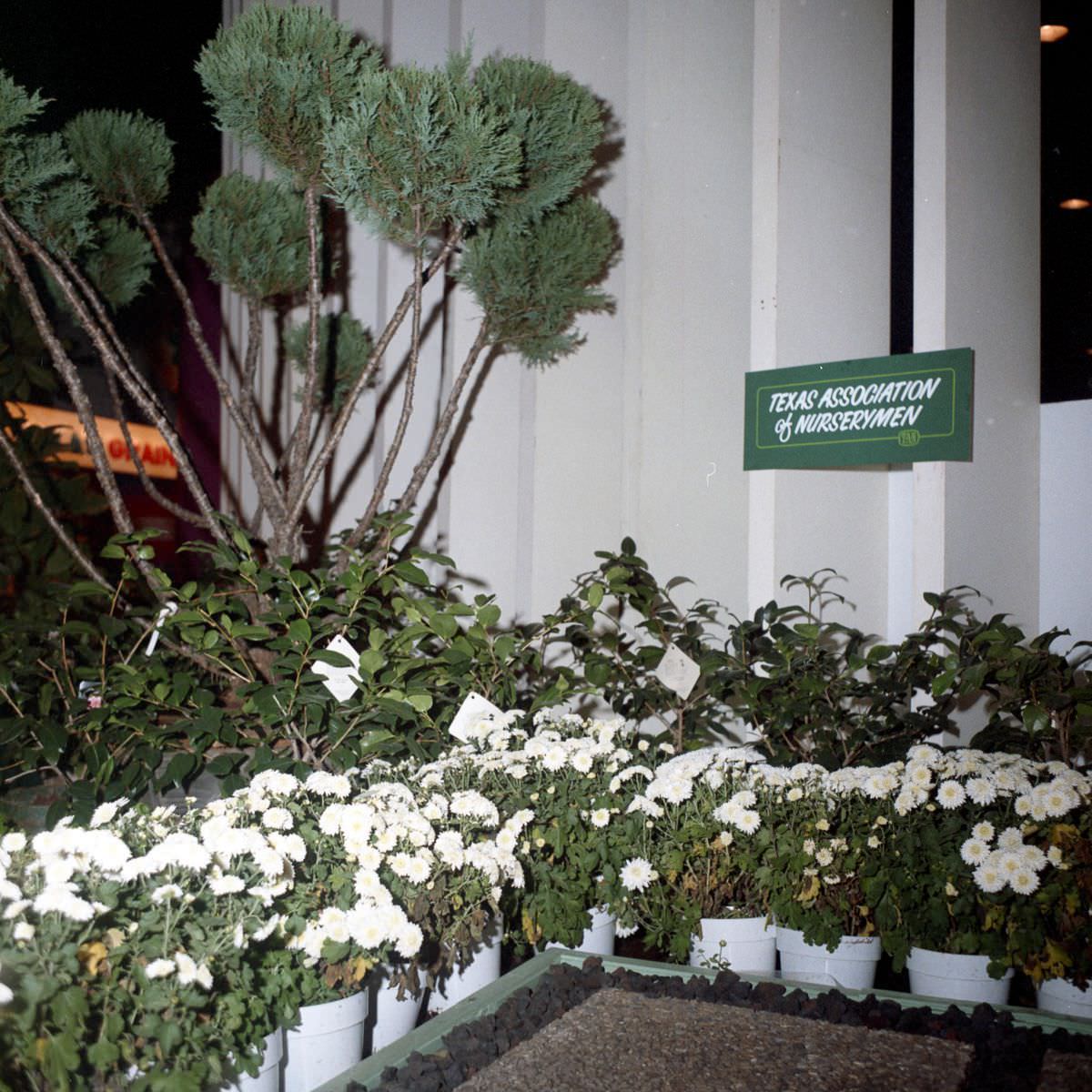
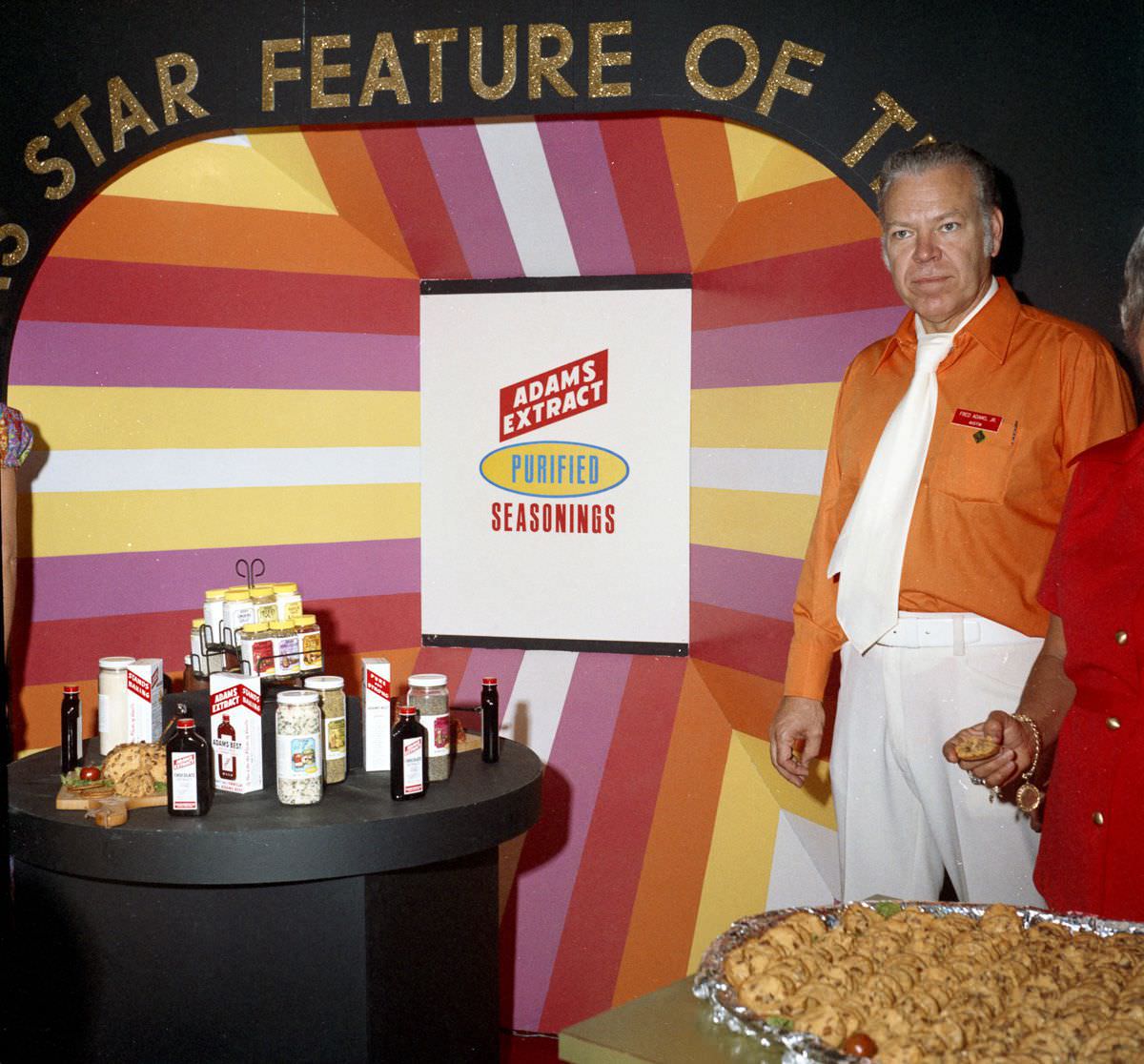
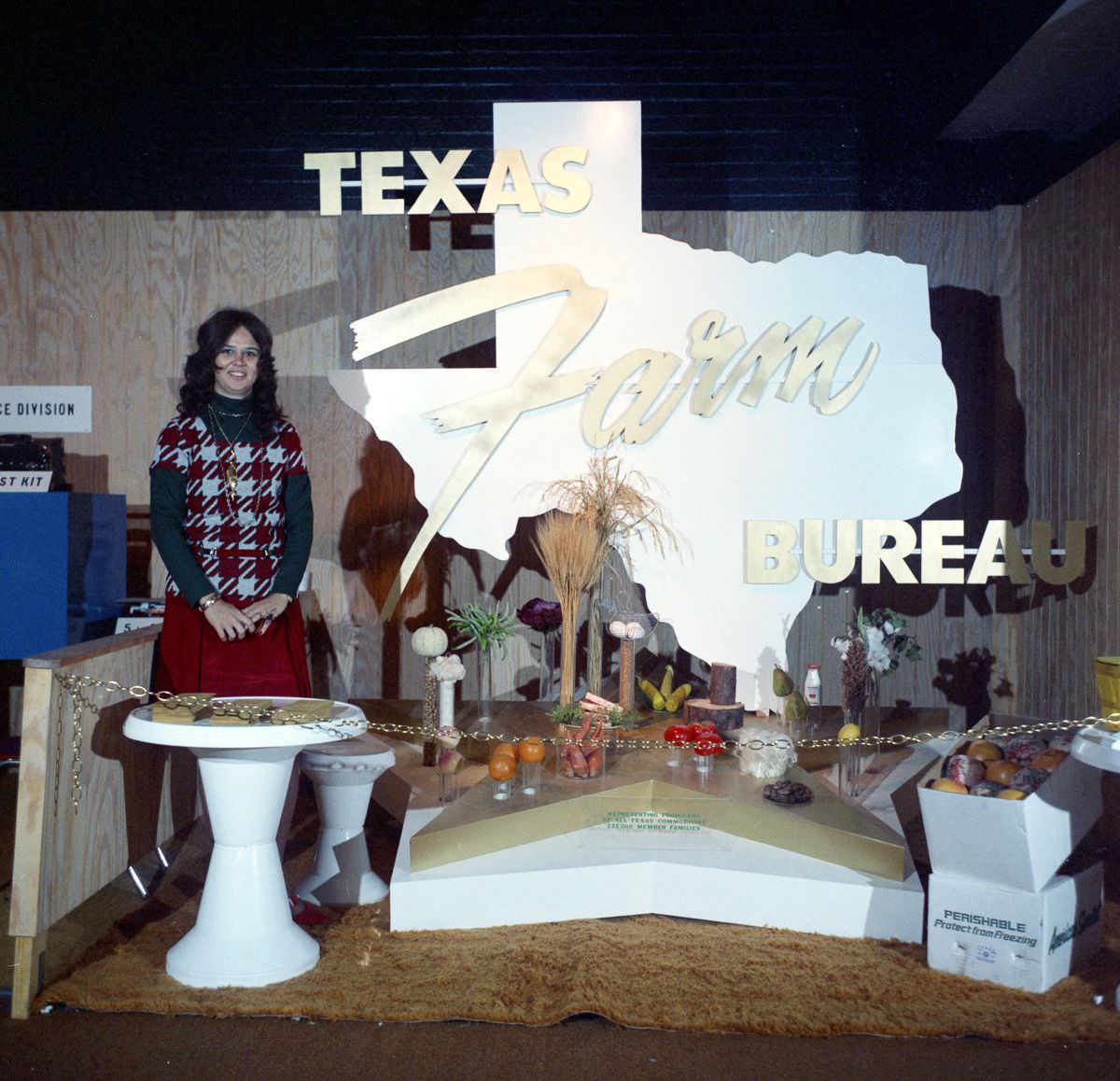
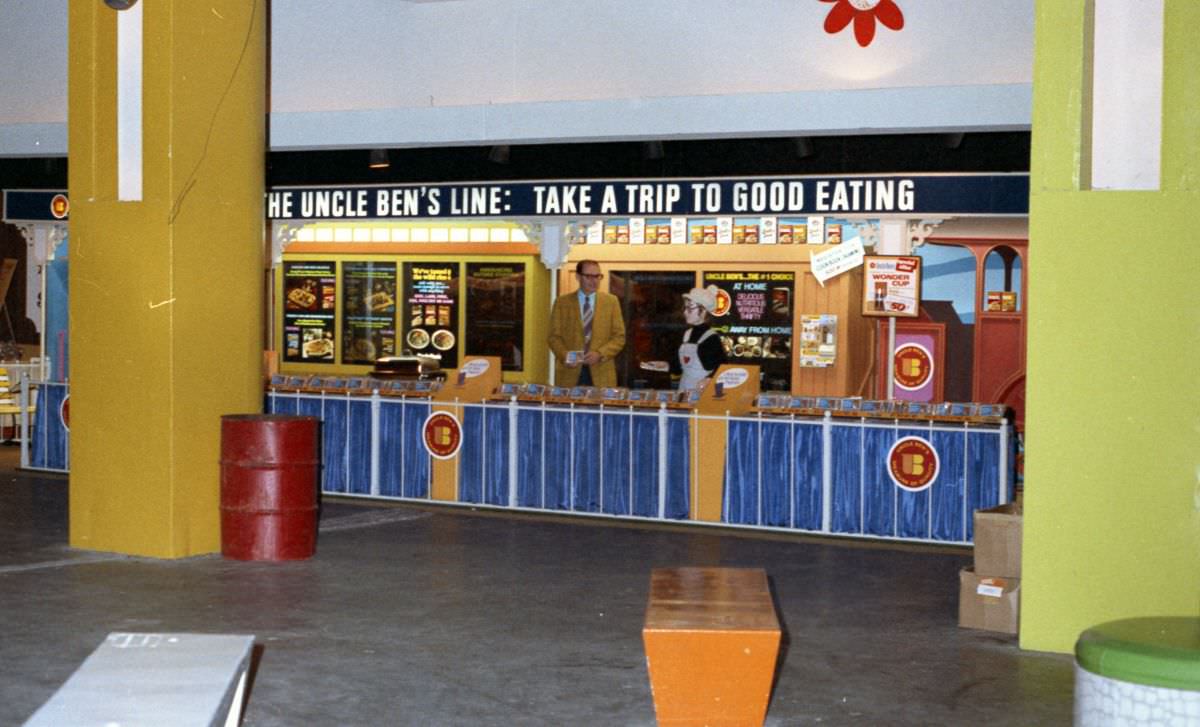
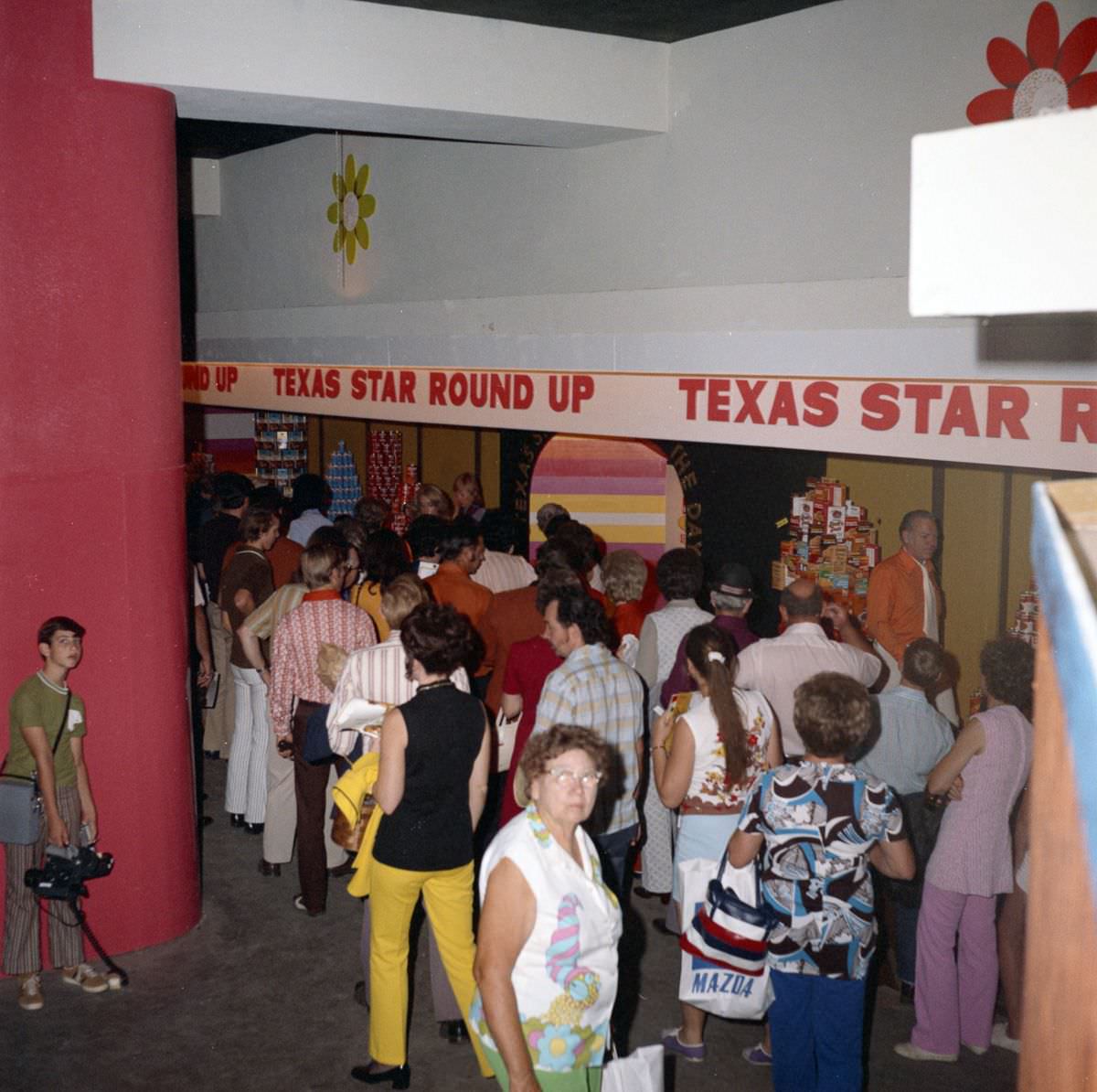
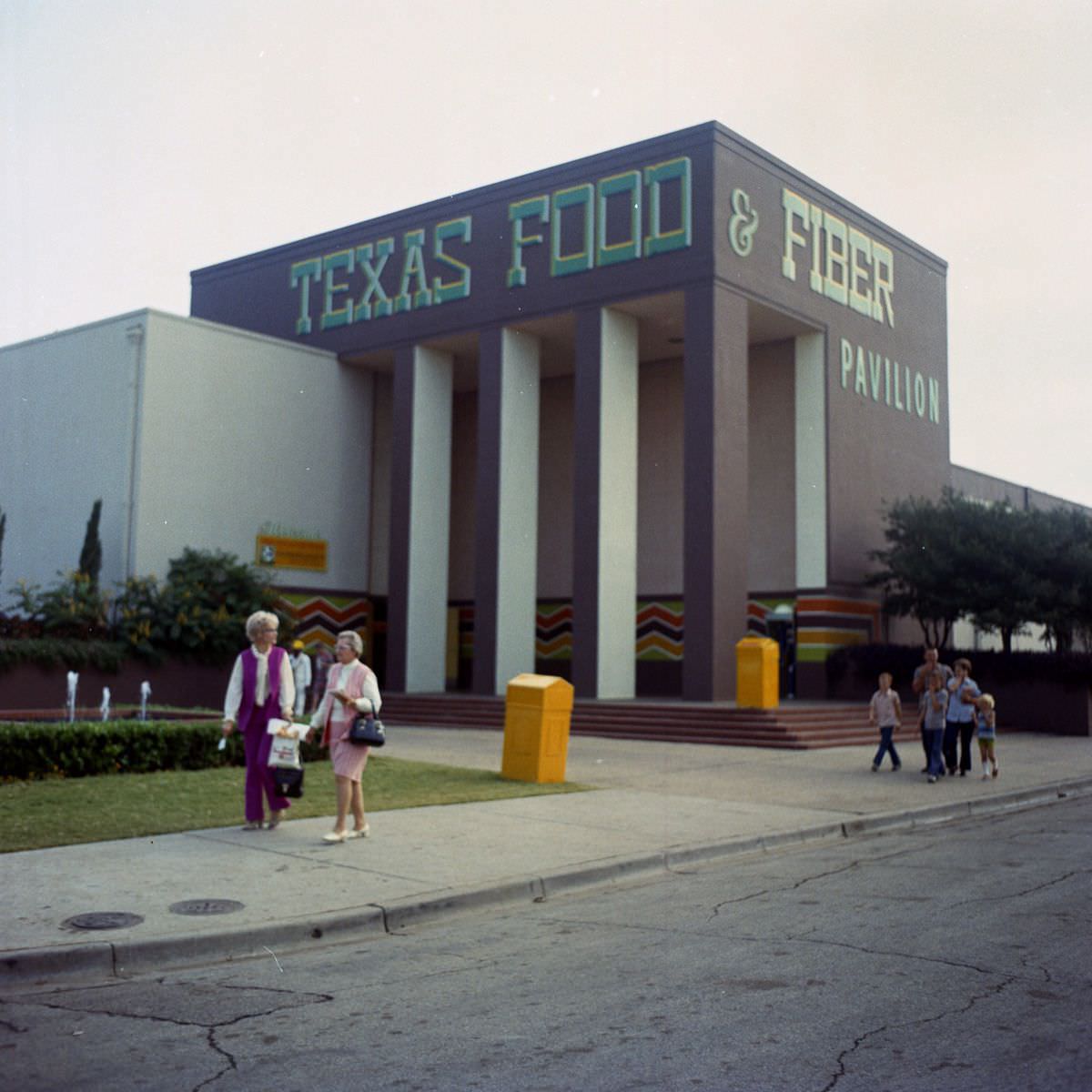
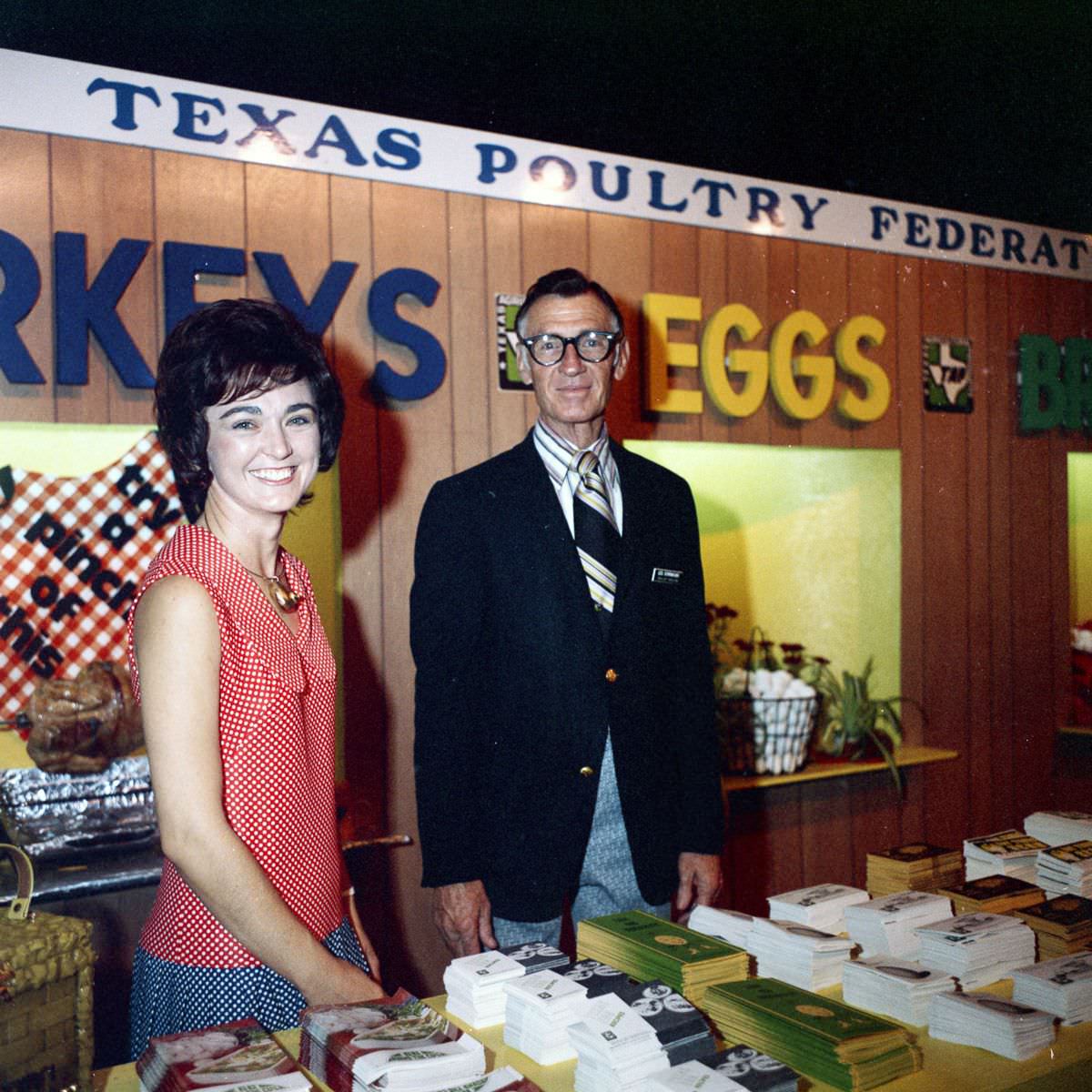
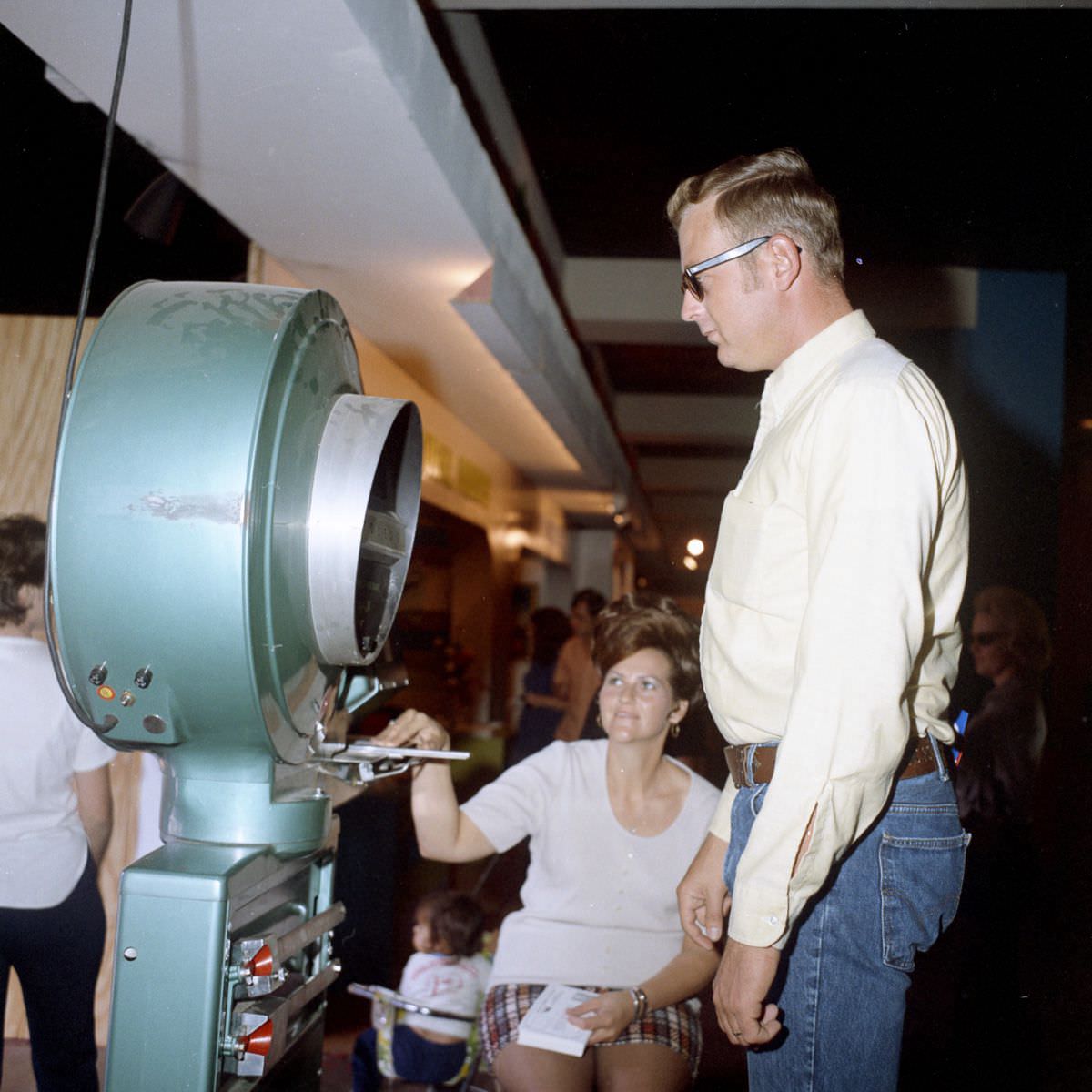
The 1972 exhibition hall was a busy, lively space. Vendors, displays, and demonstrators filled the floor, giving fairgoers a close look at the latest products and local crafts. These images capture the energy of that space — the crowds, the booths, and the everyday moments that made the fair what it was.
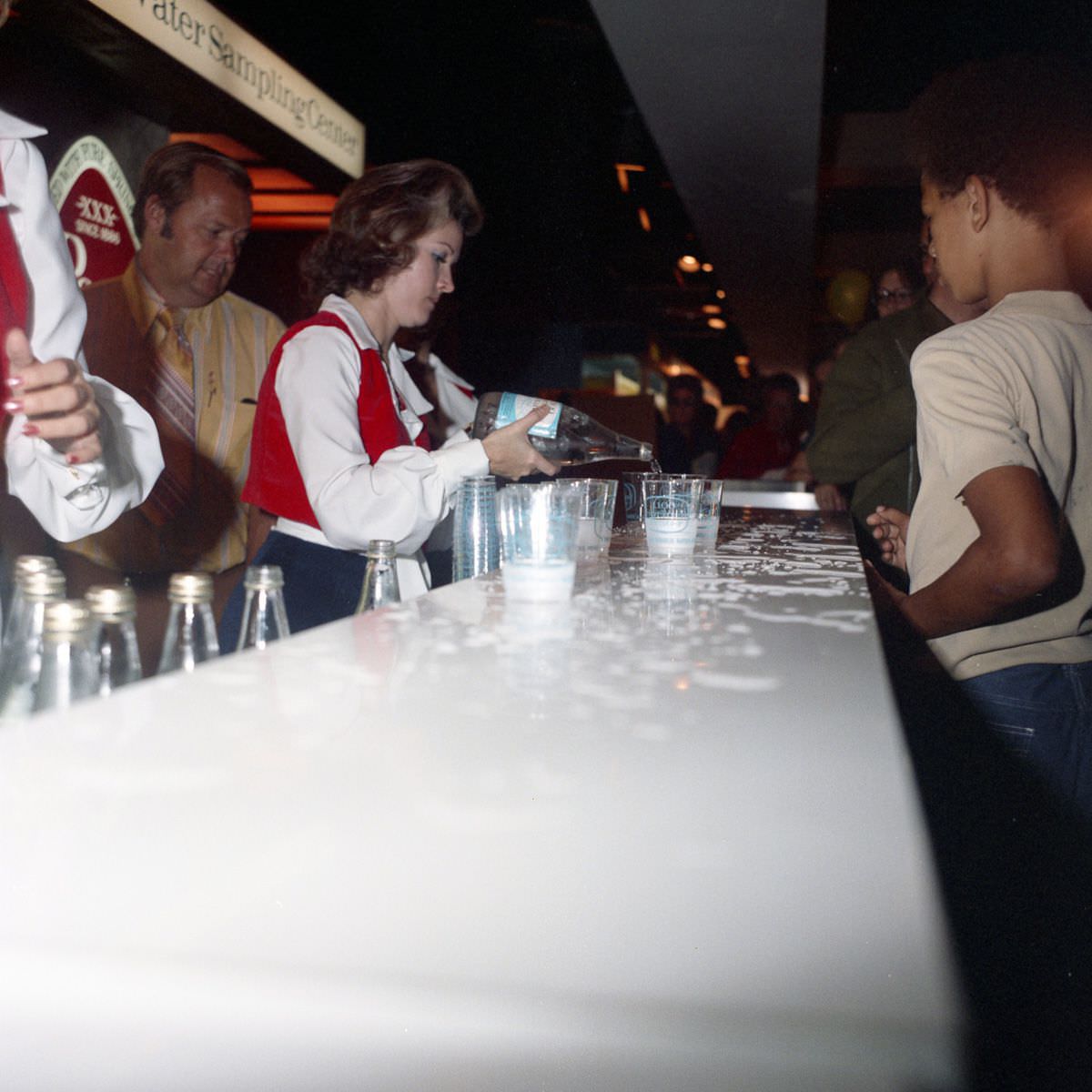
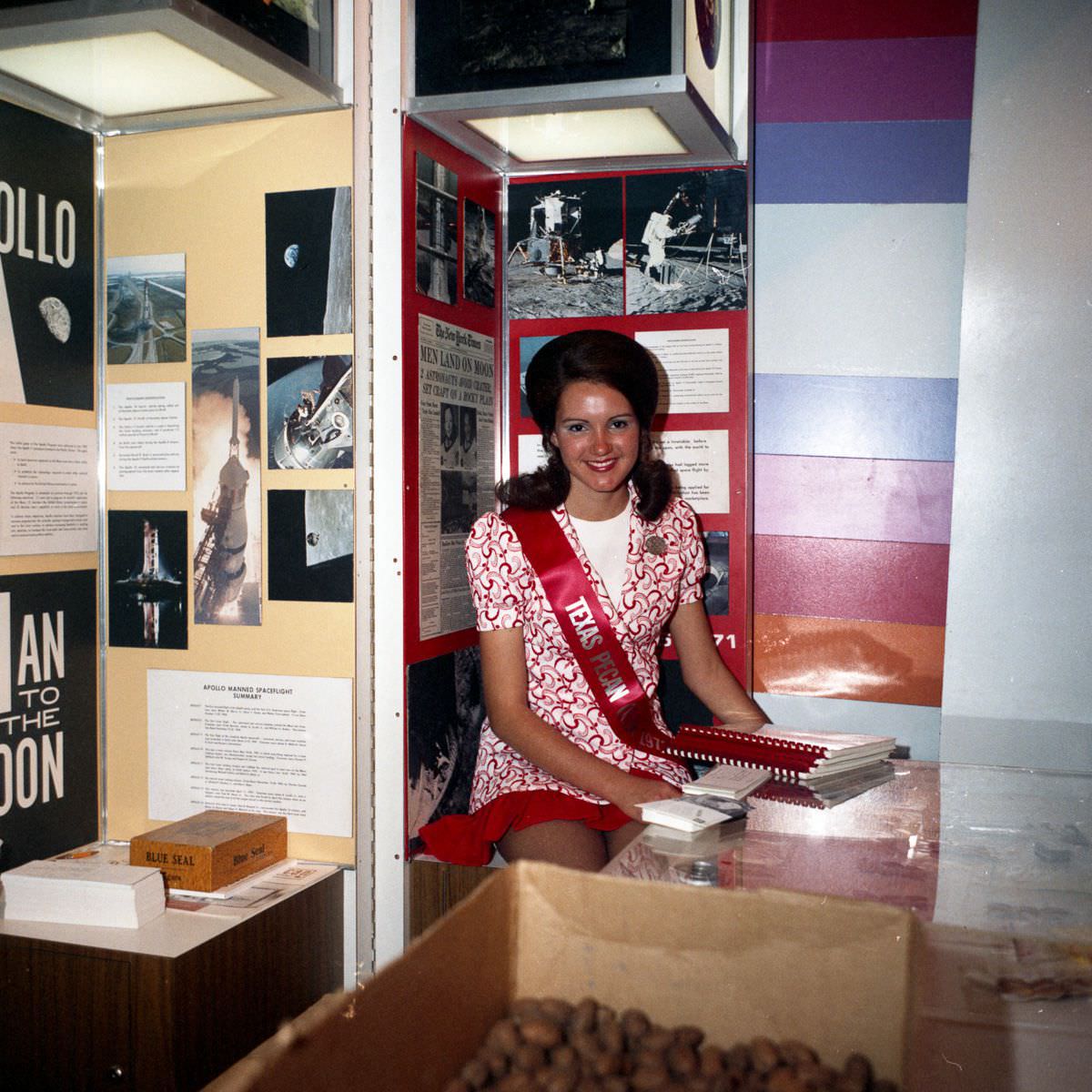
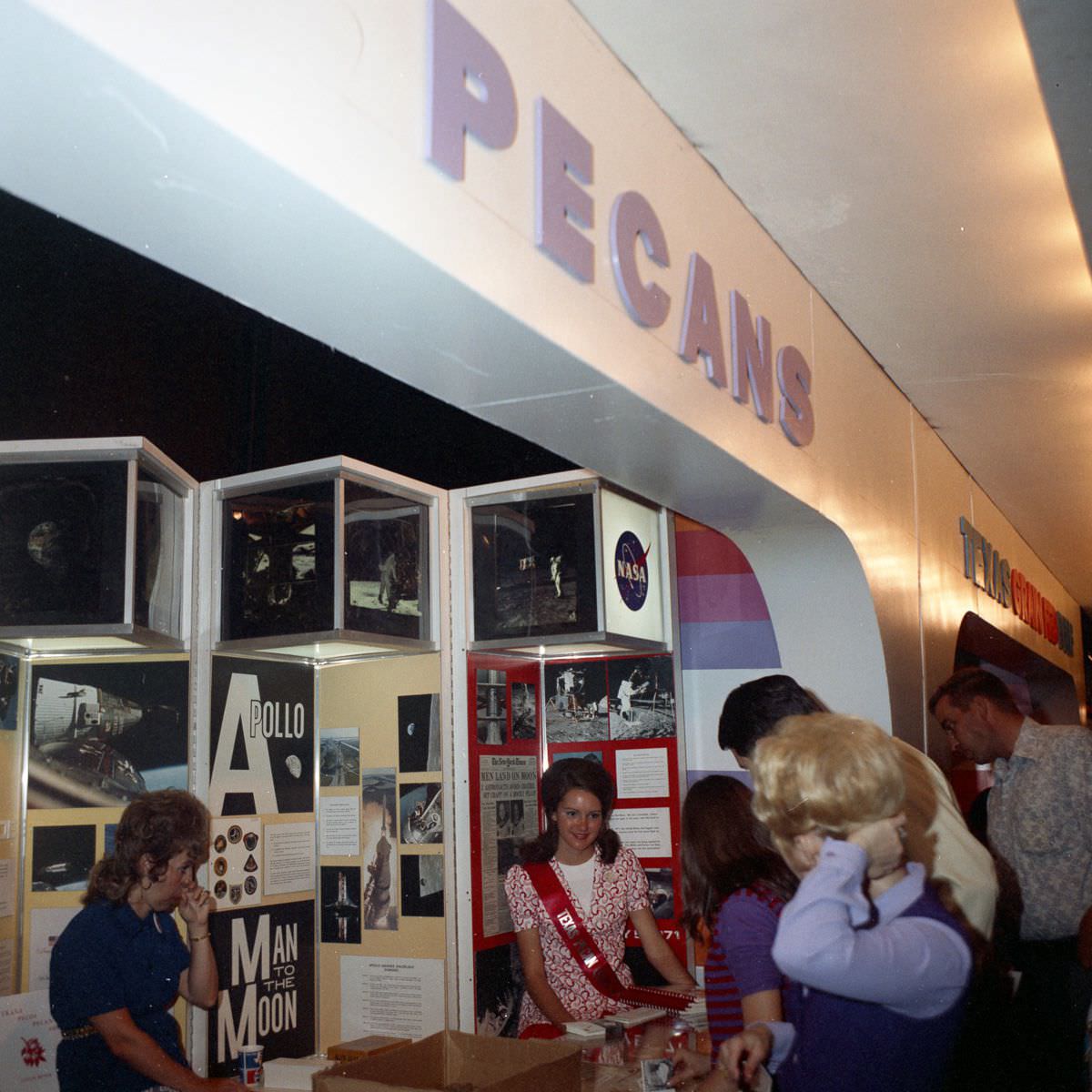
Inside the exhibition hall, attendees moved from booth to booth, taking in everything on offer. The fair was designed to entertain and inform at the same time — a place where commerce, agriculture, and community life all shared the same floor space.
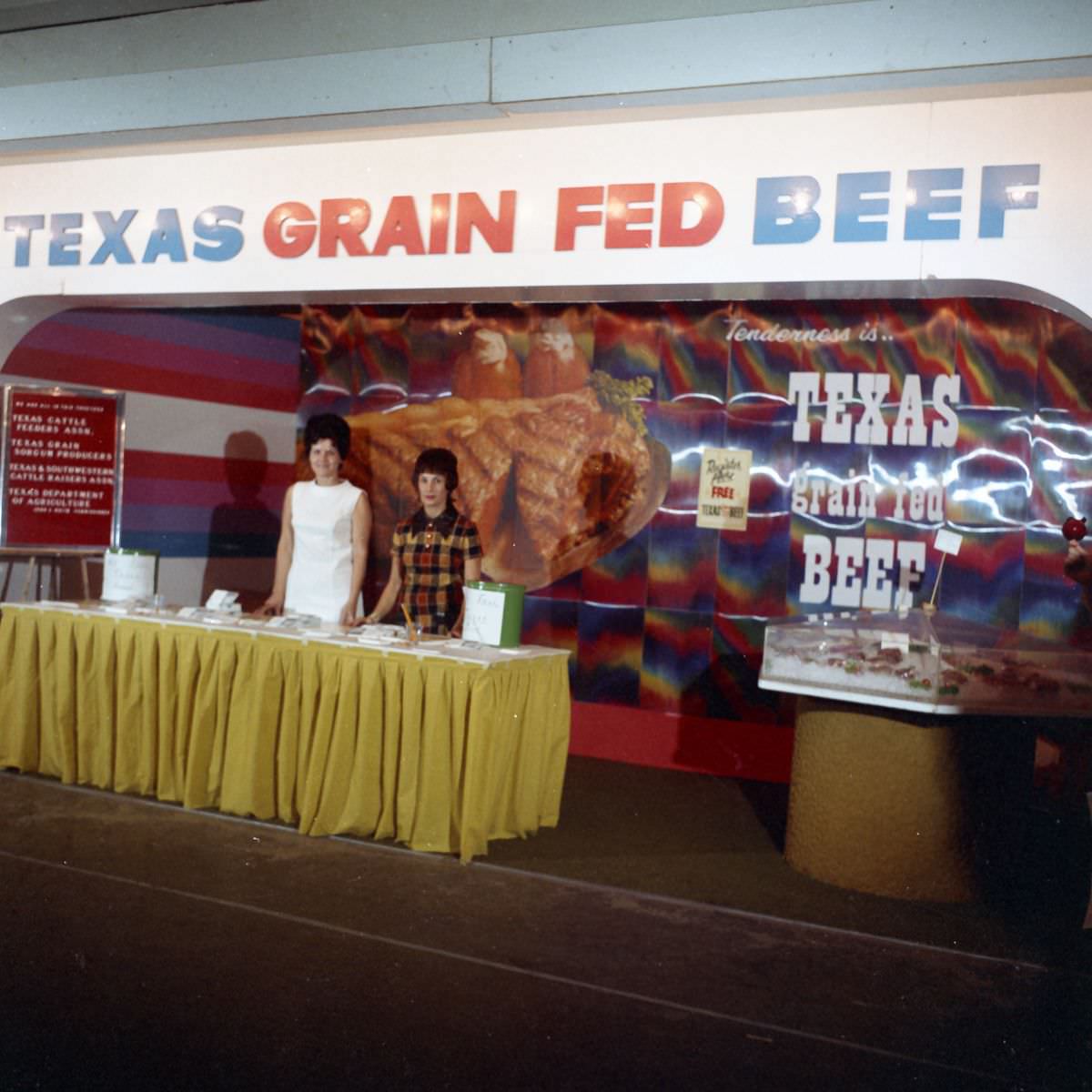
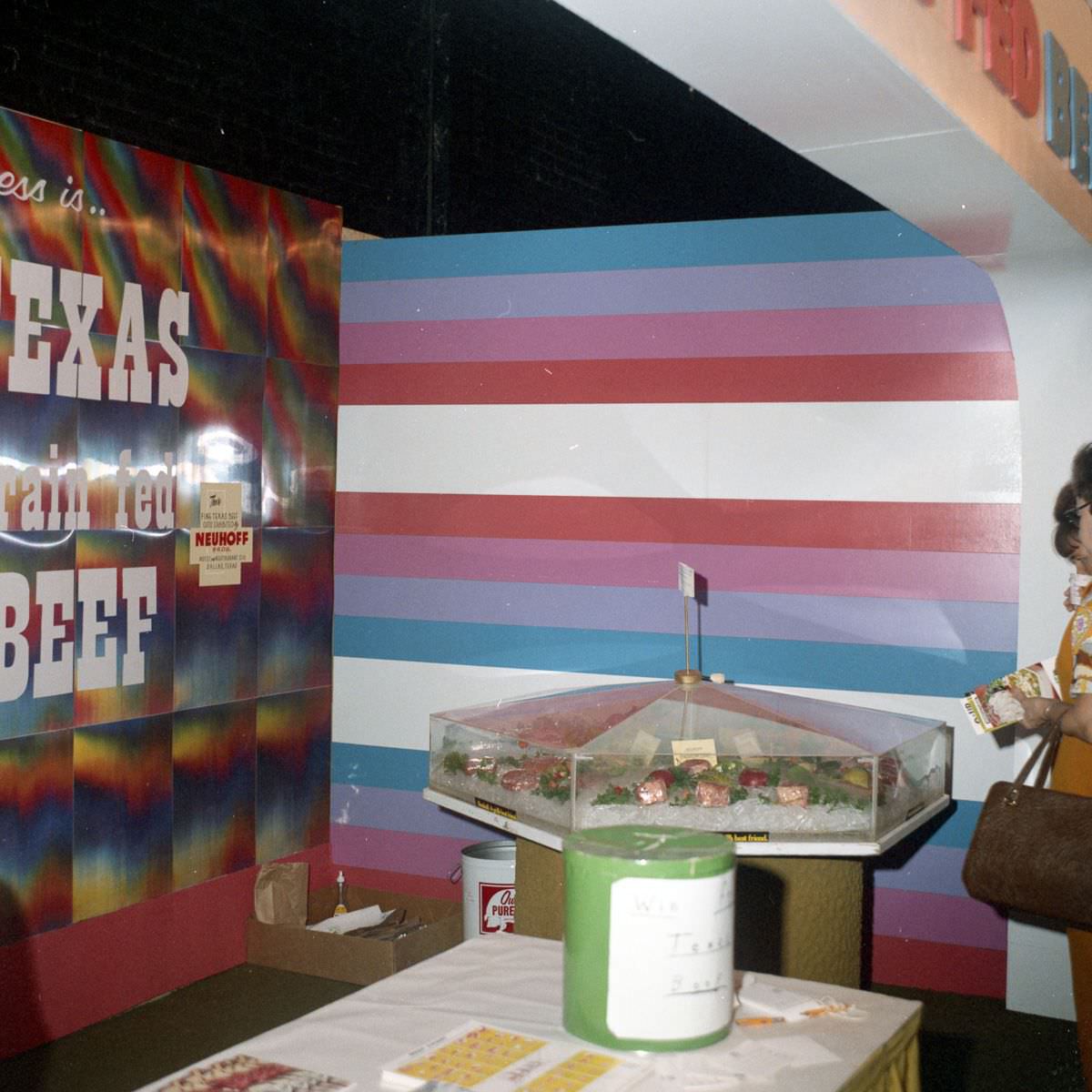
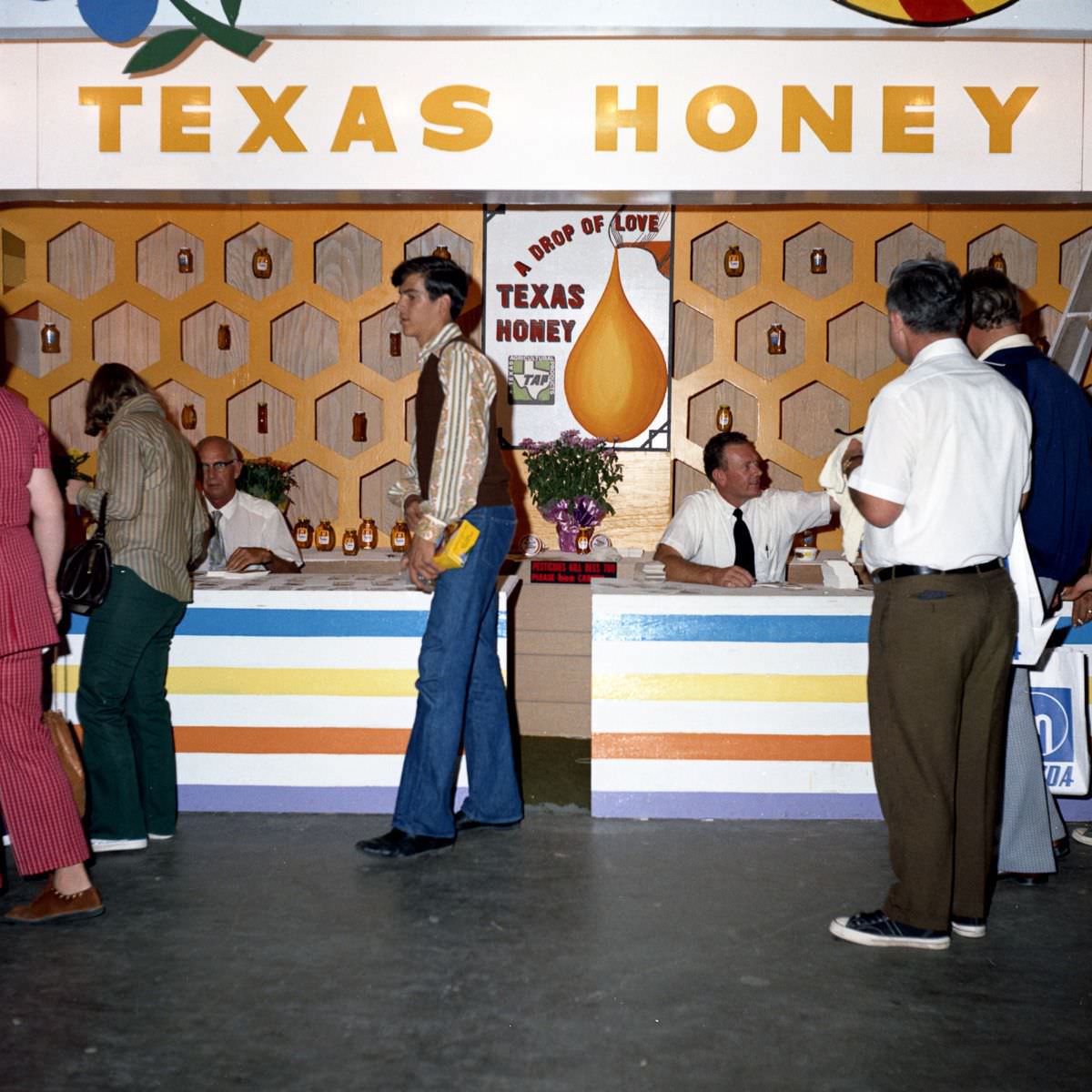
The clothing, hairstyles, and booth designs in these photos are unmistakably early 1970s. They serve as a time capsule, showing not just what the fair looked like but what everyday American life looked like in 1972. Every detail — the signage, the outfits, the product displays — tells part of that story.
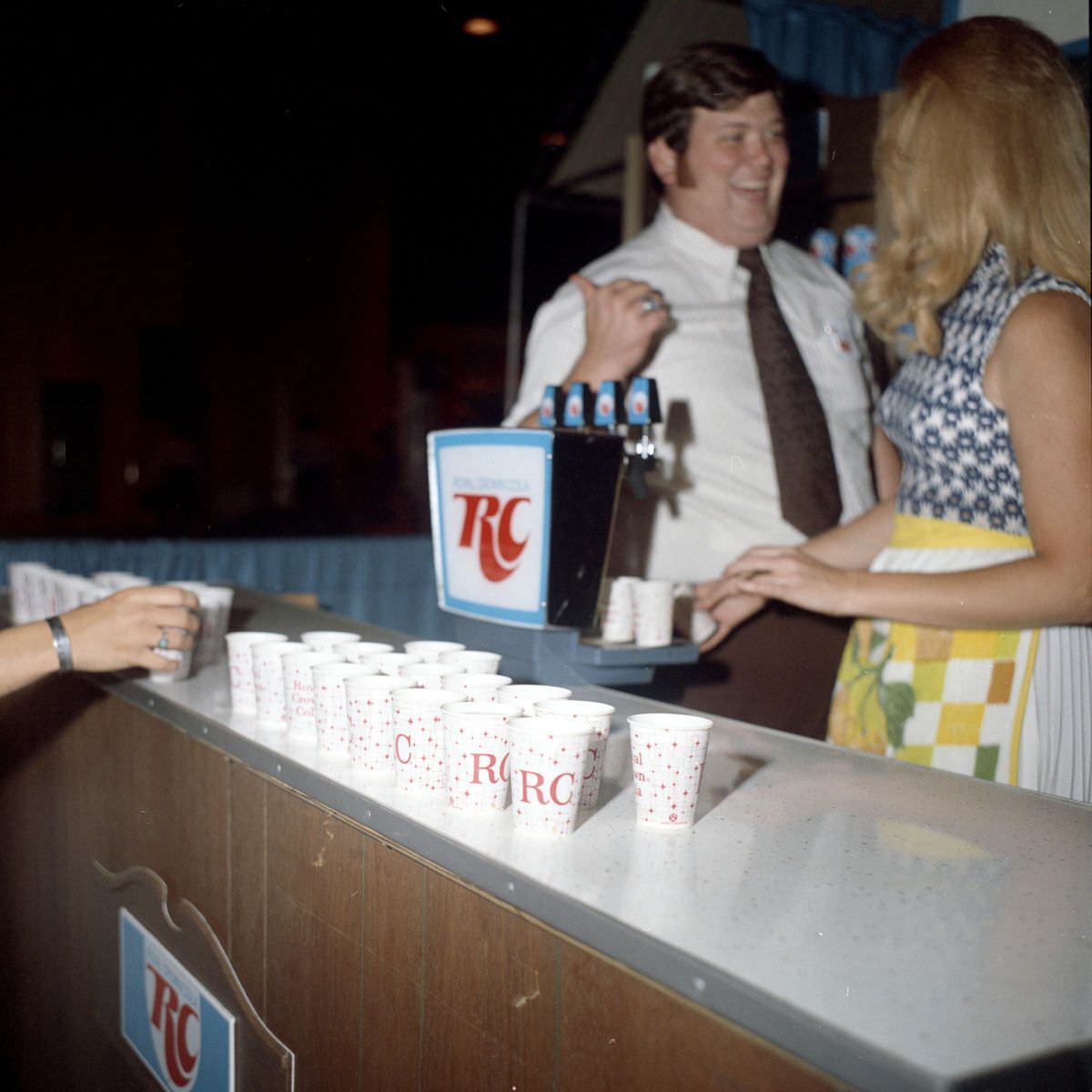
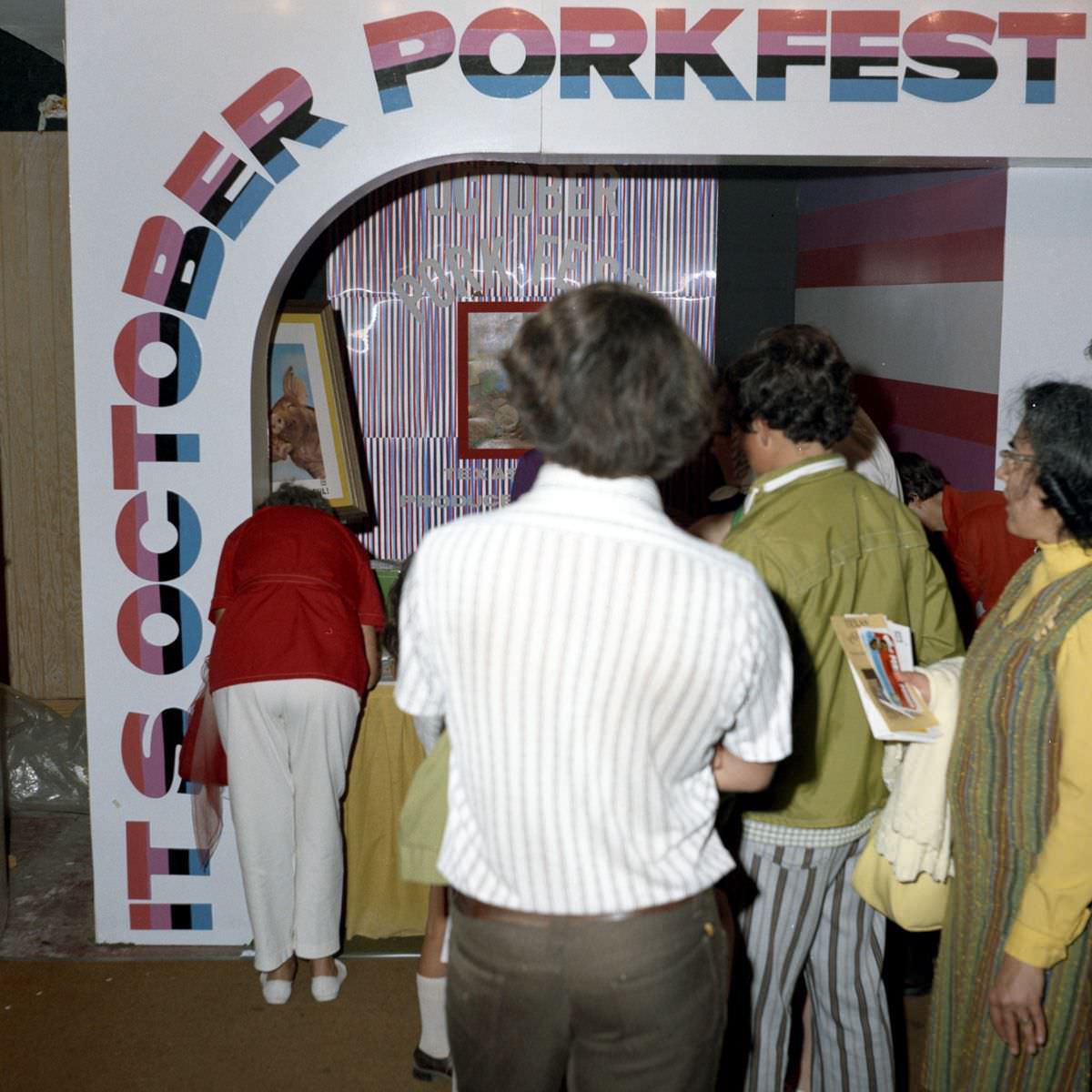
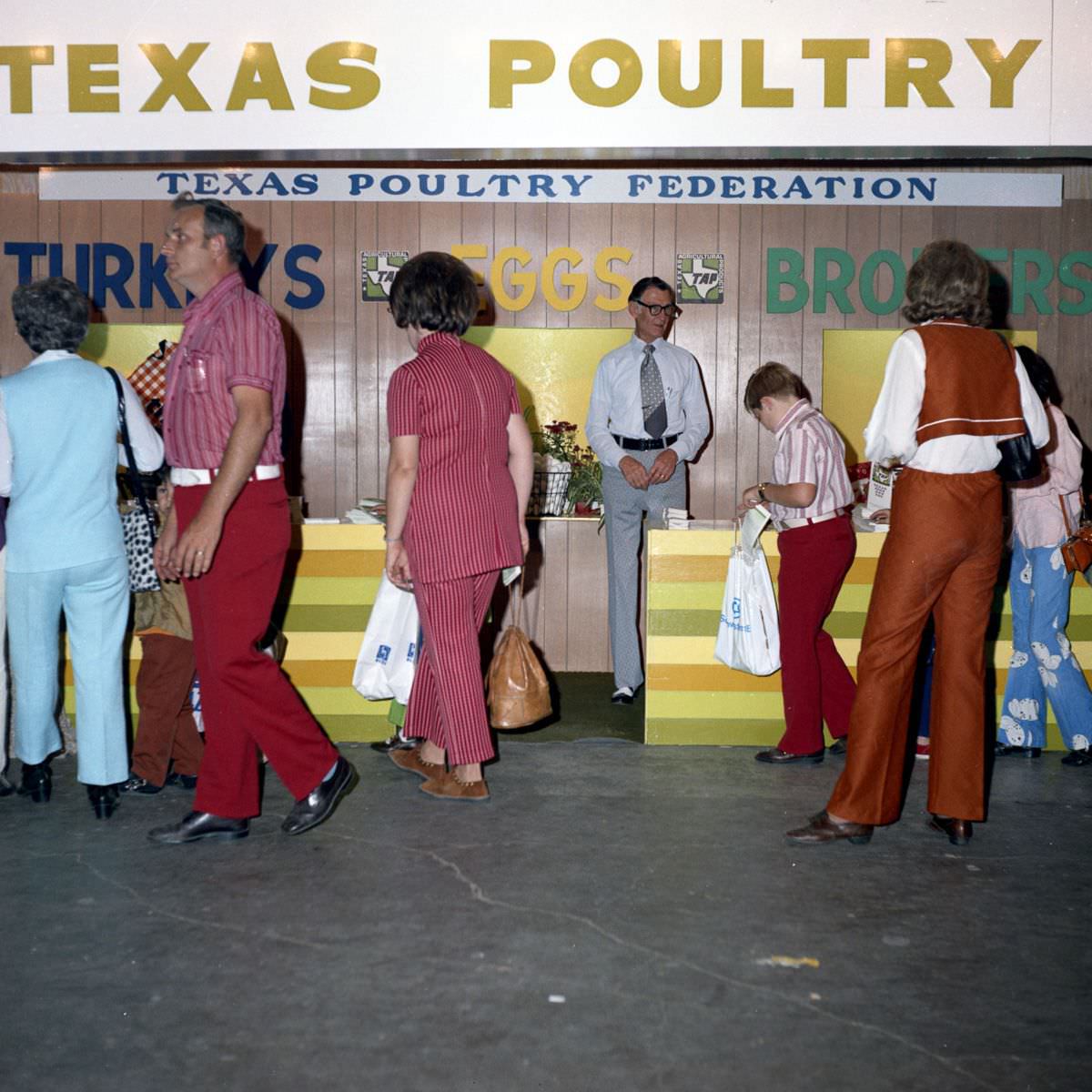
Visitors in 1972 came for many of the same reasons people had been showing up since 1887. The fair offered something for nearly everyone — from farm families checking in on agricultural exhibits to city residents looking for a day of entertainment and good food.
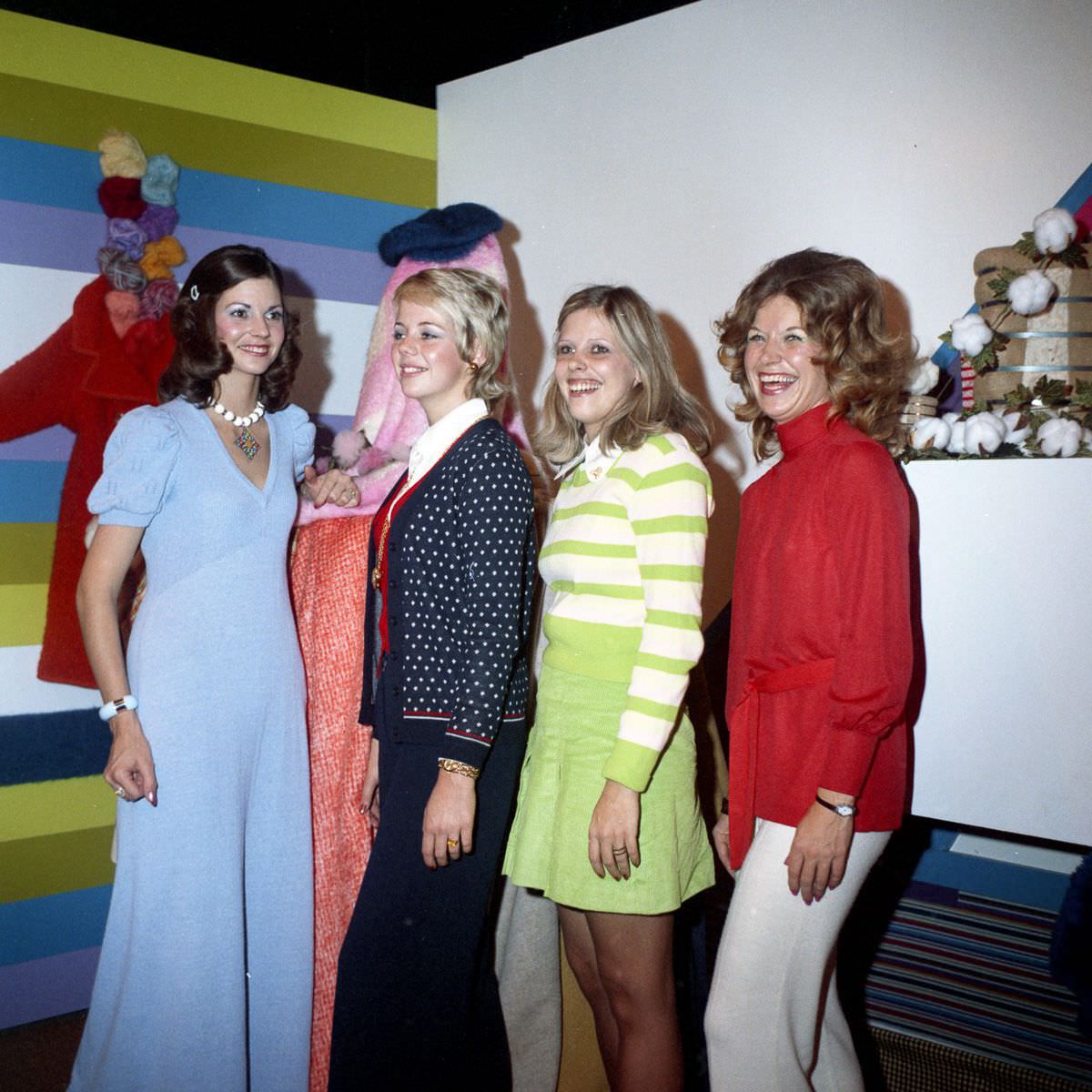
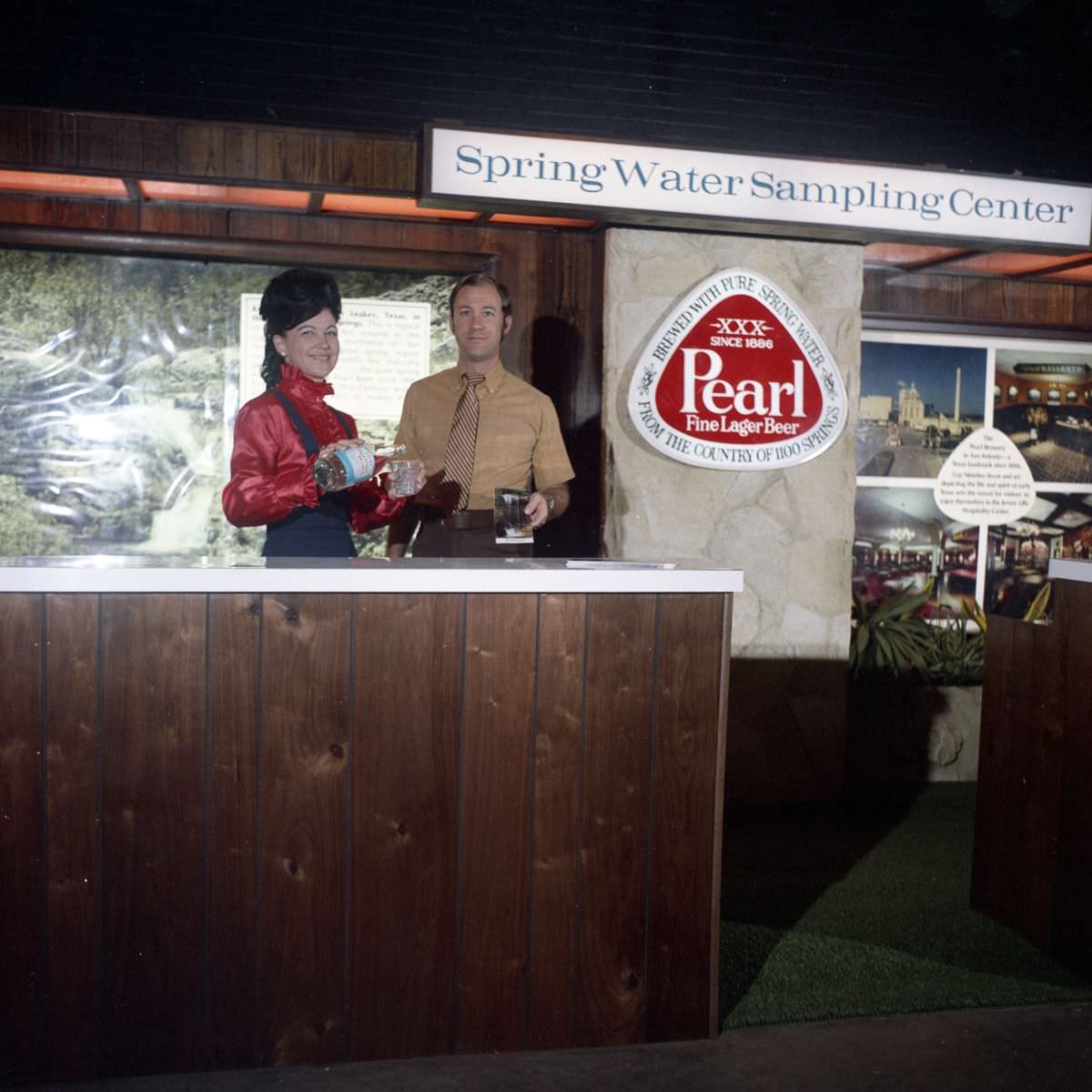
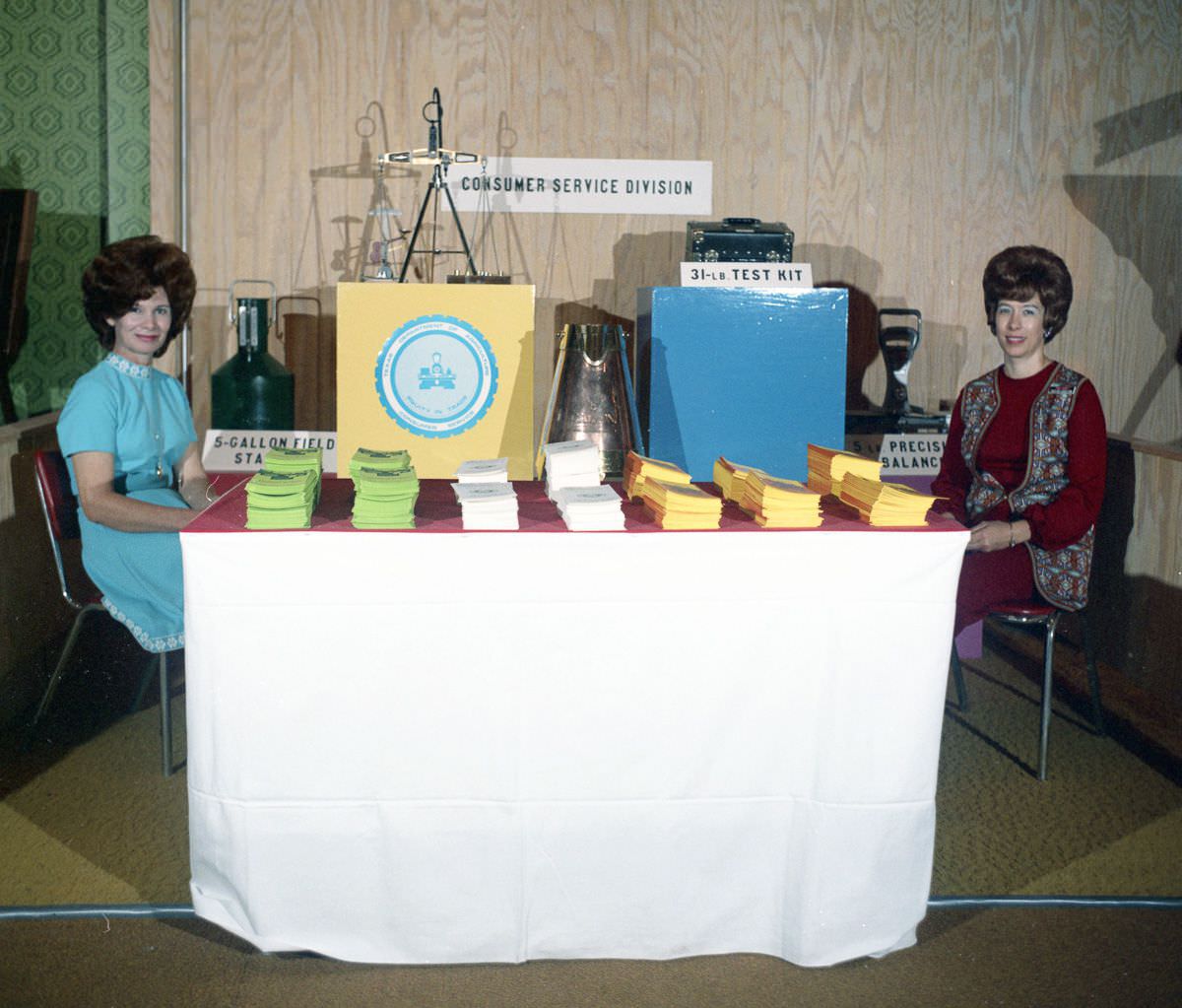
These photographs preserve a specific slice of the fair’s long history. The 1972 exhibition hall shots document a year when the fair was already well past its first century mark and still drawing enormous crowds. The Pecan Queen’s role as host that year added a distinctly Texan flavor to the proceedings.