Before World War II changed everything, American automakers were daring to dream bigger than ever. Chrysler was no exception. In 1941, the company unveiled the Thunderbolt — one of the earliest true concept cars ever built. It wasn’t a showroom model dressed up for attention. It was a deliberate statement about where automotive design was heading.
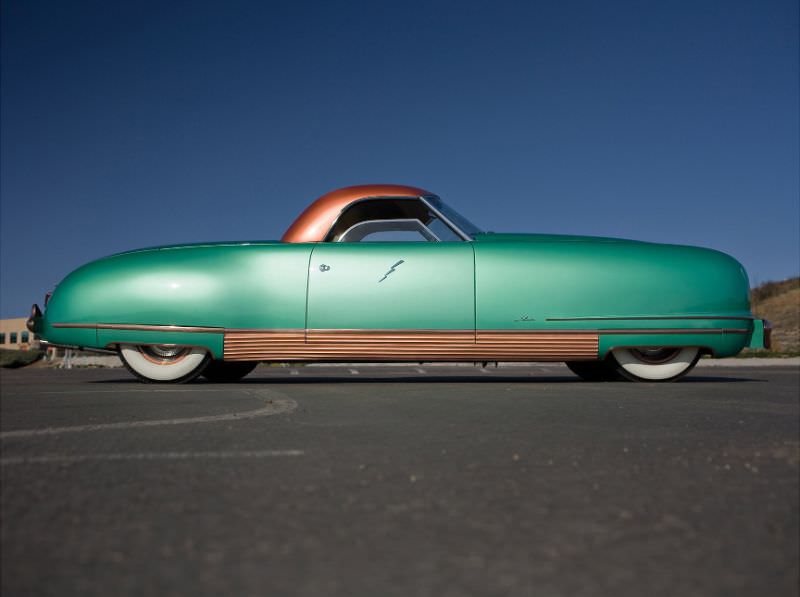
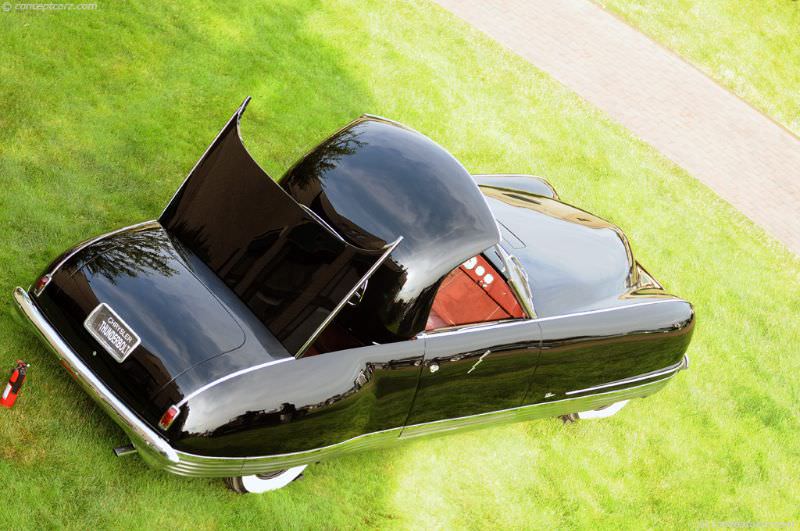
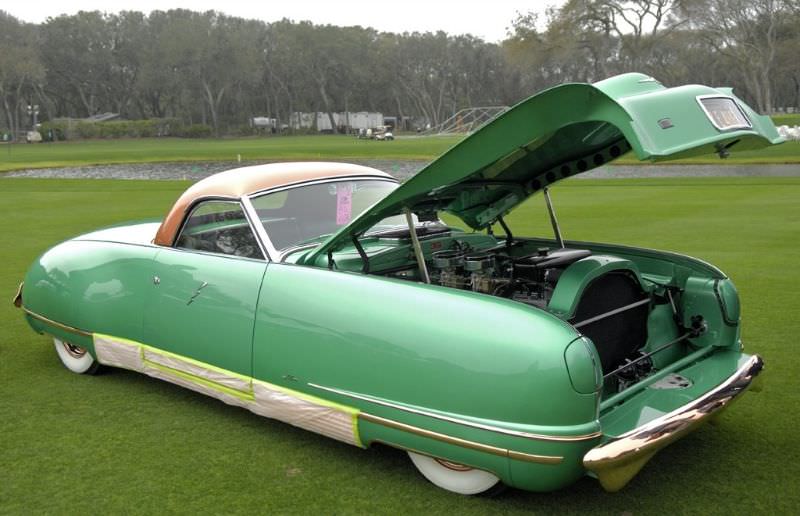
The Thunderbolt’s body was sleek and aerodynamic, with smooth, rounded fenders and a low-slung stance that looked nothing like the boxy cars common at the time. Its two-tone paint scheme — contrasting colors on the roof and body — was a fresh, modern touch that stood out on the show floor.
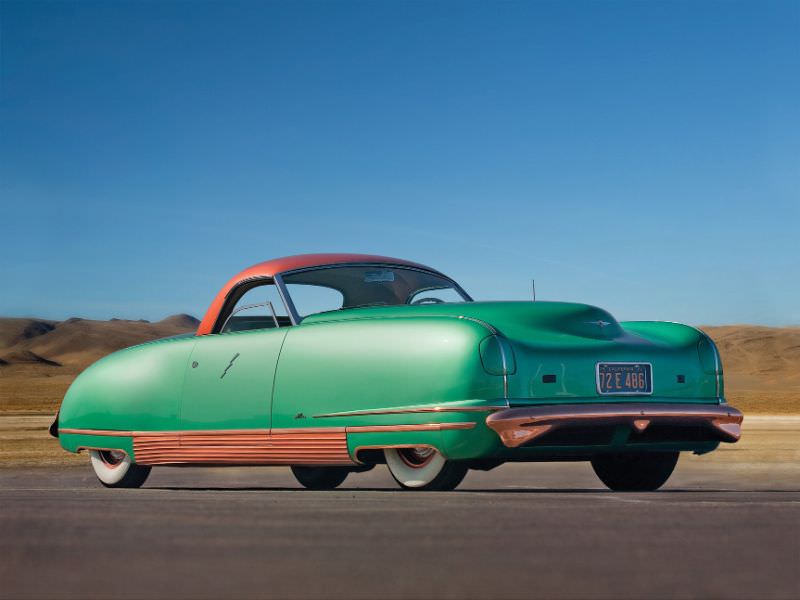
Every curve on the exterior had a purpose. The streamlined shape reduced drag and gave the car a sense of speed even when standing still. Designers leaned into clean lines and avoided unnecessary ornamentation, which was a bold move for an era when chrome and decoration were the norm.
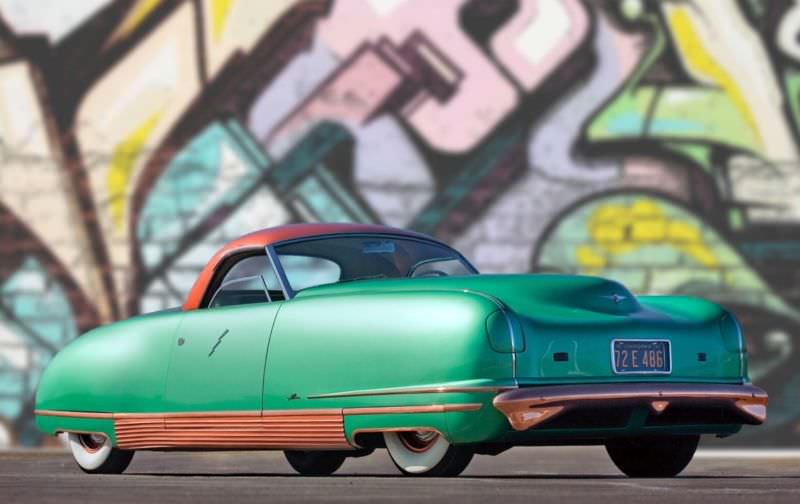
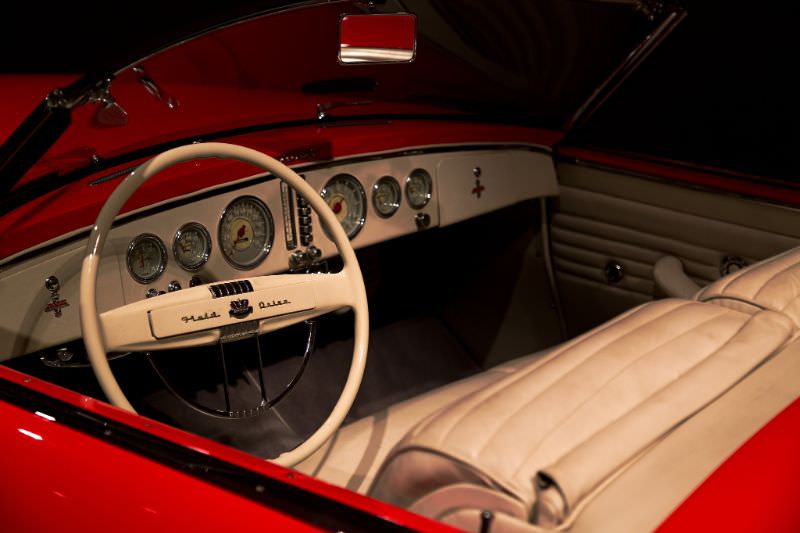
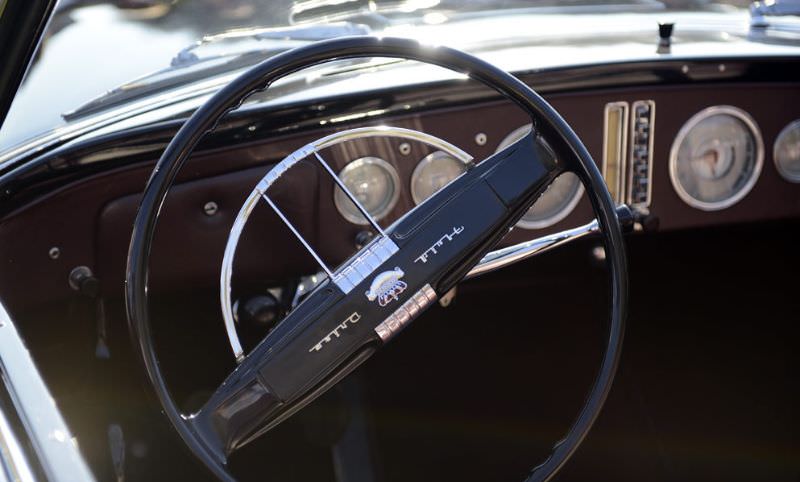
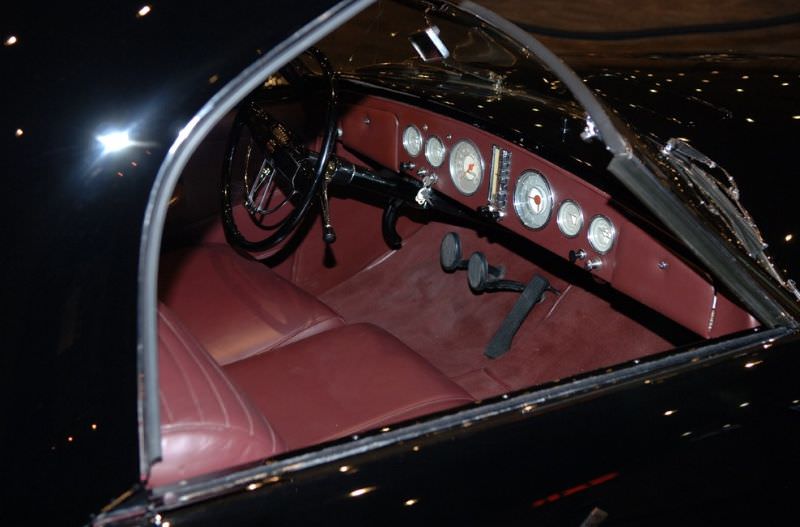
Step inside and the Thunderbolt continued to impress. The interior was finished in high-quality materials with a minimalist, streamlined layout. The cabin felt open and airy — spacious by the standards of 1941. There was no visual clutter, just a clean, forward-thinking design that matched the boldness of the exterior.
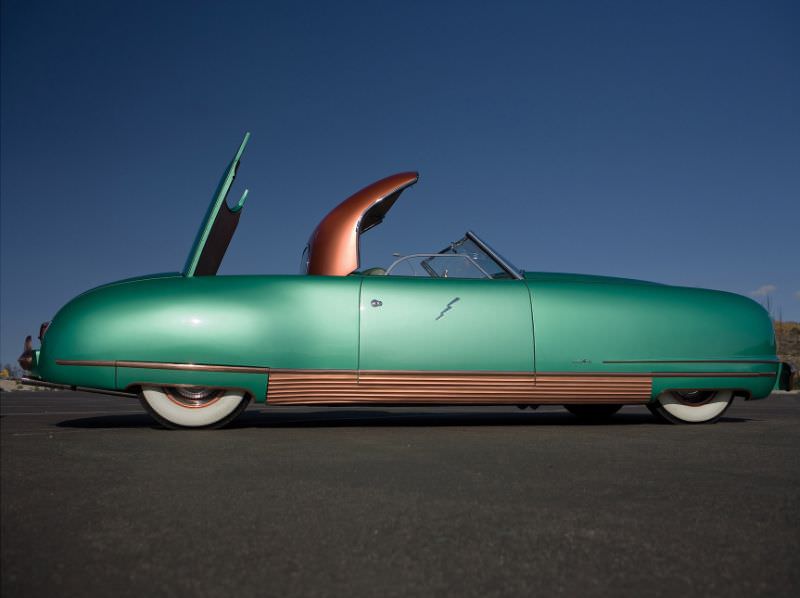
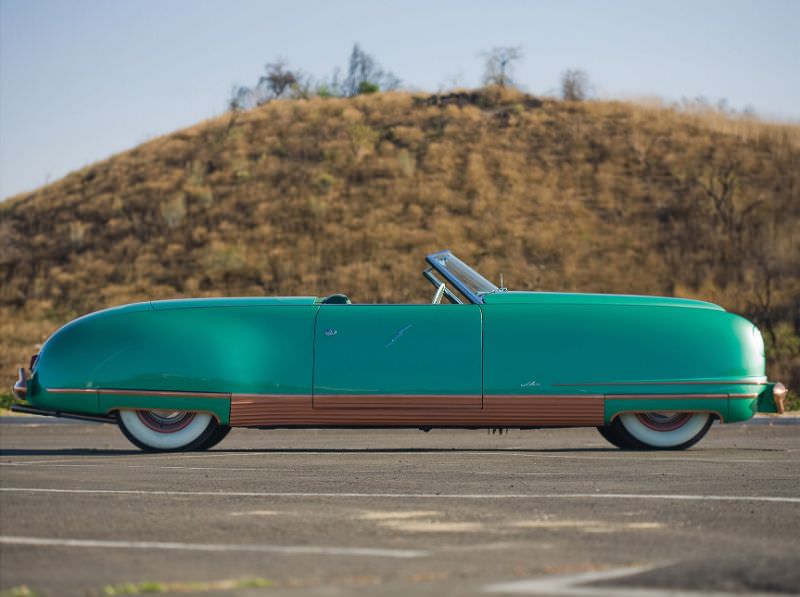
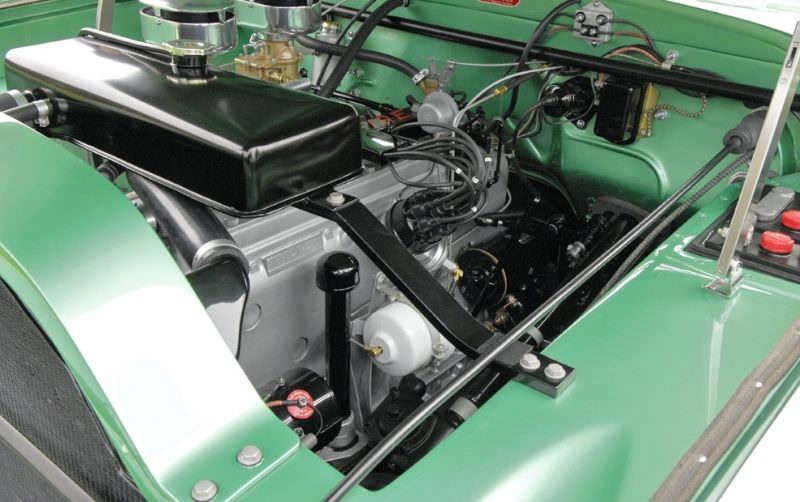
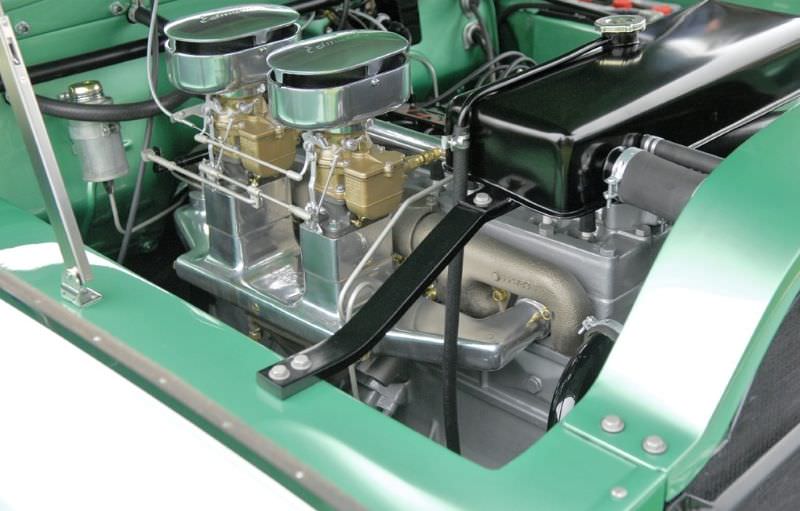
Under the hood sat a 5.4-liter inline-eight engine producing 135 horsepower. Power was sent through a three-speed manual transmission. The engine was mounted up front, and the car used a front-wheel-drive layout — a genuinely unusual setup for an American car in 1941 and a major point of engineering interest.
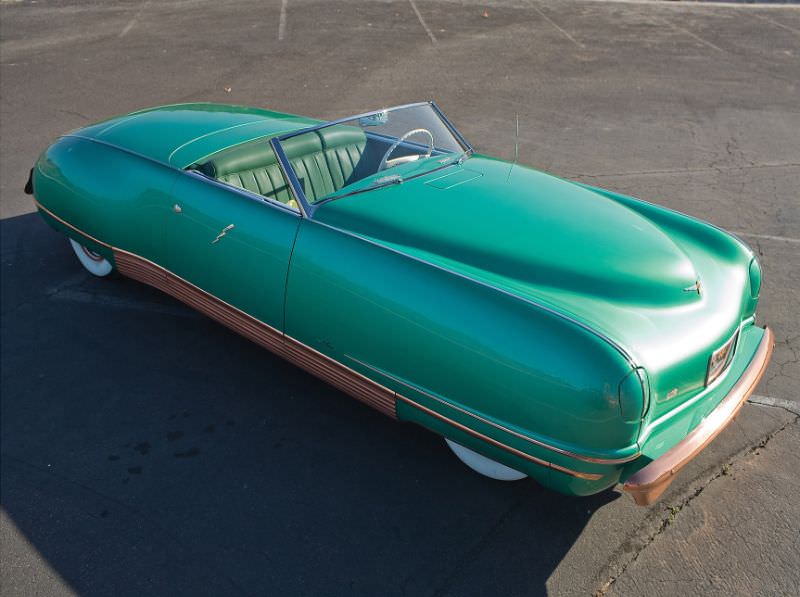
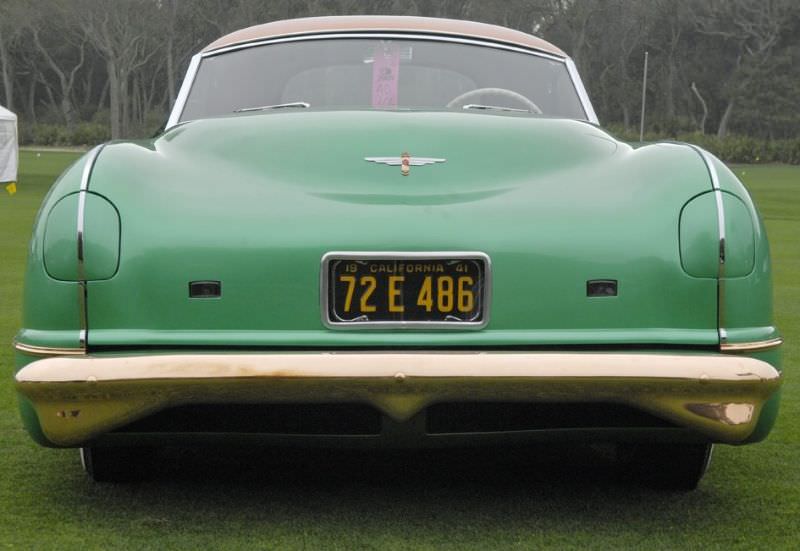
Front-wheel drive gave the Thunderbolt better traction characteristics and freed up interior space, since there was no need for a large rear-drive tunnel cutting through the cabin. For engineers watching automotive trends, it was a configuration worth taking seriously.
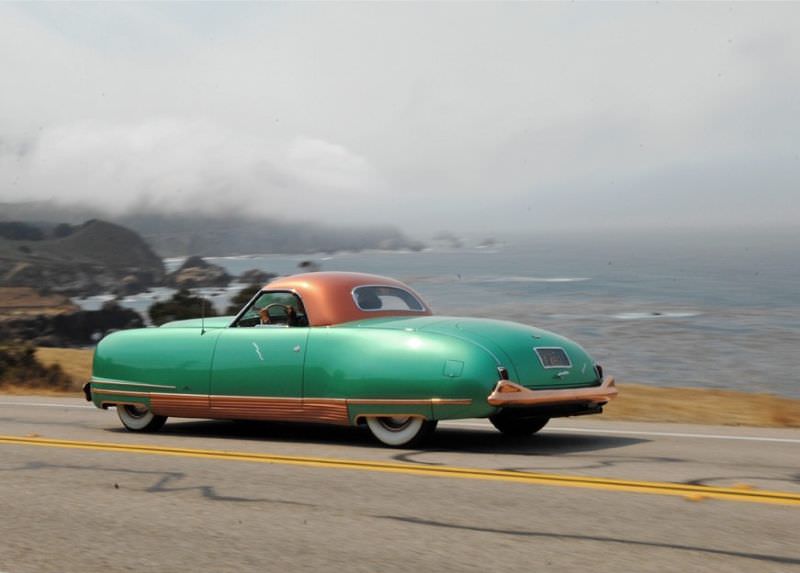
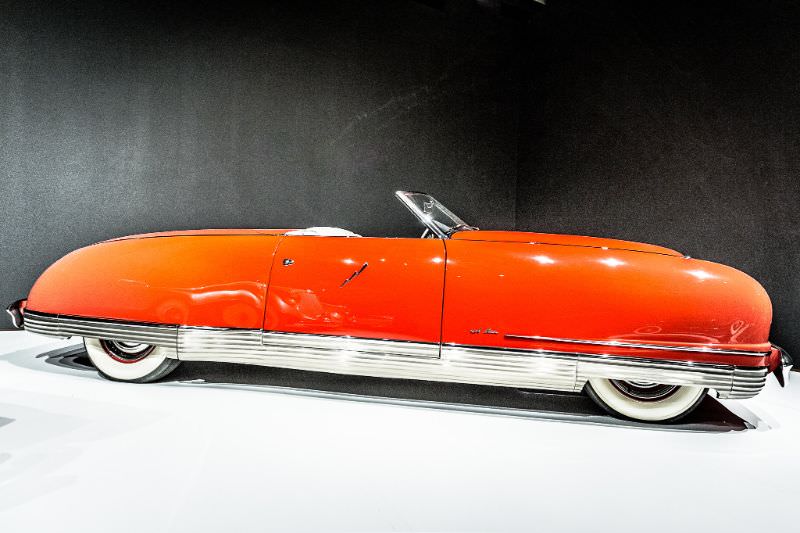
Only one Thunderbolt was ever built. Chrysler never put it into production. Instead, the single example traveled to auto shows and public events throughout the 1940s, drawing crowds wherever it appeared. Audiences recognized it as something genuinely different — not just a car, but a preview of what motoring could become.
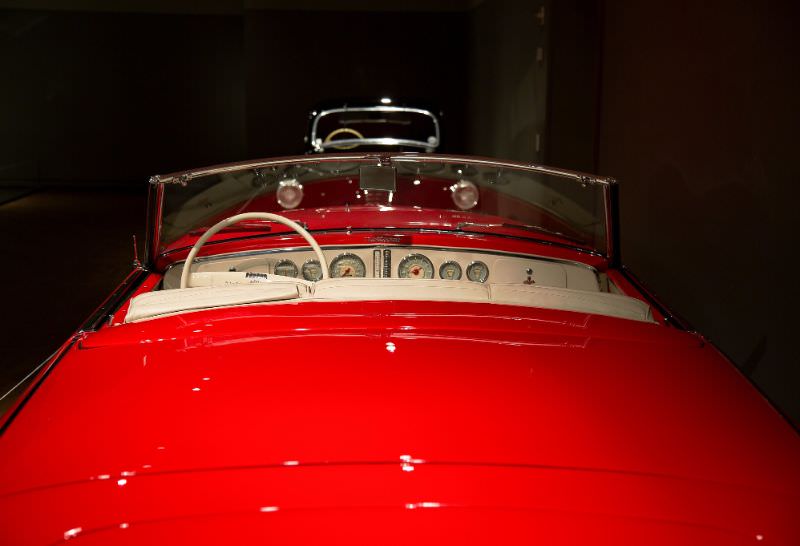
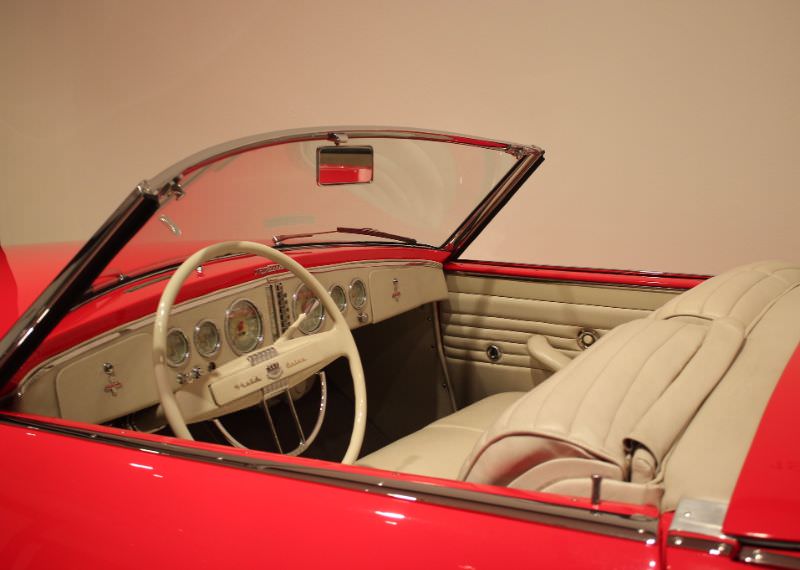
The timing of its debut, just before the United States entered World War II, meant civilian automobile production would soon halt entirely. The Thunderbolt existed in a narrow window — a moment when designers still had the freedom to push boundaries before wartime priorities took over.
What makes the Thunderbolt significant is how early it arrived. Concept cars as a formal category of automotive design were barely established in 1941. Chrysler’s decision to build a full working example — rather than just sketches or a non-running shell — showed real commitment to the idea.
The Thunderbolt packed genuine mechanical substance alongside its striking looks. The inline-eight engine, the front-wheel-drive layout, and the aerodynamic body all worked together as a cohesive package — not a collection of gimmicks, but a real engineering effort wrapped in a dramatic shell.
Today, the 1941 Chrysler Thunderbolt stands as a one-of-a-kind artifact from a transformative period in American automotive history. It remains exactly what it was on the day it debuted — a single, surviving example of a vision that Chrysler chose to build rather than simply imagine.