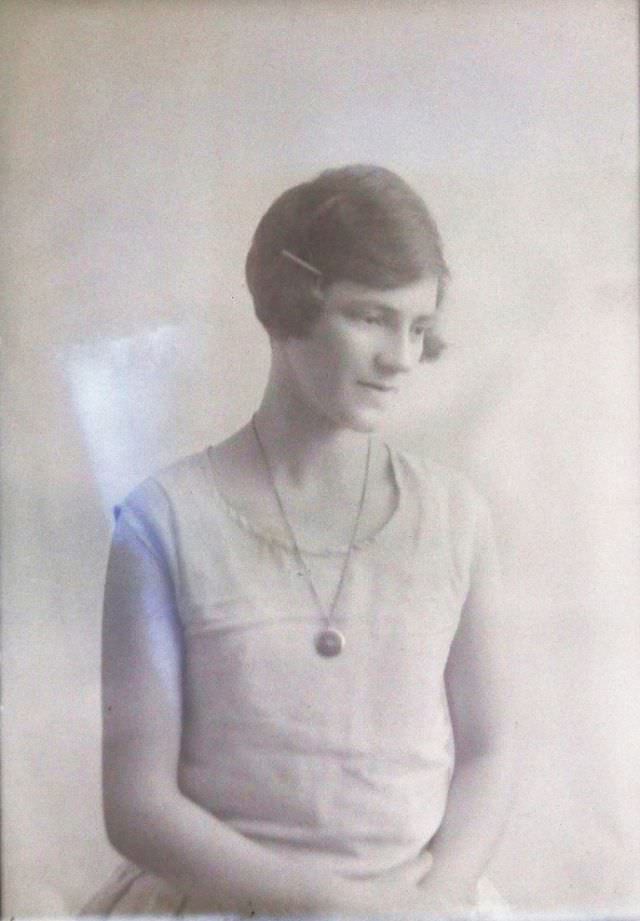
The 1920s were a turning point for women’s fashion in the Western world. For decades, women had worn tightly structured garments — the S-bend corset being the most defining and restrictive of them. By the 1910s, that rigid silhouette had already begun to give way to a straighter, more columnar shape. Hemlines climbed to the ankle. Fabrics loosened. The slow shift away from the heavy ornamentation of the Victorian and Edwardian eras was well underway before the decade even began.
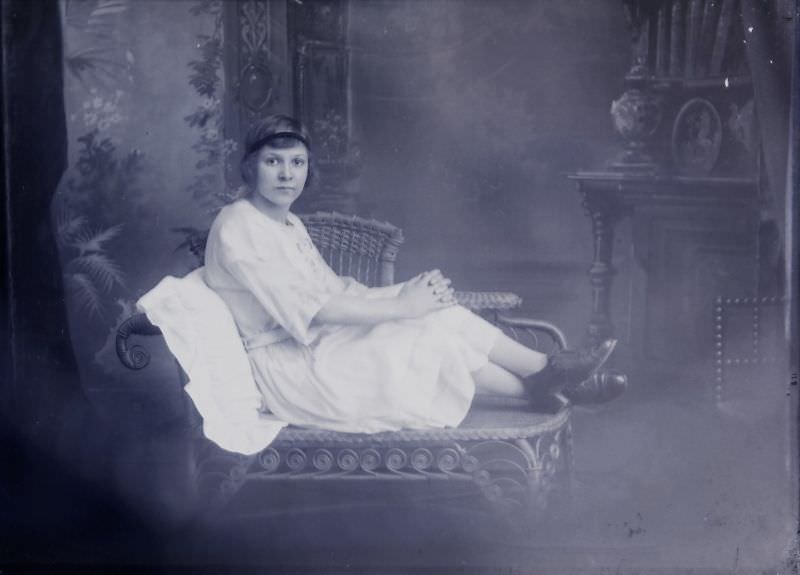
The 1920s did not arrive as one unified fashion moment. The early years of the decade were marked by hesitation. Many women were cautious about adopting the newer, more revealing styles that were beginning to circulate. Change came gradually, and the bolder looks that the decade is now remembered for took time to catch on.
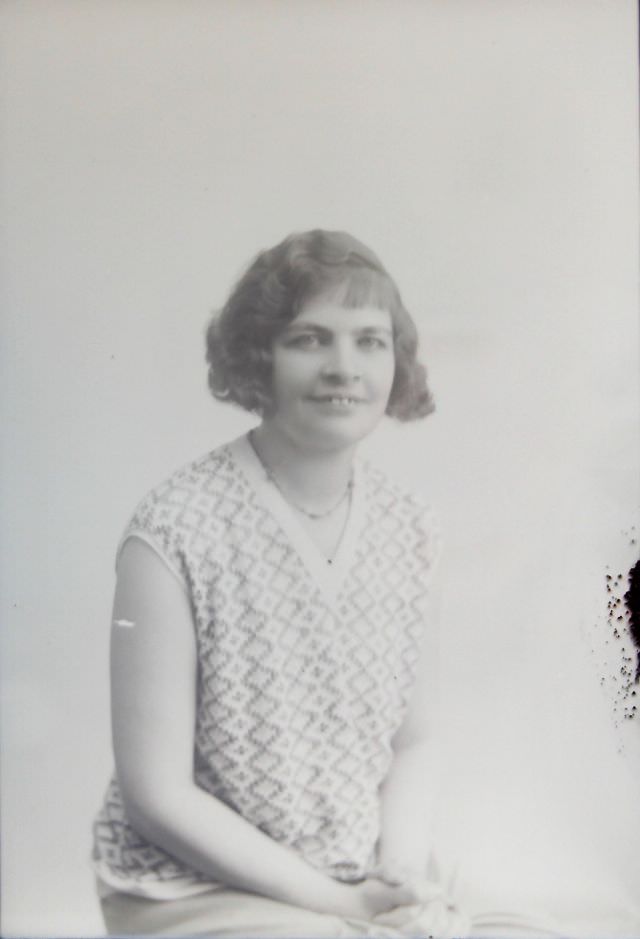
By 1925, that reluctance had faded. The public embraced the styles now linked to the Roaring Twenties — dropped waistlines, shorter hemlines, and a general rejection of the fussy excess of previous generations. These looks dominated fashion until the worldwide depression deepened in 1931 and brought the era to a close.
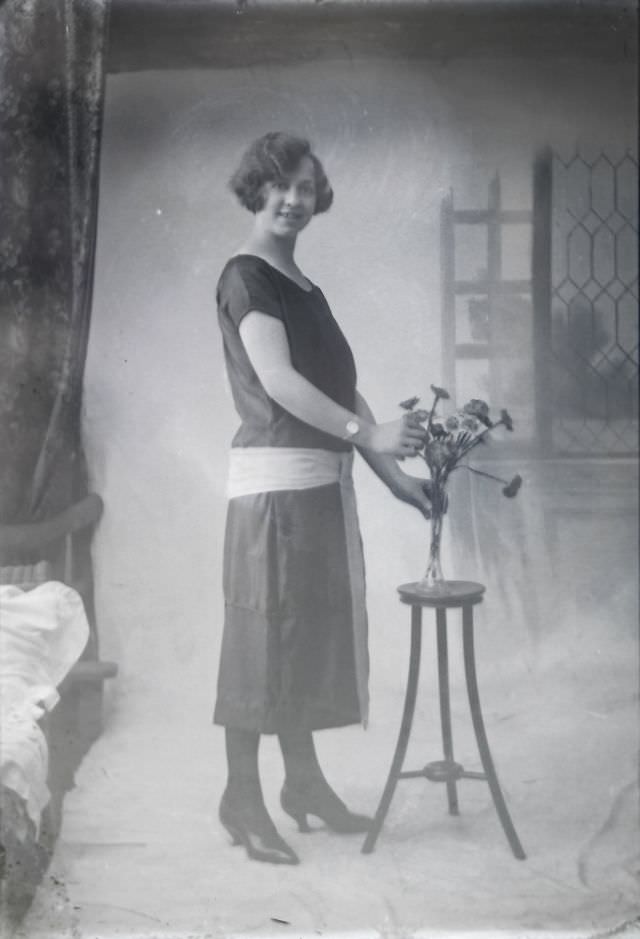
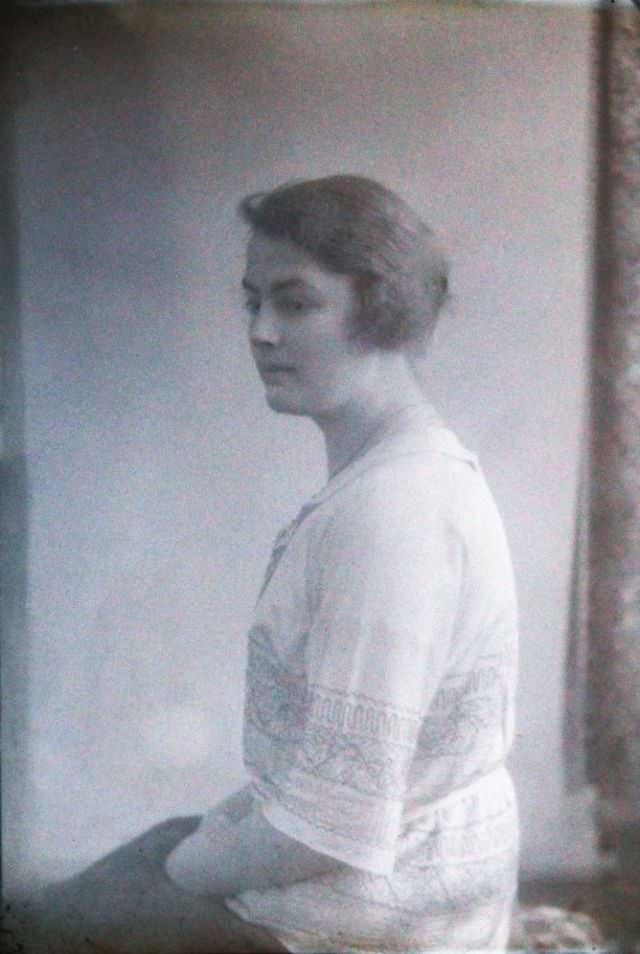
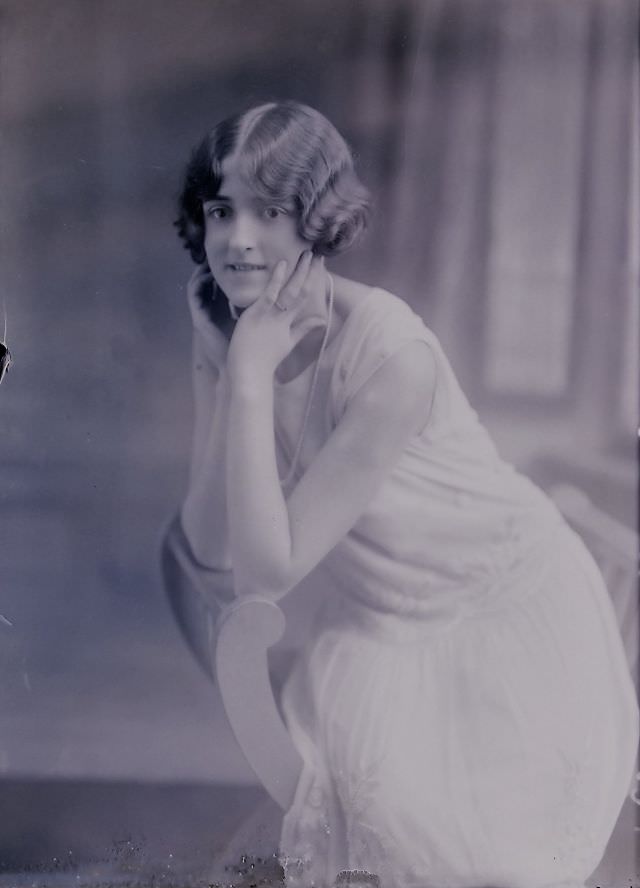
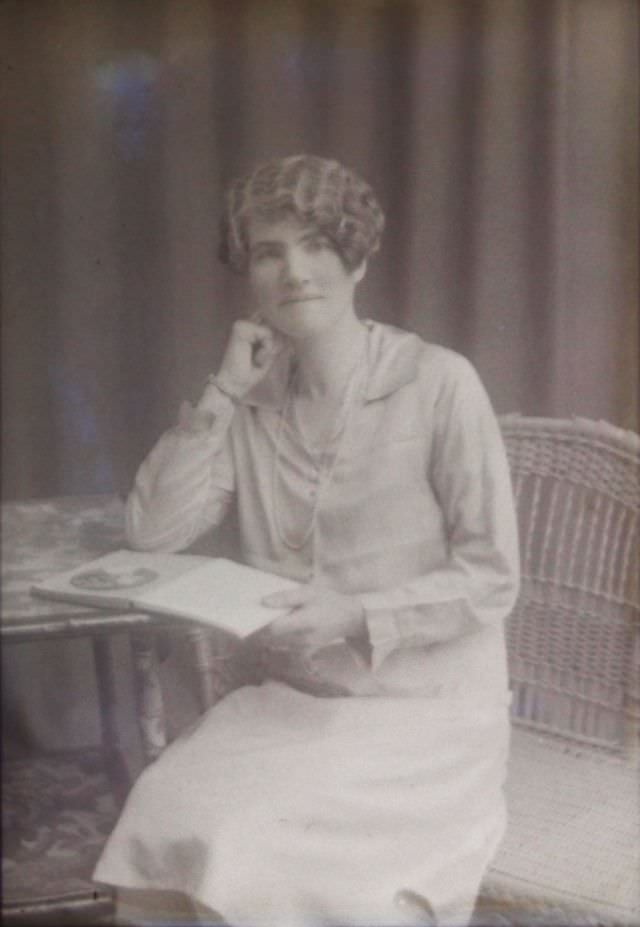
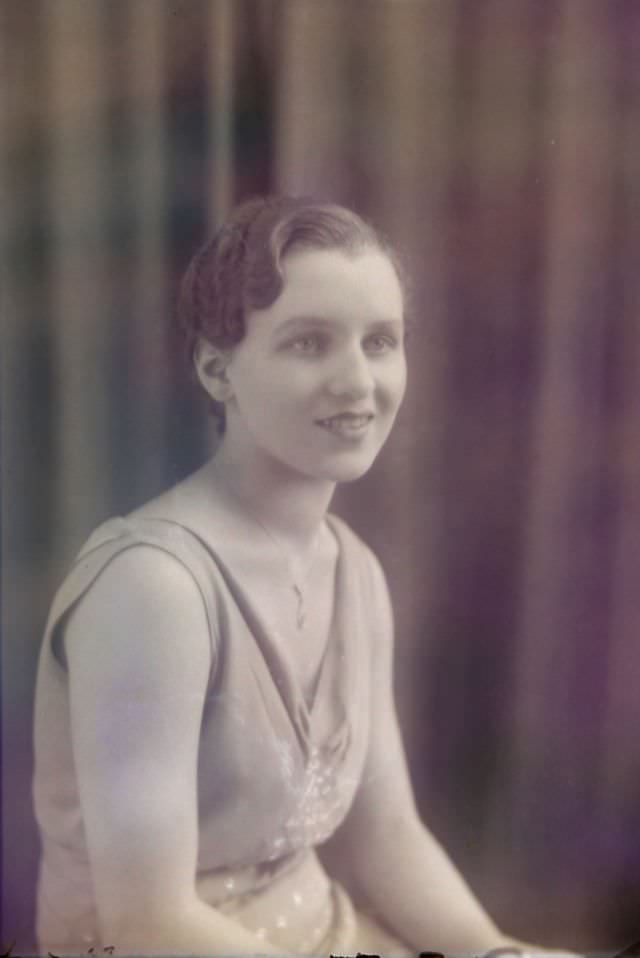
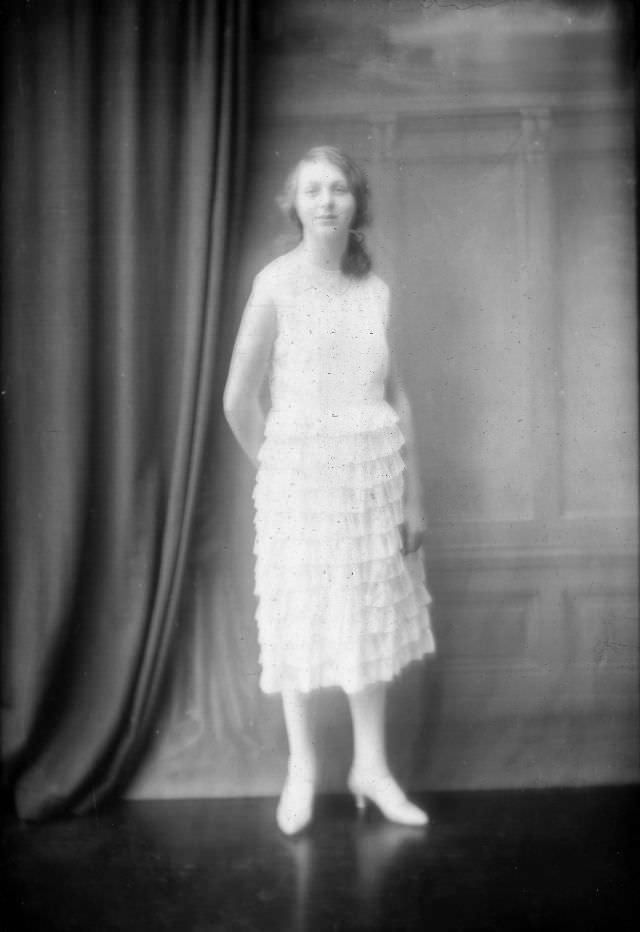
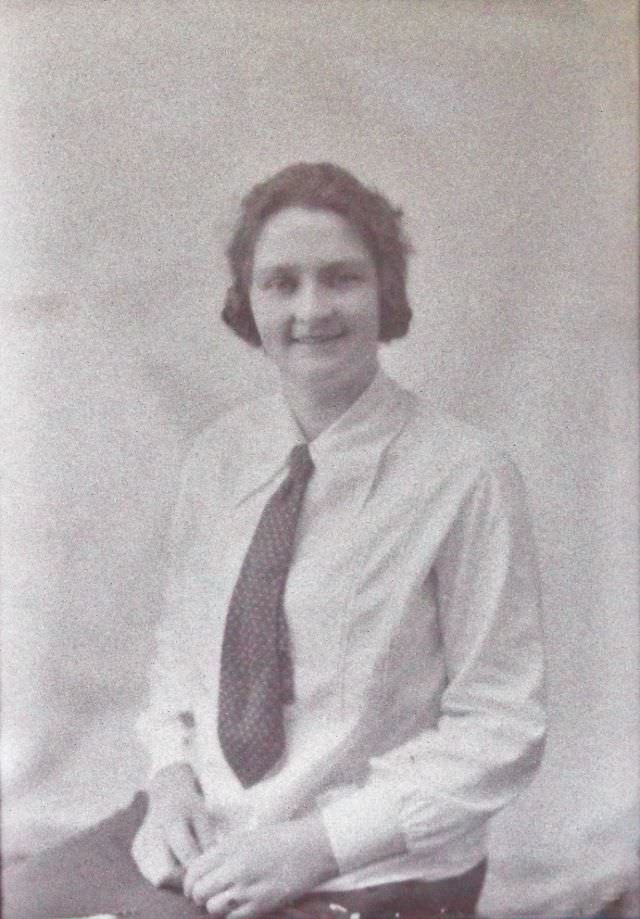
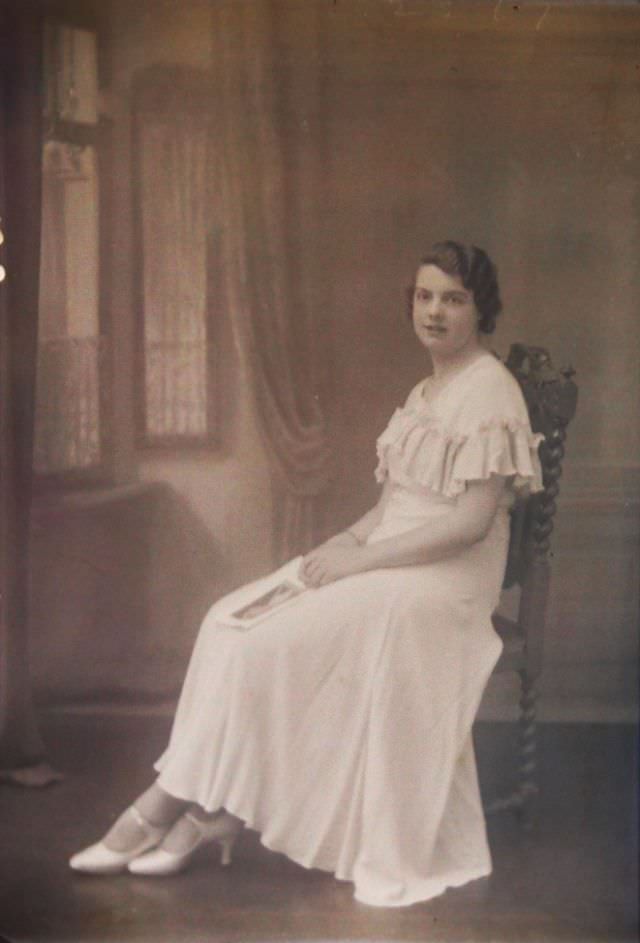
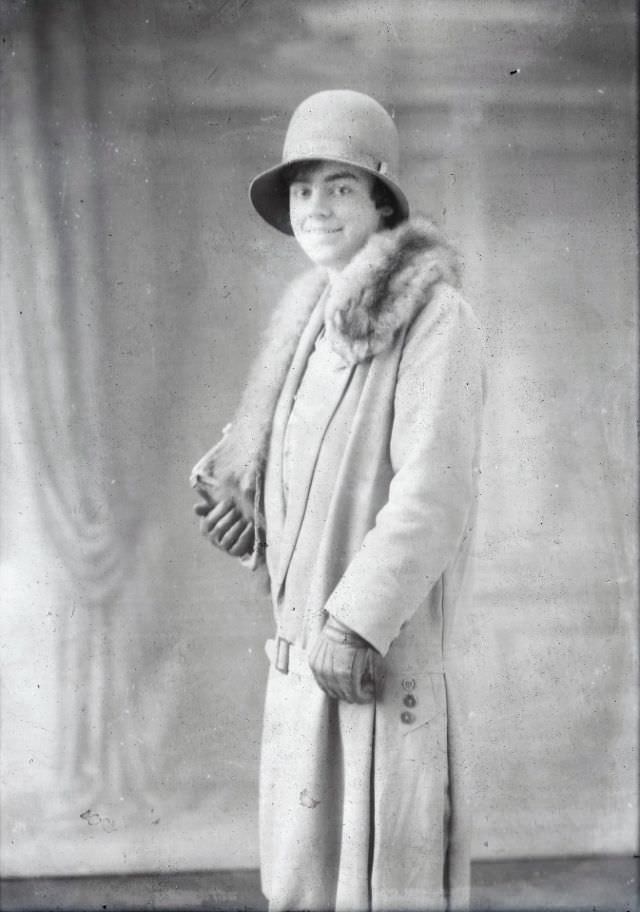
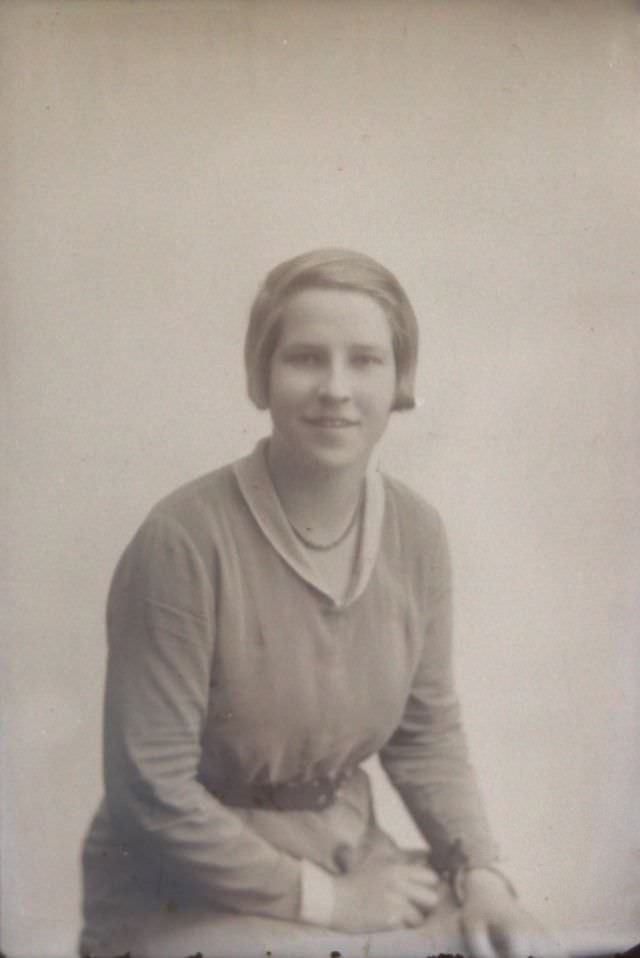
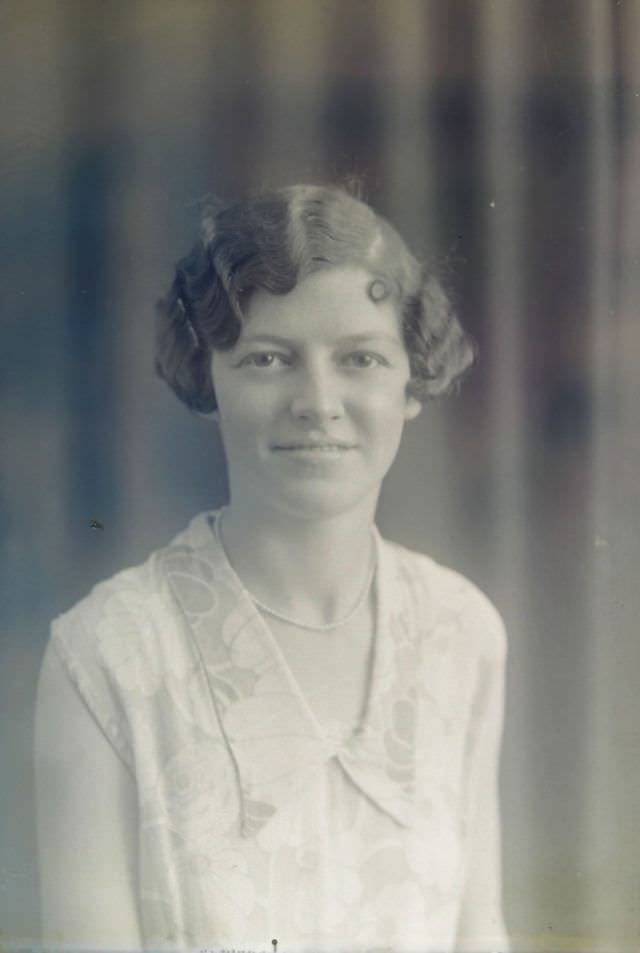
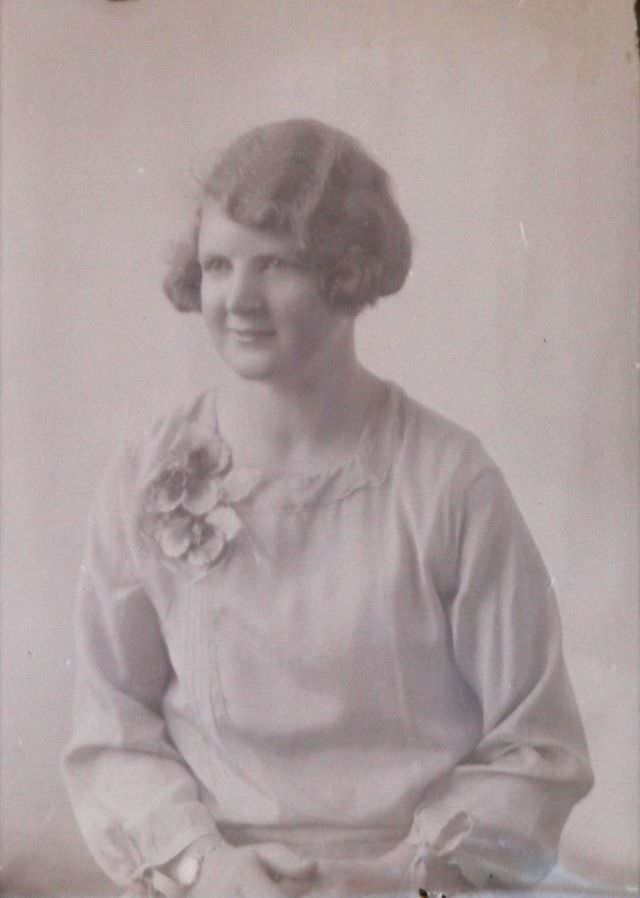
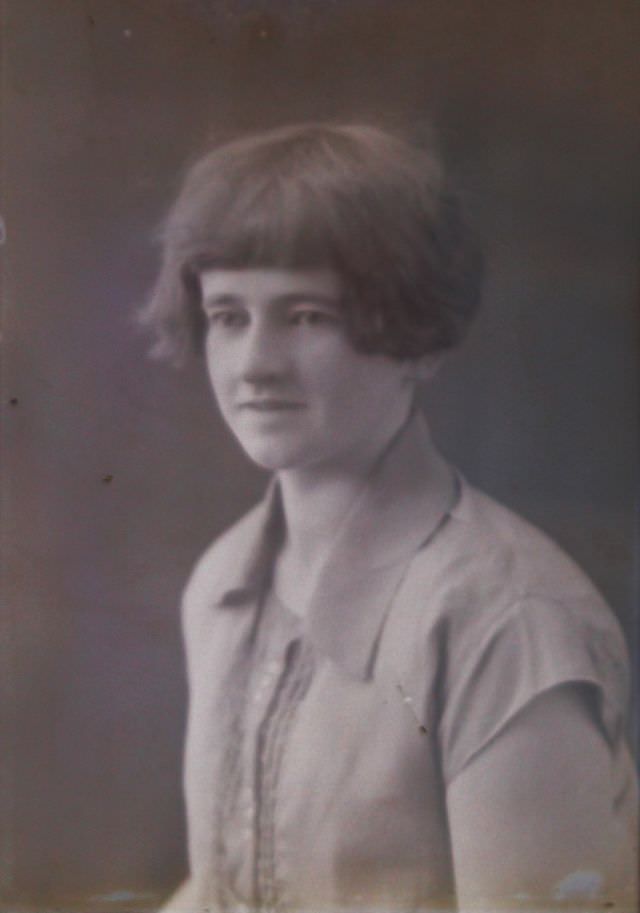
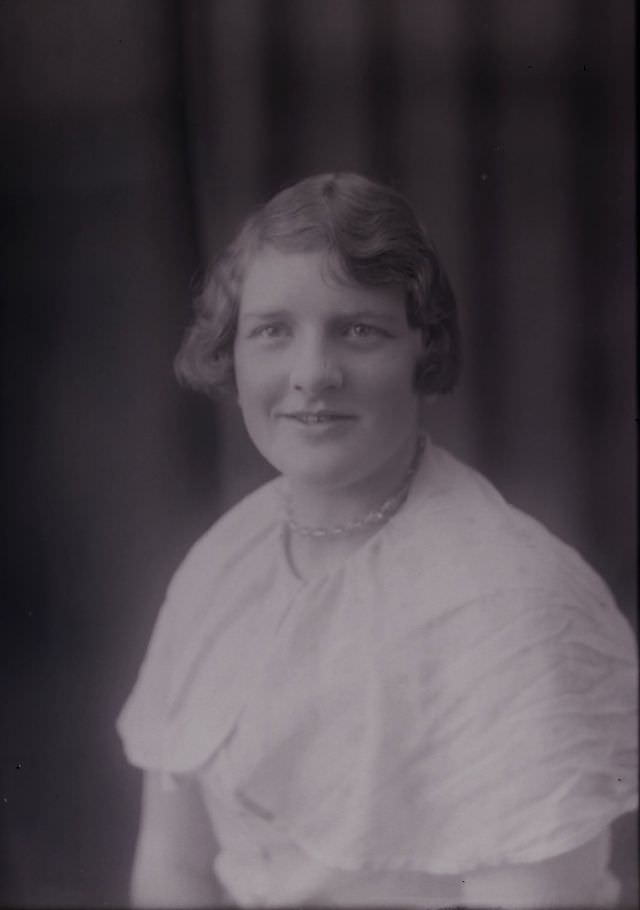
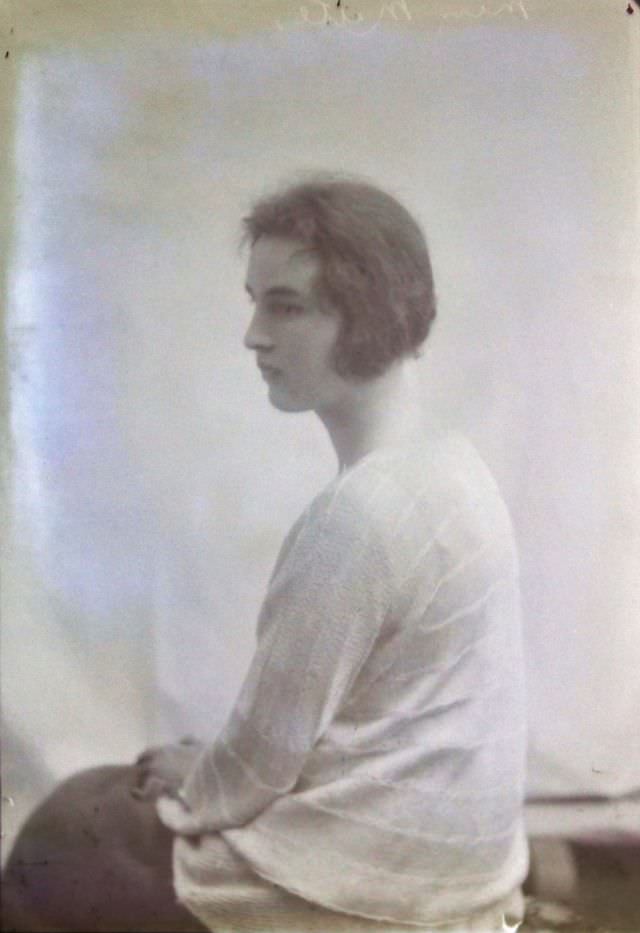
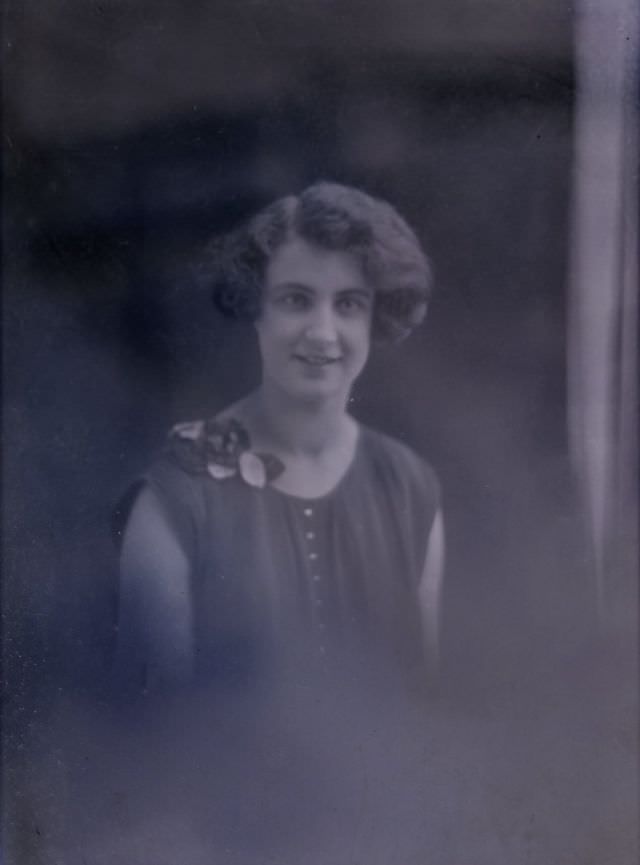
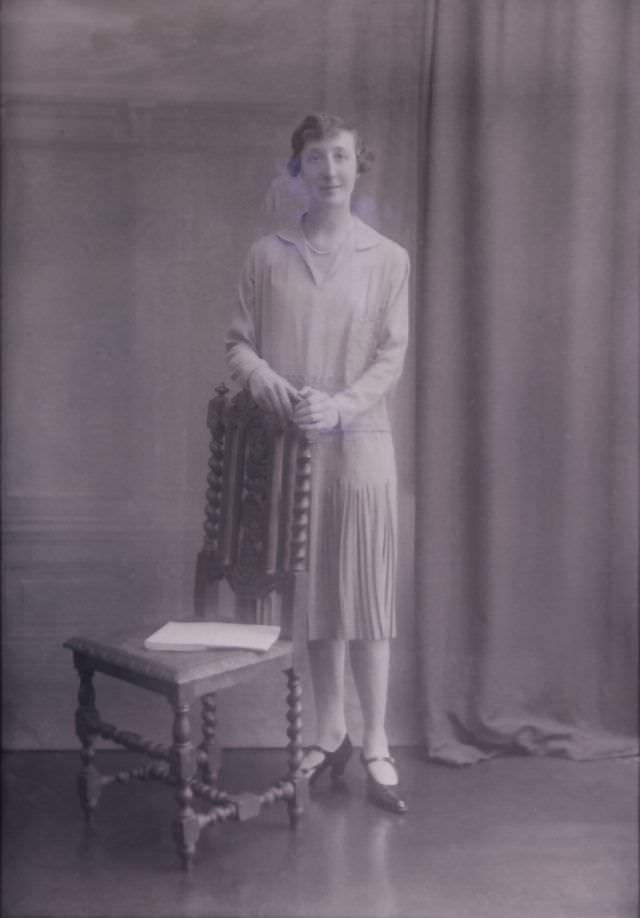
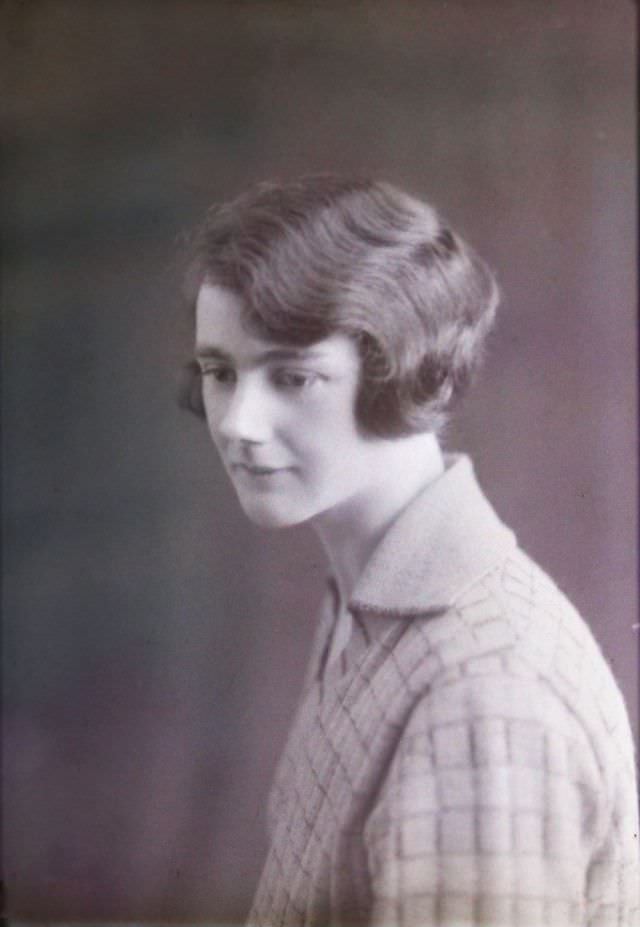
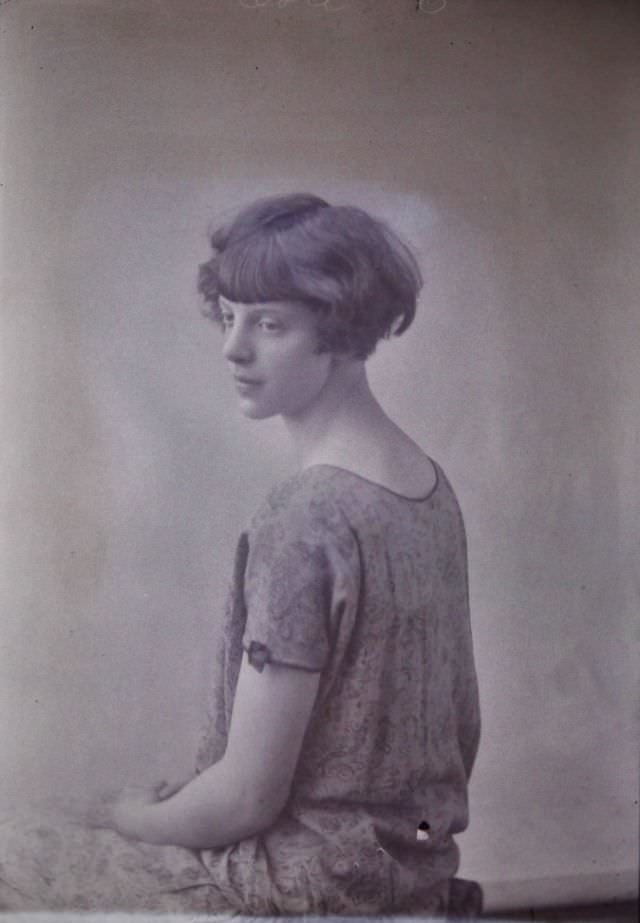
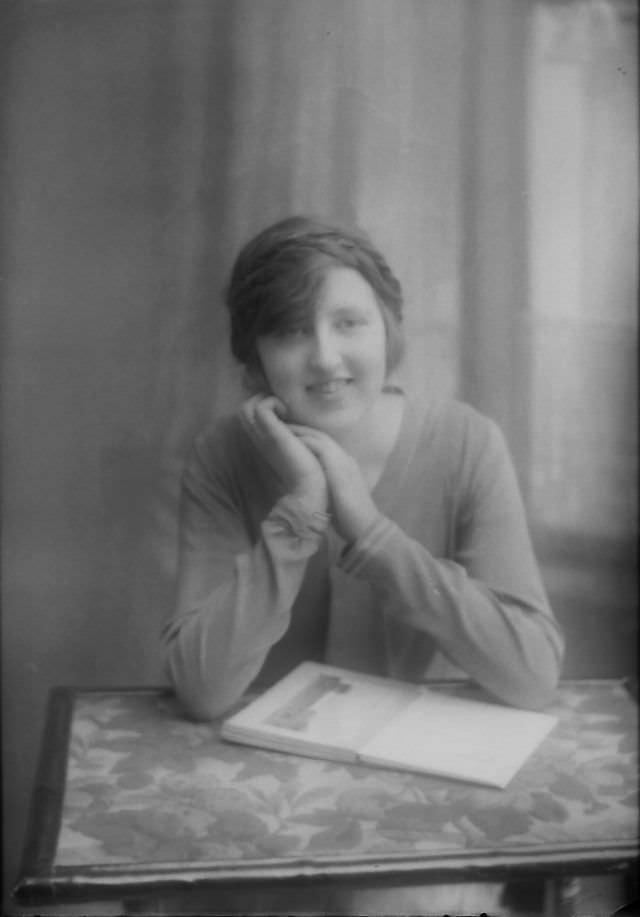
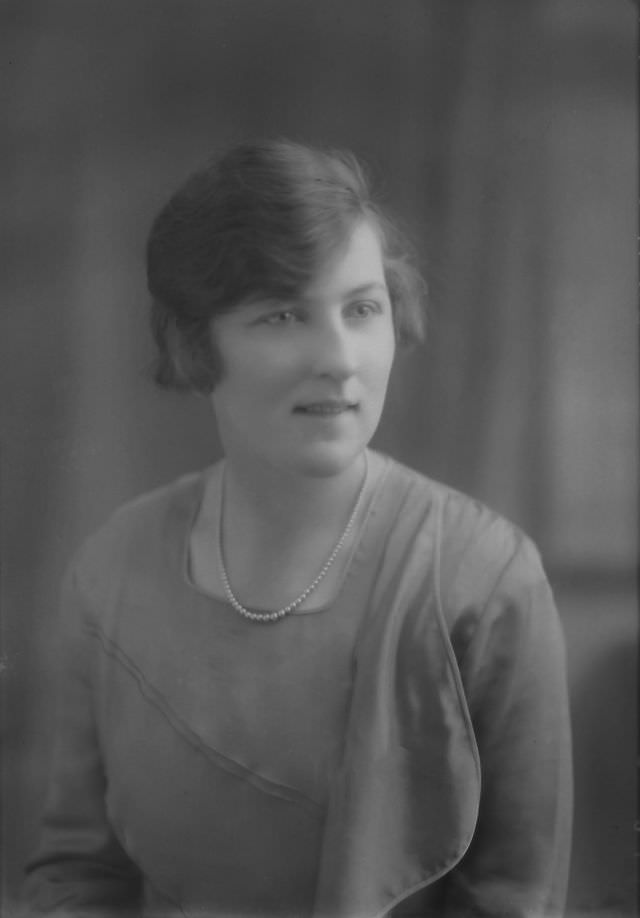
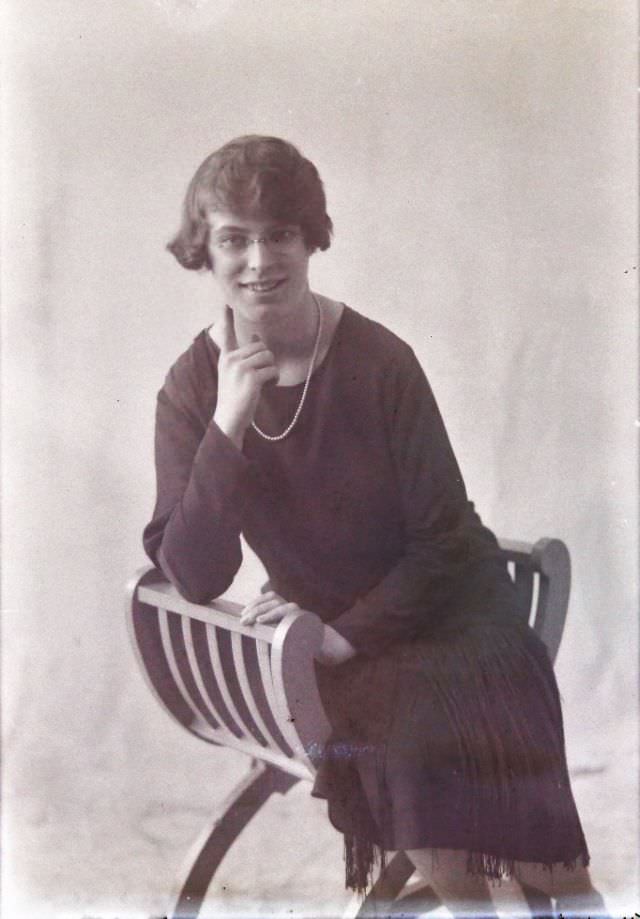
The photographs in this collection were taken in Launceston, Cornwall, at the studio of William Smale Cater. They are formal studio portraits of young women, each one carefully posed and lit. Studio photography at this time was a deliberate and somewhat formal affair. Subjects dressed in their best clothing, and photographers like Cater worked to present them in the most composed and flattering way possible.
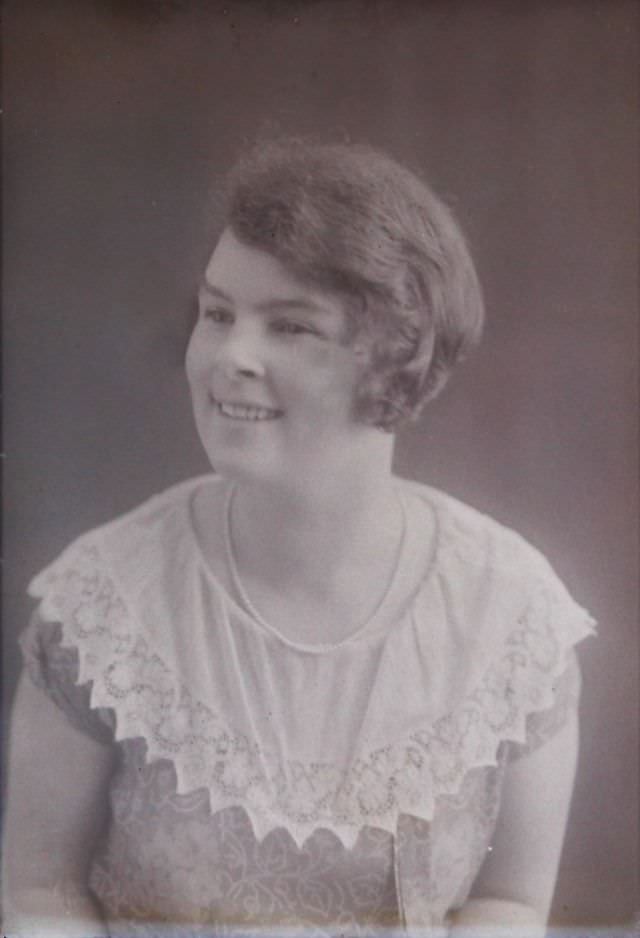
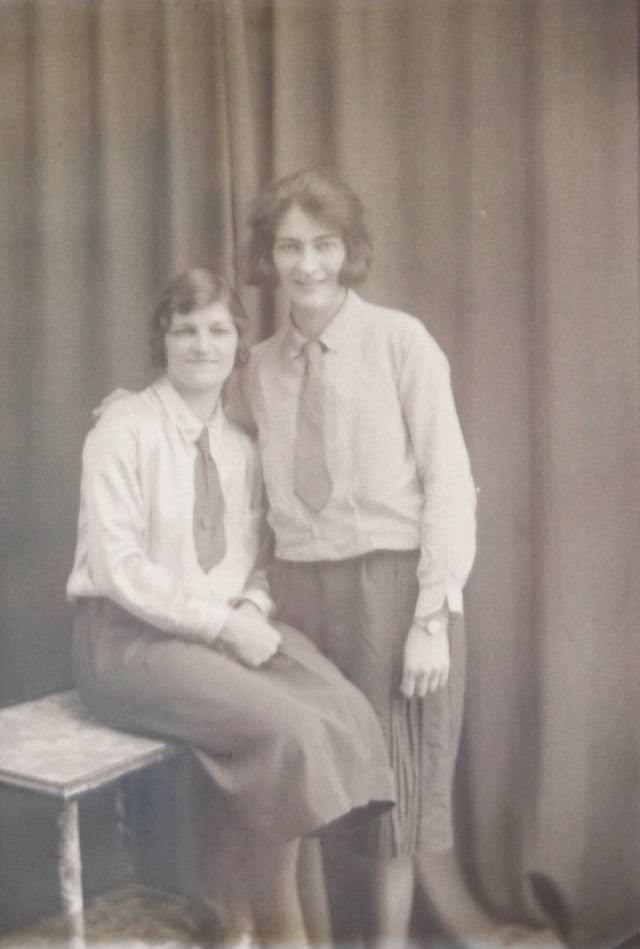
Launceston sits in the far northeast corner of Cornwall, near the Devon border. It was a market town with a long history, and by the 1920s it had a modest but active commercial life. A portrait studio like Cater’s would have served a broad cross-section of the local community — young women marking milestones, families documenting themselves, individuals simply wanting a record of who they were at a particular moment in time.
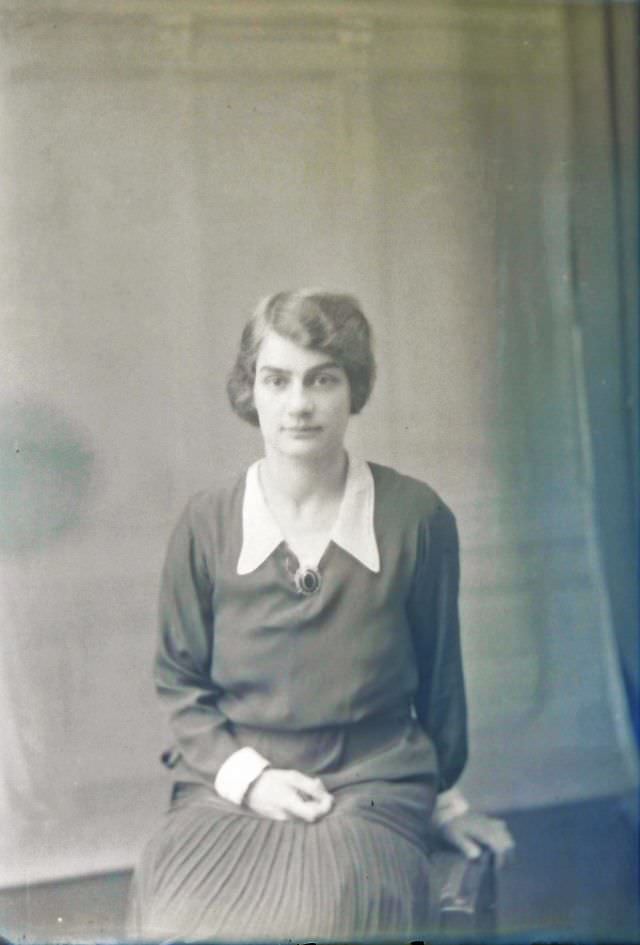
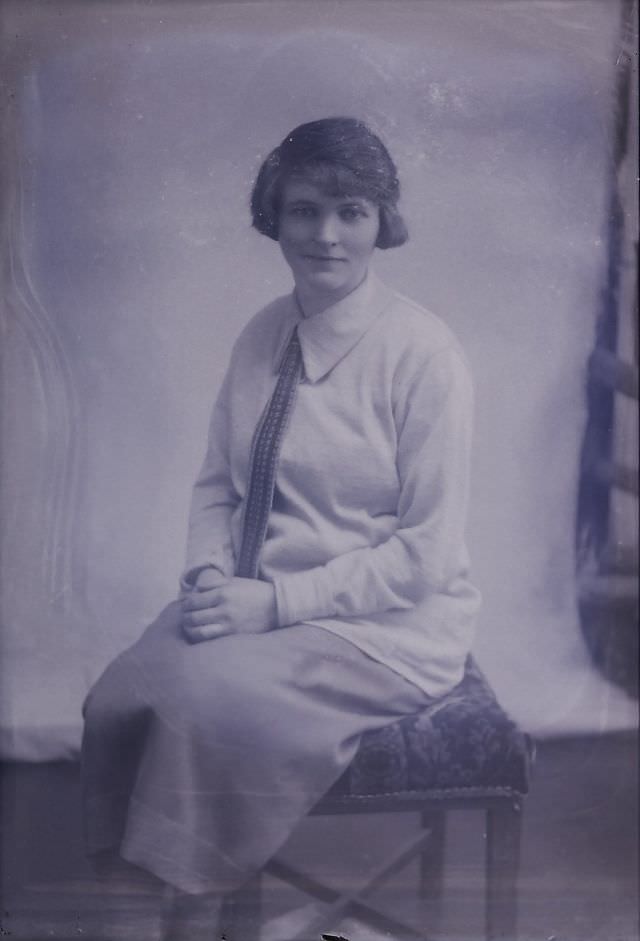
What stands out across these portraits is the variety of styles on display. Some subjects wear the looser, more relaxed silhouettes that became fashionable as the decade progressed. Others appear in clothing that still carries echoes of the earlier Edwardian aesthetic — higher necklines, more structured fabrics, and a more conservative overall look. The photographs capture the fashion transition in real time, on real people.
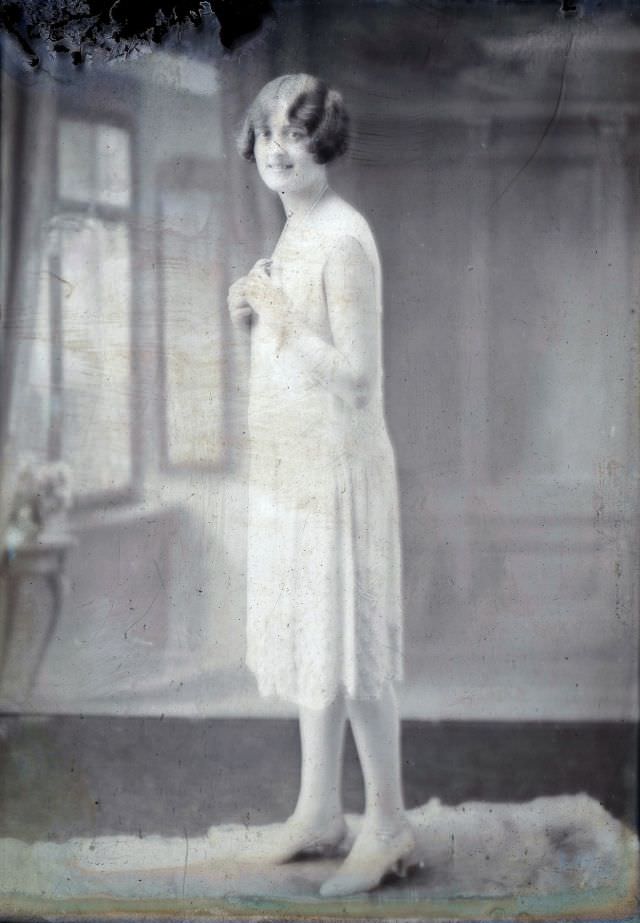
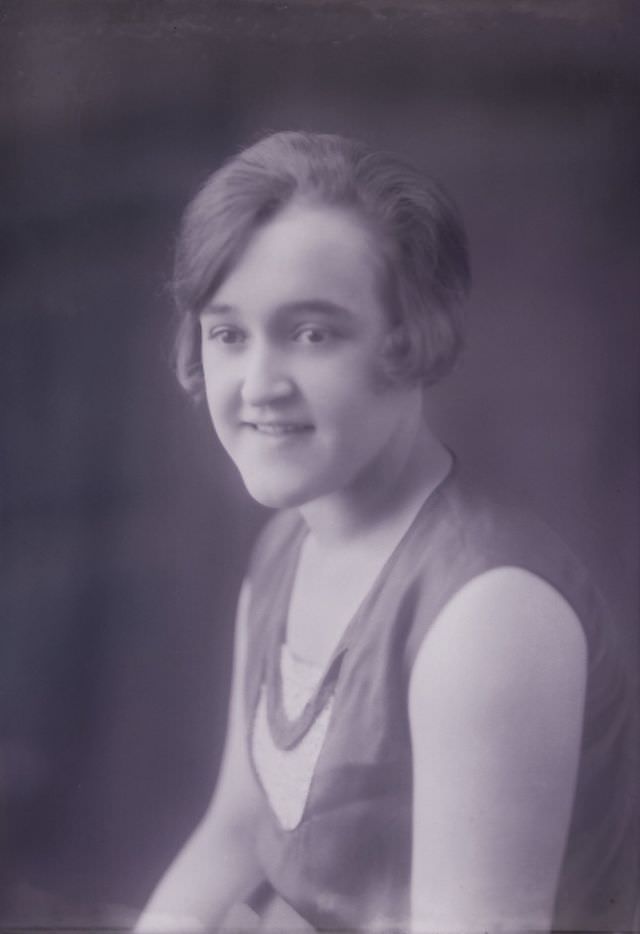
Hair is another telling detail in these images. The short bob cut became one of the most recognizable symbols of the 1920s woman. Several of the women photographed here wear their hair in short, neat styles that align with that trend. Others retain longer hair, worn up in styles that belonged to an earlier generation. Again, the decade’s transition is visible in the small details.
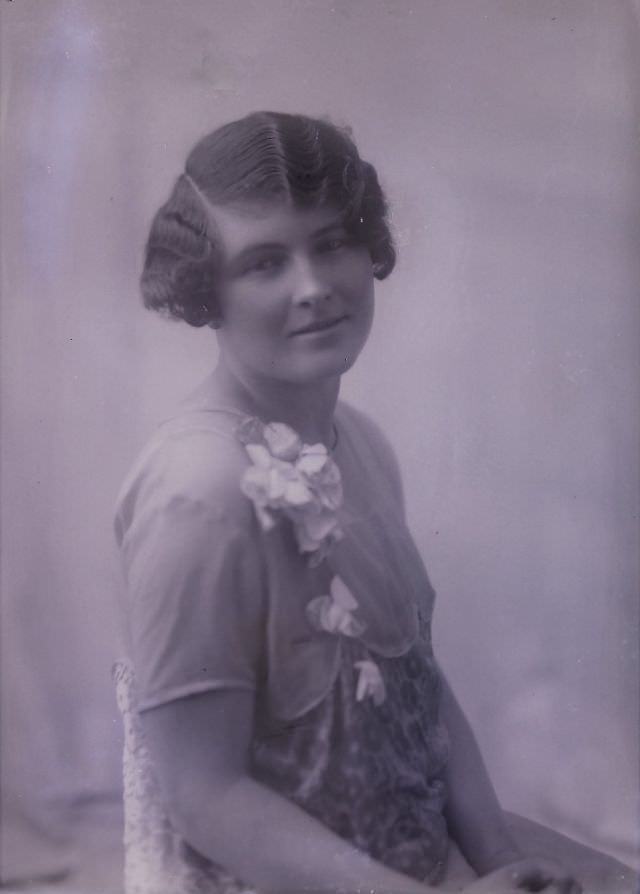

Studio portraits from this period were typically taken on glass plate negatives or early film, producing images with a fine, sharp clarity. The controlled lighting of a professional studio allowed photographers to shape and soften the image. The result is a set of photographs that, even a century later, feel precise and immediate.
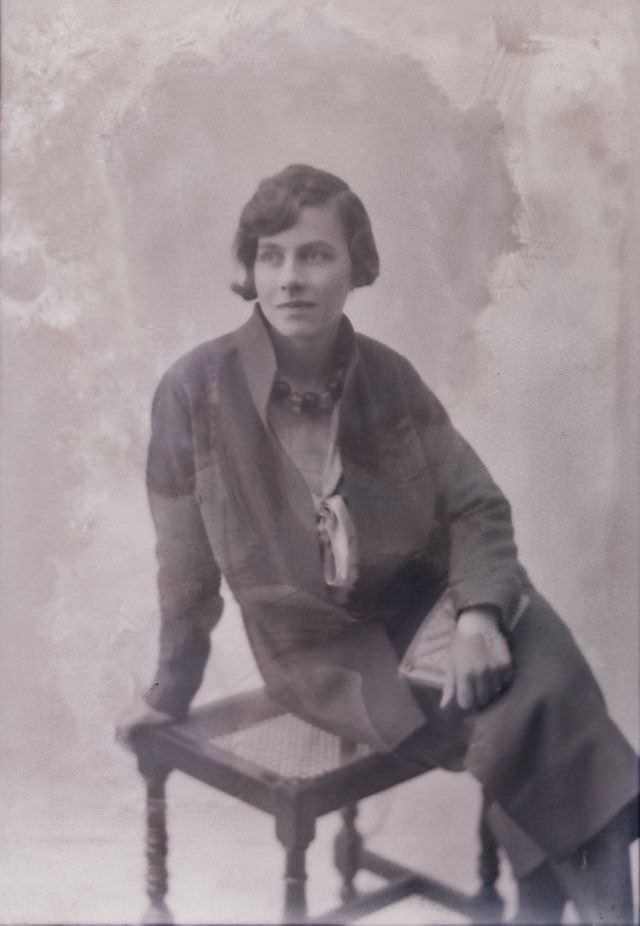
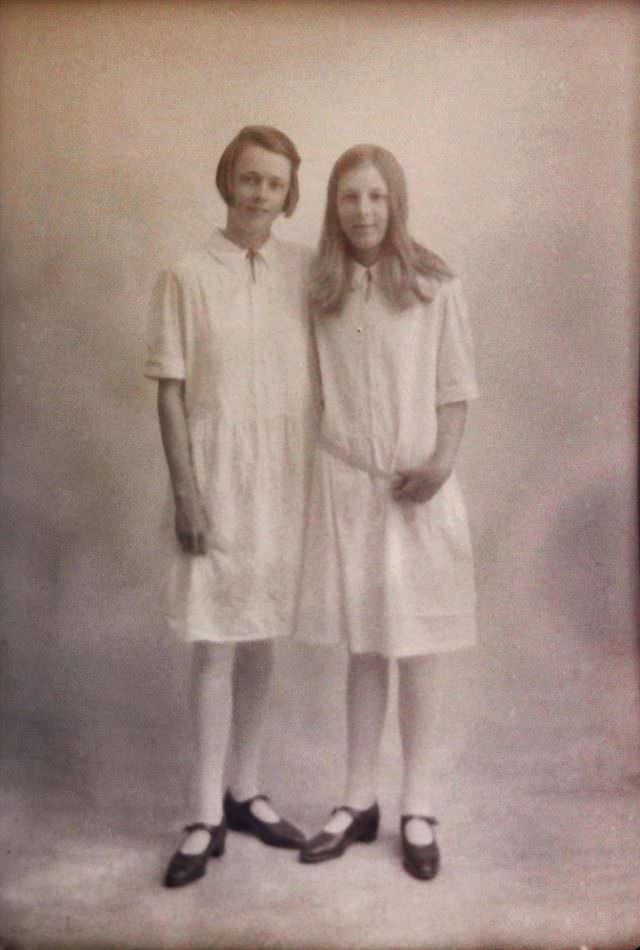
Each of these women had a life, a name, and a story that the photographs alone cannot tell. They came to William Smale Cater’s studio on a particular day, in a particular outfit, and sat for a portrait that would outlast them by generations. Who they were beyond that moment is largely unknown, but what the camera recorded is still here — preserved in these remarkable images from 1920s Cornwall.