
The 1920s in Britain arrived on the heels of a long and devastating war. With the First World War over and victory secured alongside France, peace returned — and so did a sense of possibility. Across politics, economics, and daily life, things were shifting fast. The Labour Party rose to replace the Liberal Party as Britain’s leading progressive force. Women won the right to vote. In 1921, the government made state primary education free for all children, a major step forward in giving ordinary families access to schooling. British families were also getting smaller. The large Victorian household was fading out, and families of three or four children became the norm.
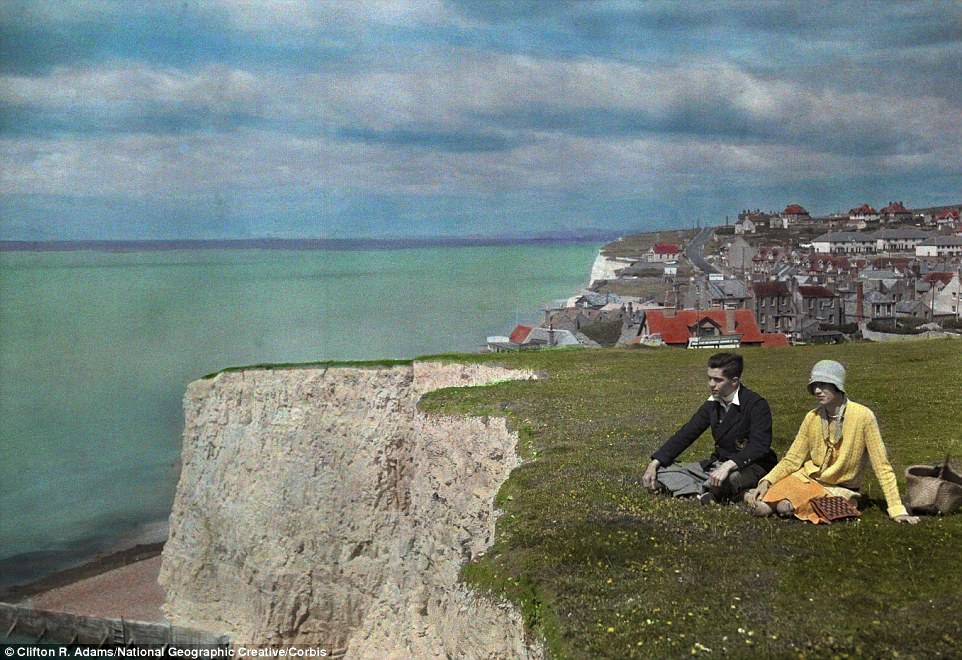
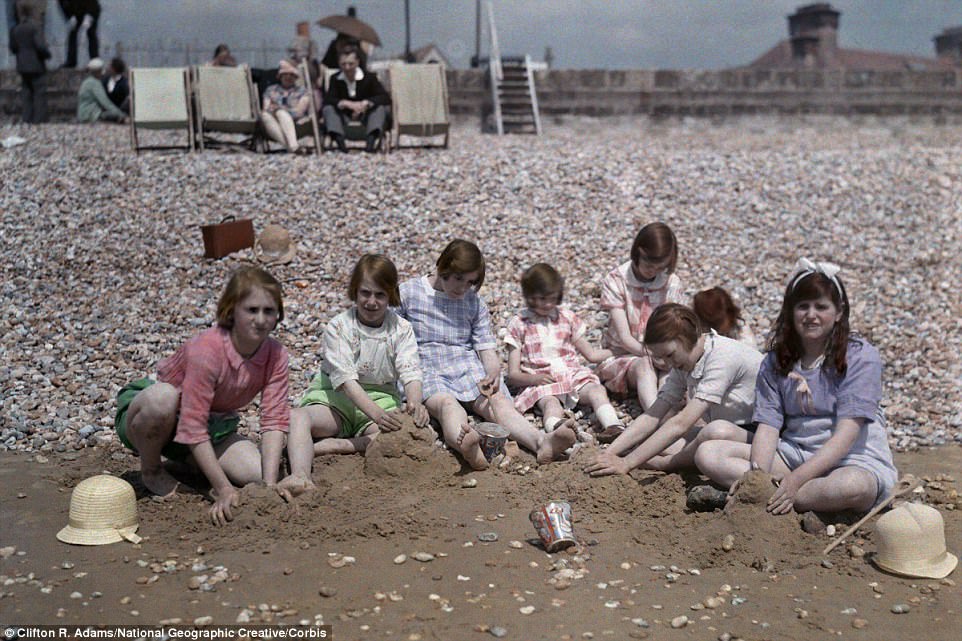
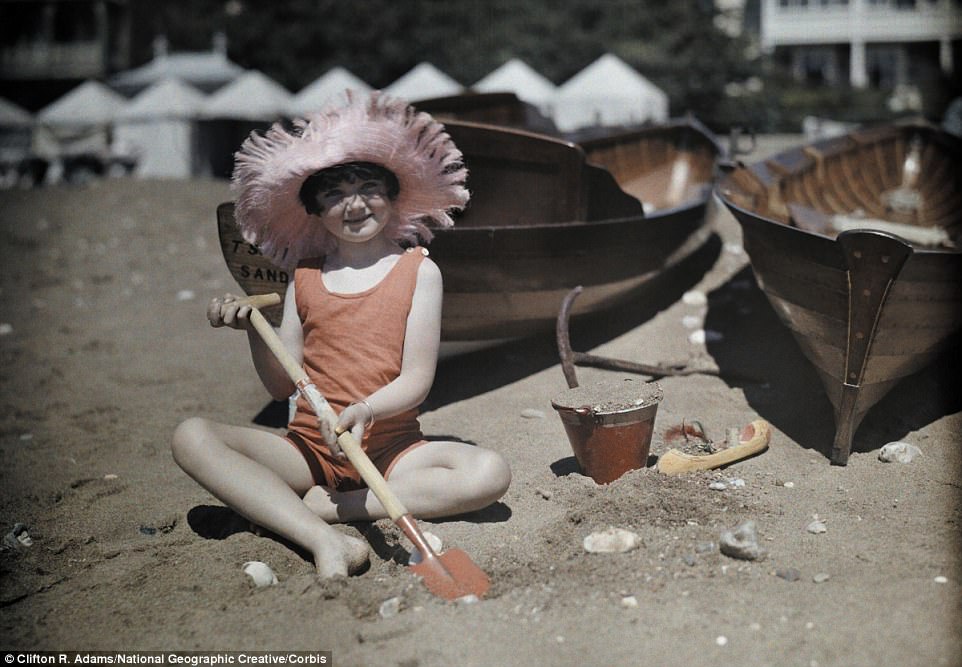
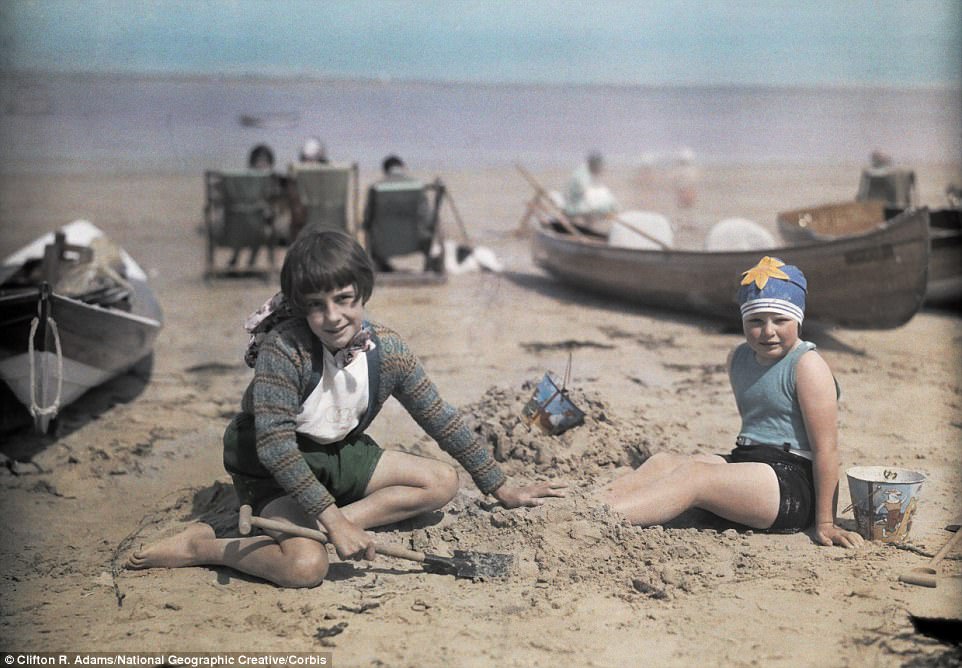
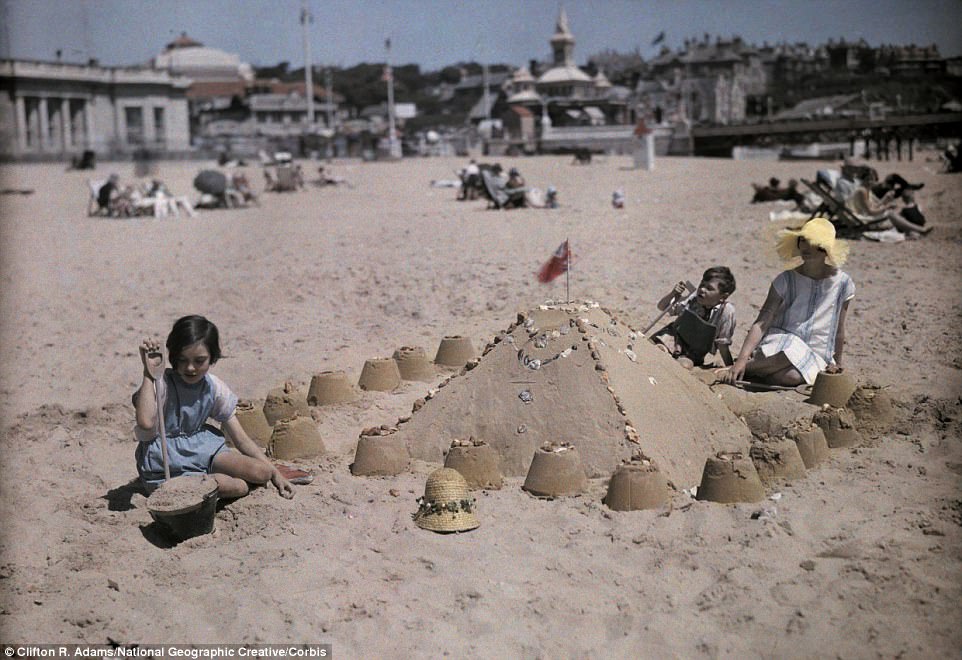
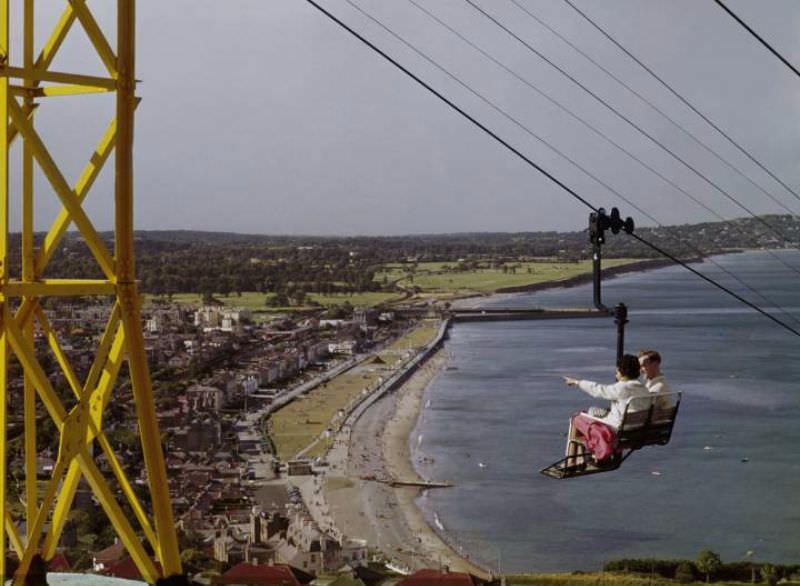
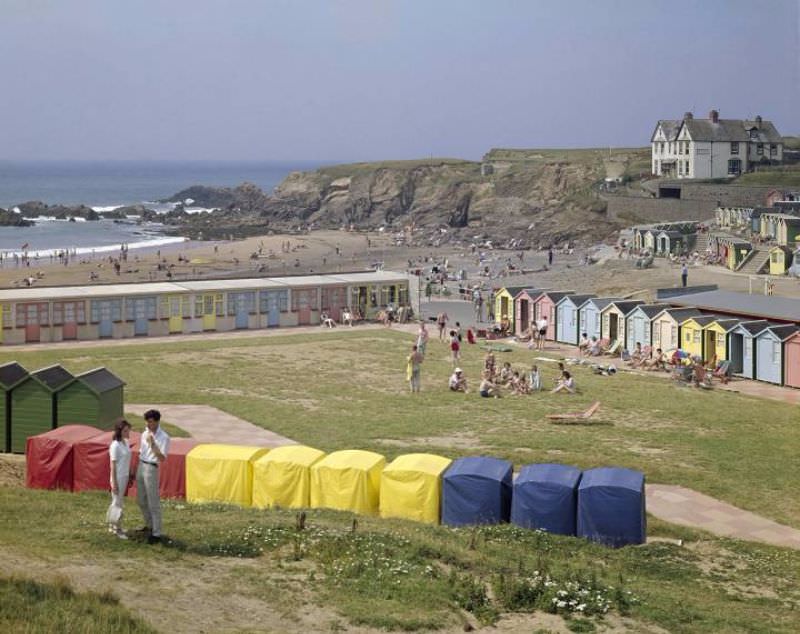
The coast was a constant presence in British life during this era. Seaside towns drew visitors from across the country, and beaches became places for families to relax, play, and enjoy the slower pace that peacetime allowed. Kent’s Dymchurch beach was one such destination, lying south-west of Folkestone along a wide, sandy stretch of shoreline.
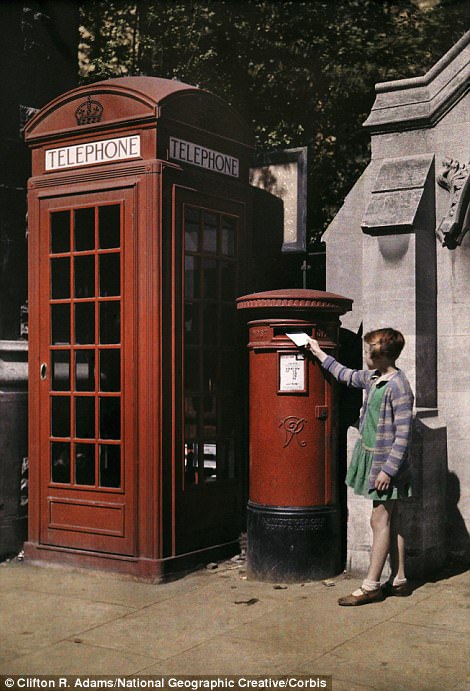
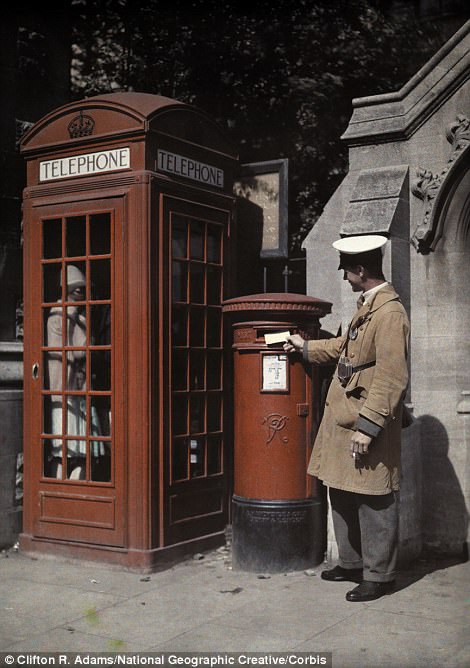
Life in Britain’s towns and cities had its own steady rhythm. Oxford, with its mix of historic streets and working residents, was a place where the ordinary and the grand sat side by side. A girl dropping a letter into a postbox, a man pausing beside a red telephone box — these were the small, unremarkable moments that made up the fabric of daily urban life.
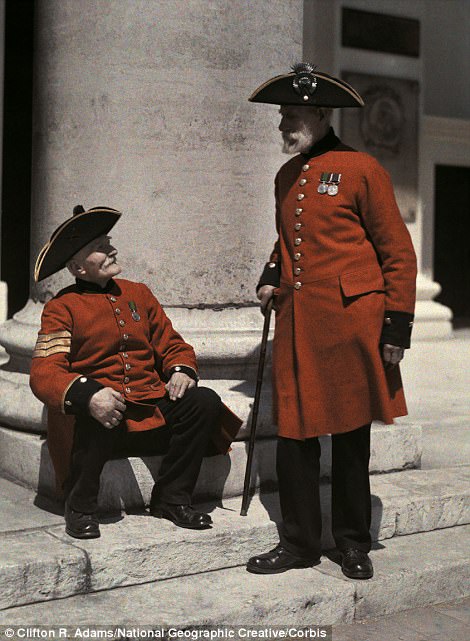
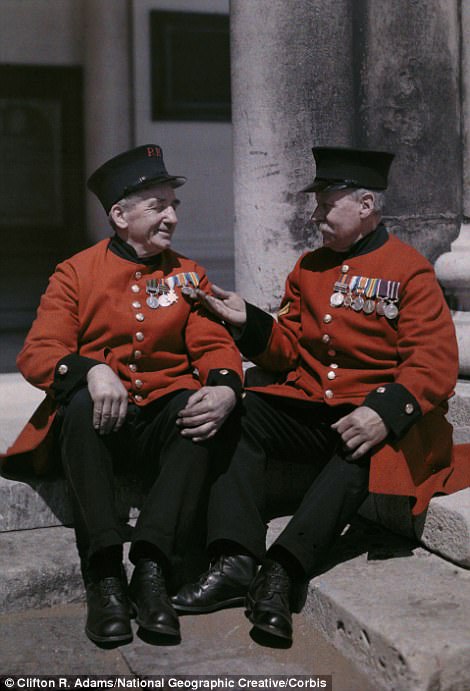
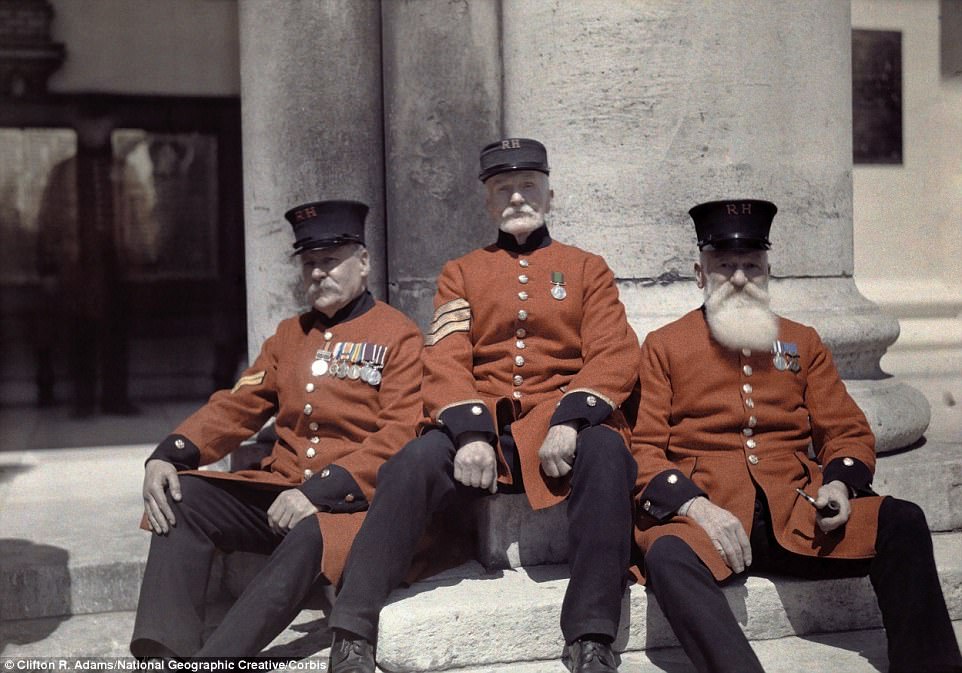
The Chelsea Pensioners — veteran soldiers housed at the Royal Hospital Chelsea — were a familiar sight during this period. Dressed in their distinctive scarlet coats, they were a living reminder of Britain’s military past, still present and visible in the streets of London and beyond.
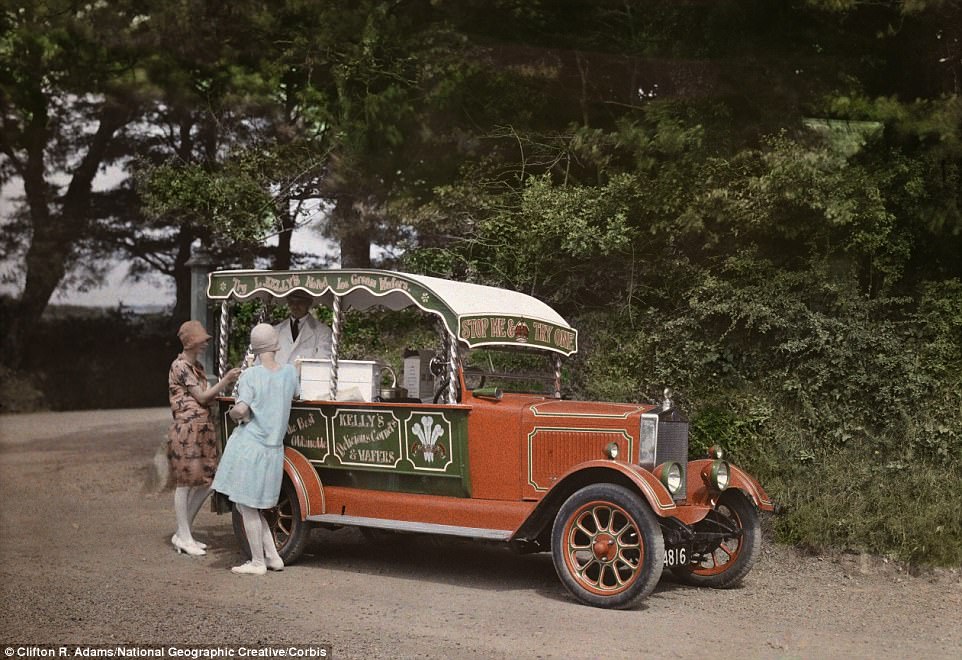
Leisure and commerce mixed freely in the 1920s. In Cornwall, a vendor had converted a car into a mobile ice cream stand — a practical and modern solution that two women were happy to take advantage of. Small entrepreneurial touches like this were becoming more common as consumer culture quietly expanded.
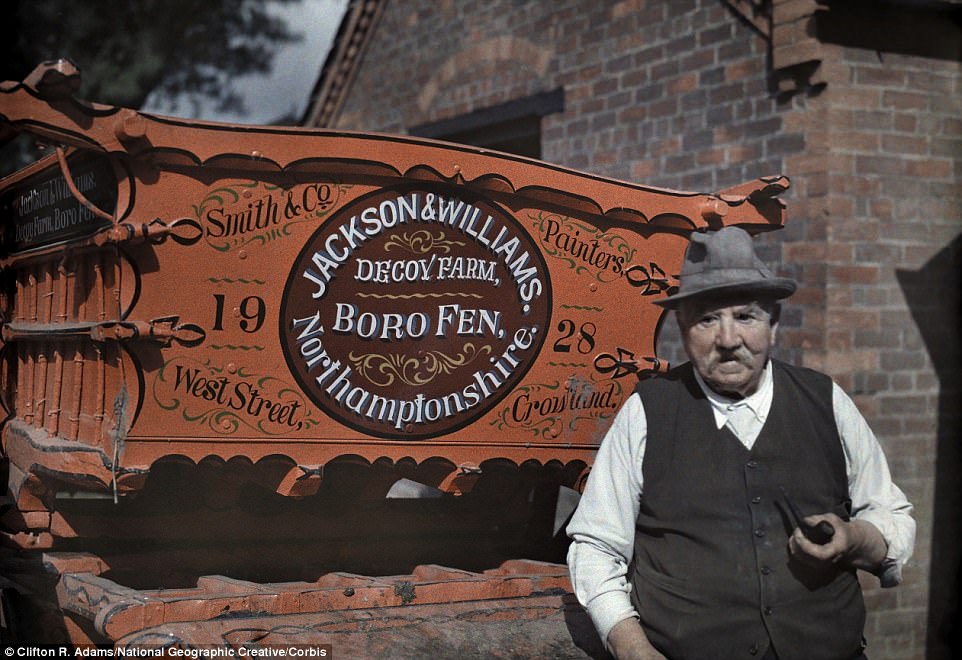
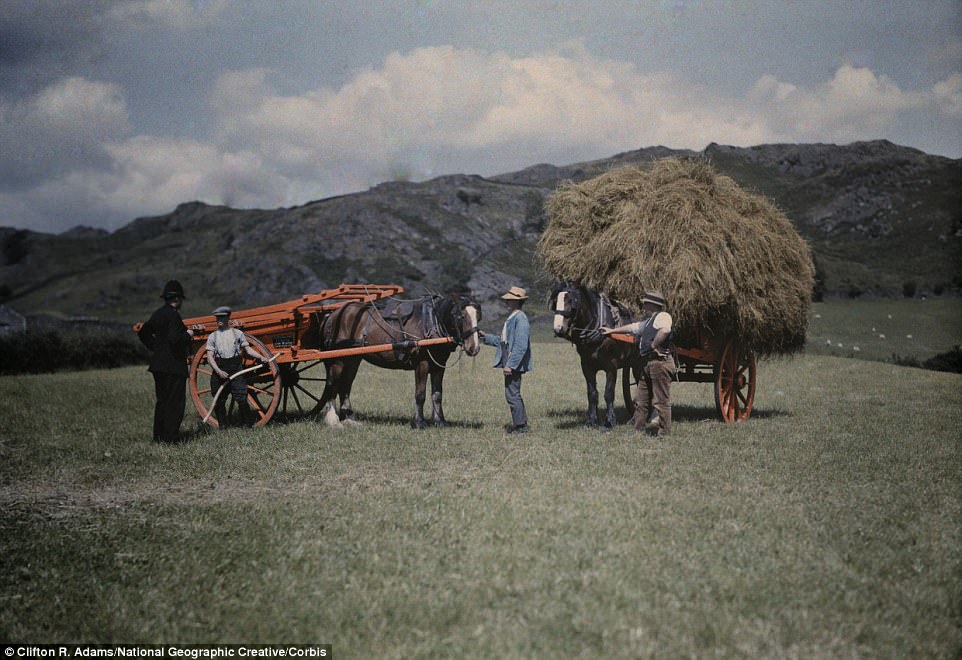
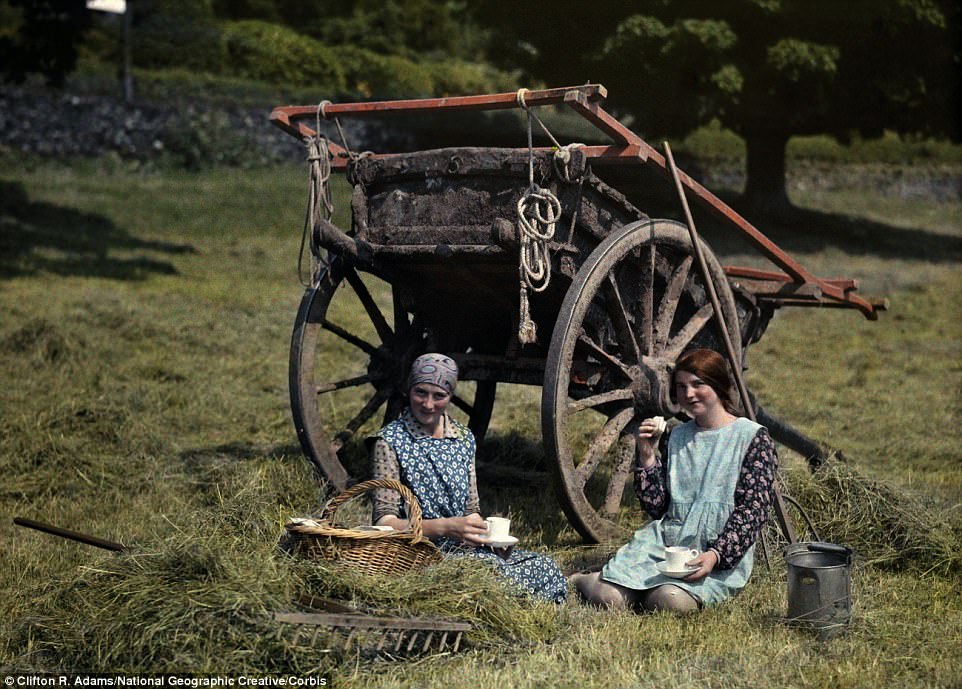
Rural Britain carried on much as it had for generations. Farmers worked their land with carts and horses, and the harvest season brought communities together in the fields. In Lancashire, a police constable spent part of his day helping farmers gather hay — a reminder that in smaller communities, the boundary between official duty and neighborly help was not always firmly drawn.
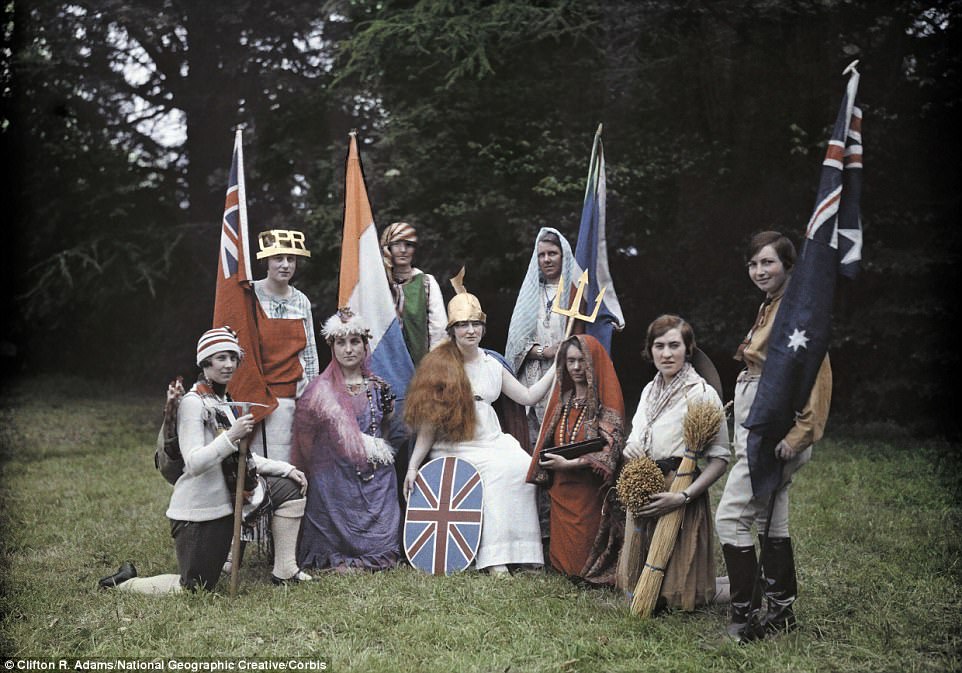
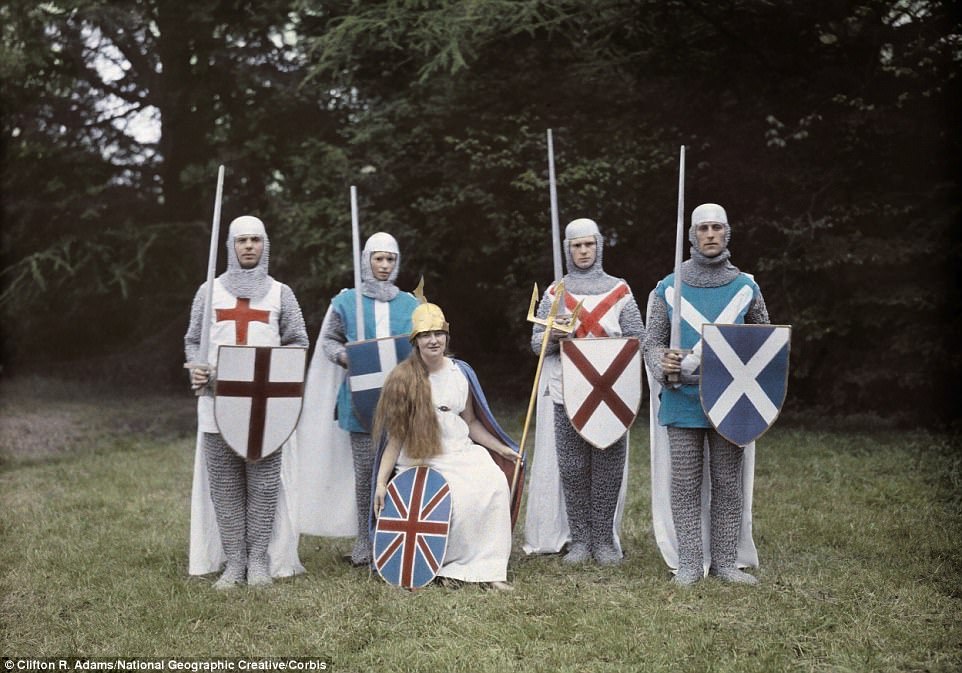
Public pageants were a popular form of communal celebration. In Southampton in 1928, actors dressed as Britannia and her colonies took to the grass for a theatrical display of national pride. These events drew large crowds and gave towns a chance to mark history and identity through performance.
The Isle of Wight was a favored holiday spot. Yarmouth and Sandown both attracted families looking for simple seaside pleasures — children digging in the sand, waves lapping at the shore, and the kind of easy afternoon that the postwar years seemed to promise.
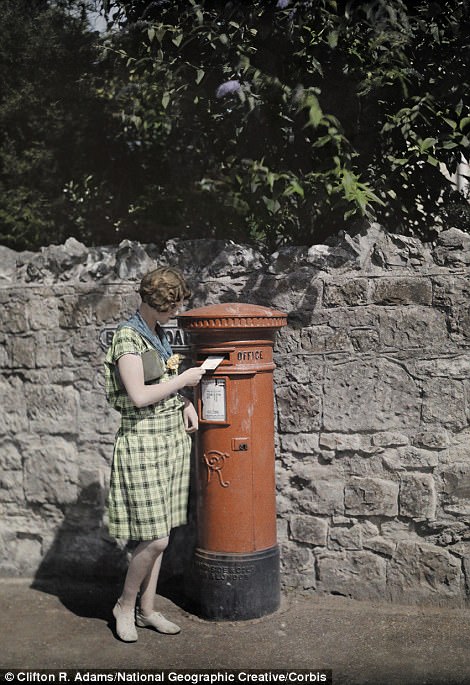
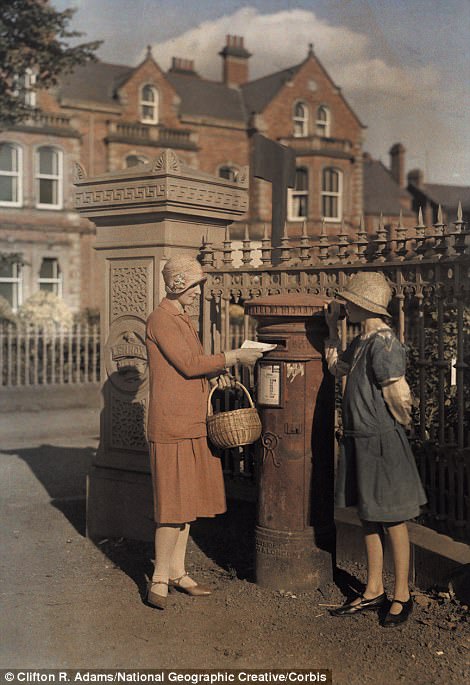
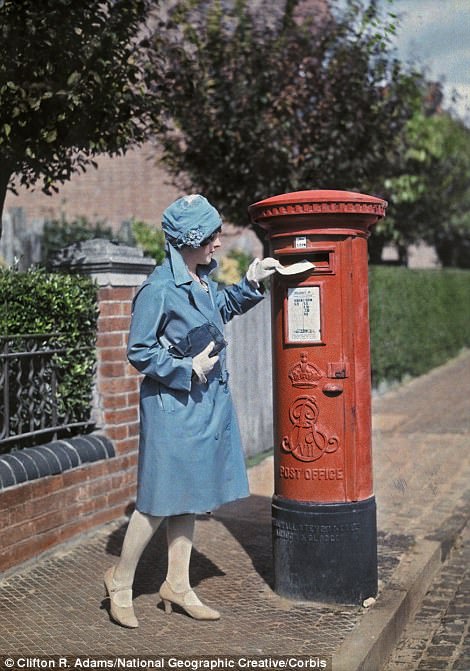
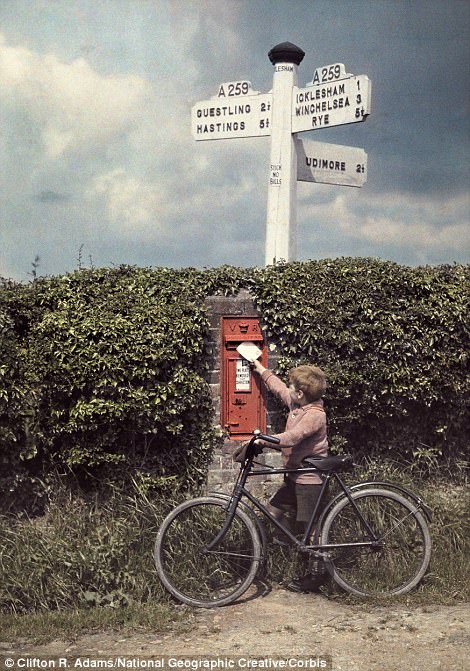
Letter-writing and posting mail were daily tasks for most British households in the 1920s. The red pillar box and postbox were fixtures of every town, village, and island community — from Belfast in Northern Ireland to the quieter lanes of Sussex and the Isle of Wight.
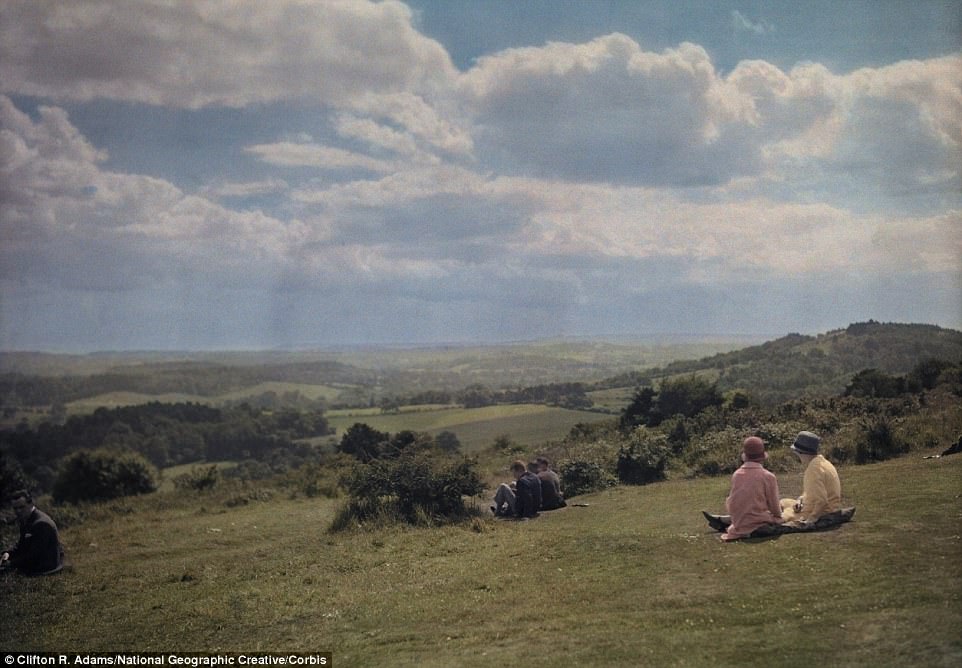
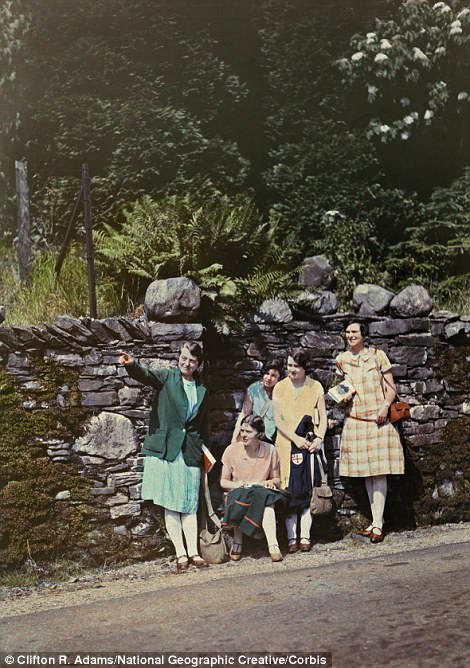
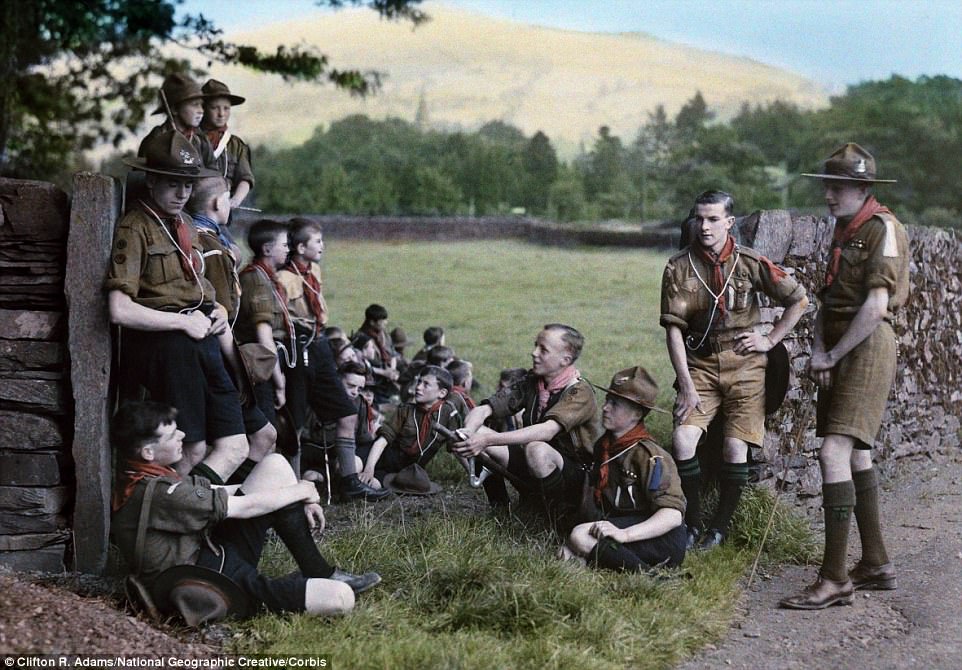
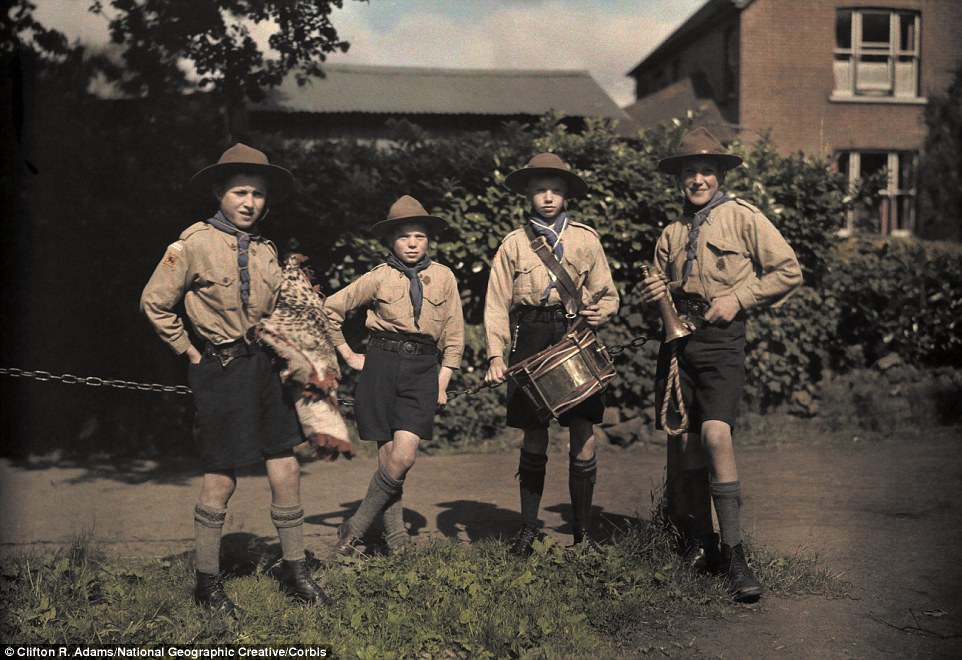
The Boy Scout movement was thriving in interwar Britain. Groups of boys hiked through the Lake District and the Surrey Hills on organized outings, learning outdoor skills while enjoying the countryside. Near Ambleside in Cumbria and at Abinger Hammer in Surrey, Scout groups were a familiar weekend sight.
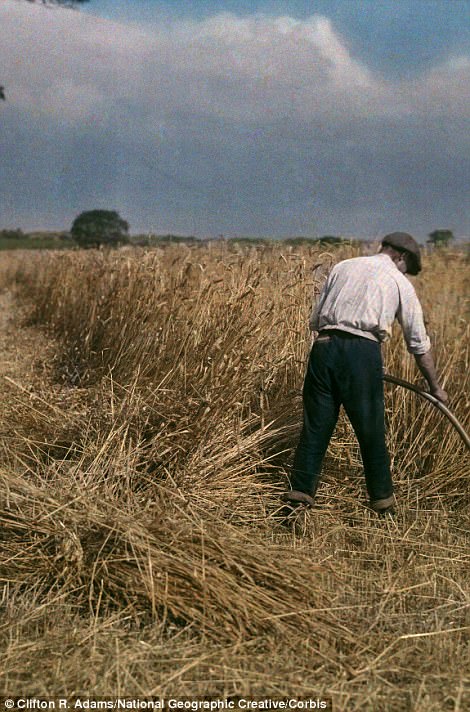
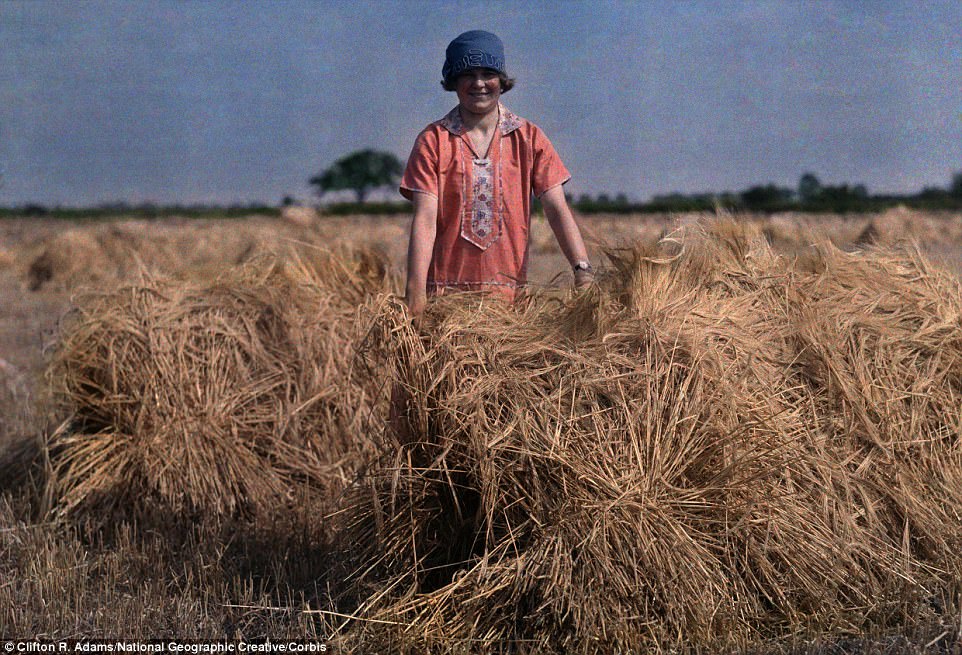
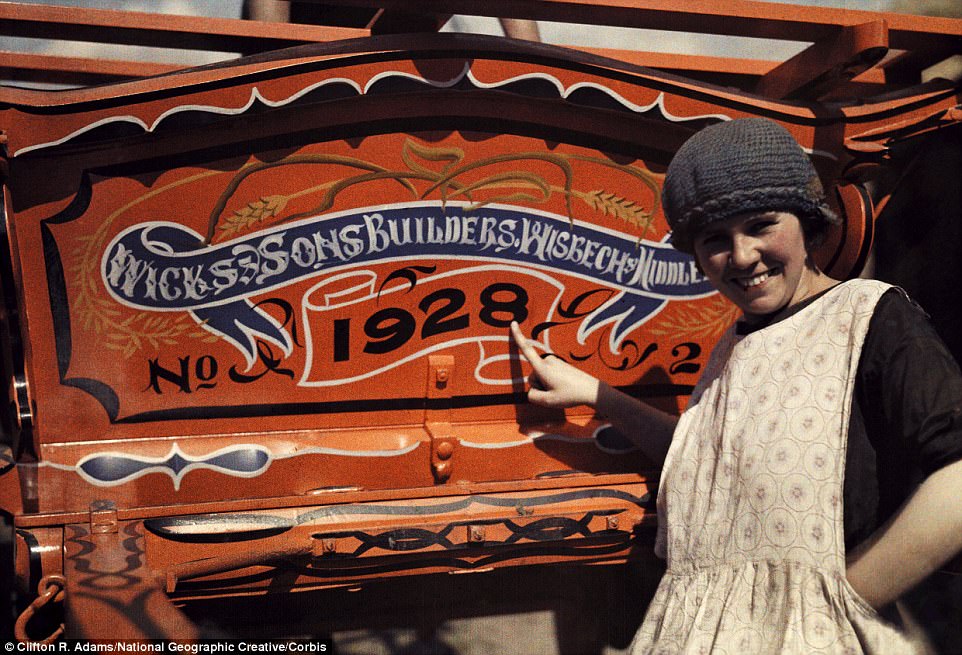
Agriculture remained central to British life beyond the cities. Across Lincolnshire, Lancashire, and Cambridgeshire, farmers worked the land through the seasons. A girl holding barley in a Lincolnshire field, a woman gesturing to her farm cart, a man cutting grain — these scenes show a country still deeply rooted in its farming traditions even as the modern world pressed in.
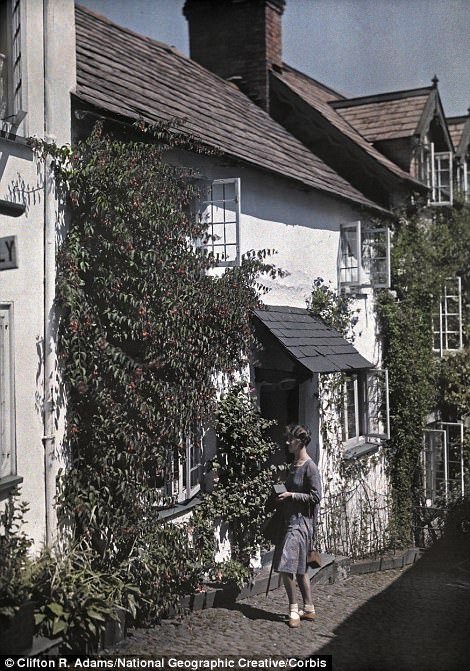
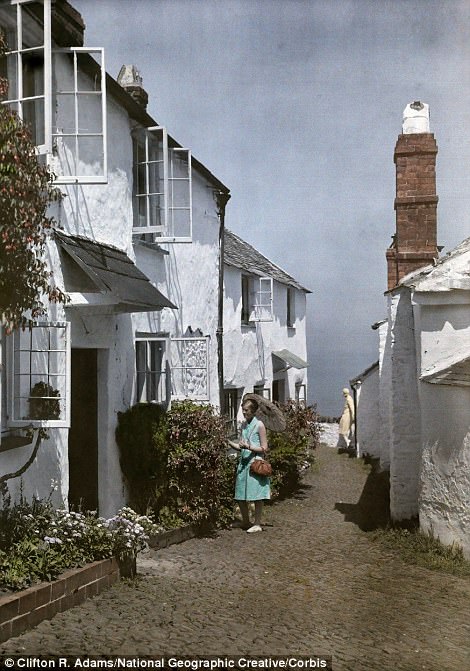
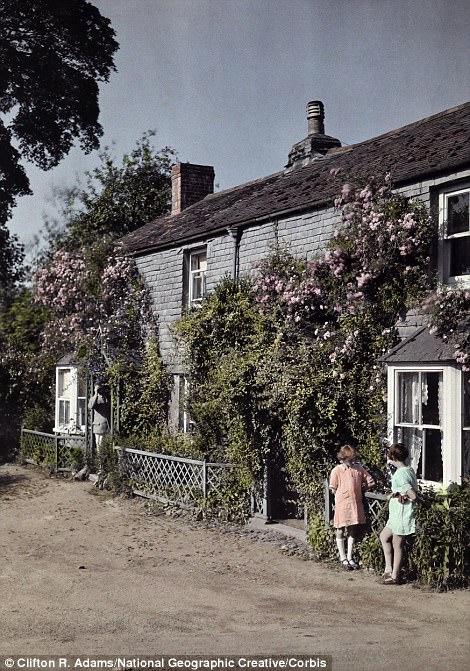
Devon’s coastal villages had a character all their own. Clovelly, perched on the cliffs of North Devon, was one of the most distinctive — its steep, cobbled main street running straight down to the sea. Women walked its narrow lanes, and children stood outside their cottages in surroundings that had changed little in centuries.
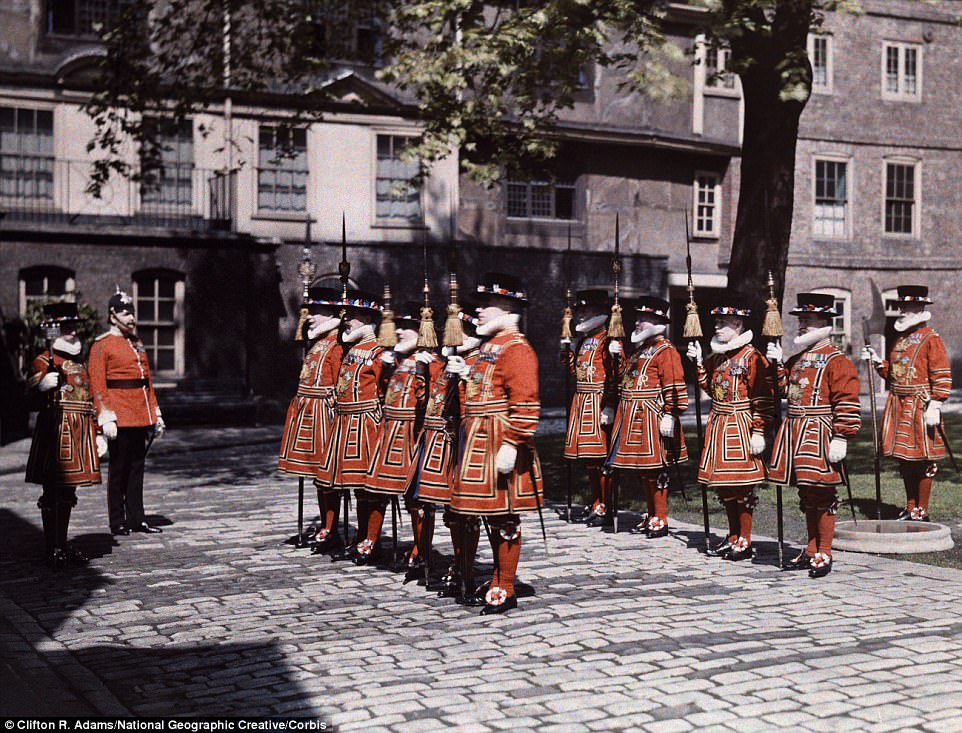
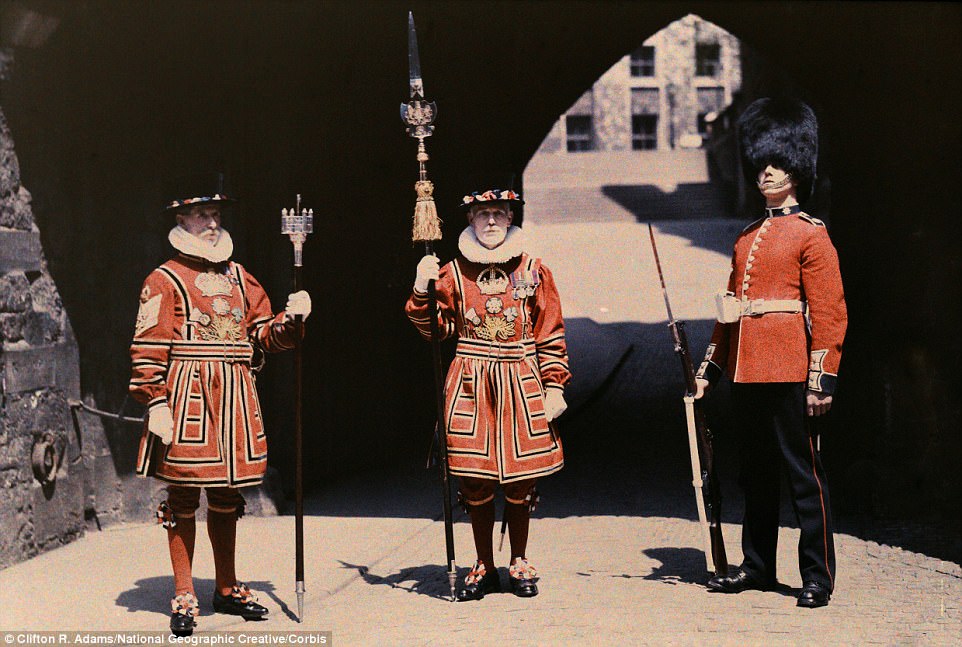
The Tower of London’s Yeomen Warders — popularly known as Beefeaters — were among Britain’s most recognizable figures. In full ceremonial dress, they stood as guardians of one of the country’s most historic sites. The Chief Warder, a Coldstream Guardsman, and a Yeoman Warder posing together in 1929 captured the formal pride of a tradition centuries in the making.
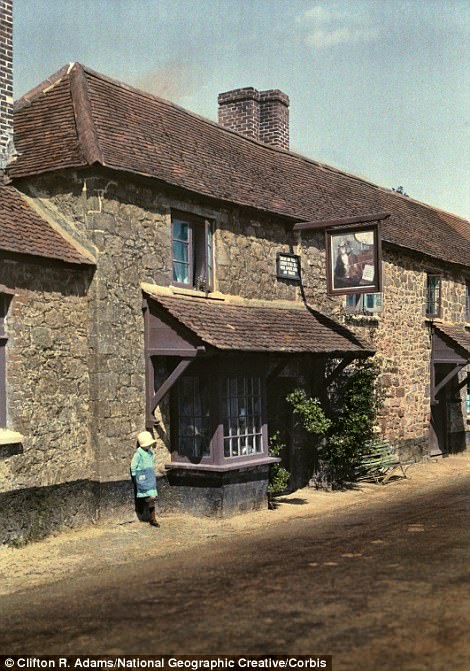
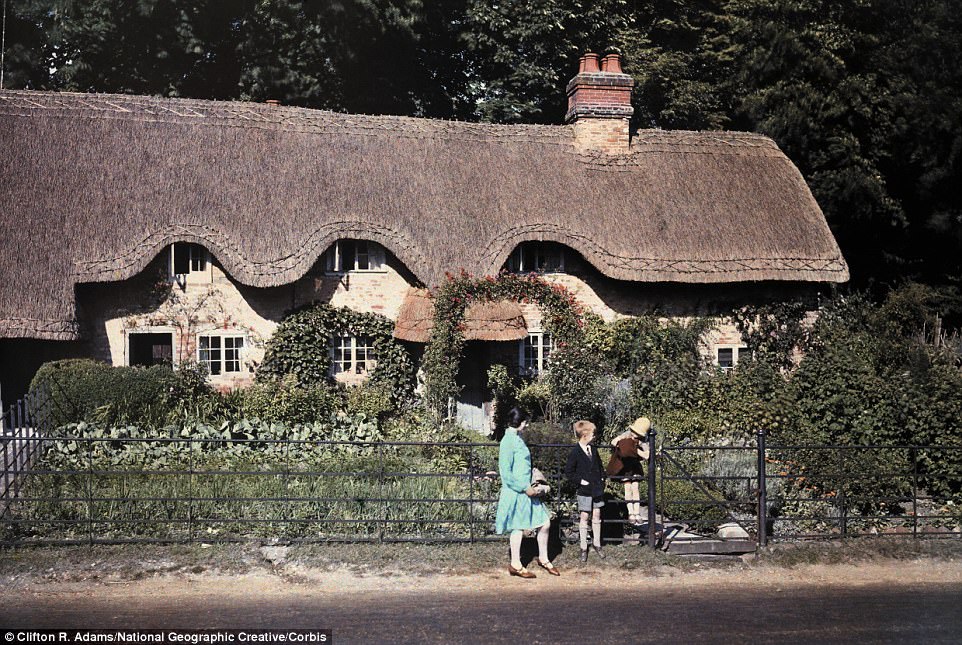
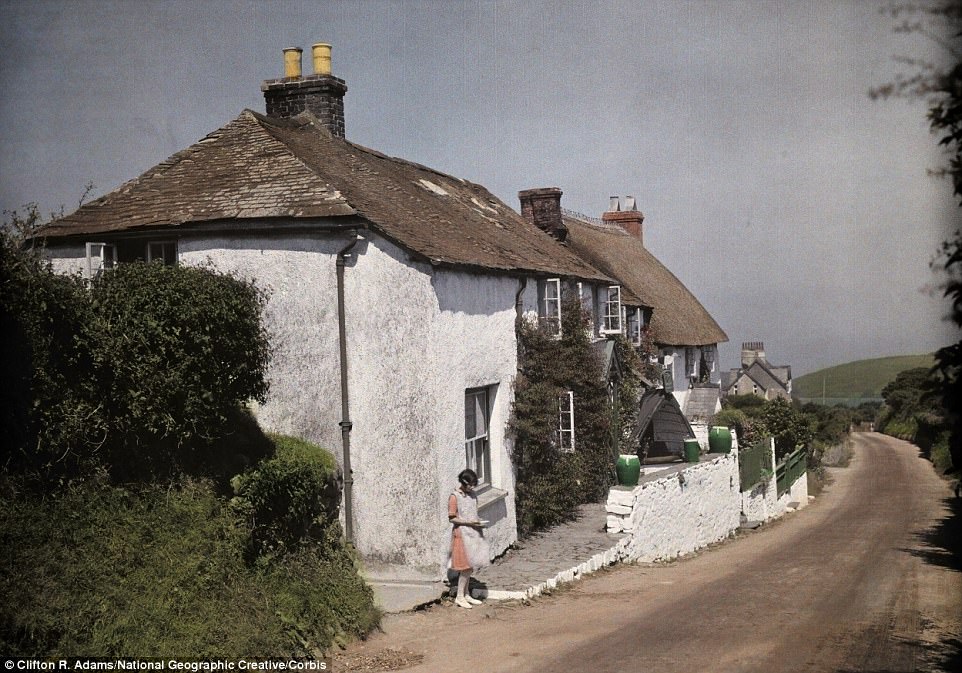
Thatched cottages, village lanes, and rolling hills defined large parts of rural southern England. In Hampshire, a thatched-roof cottage sheltered a small family in 1931. These homes, built long before the 1920s, remained in everyday use — practical, durable, and deeply tied to the English countryside.
The Royal Hospital Chelsea’s pensioners were not confined to London. They appeared across the country at public events and in everyday settings — on the steps of Oxford buildings, at military ceremonies, and in quiet moments of rest. Their scarlet coats marked them instantly as men who had served.
Hayfields in Lancashire drew workers and picnickers alike during the summer. Two girls eating lunch near Hawkshead in 1929, surrounded by cut hay in the open air, show how work and leisure often occupied the same space in rural communities. Kew Gardens in London offered a different kind of escape — formal, horticultural, and open to the public since 1840.
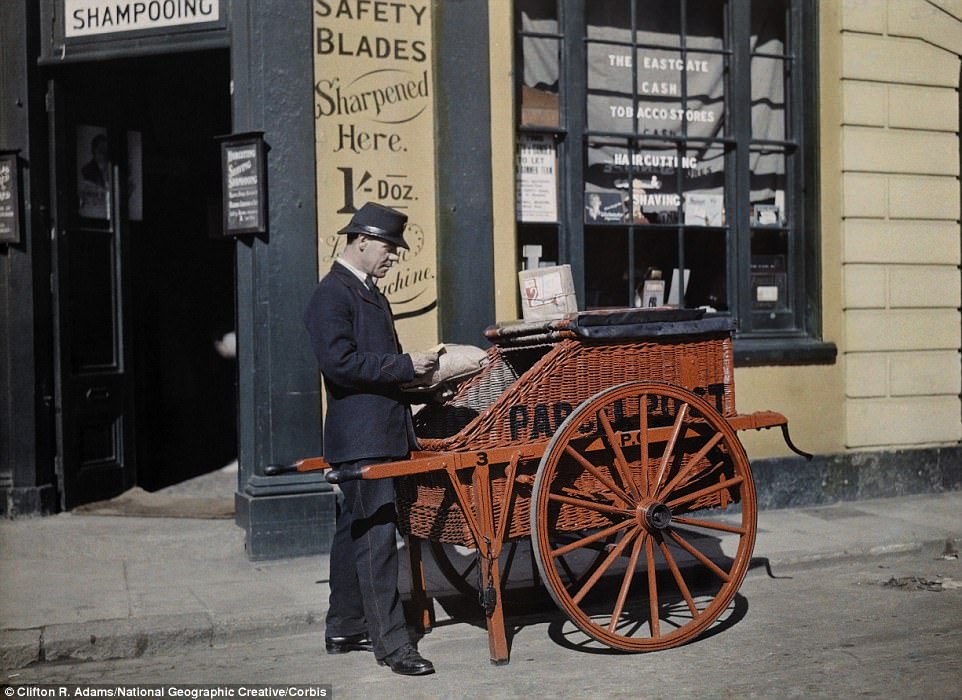
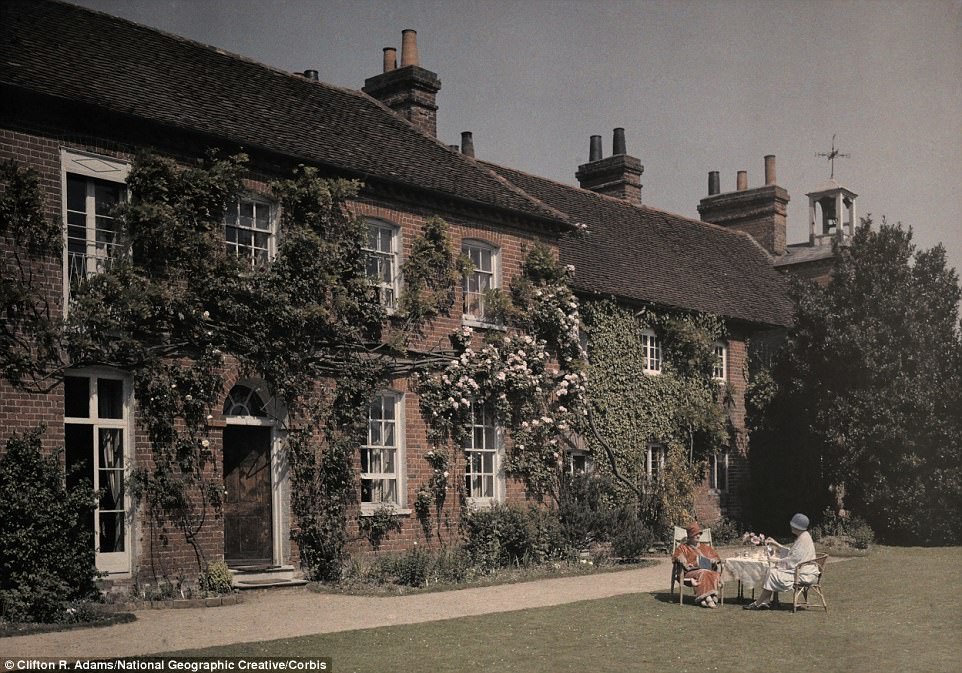
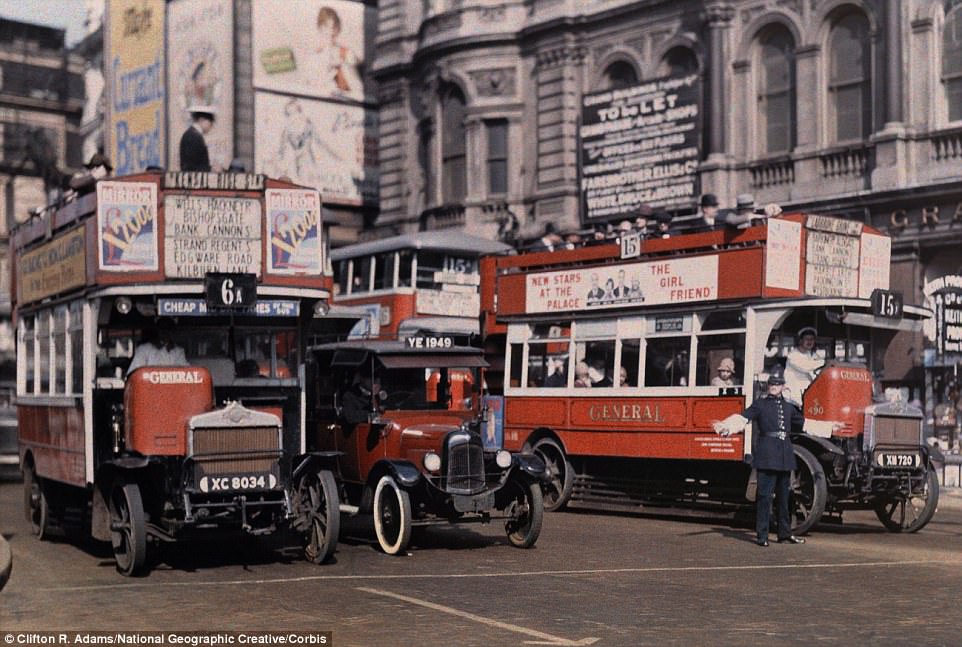
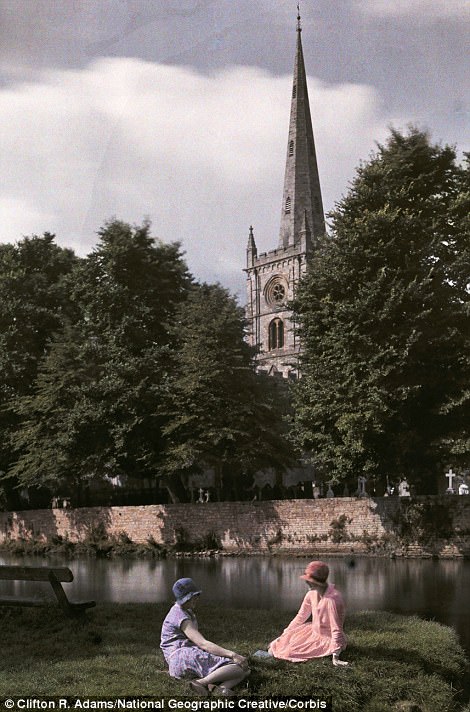
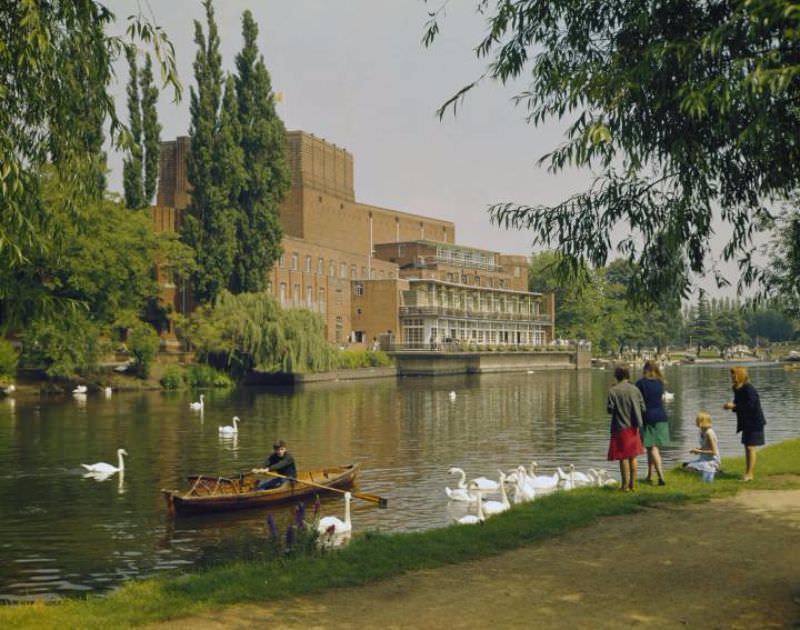
Tea taken outdoors in front of a historic building, a postman pushing his barrow past a barber’s shop in Oxford, a policeman directing buses at Trafalgar Square — the 1920s and 1930s produced images that show both the order and the ease of British public life. Women sat by the River Avon in Stratford with Holy Trinity Church behind them, and the world seemed, for a moment, to be running smoothly.
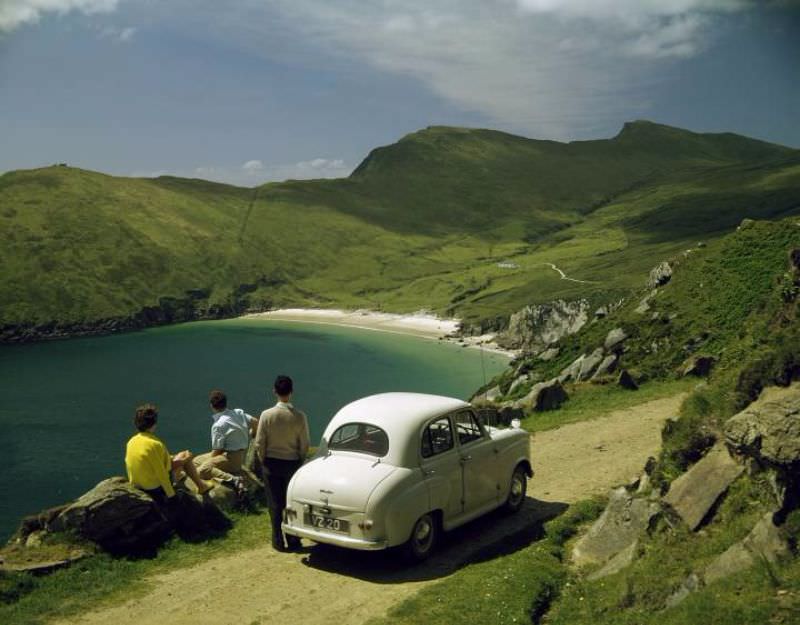
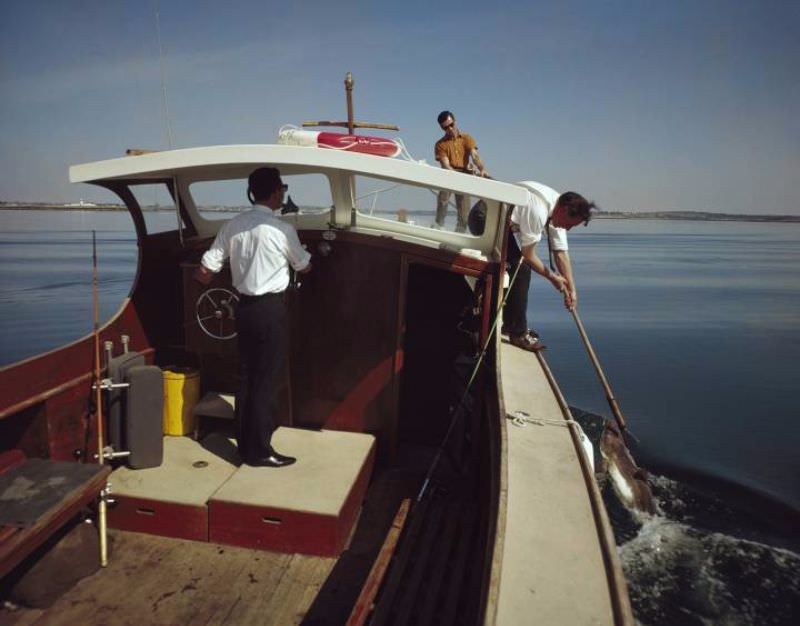
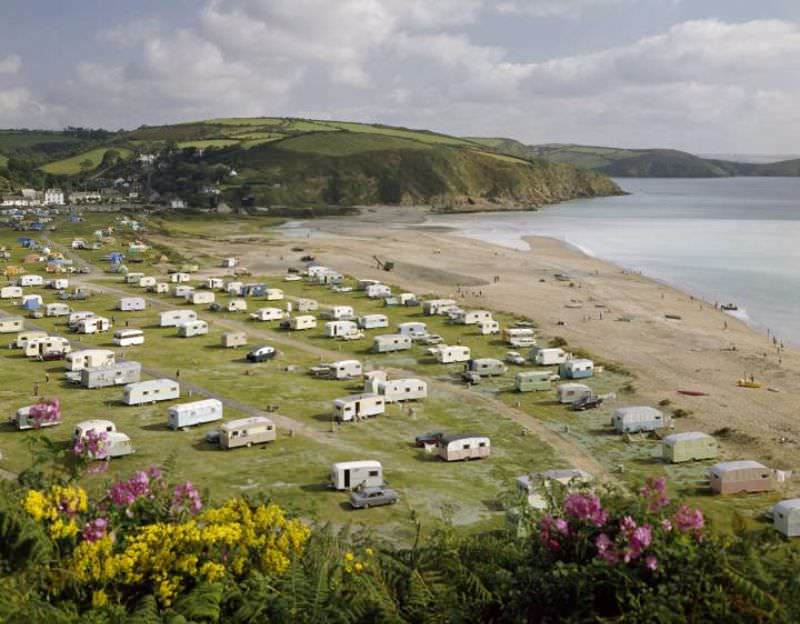
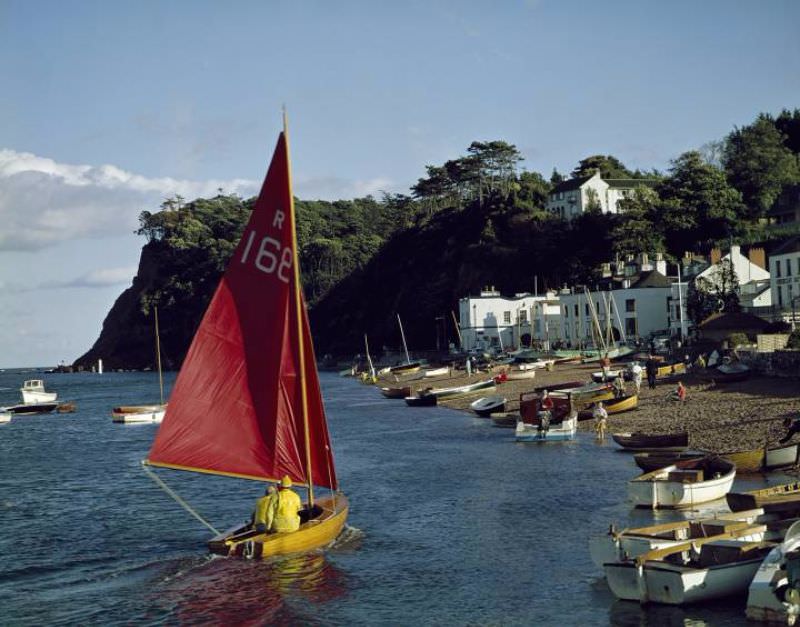
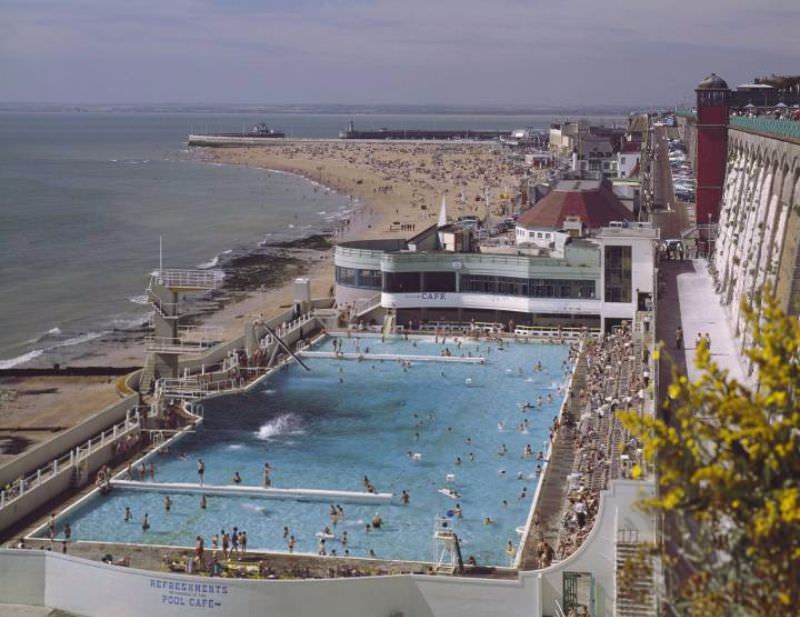
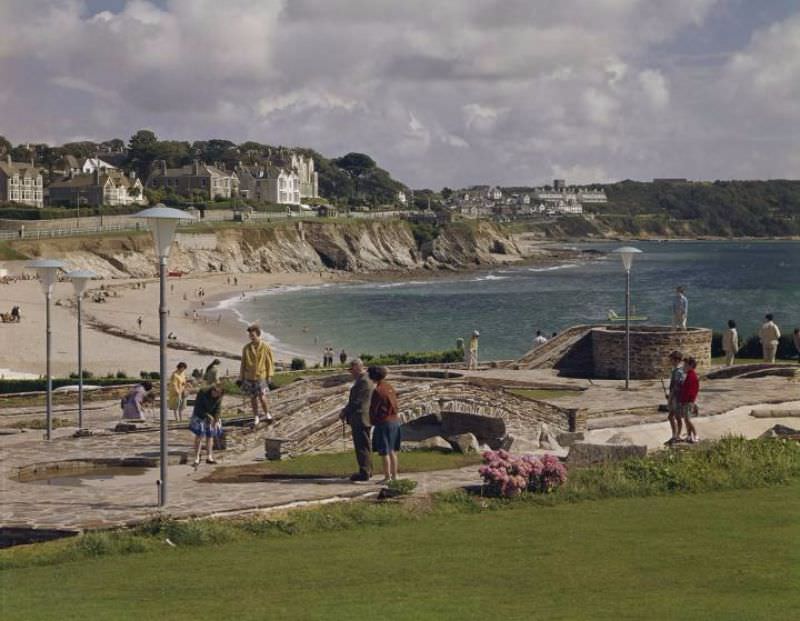
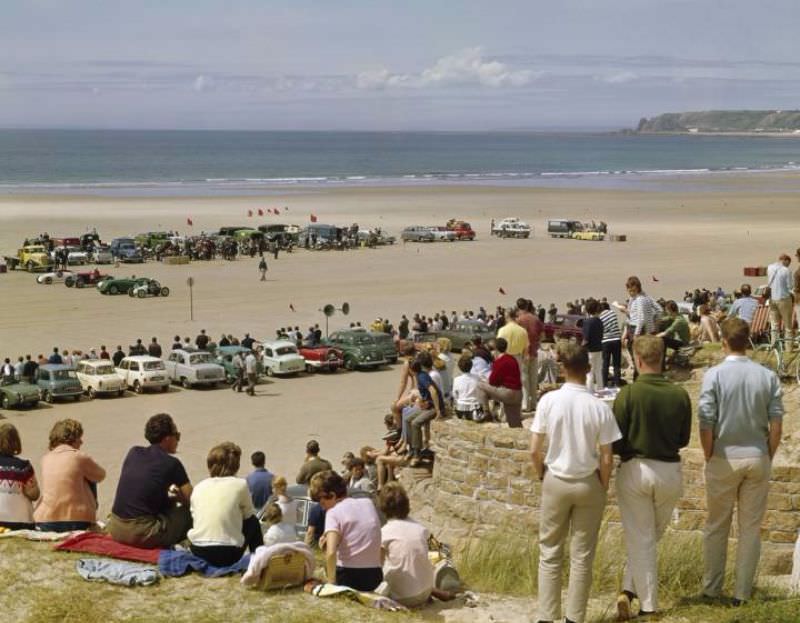
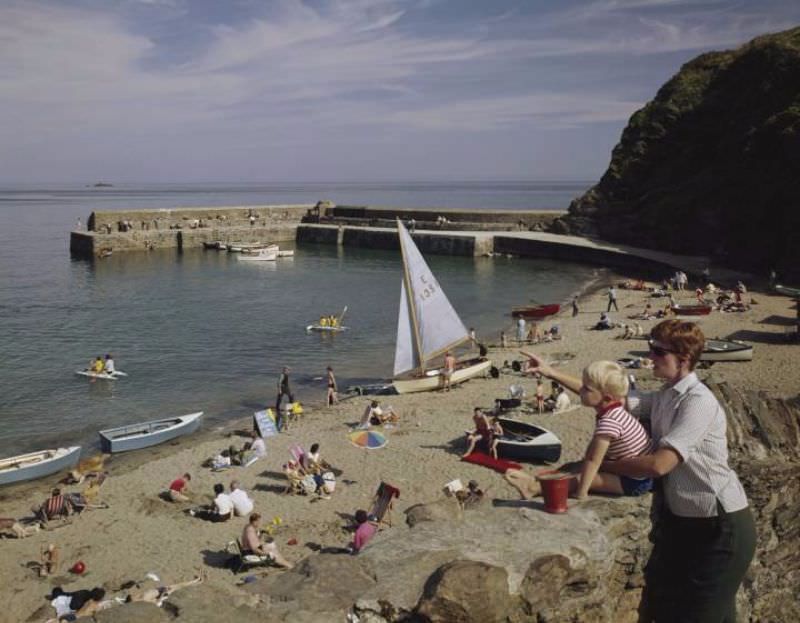
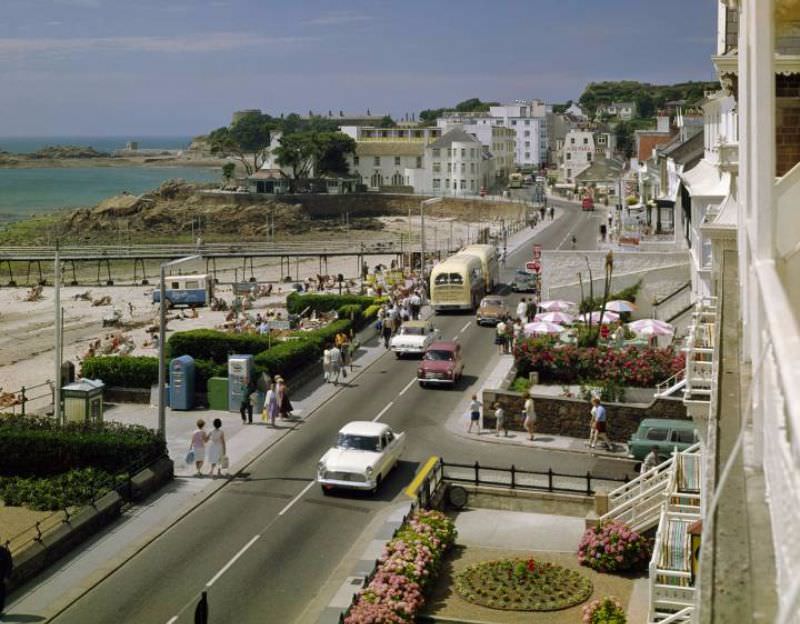
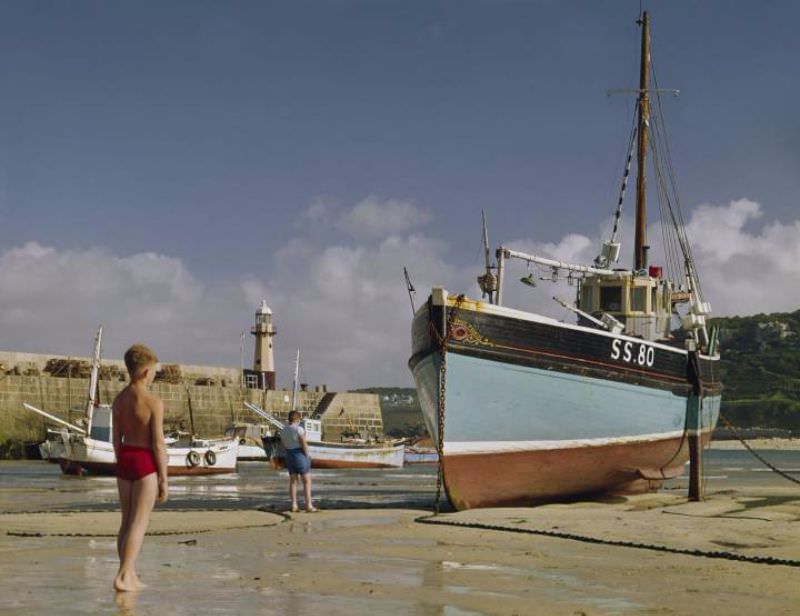
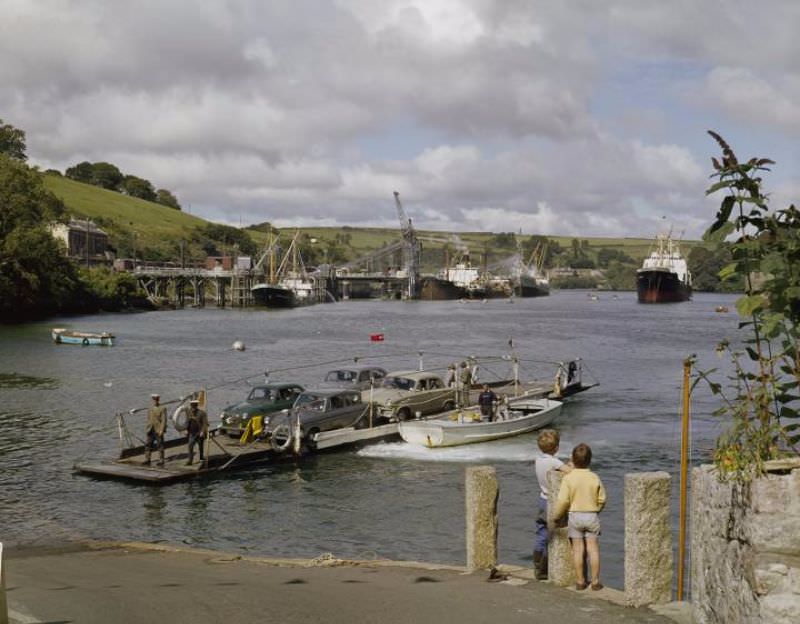
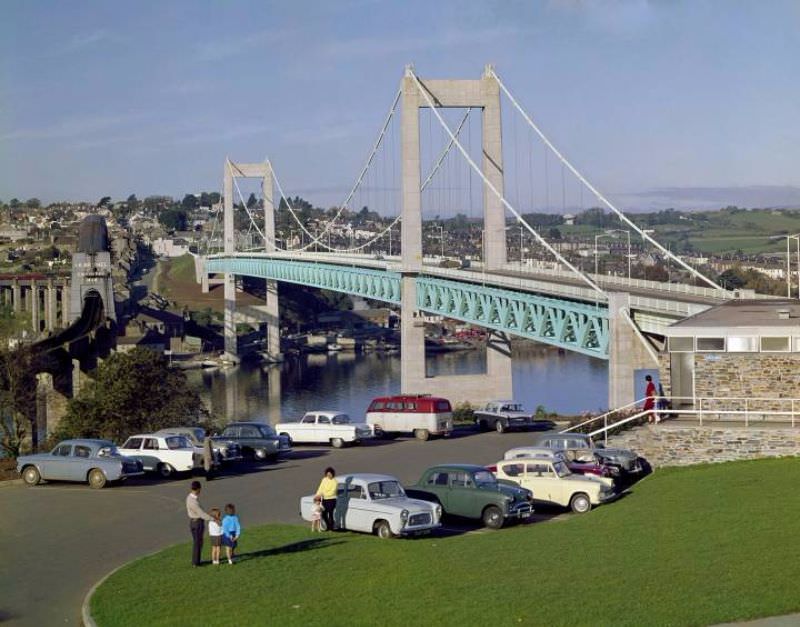
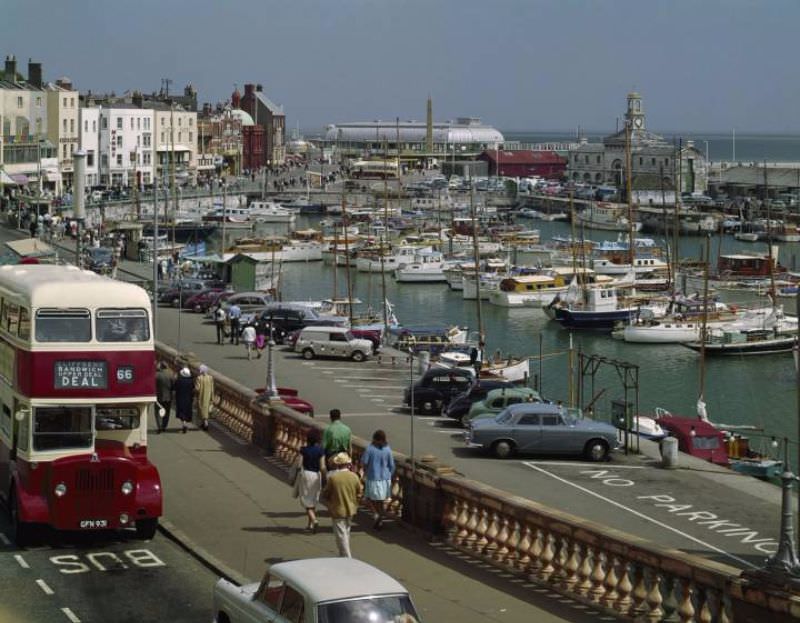
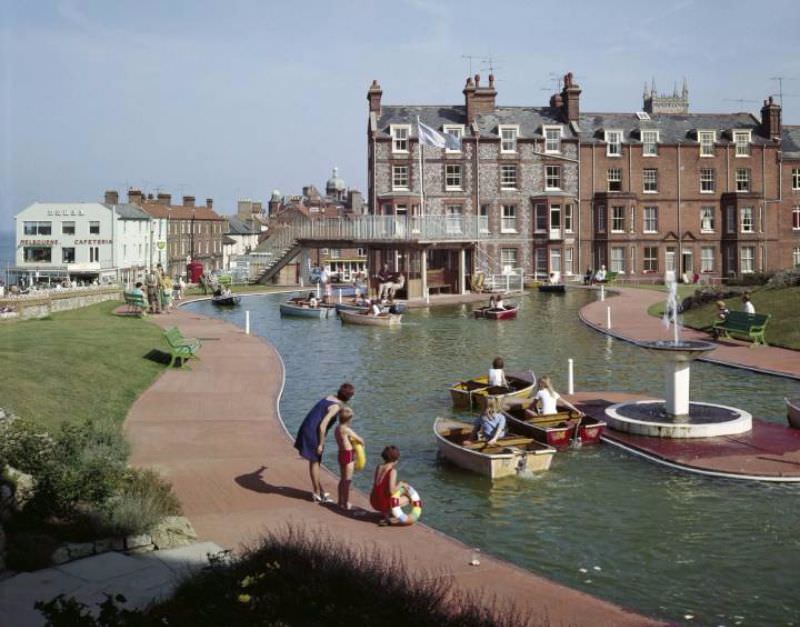
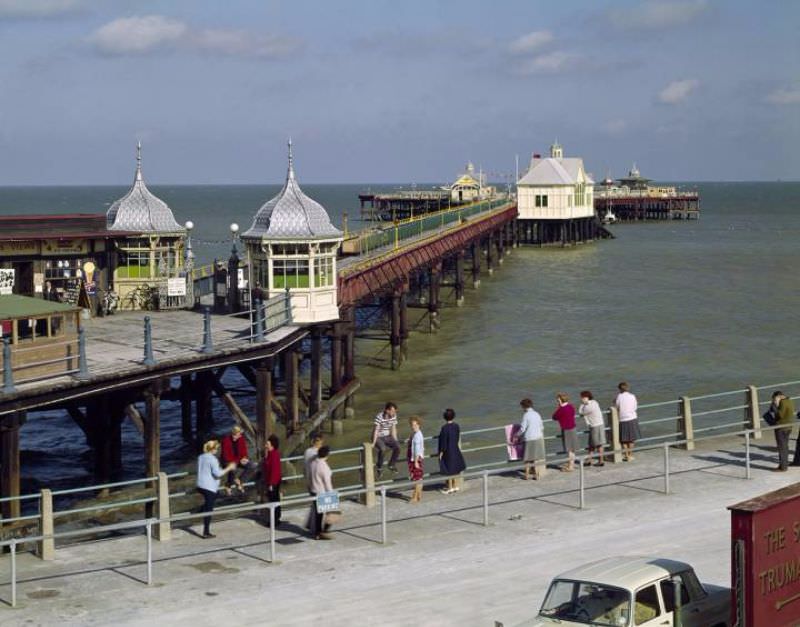
The color photographs from this era — many of them taken by photographers like Elmar Ludwig, John Hinde, Edmund Nagele, and Joan Willis — bring Britain’s coastline and leisure culture into vivid focus. Cornwall, Devon, Jersey, Norfolk, Kent, and Ireland all feature. Beaches packed with summer visitors, harbors full of boats, and open-air pools filled with swimmers show a country that, despite the economic pressures of the interwar years, still found ways to enjoy itself.





I guess the 20s and 30s were mostly just people posting letters!
Texting started just after in the 40s.
They are considered a golden age by the BBC. As they nonstop make movies and films about that period.