
At the turn of the 20th century, Detroit was a city in motion. Michigan’s largest city was shedding its 19th-century skin and growing fast — in population, in industry, and in ambition. The streets were filling with electric streetcars, stone commercial blocks were rising along Woodward Avenue, and the Detroit River was churning with steamers, ferries, and freight vessels. These photographs, taken between 1900 and 1910, capture a city that was already becoming something much bigger than itself.
Downtown Detroit in this era was defined by its grand boulevards and civic monuments. Washington Boulevard, Woodward Avenue, and Griswold Street were lined with stone-faced commercial buildings, hotel facades, and public squares. One of the most recognizable landmarks was the Alexander Macomb monument on Washington Boulevard Park, sculpted by Adolph Weinman to honor the War of 1812 general.
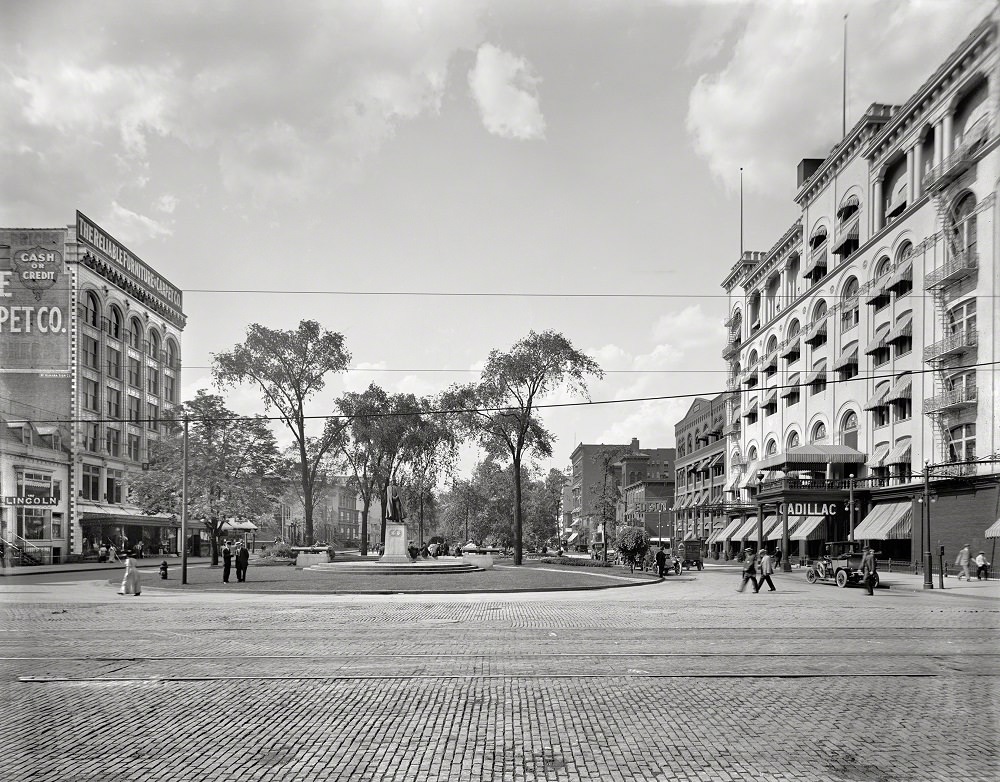
City utilities were expanding to match Detroit’s rapid growth. The Detroit City Gas Company was one of the organizations keeping pace with that demand, operating out of its building at Washington Boulevard and Clifford Street.
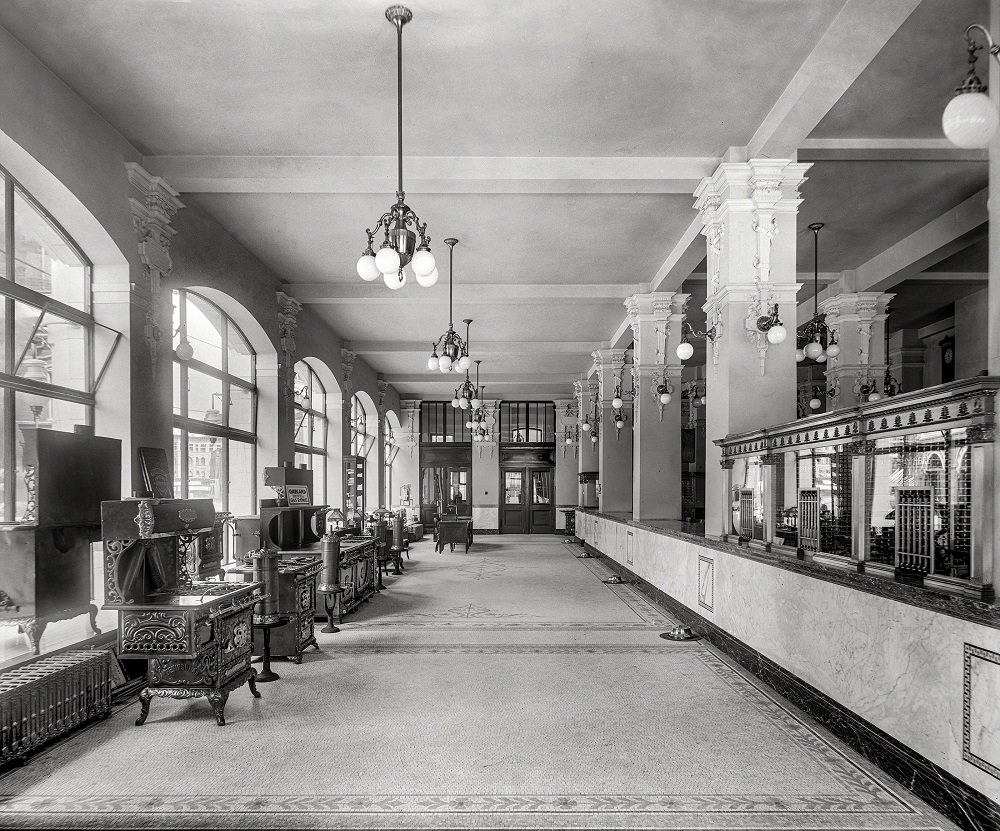
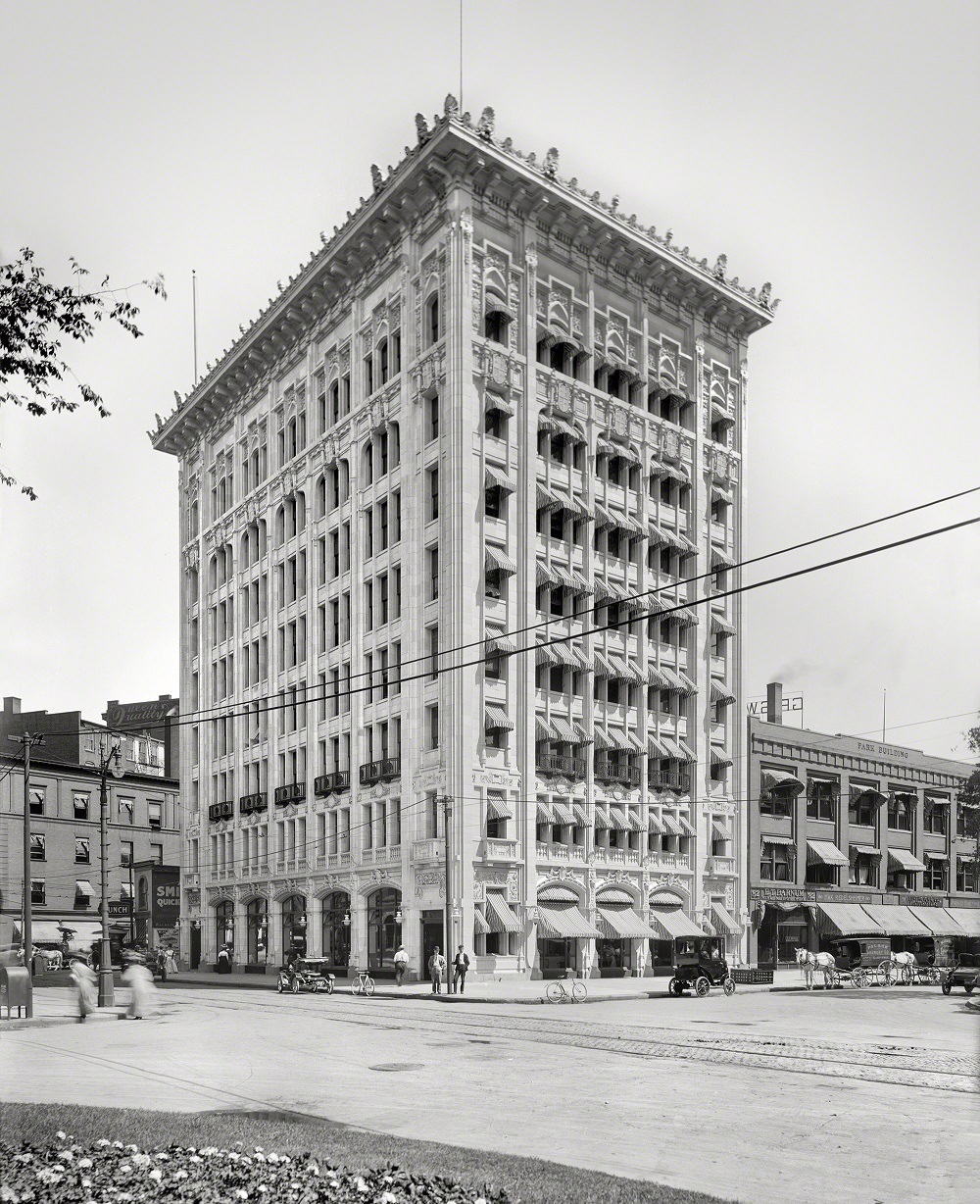
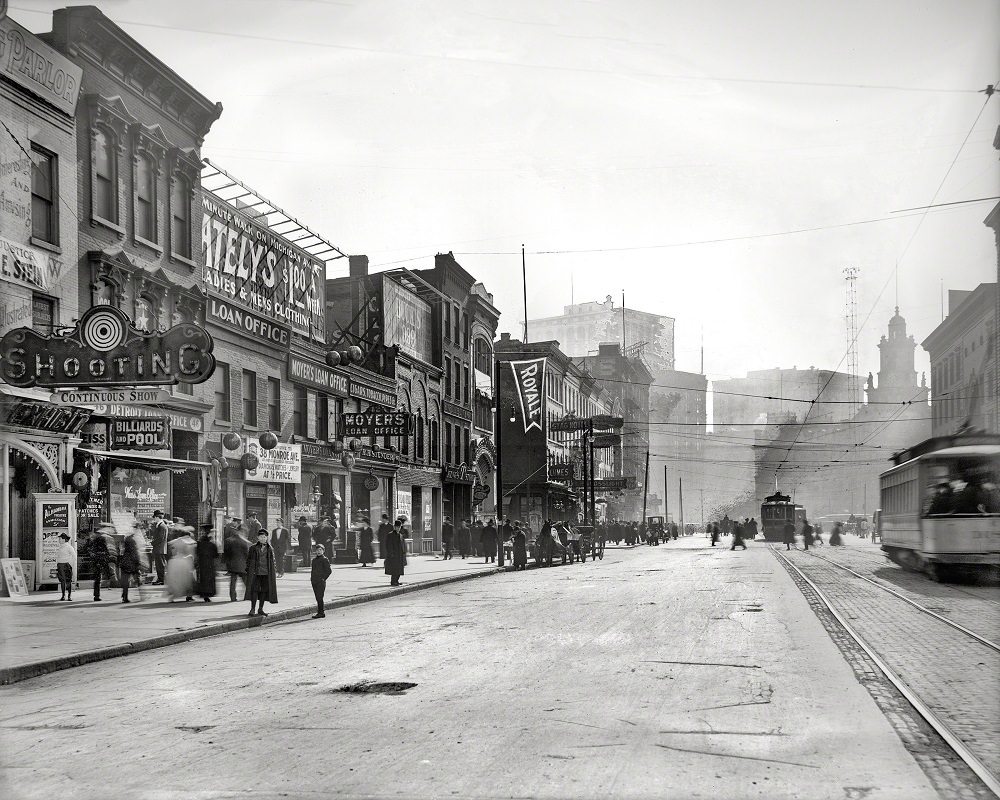
Not every part of Detroit shared in the prosperity of its busiest corridors. Monroe Avenue showed a grittier side of the city — older buildings, worn storefronts, and the kind of neighborhood that struggled to keep up with the downtown boom. Even in a fast-growing industrial city, some districts lagged behind.
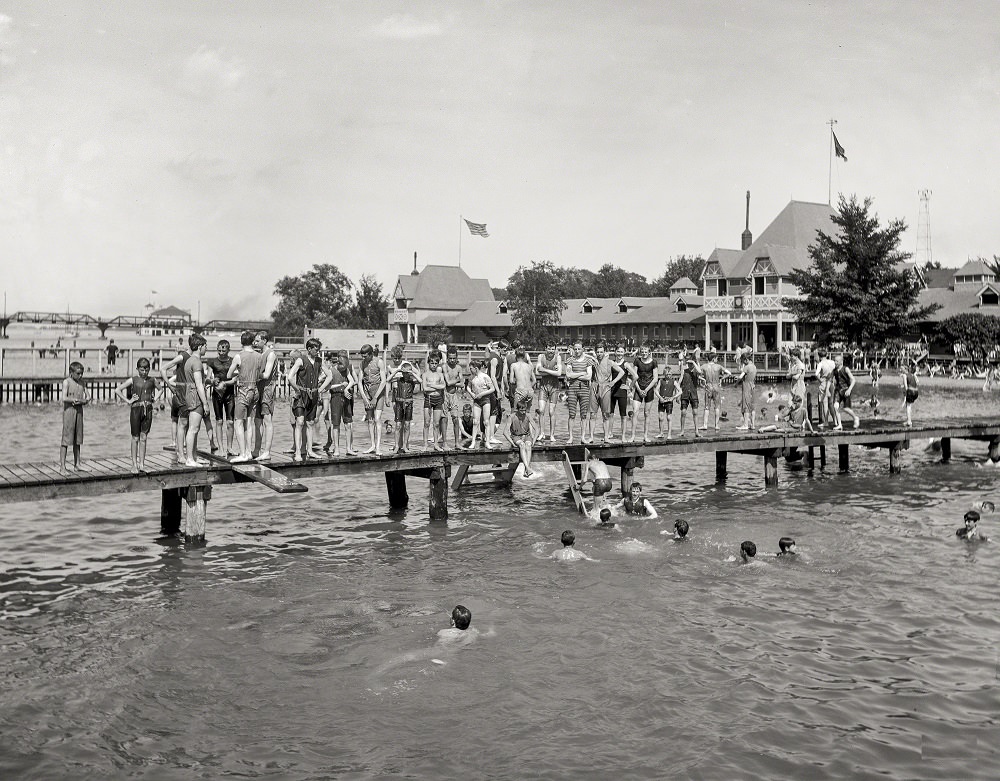
Belle Isle, the island park sitting in the Detroit River, was one of the city’s most beloved gathering places. Detroiters crossed over by ferry to spend time at its casino, swimming pools, playgrounds, and bathhouses. On a busy day, the park drew enormous crowds.
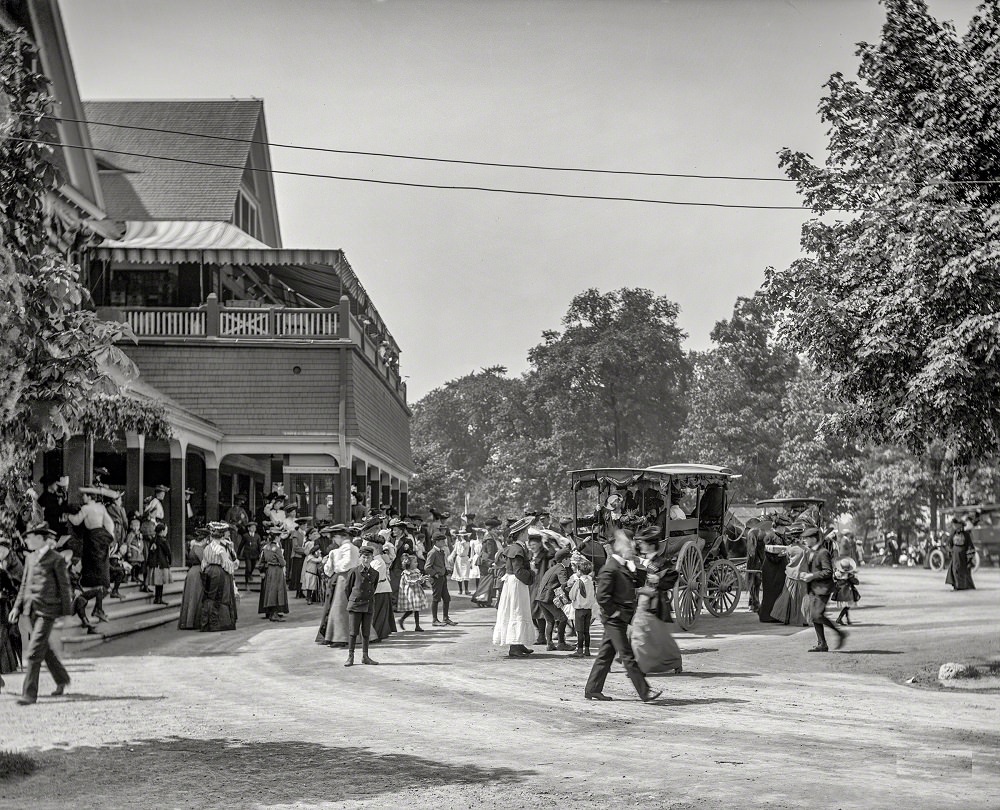
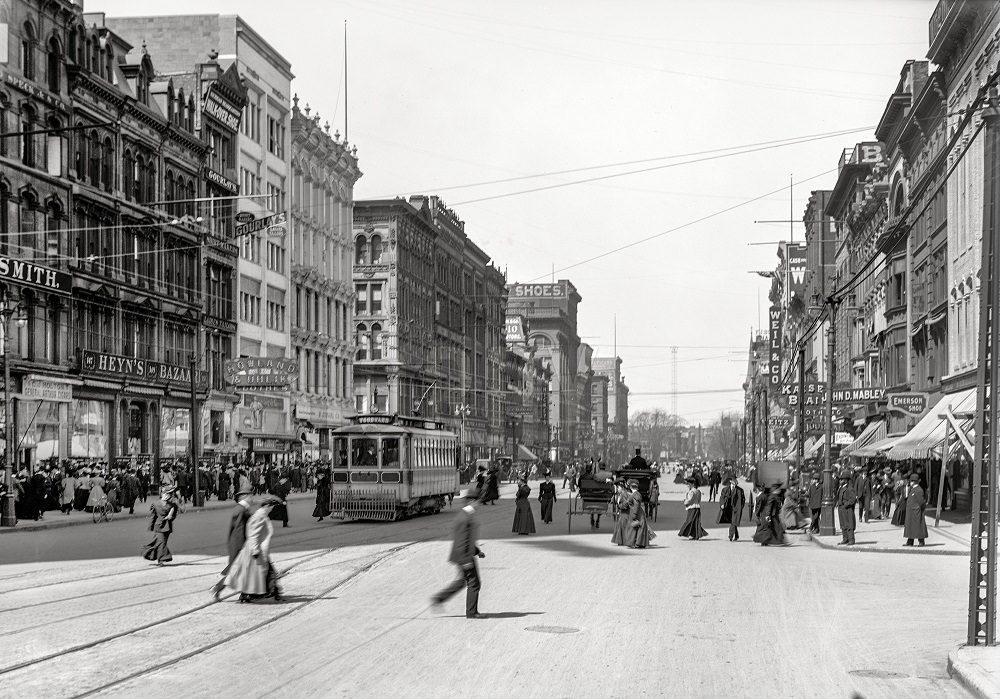
Woodward Avenue was Detroit’s main artery. Running north from the waterfront through the heart of downtown, it was packed with commercial activity, foot traffic, and the steady rumble of streetcars. Looking north from the Opera House corner in 1909, the avenue showed a city that was dense, busy, and growing upward as well as outward.
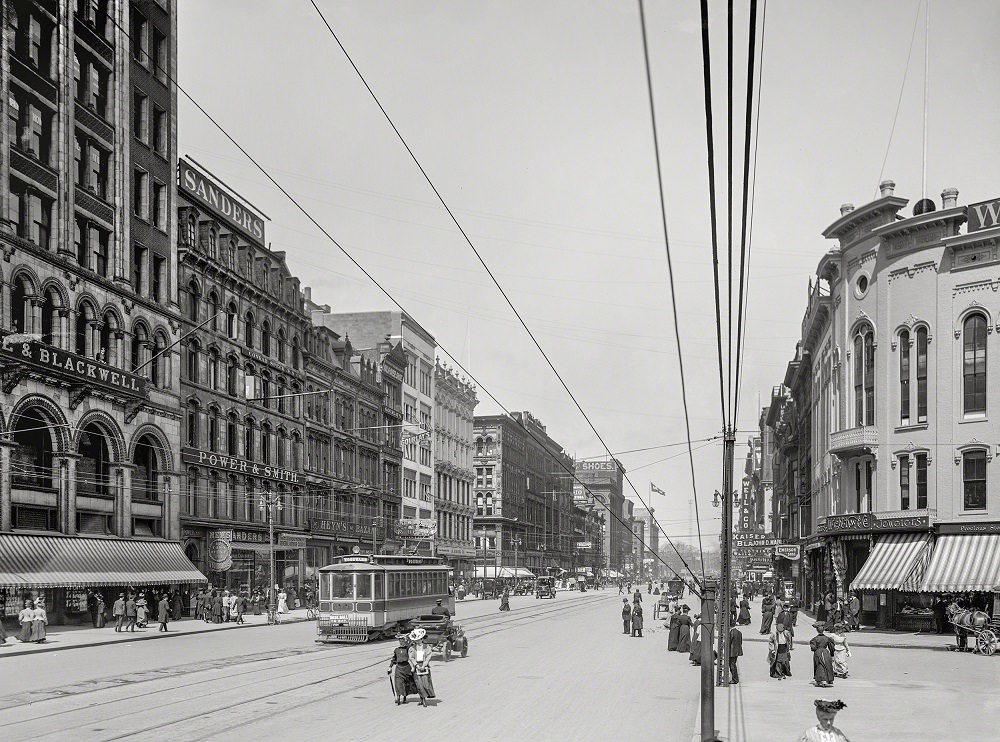
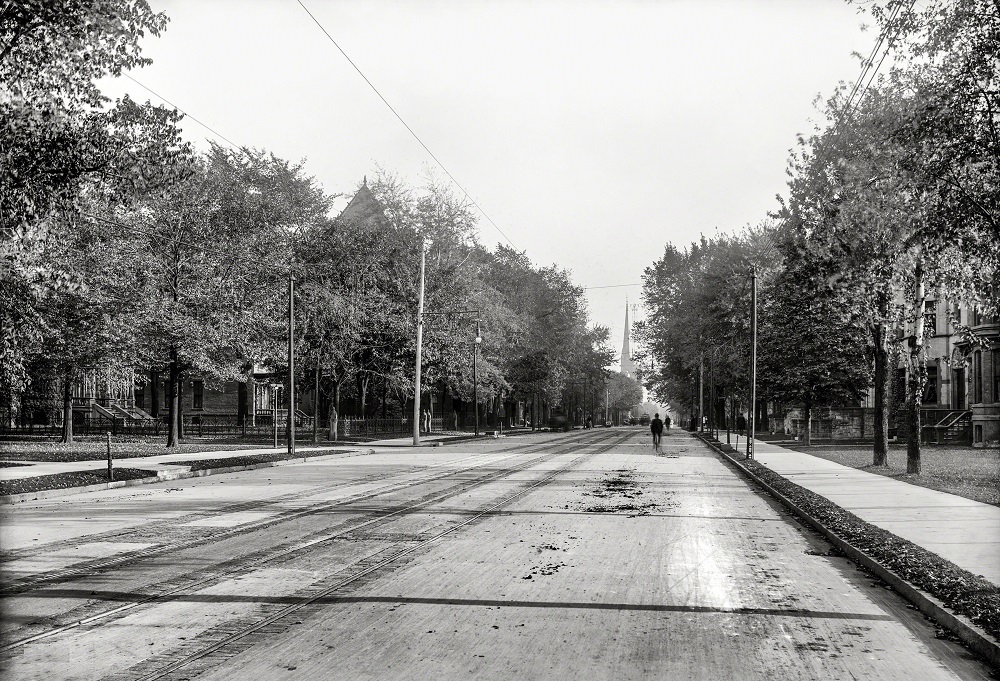
Residential Detroit in the early 1900s had its own character. East Grand Boulevard was one of the city’s more well-appointed streets, where large homes sat behind tidy lawns. These were the neighborhoods of the merchant and professional class — solid, well-built, and a world apart from the factory floors that were beginning to define the city’s economic identity.
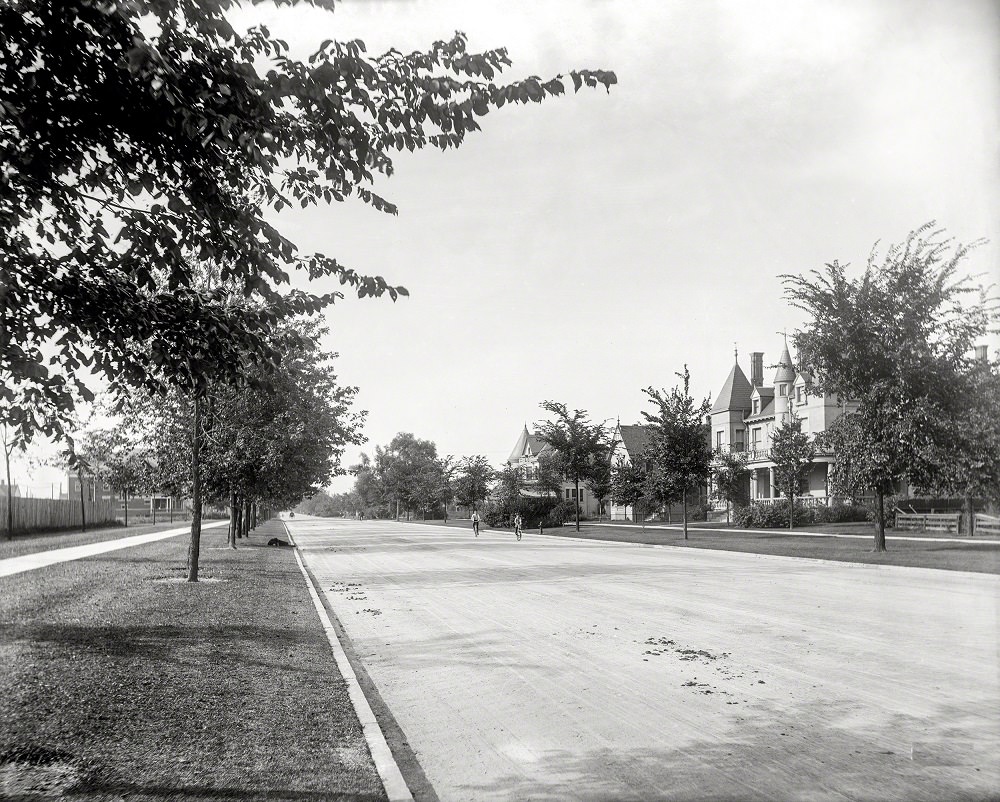
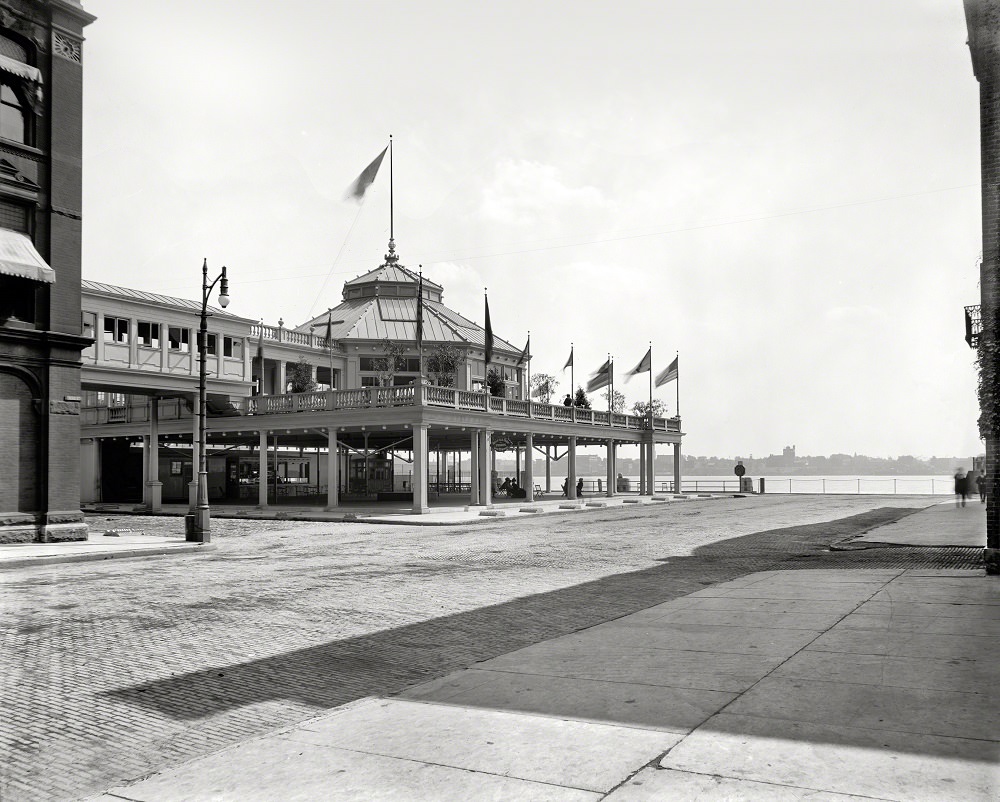
The Wayne Hotel was one of Detroit’s prominent lodging establishments, and its pavilion along the Third Street side near the Detroit River offered guests a direct connection to the waterfront. The river was not just a scenic backdrop — it was an active commercial and transportation corridor.
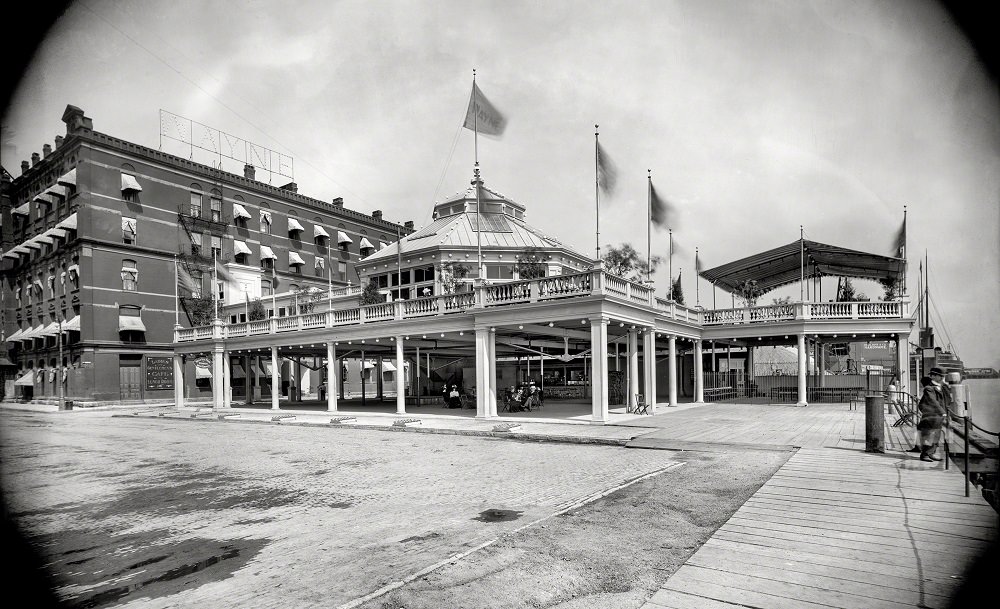
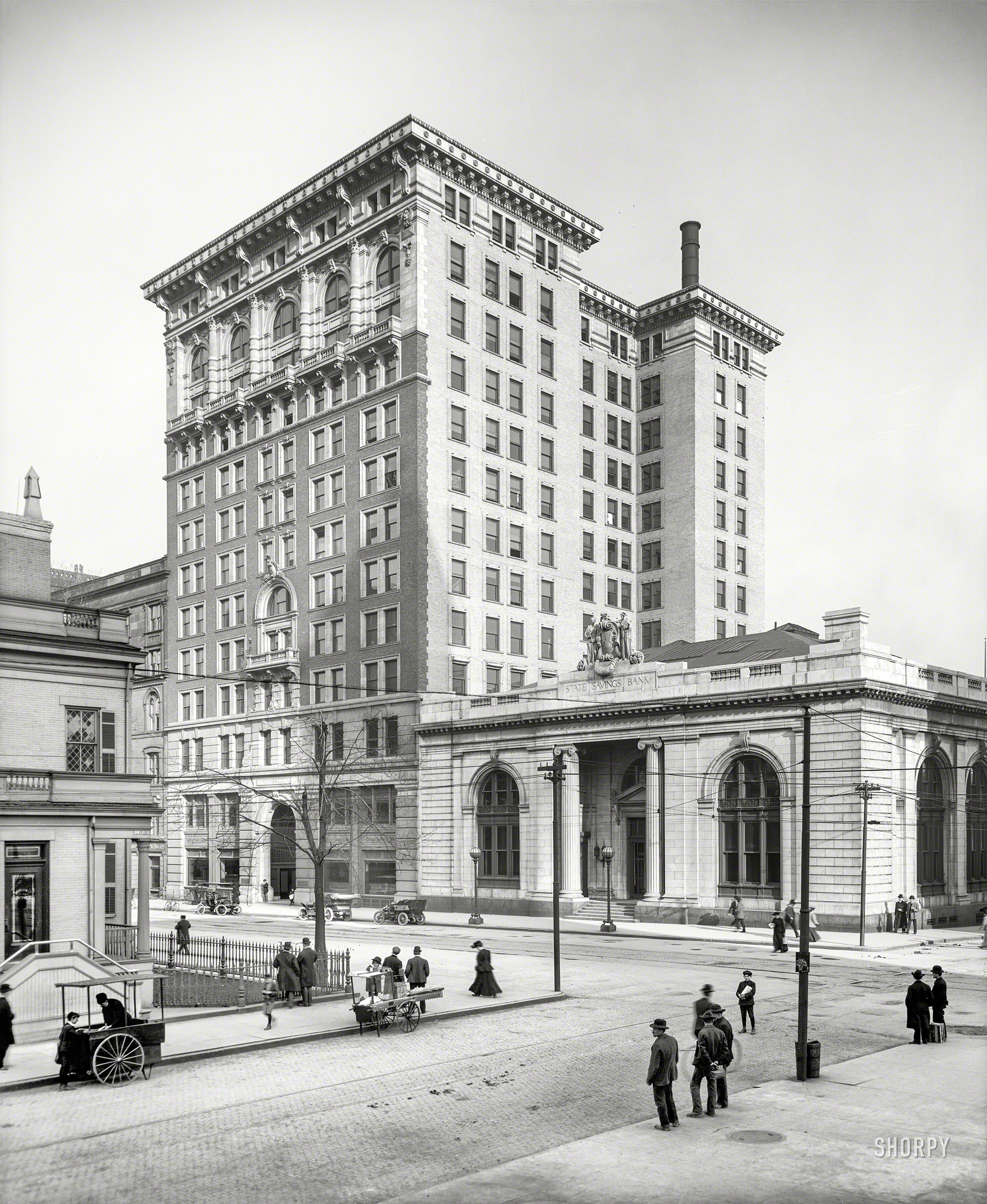
Detroit’s financial district was anchored by buildings like the Penobscot Building and the State Savings Bank at Fort and Shelby Streets. These structures projected stability and institutional weight — the kind of architecture that told investors and residents alike that the city meant business.
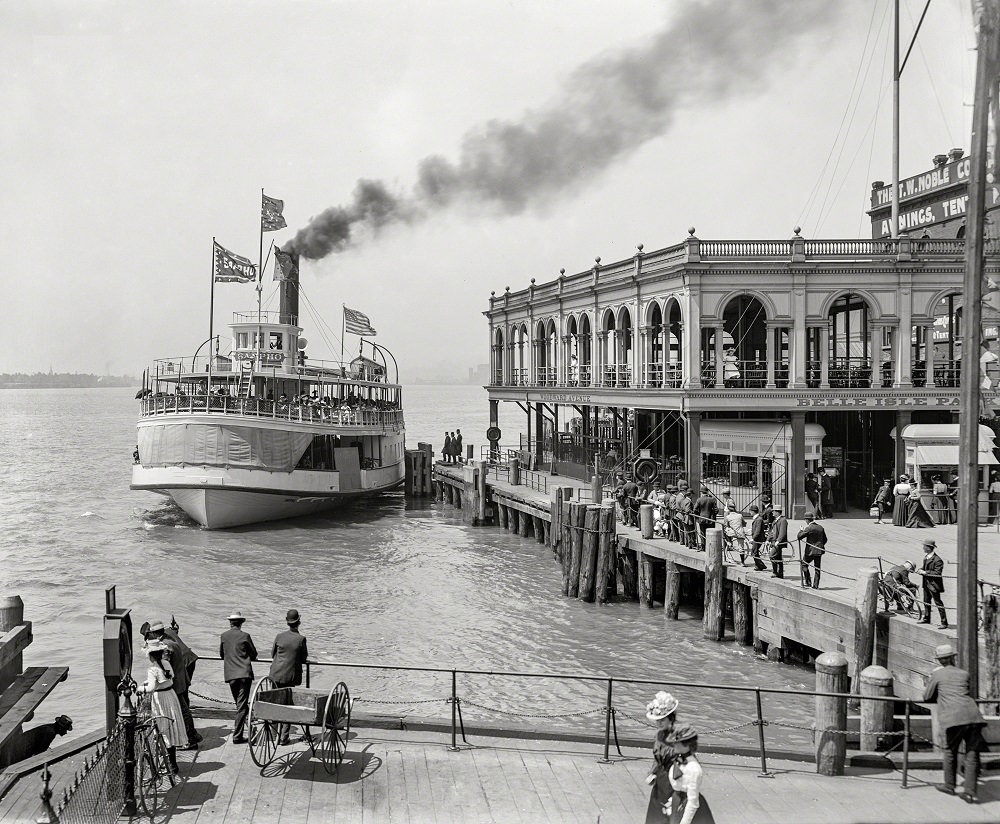
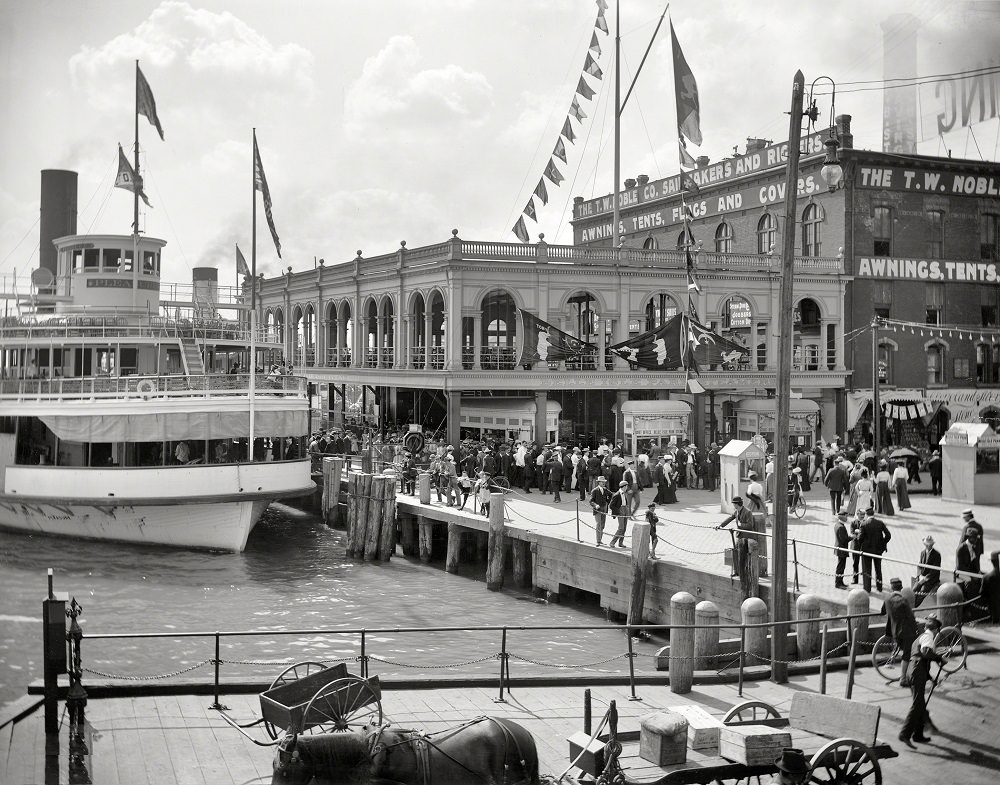
Ferry service to Belle Isle ran from the Woodward Avenue dock, and the steamer Sappho was one of the vessels making that run in the mid-1900s. These ferries were the lifeline connecting city residents to the island park, carrying thousands of passengers throughout the warmer months.
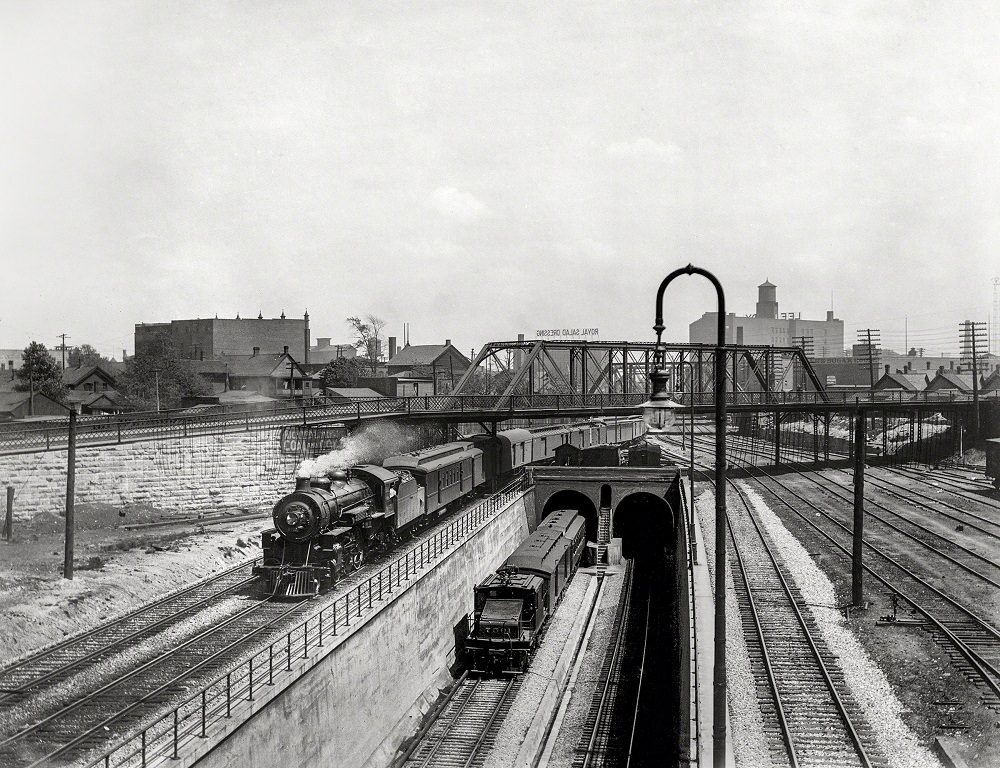
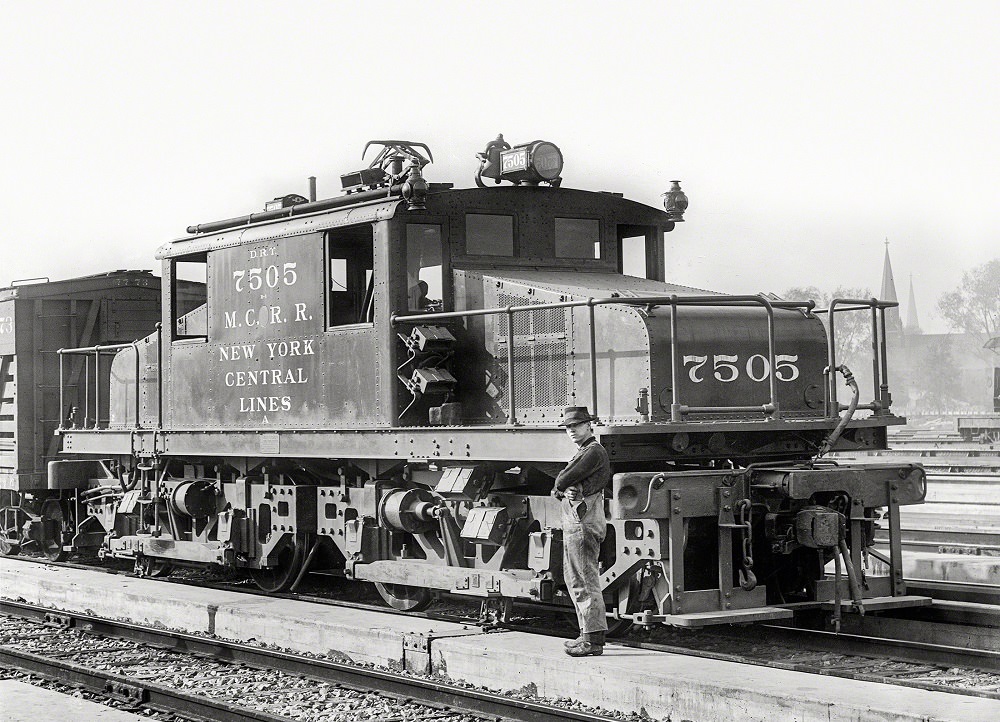
One of the most significant infrastructure projects of this period was the Detroit River Tunnel. Completed in 1910, it connected Detroit to Windsor, Ontario, running beneath the river and allowing Michigan Central Railroad trains to cross without relying on the often ice-clogged river surface. The tunnel required electric engines rather than steam locomotives, since steam couldn’t safely operate underground.
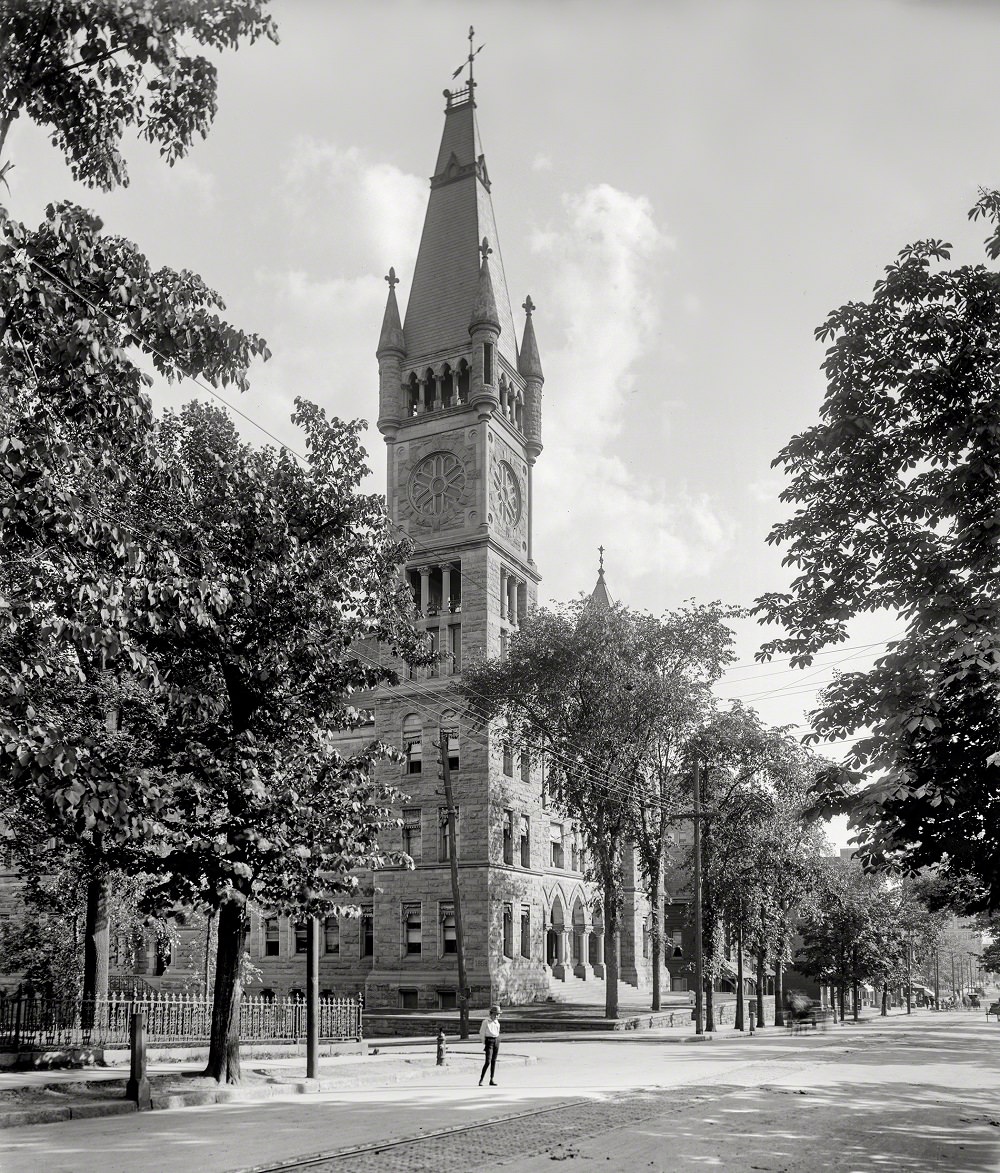
Detroit’s civic institutions were also expanding. The Municipal Building at Washington Avenue and Mulberry Street was one of the anchors of city government at the opening of the decade, a physical symbol of the administrative structure trying to keep pace with a rapidly growing urban population.
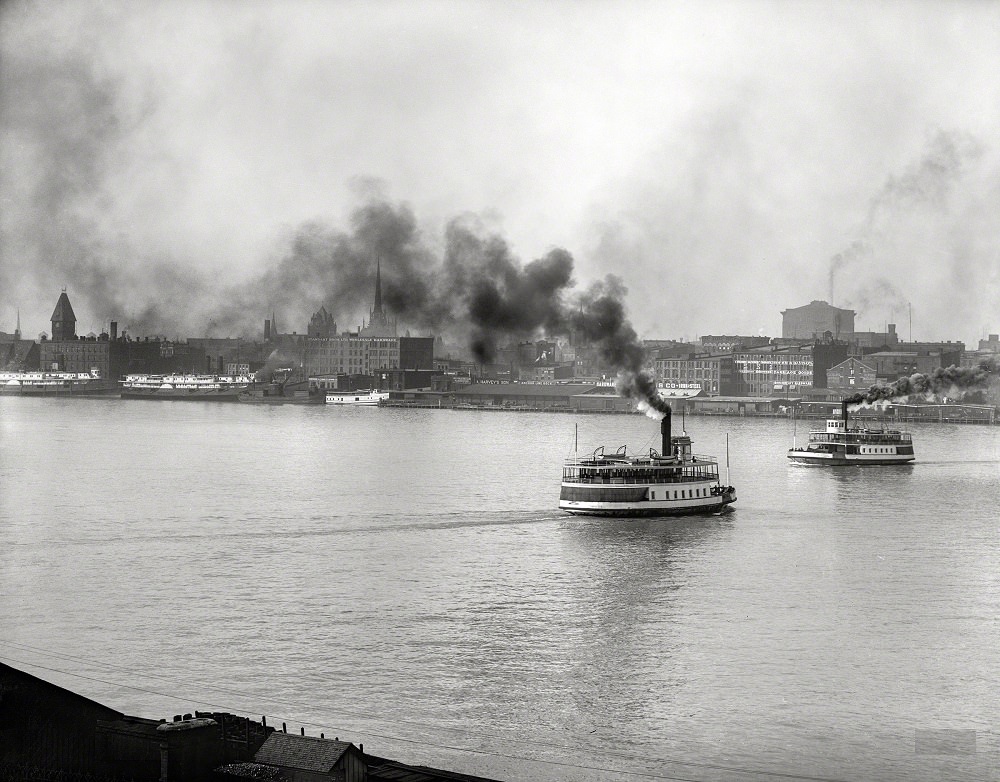
The Detroit River itself was one of the busiest waterways in North America during this period. Freighters, ferries, excursion steamers, and passenger vessels all shared its waters. The river connected the Great Lakes — and therefore connected Detroit to the broader industrial and commercial economy of the continent.
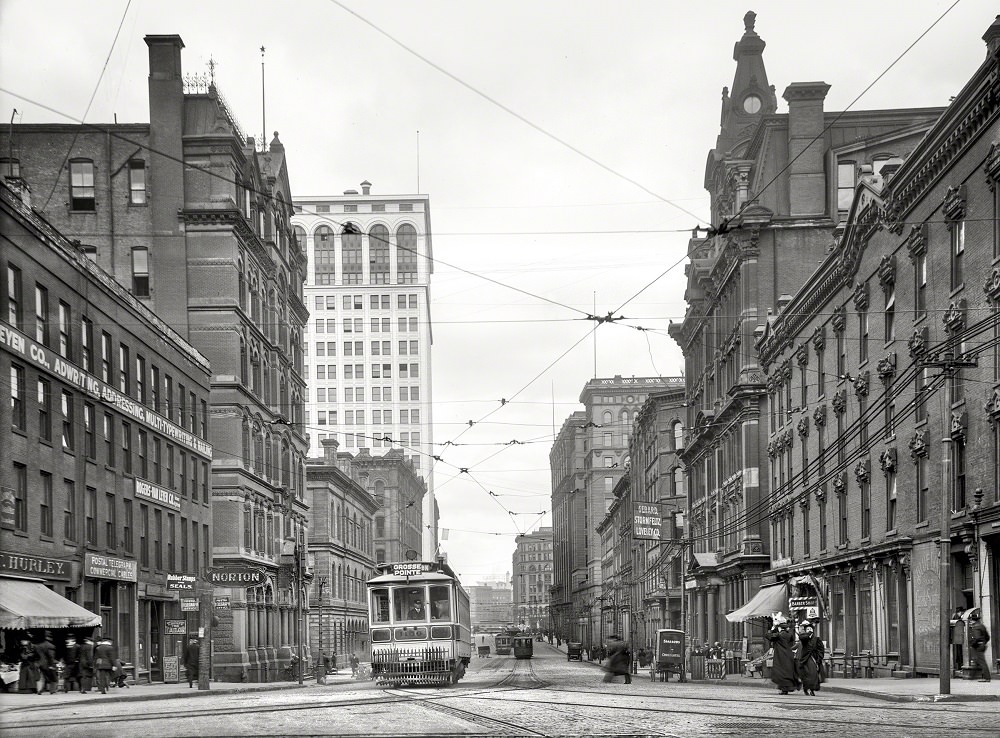
By 1910, Griswold Street had developed into one of Detroit’s major commercial corridors, with the Ford Building — completed that same year — anchoring its northern stretch. The street’s canyon of stone and brick facades reflected the scale of investment pouring into downtown Detroit.
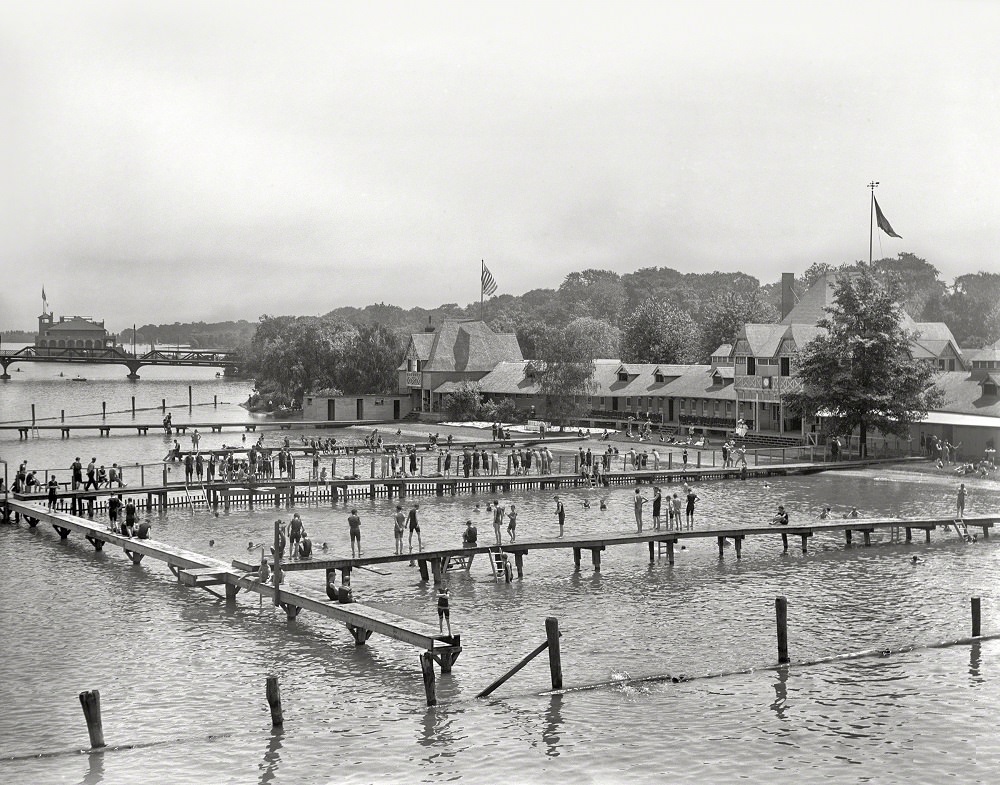
Belle Isle’s facilities grew steadily through the decade. The bathhouse built there served the thousands of Detroiters who used the island’s swimming areas. Public parks in this era were taken seriously as civic investments, and Belle Isle received considerable attention from city planners.
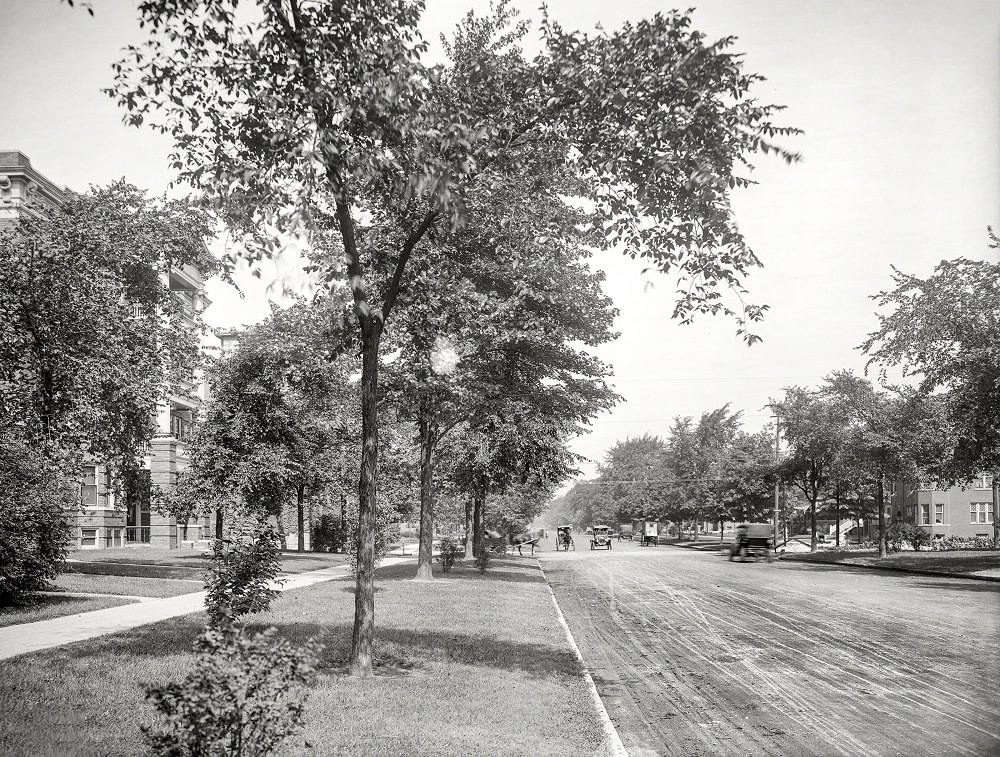
North Woodward Avenue in 1905 shows the residential and commercial character of Detroit beyond the downtown core. The avenue extended far north of Campus Martius, and these mid-decade photographs show a street that was still finding its identity — part neighborhood thoroughfare, part developing commercial strip.
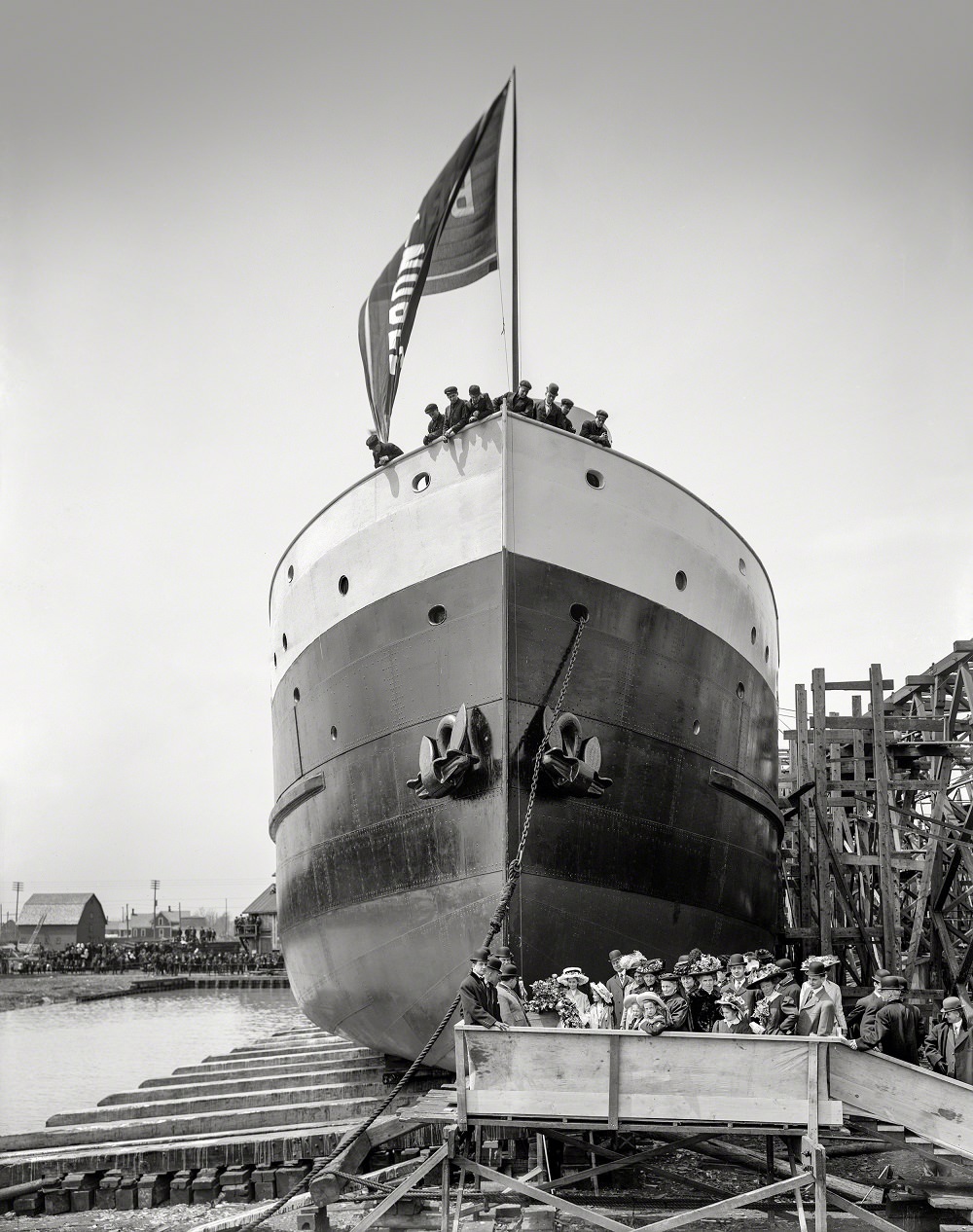
Detroit’s industrial reach extended to the river towns nearby. In Wyandotte, just south of the city, the freighter Benjamin Noble was launched in 1909. Shipbuilding and Great Lakes freight were deeply tied to Detroit’s economy, feeding raw materials into the factories and carrying finished goods out.
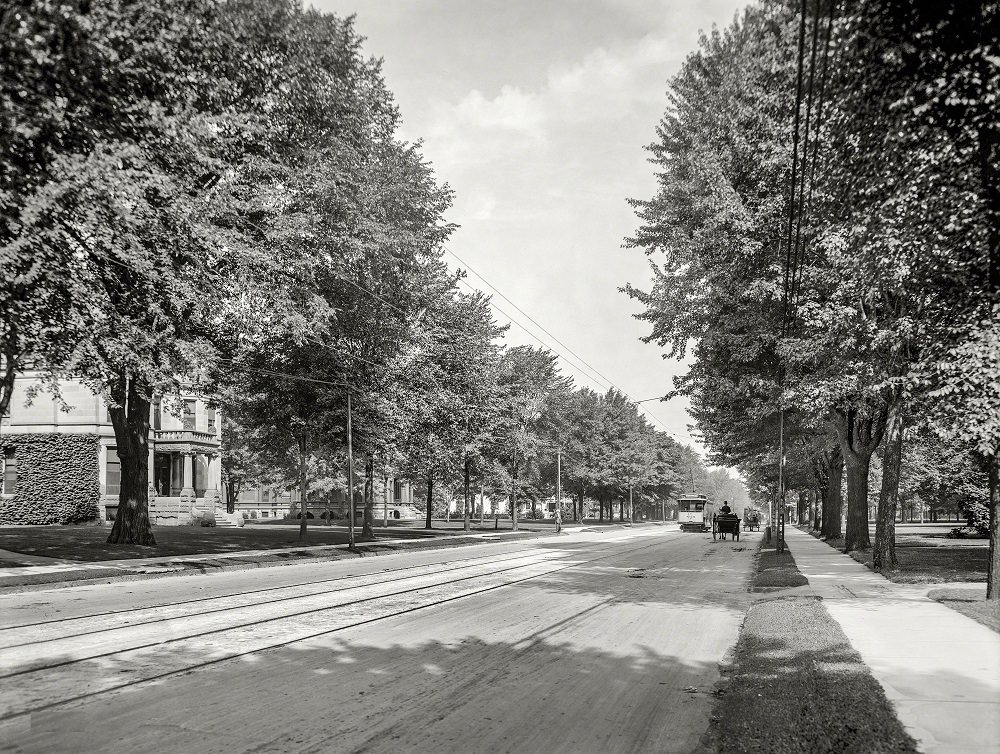
Jefferson Avenue was one of Detroit’s older residential streets, running along the north bank of the Detroit River. By 1906, it still held substantial homes from the city’s earlier era of growth, though increasing commercial development was beginning to press in from the downtown end.
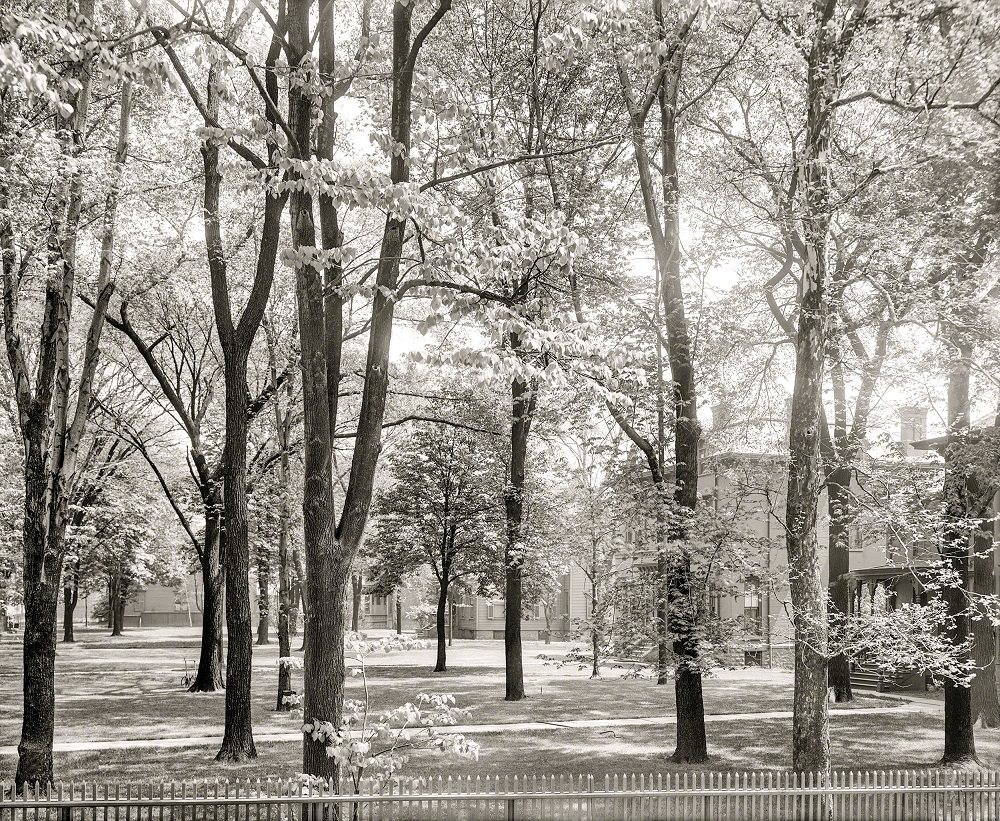
Detroit was also home to the Detroit Photographic Company — later known as the Detroit Publishing Company — which produced some of the most widely distributed photochrom images in American history. Their building in the city was the source of thousands of photographs documenting Detroit and the wider country during this era.
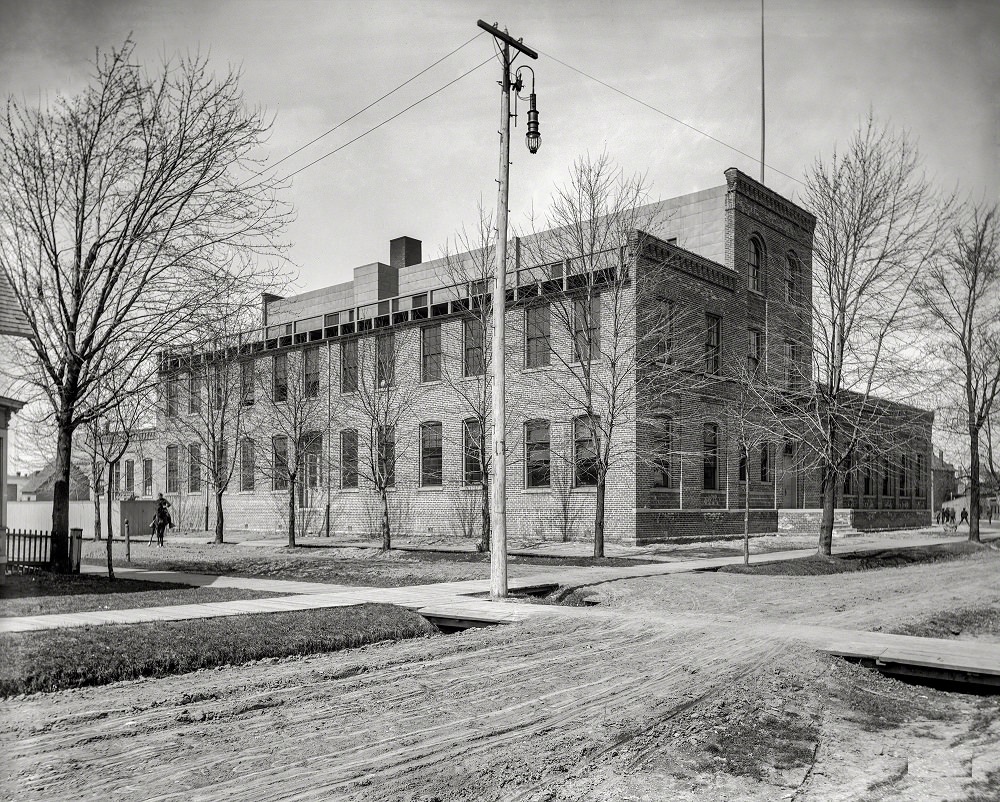
The intersection of Griswold and Fort Streets was a focal point of Detroit’s commercial life. The Walker Block stood here as a substantial stone structure housing multiple businesses, representative of the dense commercial development that characterized the downtown grid.
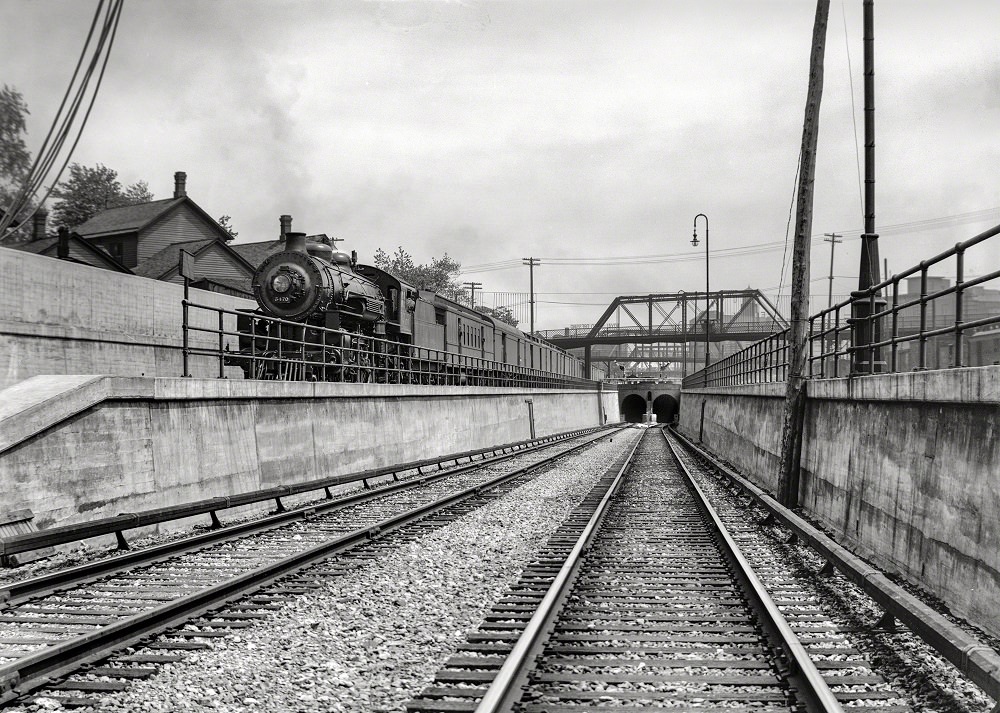
The Detroit River Tunnel was a major engineering achievement for its time. Running roughly 5,000 feet in total length and sitting about 100 feet below the river’s surface at its deepest point, it was one of the first underwater rail tunnels in North America. Its completion in 1910 changed how rail freight and passengers moved between the United States and Canada.
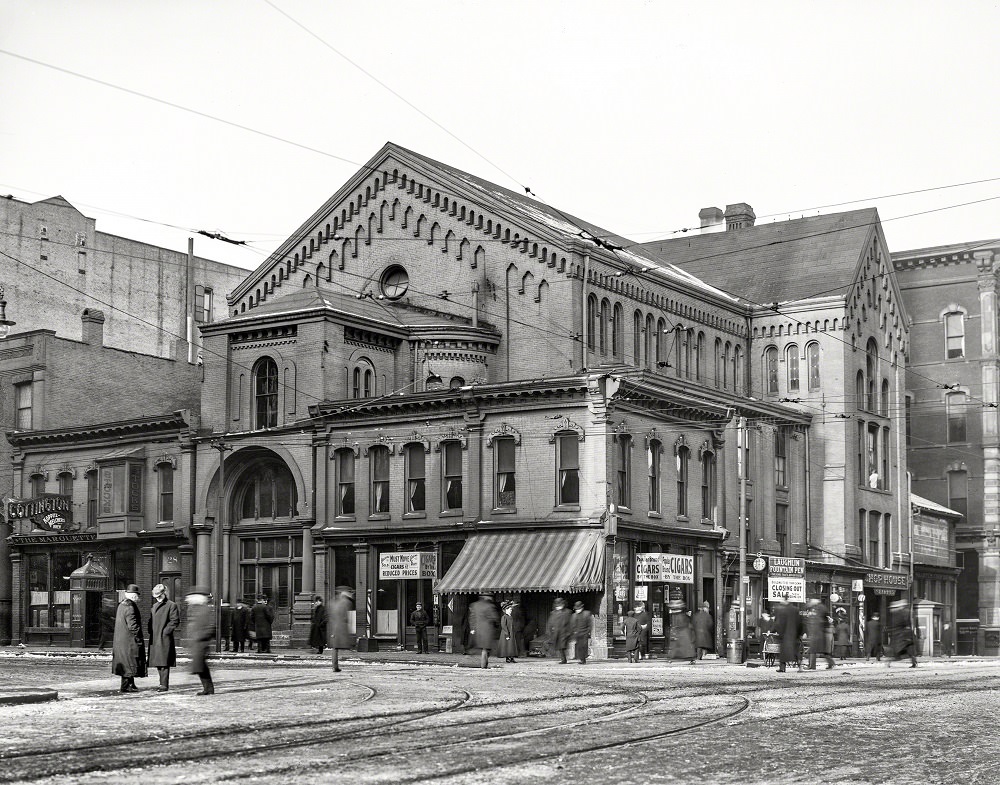
Looking south down Woodward Avenue from Peterboro Street in 1900 captures Detroit at the very start of the decade — a city on the edge of a transformation it could not yet fully see. Electric streetcar lines were already running, and the automobile, still a novelty in 1900, would soon redefine everything about this city.
The swimming pool at Belle Isle Park was a popular destination for city residents, especially during the hot Michigan summers. By 1903, the park’s facilities were well-established, drawing working families and children who had few other options for relief from the heat.
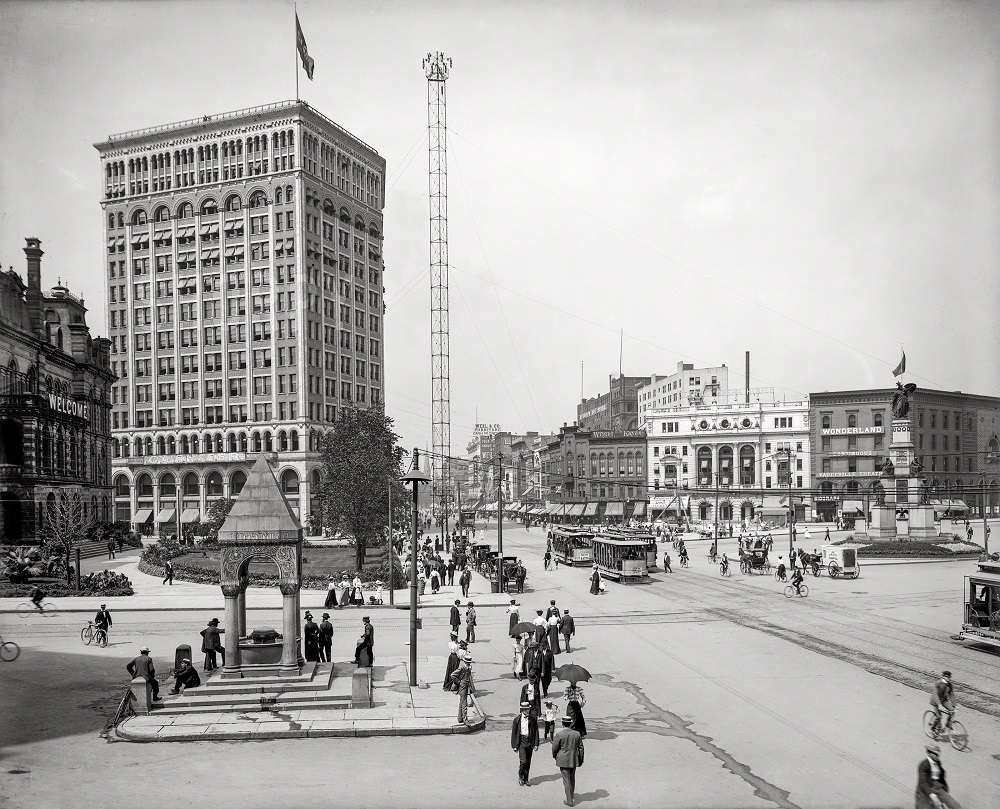
Campus Martius was the civic heart of Detroit — a public square where major avenues converged. The Bagley Memorial Fountain, donated to the city in 1887 by the family of former governor John Bagley, stood at the square’s center and remained a visual anchor of downtown into the early 1900s.
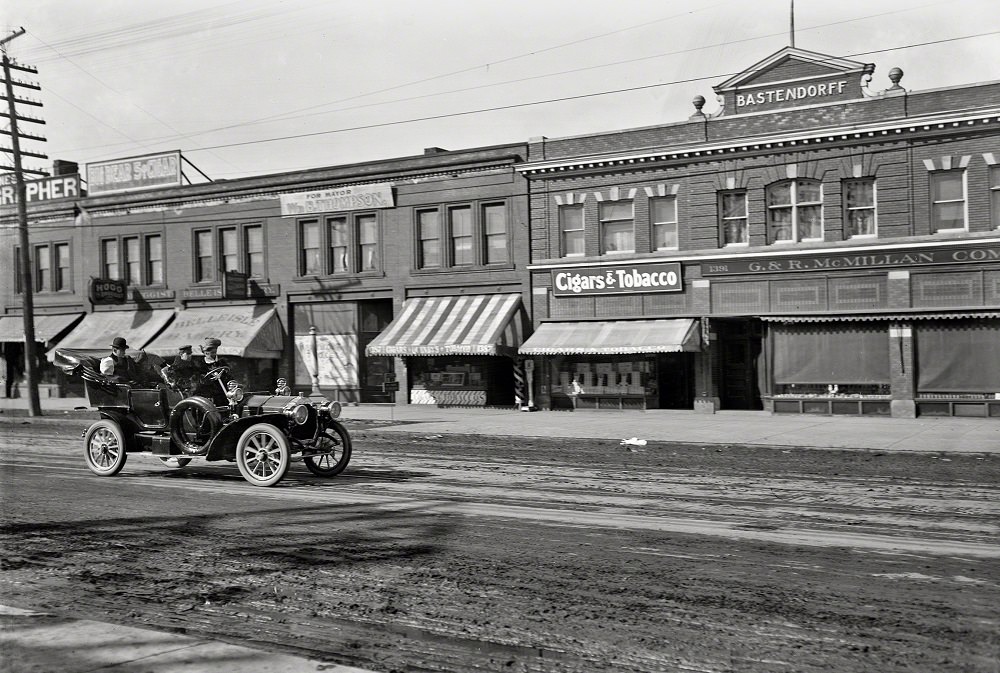
Jefferson Avenue’s commercial blocks, like the Bastendorff building housing the G. & R. McMillan Company store, showed how the city’s retail life was spreading east from downtown. By 1910, Jefferson Avenue was a fully functioning commercial strip serving the neighborhoods along the riverfront.
Cadillac Square, northeast of Campus Martius, held one of Detroit’s most visible monuments — the Soldiers and Sailors Monument, dedicated in 1872 to honor Michigan’s Civil War dead. By 1907, the square was also home to the newly built Hotel Pontchartrain, one of the city’s premier lodging addresses.
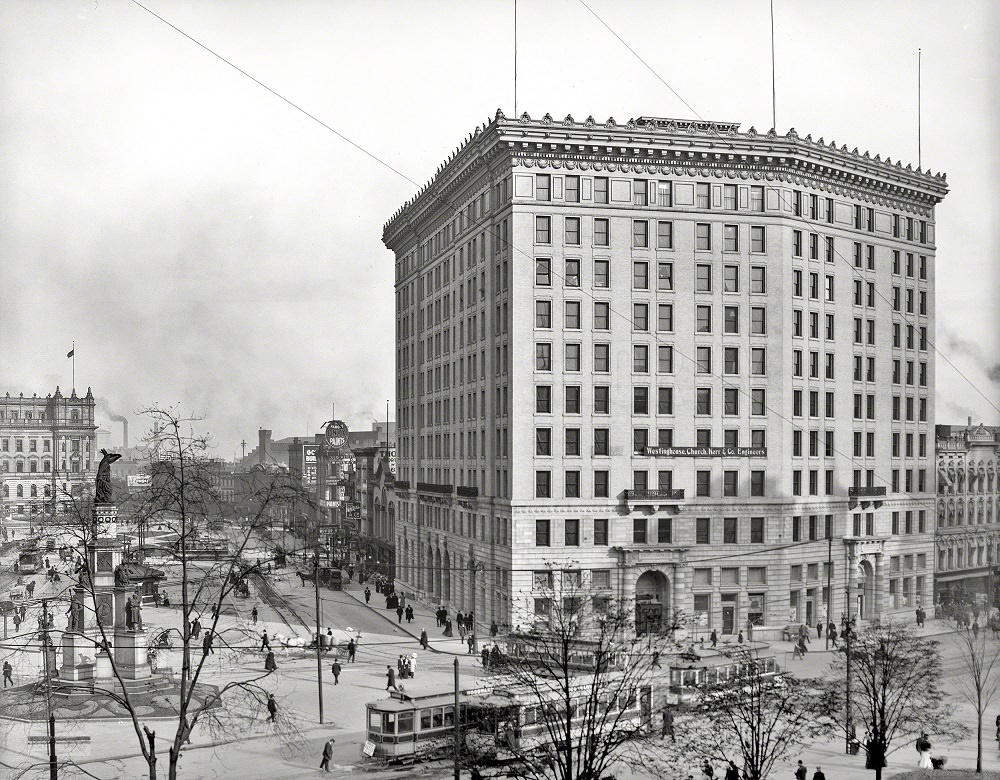
The Majestic Building at Campus Martius was one of the tallest structures in Detroit for much of this period, rising 14 stories and housing offices and retail at its base. By 1910, the skyline around it had grown considerably, and the square beneath it hummed with streetcar traffic and pedestrian activity.
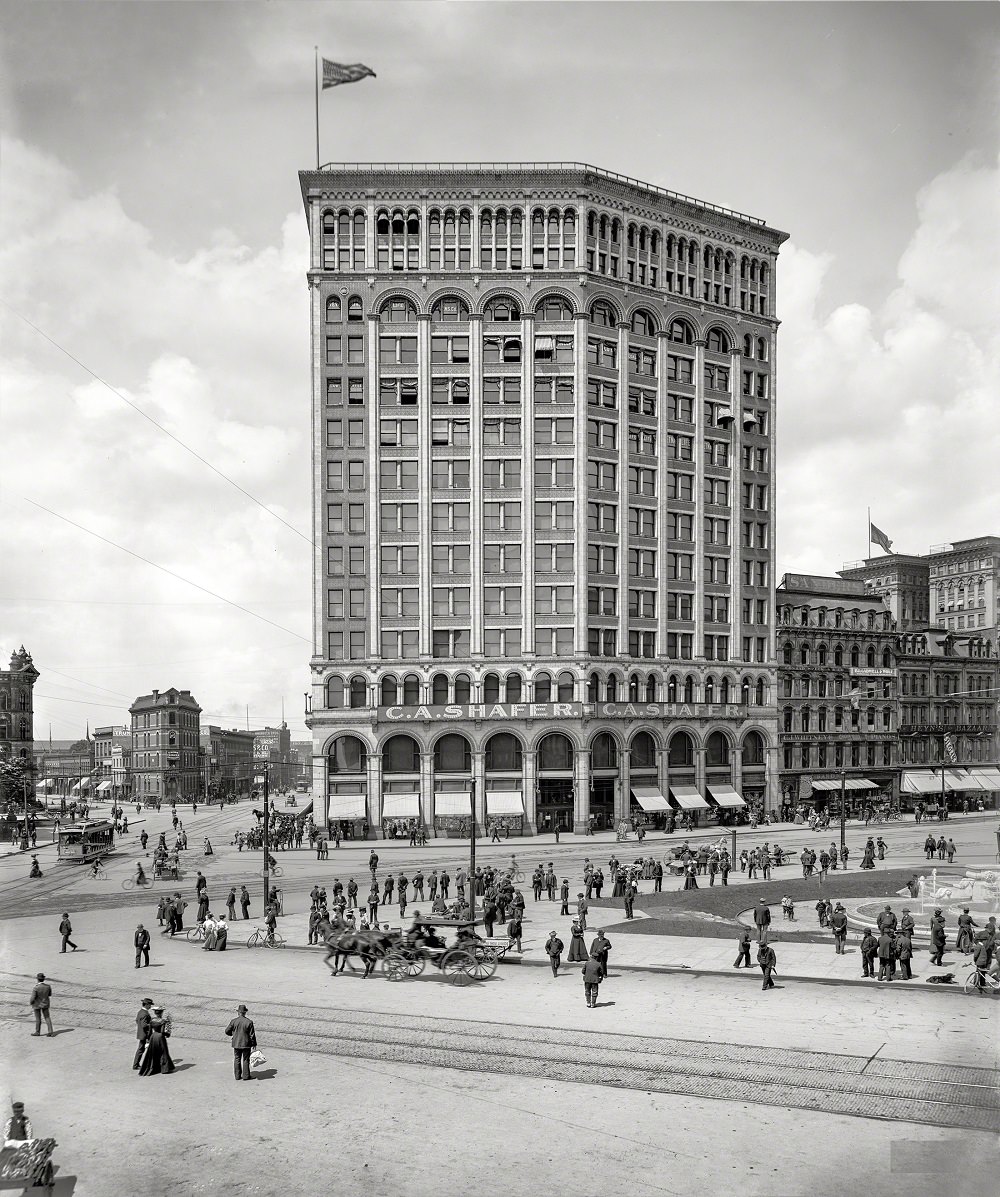
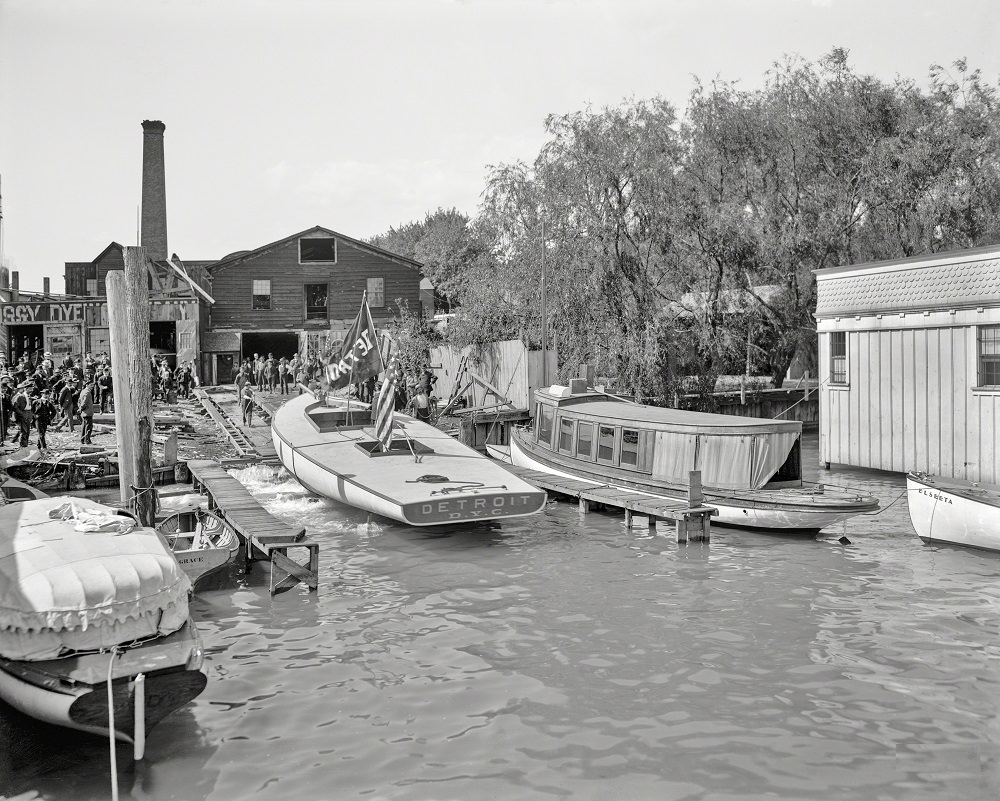
The Great Lakes Engineering Works was one of the industrial shipbuilding facilities operating in the Detroit region. The steamer Detroit, built for the Michigan Central Transfer service, was one of the vessels produced in the area. These transfer steamers moved railroad cars across the river before the tunnel’s completion.
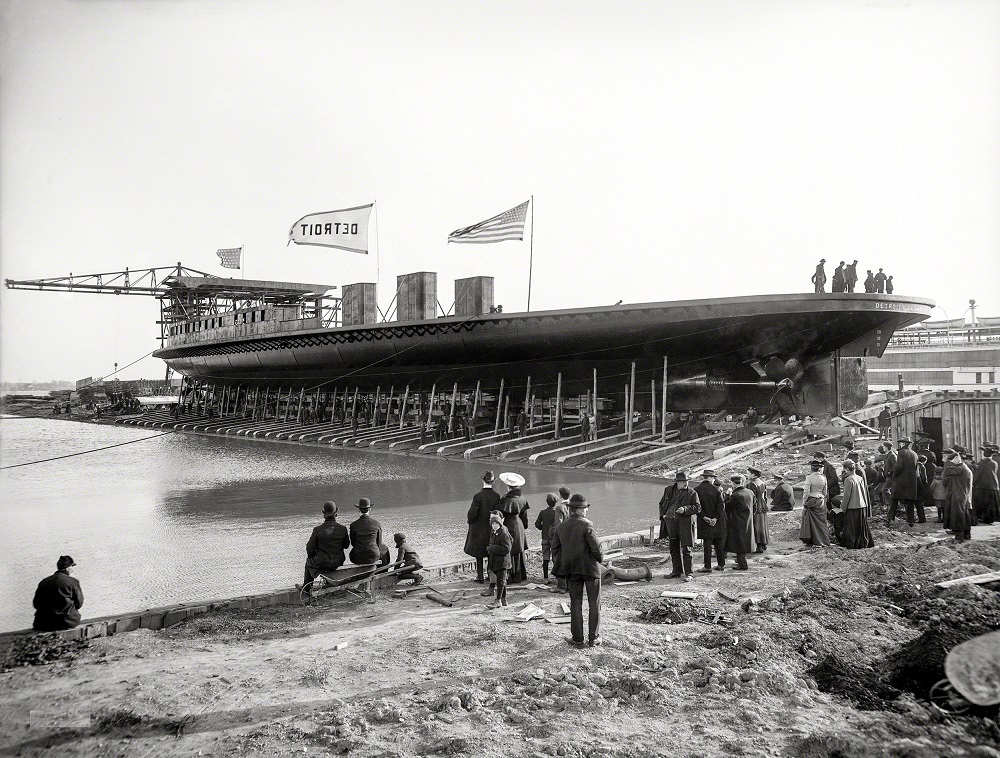
The Hotel Pontchartrain was under construction in 1907, rising at the corner of Cadillac Square. It opened as one of the city’s most modern hotels, catering to businesspeople and travelers arriving by rail. Its location near the commercial center of the city made it a natural gathering point.
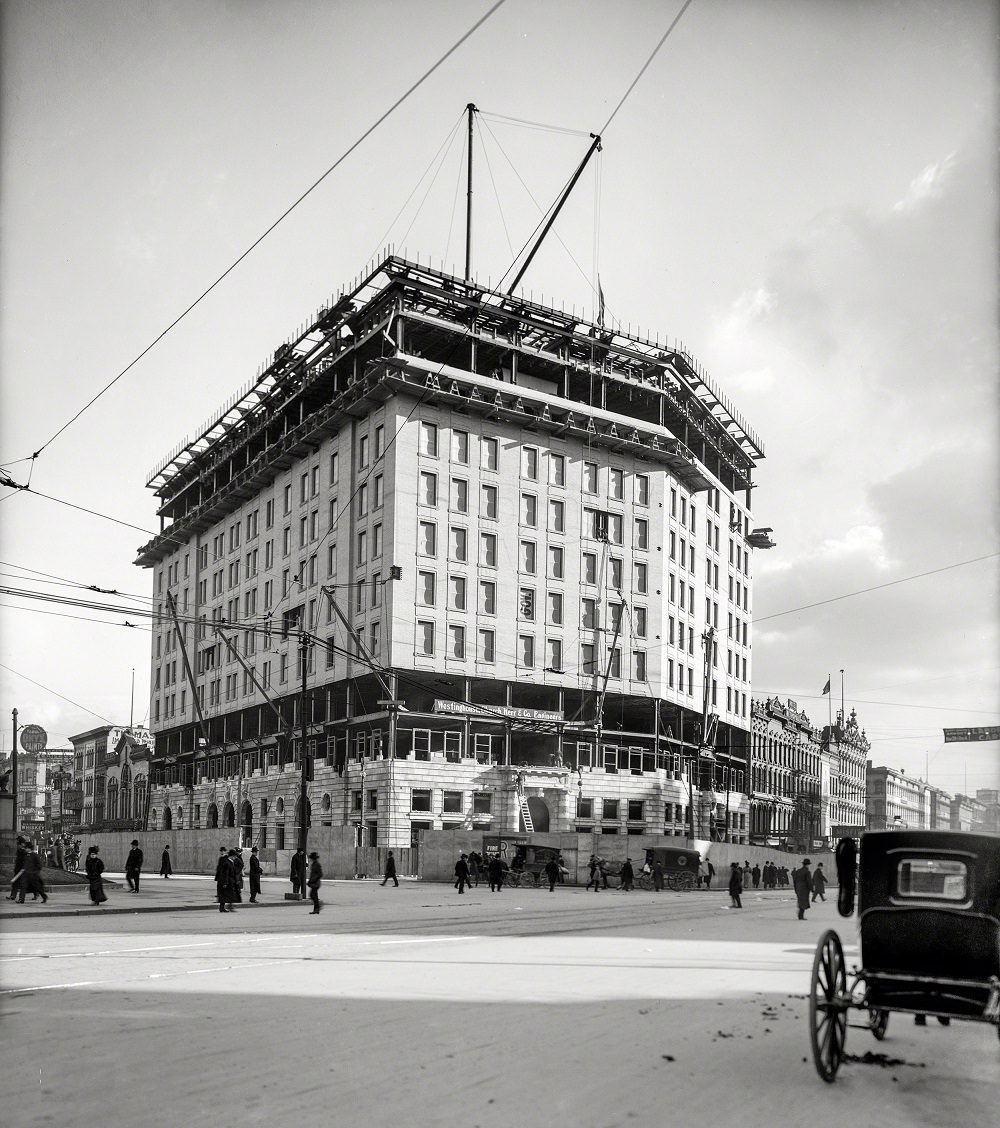
Children’s Day events at Belle Isle Park brought organized play and activities to the island’s playground areas. By 1905, Belle Isle had developed into a fully programmed public park, with structured events alongside its natural amenities. These events drew large numbers of city families.
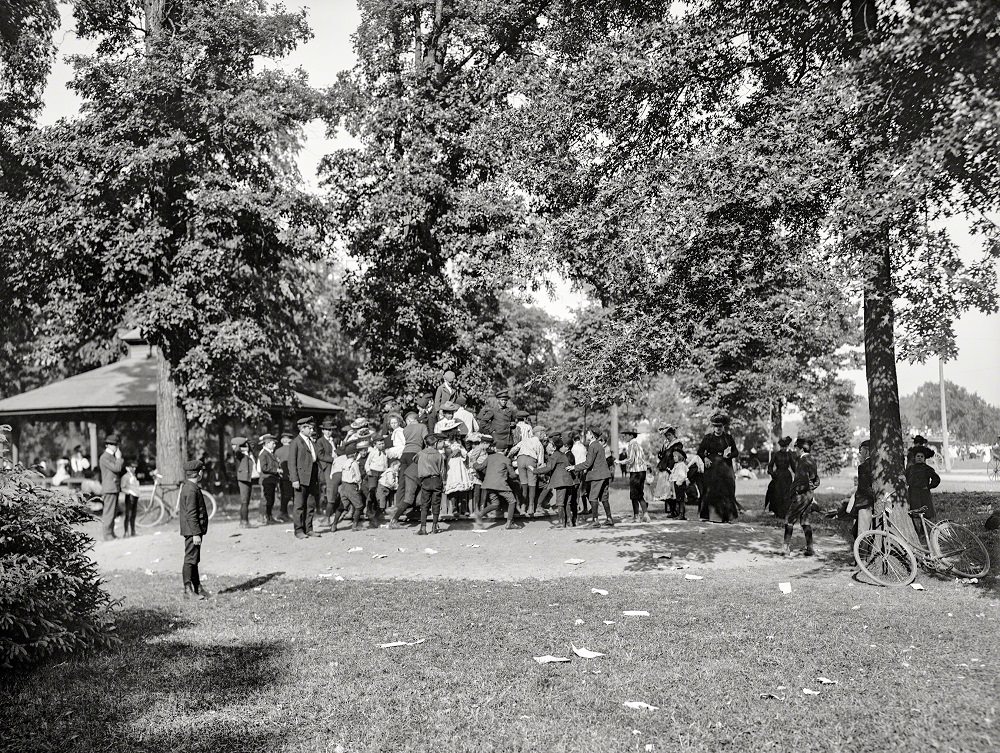
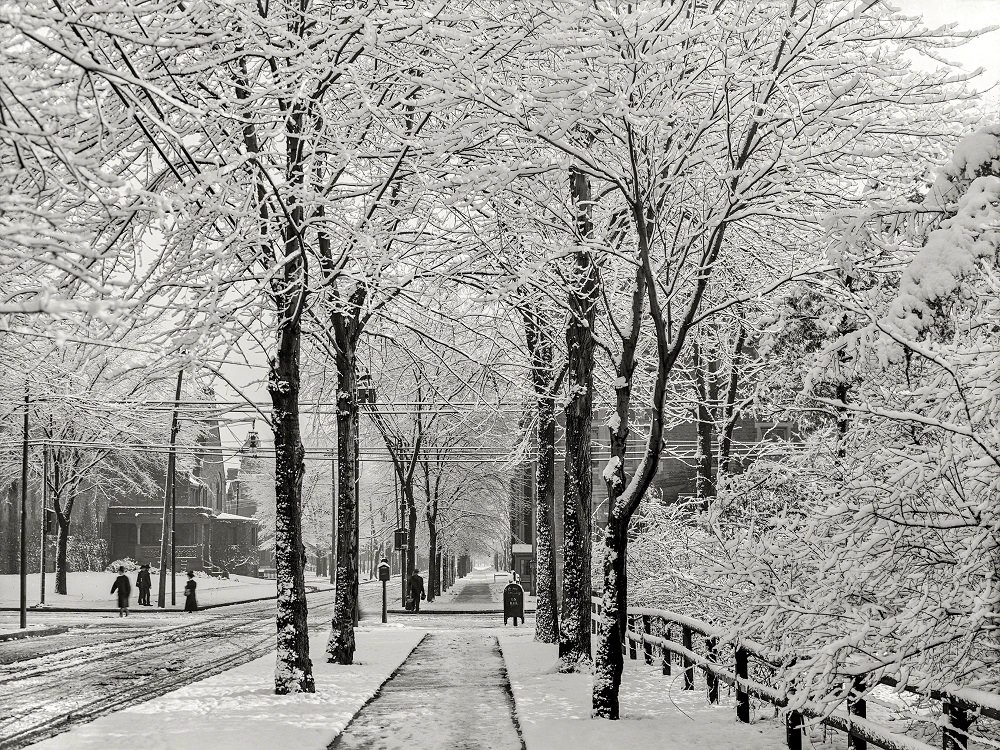
The Union Depot at Fort and Third Streets was one of Detroit’s main passenger rail terminals in this period. Train travel was the dominant form of long-distance transportation, and stations like this one processed thousands of arrivals and departures each week, connecting Detroit to cities across the Midwest and beyond.
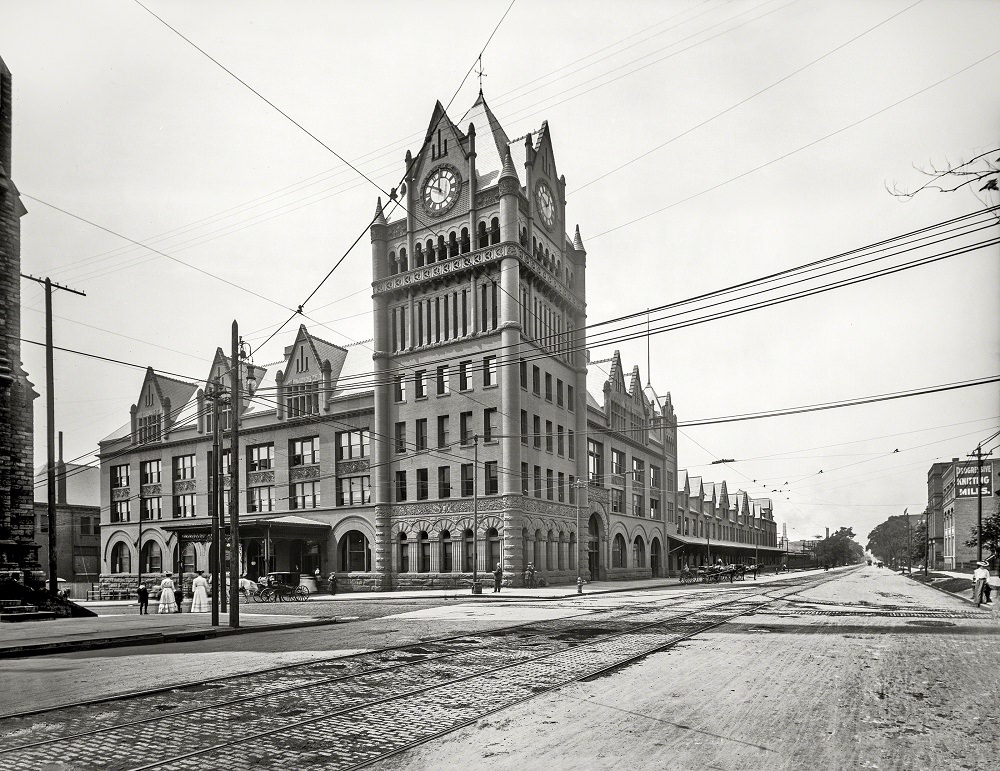
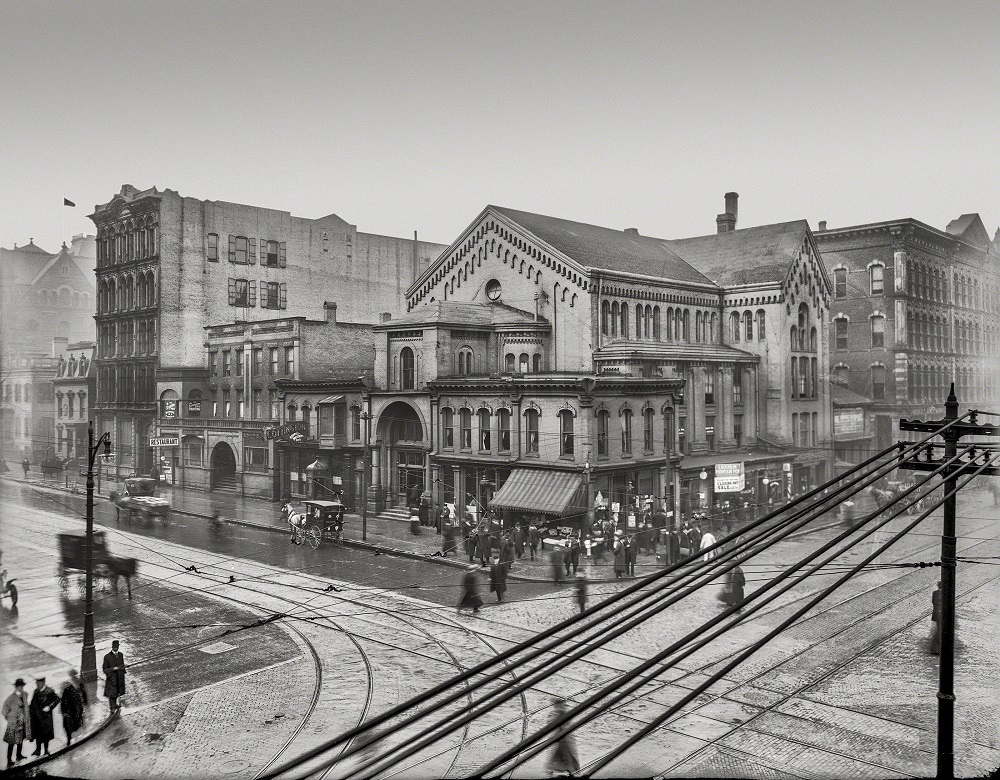
The Mather Block on Woodward Avenue was another of the solid commercial structures defining Detroit’s downtown profile. Named for Samuel Mather, a prominent Cleveland industrialist with Detroit business ties, the building housed offices and retail tenants across its multiple floors.
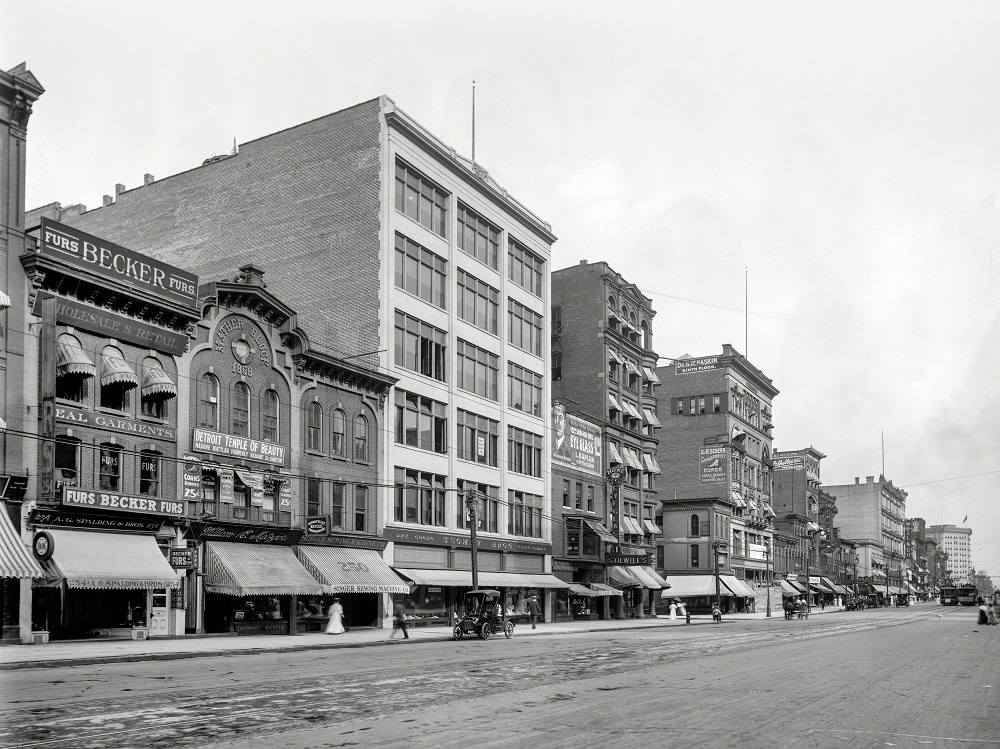
Monroe Avenue and City Hall together formed one of the busiest intersections in Detroit by 1910. City Hall, completed in 1871, dominated this part of the city’s core, and Monroe Avenue fed foot traffic and streetcars past its facade daily.
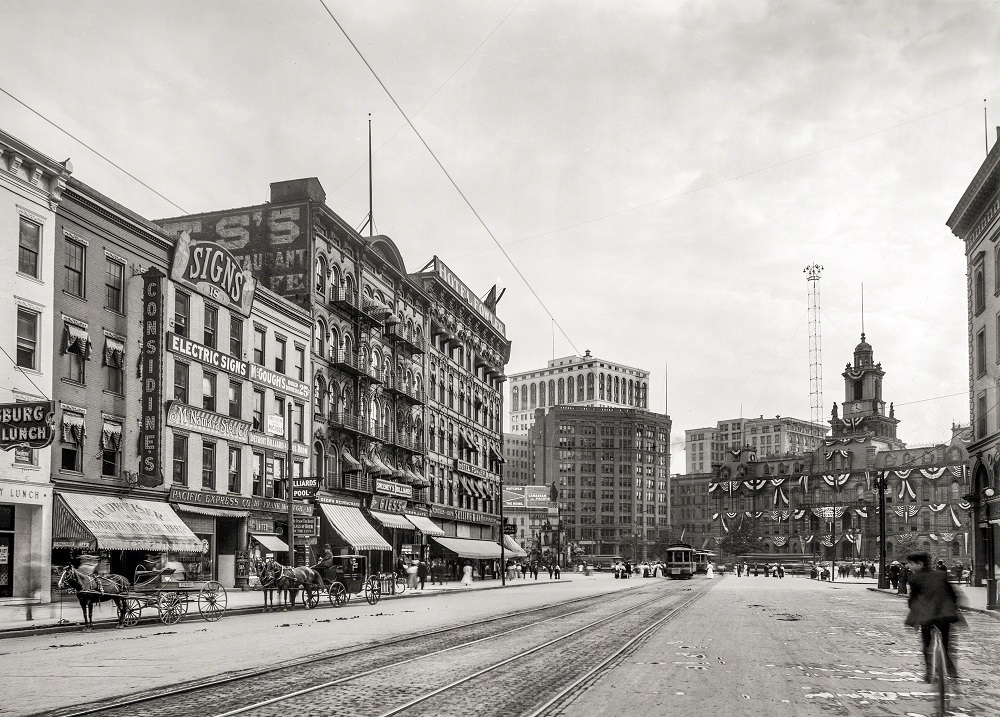
Looking up Woodward Avenue from Campus Martius in 1907 shows the boulevard at its most active. Streetcars run in both directions, pedestrians crowd the sidewalks, and the commercial buildings lining both sides of the street rise several stories above the action below.
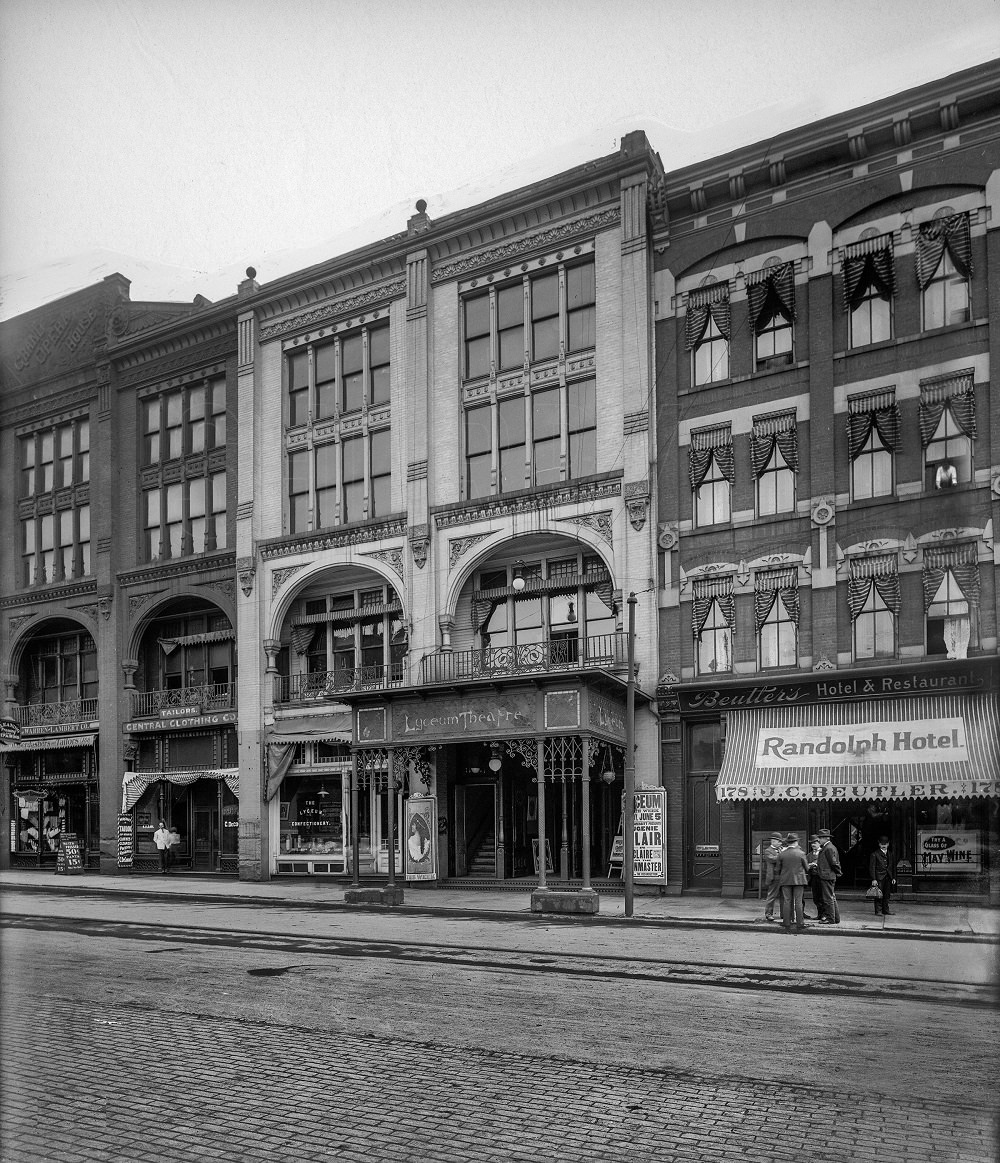
Detroit’s entertainment scene was well-developed by the early 1900s. The Lyceum Theatre was one of the city’s active performance venues in 1904, drawing audiences for theatrical productions during a time when live performance was the primary form of public entertainment.
Detroit’s YMCA constructed a new building in 1909, reflecting the organization’s growing role in the social life of the city. With Detroit’s population swelling — driven partly by industrial jobs and partly by migration from the South — institutions that provided housing, recreation, and community space for working men were in increasing demand.
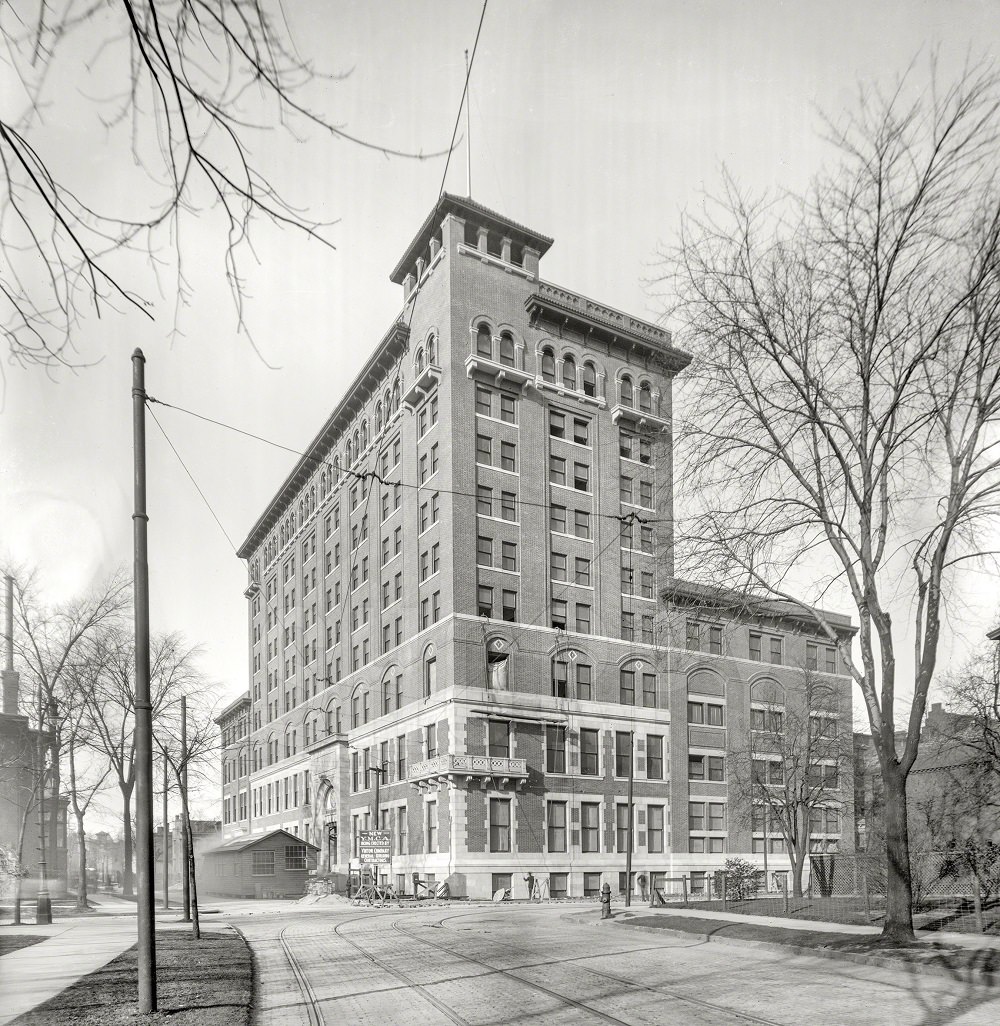
The St. Clair Flats, a marshy delta region where the St. Clair River meets Lake St. Clair northeast of Detroit, was a popular spot for summer cottages and retreats. The Morgan residence at the Flats in 1910 represents the kind of seasonal getaway that wealthier Detroiters maintained outside the city.
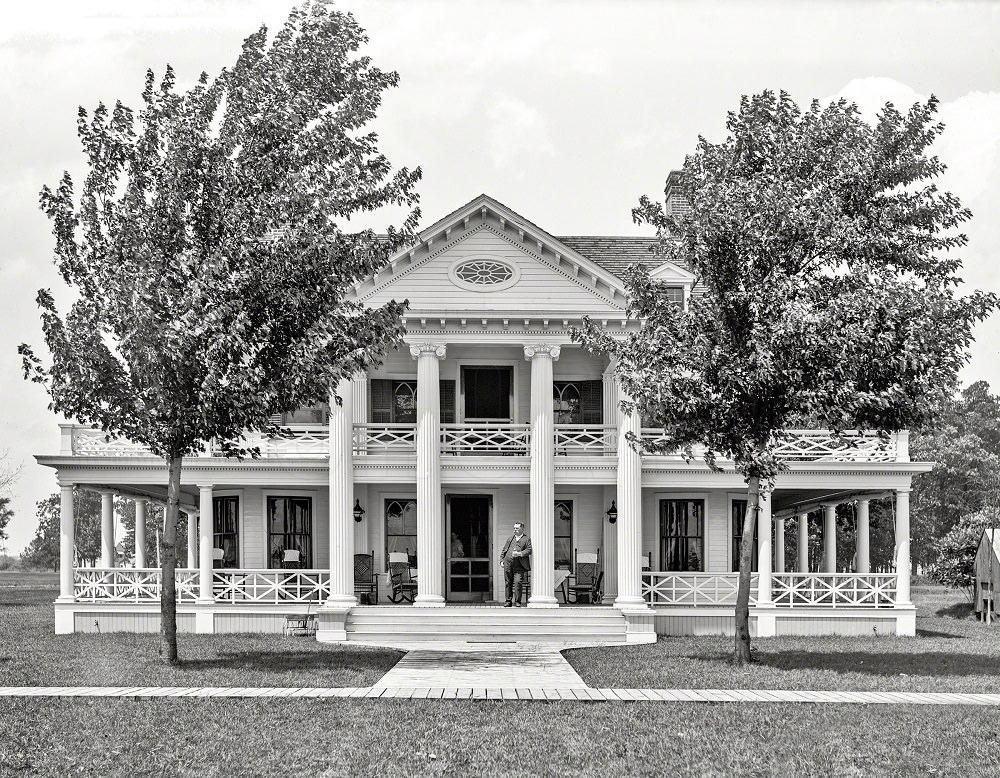
The Detroit River’s appearance changed with the seasons and the traffic on it. This 1906 view captures the waterway as a working river — not picturesque scenery but an active corridor of commerce, with vessels moving between Lake Erie and Lake St. Clair.
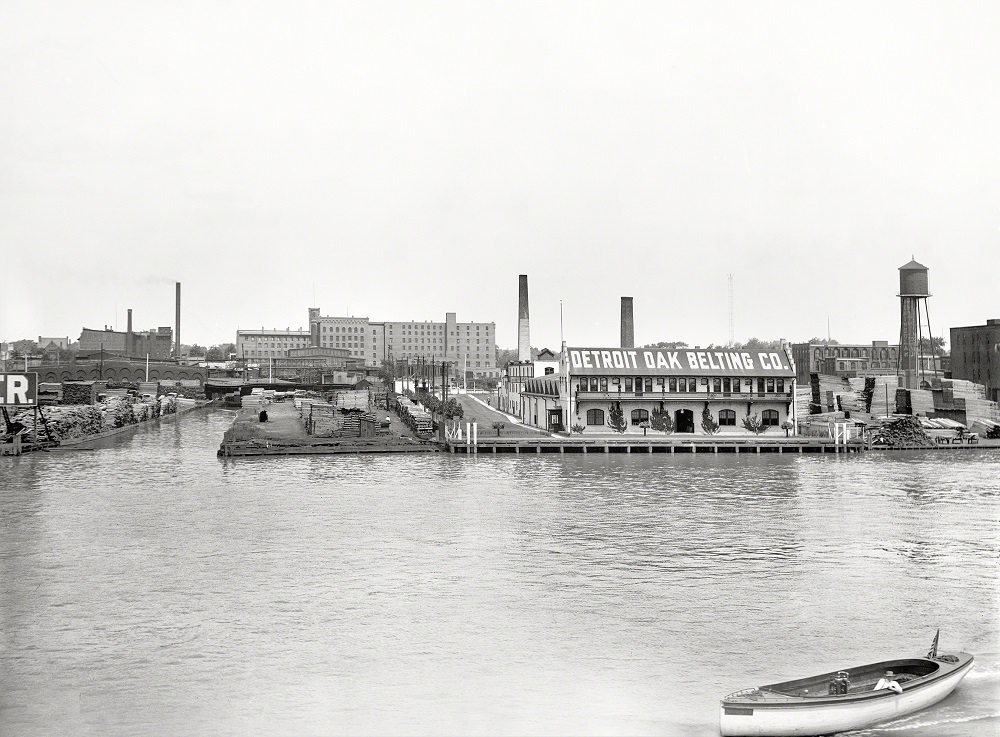
Before automobile racing became associated with dedicated tracks and purpose-built circuits, some early races took place on existing roads and horse tracks. The Grosse Pointe track hosted motor events in the early 1900s, including a 1902 five-mile race won by the Reimers locomotive.
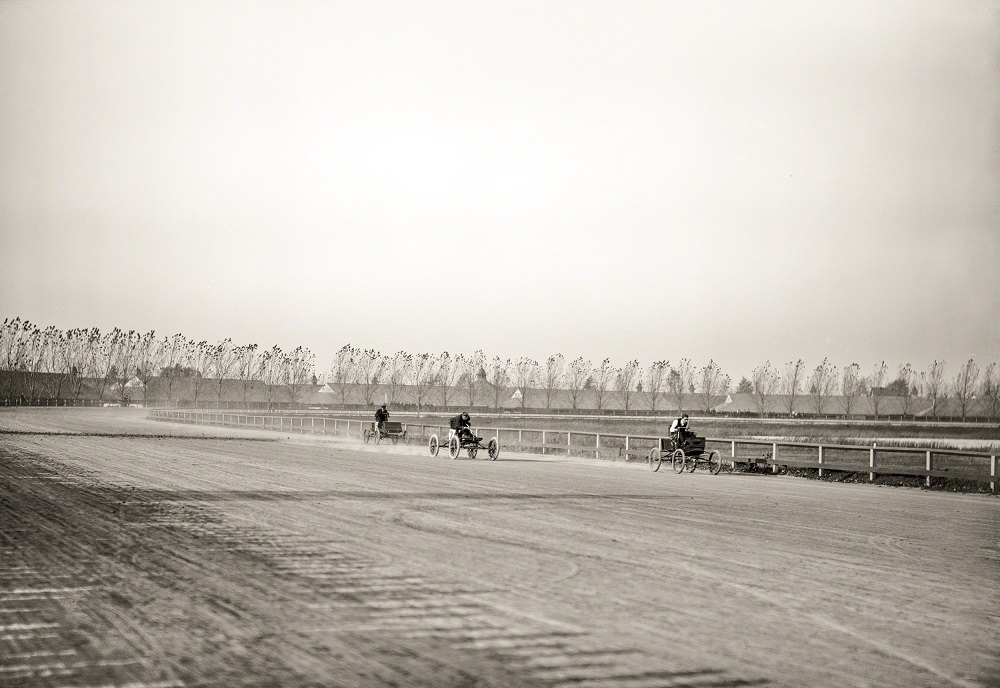
Belle Isle ferry service operated from the Woodward Avenue dock, and in 1901 the excursion steamer Pleasure was among the vessels making the crossing. These ferries ran frequent trips during the summer, shuttling Detroiters to the island and back throughout the day.
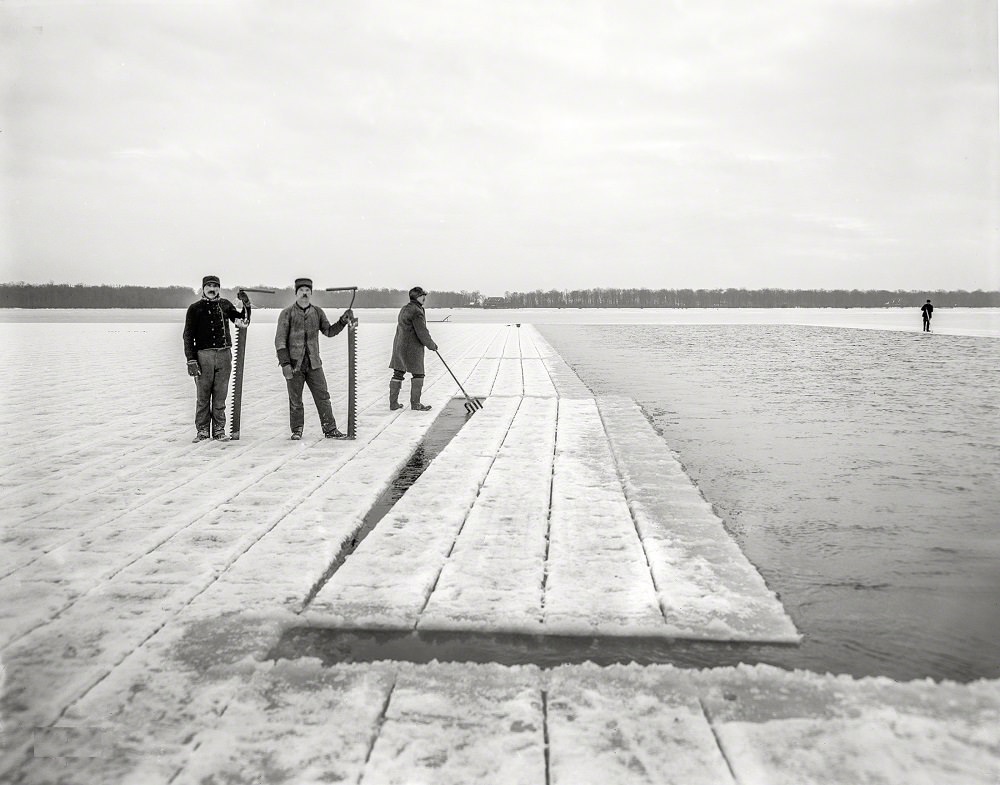
Lake Erie, at the southern end of the Detroit River, was part of the vast Great Lakes shipping network that made Detroit’s industrial economy possible. Raw materials — iron ore, coal, copper — moved across these waters to feed the factories that were beginning to define the region.
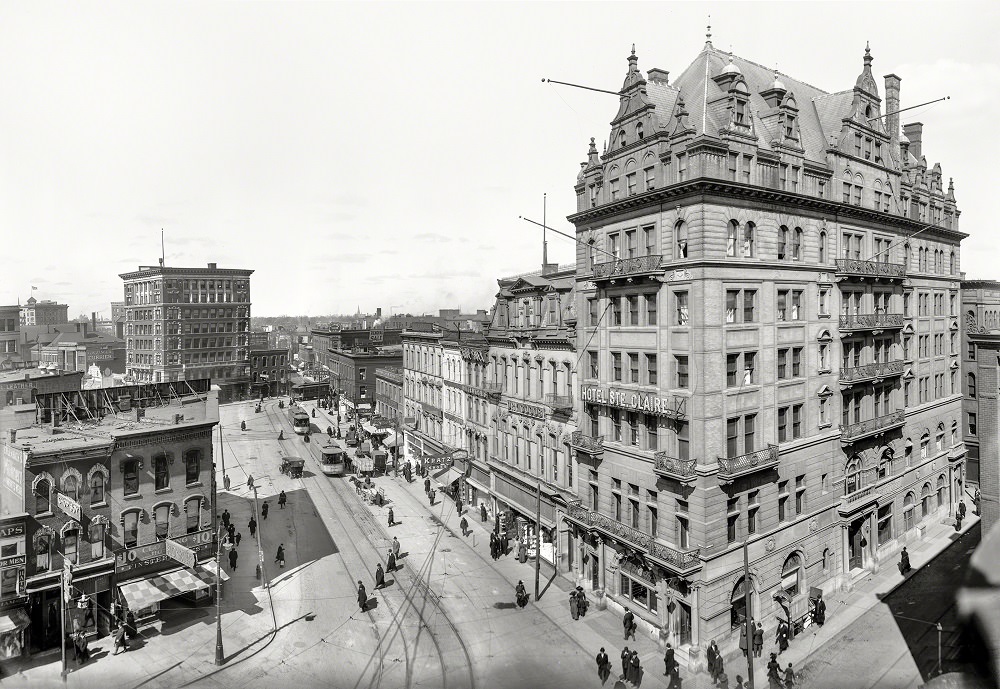
Detroit’s hotel district included establishments like Hotel Ste. Claire at Randolph and Monroe Streets. By 1906, the city’s hotel infrastructure reflected its status as a major Midwestern commercial hub — travelers arrived by train from across the country, and quality accommodations were essential to the city’s business life.
Grand Circus Park, north of Campus Martius, was laid out as a semicircular public green and served as an anchor for the upper portion of Woodward Avenue. The Fine Arts Building nearby marked the park as a cultural as well as civic space in the city’s geography.
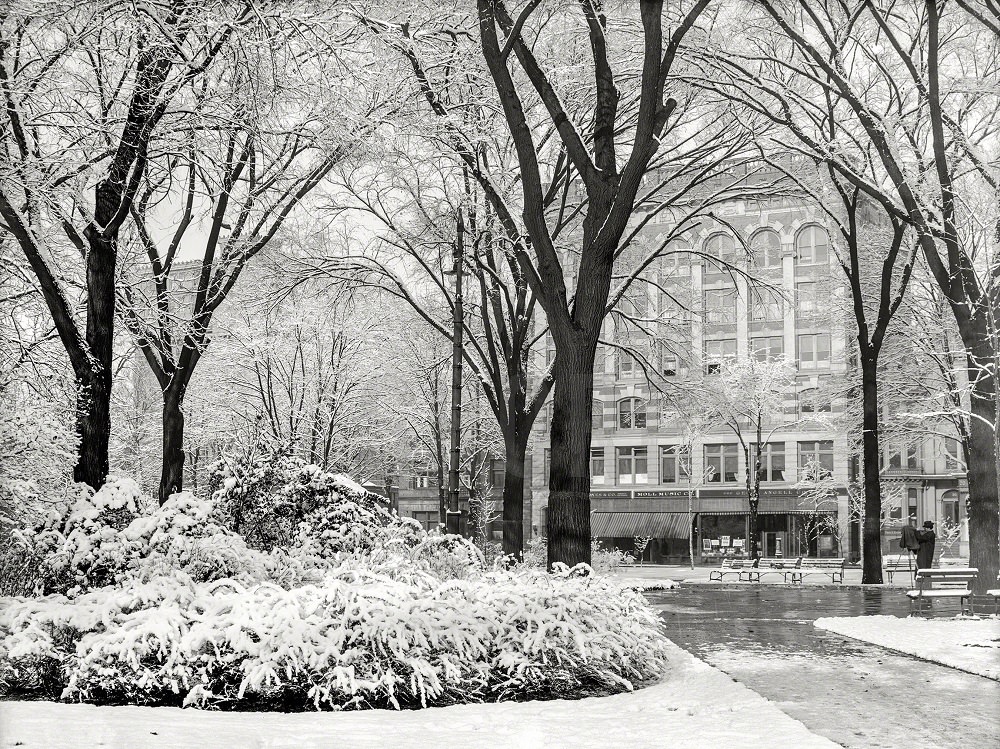
The Windsor ferry dock at Woodward Avenue in 1901 handled cross-river passenger traffic between Detroit and Windsor, Ontario. Before the tunnel’s completion, the ferry was the primary way for people — as opposed to freight — to make the crossing. These ferries ran year-round, including through the harsh winter months when ice on the river made the crossing treacherous.
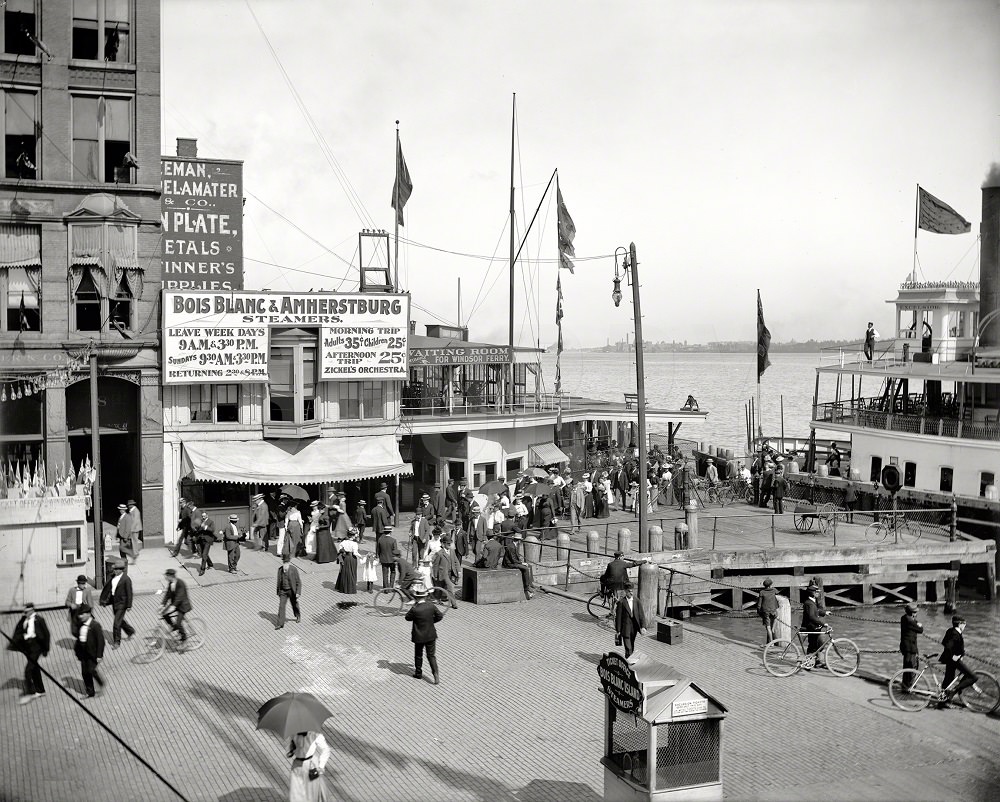
At the street level, Detroit’s commercial life played out in shops like Smith & Yendall, Grocers, photographed in 1900. These neighborhood grocery operations served the dense residential districts surrounding the downtown core, supplying daily necessities to working families in a city growing faster than its infrastructure.
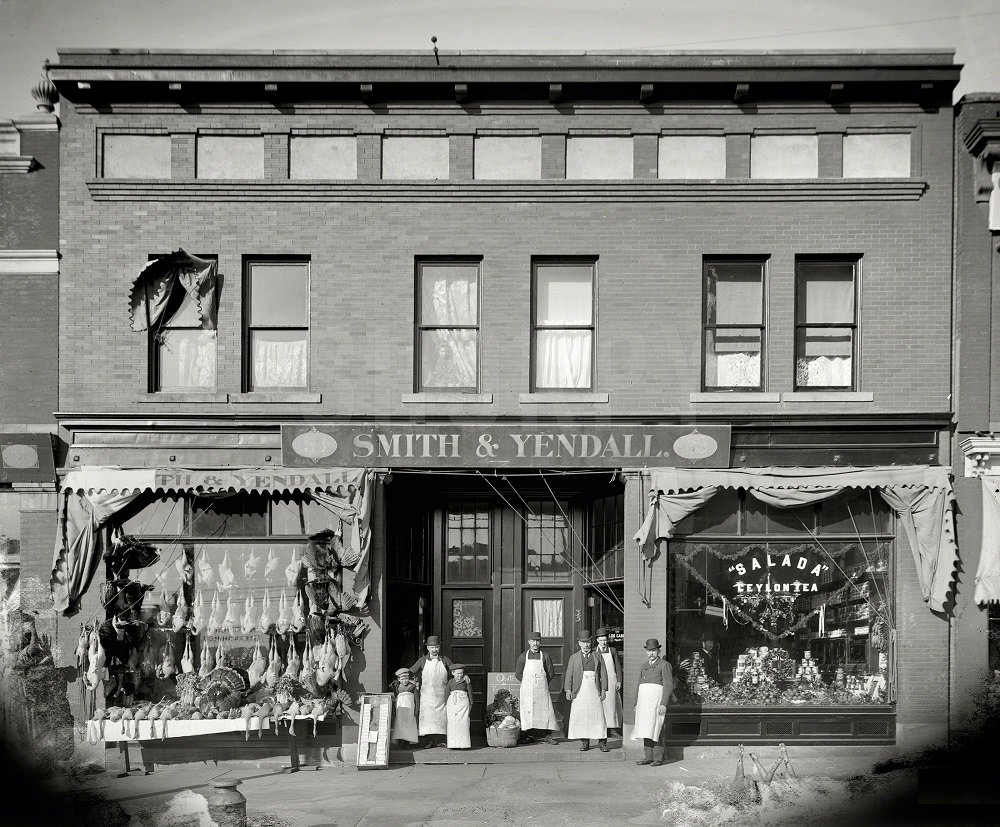
The Detroit Opera House, paired here with the Palmer Fountain in a 1905 photograph, stood as one of the city’s premier cultural venues. James McMillan had donated the fountain to the city, and it sat near the Opera House as part of a cluster of civic and cultural landmarks that defined this stretch of downtown.
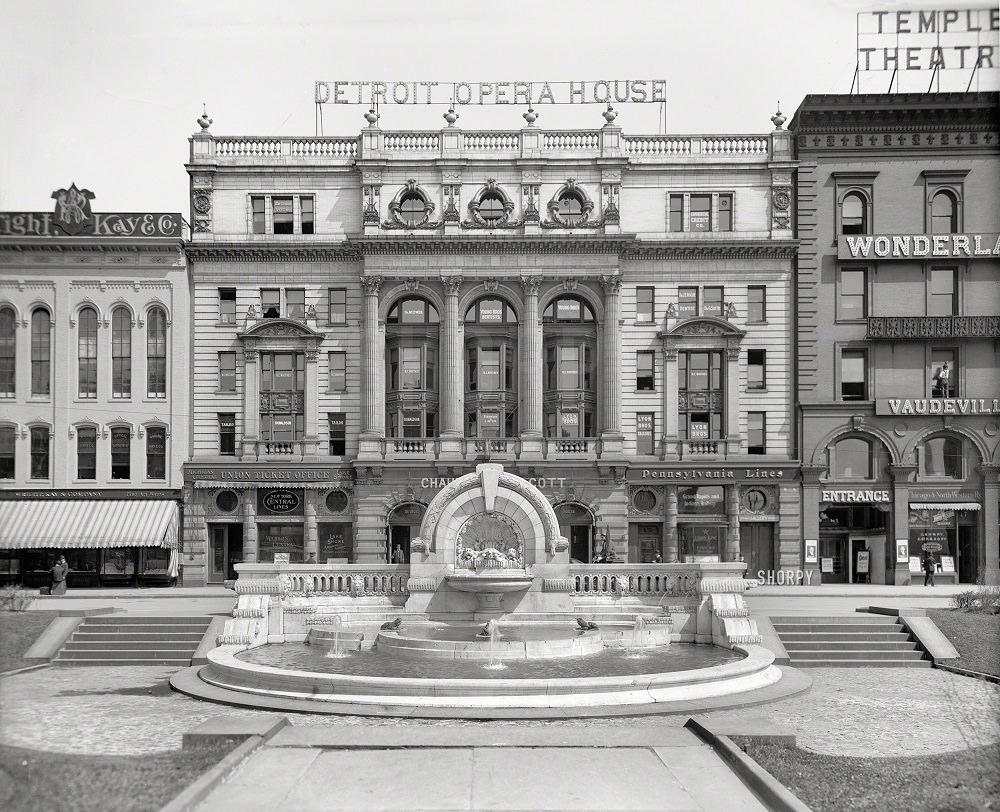
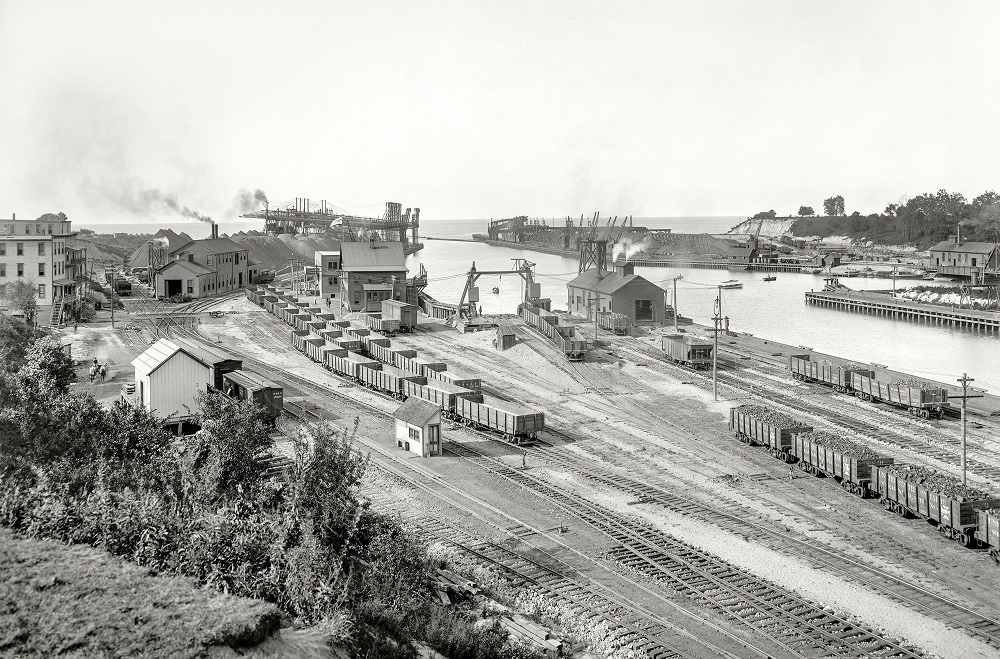
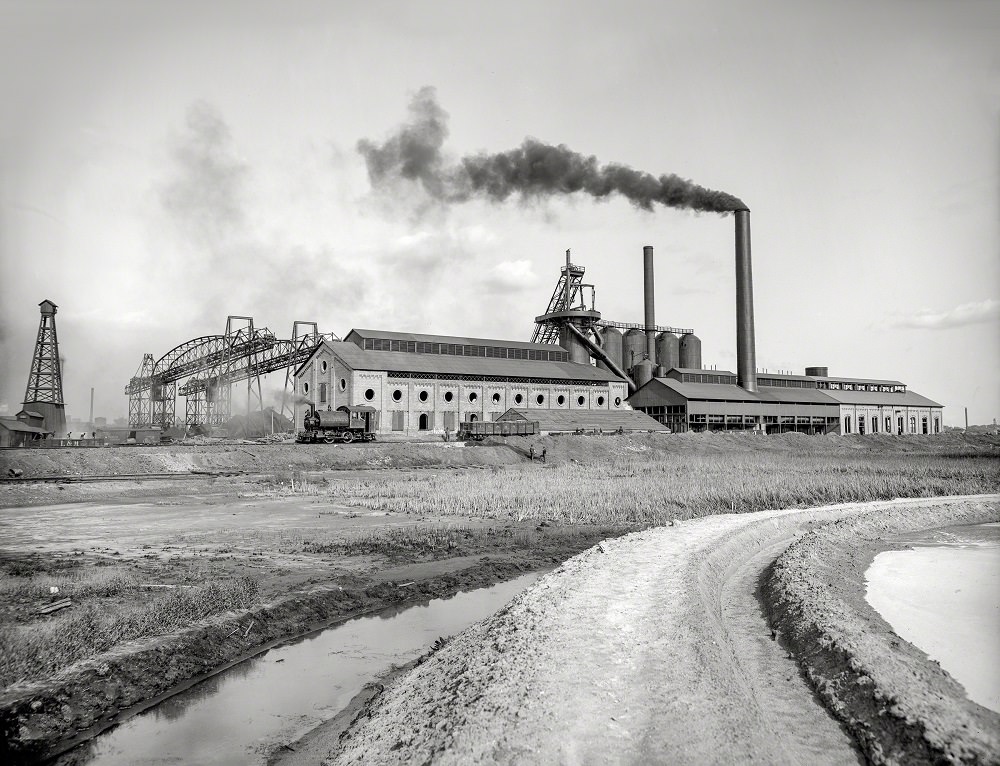
Heavy industry was already deeply embedded in the Detroit region well before Henry Ford’s Highland Park assembly line opened in 1913. The Detroit Iron and Steel Company mill, photographed in 1903, was part of a broader industrial base that included metal crafts, railcar manufacturing, stove production, and the processing of iron, brass, and copper.
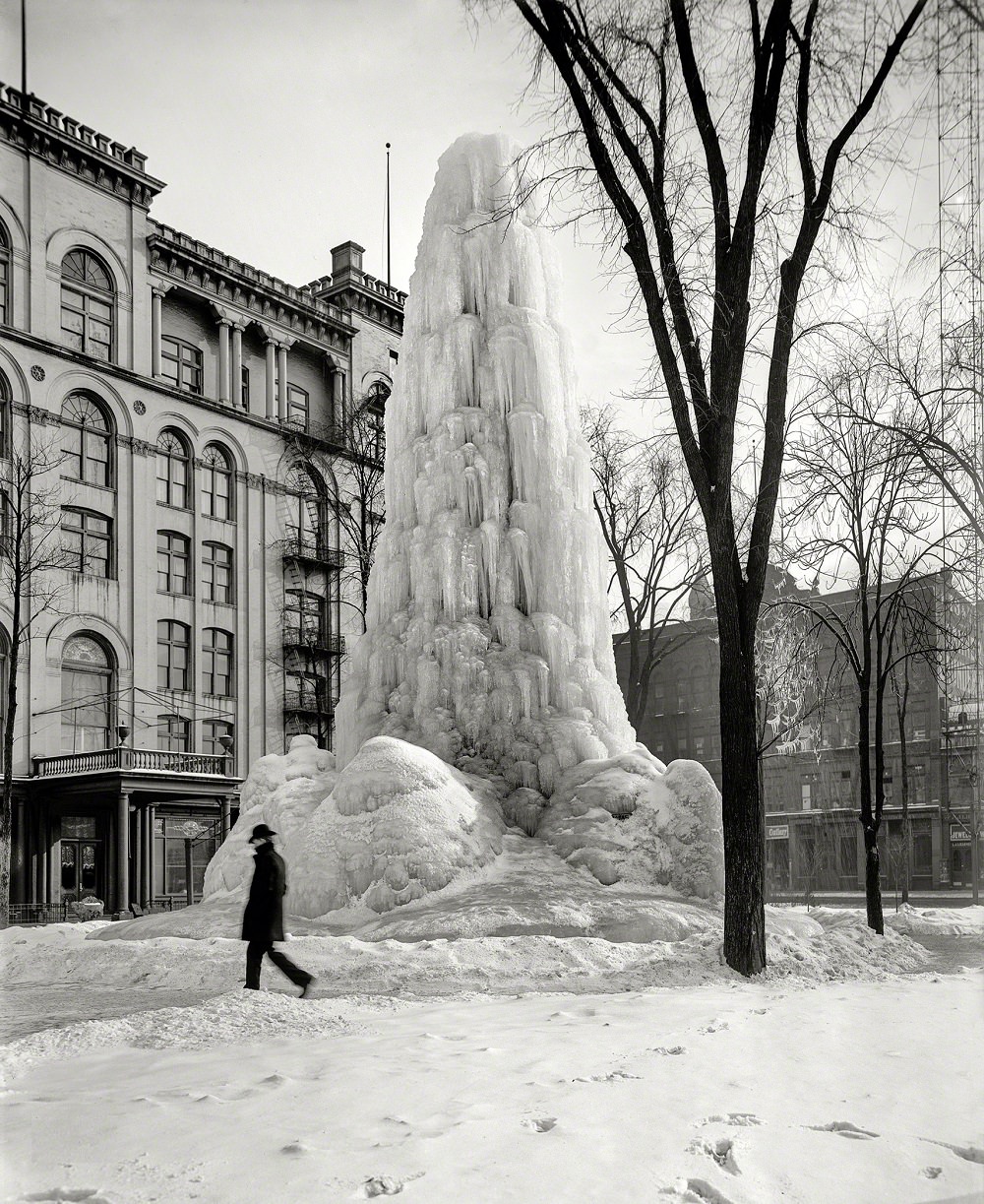
Winter in Detroit brought its own visual spectacle. The ice fountain on Washington Boulevard in 1906 shows what happened when city fountains continued to run in freezing temperatures — water cascading over stone and freezing in place, layer by layer, into elaborate ice formations that drew curious onlookers.
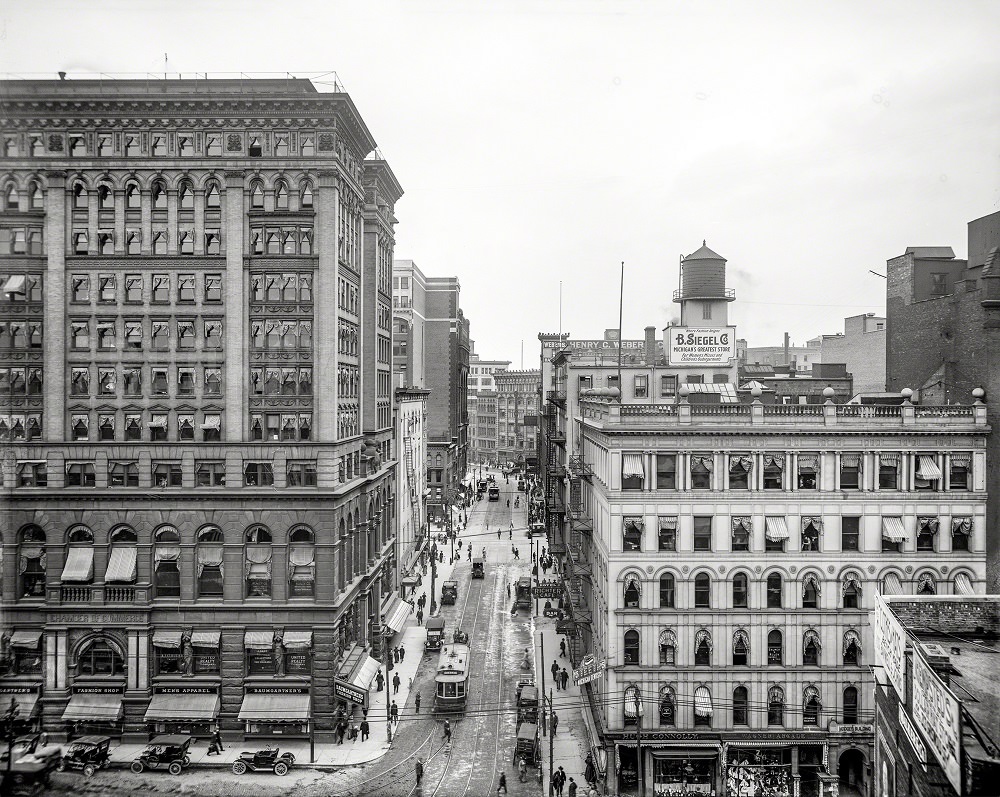
Detroit’s Chamber of Commerce building at State and Griswold Streets served the business community that was rapidly expanding as the automobile and related industries took hold. By 1910, Detroit’s business associations were among the most active in the Midwest, lobbying for infrastructure investments and coordinating the interests of a diverse industrial base.
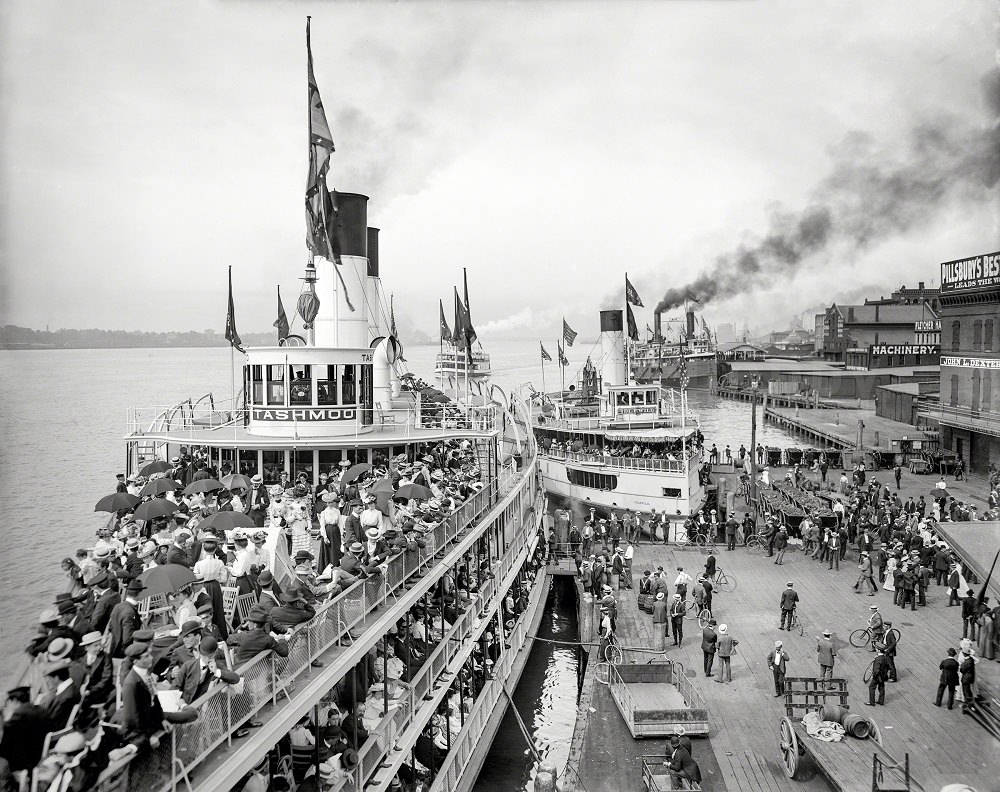
Excursion steamers were a fixture of Detroit’s summer waterfront. In 1901, the Tashmoo and the Idlewild were among the most well-known boats offering passenger excursion trips on the Detroit River and Lake St. Clair. These vessels carried large numbers of passengers on day trips — a popular and affordable form of recreation for city residents.
Grosse Ile, a large island in the Detroit River south of the city, had its own agricultural character. The duck farm photographed there in 1902 was one example of the island’s rural economy, which coexisted with its appeal as a retreat for wealthier Detroit families.

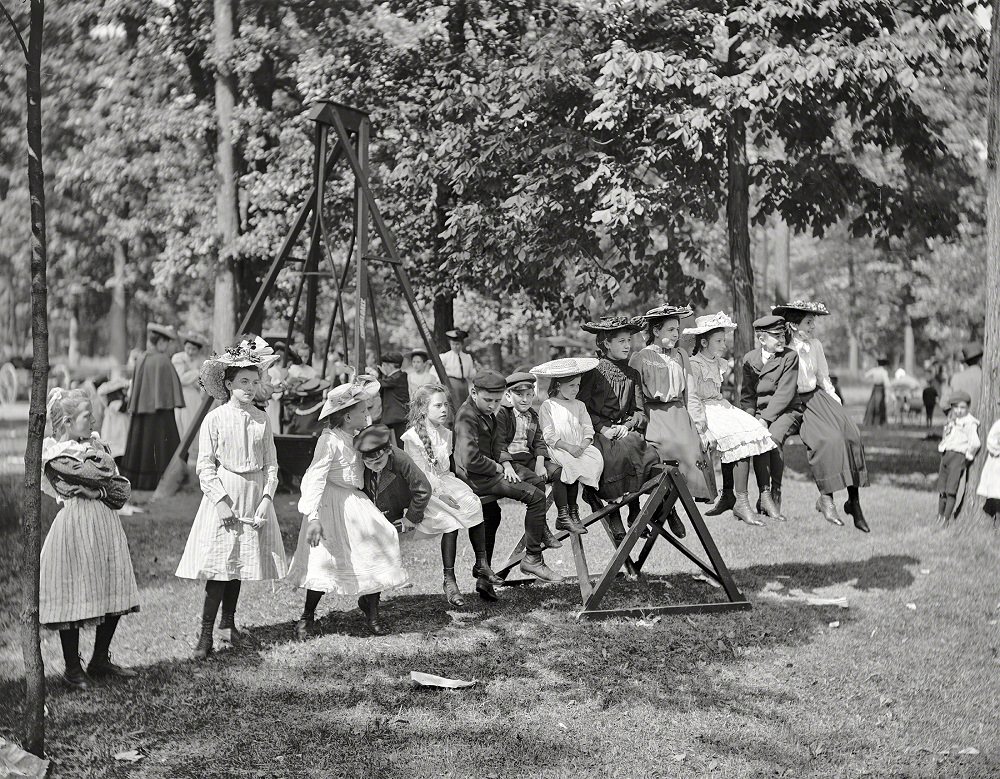
Children’s playgrounds at Belle Isle were among the park’s most used facilities. The 1903 photograph of the playground shows organized outdoor space designed for the children of a densely populated city — a practical response to the reality that most Detroit neighborhoods had little open space for play.
The Detroit Yacht Club, established in 1868, was one of the oldest yacht clubs in the United States. The launching of a new vessel in 1905 was a social event as much as a nautical one, drawing members and their families to the waterfront to mark another addition to the club’s fleet.
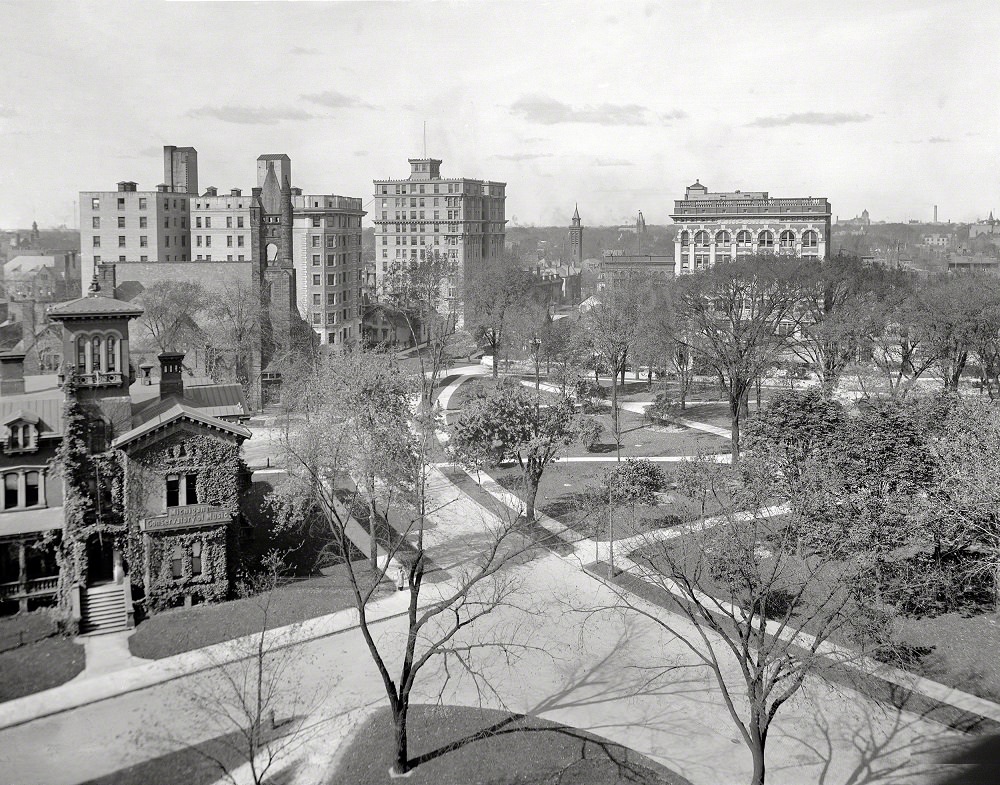
Grand Circus Park’s semicircular green anchored the northern end of Detroit’s densest commercial zone. By 1908, the buildings ringing the park included hotels, office buildings, and retail establishments, and the corner views showed a city that had fully committed to stone and steel construction rather than the wood-frame buildings of an earlier era.





It was once referred to as the “Paris of the Midwest” 🙁
It seems that once you call a place the Paris of anything, that’s the end of it Saigon, the Paris of Southeast Asia, Beirut, the Paris of the Mediterranean, Detroit, the Paris of the Midwest etc. There is a lot to support this.
What happened to Detroit? I’m inquisitive. It has been said that manufacturing jobs have left the city, but that doesn’t explain the rapid ghettoization
If you’re looking for a single tipping point, it was the race riots of the late 1960s
Used to be bustling a beautiful, flint too. All of it was trashed by corrupt people in power, and I regret missing it all.
Now you’ll find Taco Bell & KFC with bulletproof glass…
When I was in Detroit, I visited the first fast food restaurant with bulletproof glass
These are also found in ghettos on the east coast. There were liquor stores everywhere, and all of them had a bulletproof glass.
Once, there were high schools with massive theatres and hand-painted ceilings. Now, there are abandoned mansions and violence. It’s sad to see what unchecked liberal policies lead to.
Seriously? Detroit was ruined by right wing dismantling of the social networks and harsh oppression of unions and minorities.
That’s such a weak statement. You used politics with zero facts. Detroits demise started from the very beginning with it being a one truck pony. Detroits biggest and most important industry IS and ALWAYS HAS BEEN the automotive industry. When the industry does well things are great and when it does bad everyone suffers. When the automotive industry started changing in the 1960’s-70’s Detroit started its decline.
Things like this make me wonder if progress is a good thing.
I’m sure some of you may be picturing a perfect society, but let me assure you that there was some terrible stuff happening in that city during that time.
Although it was a stunning and prosperous city, it was not without its flaws, including significant racism. Additionally, the city was heavily controlled by the Big 3 car companies, which led to the construction of freeways that tore through the city.
Your timing’s a bit off. he Big 3 car companies did not exist in 1900, and while racism was still present, there were very few African Americans in the city at that time. The migration of African Americans to the city did not begin on a large scale until a decade later. The construction of freeways began during World War II to facilitate transportation of people and goods, and was further expanded during the Eisenhower administration in the 1950s.
The city had a history of discrimination, with Jews, Poles, Finns, and possibly Italians being the primary targets of hate.
And Greeks
Not exactly 1900. Im talking about the era before the 50’s
There were also organized crime groups such as the Purple Gang operating in the city at that time. Additionally, I’ve heard stories about the challenges that Italian immigrants faced, with limited opportunities for work leading some young men to consider joining the mob. All of this is to say that Detroit was not a particularly peaceful city during that time period.
The Purple Gang was a significant threat in Detroit during that era, with a reputation that bordered on the legendary. My father was raised in the city and often spoke about their notorious activities.
It was truly a magnificent city.
After experiencing record profits from military contracts, Ford and GM played a significant role in the construction of highways, which had a devastating impact on the state, country, and planet.
Ford and GM certainly played a role in the construction of highways. However, they were not solely responsible for the damage caused. In fact, there are many other environmental hazards such as phthalates, PBB, asbestos, formaldehyde, PFAS, pesticide chemicals, glyphosate, sewage in waterways, and PCBs that have also contributed significantly to the destruction of the environment.
Some might say that the world fair was responsible for some of the issues we’re facing today.
it’s true that corporate profits played a role in the construction of highways. But local housing policies were discriminatory, with suburban home loans being given exclusively to white families. As a result, many white suburbanites demanded easy access to other parts of the city, while simultaneously blocking out certain groups of people. Focusing solely on corporate profits ignores the systemic issues at play.
These photos are fantastic! I would be interested in seeing the “now” pictures as well.
I wish I could have lived during a time when things were simpler and more beautiful. If I had to choose, I would have loved to be in my 20s-40s during the 70s-90s.
The past was a great time to live if you were a white, Christian, Anglo-Saxon, male and wealthy. However, if you were poor, illiterate, non-Christian, Italian, Polish or Black, you would have had a difficult time. There was virtually no social safety net, except for some benevolent societies or extended families. Sanitation was in its early stages, and there was little regulation around food purity. Additionally, the coal smoke was suffocating and caused a lot of pollution.
Much simpler back in the 1900s when America was great for you and me brother
If you were lucky enough to avoid illness, military conscription, and discrimination based on your race, sexual orientation, gender, or financial status, life in the early 1900s may have seemed relatively simple and enjoyable. However, for many people, those challenges were very real and made life extremely difficult.
Yeah the 1920’s was shit. I wouldn’t want to be born before where I am now, which is 2001.
What exactly made the 1900s so great?
One thing that catches my attention when looking at these photos is the significant number of women who appear to be out and about without male escorts.
Detroit has had a tumultuous history with its mayors, with many criticized for mismanaging the city’s resources and leading to ongoing issues still faced today.
it is true that Detroit has had its share of problems with corrupt politicians and mismanagement over the years, it would be unfair to say that all of its mayors have been bad. Some mayors, such as Hazen S. Pingree, were known for their progressive policies and efforts to improve conditions for working-class residents. Other mayors, such as Coleman A. Young, faced criticism for their handling of issues such as crime and economic development, but were also praised for their efforts to address racial inequality and support the city’s African American community.
These pictures date back to the pre-World War I or World War II era, and also predate the existence of any significant car companies. The large influx of people from the South, who came to work in the war plants, didn’t happen until the 1920s. Therefore, claims that Detroit was racist during this time are not accurate, since the race issues had not yet arisen. The early workers in the factories were mostly European immigrants.
I used Ancestry DNA and traced my family tree, and discovered that my great-great-grandfather died in 1900 after being hit by a streetcar at Fort Street and Rivard. According to his death certificate, he was at fault for the accident. I came across a few articles in the Free Press and a sketch that was used to identify his body. I’m curious about what kind of identification people carried during that time period.
I understand that some of you may be envisioning a utopian scenario,but I assure there were some truly appalling situations happening in that city during that period.
The city was beautiful and wealthy. It also had racism, and a lot of it. The Big 3 Car Companies also had a stranglehold on it. Building freeways and ripping through the city.
You’re a bit off on your timing. In 1900, there were no Big 3, plenty of racism, but very few African Americans. Migration did not begin en masse for another decade.
During World War II, freeways were built to facilitate transportation of people and material. In the 1950s, during the Eisenhower administration, the system really expanded.
Not exactly 1900. Specifically, I am talking about the period before the 1950s
Don’t forget about mobs. Various gangs, etc. My great great grandma also told me a story about how she had to fight every day to stop her sons from joining the mob, since it was their only option. Back then, Detroit wasn’t exactly a haven of peace.
In Detroit, the Purple Gang was a real menace. My dad grew up there, and they were notorious, almost mythical.
What a magnificent city back than
Ford and GM continued making record profits with military contracts and completely ruined the state, country, and planet in the process…
By no means on their own. Pthalates, PBB, asbestos, formaldehyde, perfluoroalkyl substances (PFAS), pesticide chemicals cause far more damage. Glyphosate. Polychlorinated Biphenyls (PCBs) and sewage carelessly allowed into waterways
It was all that dang world fair
Moreover, white suburbanites (since suburban home loans were offered only to white families by policy) still wanted easy private access to other parts of the city. Using phrases such as “it was for corporate profit” hides all the other things local voters did to block out certain other people with their housing policies.
I’d love to see the “now” pictures.
I would have loved to live closer to this era than the current one. It looked more beautiful then, when things were simpler. However, I would prefer to be in my 20s-40s in the 70s-90s.
If you were white, Christian, male, Anglo-Saxon, and rich, it was a great time. Blacks, Italians, Poles, illiterates, poor, or non-Christians had a hard time. The only social safety net was provided by benevolent societies and extended families. There was no “pure food movement” yet, sanitation was still in its infancy, and coal smoke was filthy and suffocating.
There are a lot of women escorted out and about in these photos, which I find interesting.
Detroit has never had a good mayor. They sucked Detroit dry until today
All of these pictures were taken before WWI or WWII. Also pre-car companies of any size. A huge influx of people from the South came to work in the war plants during that time (1920’s). So you people who say it’s racist? There had not yet been any racial issues. Immigrants from Europe dominated the early factories.
The Ancestry DNA+ family tree was done by me. In 1900, a streetcar hit and killed my 3x great-grandfather at Fort Street+ Rivard. According to his death certificate, he was hit by a streetcar because of his own negligence. Don’t even think about calling 1-800-Sam. There was also a couple of Free Press articles and a sketch trying to ID his body. How did people carry ID back then?
Detroit used to look pastoral in parts.
Take a look at all those old buildings people think weren’t death traps!
Architecture is so cool, I love it
These make me so upset.
Henry Ford stole this from us
Additionally, Henry Ford made this city wealthier than almost any other on earth. It’s too bad it was wasted.
i am impressed on the sharpness of these photos.
Rip decent public transit
It’s sad that our public transportation system hasn’t improved 120 years later.
Trying not to be a pessimist, but… isn’t that to be expected? I wouldn’t be surprised if that were the case when cars weren’t around and people relied more on public transportation. As someone who lived in Boston for the past year, I can say without a doubt that our public transit system is trash. In addition, I don’t know how transit systems in other cities compared 120 years ago.
There was a National Hay Association then, which is now known as the Independent Petroleum Association. You’ve got to fuel your car
Hay is for horses.
Right in front of Men’s Outfitters, there’s a pit with construction-like wooden boards inside it. Does anyone know what they were building?
There is so much history that has been erased
I loved streetcars. They provided cheap, fast transportation for thousands of people. After the streetcars were sold to Mexico City, Henry Ford decided to stand the competition.
Streetcars were hyped up, but they actually disappeared for a variety of reasons. It is true that Ford and GM among others played a role in ending them. There was no consensus that they were safe. It takes a long time for a bicycle to stop compared to a car or bus, and accidents with cars and pedestrians were common. Some say Malcolm X’s father was murdered by one. They used a lot of electricity that day. To serve most streetcar systems, a power plant was required. It was expensive to maintain and replace the cars themselves. By the time the Great Depression rolled around, the original “streetcar suburbs” began to age and areas further from city centers became more desirable.
This looks older than the 50’s.
The 1900s were only… 25 years ago.
I love seeing old photos of Detroit, this was a nice collection, thanks!
I love seeing old photos of Detroit, this was a nice collection, thanks!
“The Paris of the Midwest”. Seems like Washington Avenue was the place to be.
Wait, is there both a Washington Avenue and Washington Boulevard?
Cars destroyed our cities.
Cars didn’t destroy Detroit, people did.
*to make room for more cars
There would not really be a Detroit without cars. Cars built this city! Lol.
Cars exist all over the world in places where they didn’t destroy cities to make room for more cars
The auto industry built this city. It is the reason Detroit grew and basically created a middle class in America. Those are just facts. in your viewpoint autos and freeways also led to its decline. So I guess both can be true.
Do you have any education on the history of the city’s urban planning and how they literally destroyed neighborhoods to expand roads and build highways and encourage people to move to suburbs and be car dependent?
Yes. That’s what I stated. Do you have any history on Henry Ford, the model T, the car capital of the world, the reason for the city expanding and growing in the first place? You can’t have one without the other. You’re speculating those freeways killed the city. The reality is that segregation, politics, riots, and poverty led to the decline of Detroit. The rise of the auto industry, and the middle-class in America through Detroit is a fact.
read some of your other comments, and now realize you’re a know it all who actually contradicted your own opinion about the problem with Detroit, so have a good day. Lol
Youre ignorant of the fact that half of the buildings downtown were torn down for parking and freeways. They physically destroyed the city for cars. You’re clearly uneducated on the urban planning history of the city.
You’re so smart. Lol.
You’re clearly uninformed on the history of Black Bottom and you’ve never seen photos of the city before the ripped it apart for parking lots and freeways and road widening.
Silly me. People didn’t move here for the auto industry, and the auto industry didn’t build the city, it was the Coney dogs, right? It’s all about the coneys. You are so incredibly smart. You are no match for me or anybody on Reddit. I yield to thee O spirit of Detroit!
Seriously though, I entertained your foolishness for a while, but how does someone from Detroit not know that the auto industry is what made Detroit and completely changed our whole country and the world? How does anyone with any kind of education not know this? Inconceivable!
You’ve never heard of Black Bottom because you’re uneducated on the city.
Are you too incompetent to look at before-and-after photos of the freeway and parking lot construction that devastated the city?
You’re obviously uneducated and ignorant on the basic history of Detroit. They literally destroyed the physical makeup of the city for parking loads, freeways and road widening. You don’t know anything about Detroit, so you’re ignorant of this fact.
Suburbanization and urban freeways funneled hundreds of thousands of people outside of the city, fueled by cars and car dependency.
You have blinders on
You’re belligerently ignorant of the city’s history
Your passion is commendable, but your misplaced angst is laughable. Get yourself a latte and some avocado toast, and take a break from your belligerent ranting and take a few breaths. If you look both ways before you cross, cars won’t hurt you. Stay safe.
Not my fault you know nothing about the city.
You’re right. It’s not your fault. We collectively thank you for swooping in from the suburbs after a safe and cushy childhood and taking a couple classes at Wayne State and saving the city with your incredible intellect and historical knowledge. Thank you so much.
You’ve never heard of Black Bottom.
Why you gotta to keep going off about black bottoms? I like em and I cannot lie. BTW, Antoine Cadillac founded Detroit. Even he knew Detroit’s future was in cars!
Buildings that wouldn’t have been there without cars lol
Are you incapable of understanding the difference between the auto industry existing versus physically tearing down entire neighborhoods to build parking lots and highways?
These are wonderful, thank you.
What kind of brain damage did the champions of “Urban Renewal” across U.S. cities in the 1950s-70s suffer to make them decide to destroy our built environments?
Detroit’s history and wealth as a city gave it the bones to be something closer to D.C. or Chicago or Brooklyn with its original levels of density and historic architecture and streetcar networks. All turned to parking lots and sprawl by sadistic planners and car cult stooges.
There are two pics (#18 & #27) of the swimming area at Belle Isle and all I see are lots of wooden walkways and multitudes of wet bare feet.
Then there are the wooden staircases coming out of the water with no hand rails.
But no budgie smugglers
When looking at photos from this time era, I like to try to find the person not wearing a hat.