
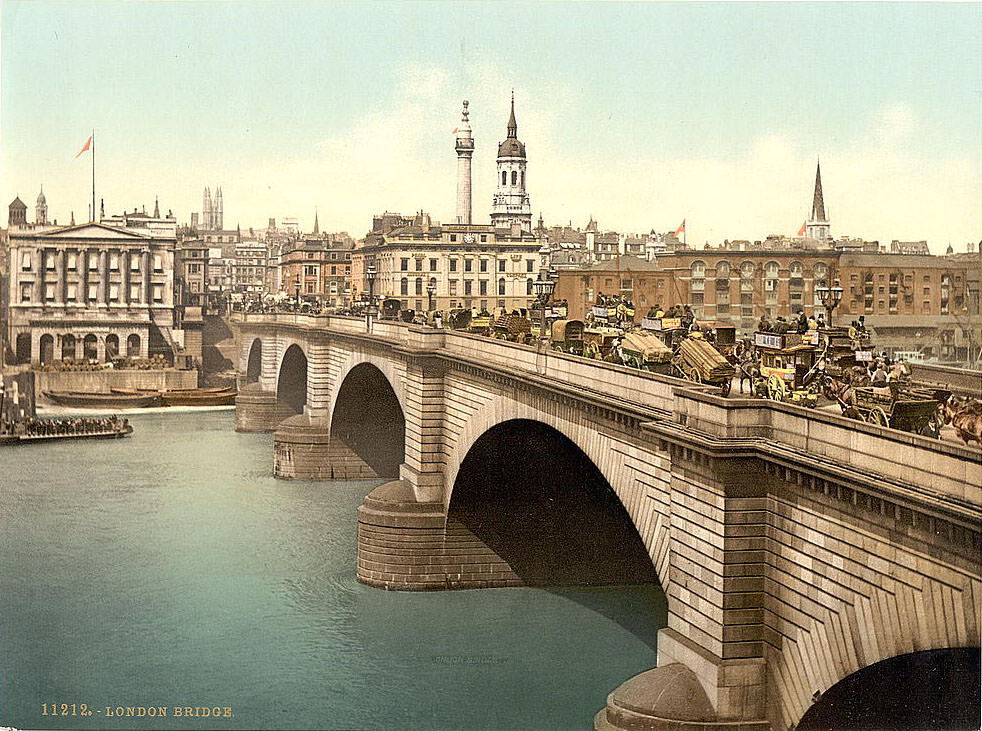
By the close of the 19th century, London had transformed into one of the most powerful cities on Earth. Its population surged from roughly one million at the century’s start to 6.2 million by the 1890s — a scale of growth that reshaped nearly every corner of the city. New roads cut through old neighborhoods. Bridges crossed the Thames. A modern sewer system replaced the open cesspools that had once made the city notorious. And beneath the streets, construction of the London Underground was underway, moving workers and commuters in ways that had never been possible before.
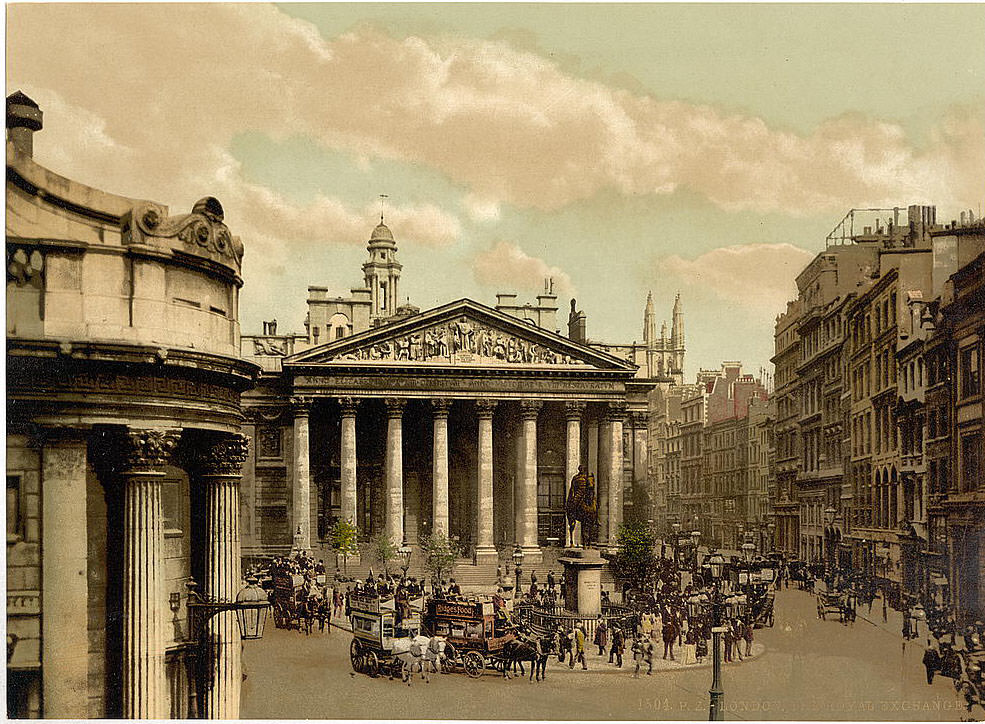
The city was the financial engine of the British Empire. The Royal Exchange, the Bank of England, and a dense web of trading houses made London the center of global commerce. At the same time, the Great Exhibition of 1851 at the Crystal Palace had already announced to the world that Britain was the leading industrial power. Visitors came from every continent to see the displays of machinery, manufactured goods, and raw materials gathered under one enormous glass roof in Hyde Park.
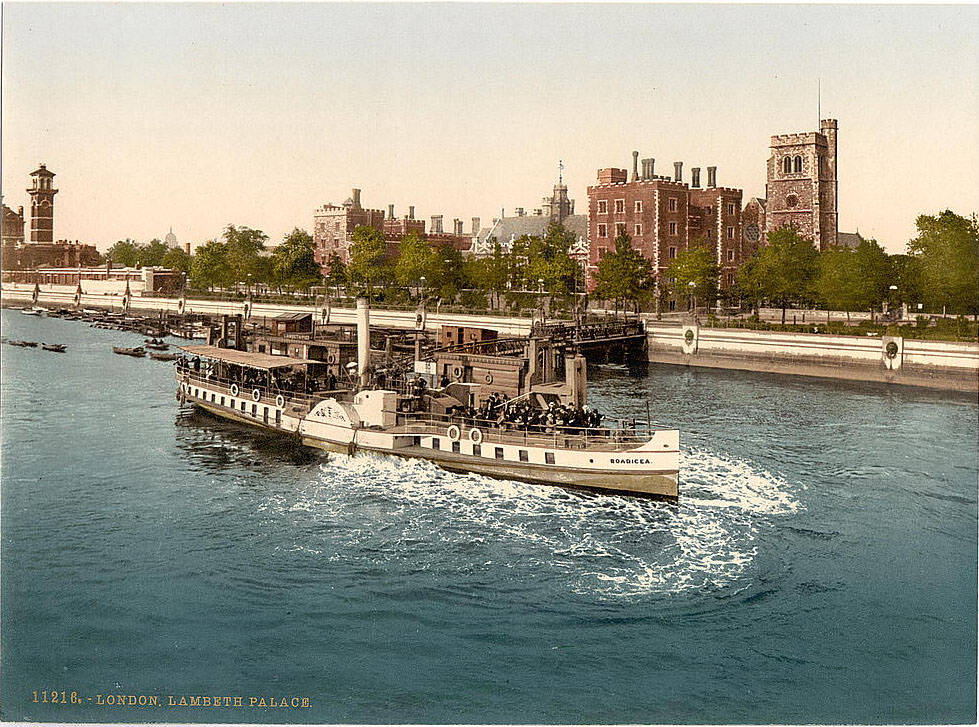
As the middle class grew, families moved out of the crowded city center into new suburbs. Markets, theaters, and entire commercial districts followed them. This shift left the old core of London denser with institutions — government buildings, courts, museums, and financial houses — while the outer rings filled with terraced housing and local shops. The photochrom images captured here document both worlds: the grand public face of Victorian London and the streets where ordinary people lived and worked.
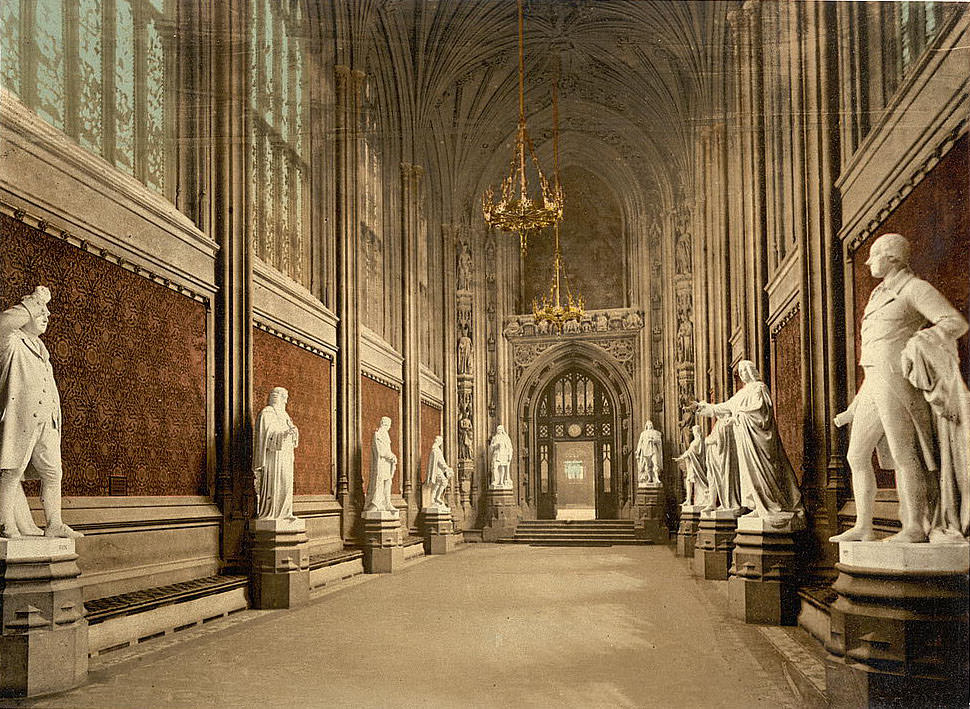
The photochrom process, developed in the 1880s by the Photoglob Company in Zurich, produced color prints from black-and-white glass negatives using a lithographic technique. The results were vivid and detailed — closer to a painting than a photograph in terms of color richness, but grounded in actual photographic composition. These images of London from the 1890s are among the most complete color records of the city before the 20th century.
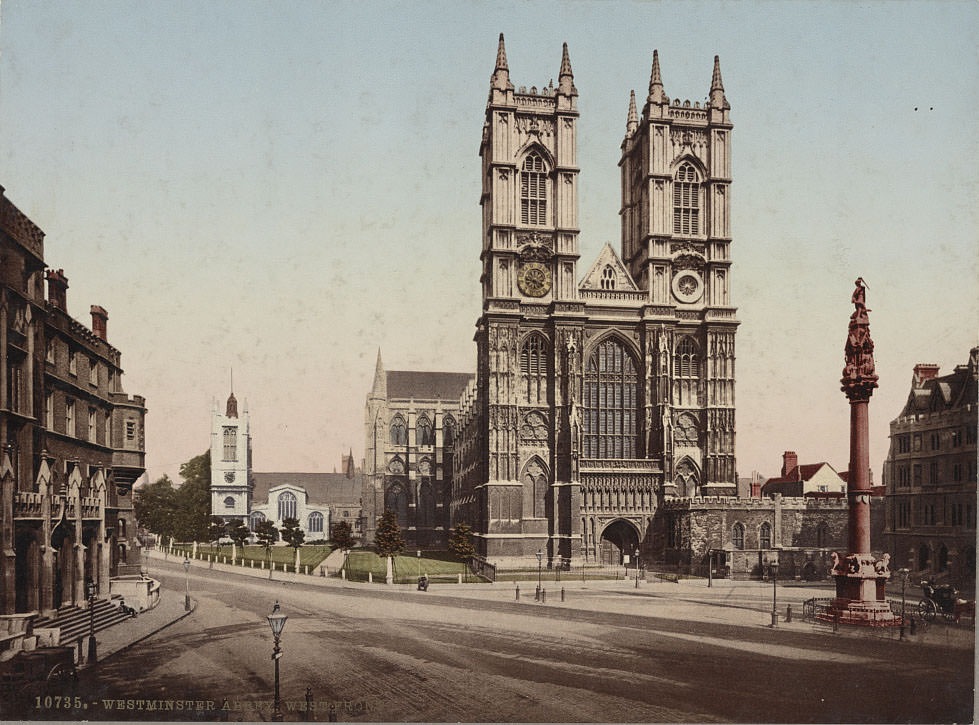
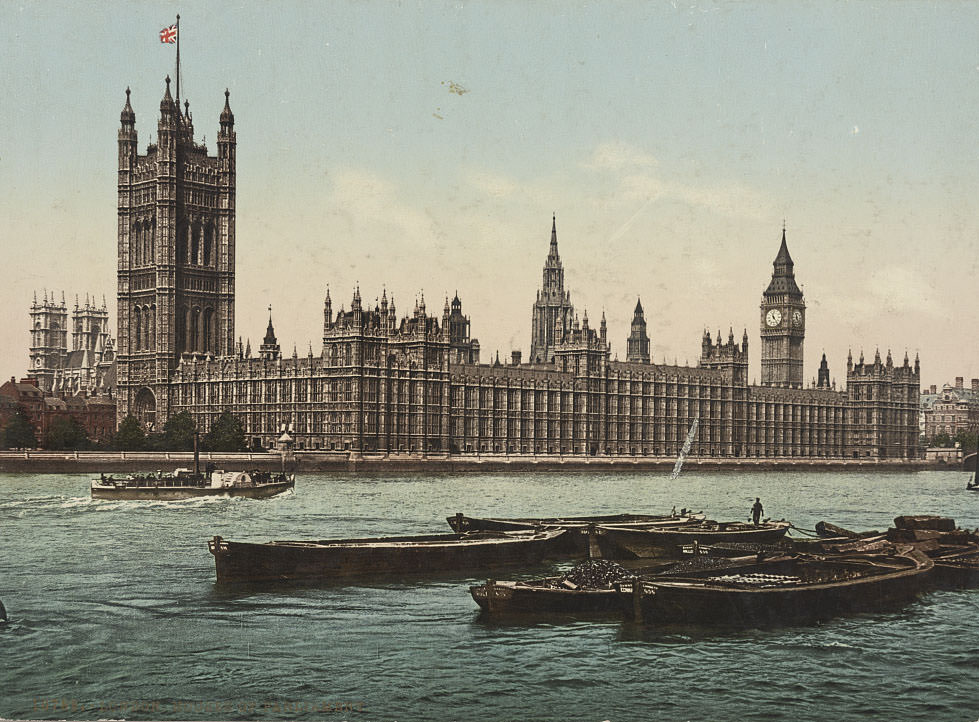
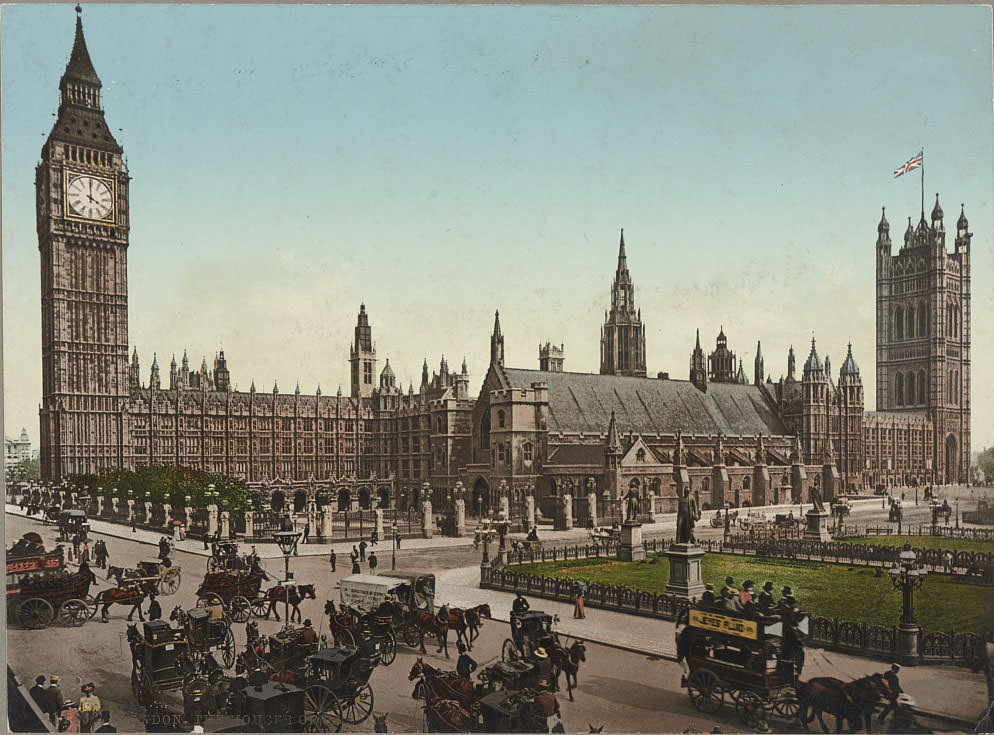
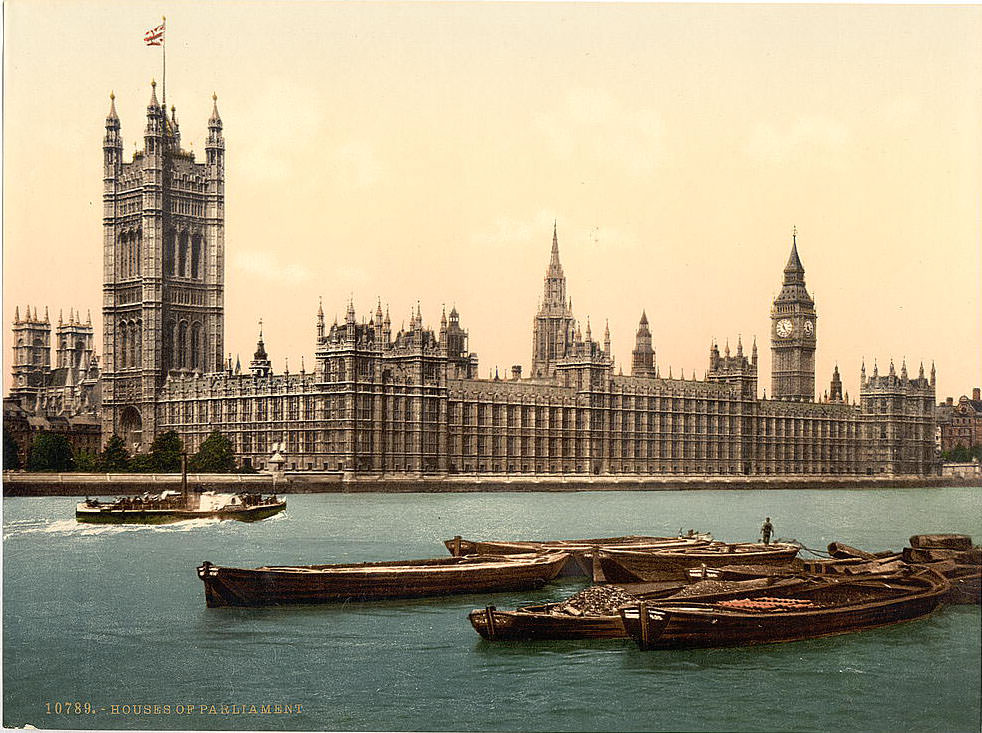
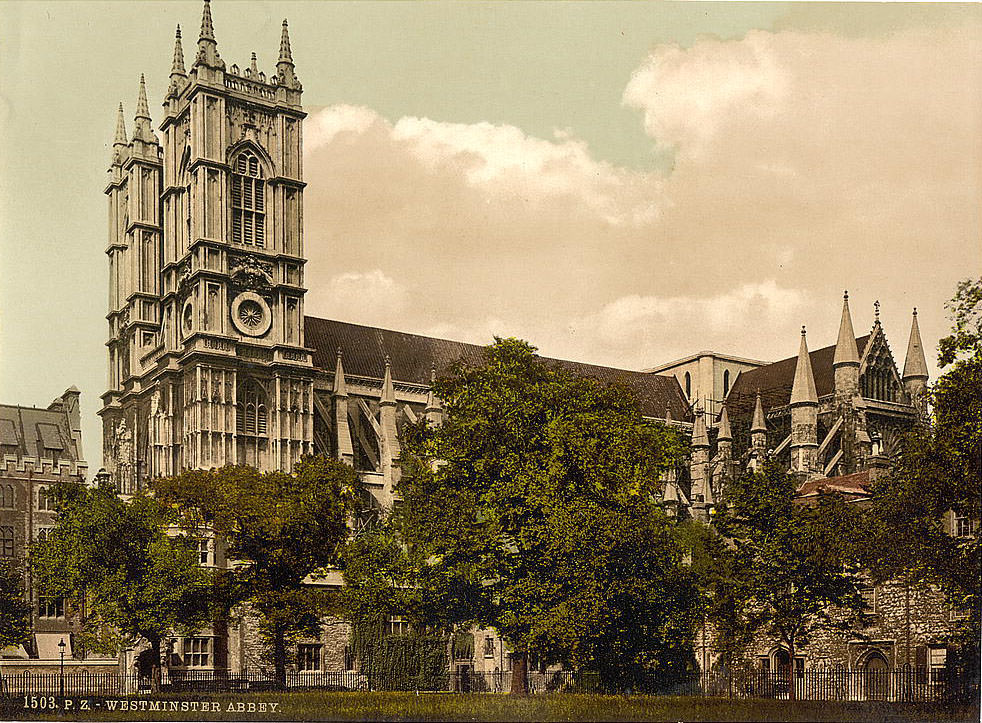
The Houses of Parliament dominated the riverbank at Westminster, rebuilt in the Gothic Revival style after a fire destroyed the old palace in 1834. The clock tower housing Big Ben had become one of the city’s defining landmarks. Nearby, Westminster Abbey had stood since the 11th century, serving as the site of royal coronations and burials. Both structures appear repeatedly in these images, photographed from different angles and in different light.
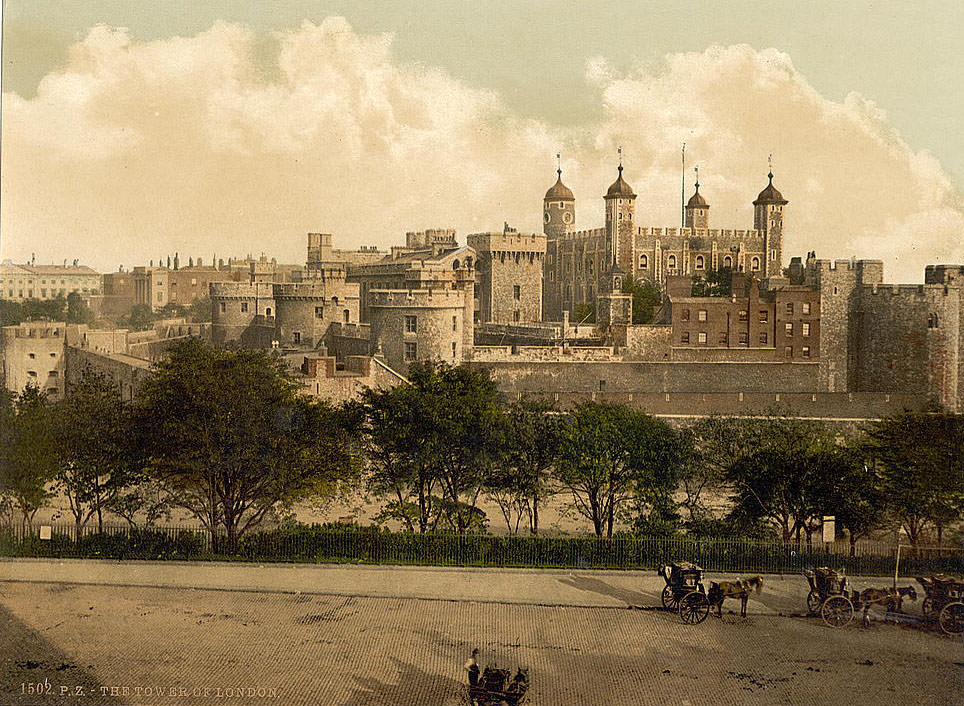
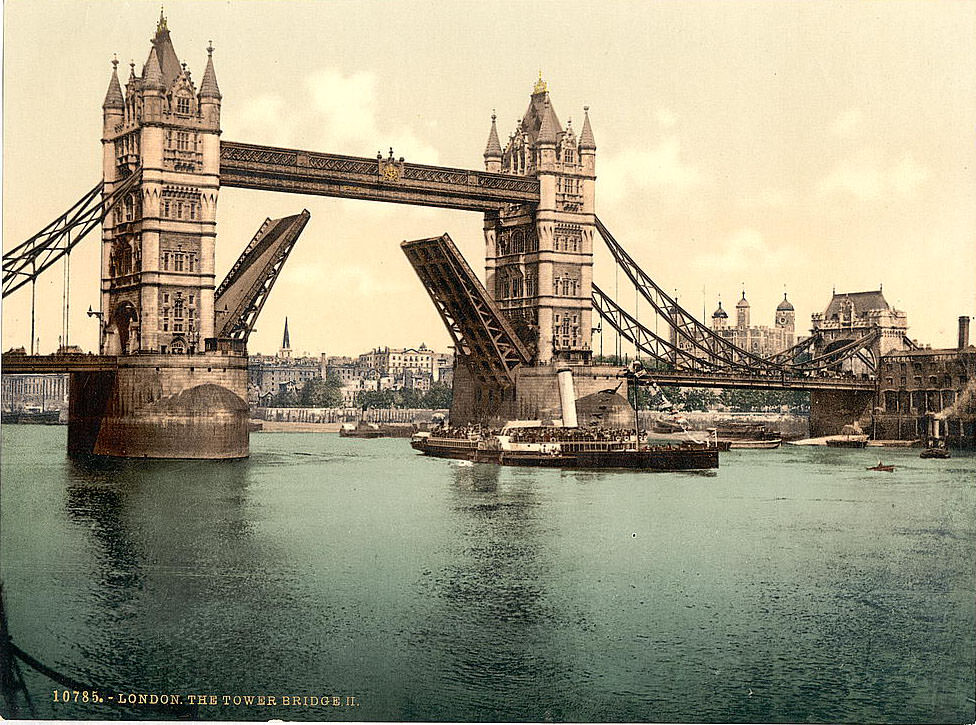
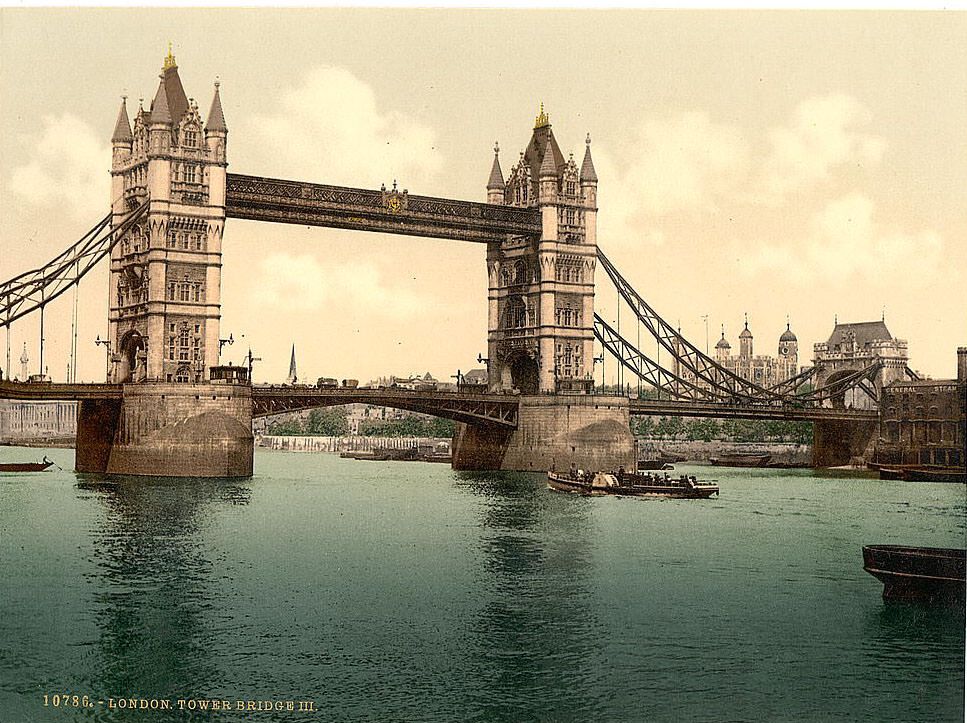
The Tower of London, originally built by William the Conqueror in the 11th century, still stood as both a fortress and a tourist attraction by the 1890s. Tower Bridge, completed in 1894, was brand new when these photochroms were made. Its bascule design allowed the central span to lift for tall ships passing through. Several images here capture the bridge in both its open and closed positions — a remarkable record of an engineering marvel in its earliest years.
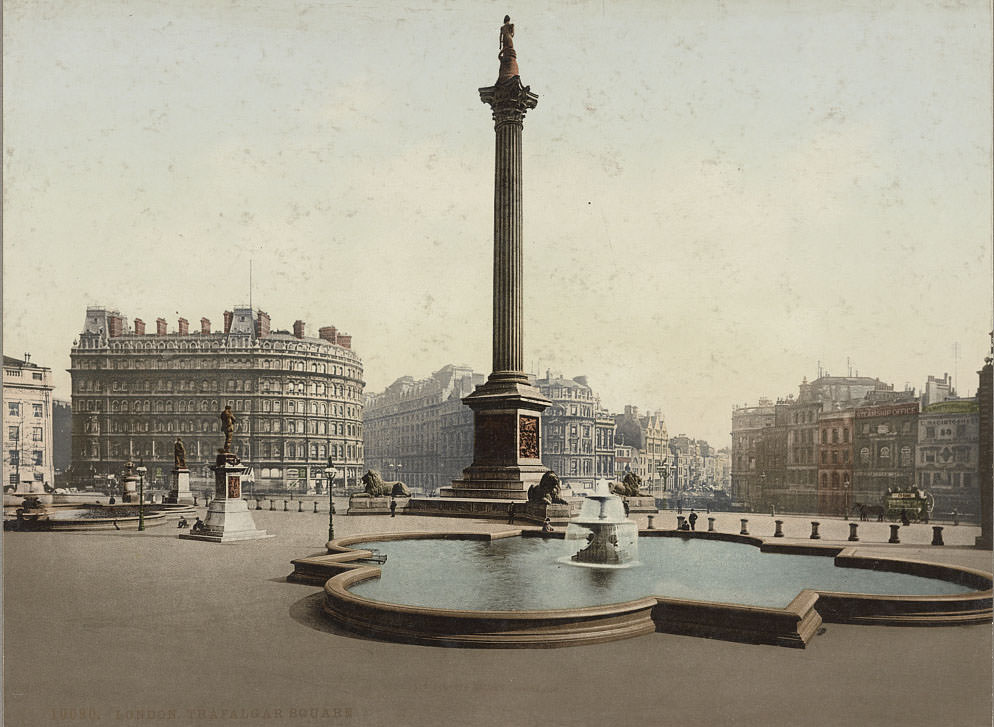
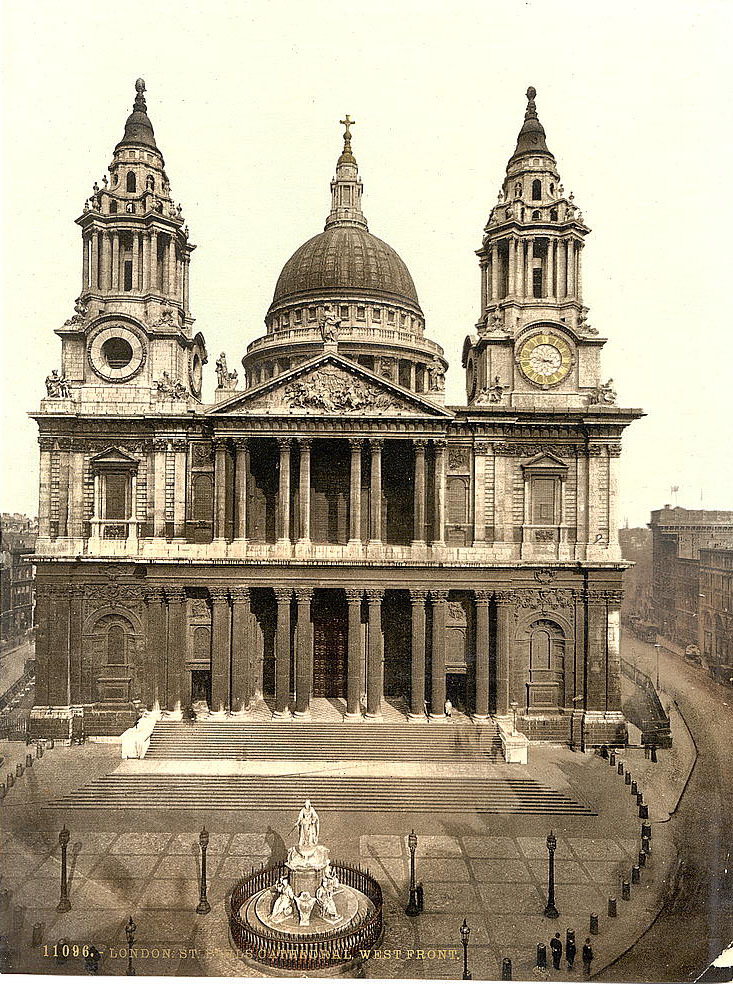
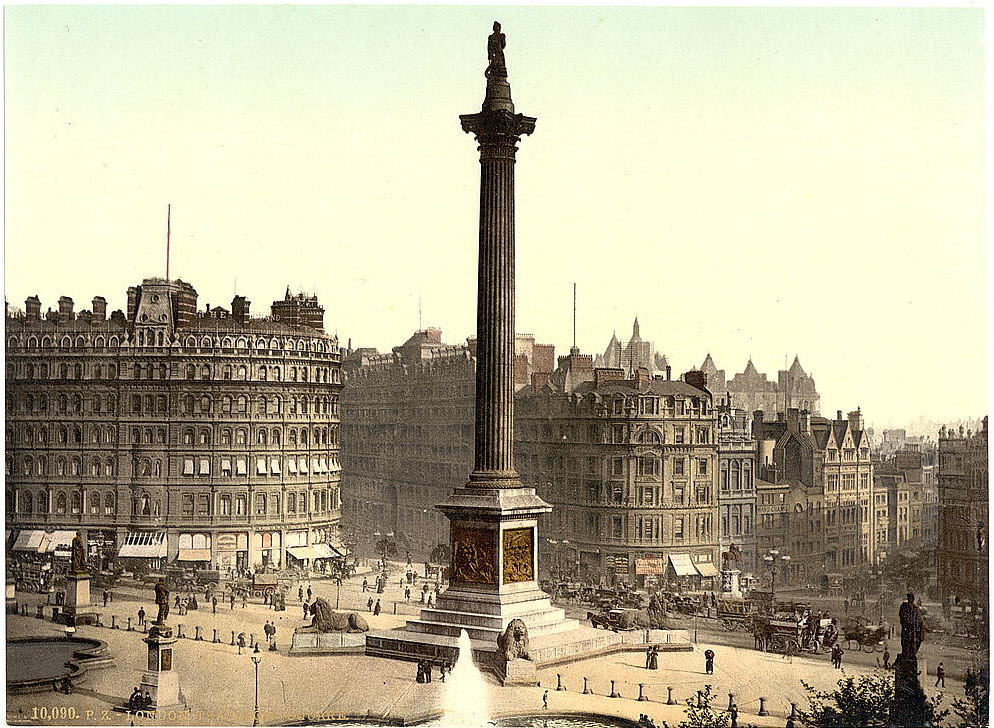
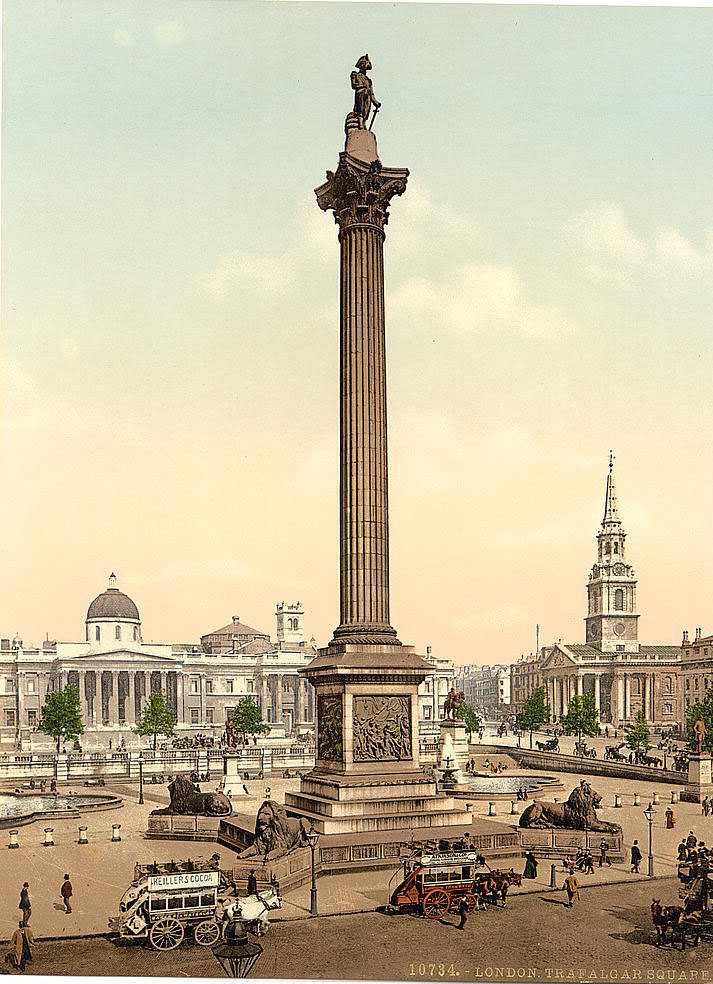
St. Paul’s Cathedral, designed by Christopher Wren and completed in 1710, remained the tallest structure in London throughout the 19th century. Its dome was visible from across the city. Trafalgar Square, built to commemorate the Battle of Trafalgar in 1805, had become a busy public gathering place by the 1890s. Nelson’s Column rose at its center, flanked by Edwin Landseer’s four bronze lions. The National Gallery lined the northern edge of the square.
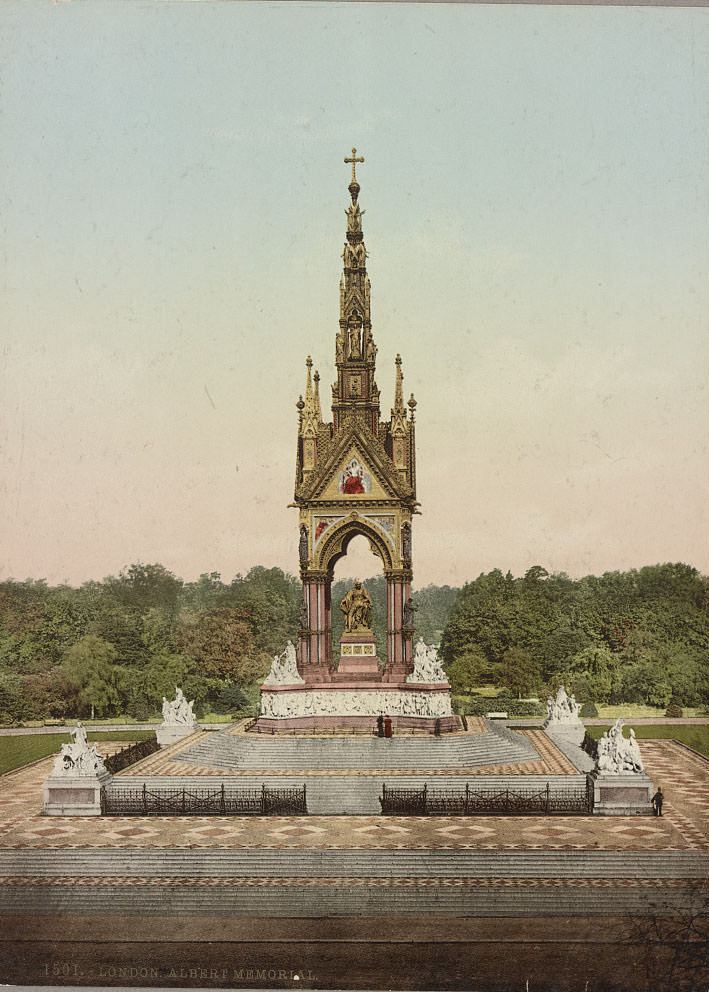
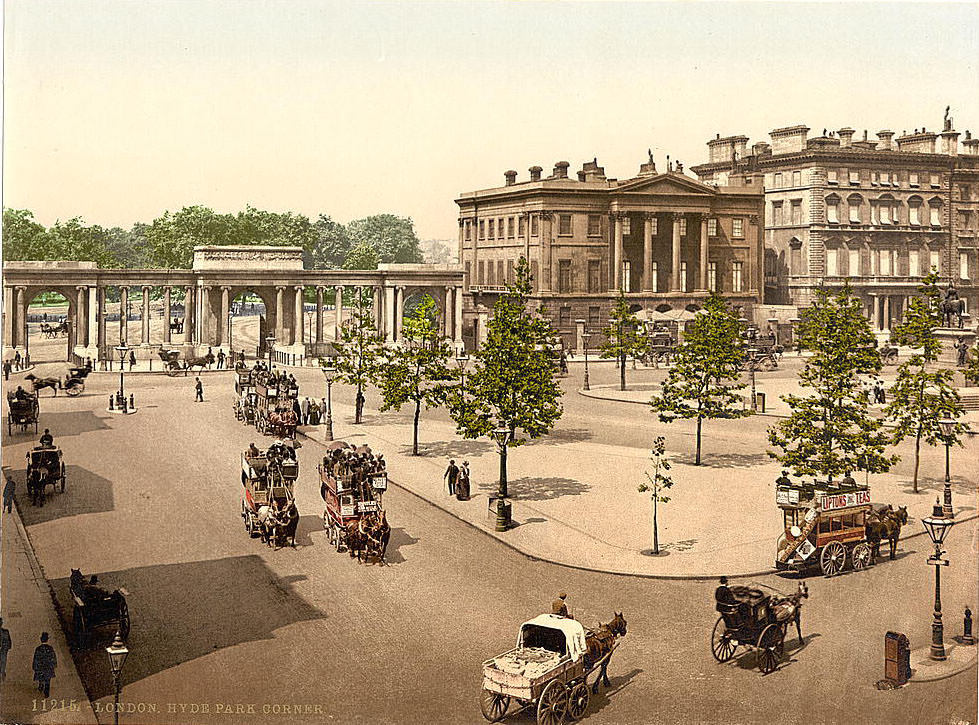
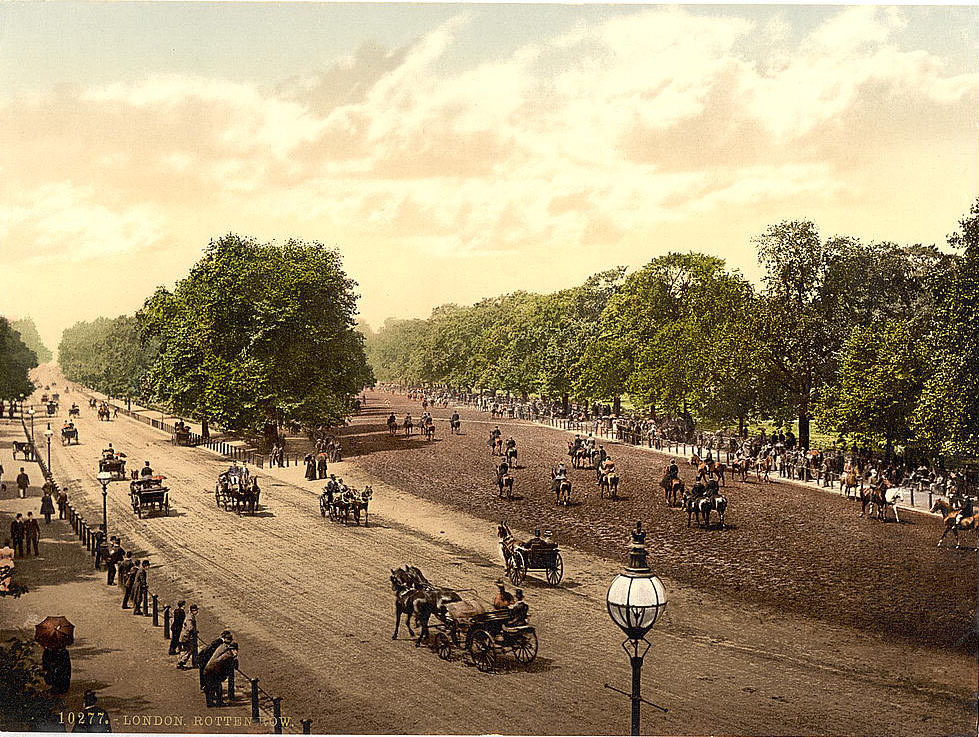
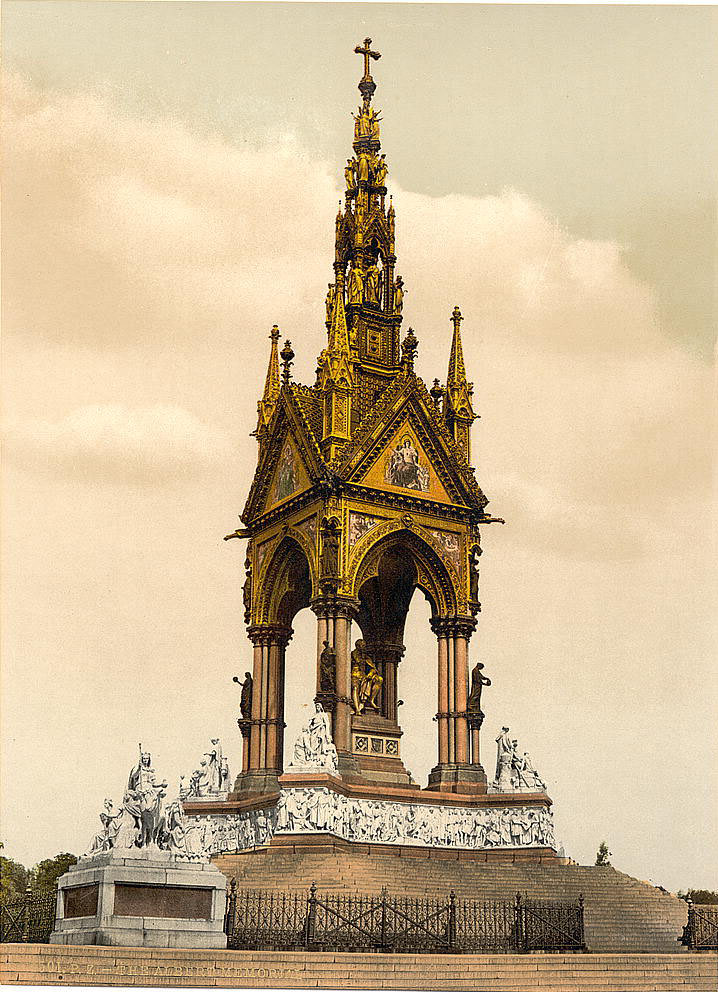
Hyde Park was the largest of London’s royal parks and one of its most active public spaces. Rotten Row, a broad gravel track along the park’s southern edge, was a fashionable riding route where the wealthy came to be seen on horseback. Hyde Park Corner marked the southeastern entrance to the park, with Apsley House — the Duke of Wellington’s London residence — standing at the junction. The Albert Memorial, unveiled in 1872, honored Prince Albert who had died in 1861, and stood at the park’s southern border facing the Royal Albert Hall.
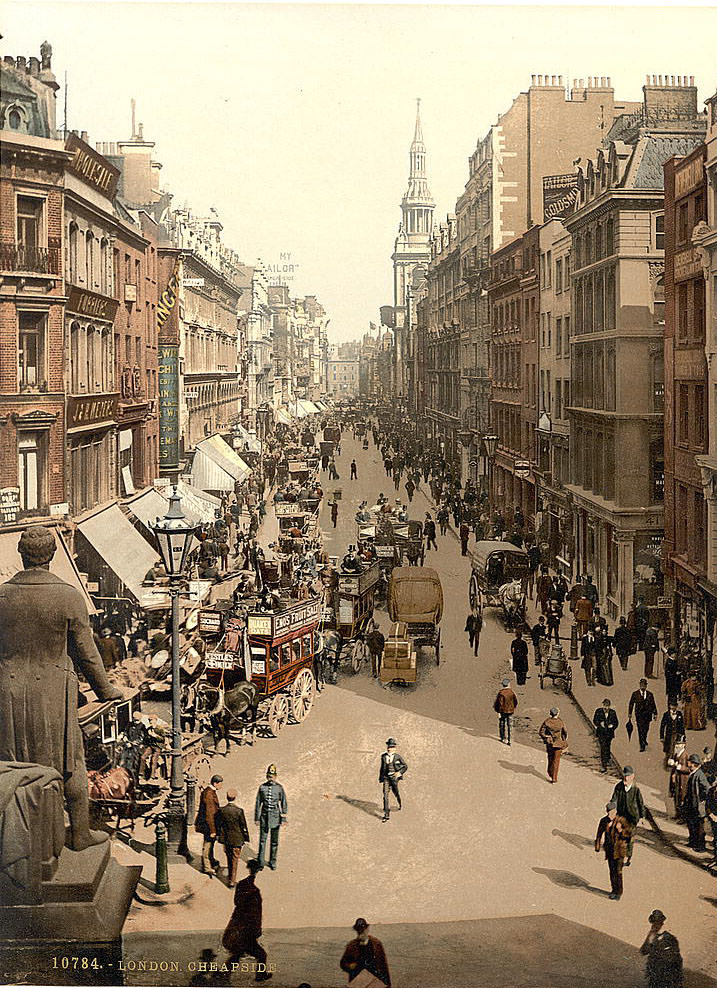
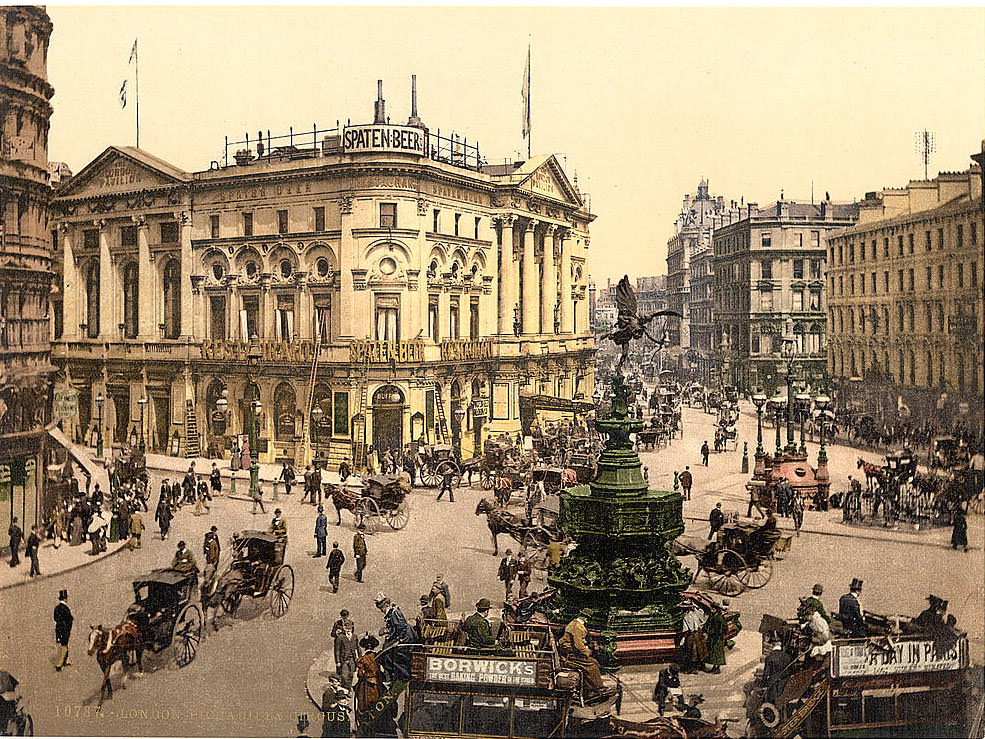
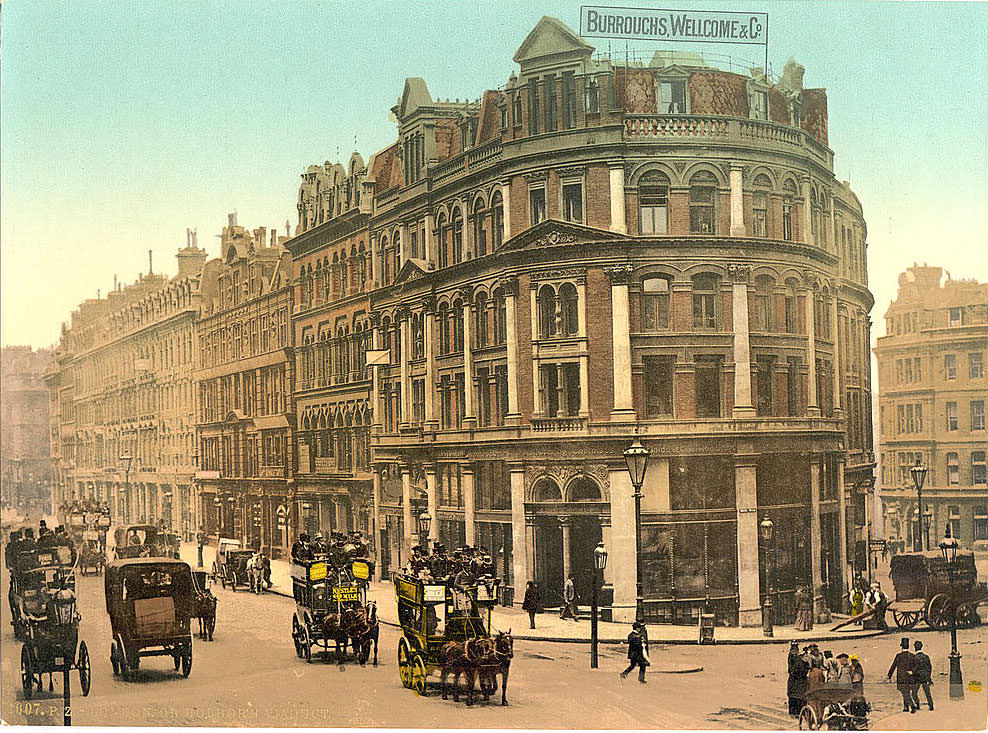
The commercial streets of Victorian London were dense with horse-drawn traffic, pedestrians, and shop fronts. Cheapside, one of the City of London’s oldest trading streets, ran east from St. Paul’s Cathedral. Piccadilly Circus, created in 1819 at the junction of Piccadilly and Regent Street, had grown into one of the busiest intersections in the city. Holborn Viaduct, opened in 1869, was a cast-iron bridge that carried traffic over the Holborn Valley, eliminating one of the steepest and most congested hills in central London.
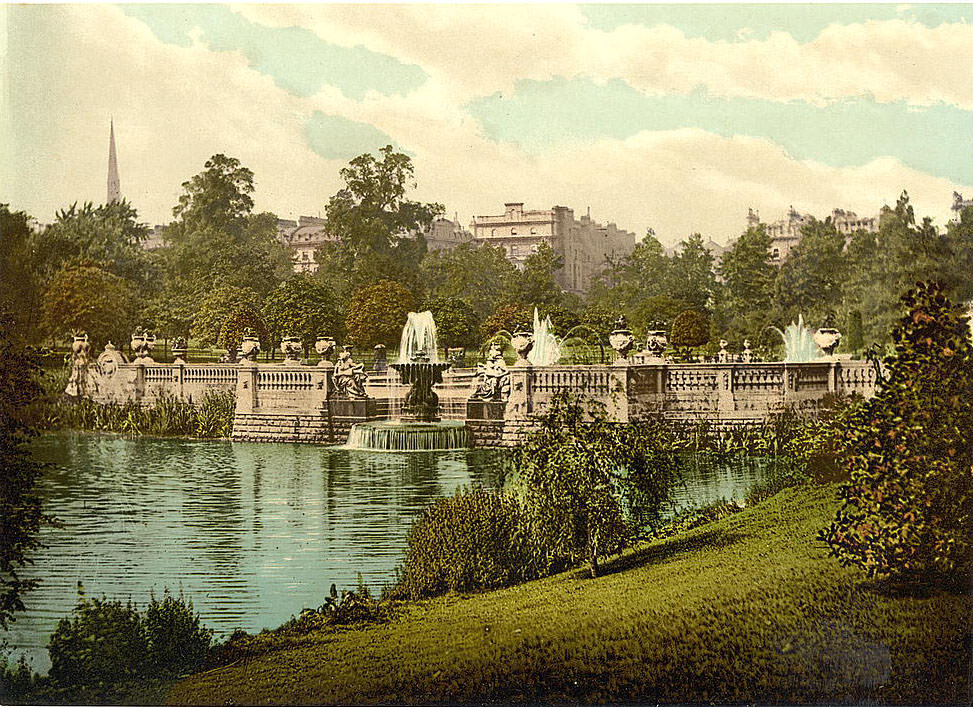
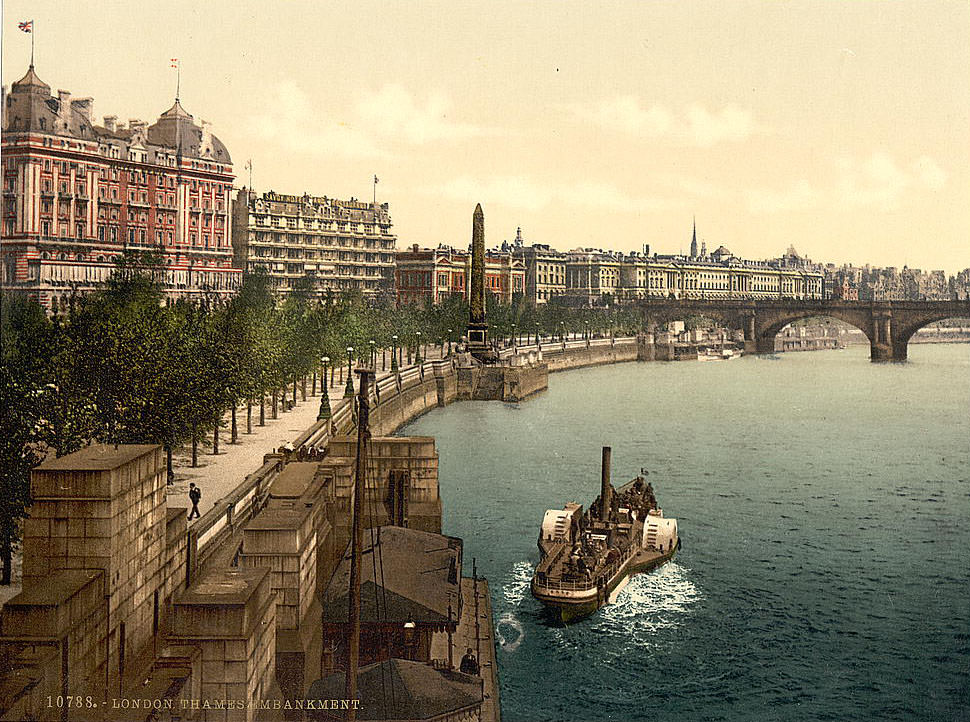
Kensington Gardens adjoined Hyde Park and contained a formal landscape of pathways, fountains, and ornamental gardens. The Thames Embankment, constructed between 1865 and 1870 under engineer Joseph Bazalgette, transformed the northern riverbank. It reclaimed land from the river, built over a new sewer trunk line, and created a wide road and public walkway along the Thames. Before the Embankment existed, the riverbank at that stretch was an uneven mudflat.
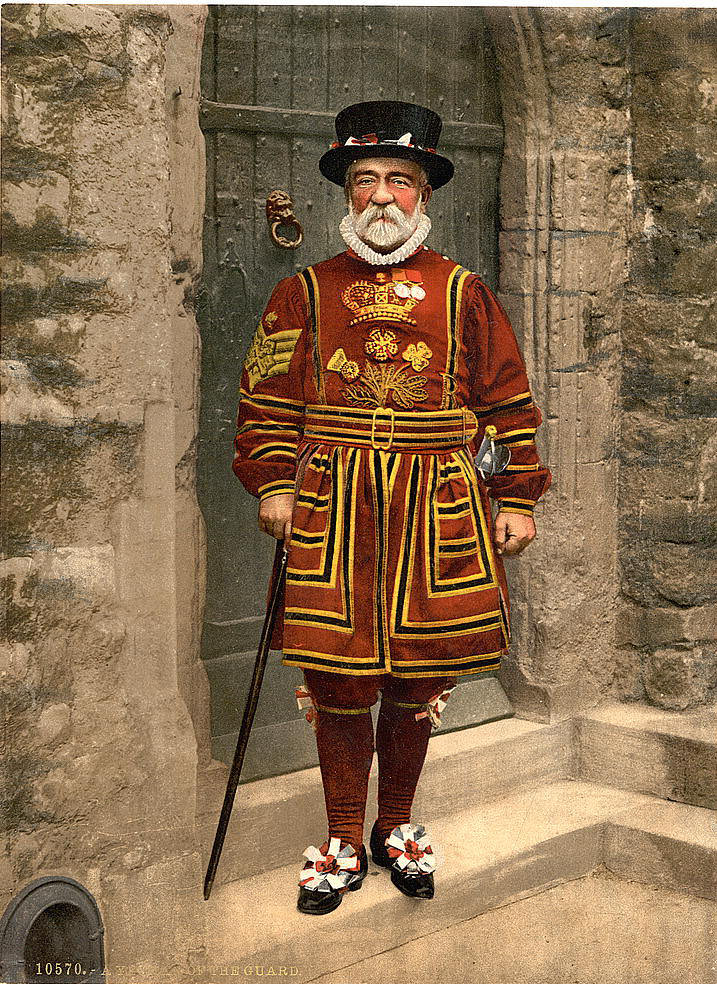
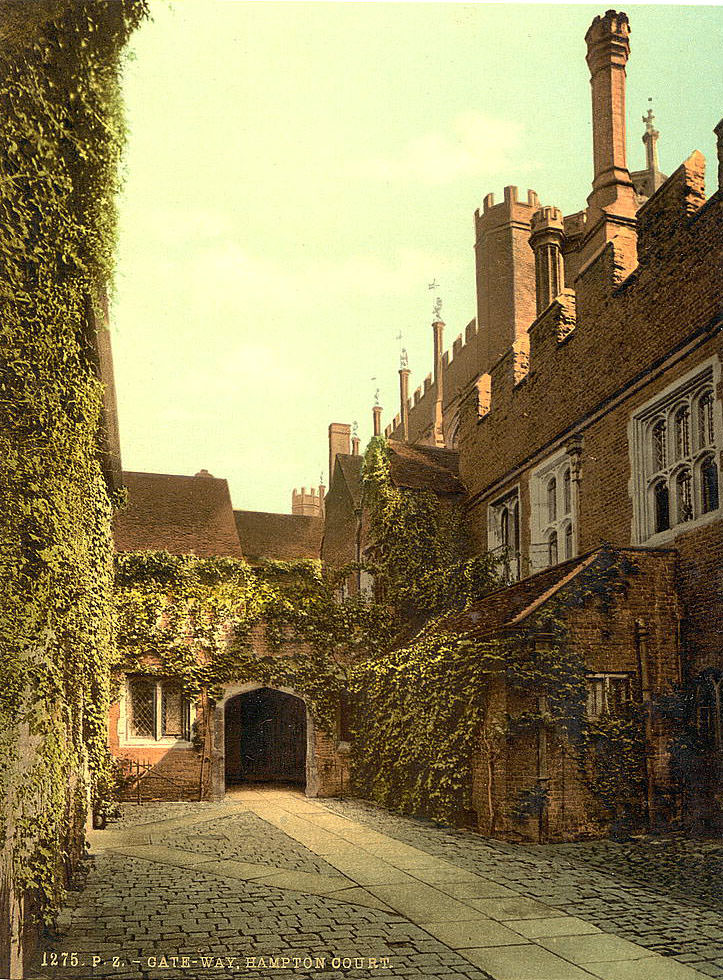
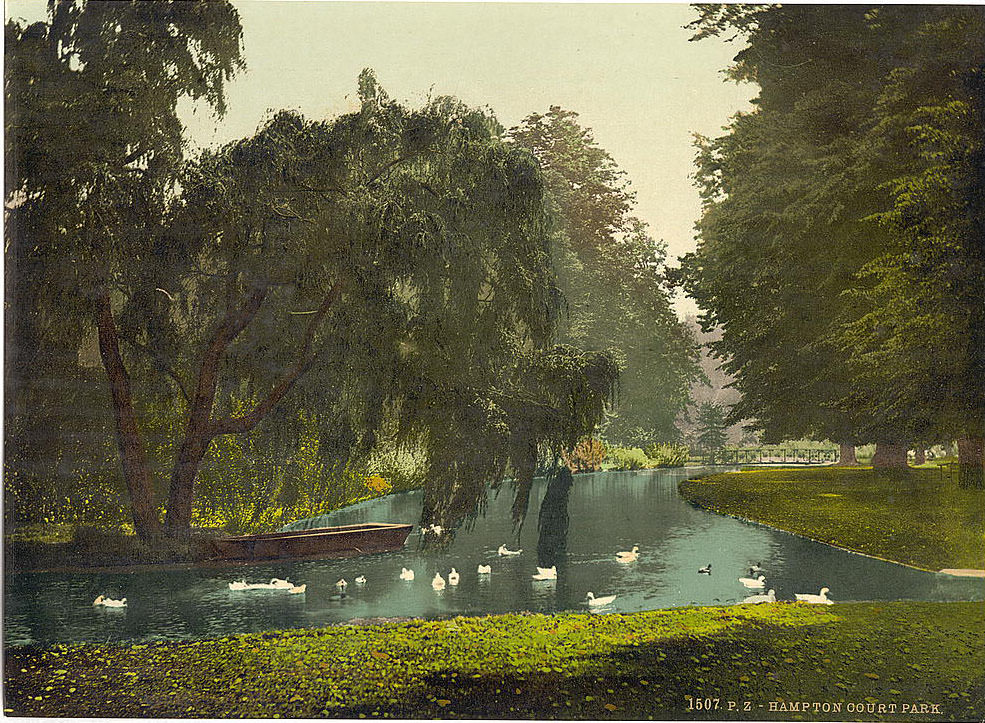
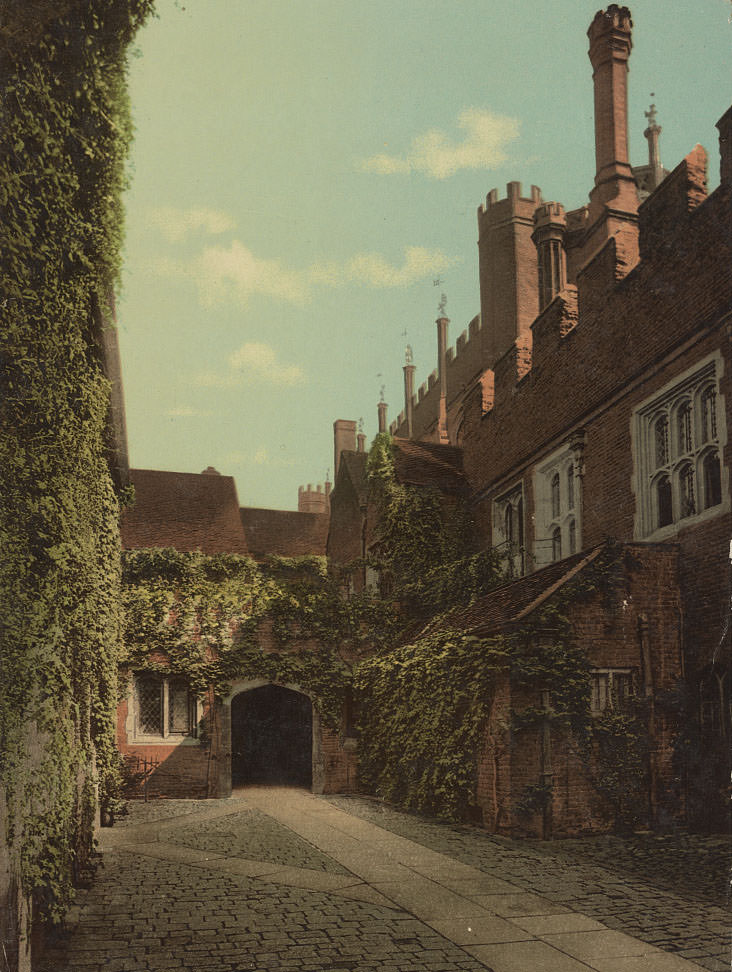
The Yeomen of the Guard — commonly called Beefeaters — were the ceremonial bodyguard of the British monarch, based at the Tower of London. Their distinctive red and gold Tudor uniforms had remained largely unchanged since the late 15th century. Hampton Court Palace, located about 12 miles southwest of central London along the Thames, had been a royal residence since Henry VIII expanded it in the 1520s. By the 1890s it was open to the public and accessible by river or rail.
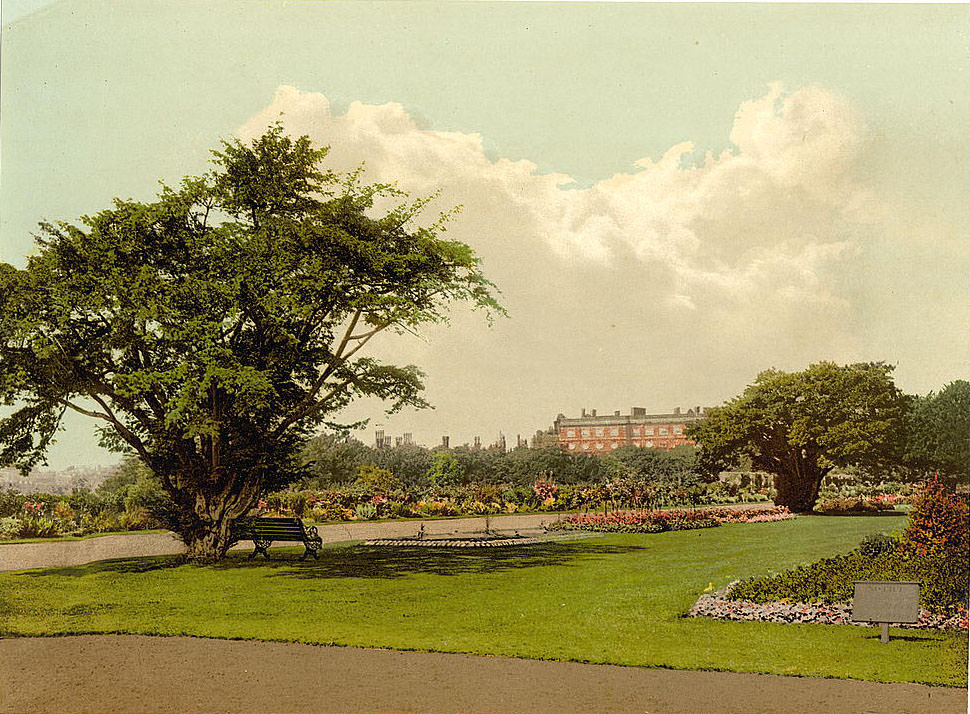
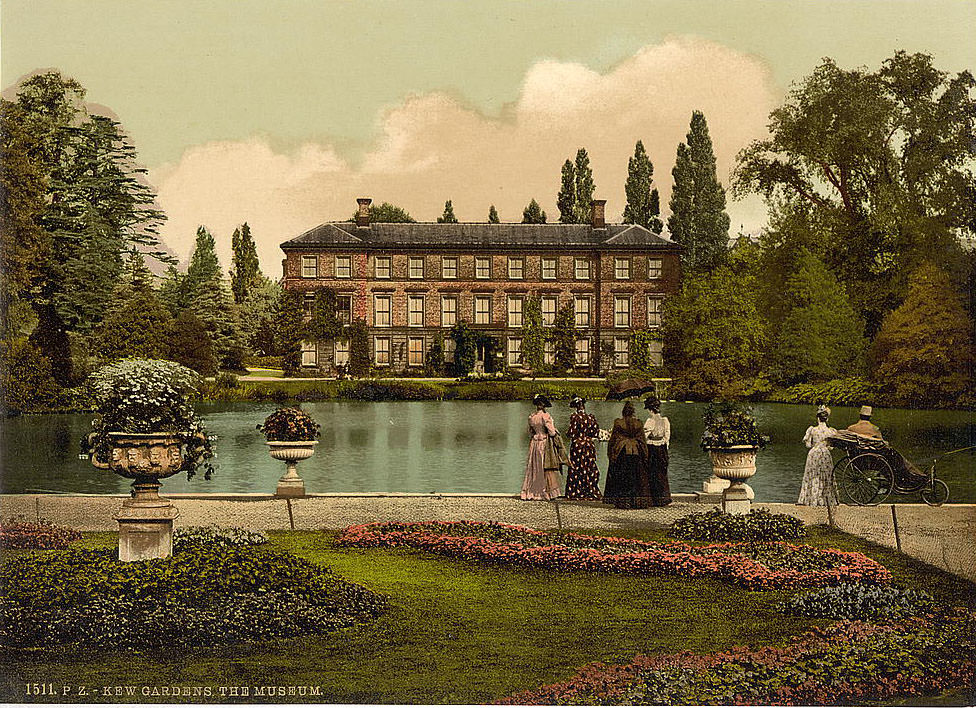
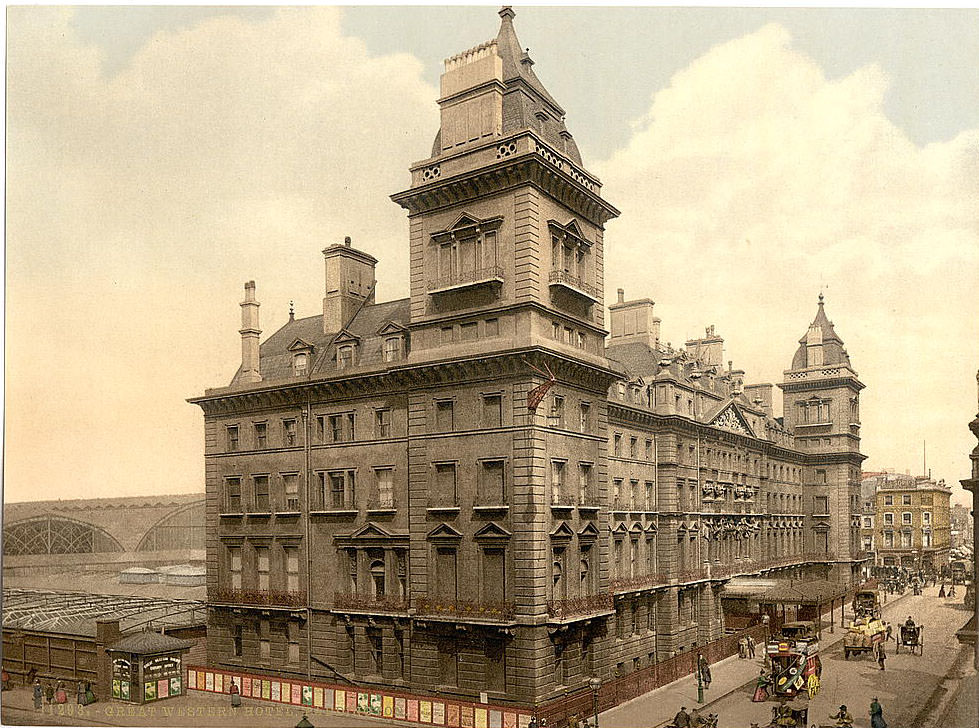
Kew Gardens, formally the Royal Botanic Gardens at Kew, had been open to the public since 1840. By the 1890s it contained one of the largest collections of living plants in the world, along with several museum buildings displaying botanical specimens and economic plant products. Paddington Station, completed in 1854 and designed by Isambard Kingdom Brunel, was the London terminus for the Great Western Railway. The adjacent Great Western Hotel was one of the first purpose-built railway hotels in Britain.
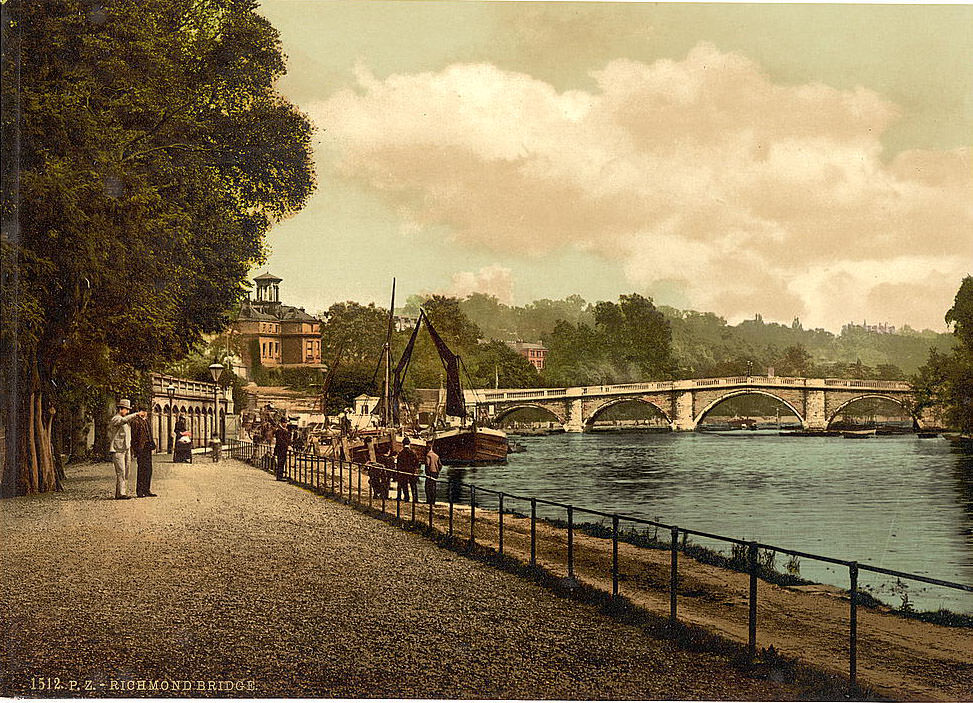
Richmond, a town on the Thames about ten miles southwest of central London, was a popular destination for day-trippers and wealthier residents who wanted distance from the city’s noise and smoke. Richmond Bridge, built in 1777, was the oldest surviving Thames bridge in the Greater London area by the 1890s. Richmond Hill offered sweeping views over the river and the surrounding countryside — views that had attracted painters and writers for over a century. The Star and Garter Hotel on the hill was one of the most fashionable dining destinations in the London area.
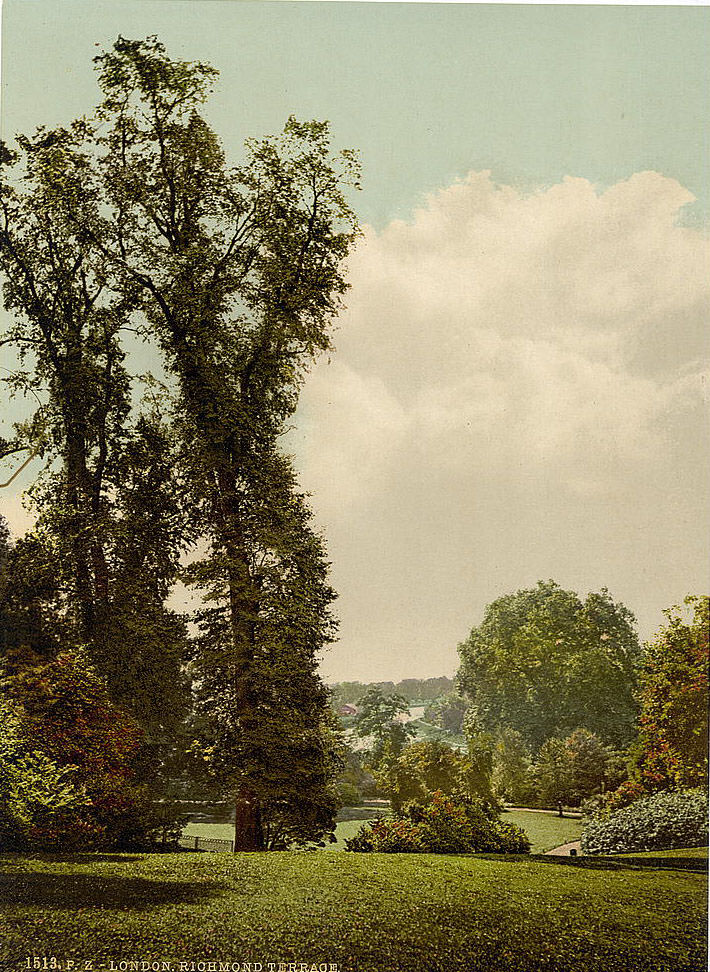
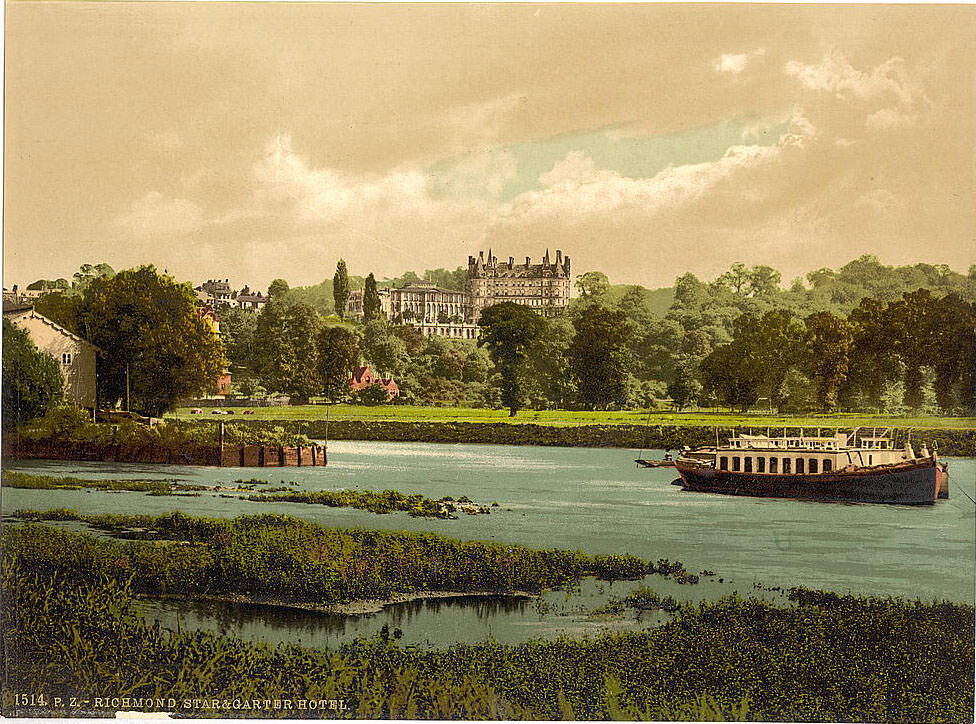
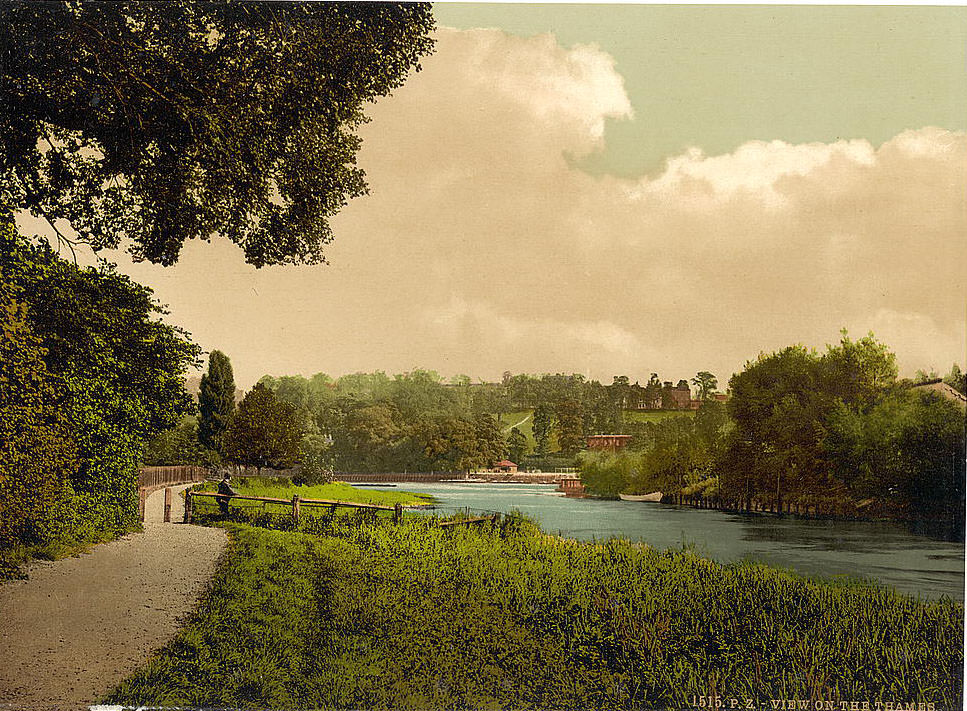
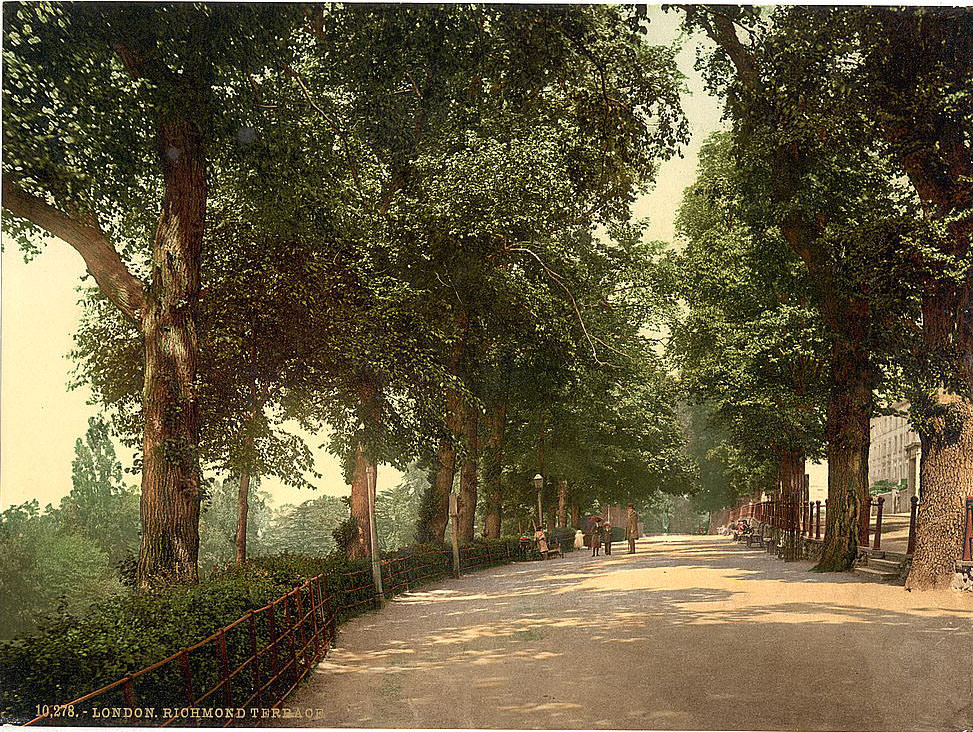
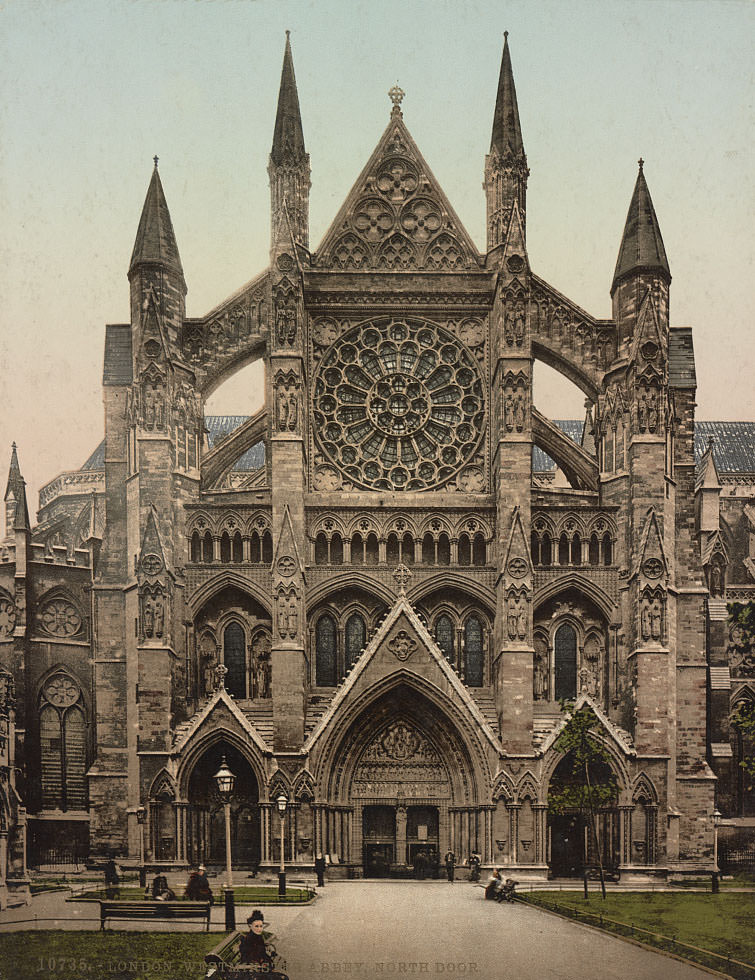
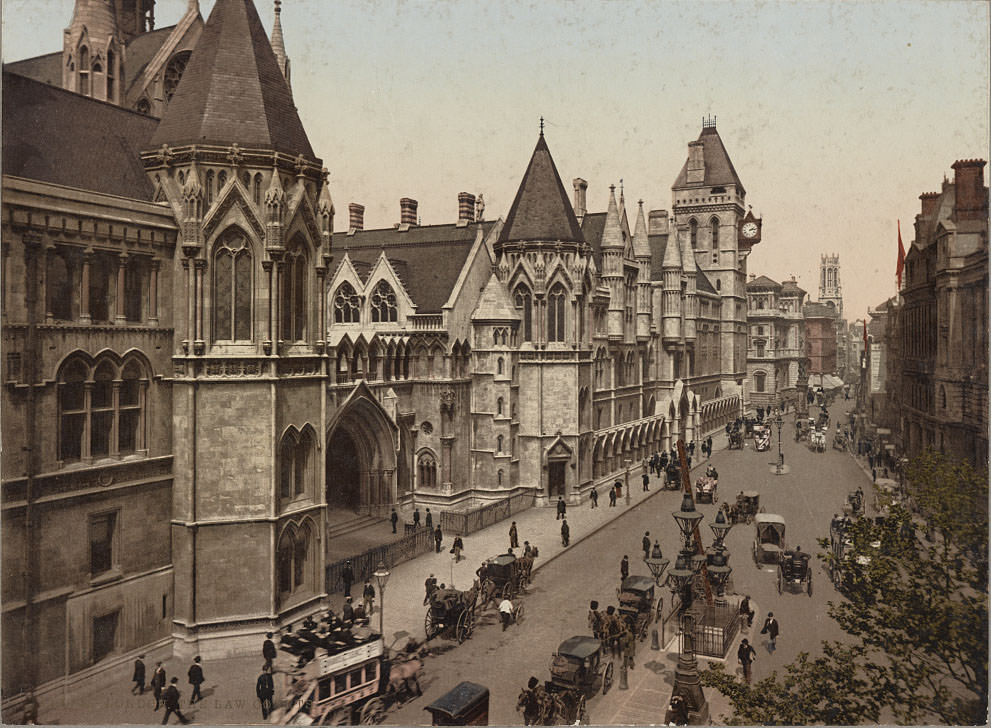
Westminster Abbey’s west front and north door appear in separate images, showing the level of detail these photochroms captured. The Royal Courts of Justice on the Strand, completed in 1882, consolidated dozens of superior courts that had previously been scattered across London. The building was Gothic in style, with a complex of towers, spires, and arched entrances that made it one of the more striking Victorian structures in the city. These final images round out a comprehensive visual record of London at a specific and well-documented moment in its history.