In 1960s Britain, two youth groups defined themselves through fashion, music, and mutual hatred. Mods and Rockers looked different, listened to different music, and rode different machines — and they fought each other in the streets to prove it.
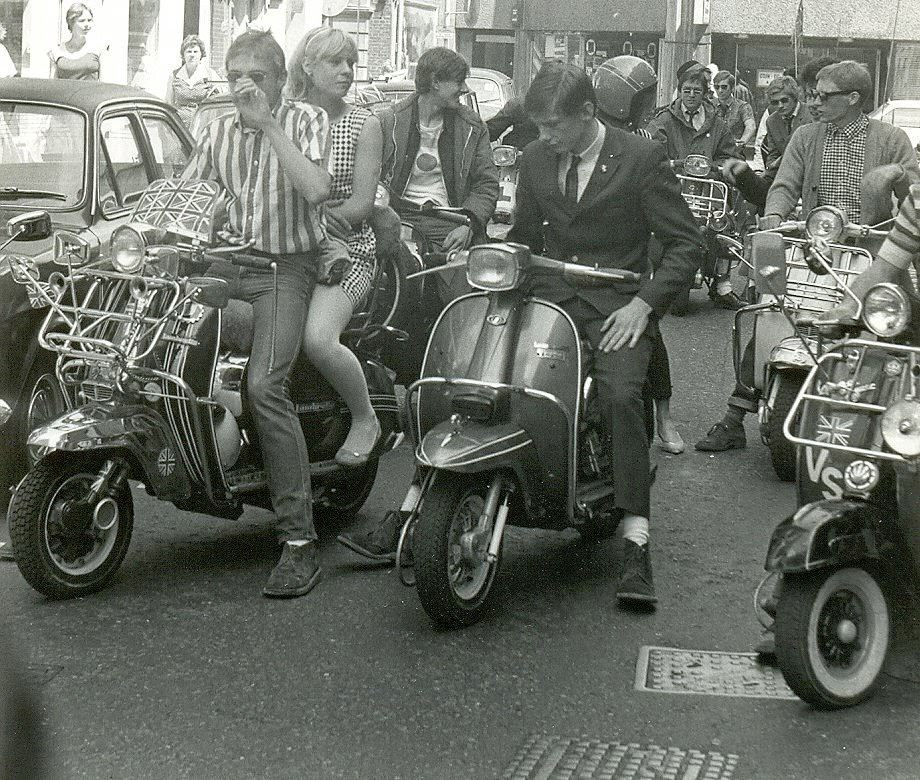
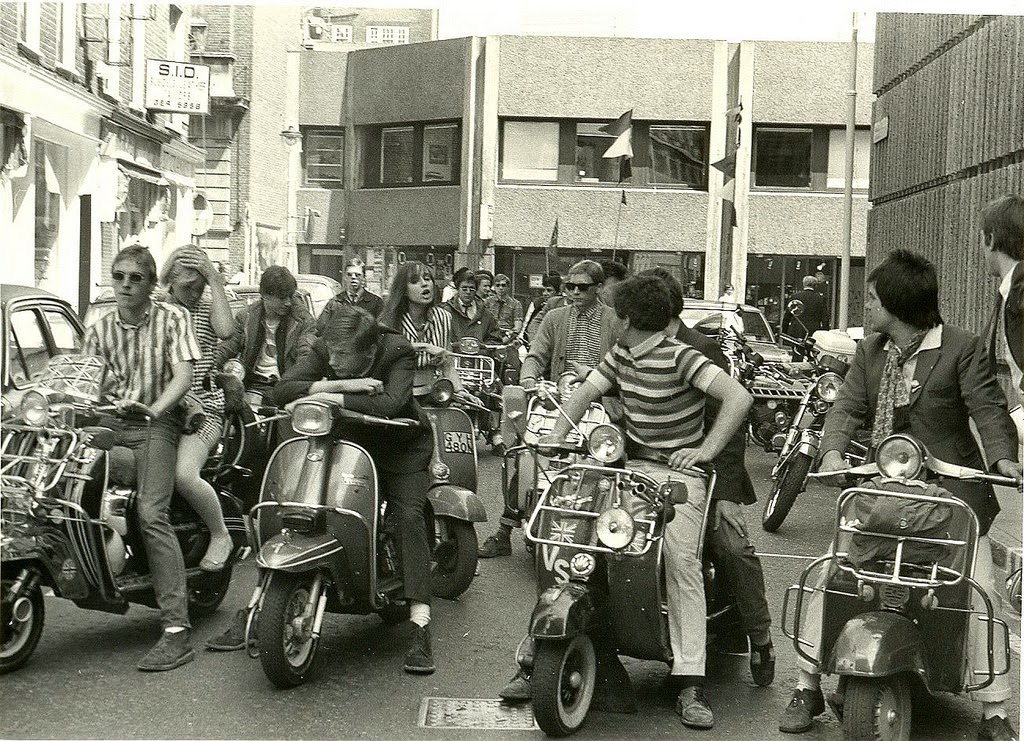
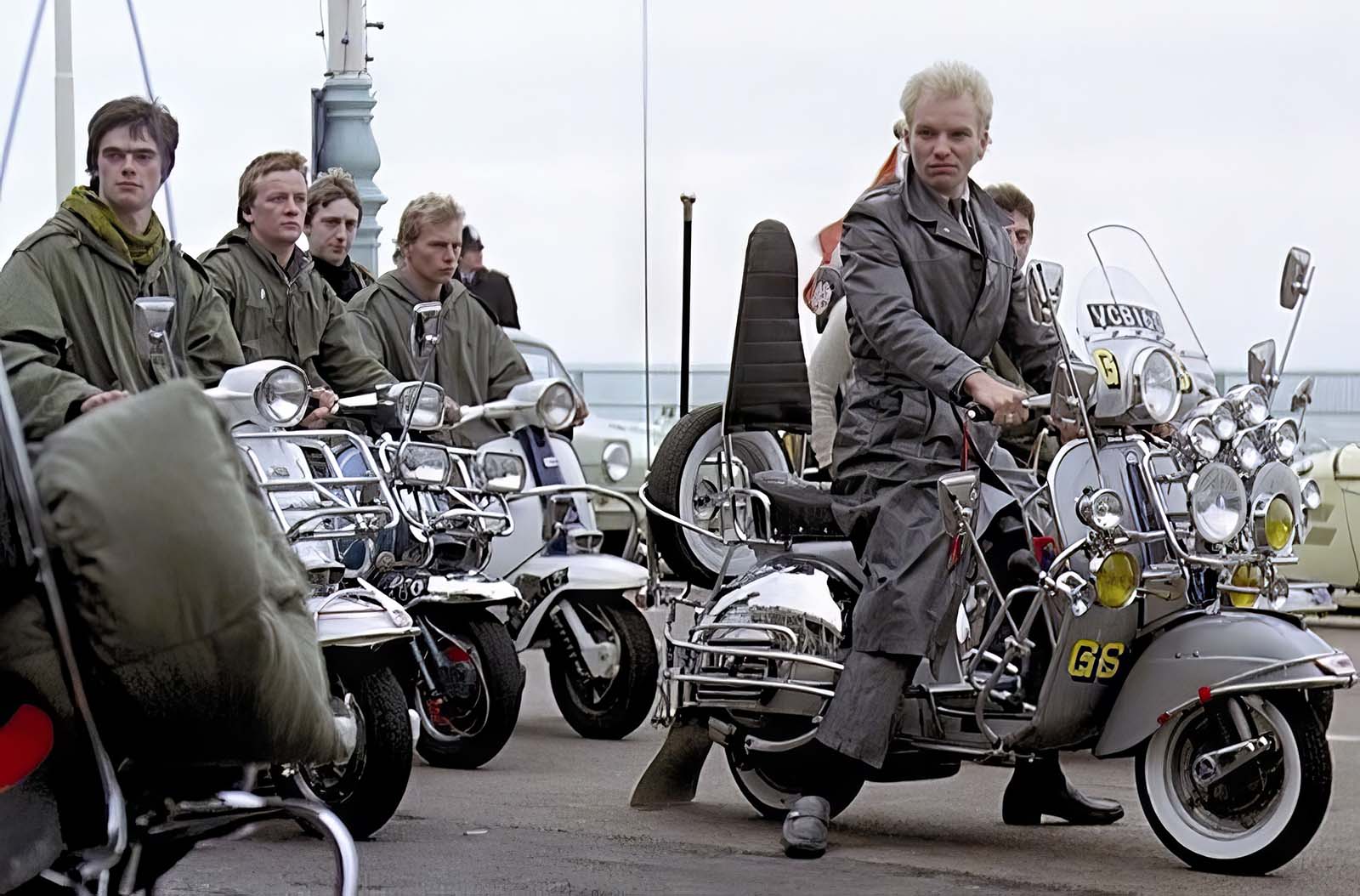
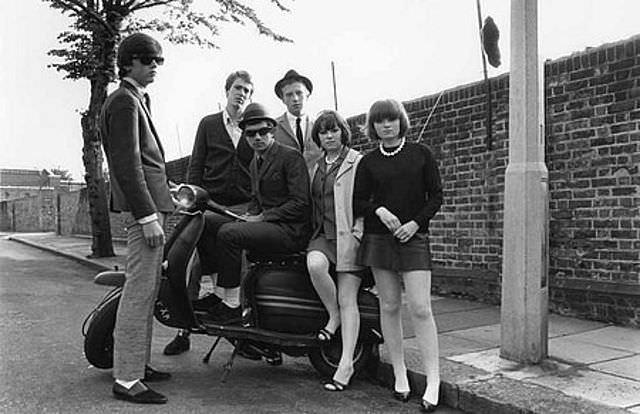
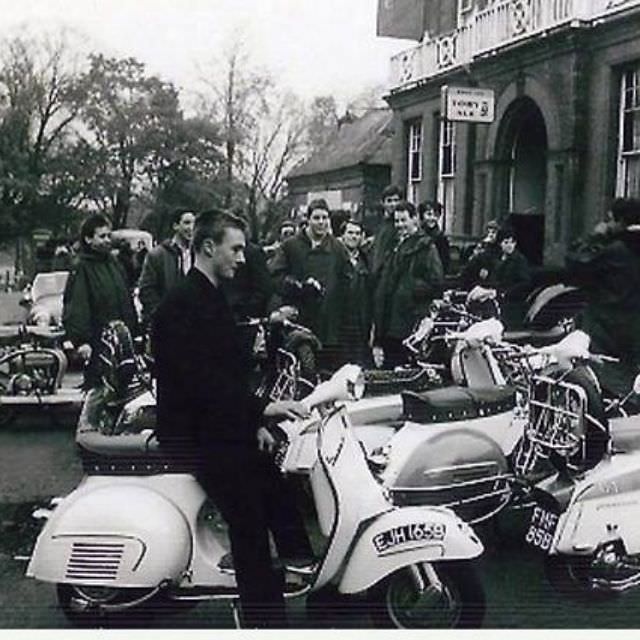
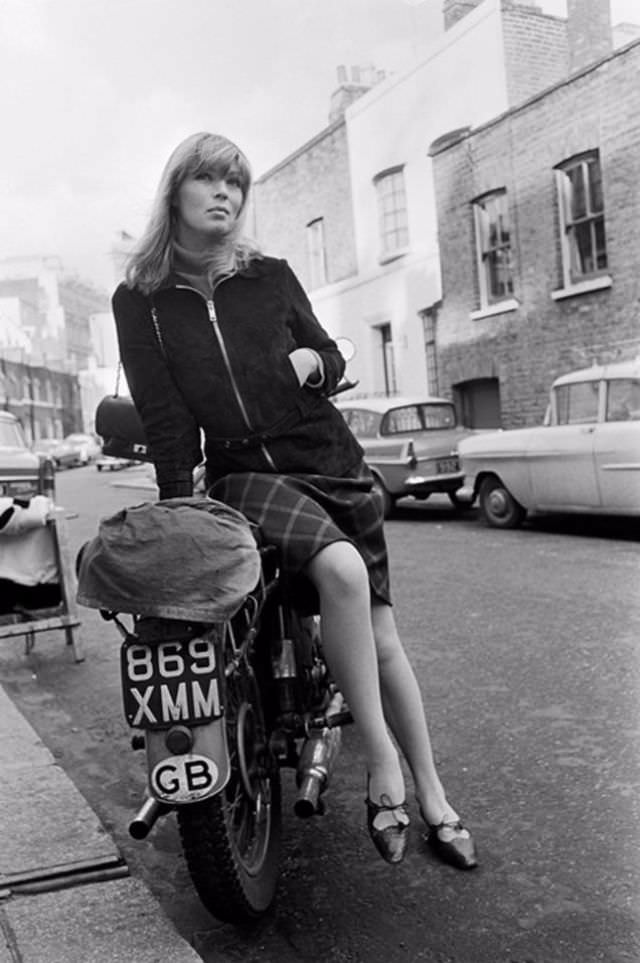
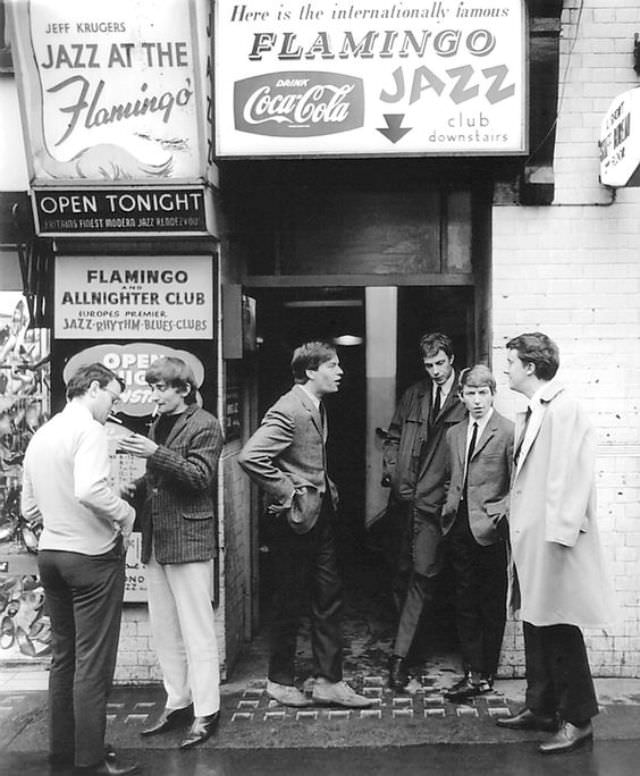
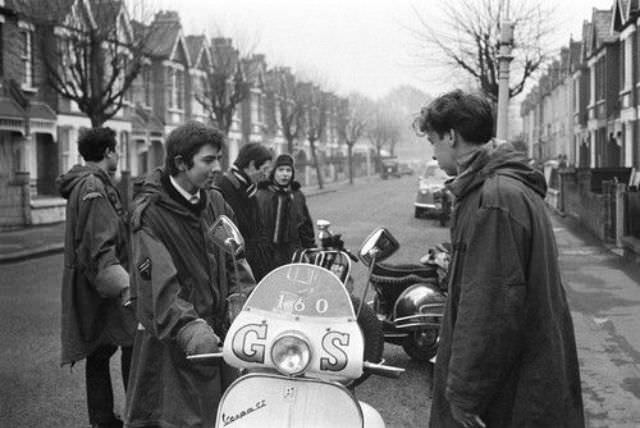
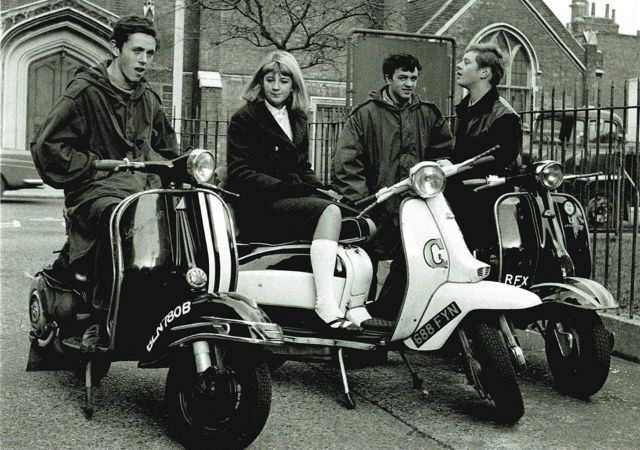
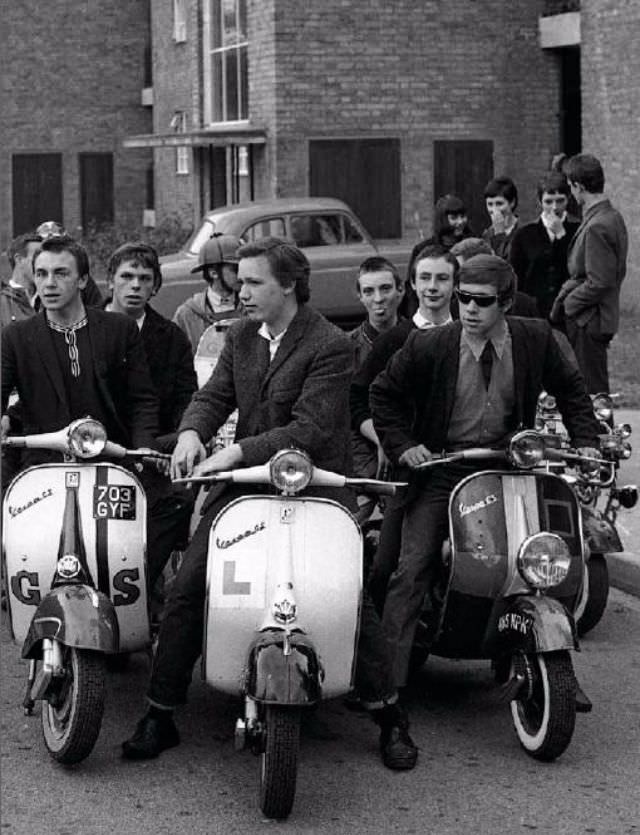
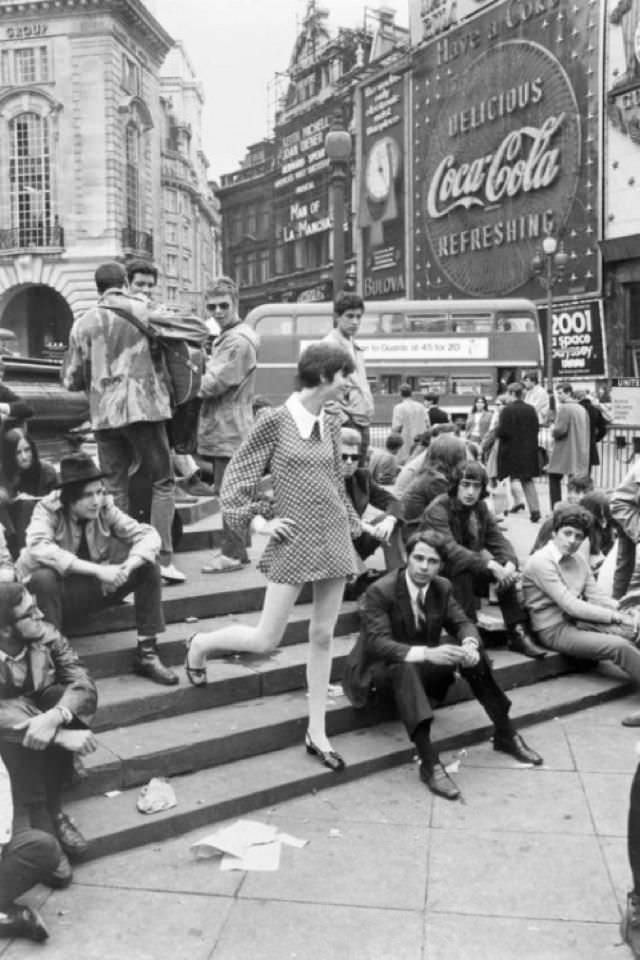
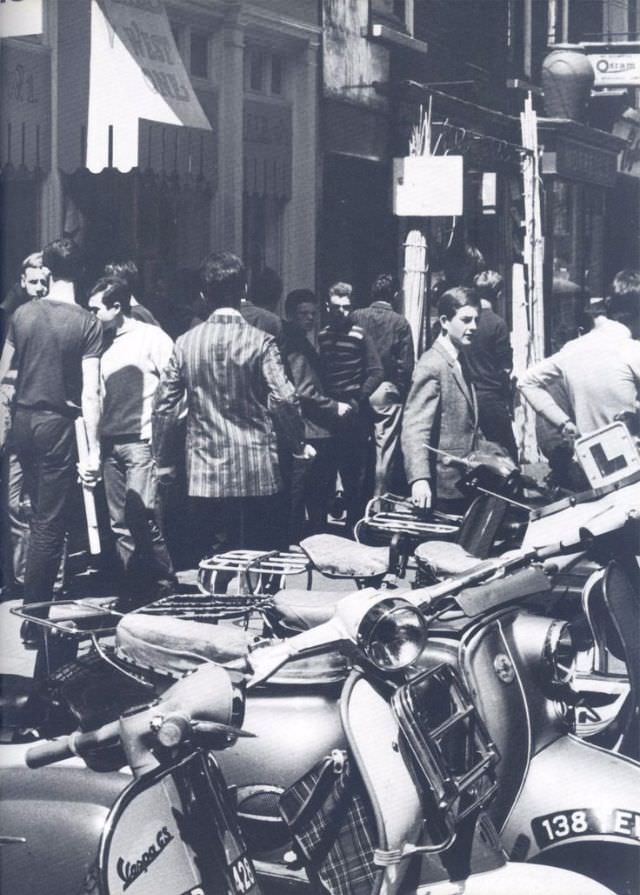
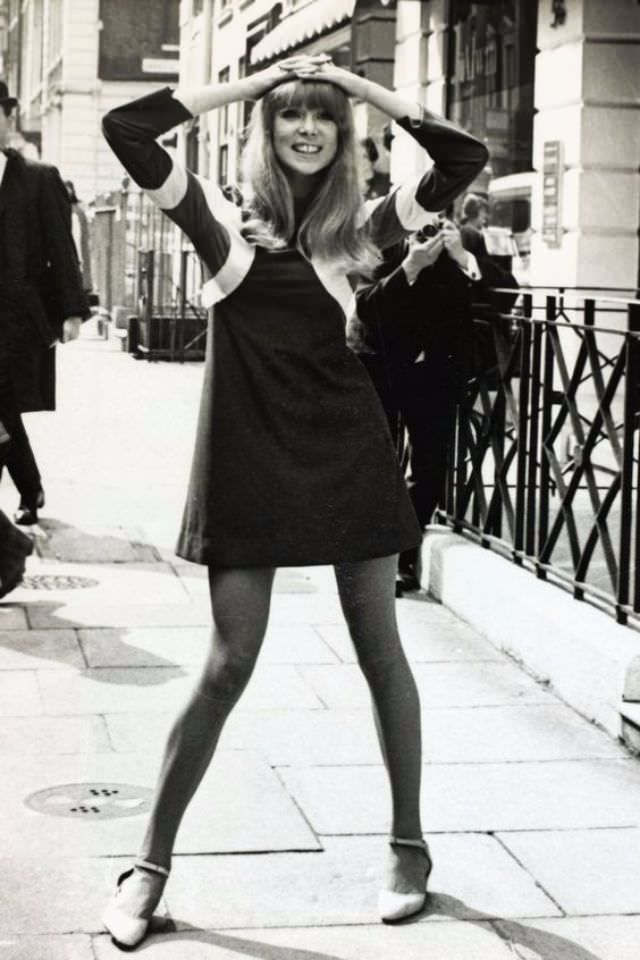
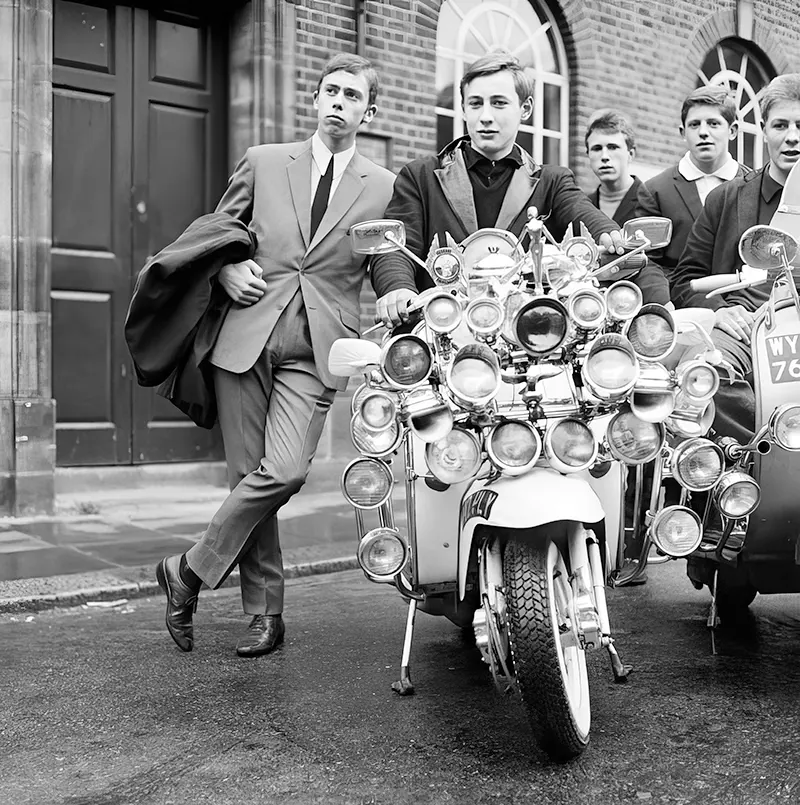
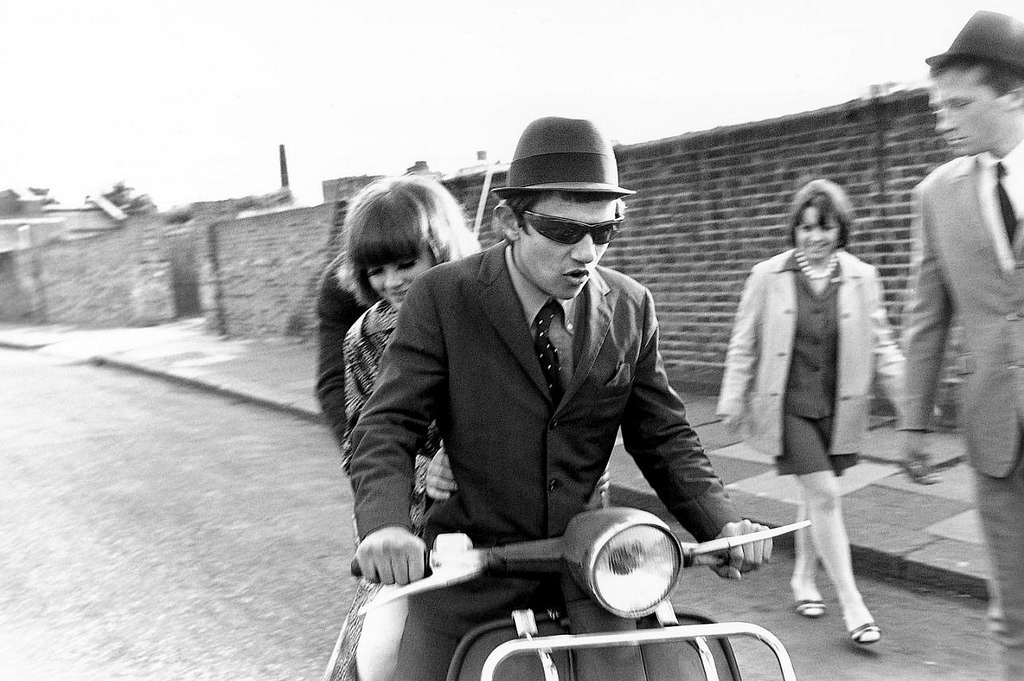
Mods, short for Modernists, dressed sharp. Tailored suits, slim ties, and parka jackets were their uniform. They rode Vespa and Lambretta scooters, often loaded with extra mirrors and lights. Their music was rhythm and blues, soul, and British bands like The Who and The Small Faces. They gathered in coffee bars and clubs, focused on style above everything else.
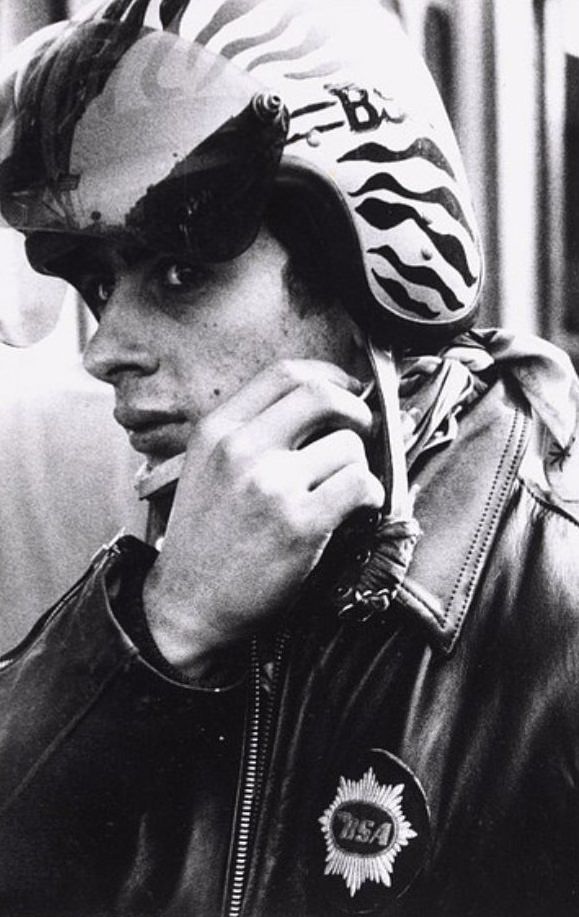
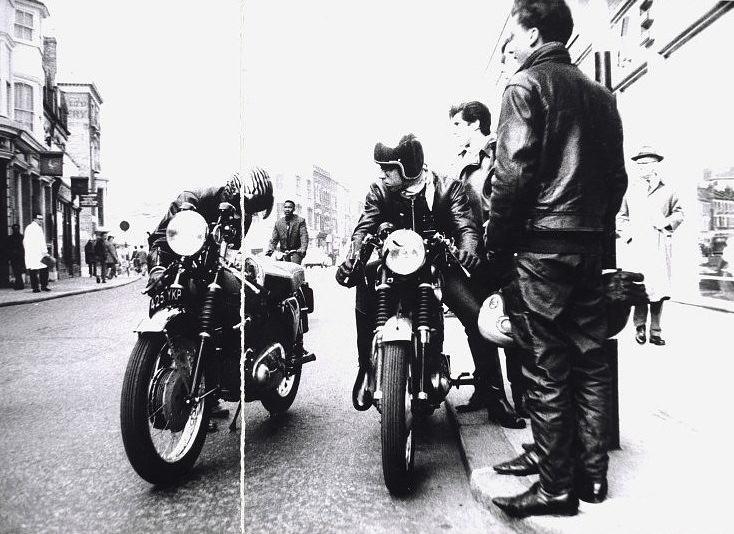
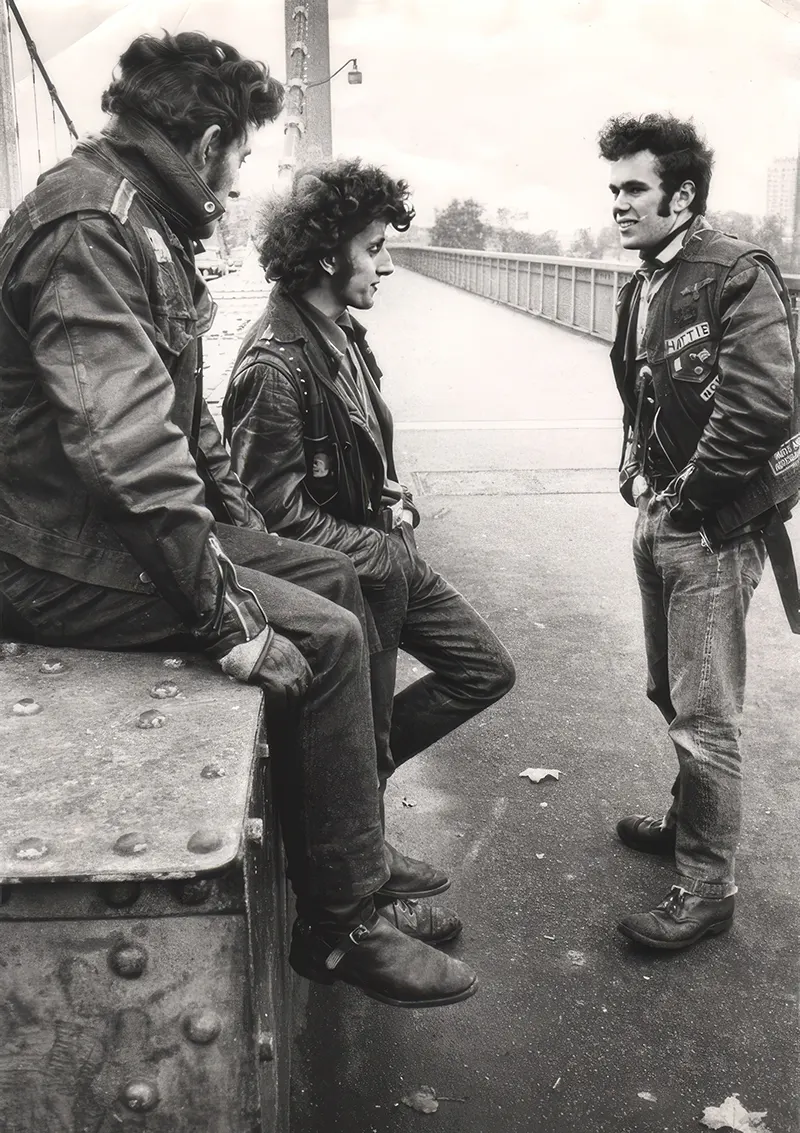
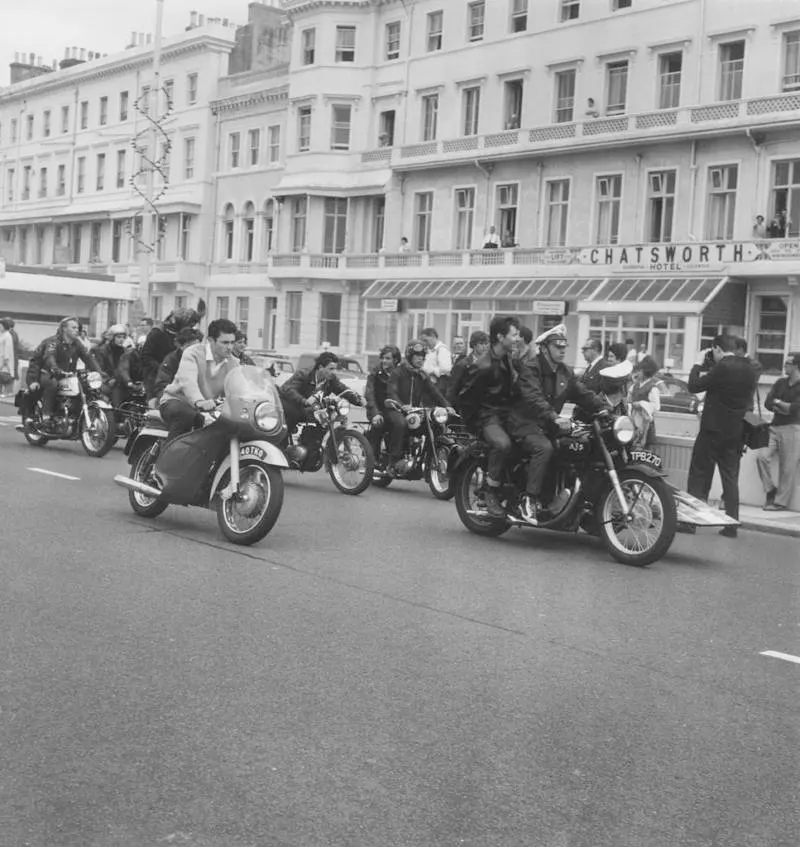
Rockers took their cues from American rock and roll. Leather jackets, denim, and heavy boots set them apart. They rode powerful British motorcycles — Triumphs and Nortons — and idolized Elvis Presley, Chuck Berry, and Eddie Cochran. Roadside cafes and greasy spoon diners were their territory.
Class divided the two groups as sharply as their wardrobes. Mods generally came from more comfortable backgrounds and worked office or shop jobs, saving for the next scooter accessory or tailored piece. Rockers were more often from working-class families, employed in manual trades, pouring their wages into their bikes and gear.
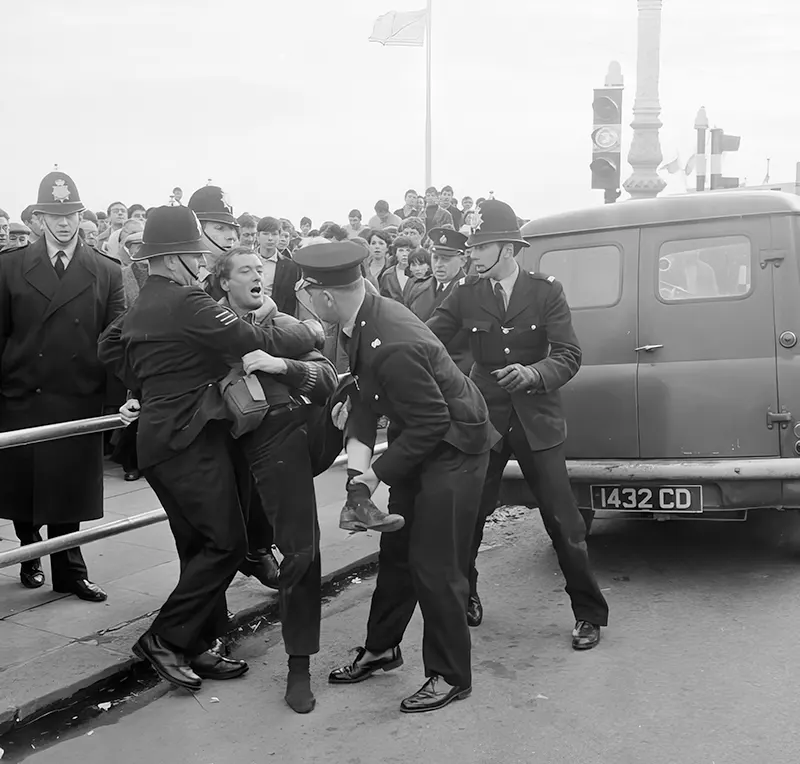
The tension exploded publicly over bank holiday weekends in 1964. Seaside towns — Brighton, Margate, Clacton, and Hastings — became battlegrounds. Running fights broke out on beaches and streets, and police were stretched thin trying to restore order.
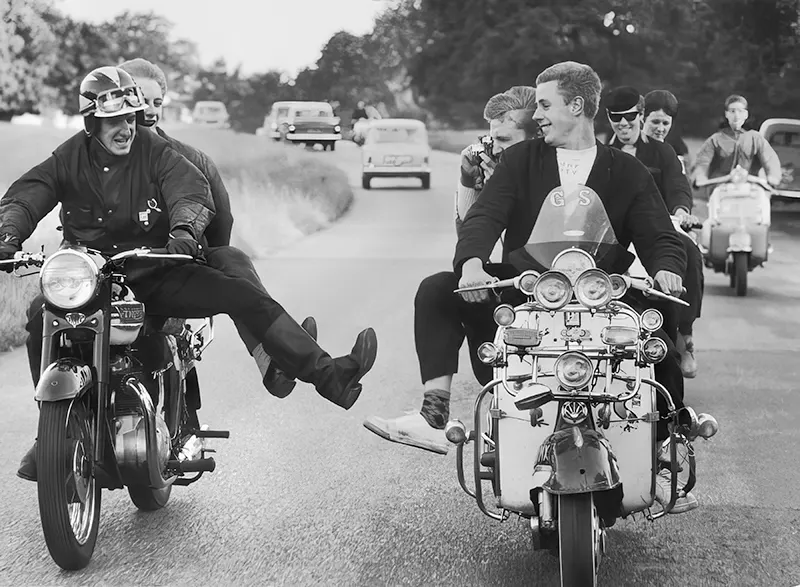
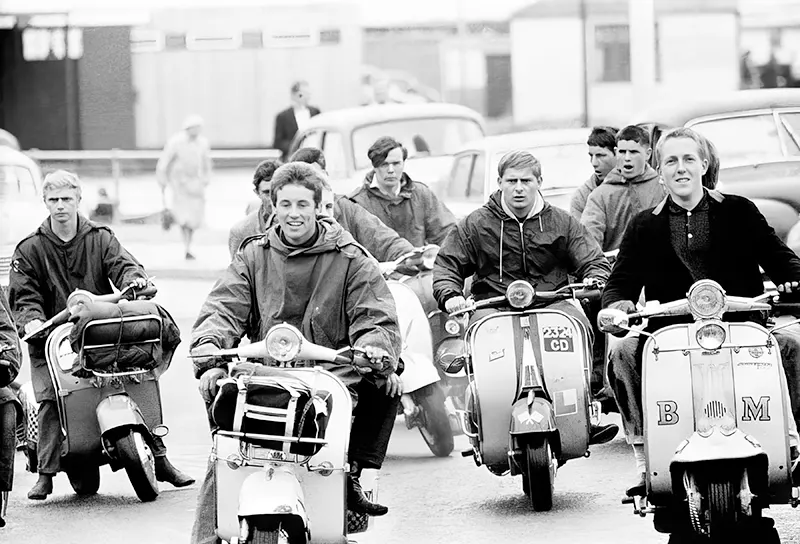
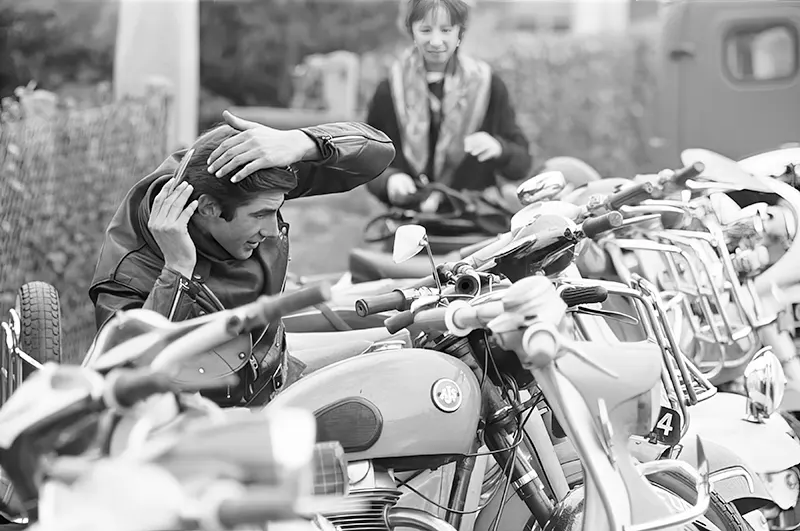
Not every encounter ended in violence. On quieter days, both groups occupied the same coastal towns with an uneasy tension rather than outright fighting. The line between rivalry and curiosity was sometimes thin.
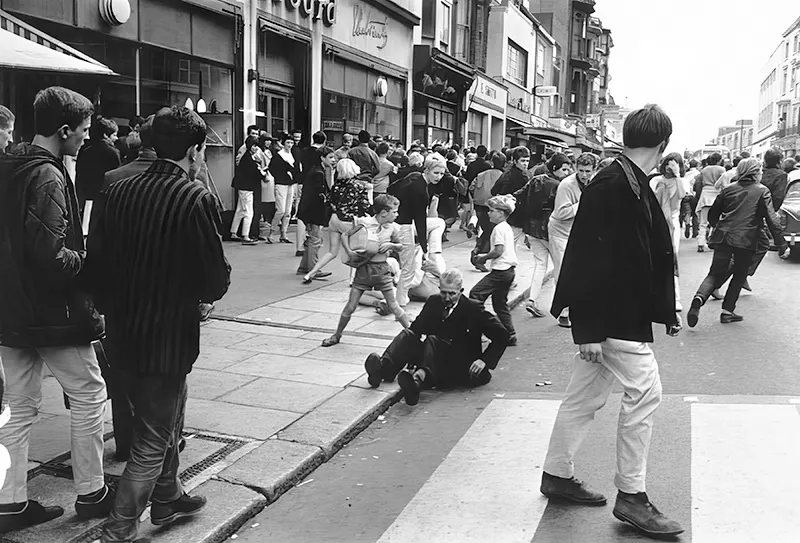
When the brawls did break out, bystanders weren’t always spared. The street fights were chaotic and indiscriminate, pulling in anyone nearby.
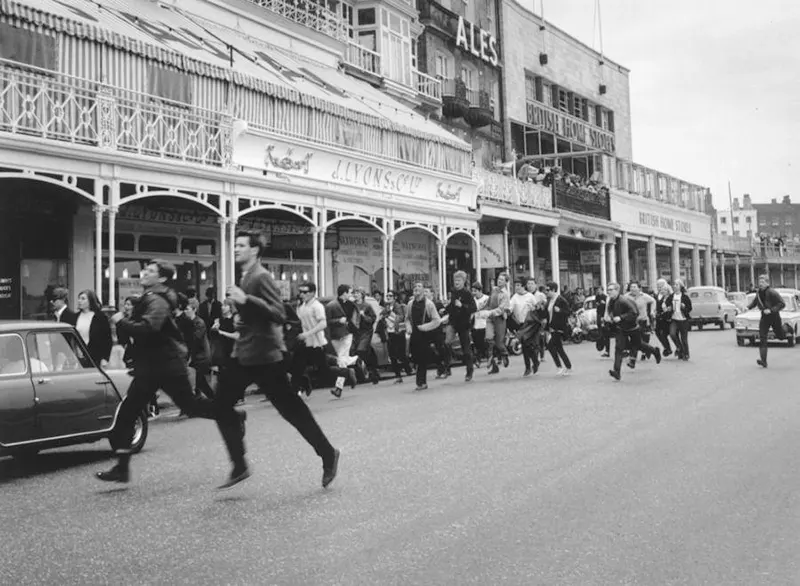
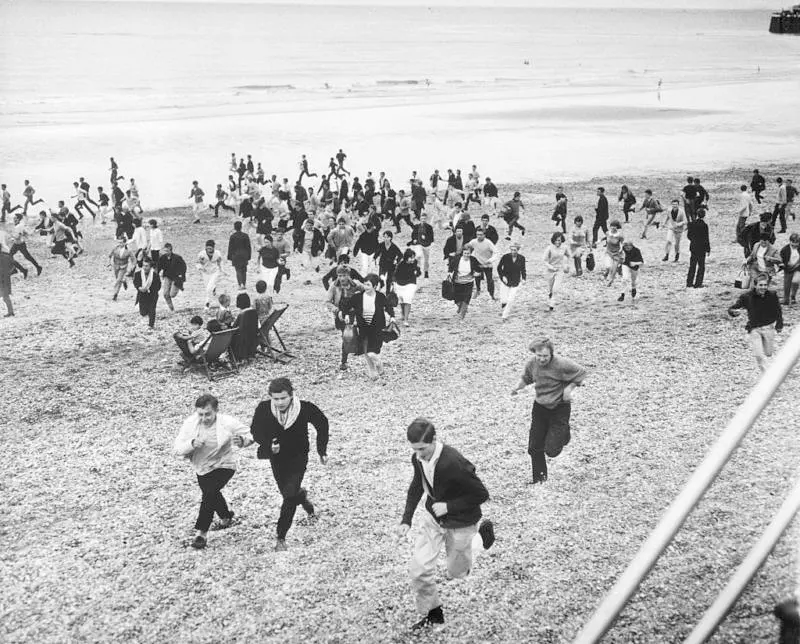
Newspapers sensationalized every clash, printing dramatic photos and alarming headlines. This coverage created a moral panic, pushing politicians and police to treat the rivalry as a serious threat to public order. Arrests followed, and courts handed down stiff penalties to make examples of those involved.